
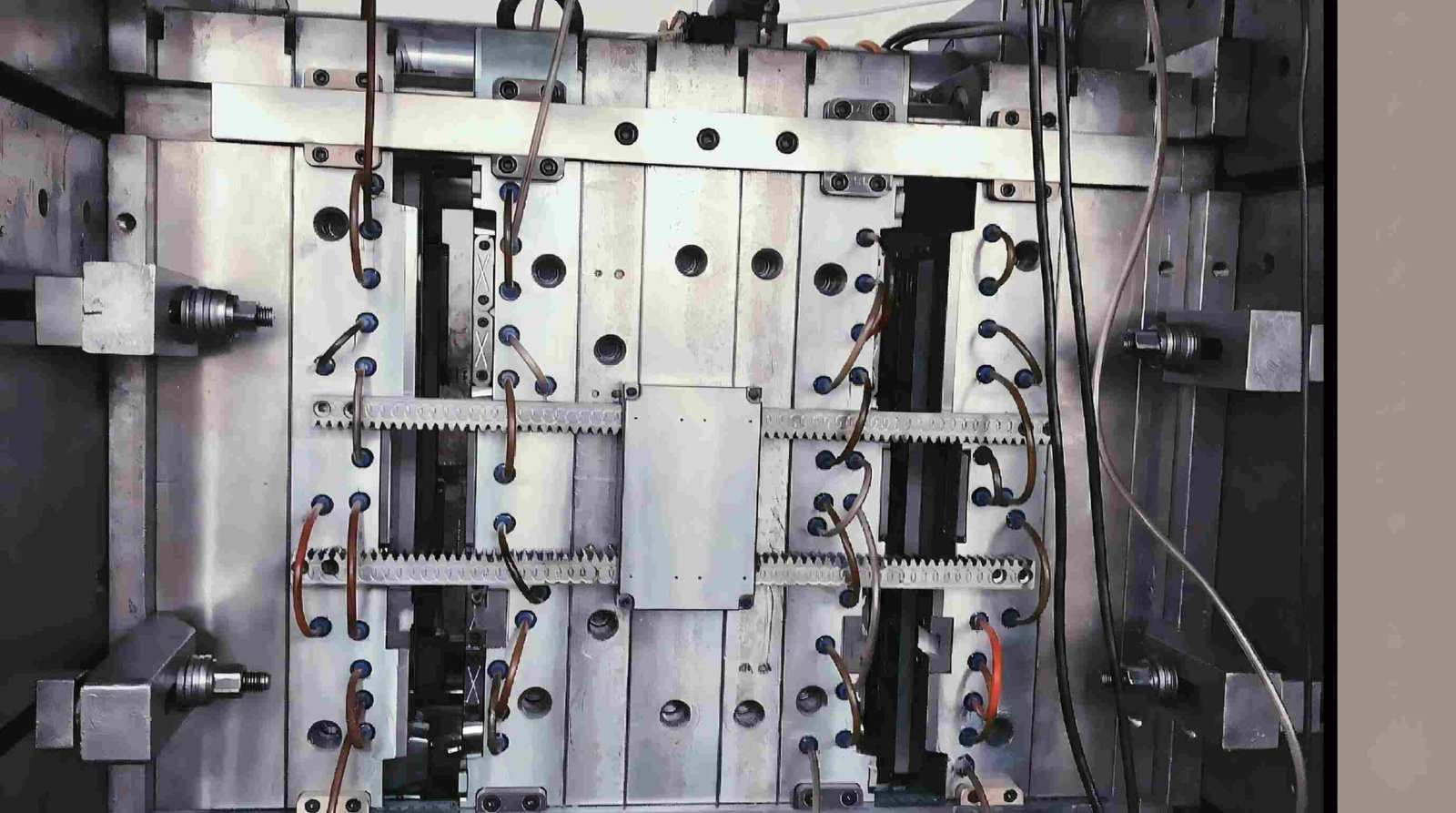
A hot runner mold is an advanced injection molding system that uses a heated manifold to keep plastic in a molten state as it travels from the machine nozzle into the mold cavities. Unlike traditional cold runner systems, it eliminates the need to cool and eject the runner system along with the final part, significantly reducing material waste and cycle times while improving overall part quality.
Video Guide: This comprehensive overview explores the foundational basics and technological advancements of hot runner systems in modern injection molding.
What is Hot Runner Mold?
A hot runner mold is a specialized injection molding tool equipped with an internally or externally heated manifold system. This system maintains the thermoplastic material at a precise melting temperature throughout the runner channels, ensuring the plastic flows seamlessly into the mold cavity without solidifying before the part is formed.
Video Guide: This overview demonstrates the physical layout and components of a standard hot runner system within an injection mold.
Core Components of a Hot Runner System
A functional hot runner mold relies on several highly engineered components working in unison to manage thermal dynamics and fluid flow.
- Locating Ring: Aligns the mold precisely with the injection molding machine’s nozzle.
- Sprue Bushing: The initial entry point where molten plastic transfers from the machine into the mold.
- Heated Manifold: The central distribution block that splits the plastic flow to various nozzles while maintaining strict temperature controls.
- Hot Nozzles: Precision-engineered tips that deliver the molten plastic directly into the individual mold cavities.
- Temperature Controllers: External electronic systems that regulate the heat applied to the manifold and nozzles to prevent plastic degradation.
GBM Pro Tip: Always ensure your temperature controller is perfectly calibrated to your specific polymer‘s melt temperature to prevent resin degradation or “drooling” within the manifold.
How Does Hot Runner Mold Work?
The hot runner mold works by transferring molten plastic from the injection machine through a heated sprue and manifold directly into the mold cavities via heated nozzles. The continuous heat prevents the plastic from cooling in the channels, allowing only the part in the cavity to solidify before ejection.
Video Guide: Watch a step-by-step animation of molten plastic flowing through a heated manifold and injecting into the mold cavities.
The Injection Molding Process Steps
The operational sequence of a hot runner mold is designed for maximum efficiency and minimal waste.
- Injection Phase: The injection molding machine pushes molten thermoplastic resin into the hot sprue bushing.
- Thermal Distribution: The heated manifold splits the flow evenly, guiding the molten material to multiple hot nozzles without losing heat or pressure.
- Cavity Filling: The nozzles inject the plastic directly into the cooled mold cavities. In valve-gated systems, a mechanical pin pulls back to allow flow.
- Cooling & Ejection: Only the plastic inside the part cavity cools and solidifies. The mold opens, ejecting the finished part, while the plastic inside the runner remains molten and ready for the immediate start of the next cycle.
GBM Pro Tip: Implement sequential valve gating if you are molding large parts; this allows you to completely eliminate weld lines and control the flow front precisely across the part.
What is hot runner in mold?
The “hot runner” specifically refers to the heated physical assembly—comprising the manifold, nozzles, and heating elements—housed within the mold base. It acts as an extension of the injection molding machine’s nozzle, keeping the plastic resin in a liquid state until it enters the final part cavity.
Video Guide: This presentation breaks down the specific internal architecture of the hot runner assembly within plastic mold technology.
Types of Hot Runner Systems
Understanding the different configurations of hot runners is critical for selecting the right system for your specific resin and part design.
- Internally Heated Runners: Heating elements are placed directly inside the flow channel. This is highly efficient but can create flow restrictions and dead spots.
- Externally Heated Runners: Heaters surround the manifold and nozzles. This provides excellent thermal control and smooth flow channels, making it ideal for heat-sensitive plastics.
- Thermal Gated Systems: Relies on precise temperature control at the nozzle tip to allow plastic to flow during injection and freeze off when pressure drops.
- Valve Gated Systems: Uses mechanical pins to physically open and close the gate, leaving a clean cosmetic finish and preventing any stringing of the plastic.
GBM Pro Tip: For highly heat-sensitive materials like PVC or POM, we strongly recommend externally heated manifolds to avoid internal dead spots where material can hang up and degrade.
What are the disadvantages of the hot runner system?
The primary disadvantages of a hot runner system include significantly higher initial tooling costs, complex maintenance requirements, and the need for specialized temperature control equipment. Additionally, color changes are more difficult and time-consuming, and they are not ideal for thermally sensitive polymers prone to degradation.
Video Guide: A detailed comparison highlighting the trade-offs and operational challenges of hot runner molds versus traditional cold runners.
Common Challenges and Limitations
While highly efficient, hot runner systems introduce specific operational and financial challenges that manufacturers must consider.
Based on our internal data and market analysis, here is the breakdown:
| Disadvantage | Description | Impact Level |
|---|---|---|
| High Initial Cost | Tooling, manifolds, and controllers are expensive compared to cold runners. | High |
| Maintenance Complexity | Requires skilled technicians to clean, repair, and replace internal heaters. | Medium |
| Color Change Difficulty | Purging old colors from the manifold takes time and wastes resin. | Medium |
| Thermal Degradation Risk | Heat-sensitive materials can burn if left in the manifold during delays. | High |
GBM Pro Tip: To mitigate color change issues, plan your production runs from lightest to darkest colors, and use high-quality purging compounds specifically formulated for hot runner manifolds.
What is the purpose of a runner on a mold?
The primary purpose of any runner in a mold is to act as a delivery channel, guiding molten plastic from the injection machine’s sprue to the individual mold cavities. It ensures balanced flow, consistent pressure, and uniform filling of multiple parts during a single injection cycle.
Video Guide: This video explains the fundamental role of runner systems in delivering plastic to mold cavities effectively.
Runner System Functions
Whether hot or cold, the runner system is the circulatory system of the injection mold, performing several critical functions.
- Flow Balancing: Ensures that molten plastic reaches all cavities simultaneously, preventing defects like short shots or overpacking in multi-cavity molds.
- Pressure Transmission: Maintains the required injection pressure from the machine nozzle all the way to the gate, ensuring parts are fully packed out.
- Thermal Management: In hot runners, it maintains melt temperature; in cold runners, its size dictates how quickly the system can cool for ejection.
- Gate Control: Directs the plastic into the cavity at the optimal location for part aesthetics, dimensional stability, and mechanical strength.
GBM Pro Tip: A poorly designed runner system will cause uneven filling, leading to warped parts. Always use mold flow analysis software to optimize your runner layout and sizing before cutting steel.
Key Features & Comparison
Choosing between a hot runner and a cold runner system fundamentally impacts your production economics, part quality, and cycle times. Hot runners excel in high-volume production where material savings and speed justify the upfront investment.
Based on our internal data and market analysis, here is the breakdown:
| Feature | Hot Runner Mold | Cold Runner Mold |
|---|---|---|
| Material Waste | Virtually zero (runner stays molten) | High (runner is ejected and scrapped/recycled) |
| Cycle Time | Faster (no runner cooling time required) | Slower (must wait for the thick runner to solidify) |
| Tooling Cost | High (requires manifold, nozzles, controllers) | Low to Moderate (simpler steel machining) |
| Part Quality | Excellent (lower injection pressure reduces stress) | Good (higher pressure can cause internal stress) |
| Maintenance | Complex (requires electrical and thermal upkeep) | Simple (standard mechanical maintenance) |
Cost & Buying Factors
Investing in a hot runner mold requires careful financial planning. The costs are driven by the complexity of the part, the type of resin used, and the production volume required.
- Number of Drops (Cavities): Every additional cavity requires an additional heated nozzle (drop), which linearly increases the cost of the manifold system.
- Gate Type: Thermal gating is more cost-effective, but valve gating—which requires pneumatic or hydraulic actuation systems—adds significant cost while providing superior cosmetic finishes.
- System Brand: Premium hot runner brands (like Husky, Mold-Masters, or Yudo) cost more upfront but offer better global support, tighter thermal control, and longer warranties.
- Controller Equipment: You must factor in the cost of the external temperature controller, which is priced based on the number of heating zones required by the mold.
Conclusion
A hot runner mold is a transformative technology for high-volume injection molding, offering unparalleled efficiency by eliminating runner waste and drastically reducing cycle times. While the initial investment and maintenance demands are higher than traditional cold runner systems, the long-term savings in resin and increased production output make it an indispensable tool for modern manufacturers. When planning your next molding project, partner with GBM to engineer a hot runner solution tailored to your exact material and production requirements.