
The primary difference between 2-shot molding and overmolding lies in the production process and volume suitability. 2-shot molding uses a single cycle within one specialized machine to bond materials, making it ideal for high-volume precision production. Conversely, overmolding is a two-step process often requiring manual transfer between molds, which is more cost-effective for low-volume runs and prototyping.
What is 2-Shot Molding?
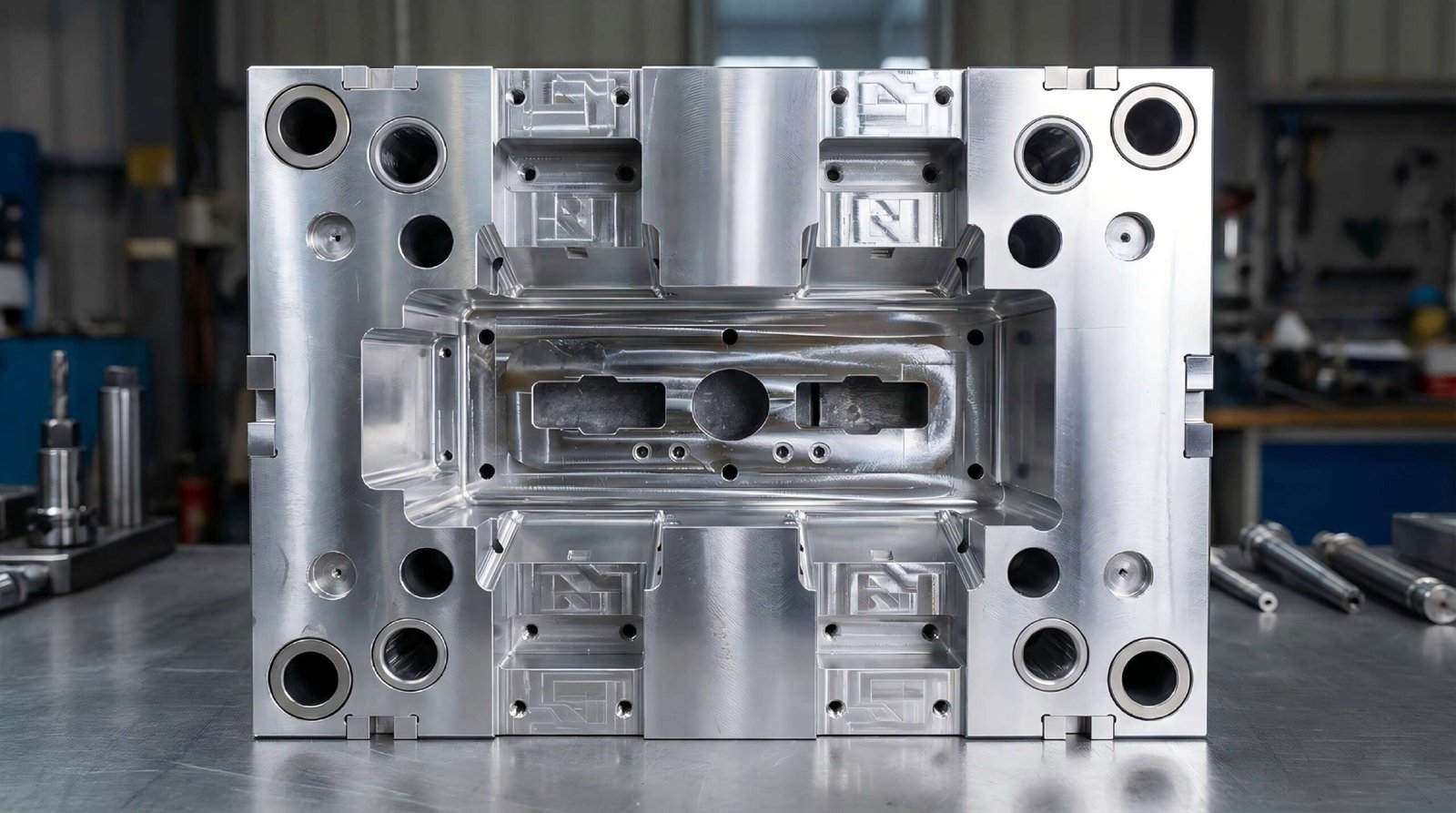
2-shot molding, also known as dual-shot or multi-shot injection molding, is an automated manufacturing process that produces complex parts from two different materials in a single machine cycle. This technique utilizes a specialized mold with two injection units to bond polymers chemically or mechanically without manual intervention, ensuring extremely tight tolerances and consistent quality.
Process Efficiency: This method is highly efficient because it eliminates the need for manual handling. The machine rotates the mold tool to inject the second material immediately after the first shot cools slightly, significantly reducing cycle times.
Ideal Volume: Due to higher initial tooling costs and machine complexity, 2-shot molding is strictly recommended for high-volume production runs where unit cost savings justify the upfront investment.
🎥 Industry Insight: Watch how a rotary platen enables the second injection unit to bond materials seamlessly in real-time:
What is Overmolding?
Overmolding is a multi-step injection molding process where a secondary material is molded over a pre-existing substrate part to add functionality or aesthetic appeal. While it can be automated, it frequently involves molding the substrate first, then manually or robotically transferring it to a second mold to apply the overmold layer, allowing for high flexibility in material selection.
Substrate Compatibility: Overmolding excels at bonding plastics to non-plastic substrates, such as threaded metal inserts or electronic components, which is not possible with standard 2-shot plastic processes.
Cost Structure: This process typically utilizes standard injection molding machines and simpler mold designs. This results in significantly lower tooling costs compared to 2-shot molding, making it the preferred choice for prototypes and low-to-medium volume production.
🎥 Technical Demo: See the step-by-step process of molding a soft grip over a rigid handle using overmolding techniques:
Key Differences: 2-Shot Molding vs. Overmolding
When choosing between 2-shot molding and overmolding, the decision usually comes down to production volume, budget, and the specific materials required. 2-shot requires specialized equipment, while overmolding can be done on standard presses.
| Feature | 2-Shot Molding | Overmolding |
|---|---|---|
| Equipment | Specialized 2-barrel machine | Standard injection molding machine |
| Cycle Process | Single cycle (Automated) | Two-step process (Often manual transfer) |
| Tooling Cost | High (Complex rotary molds) | Low to Moderate (Standard molds) |
| Precision | Extremely High | Moderate (Dependent on placement) |
| Best For | High Volume (10,000+ parts) | Low Volume / Prototyping |
ClearFilter Pro Tip: We always advise our clients to look at the “Total Cost of Ownership” rather than just the mold price. If you are producing over 50,000 units annually, the cycle time savings of 2-shot molding will pay for the expensive mold within the first year. For anything under 5,000 units, stick to overmolding to keep your capital expenditure down.
Pros & Cons Comparison
| Feature | 2-Shot Molding | Overmolding |
|---|---|---|
| Bond Quality | Excellent: Chemical bond formed while hot. | Good: Relies on mechanical interlocks or heat. |
| Cycle Speed | Fast: Done in one continuous machine cycle. | Slow: Requires handling and reheating. |
| Material Range | Limited: Must be chemically compatible polymers. | Broad: Can mold over metal, glass, or PCBs. |
| Setup Cost | Expensive: Requires rotary platen machines. | Affordable: Uses existing standard presses. |
| Labor Cost | Low: Fully automated process. | High: Often requires manual part transfer. |
Why Choose GBM for Your Multi-Material Projects?
At GBM, we don’t just provide injection molding; we deliver engineered reliability. Navigating the choice between 2-shot and overmolding requires deep technical foresight, which is where our expertise becomes your competitive advantage:
- Engineering-First Approach (Expertise): Our dedicated engineering team specializes in Design for Manufacturing (DFM) for multi-material parts. Before production, we run advanced Moldflow simulations to predict thermal expansion and ensure a perfect molecular bond between polymers.
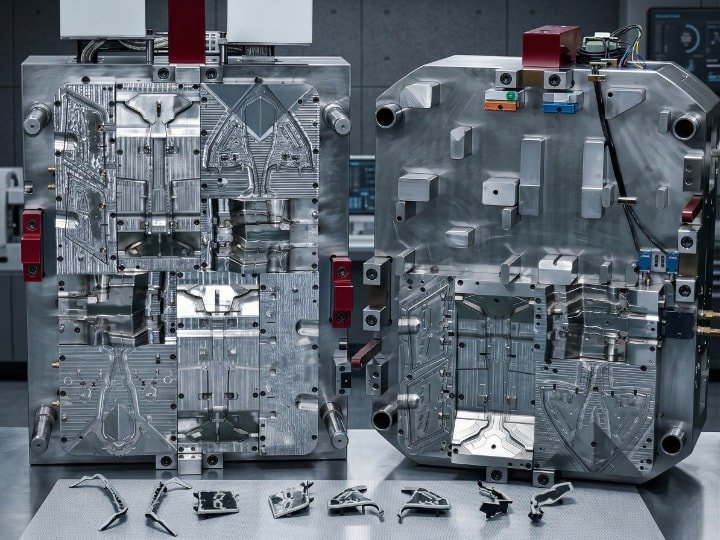
- High-Precision Tooling Capability (Authoritativeness): The secret to zero-flash 2-shot molding is in the rotary tool. GBM designs and builds complex rotary and indexing plate molds in-house, maintaining tolerances within +/- 0.01mm to ensure seamless material transitions.
- Material Compatibility Mastery (Experience): With over a decade of experience in the [Automotive/Consumer Electronics] sectors, we have a proven database of TPE/TPU to rigid plastic bonding pairings, guaranteeing your parts won’t delaminate under stress.
- Certified Quality Assurance (Trust): We operate under strict ISO 9001 certified systems. Every dual-material part undergoes rigorous peel tests and automated optical inspections (AOI) to ensure that aesthetics and structural integrity meet international standards.
Conclusion
Selecting the right process depends on your scale. 2-Shot Molding is the superior choice for mass production where speed, precision, and lower unit costs are paramount. Overmolding remains the champion for low-volume runs, prototyping, and projects requiring non-plastic substrates like metal inserts. Evaluate your annual volume requirements first; this single metric will likely dictate the most cost-effective path for your project.
Ready to optimize your next project? Contact GBM’s Engineering Team today for a comprehensive DFM and cost-benefit analysis.
FAQ
1. Is 2-shot molding more expensive than overmolding?
Yes, the upfront tooling and machine costs are significantly higher for 2-shot molding, but the per-part cost is lower for high volumes.
2. Can you use metal inserts in 2-shot molding?
Generally, no. 2-shot molding is designed for two plastic materials. Placing metal inserts is technically “insert molding,” which aligns closer to the overmolding process.
3. Which process produces a stronger bond?
2-shot molding typically produces a stronger molecular bond because the second material is injected while the first is still hot and curing.
4. Can I switch from overmolding to 2-shot molding later?
Yes, it is common to prototype using overmolding and then invest in 2-shot tooling once market demand justifies the high-volume production capabilities.