
Insert Molding Manufacturer
- Enjoy highly competitive factory wholesale pricing, with even better rates for bulk orders
- Extensive in-stock inventory significantly reduces your production lead time
- Direct access to production facilities for real-time project progress tracking
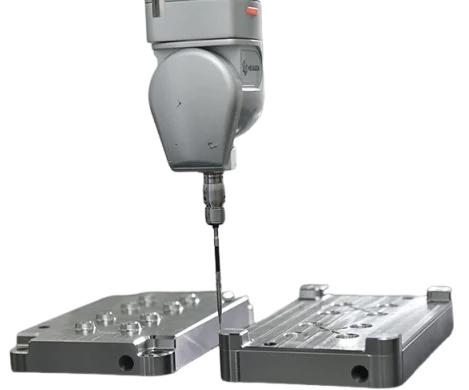
Our Customized Solutions
Material Selection
Fast Shipping Options
Industry Applications
Scientific Molding Process
Comprehensive Support Services
ISO Certified Quality Assurance
They chose us
How It Works
Leverage our expertise to meet your needs effectively.
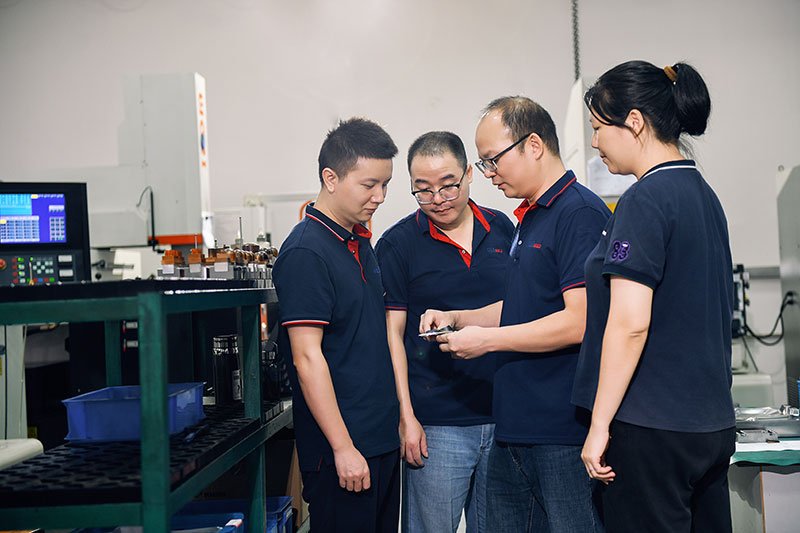
Preparation
Insert Pre-heating: We pre-heat metal inserts to minimize thermal expansion differences, preventing internal stress and cracking
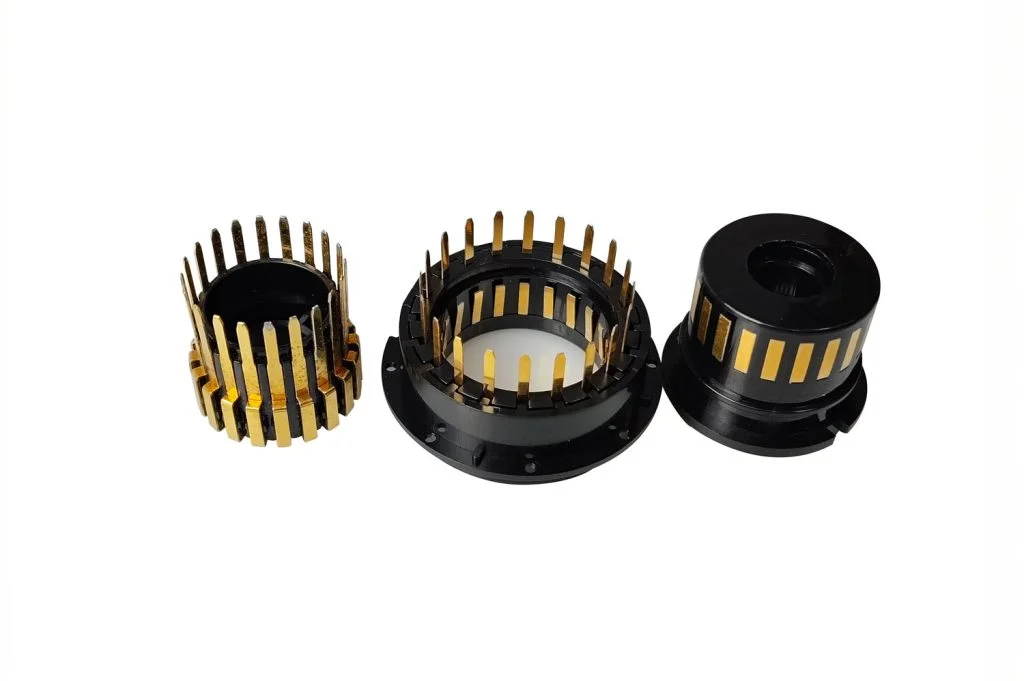
Molding
Vertical Clamping: Using vertical injection machines ensures gravity keeps inserts perfectly aligned, preventing shifting or damage
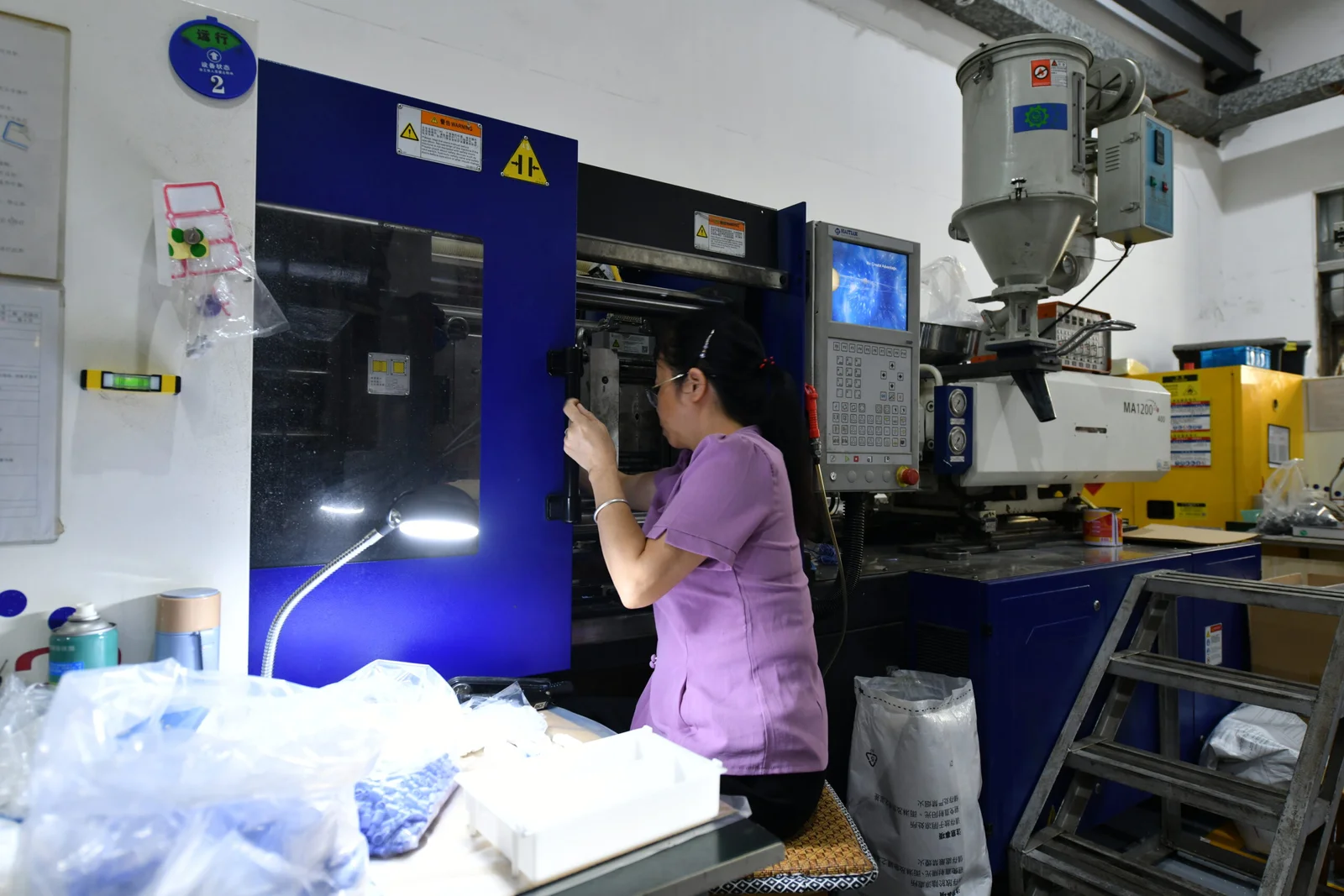
Bonding
High-Pressure Encapsulation: Plastic flows into the knurled undercuts of the insert, creating high torque-out and pull-out resistance
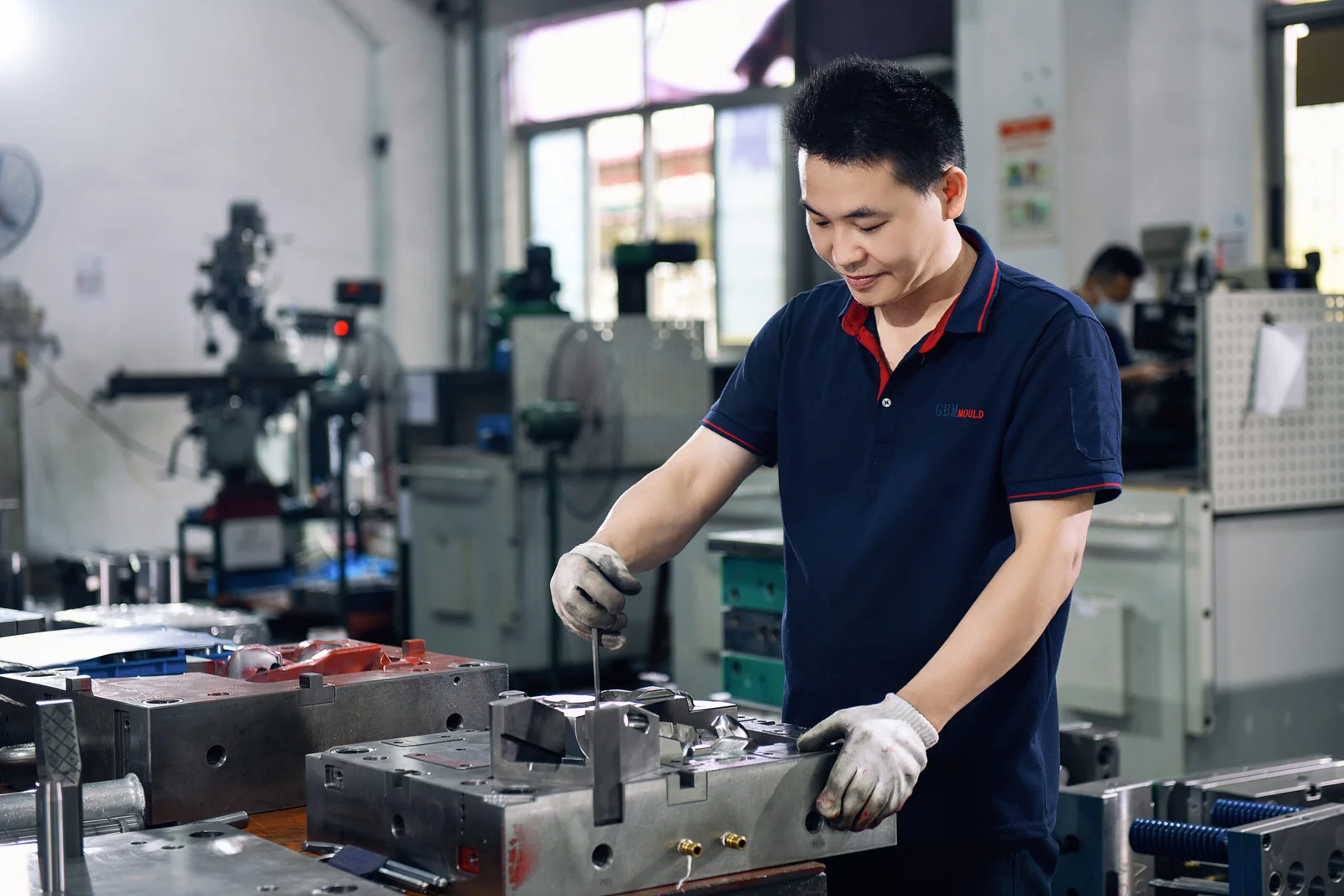
Validation
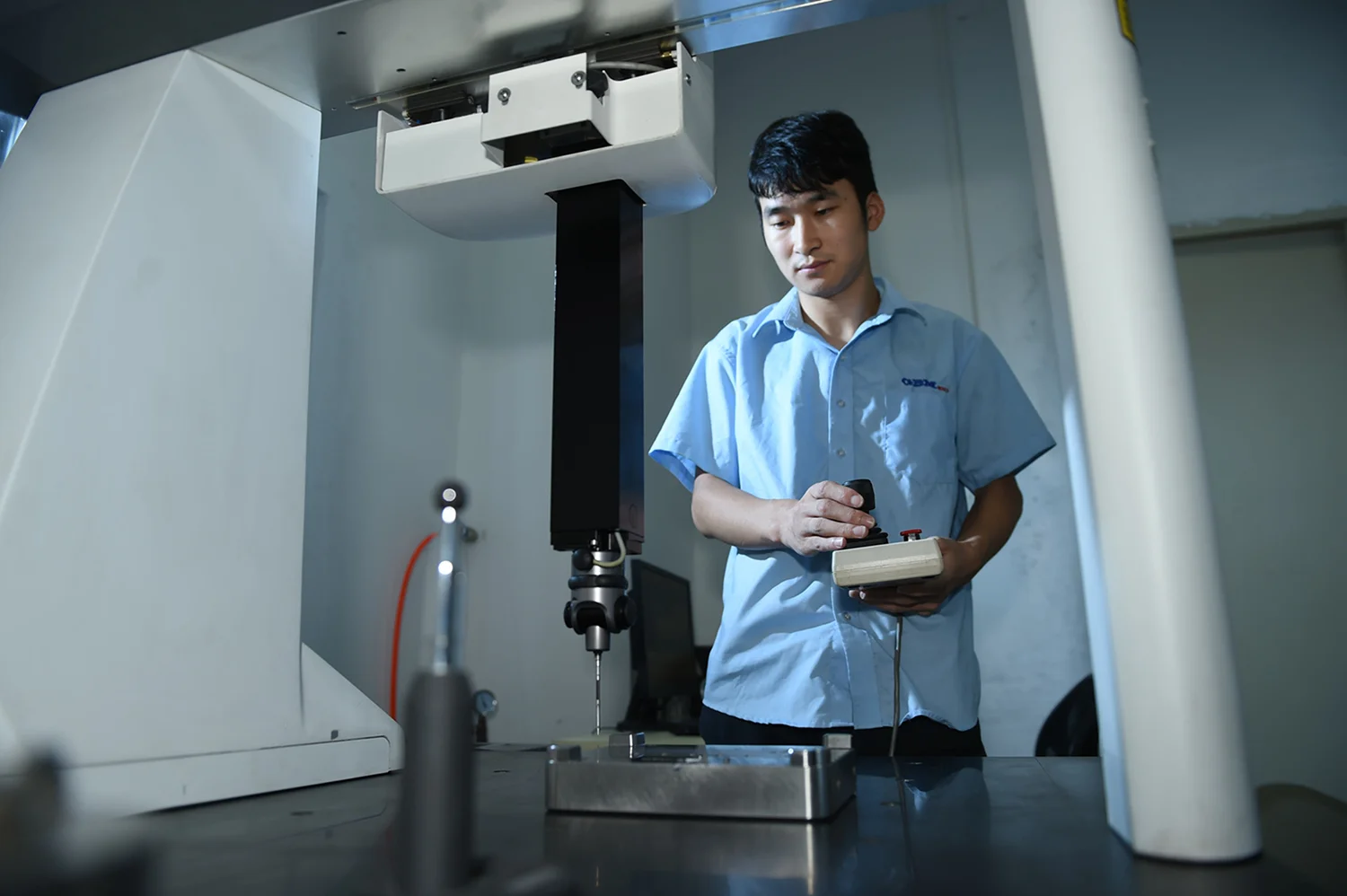
100% Thread Inspection: Automated vision systems or go/no-go gauges verify that no plastic flash blocks the metal threads
OUR PRODUCTIONS
Precision Connectors
With 12 years of deep expertise in precision injection molding, GBM has been the preferred strategic partner for high-end industries such as automotive, medical, and electronics since 2012. We not only manufacture high-precision molds but are also committed to providing the most reliable technical assurance for the stable mass production of your complex parts through stringent process standards and extensive industry experience.
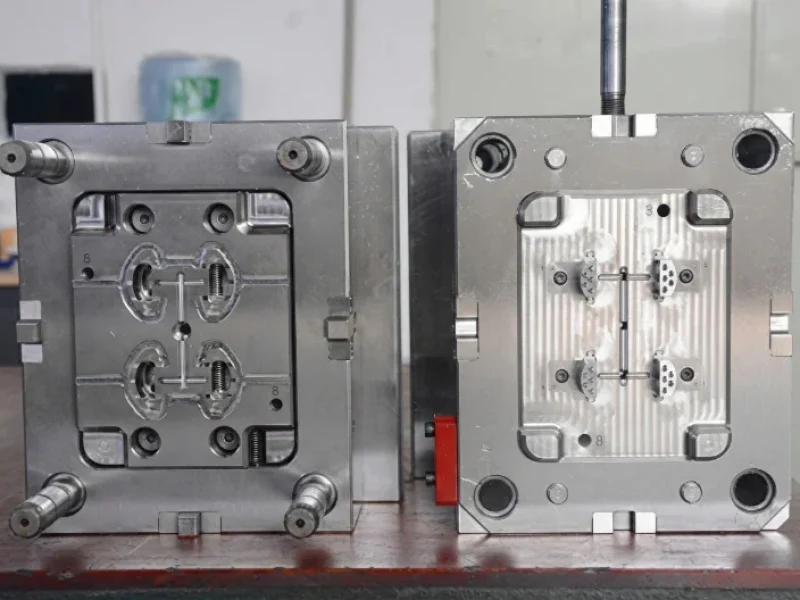
Precision Mold Insert - Instrumentation
The inserts are small and numerous, demanding high mold quality and precision. They are typically used in connectors and slots for electronic appliances.
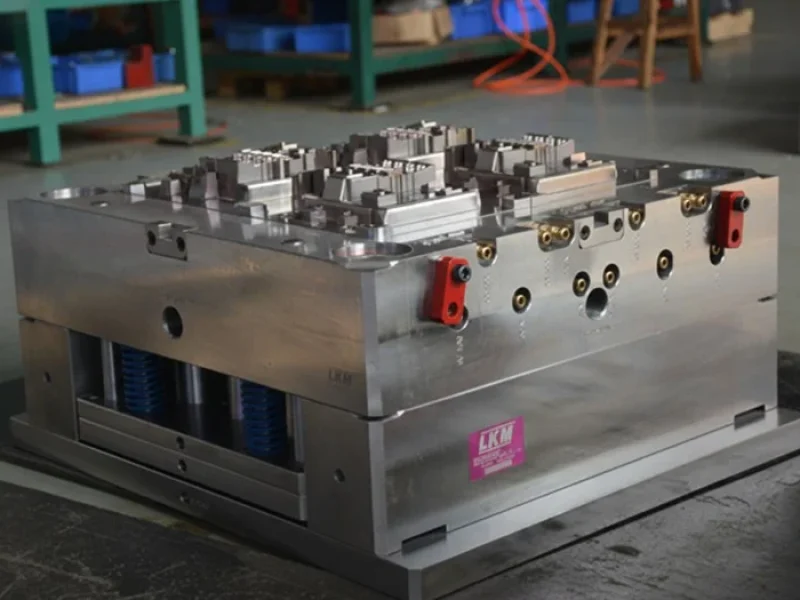
Precision Molded Inserts - Electrical Connectors
The high number of inserts, stringent precision requirements, and significant machining challenges.
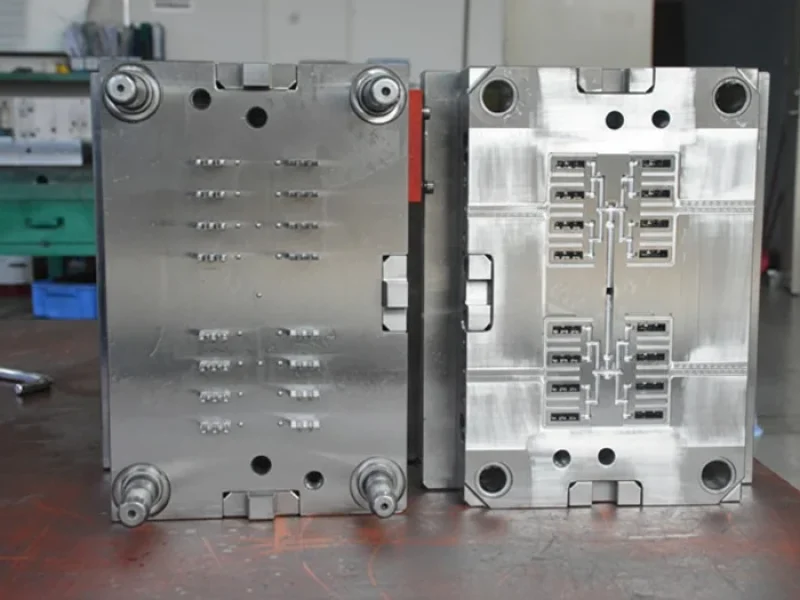
Reality Features
High-performance components featuring complex structures and micro-precision. Our processes guarantee exceptional reliability and seamless integration for critical electronic and mechanical systems.
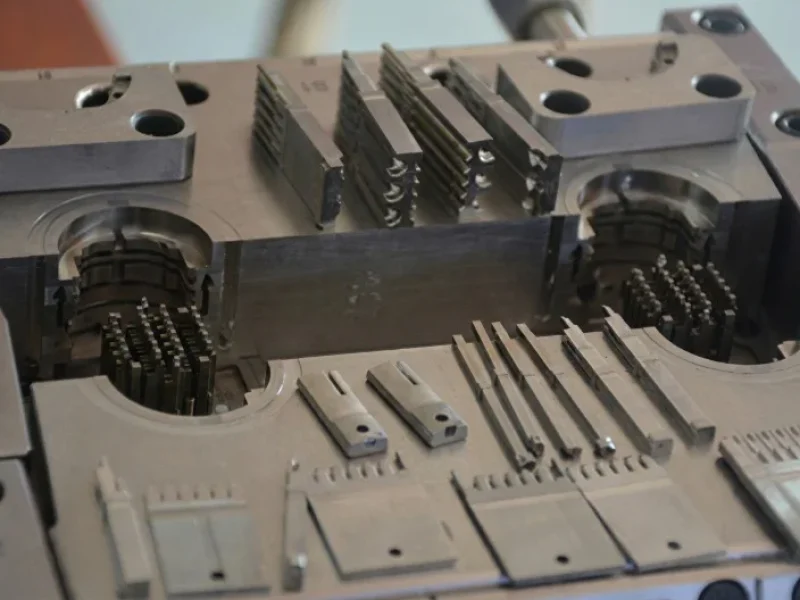
Precision Mold Insert - Electronic Connector
The plastic part features a complex structure with thin walls and numerous small cores. Cavity venting is challenging.
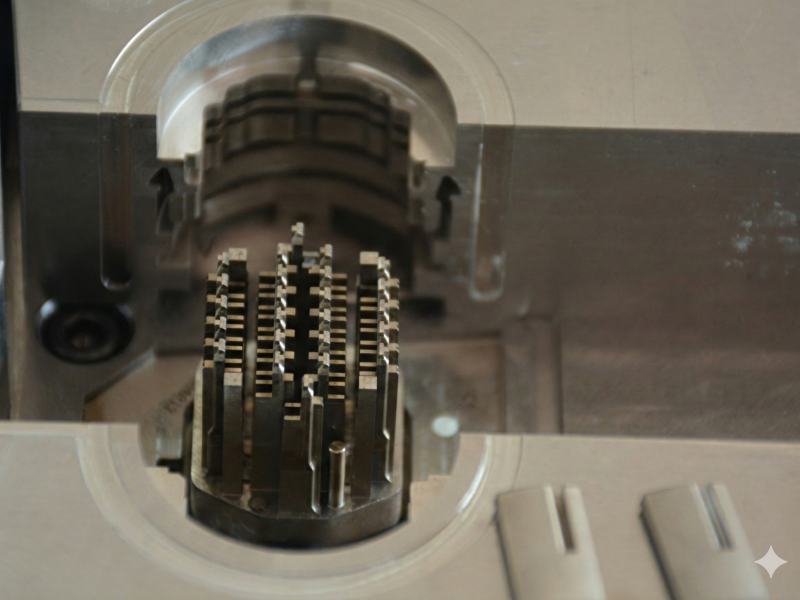
Precision Mold Inserts - Electronic Connectors
To facilitate cavity venting and the manufacturing and maintenance of cores, the mold forming components utilize an insert structure.
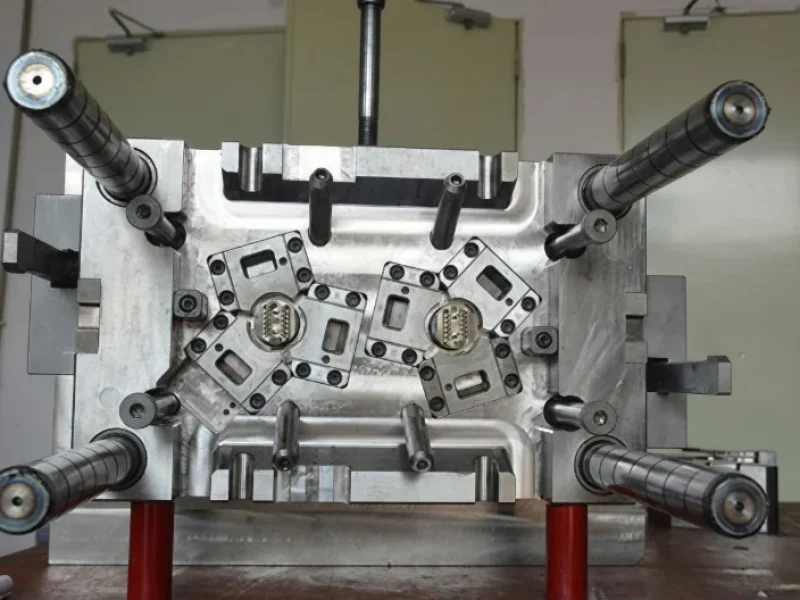
Precision Mold Insert - Electronic Socket
Features a small core gap, demanding high surface quality for both inner and outer plastic surfaces, along with stringent dimensional accuracy requirements.
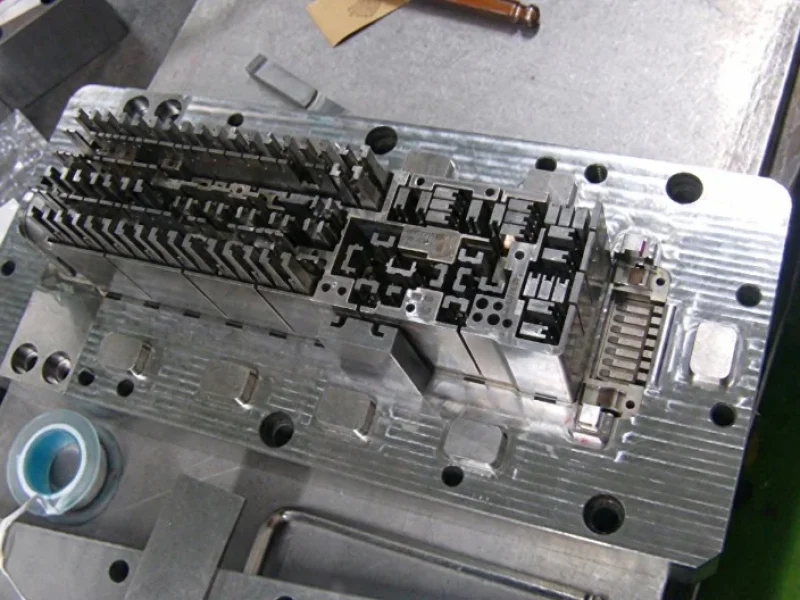
Precision Mold Inserts - Junction Box
1,457 precision inserts with insert accuracy within a 0.01mm tolerance range.
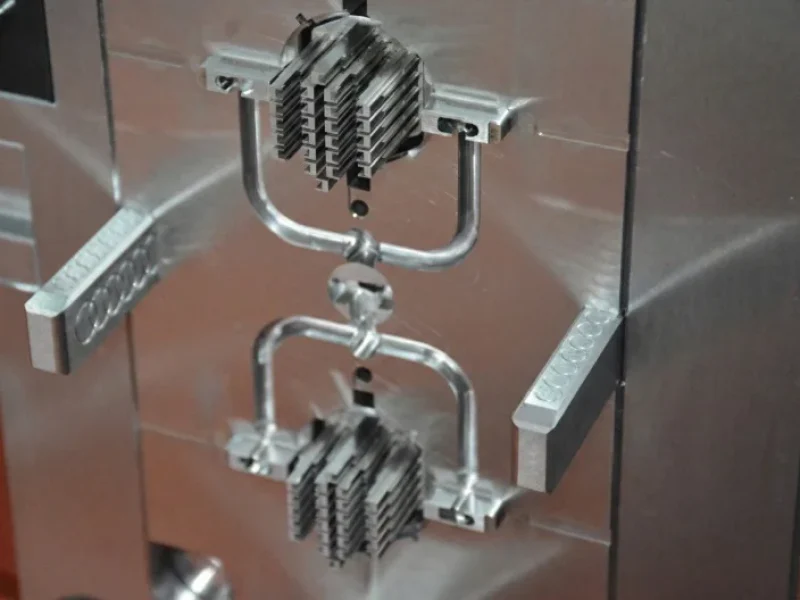
Precision Mold Inserts - Electronic Connectors
Featuring complex internal and external geometries with numerous cores and mold forming components.
Expert Insert Molding Solutions
We combine metal strength with plastic versatility. Eliminate secondary assembly and reduce costs with our high-precision vertical molding technology.
Insert Molding Specialists
Our engineers specialize in metal-plastic bonding designs, optimizing your part to prevent cracking and ensure maximum holding power
Bonding Strength Tested
We perform rigorous Pull-Out Force & Torque Testing to ensure every insert is securely encapsulated and won't fail
Precision Vertical Molding
We use Vertical Injection Machines with robotic loading to ensure inserts stay perfectly aligned during the molding process
Eliminate Assembly Costs
By molding inserts directly into the part, we remove the need for post-molding installation, saving you labor and time
Material Selection Guide
Not sure which resin fits your brass/steel inserts? We recommend the best material combination to match thermal expansion rates
Zero-Defect Production
Automated vision systems check for missing inserts or plastic flash on metal threads, guaranteeing 100% usable parts
Explore Our Solutions for Your Project
This is a highly efficient process that uses injection molding to “one-click lock” pre-set metal or heterogeneous parts into a plastic matrix. Not only does it impart the rigidity and conductivity of metal components to your products, but it also eliminates cumbersome manual assembly steps through integrated molding. This significantly reduces production costs and the risk of part loosening while enhancing structural strength.
The Ultimate Guide to Metal/Fiber Insert Molding by GBM
In today’s pursuit of product lightweighting and functional integration, insert molding has become central to connector, automotive electronics, and medical device manufacturing. With over 20 years of hands-on mold experience, GBM simplifies complex structural forming processes to help you create high-strength, high-precision composite products. Whether you require precision connector solutions or intricate automotive functional components, GBM delivers comprehensive support from material matching to mass production optimization.
Table of Contents
What Is Insert Molding and How Does the Process Work?
Insert molding is an advanced plastic injection molding process where molten thermoplastic is injected around a pre-placed non-plastic component, such as a metal threaded fastener, to create a single integrated part. The manufacturing cycle begins by precisely securing the metal insert inside the mold cavity, after which high-pressure resin is injected to completely encapsulate it, forming a permanent mechanical bond as the plastic cools and solidifies.
By eliminating the need for secondary assembly steps like applying screws or ultrasonic welding, this process significantly reduces manufacturing costs and enhances overall structural integrity. At GBM, our professional insert molding services leverage advanced Japanese and Taiwanese automated robotic systems to ensure ultra-tight tolerances, zero-error production, and the high-efficiency scaling required by global Tier-1 automotive and medical supply chains.
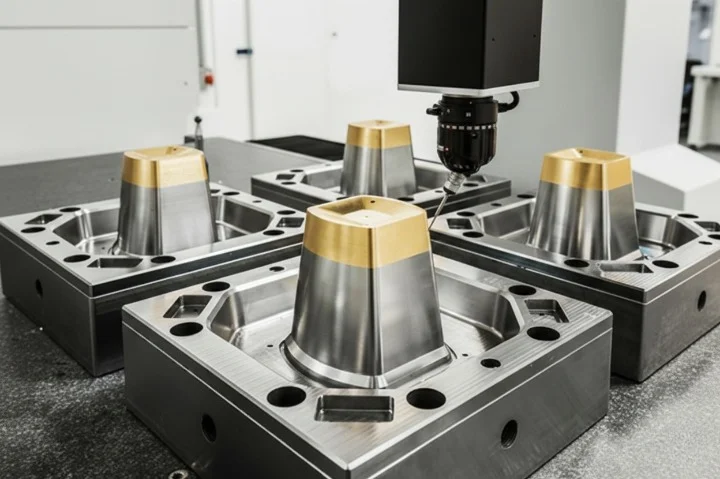
What Material Is Used for Insert Molding?
Selecting the optimal thermoplastic resin for insert molding depends entirely on the specific thermal, chemical, and mechanical demands of your end product. High-performance materials like PEEK offer extreme heat resistance for medical sterilization, PPS provides exceptional chemical stability for automotive components, while standard engineering plastics like Nylon, PC, and PBT are heavily utilized for durable electronic insulation.
Processing these advanced resins requires exact temperature and pressure control to prevent structural defects like stress cracking or poor metal-to-plastic adhesion during the molding cycle. Backed by over 20 years of material science and injection molding expertise, GBM flawlessly matches the ideal resin to your specific metal inserts, guaranteeing the delivery of highly durable, precision-engineered parts for the most demanding global industries.
Insert Molding vs. Overmolding: What Is the Difference?
The primary difference between these two multi-material processes lies entirely in the base substrate that is being molded over to create the final component. Insert molding encapsulates a non-plastic component, typically metal, with rigid plastic to maximize load-bearing strength, whereas overmolding involves injecting a softer secondary plastic (like TPE or TPU) directly over a rigid plastic substrate to add ergonomic soft-touch grips or vibration damping.
Understanding which manufacturing strategy to implement is critical for optimizing your product’s overall cost-to-performance ratio and functional design. GBM’s expert engineering team assists you in selecting the most efficient process based on part complexity, utilizing our imported precision machinery to minimize manufacturing errors and deliver the high-ROI production results your project requires.
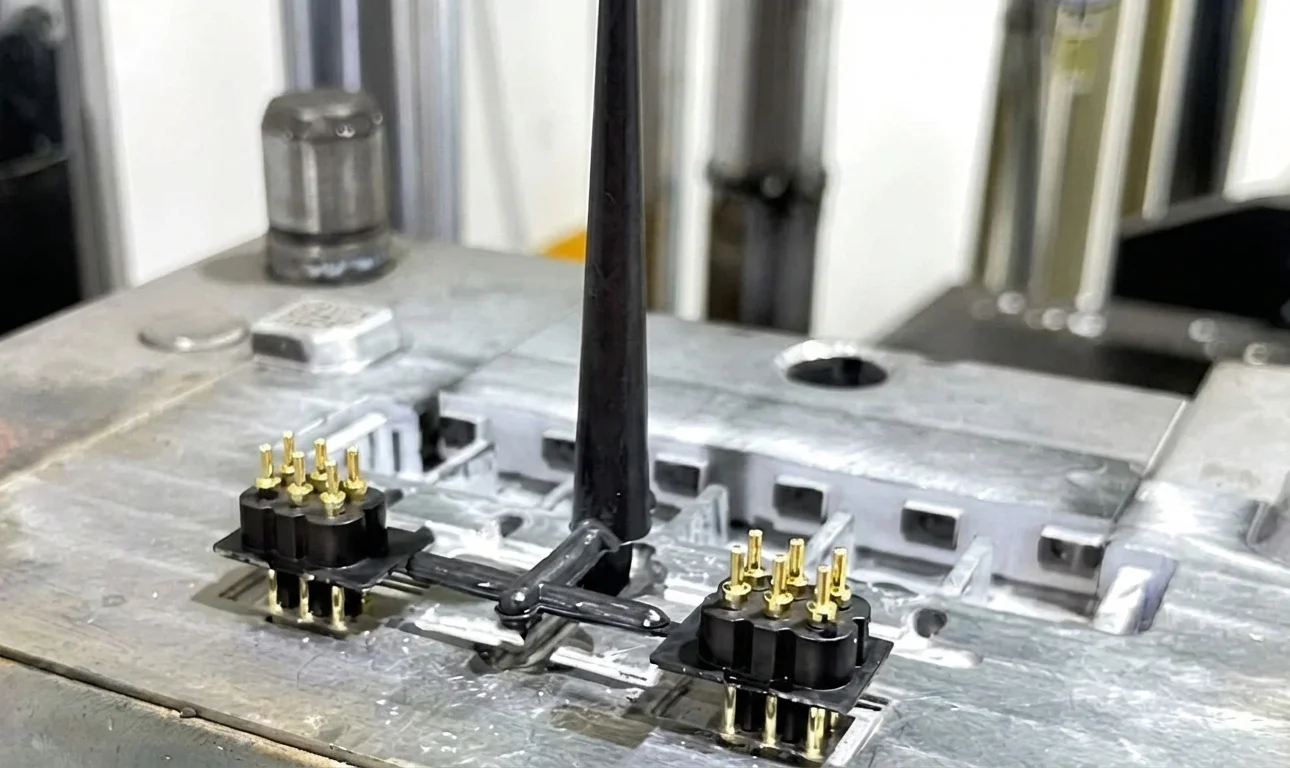
What Is the Difference Between a Mold Base and a Mold Insert?
In plastic injection tooling terminology, the mold base is the heavy, standardized outer steel frame that houses the cooling channels, ejector systems, and guide pins to provide the structural foundation of the mold. Conversely, a mold insert—often referred to as a core or cavity—is the custom-machined block of high-grade steel securely placed inside that base, which dictates the actual detailed shape, threads, and internal geometry of your final plastic part.
Designing and machining these complex tooling components requires an exceptional level of precision, particularly when accommodating the ultra-tight tolerances necessary for flawless metal-to-plastic bonding. As a trusted manufacturing partner, GBM leverages decades of engineering mastery alongside elite CNC machining centers to produce flawless mold bases and highly precise mold inserts, ensuring long-term production consistency and optimal cycle times.
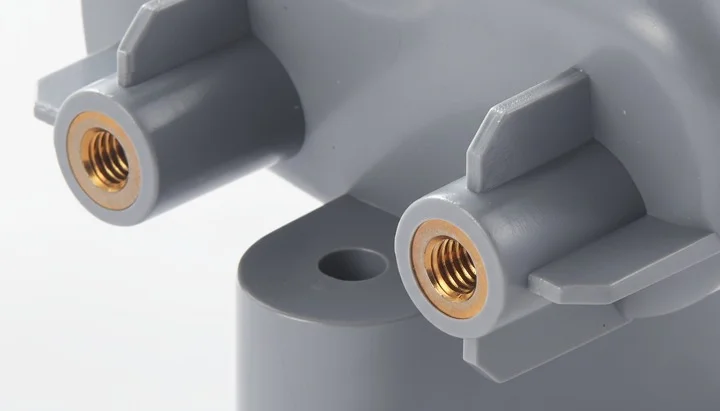
Insert Molding vs. Overmolding: Which process offers the best cost-to-performance ratio?
While both are multi-material processes, they serve different purposes. Insert molding typically involves molding plastic over a non-plastic substrate (like metal) to maximize structural strength and eliminate secondary assembly, offering the best ROI for load-bearing or conductive parts.
Overmolding, on the other hand, involves molding a softer secondary plastic (like TPE or TPU) over a rigid plastic substrate, making it the preferred choice for “soft-touch” grips, aesthetics, or vibration damping.
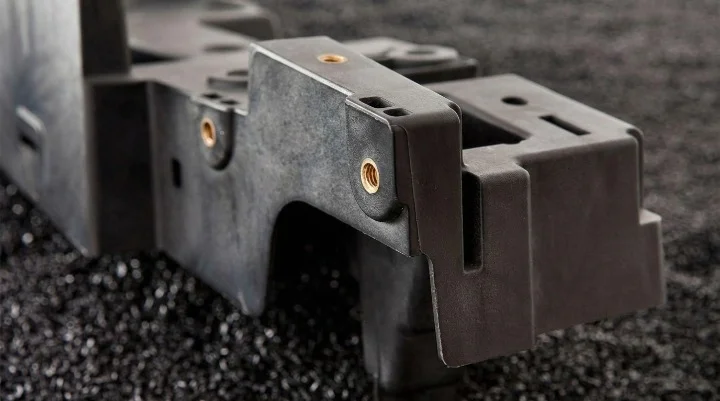
How do Japanese and Taiwanese precision machines guarantee ultra-tight tolerances in complex molds?
GBM’s newly introduced batch of Japanese and Taiwanese mold manufacturing equipment fundamentally ensures stable mold tolerances through exceptional mechanical rigidity and motion control precision. These high-precision machines execute complex machining paths with accuracy, guaranteeing micron-level precision in insert positioning and cavity alignment. This significantly reduces trial mold runs and enhances overall production efficiency.
When handling high-precision molds and complex structures—such as self-ejecting threaded or stacked molds—these advanced machines form the core foundation for achieving high-quality delivery. By optimizing manufacturing processes and selecting premium components, GBM leverages the precision advantages of Japanese and Taiwanese equipment to minimize machining errors and costs. This ensures products meet the stringent precision manufacturing standards demanded by Tier 1 suppliers like Yanfeng North America.
Contact Us Now !
Frequently Asked Questions!
Are you seeking a solution that ensures strong mechanical bonding between metal and plastic while eliminating cumbersome manual assembly steps? Our insert molding technology integrates metal threads, bearings, or contacts directly into the mold, producing robust, one-piece molded components.
Leveraging advanced positioning technology and material selection recommendations, we address common industry pain points like cracking and displacement. Whether you require high-precision automotive components or intricate medical housings, we significantly reduce production cycles and lower overall assembly costs.
Insert molding is a process where pre-machined components made of different materials (typically metal, ceramic, or another plastic) are placed into the mold cavity. Plastic melt is then injected around the insert, bonding the two materials into a single, integrated part.
Traditional injection molding: Merely forms the mold. If metal threads are required, secondary processing like hot pressing or ultrasonic welding is typically needed after molding.
Insert molding: Completes the “part + insert” assembly directly within a single molding cycle, creating a stronger mechanical bond.
Parts preparation, parts matching, precision assembly, adjustment and calibration, quality inspection
This includes checking the fit between components, the dimensional accuracy of molds, and mold performance testing.
In precision mold assembly, specialized tools and lubricants must be used in a dust-free environment to minimize wear and reduce consumption. Simultaneously, standardized procedures must be strictly followed and regular maintenance performed to ensure consistent assembly and long-term precision.
For B2B manufacturing and product design, insert molding offers the following significant benefits:
Reduced assembly costs: Eliminates the need for manual or machine-based insert installation, significantly shortening production cycles.
Enhanced part strength: Since plastic cures around the insert, its bonding strength far exceeds that of parts pressed or welded in later stages, performing exceptionally well at threaded areas subjected to tensile or torsional forces.
Reduced weight and volume: Compared to all-metal parts, insert molding combines the lightweight properties of plastic with the rigidity of metal, enabling products to be designed more compactly and efficiently.
During high-pressure injection molding, inserts are highly susceptible to displacement. We guarantee precision through the following methods:
Precision locating pins: The mold design incorporates locating pins with extremely tight tolerances.
Vacuum suction: For lightweight, small inserts, molds are equipped with vacuum systems to ensure tight adhesion to the cavity.
Sensor monitoring: On automated production lines, sensors detect whether inserts are properly seated to prevent dry shots or mold damage.
Due to the significant difference in thermal expansion coefficients (CTE) between metal and plastic, internal stresses easily develop during cooling. Our recommendations are as follows:
Rounded Corners: Avoid sharp edges around inserts and use rounded corners to disperse stress concentrations.
Preheat Inserts: Preheat metal components before injection molding to minimize temperature differentials, significantly reducing internal stress.
Wall Thickness Optimization: Ensure sufficient plastic wall thickness around inserts (typically recommended to be at least 50% of the insert diameter) to provide adequate structural support.

Have Questions? Contact Our Experts Today!
- +999 123 1234
- No 65, Main Street, 3rd Block, Melbourne, Australia
- info@consultino.com
Experience the benefits of insert molding with our factory pricing and low minimum order quantity. Get your free sample today!