Hot Runner Mold Manufacturer & Hot Runner System Integration Supplier
Custom hot runner injection molds with valve gate, open gate, multi-cavity manifold, nozzle and temperature control integration for high-volume plastic molding projects.
A hot runner mold is not only a mold base with heated runners. It must match the molded material, part geometry, cavity count, gate type, manifold layout, temperature control zones and production volume. GBM supports hot runner mold design, hot runner system selection, DFM review, T1 samples and injection molding trial feedback. We mainly support hot runner mold projects for packaging, automotive parts, medical components, connectors, transparent parts and engineering plastic applications.
Send your part drawing, material, cavity target and annual volume for hot runner feasibility review.
What Is a Hot Runner Mold and How Does It Improve Production?
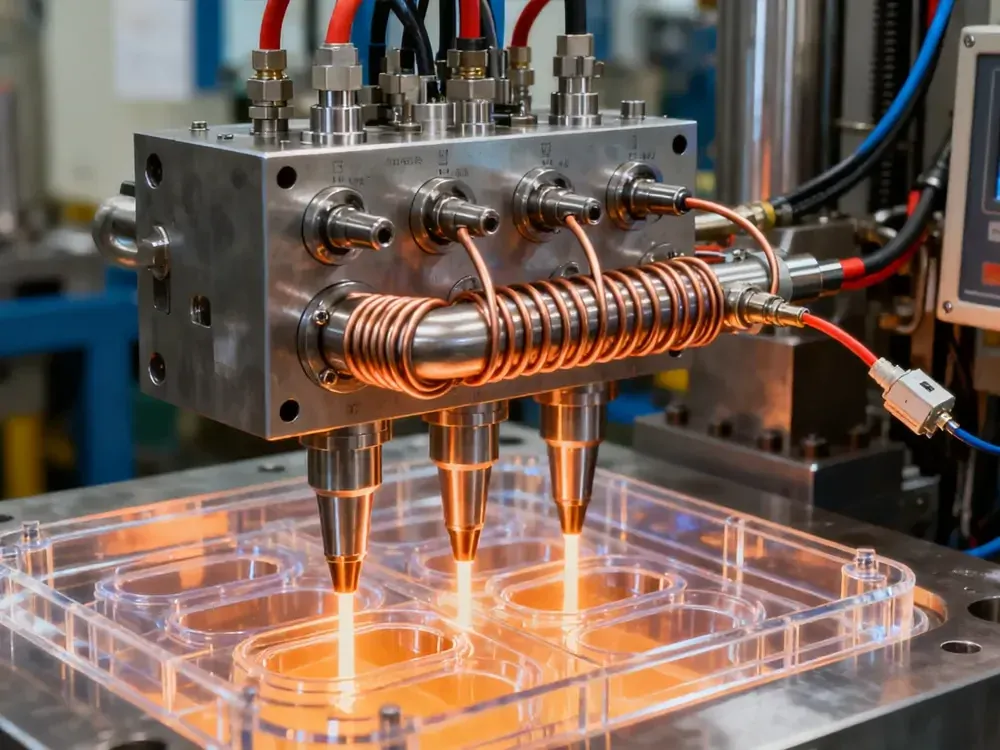
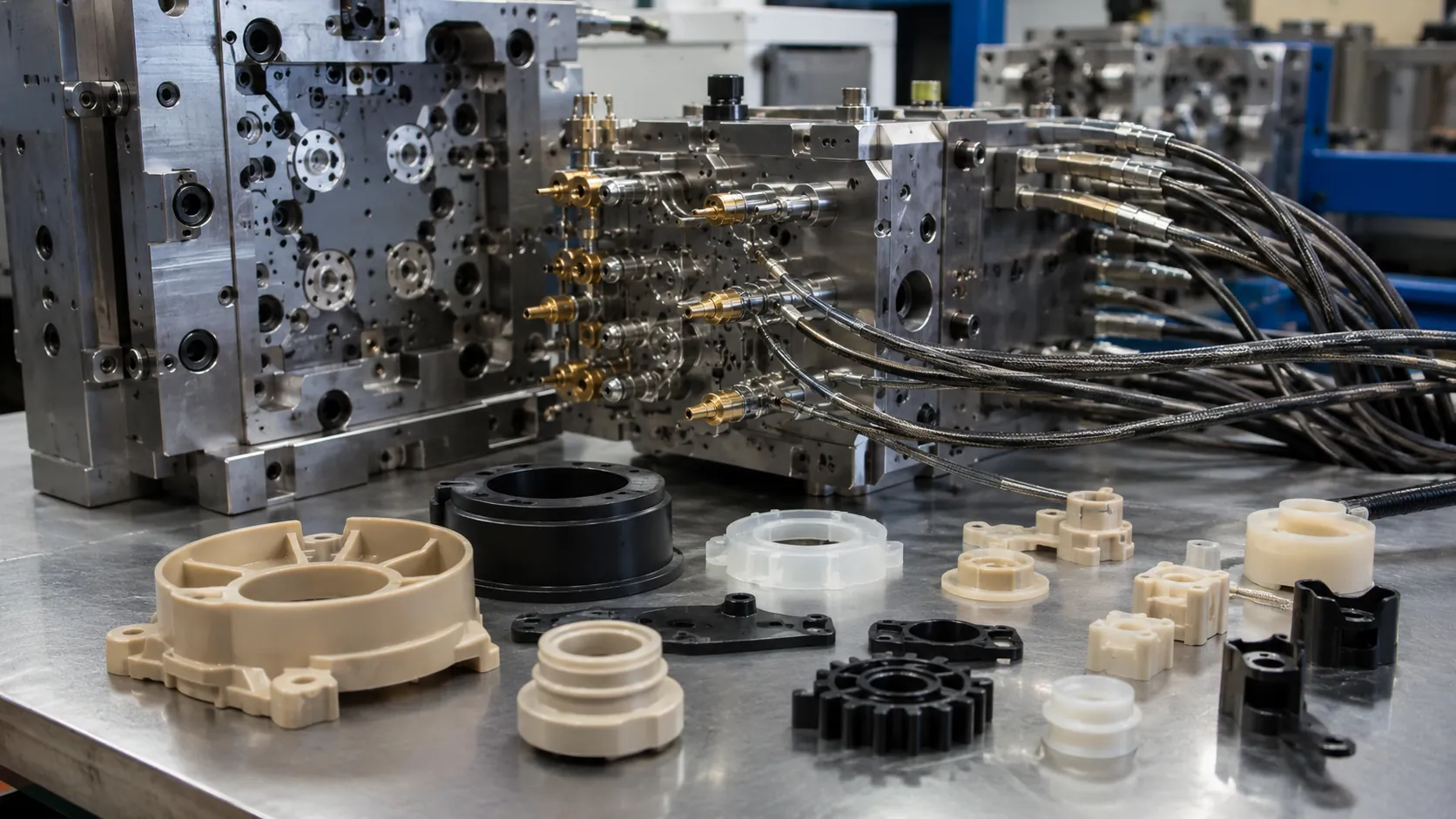
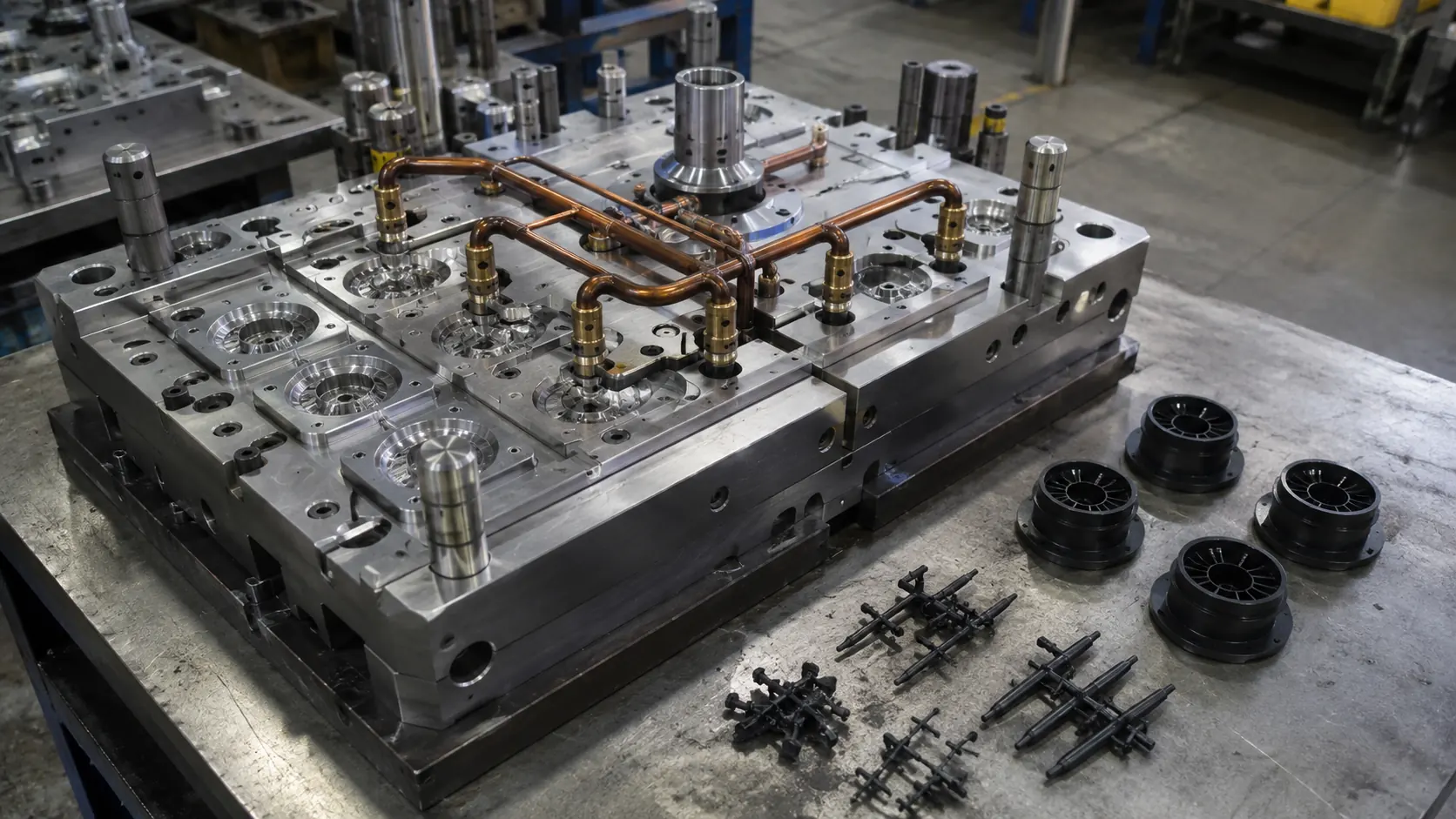
A hot runner mold is an injection mold with a heated runner system that keeps molten plastic flowing through the manifold and nozzles before entering the mold cavity. Compared with a cold runner mold, it can reduce cold runner waste, shorten runner cooling time, improve cavity-to-cavity filling balance and support cleaner gate quality when the part design, resin and production volume are suitable.
For buyers, the key review is not only “less material waste.” GBM also checks resin cost, annual volume, cavity count, gate appearance, material residence time, maintenance access and T1 trial stability before recommending a hot runner mold.
Heated Melt Flow
Manifold and nozzles keep resin at molding temperature.
Less Runner Waste
Suitable layouts can reduce or eliminate cold runner scrap.
Faster Production
Less runner cooling and trimming can improve cycle efficiency.
Better Cavity Balance
Multi-cavity molds can achieve more stable filling and part weight.
Gate Quality Control
Valve gate or open gate options are selected by appearance requirement.
Not Always Suitable
Low-volume or frequent color-change projects may still use cold runner molds.
GBM helps buyers integrate suitable hot runner systems into complete custom injection molds.
Our review covers gate type, nozzle position, manifold layout, temperature control zones, material residence time, cavity balance, cooling design, wiring access, maintenance space and T1 trial feedback.
For multi-cavity hot runner molds, we check whether the system can support stable filling, part weight consistency, gate quality and future maintenance before the mold is approved for production.
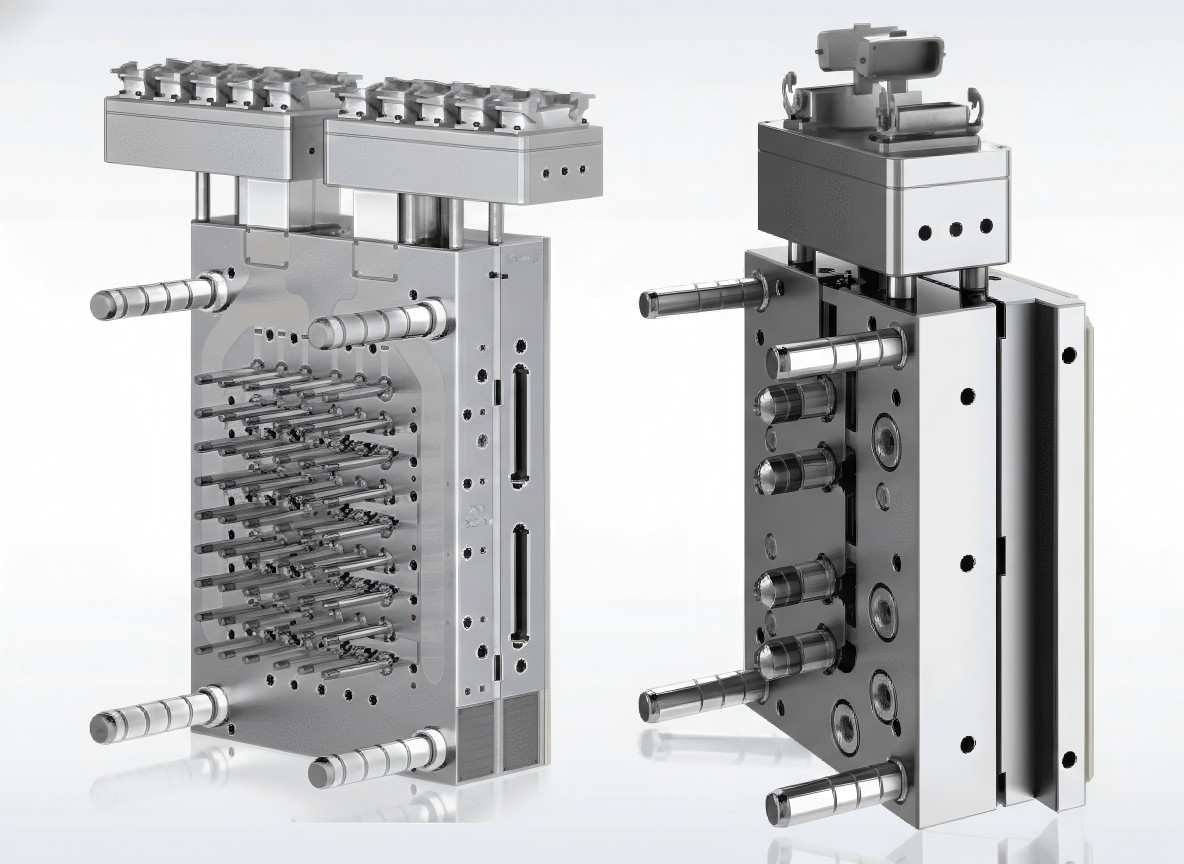
Manifold Layout
Balanced melt distribution for single or multi-cavity molds.
Nozzle Position
Gate location review based on part structure and cosmetic requirement.
Valve Gate / Open Gate
Selection based on gate vestige, resin behavior and budget.
Temperature Zones
Zone planning to reduce freezing, degradation and imbalance.
Wiring & Controller
Heater, thermocouple and controller compatibility review.
Maintenance Access
Service space for nozzle tips, valve pins, heaters and seals.
How We Select Hot Runner Systems for High-Volume Manufacturing
| Review Point | What GBM Checks | Why It Matters for Buyers |
|---|---|---|
| Annual Volume | Annual production, shots, mass production cycle | Determines if a hot runner is worth the investment |
| Cavity Count | Single, multi-cavity, high-cavitation layout | Affects cavity-to-cavity balance and mold cost |
| Resin Type | PP, ABS, PC, PA, PPS, PEEK, LCP, glass-filled materials | Affects temperature control, degradation, wear, and nozzle clogging risks |
| Gate Requirement | Cosmetic surface, hidden gate, auto-trimming, gate mark requirements | Determines whether to use open gate or valve gate |
| Manifold Balance | Runner length, pressure drop, temperature zone distribution | Affects short shots, flash, and weight variation |
| Maintenance Plan | Ease of replacing nozzle, heater, thermocouple, and valve pin | Affects mass production downtime |
| T1 Trial Review | Short shots, weight variation, gate quality, black specks, stringing, drooling | Identifies risks before shipment |
For high-volume projects, GBM does not recommend a hot runner system only by brand or price. We review the part drawing, material, annual volume, gate appearance, cavity target and maintenance plan before deciding whether open gate, valve gate, sequential valve gate or semi-hot runner is more suitable.
Custom Hot Runner Mold Manufacturer for OEM Plastic Parts
GBM manufactures custom hot runner injection molds based on your 2D/3D drawings, resin grade, annual volume, cavity target and gate appearance requirements. We do not only install a hot runner system into a mold base. Our engineering review includes DFM, gate position, nozzle layout, manifold space, cooling design, venting, ejection, wiring access, T1 sampling and export mold documentation.
Packaging Caps & Closures
High cavitation, fast cycle time, stable gating, cooling efficiency
Automotive Plastic Parts
Sequential valve, weld line control, cosmetic gate marks
Medical Disposable Parts
Multi-cavity balance, stable molding, trial records
Electrical Connectors
Small multi-cavity, dimensional consistency, gate location
Transparent PC Parts
Black specks, silver streaks, gate marks, material residence time
Engineering Plastic Parts
High temperature and degradation control for PPS, PEEK, PA, LCP
Hot Runner System Supplier vs Hot Runner Mold Manufacturer
Understanding the difference helps streamline your procurement process and clarifies project responsibilities.
| Comparison Point | Hot Runner System Supplier | Hot Runner Mold Manufacturer / GBM |
|---|---|---|
| Main Scope | Manifold, nozzle, heater, thermocouple, valve pin, controller | Mold base, cavity, core, cooling, ejection, parting line, hot runner integration |
| Buyer Need | Selecting hot runner brand and system configuration | Completing full injection mold design, machining, assembly, and T1 |
| Main Risk | Uneven temperature zones, nozzle clogging, leakage, abnormal valve pin action | Gate location, cooling, venting, dimensions, mold life, trial stability |
| GBM Role | Assisting in system selection and integration | Responsible for complete hot runner mold manufacturing and trial feedback |
| RFQ Data | Cavity count, material, part weight, brand preference | 2D/3D drawing, material, annual volume, surface, gate requirement, trial plan |
Need both mold manufacturing and hot runner system integration?
Hot Runner Mold Parameters
| Parameter | Options / Notes |
|---|---|
| Mold Type | Valve gate hot runner mold, open gate hot runner mold, multi-cavity hot runner mold, semi-hot runner mold |
| Hot Runner Components | Manifold, nozzle, heater, thermocouple, valve pin, controller, wiring and sealing area |
| Gate Options | Valve gate, open gate, thermal gate, direct gate, edge gate, sequential valve gate |
| Molded Materials | PP, PE, ABS, PC, PA, POM, PPS, PEEK, LCP, TPE and glass-filled materials depending on project |
| Applications | Packaging, automotive, medical, connectors, transparent parts and engineering plastics |
| Cavity Options | Single cavity, multi-cavity, high-cavitation layout depending on part size and annual volume |
| Trial Support | T1 samples, short shot review, gate mark review, cavity balance, part weight check and temperature zone review |
| RFQ Data Needed | 2D/3D drawing, material, cavity count, part weight, annual volume, gate requirement and hot runner brand preference |
| High-Volume Review | Annual volume, cavity target, cycle time expectation, runner weight saving and ROI feasibility |
| Nozzle Troubleshooting Review | Stringing, drooling, black specks, nozzle freezing, valve pin sticking and heater failure |
| Export Mold Documents | Mold drawing, wiring diagram, spare parts list, T1 sample report, trial video and packing photos |
Hot Runner Mold Types We Support
Valve Gate Hot Runner Mold
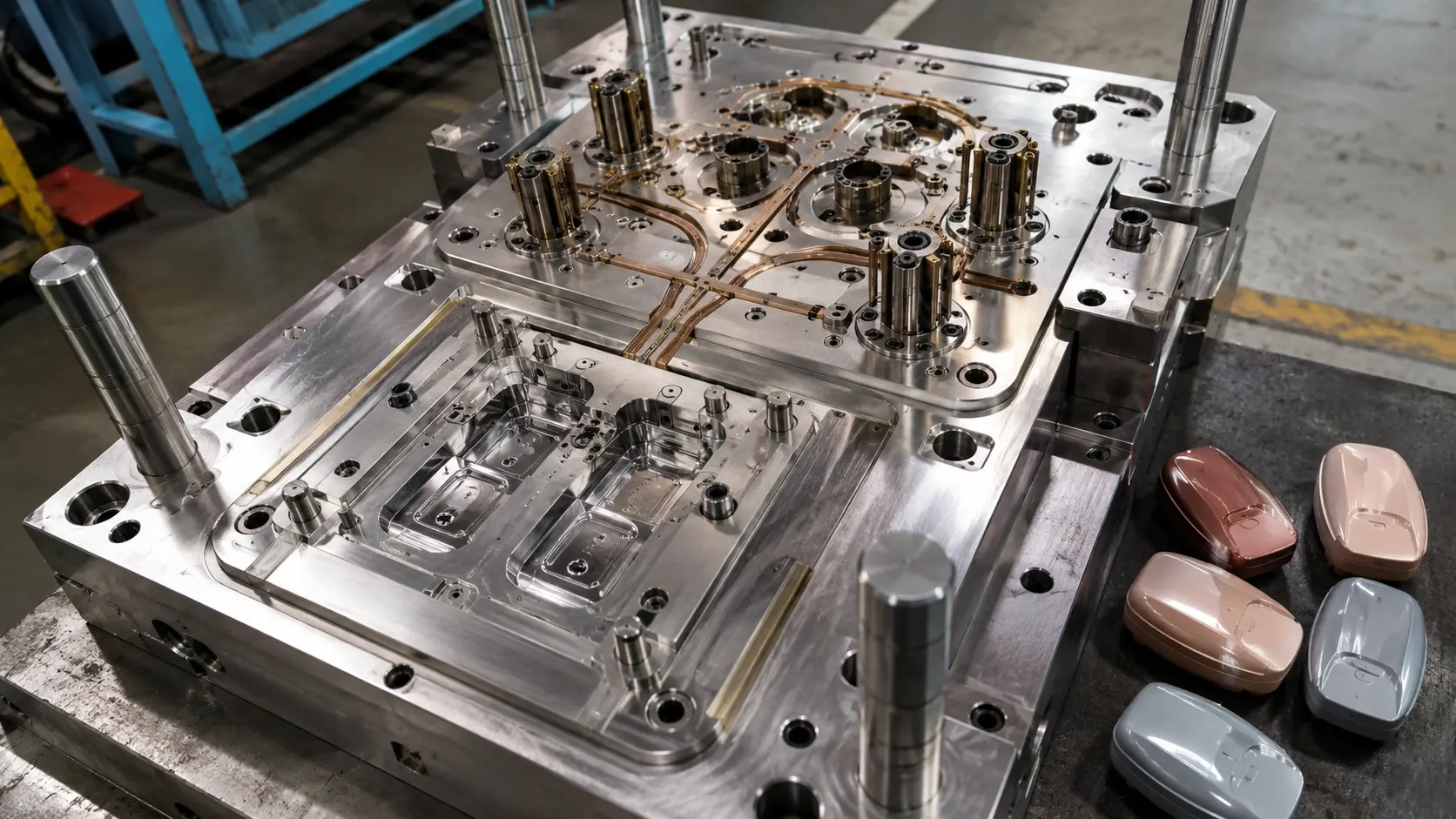
Suitable for cosmetic parts, transparent parts, medical parts, automotive parts and projects requiring controlled gate vestige. GBM reviews valve pin timing, actuator space, gate cooling, shut-off accuracy and T1 gate appearance.
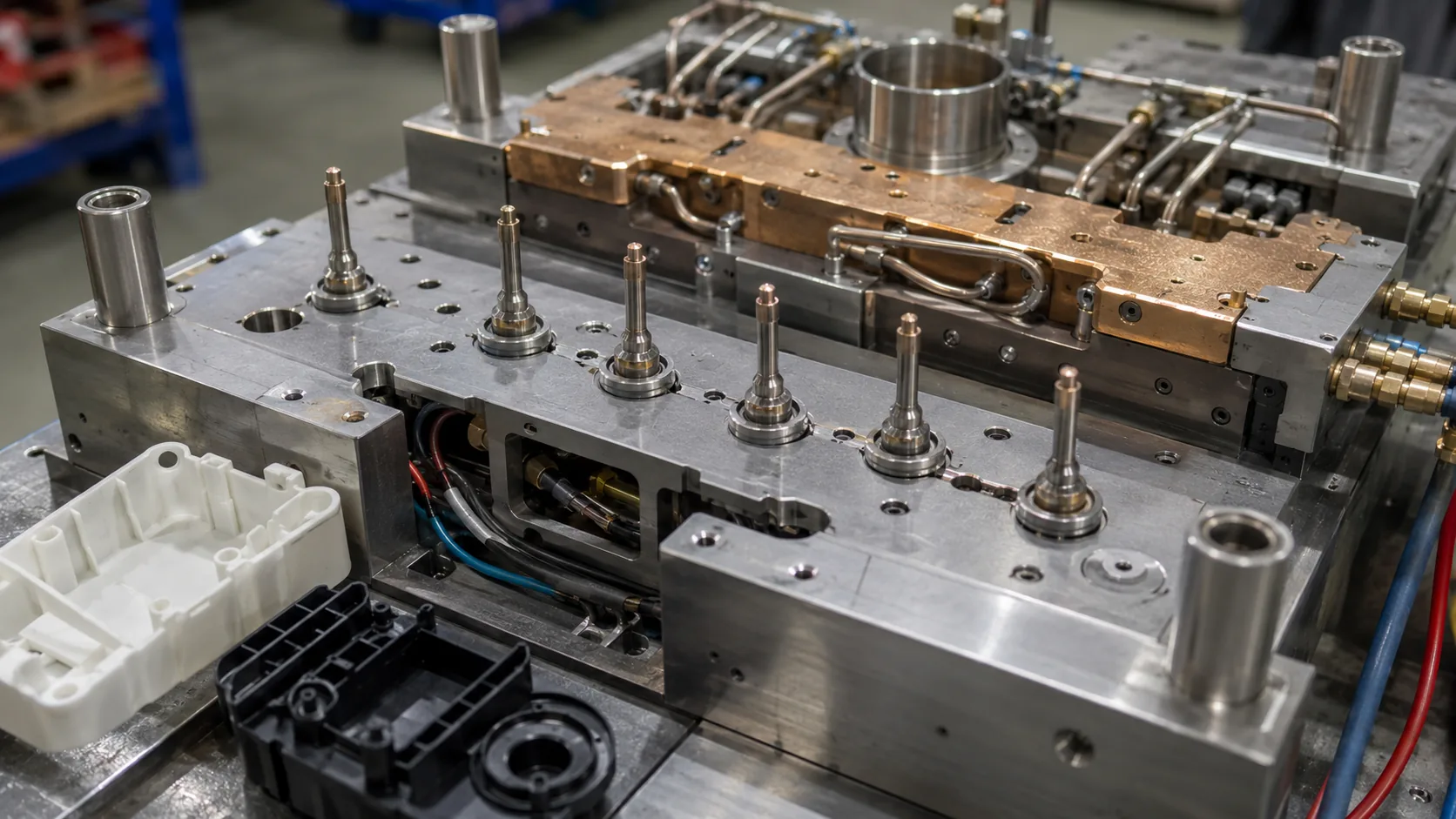
Open Gate Hot Runner Mold
Suitable for hidden gate locations, general structural parts and cost-sensitive projects. GBM reviews nozzle tip temperature, gate size, resin behavior and stringing or drooling risk before mold trial.
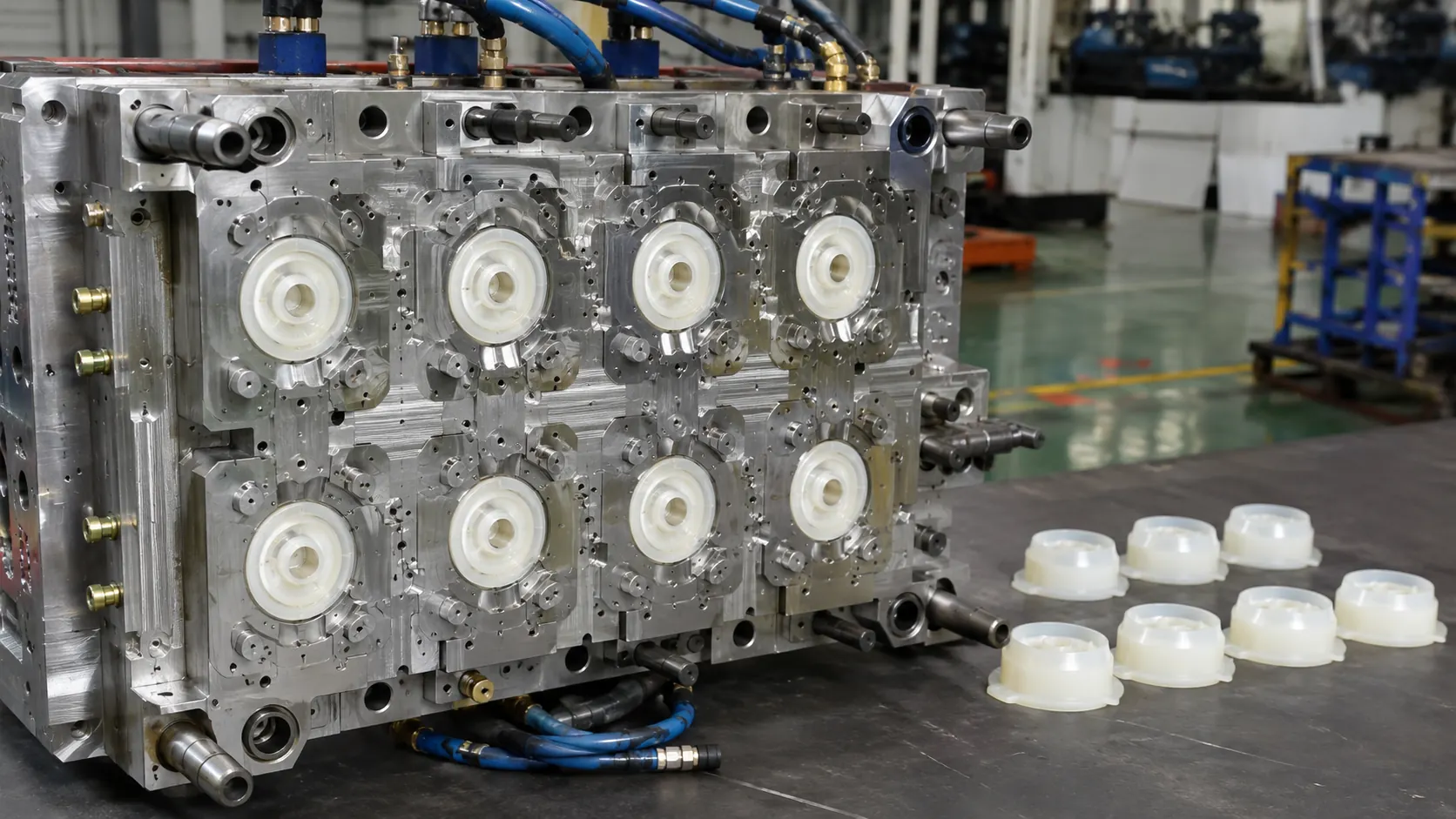
Multi-Cavity Hot Runner Mold
Suitable for packaging caps, connectors, small precision parts and medical consumables. GBM checks manifold balance, pressure drop, cavity weight consistency, temperature zone stability and ejection layout.
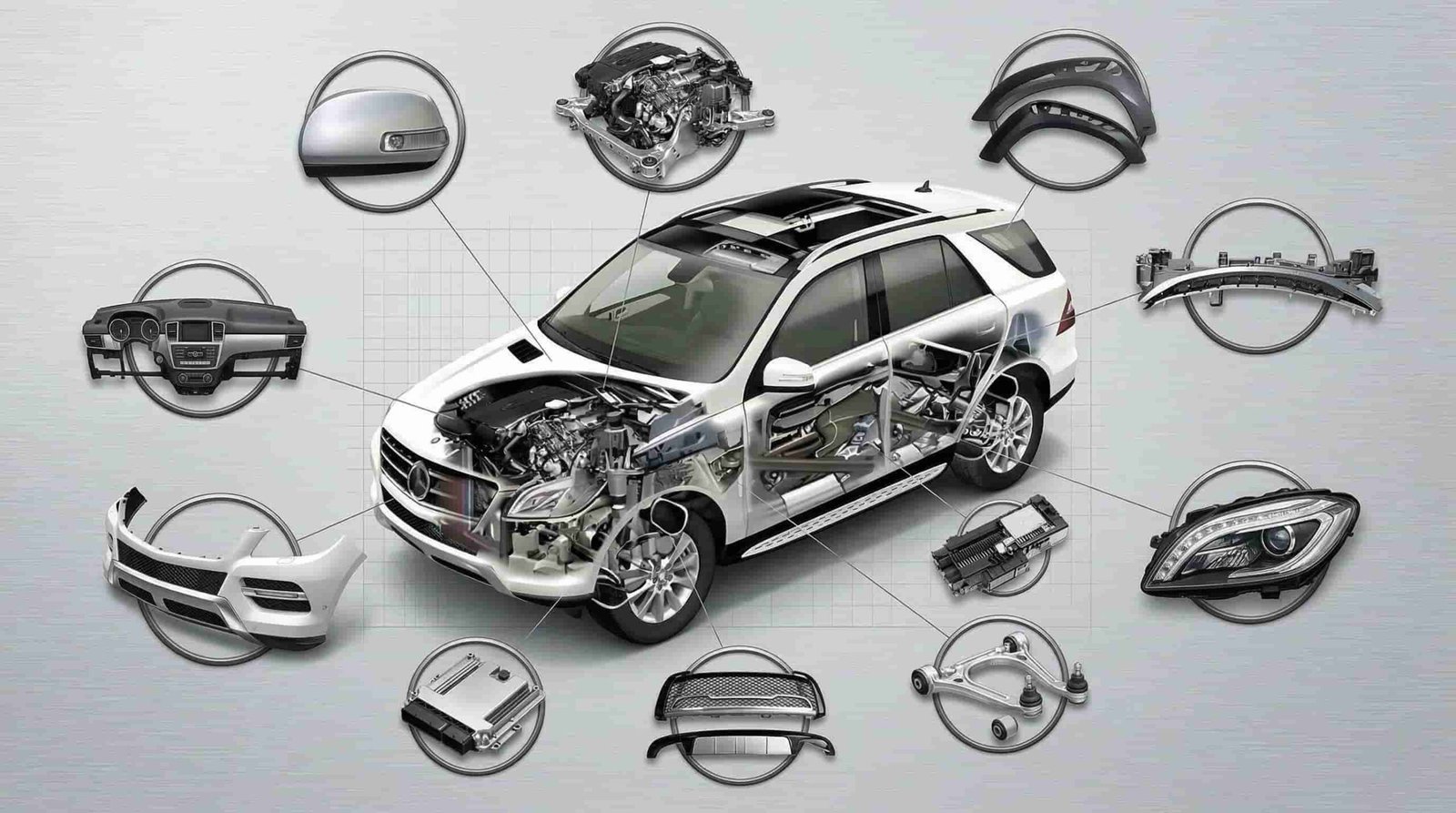
Sequential Valve Gate
Used for large plastic parts, long-flow parts, automotive panels and parts requiring weld line control. GBM reviews opening sequence, flow front movement, weld line location, pressure balance and T1 appearance results.
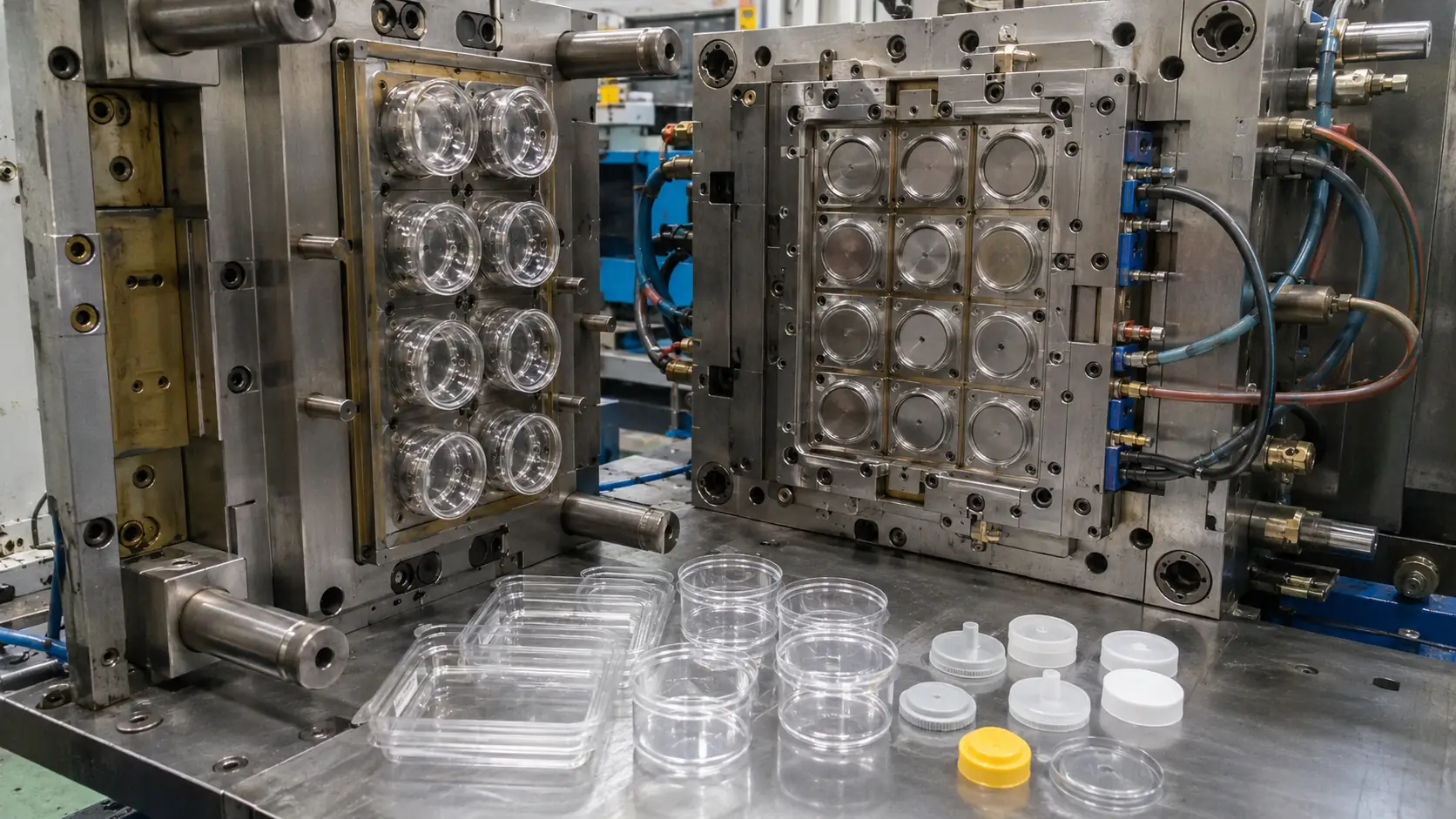
Hot Runner Mold for Packaging
Designed for thin-wall containers, caps, closures, and food packaging applications requiring high speed.
Semi-Hot Runner Mold
A hybrid solution utilizing a hot manifold dropping into sub-runners (cold runners) before the cavity.
Hot Runner Gate Design Options
Different parts require different gate designs. We help select the optimal gating strategy based on appearance, material, and function.
| Gate Type | Suitable For | Mold Design Focus | Common Risk | When to Avoid |
|---|---|---|---|---|
| Valve Gate | Cosmetic parts, transparent parts, medical parts, multi-cavity parts | Valve pin timing, gate vestige, sequential control | Valve pin sticking, high cost | Very low budget or structure does not require cosmetic gate control |
| Open Gate / Thermal Gate | Hidden gates, structural parts, PP/PE/ABS parts | Nozzle temperature, gate size, tip design | Stringing, drooling, gate residue | High cosmetic requirements or materials prone to stringing |
| Direct Gate | Thick-walled parts, large structural parts | Packing, pressure, gate cooling | Obvious gate marks | Cosmetic surfaces or thin-walled parts |
| Edge Gate with Hot Runner | Specific packaging parts, housing parts | Runner transition, parting line, ejection | Gate trimming, flow marks | Projects that do not allow post-processing |
| Sequential Valve Gate | Large parts, long-flow parts, automotive parts | Opening sequence, weld line, flow front | Complex debugging, high cost | Small parts with low volume |
Cost Comparison of Different Hot Runner Technologies
A hot runner mold is not always the lowest-cost choice at the tooling stage. It becomes more attractive when the project has high annual volume, expensive resin, large runner weight, strict gate appearance requirements or automation needs. For low-volume projects, frequent color changes or unstable part designs, a cold runner mold may still be more practical.
| Hot Runner Option | Initial Cost | Maintenance Level | Best For | Main Risk |
|---|---|---|---|---|
| Open Gate Hot Runner | Lower | Medium | Hidden gates, structural parts, PP/PE/ABS projects | Stringing, drooling, gate residue |
| Valve Gate Hot Runner | Higher | Higher | Cosmetic parts, transparent parts, medical parts, automated mass production parts | Valve pin sticking, actuator maintenance |
| Sequential Valve Gate | Highest | High | Large automotive parts, long-flow parts, weld line control projects | Complex debugging, incorrect opening/closing sequence |
| Multi-Cavity Hot Runner | Medium–High | High | Packaging caps, connectors, small precision parts | Cavity imbalance, uneven temperature zones |
| Semi-Hot Runner | Medium | Medium | Projects aiming to reduce waste but with limited budget | Still has some cold runner and sub-runner handling |
Hot runner feasibility review should include:
- Extra hot runner mold cost
- Runner weight saved per shot
- Resin price
- Annual shot volume
- Cycle time reduction
- Machine hourly cost
- Maintenance cost
- Downtime risk
- Spare parts cost
Hot Runner Nozzle Troubleshooting Before Mass Production
Quick troubleshooting guide for maintaining production quality.
| Problem | Possible Cause | GBM Review Point | Prevention Before Shipment |
|---|---|---|---|
| Stringing / Drooling | Nozzle tip temperature, gate design, resin behavior | Nozzle tip, gate size, temperature zone | Record gate status and temperature zone parameters during T1 |
| Nozzle Freezing | Tip temperature too low, gate too small, cooling too strong | Nozzle temperature, gate land, cooling distance | Short shot test and temperature zone check |
| Black Specks | Material degradation, dead spots, long residence time | Melt channel, manifold corner, purging path | Reduce dead spots, control material residence time |
| Valve Pin Sticking | Misalignment, wear, contamination, cooling issue | Valve pin guide, actuator, cleanliness | Check concentricity and action stability before assembly |
| Uneven Cavity Filling | Manifold imbalance, pressure drop, temperature difference | Short shot, cavity weight, zone mapping | Multi-cavity weighing and short shot balance test |
| Heater Failure | Wiring issue, heater aging, thermocouple failure | Resistance, wiring, controller zone | Perform electrical check and temperature zone mapping before shipment |
| Gate Vestige Issue | Gate type, cooling, valve timing | Gate design, valve pin timing, cosmetic surface | Check gate marks and cooling effect during T1 |
Have nozzle stringing, drooling or cavity imbalance after T1? Send photos, short-shot samples and molding parameters for review.
Hot Runner Mold Applications
Engineered for diverse industries requiring high precision and efficiency.
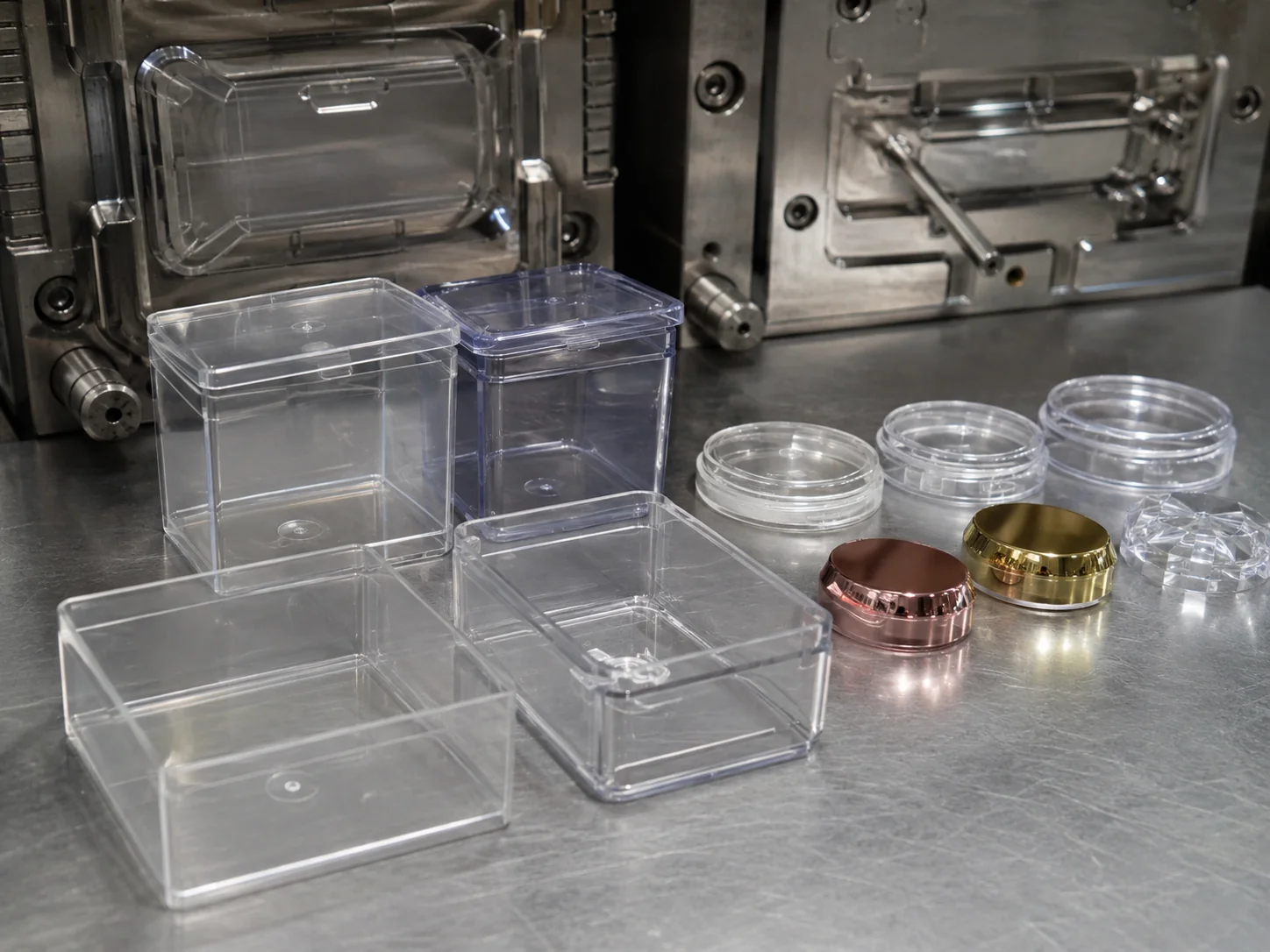
Packaging & Thin-Wall Containers
High-speed hot runner systems for cups, lids, food containers, caps, and closures.
Best-fit hot runner review: High cavitation, fast cycle time, high runner waste ratio.
Automotive Plastic Parts
Sequential valve gating and robust systems for interior trims, connectors, brackets, and transparent covers.
Best-fit hot runner review: Sequential valve gate, weld line control, cosmetic surface.

Medical & Disposable Components
High-cavitation molds for syringes, medical housings, diagnostic parts, and clean-room consumable components.
Best-fit hot runner review: Multi-cavity consistency, stable T1, gate control.
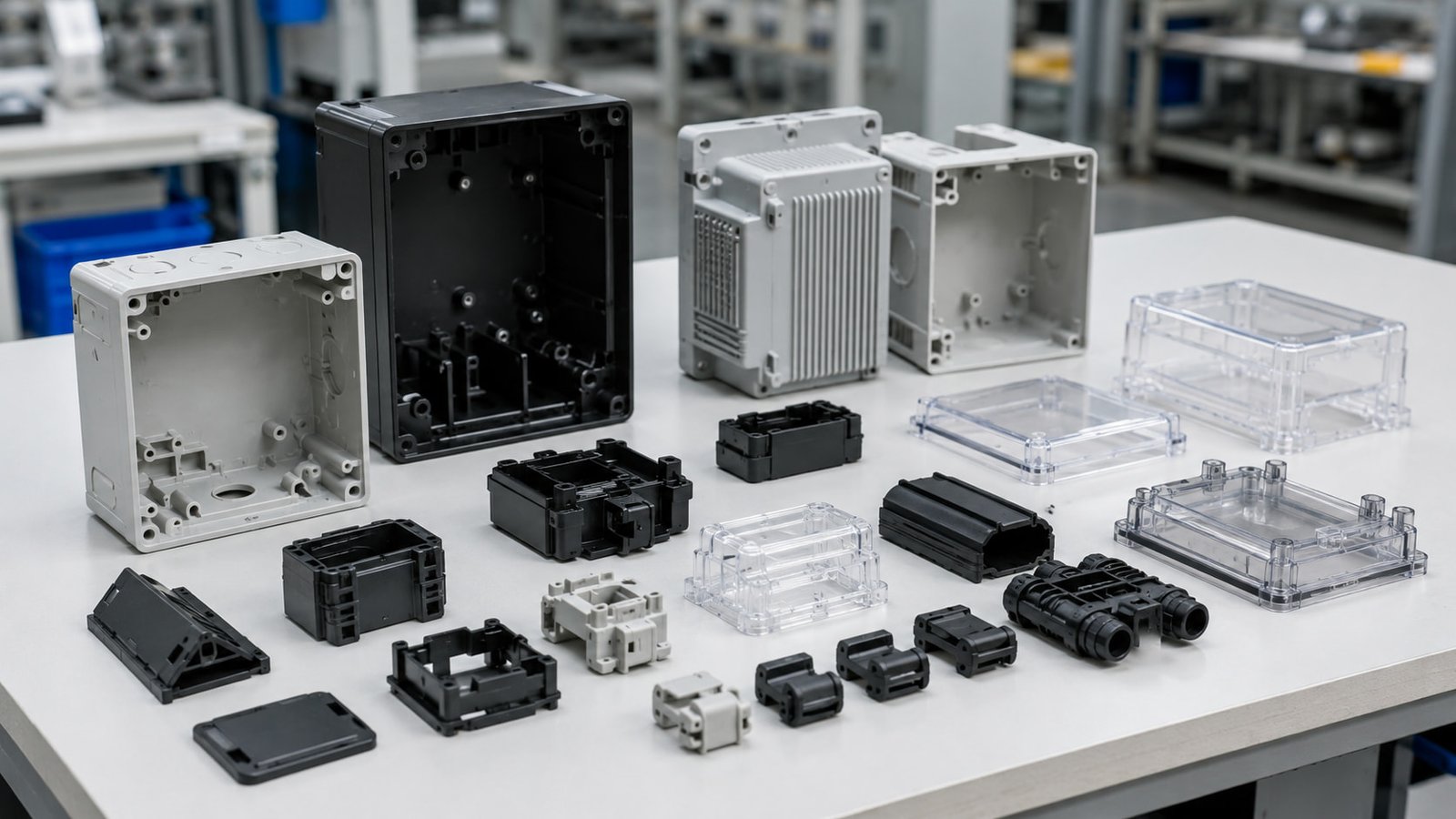
Electrical Connectors & Precision Parts
Balanced hot runner systems for multi-cavity connector housings, terminal blocks, and sensor parts.
Best-fit hot runner review: Small multi-cavity, weight consistency, dimensional stability.
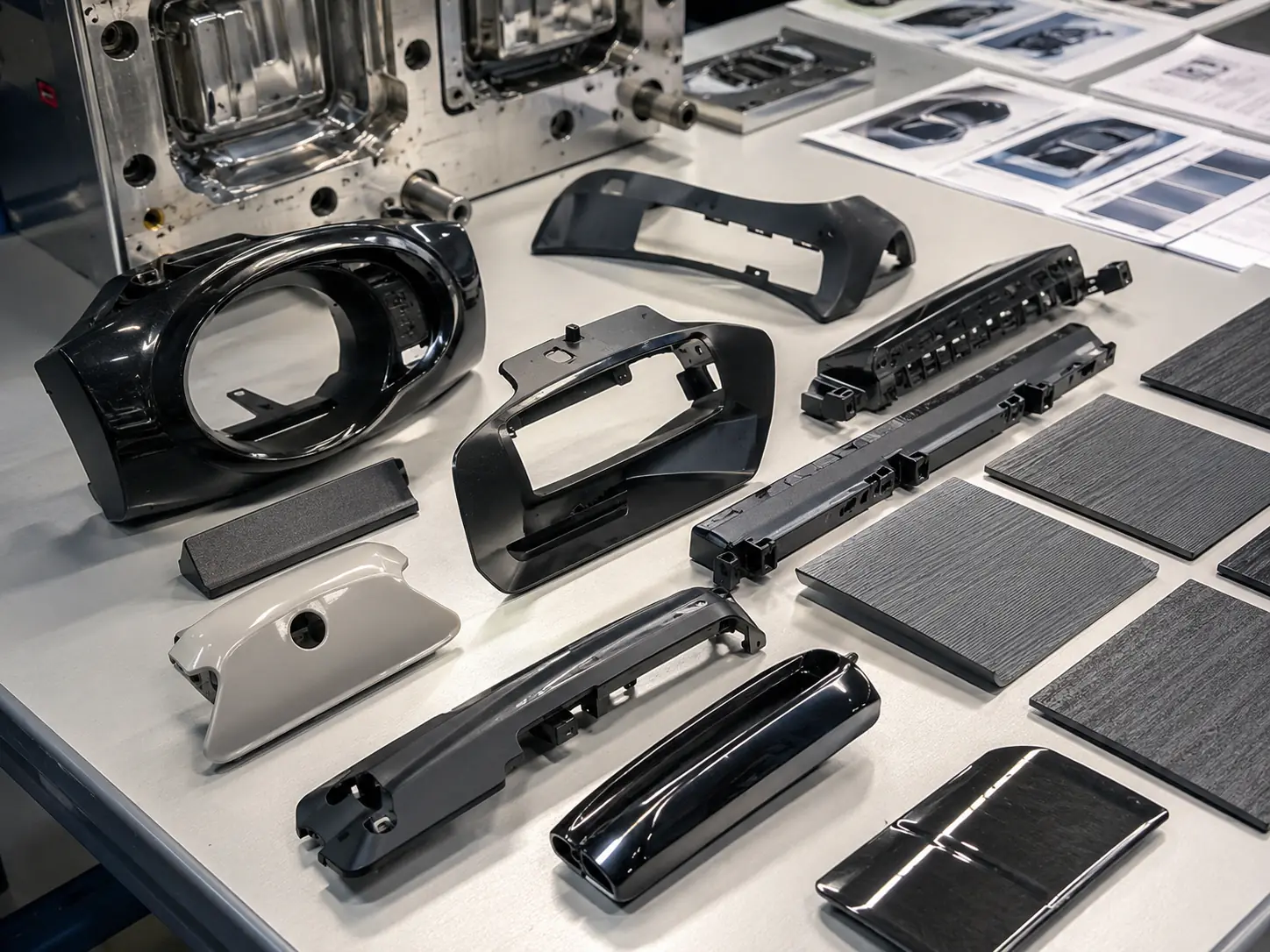
Transparent & Cosmetic Plastic Parts
Valve gate precision for PC covers, clear housings, and optical-like appearance parts with minimal vestige.
Best-fit hot runner review: Valve gate, gate marks, black specks, material degradation.
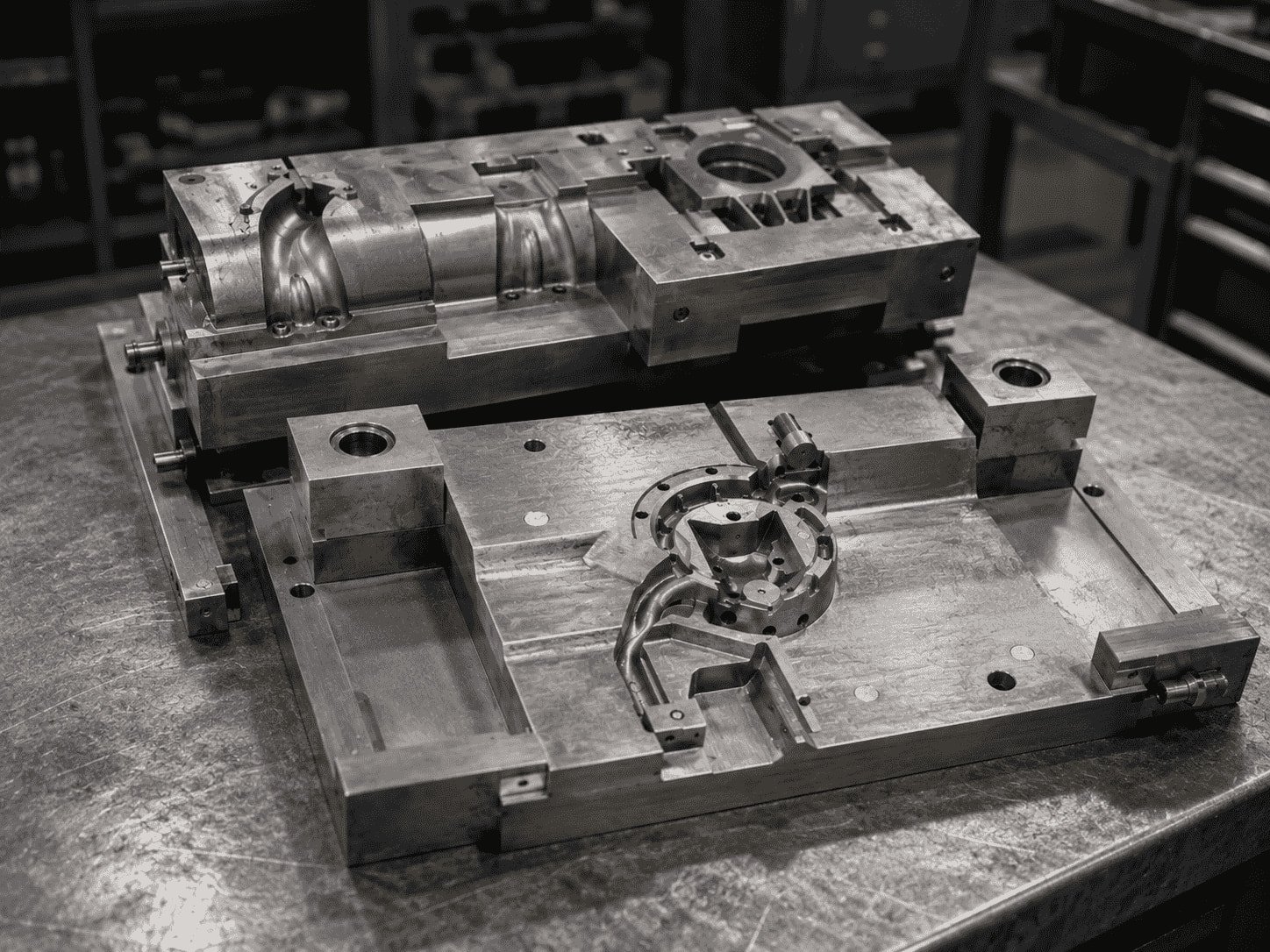
Engineering Plastic Parts
High-temperature systems for PPS, PEEK, PA, POM, LCP, and glass-filled materials requiring strict thermal control.
Best-fit hot runner review: Temperature control and residence time for PPS, PEEK, PA, LCP.
How Hot Runner Molds Improve Injection Molding Efficiency
Key benefits of integrating hot runner technology into your production line when conditions are optimal.
1. Reduced Runner Waste
Hot runners keep plastic molten inside the runner system, reducing or eliminating cold runner scrap depending on mold design and part layout.
2. Shorter Cycle Time When Suitable
Less runner cooling and less runner handling can improve cycle time, especially for suitable high-volume projects. The actual improvement depends on resin and wall thickness.
3. Better Gate Quality
Correct gate type and nozzle selection can improve gate appearance, reduce gate trimming and support cosmetic parts depending on trial results.
4. Multi-Cavity Consistency
Balanced hot runner design helps reduce cavity-to-cavity variation in filling, pressure and part weight for high-cavitation molds.
5. Less Post-Processing
Eliminating cold runner separation, grinding or runner recycling can significantly reduce manual handling and automation costs.
6. Better Material Use
For expensive resins like PC, PA, PPS, PEEK, transparent materials or filled materials, runner waste can be costly, making hot runner feasibility worth evaluating early.
Hot Runner vs Cold Runner Mold: Which One Should Buyers Choose?
Selecting the right runner system impacts part quality, production efficiency, and overall unit cost. Below is an objective comparison to guide your tooling strategy.
| Buyer Situation | Better Choice | Reason |
|---|---|---|
| High annual volume | Hot runner | Saves runner waste and cycle time |
| Expensive resin such as PC, PPS, PEEK | Hot runner | High runner waste cost |
| Cosmetic gate requirement | Valve gate hot runner | Controls gate marks |
| Low-volume project | Cold runner | Lower initial tooling cost |
| Frequent color change | Cold runner or simplified hot runner | Hot runner cleaning is more complex |
| Unstable early design | Cold runner / prototype mold | Lower mold modification risk |
| Multi-cavity packaging caps | Hot runner | Better suited for high cavitation and volume |
When a Hot Runner Mold May Not Be the Best Choice
- Low annual volume
- Frequent material or color changes
- Simple parts with low resin cost
- Projects with limited tooling budget
- Materials highly sensitive to residence time
- Very early prototype stage
How to Choose a Hot Runner System Supplier for Injection Molding
1. Application Review
Packaging, medical, automotive, connectors and engineering plastic parts need different hot runner layouts, gate types and maintenance plans.
2. Gate Type Selection
The supplier should help compare valve gate, open gate, thermal gate, edge gate or direct gate options based on appearance, gate vestige, material and part function.
3. Cavity Balance
For multi-cavity molds, the hot runner design should review melt balance, pressure drop, temperature zones and part weight consistency.
4. Material Compatibility
PP, PE, ABS, PC, PA, POM, PPS, PEEK, LCP, glass-filled materials and transparent materials do not behave the same in a hot runner system.
5. Maintenance Access
Nozzle, heater, thermocouple, valve pin, manifold and sealing surfaces should be accessible for future mold maintenance.
6. Trial Support
The supplier should support T1 review for stringing, drooling, black specks, short shots, gate marks, leakage and cavity imbalance.
Hot Runner Controller, Spare Parts and Maintenance Support
A successful hot runner project extends beyond the mold delivery. We ensure you have the necessary hardware and documentation for long-term production stability.
Need maintenance or spare parts planning before export?
Ask our engineering team for a comprehensive mold review and recommended spare parts list.
Contact Engineering Support →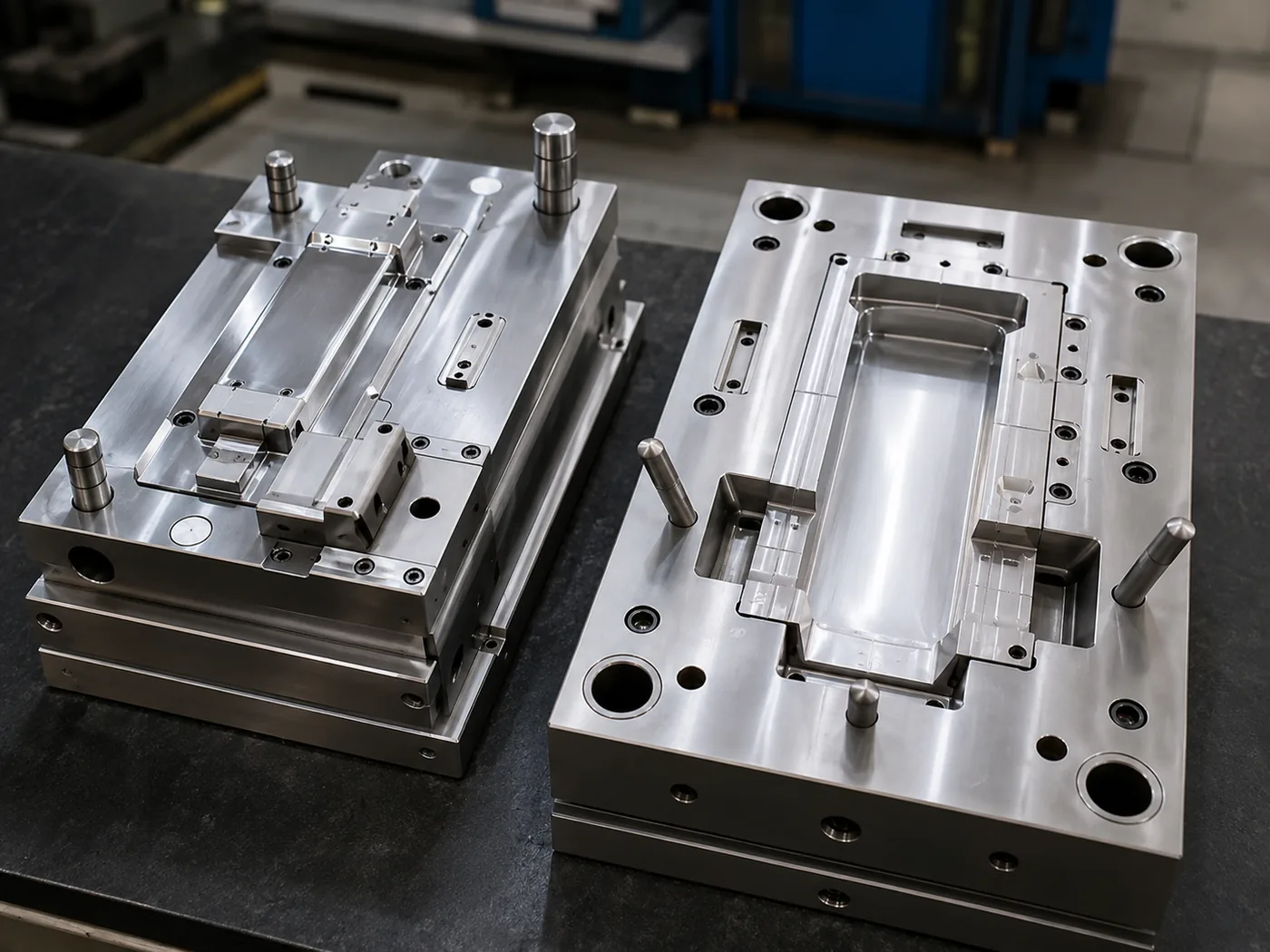
Controller Selection
Number of temperature zones, resin sensitivity, nozzle quantity, manifold layout and controller compatibility should be reviewed before mold trial.
Replacement Parts Review
Heaters, thermocouples, valve pins, nozzle tips, seals and connectors should be documented for future maintenance.
Maintenance Access
Mold structure should allow service access to hot runner areas where possible, especially for high-volume molds.
Export Hot Runner Mold Spare Parts and Documents
- Heater list: Future replacement
- Thermocouple list: Temperature zone maintenance
- Nozzle tip specification: Gate quality repair
- Valve pin list: Valve gate maintenance
- Wiring diagram: Controller connection and troubleshooting
- Temperature zone map: T1 record and future setup
- Spare seals: Leakage prevention
- T1 trial report: Production reference
Need export mold documentation and spare parts list? Ask GBM before mold shipment.
Hot Runner Mold Trial, Inspection and Delivery Support
A structured approach to reduce hot runner mold risks from DFM review to T1 sample evaluation.
1
DFM & System Selection
Review gate type, nozzle position, manifold layout, and temperature control zones based on injection mold manufacturing standards.
2
3D Mold Design
Detailed 3D design integrating the hot runner manifold, nozzles, and cooling channels with the mold base.
3
Assembly & Wiring
Careful installation of heaters, thermocouples, and valve pins. Electrical testing prior to final mold assembly.
4
Mold Trial (T1)
Evaluate gate quality, part dimensions, cavity balance, and system temperature stability.
Related Injection Mold Capabilities
Explore our comprehensive mold making and injection molding services.
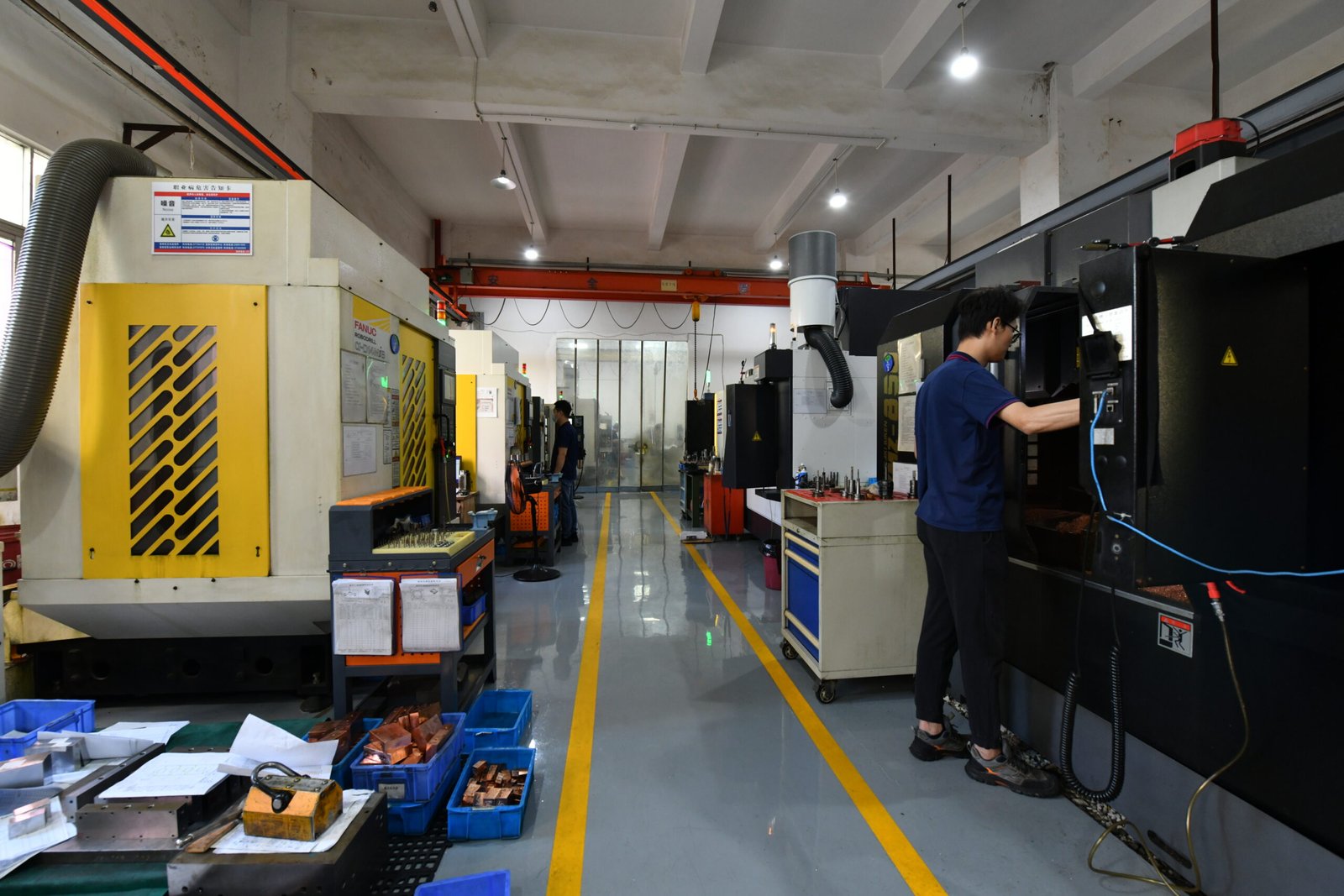
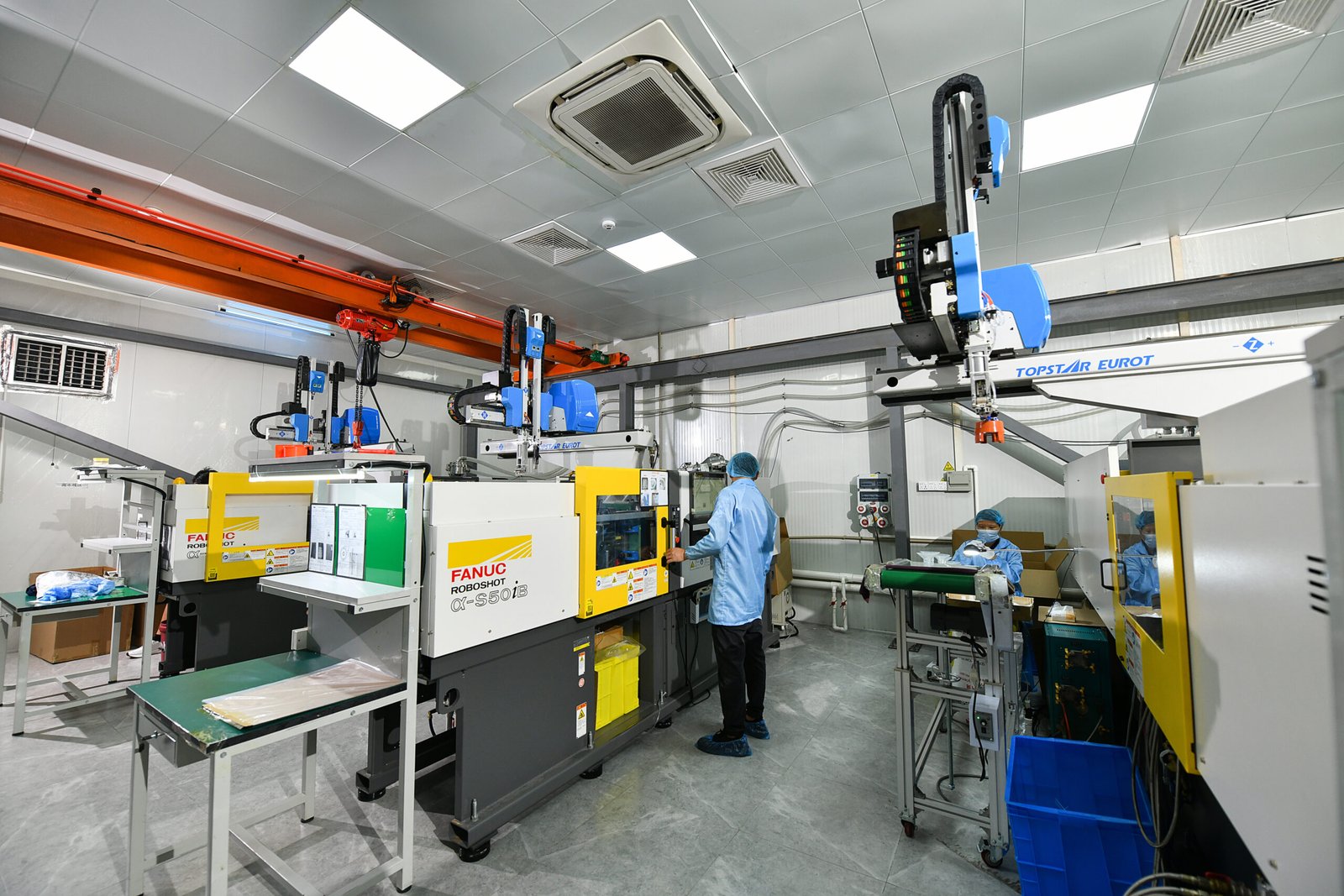
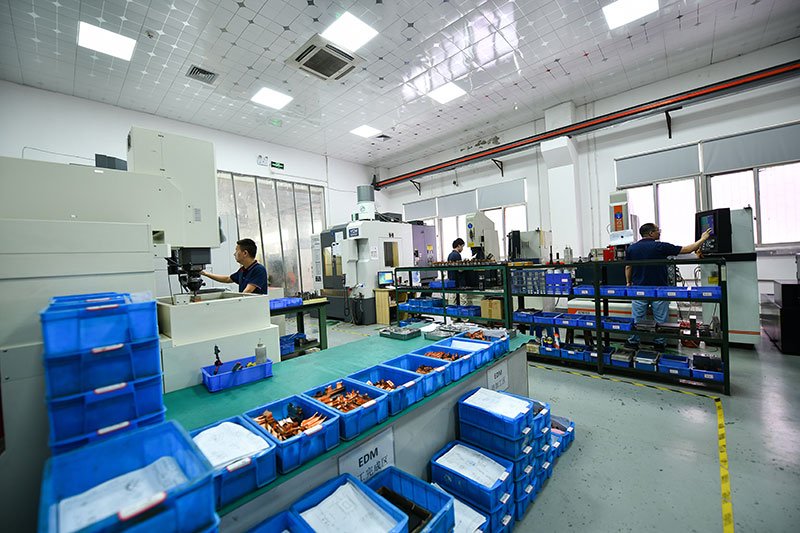
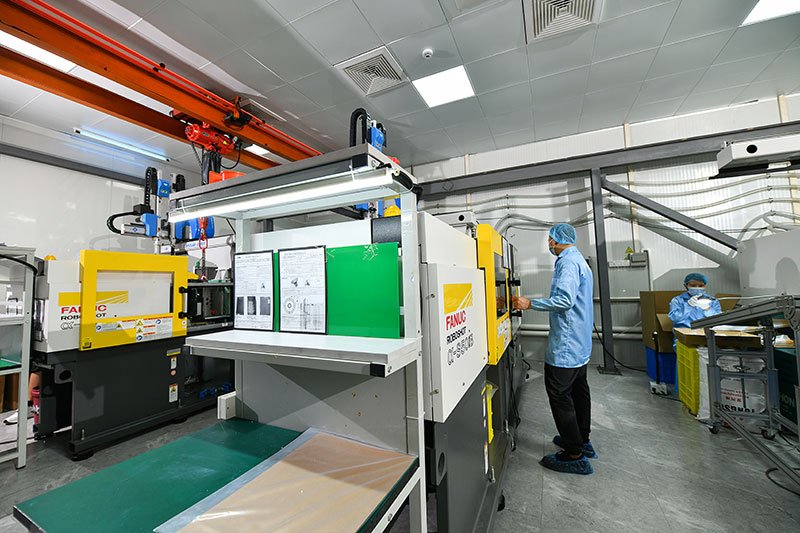
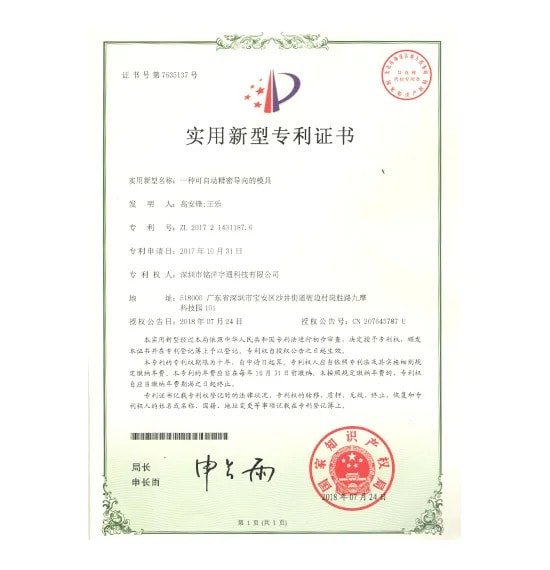
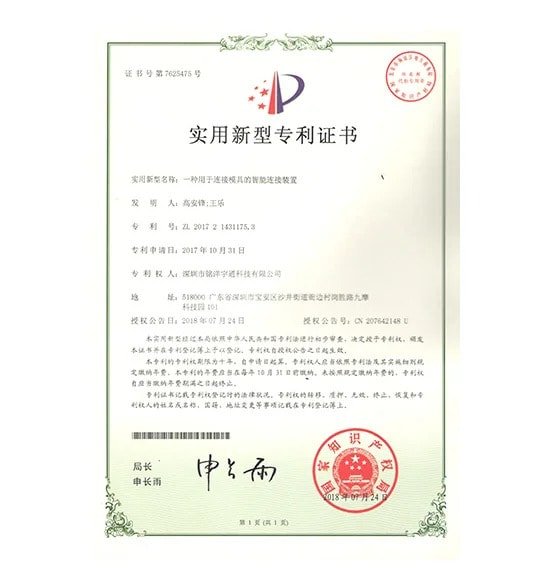
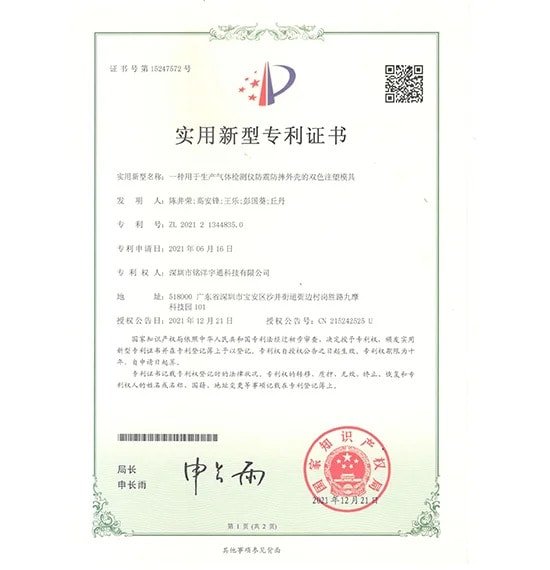
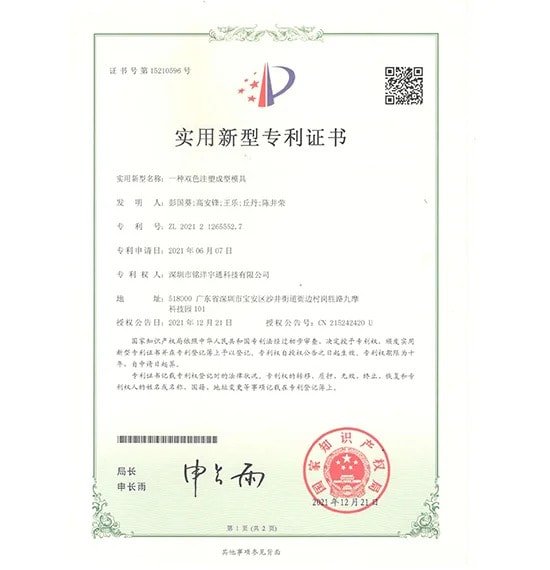
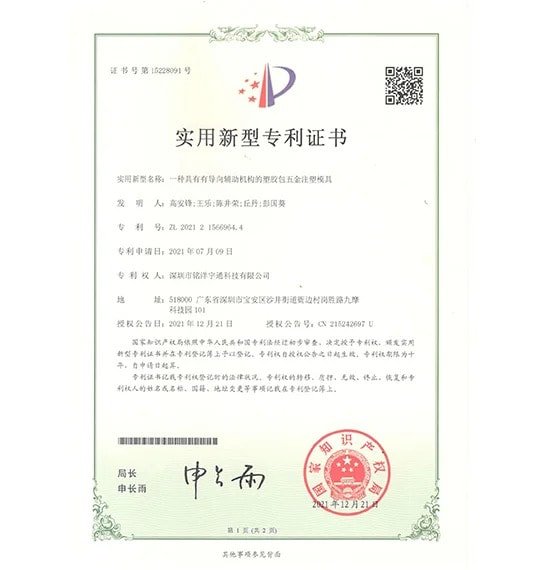
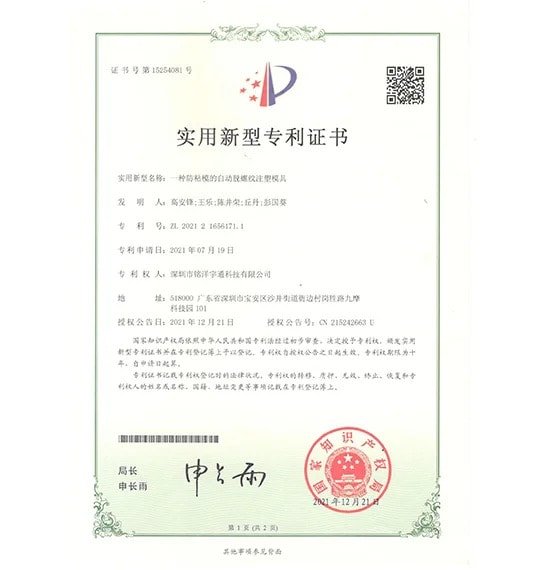
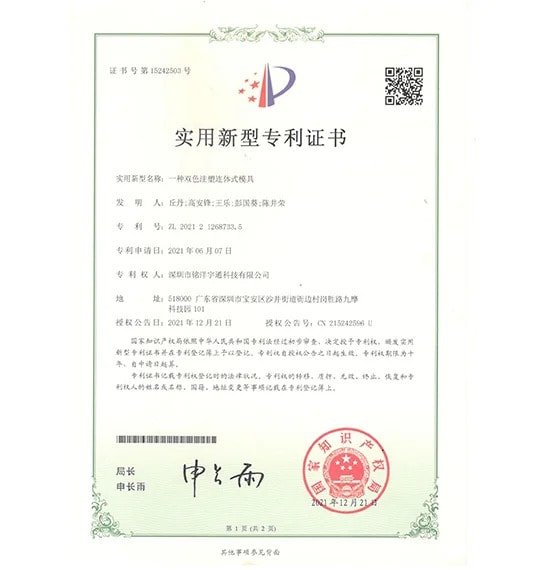
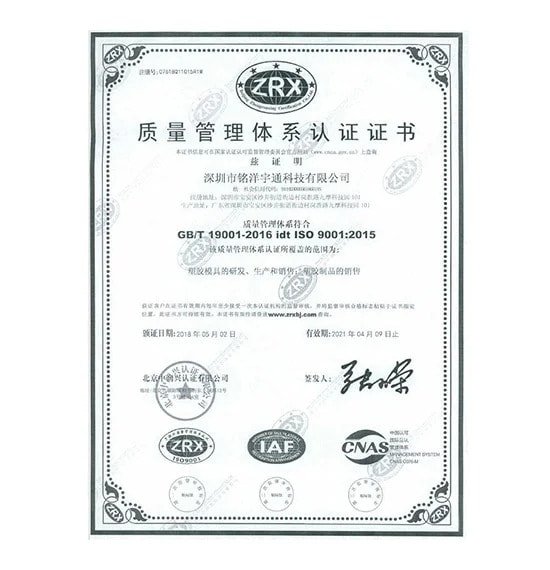
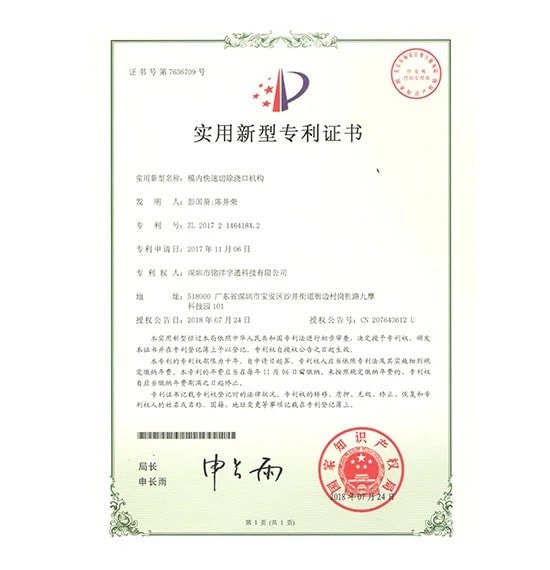
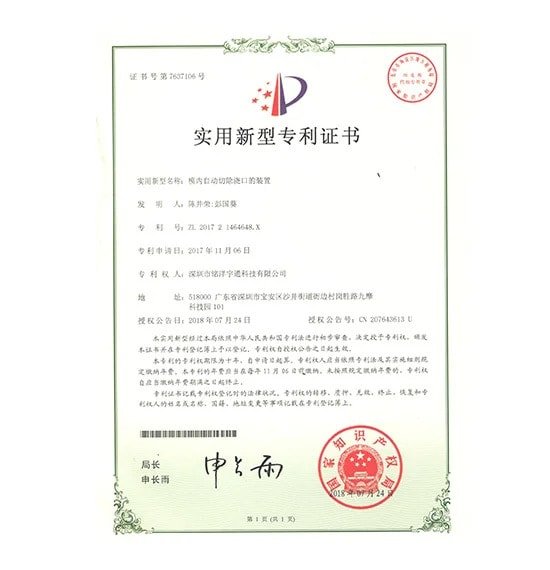
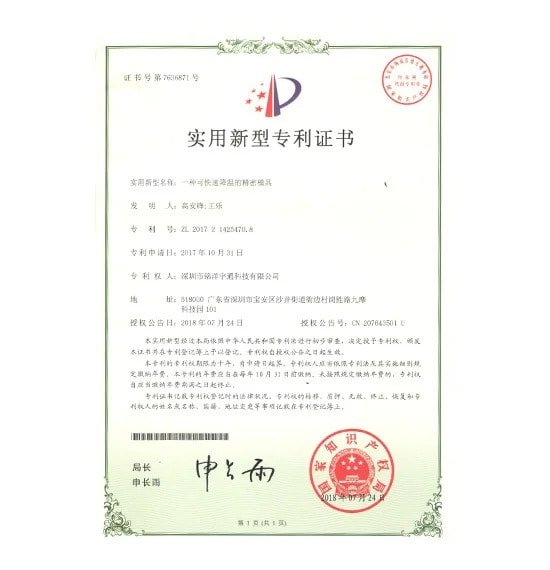
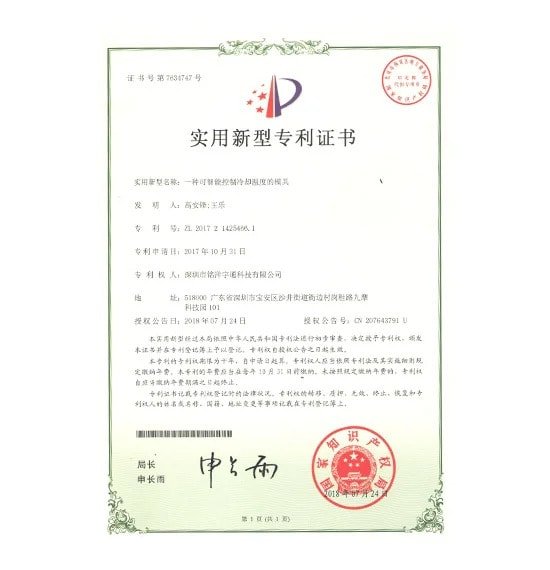
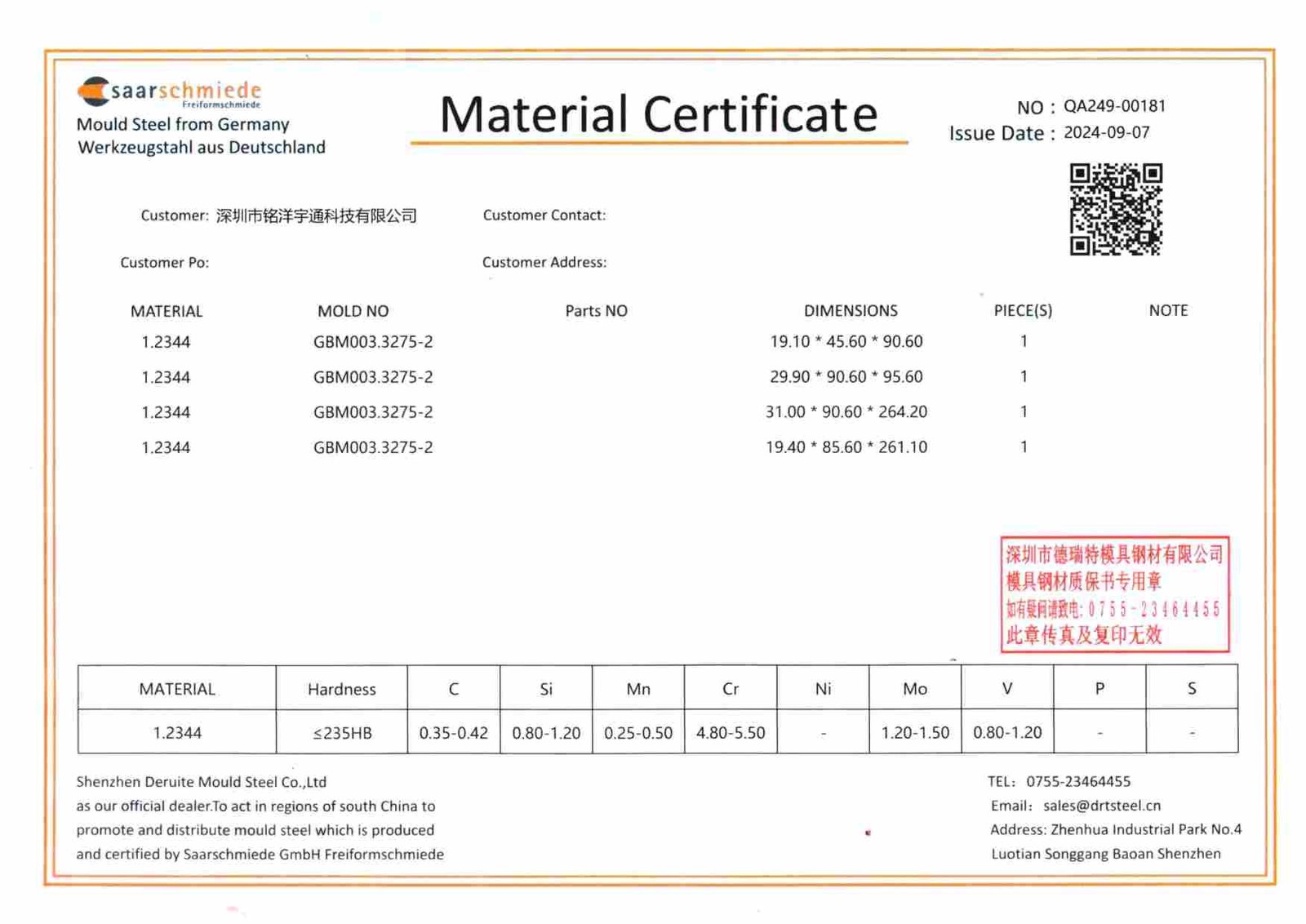
Factory & Quality Documents
A glimpse into our production environment and our commitment to international quality standards.

Hot Runner Mold FAQ
Expert answers to common technical and procurement questions.
1. What is a hot runner mold?
2. How does a hot runner mold improve injection molding production?
3. Is a hot runner mold always better than a cold runner mold?
4. What is the difference between a hot runner mold and a cold runner mold?
5. When should I choose a hot runner mold?
6. When should I avoid using a hot runner mold?
7. What hot runner systems are suitable for high-volume manufacturing?
8. What is a valve gate hot runner mold?
9. What is an open gate hot runner mold?
10. What is a sequential valve gate hot runner mold?
11. How much does a hot runner mold cost?
12. Why is a hot runner mold more expensive than a cold runner mold?
13. How do I compare the cost of different hot runner technologies?
14. What materials can be used with hot runner molds?
15. Can a hot runner mold be used for glass-filled materials?
16. Can a hot runner mold be used for transparent plastic parts?
17. What causes hot runner nozzle stringing?
18. What causes hot runner nozzle drooling?
19. What causes nozzle freezing in a hot runner mold?
20. What causes black specks in hot runner molding?
21. Why does a multi-cavity hot runner mold have cavity imbalance?
22. What maintenance is required for a hot runner mold?
23. What spare parts should be prepared for a hot runner mold?
24. Can GBM manufacture the hot runner system by itself?
25. Can I specify the hot runner brand?
26. What information is needed for a hot runner mold quotation?
27. How does GBM validate a hot runner mold before shipment?
28. Can GBM help troubleshoot hot runner problems after T1 trial?
29. What industries commonly use hot runner molds?
30. Why choose GBM for a custom hot runner mold project?
Request a Hot Runner Mold Quote
Send your part weight, runner weight, material details, and annual volume. Our engineering team will help review whether a hot runner mold is suitable and provide a detailed DFM and cost breakdown.

Annie
Technical Sales Director
Phone / WhatsApp
+86 13632611848Address
Room 101, Jiumo Technology Park, Gangsheng Road, Yabian Village, Shajing Street, Baoan District, Shenzhen City