
Gas injection molding is an advanced manufacturing process that introduces pressurized nitrogen gas into the melt stream of injected plastics. This innovative technique hollows out thick sections of a part, reducing material usage, minimizing sink marks, and decreasing cooling times. By hollowing out the core, manufacturers can produce lightweight, structurally sound, and complex plastic components with superior cosmetic finishes.
Video Guide: An introductory overview of the gas-assisted injection molding process and its fundamental principles.
What is gas injection molding?
Gas injection molding is a specialized low-pressure plastic molding process where nitrogen gas is injected into a mold cavity partially filled with molten polymer. The gas displaces the plastic, pushing it against the mold walls to create a hollow core, resulting in lighter, stronger parts without surface defects.
Video Guide: A detailed explanation breaking down what gas-assisted injection molding is and how it benefits part design.
Core Principles of Gas-Assisted Molding
Gas injection molding was developed to solve the persistent issues of warping and sink marks in thick-walled plastic components. By utilizing inert nitrogen gas, the process inherently packs out the material from the inside.
- Material Displacement: Gas pushes the molten resin outward, ensuring uniform pressure across complex geometries.
- Weight Reduction: Hollows out thick ribbing and structural nodes, saving up to 30% in raw material.
- Stress Relief: Internal gas pressure compensates for volumetric shrinkage as the plastic cools, preventing warping.
- Design Freedom: Allows designers to mix thick and thin wall sections seamlessly in a single unified part.
GBM Pro Tip: When designing for gas assist, always ensure your gas channels are interconnected and flow continuously toward the end of the fill to prevent trapped gas pockets or structural blowouts.
How Does gas injection molding Work?
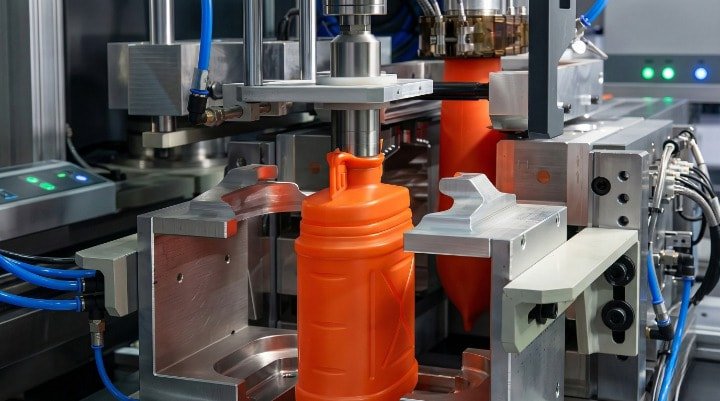
The gas injection molding process begins by injecting a predetermined short shot of molten plastic into the mold. Next, high-pressure nitrogen gas is introduced through a nozzle or pin. The gas follows the path of least resistance, coring out the hot, thick sections and packing the plastic against the cavity.
Video Guide: A visual demonstration of the gas assist injection process from polymer injection to gas penetration.
The Step-by-Step Gas Injection Cycle
The operational cycle requires precise timing and control over both the polymer melt and the gas pressure.
- Resin Injection (Short Shot): The molding machine injects a precise volume of plastic, typically filling 70% to 90% of the mold cavity.
- Gas Injection Delay: A brief pause allows the plastic touching the cool mold walls to form a solid skin while the core remains molten.
- Gas Penetration: Nitrogen gas is injected at high pressure (typically 500 to 4,000 psi), displacing the molten core and driving it to the ends of the cavity.
- Gas Hold: Pressure is maintained as the part cools, pushing the plastic against the mold to eliminate sink marks and shrinkage.
- Gas Exhaust and Ejection: The gas is vented out of the part, the mold opens, and the finished lightweight component is ejected.
GBM Pro Tip: Calibrating the gas injection delay is the most critical step; if you inject the gas too early, it will blow through the melt front, but if you wait too long, the gas won’t penetrate the solidifying core.
What are the disadvantages of gas assisted injection molding?
The primary disadvantages of gas injection molding include higher initial equipment costs, complex mold design requirements, and a steeper learning curve for operators. Additionally, gas channel layout can restrict certain part geometries, and improper processing can lead to gas blow-through or inconsistent wall thicknesses.
Manufacturing Limitations and Challenges
While highly beneficial, this molding technique introduces several engineering and economic hurdles that manufacturers must carefully navigate.
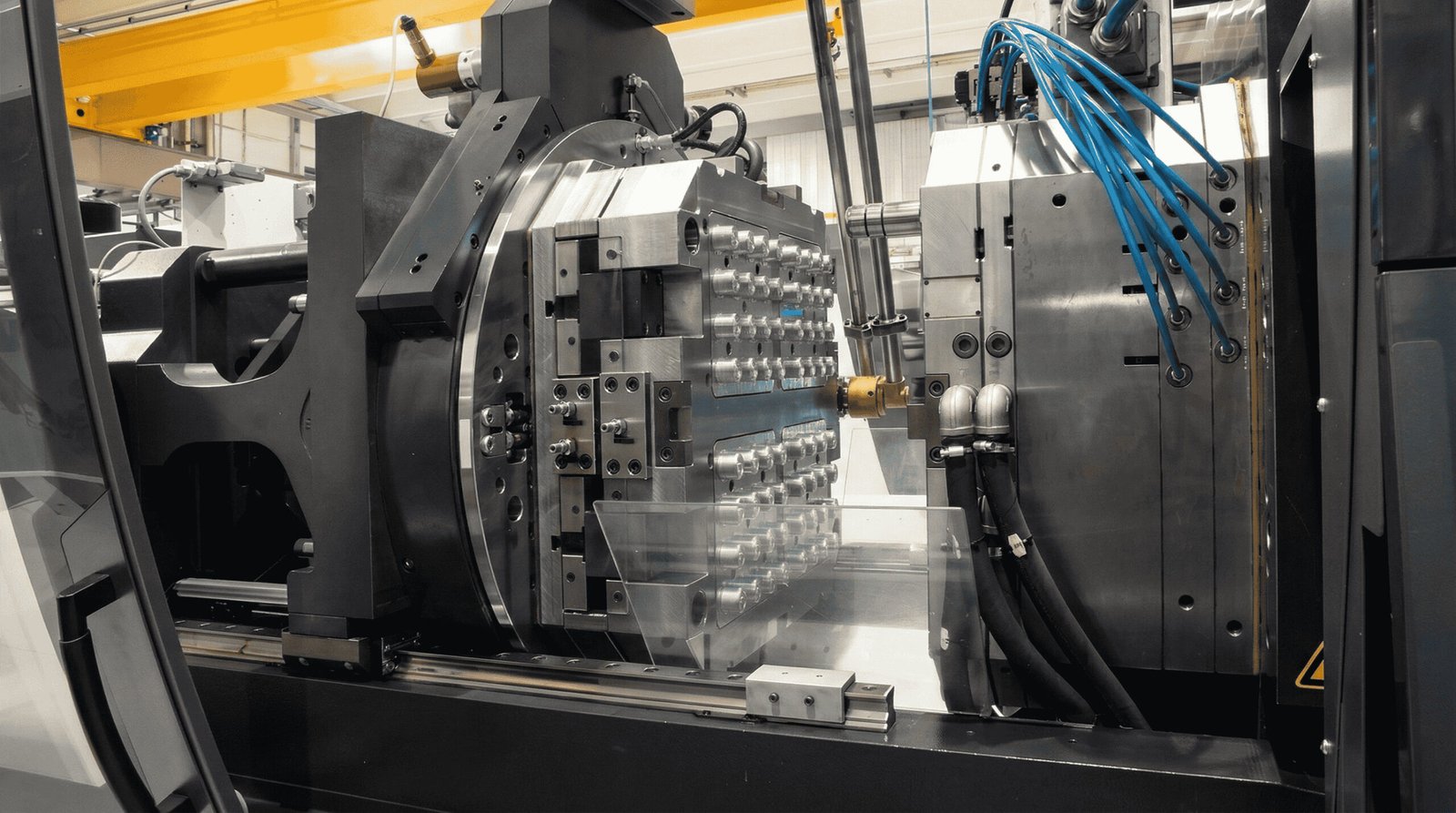
- Capital Investment: Requires specialized gas control units, nitrogen generators, and specialized nozzles, increasing upfront machinery costs.
- Design Complexity: Parts must be meticulously engineered with specific gas channels; retrofitting existing solid-part molds is rarely successful.
- Fingering Effect: If gas pressure is too high or melt viscosity is too low, the gas can permeate outside the intended channel into thinner wall sections, weakening the part.
- Maintenance: Gas pins and nozzles are prone to clogging with plastic residue and require rigorous, frequent cleaning regimens.
GBM Pro Tip: To mitigate the risk of the “fingering” effect, maintain strict control over your mold temperature and ensure your resin’s melt flow index (MFI) is optimized for gas penetration.
What is the purpose of gas injection?
The primary purpose of gas injection is to hollow out thick plastic sections to reduce material usage and part weight without sacrificing structural integrity. Furthermore, the internal gas pressure packs the plastic firmly against the mold walls, entirely eliminating cosmetic sink marks and reducing internal stresses.
Strategic Objectives of Gas Integration
Implementing gas injection technology serves multiple engineering and economic objectives simultaneously. It bridges the gap between aesthetic requirements and structural demands.
- Elimination of Sink Marks: Thick nodes typically shrink and cave in; gas pressure from within prevents this surface deformation.
- Cycle Time Reduction: Because the thickest sections of the part are hollowed out by the gas, there is less plastic mass to cool, drastically shortening the cooling phase.
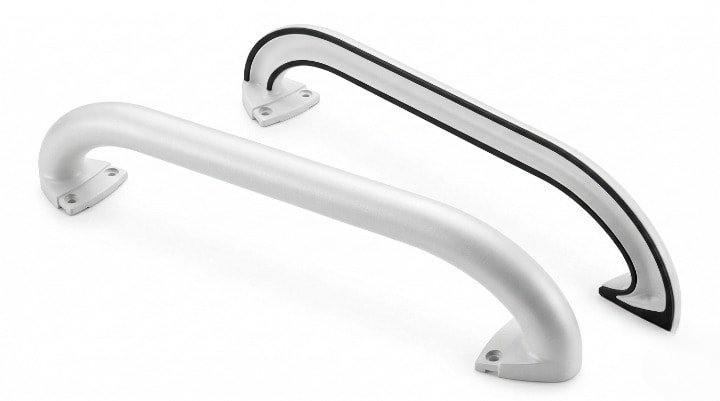
- Enhanced Rigidity: Allows for the creation of large, tubular cross-sections that provide excellent torsional stiffness compared to flat, solid ribs.
- Clamp Tonnage Reduction: The internal gas pressure significantly reduces the required injection pressure and clamping force, allowing large parts to run on smaller machines.
GBM Pro Tip: Use gas injection to consolidate multi-part assemblies into a single molded component. By utilizing gas channels as structural ribs, you can eliminate the need for secondary welding or fastening operations.
Key Features & Comparison
Comparing gas injection molding to standard injection molding highlights distinct advantages in material efficiency, cycle times, and structural design capabilities. While standard molding is ideal for thin, uniform parts, gas-assisted molding excels in manufacturing thick, complex, and lightweight geometries with flawless surface finishes.
Standard vs. Gas-Assisted Molding
Understanding the technical differences between these processes is crucial for selecting the right manufacturing method for your specific application.
Based on our internal data and market analysis, here is the breakdown:
| Feature | Standard Injection Molding | Gas Injection Molding |
|---|---|---|
| Ideal Part Geometry | Thin, uniform wall thicknesses | Mixed thick and thin walls, tubular shapes |
| Material Usage | High (Solid parts) | Low (Hollowed thick sections, up to 30% savings) |
| Sink Marks | Common in thick areas | Virtually eliminated |
| Tooling Complexity | Moderate | High (Requires gas channels and specialized pins) |
| Cycle Time | Longer for thick parts | Significantly reduced |
| Machine Tonnage | High pressure required | Lower pressure required (up to 50% less) |
GBM Pro Tip: When evaluating ROI between standard and gas-assist molding, factor in the savings from running the mold on a lower-tonnage press; this often offsets the higher initial tooling costs.
Why Choose GBM for Your Gas-Assisted Tooling & Manufacturing?
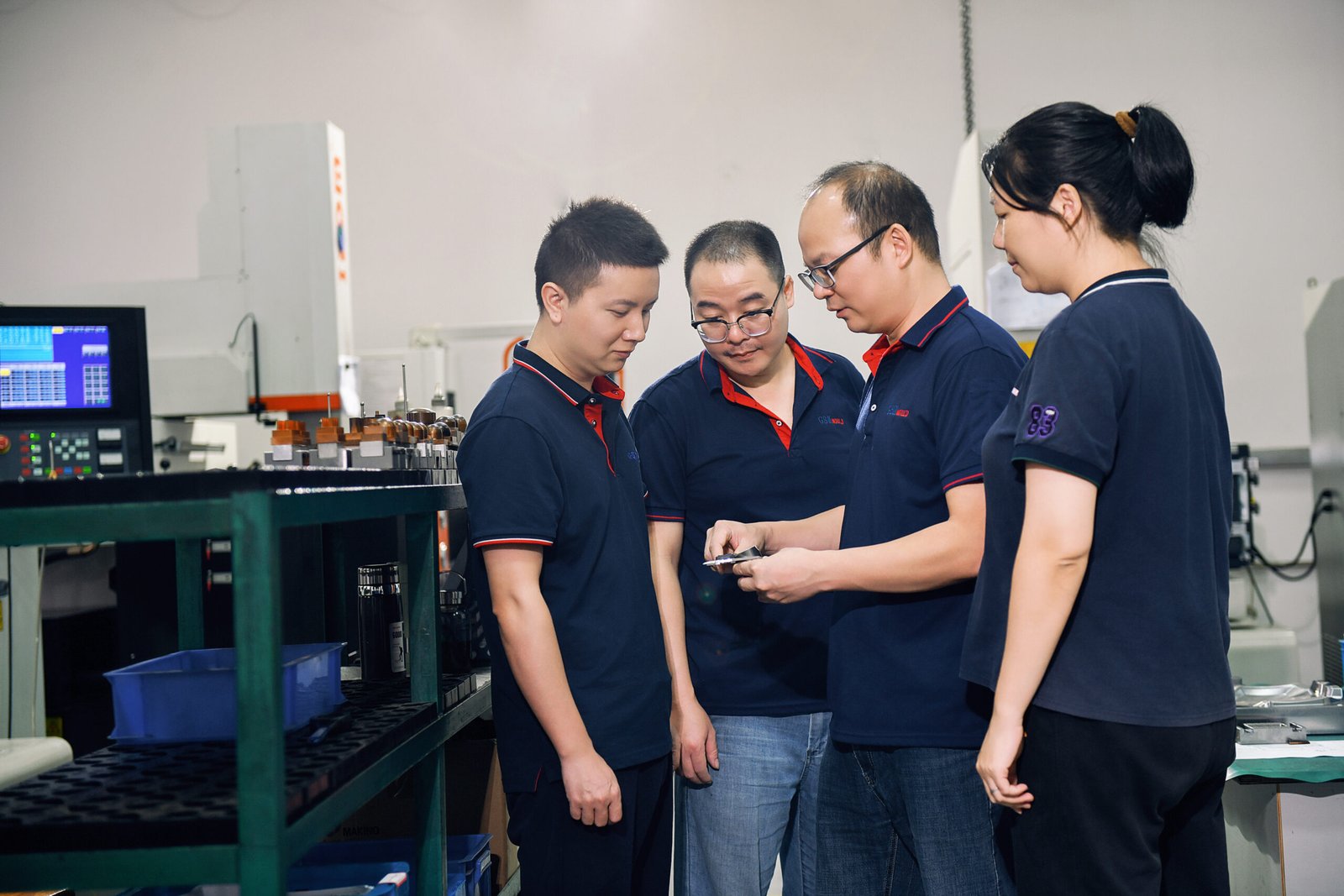
Mastering gas-assisted injection molding requires more than just specialized nitrogen equipment; it demands flawless mold engineering. At GBM, we possess the critical expertise required to design, machine, and validate complex gas-assist tooling that meets the rigorous standards of the North American and European markets.

- Precision Gas Channel Engineering: The layout of internal gas channels dictates the structural integrity of your part. Our in-house tooling engineers utilize advanced Moldflow® simulations to strategically position gas pins and design interconnected channels. This ensures a uniform gas front, entirely eliminating the risk of “fingering” or structural blowouts.
- High-Tolerance Mold Fabrication: Gas-assist molds endure intense internal pressures. We build our molds using premium hardened steel (such as H13 or S136) to ensure strict parting line tolerances. This precise steel-to-steel fit is crucial for maintaining internal gas pressure without flashing or gas leakage during the cycle.
- Integrated Solutions from Tooling to Production: Unlike brokers, we control the entire lifecycle of your project. By engineering the mold and running the production under one roof, our process technicians can instantly calibrate gas injection delays and pressure profiles, ensuring your hollowed parts are lightweight, structurally sound, and completely free of sink marks.
- Strict Quality Assurance: Every thick-walled or tubular component we produce undergoes rigorous inspection. We verify wall thickness consistency and surface aesthetics, guaranteeing that the final product meets your strict dimensional requirements and aesthetic expectations.
Don’t risk your complex geometries on inexperienced toolmakers. Let GBM’s engineering team optimize your part design for gas-assist molding and deliver world-class tooling.
Cost & Buying Factors
Investing in gas injection molding involves evaluating the costs of specialized gas control units, nitrogen generation systems, and complex mold tooling. While the initial capital expenditure is higher, buyers must weigh this against long-term savings in raw resin, reduced cycle times, and lower machine tonnage requirements.
Capital Expenditure and ROI Considerations
Procuring equipment for gas-assisted molding requires a strategic financial approach. The ecosystem demands more than just a standard injection press.
- Gas Control Units: Precision valves and controllers that regulate the nitrogen pressure profile are a significant upfront cost.
- Nitrogen Supply: Depending on volume, facilities must choose between recurring costs of bottled nitrogen or the capital investment of an on-site nitrogen generator.
- Mold Engineering: Tooling costs are typically 10% to 20% higher due to the need for gas pins, overflow cavities, and specialized venting.
- Maintenance Overhead: Budget for increased maintenance, specifically the regular cleaning and replacement of gas injector pins.
GBM Pro Tip: For high-volume production, investing in an on-site nitrogen generator is highly recommended. The payback period is usually under two years compared to purchasing bulk liquid or bottled nitrogen.
Conclusion
Gas injection molding stands as a transformative technology in plastics manufacturing, offering unmatched solutions for lightweighting, material savings, and cosmetic perfection. By mastering this process, manufacturers can push the boundaries of part design while optimizing production economics.
Final Thoughts on Process Integration
Transitioning to gas-assisted molding requires careful planning but yields immense rewards for the right applications.
- Design First: Success begins in the CAD phase by intentionally designing for gas channels.
- Partner with Experts: Work with experienced toolmakers who understand gas flow dynamics.
- Continuous Monitoring: Utilize advanced process controllers to maintain exact gas pressure profiles.
- Evaluate ROI: Look beyond tooling costs and calculate total savings in resin, cycle time, and machine wear.
GBM Pro Tip: Before cutting steel for a new gas-assist mold, always run comprehensive mold flow simulations to predict gas penetration paths and avoid costly tooling reworks.