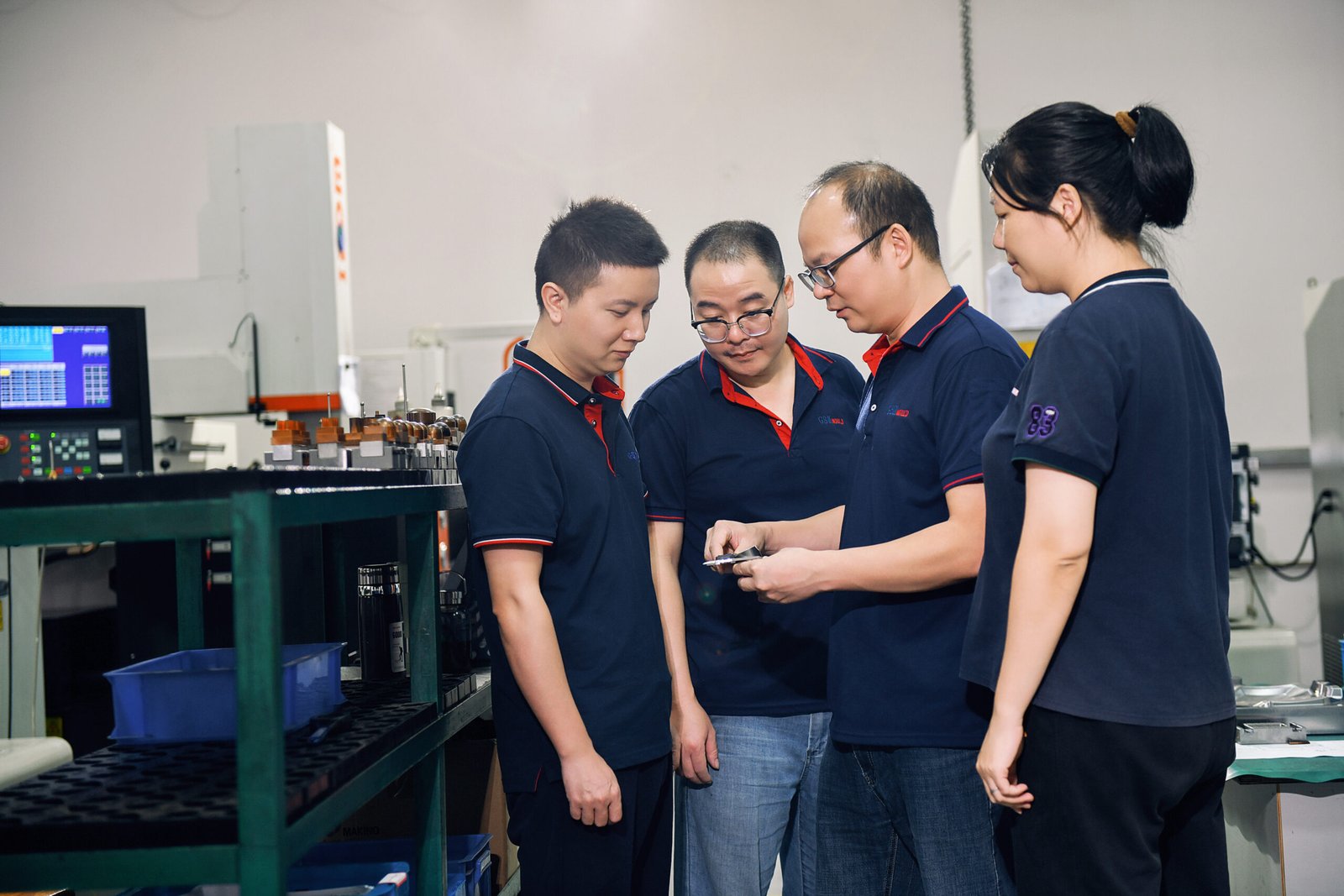

Rubber injection molding is an advanced manufacturing process used to create highly precise, durable, and complex elastomeric parts. By heating uncured rubber and forcing it into a closed cavity under high pressure, manufacturers can achieve rapid production cycles and superior dimensional accuracy. This method is essential for producing high-volume seals, gaskets, and custom components used across the automotive, medical, and industrial sectors.
🎥 From Raw Rubber to Finished Part: Watch this comprehensive overview to see exactly how uncured elastomers are processed, heated, and molded into durable industrial components at scale.
What is rubber injection molding?
Rubber injection molding is a highly efficient manufacturing technique where uncured rubber is pre-heated, injected into a heated mold cavity, and vulcanized under pressure. This process transforms raw elastomers into solid, precise, and durable parts, making it ideal for high-volume production with minimal material waste and tight tolerances.
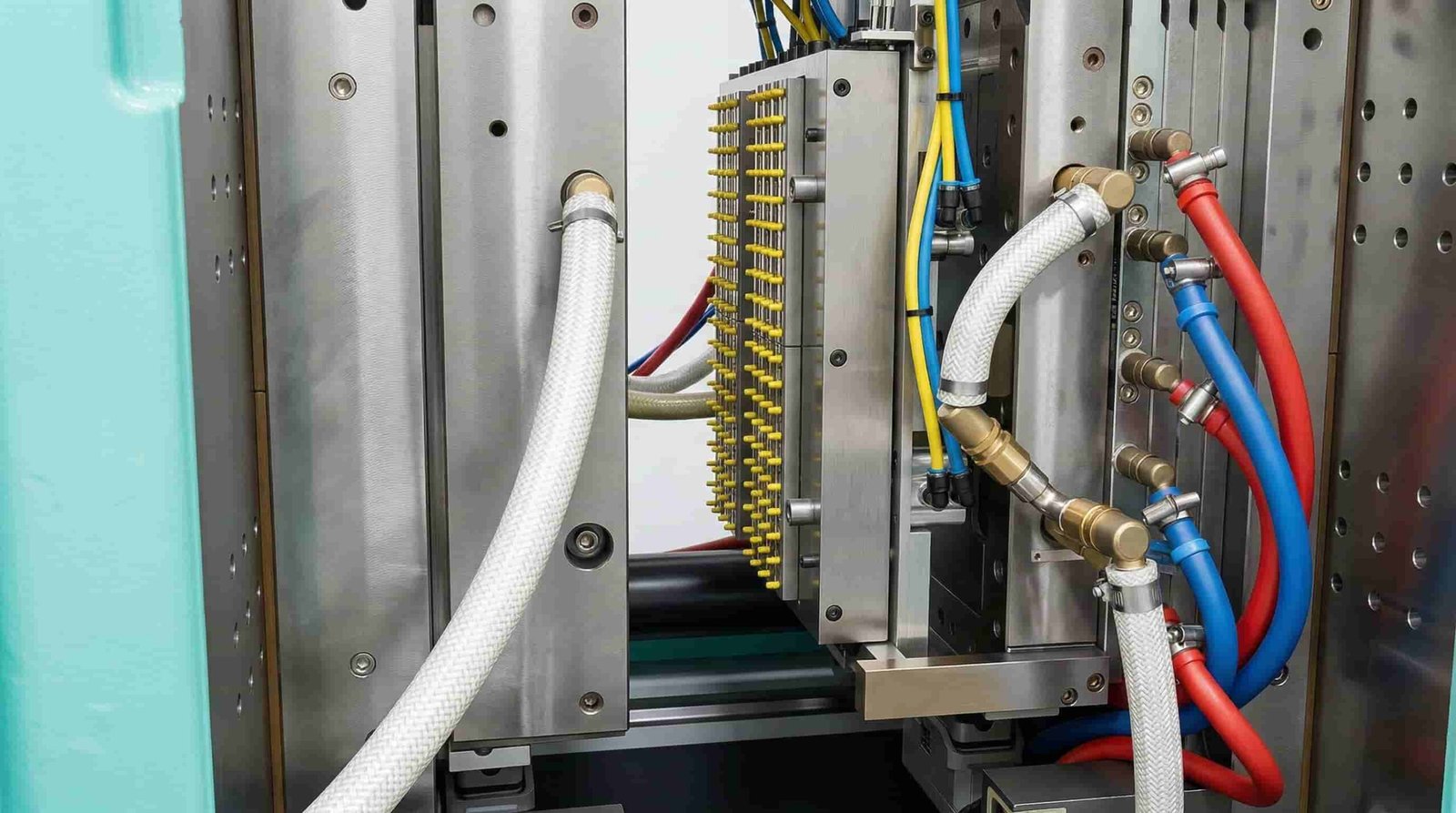
Core Mechanics and Applications
The technique is favored over traditional compression molding due to its speed and precision. The closed-loop system ensures that the exact amount of material is injected, eliminating flash and reducing secondary trimming operations.
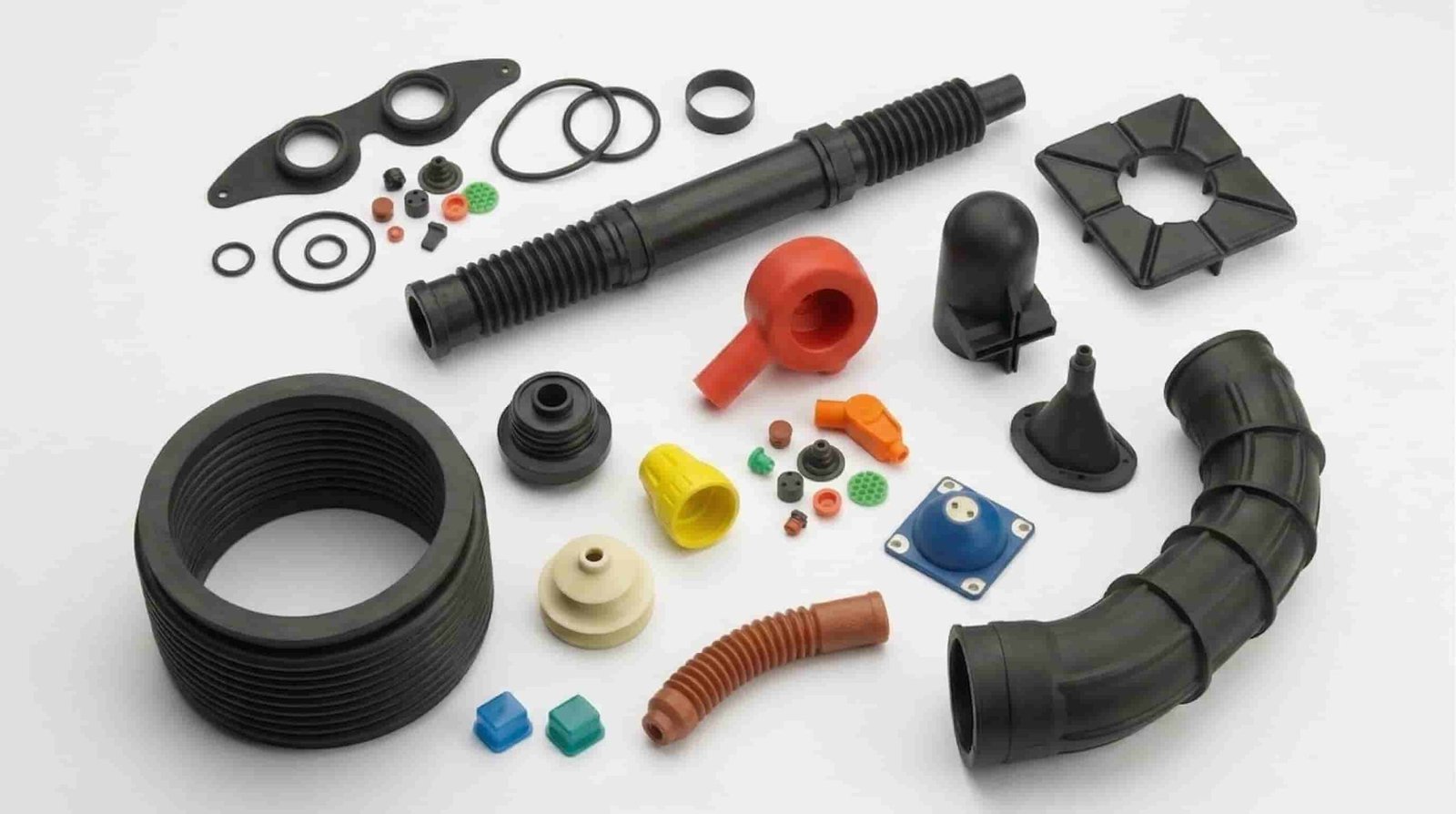
- Automotive Components: O-rings, engine seals, and vibration dampeners.
- Medical Devices: Syringe plungers, valves, and fluid management systems.
- Consumer Goods: Grips, appliance seals, and protective covers.
- Industrial Hardware: Custom gaskets, grommets, and heavy-duty shock mounts.
GBM Pro Tip: Always ensure your mold design includes proper venting; trapped air is the number one cause of short shots and surface defects in rubber molded parts.
How Does rubber injection molding Work?
The process begins by feeding a continuous strip of uncured rubber into a rotating screw. The screw heats and mixes the material before a ram forces it through a runner system into a heated mold. The rubber then cures (vulcanizes) inside the cavity before the mold opens for part ejection.
🎥 The Vulcanization Cycle in Action: Step inside the machine. See how the rotating screw plasticizes the rubber before the high-pressure ram forces it into a heated mold for rapid chemical curing.
Step-by-Step Production Cycle
The efficiency of this process relies on precise temperature and pressure controls. Unlike plastic injection molding, where the mold is cooled to solidify the part, rubber injection molding requires a heated mold to trigger the chemical cross-linking of the elastomer.
- Plasticization: The raw rubber is mechanically sheared and pre-heated in the barrel to reduce viscosity.
- Injection: High pressure forces the material through the sprue and gates directly into the mold cavities.
- Vulcanization: The heated mold (typically maintained between 300°F and 400°F) cures the rubber, setting its final shape.
- Ejection: The mold opens, and mechanical pins or automated air blasts remove the finished part from the tool.
GBM Pro Tip: Optimizing your barrel temperature profile prevents premature curing (scorch) in the screw, which can cause severe equipment downtime and material waste.
What material is used for rubber injection molding?
A wide variety of thermoset elastomers are used in rubber injection molding, including Natural Rubber (NR), Nitrile (NBR), Ethylene Propylene Diene Monomer (EPDM), and Silicone (LSR/HCR). The choice of material depends entirely on the required temperature resistance, chemical compatibility, and mechanical strength of the final product.
🎥 Understanding Silicone (LSR): Dive deep into the specific material properties of silicone rubber, and discover why it is the ultimate choice for extreme temperature resistance and medical-grade purity.
Common Elastomers and Their Properties
Selecting the right elastomer is critical for product lifespan and performance. Each material behaves differently under injection pressures and curing temperatures.
Here is a quick reference guide to help you match the right elastomer to your application’s environment:
| Material | Key Characteristics | Common Applications |
|---|---|---|
| EPDM | Excellent weather, ozone, and UV resistance | Outdoor seals, roofing membranes, automotive weatherstripping |
| Nitrile (NBR) | High resistance to oils, fuels, and petroleum | Automotive hoses, fuel system O-rings, industrial gaskets |
| Silicone (LSR) | Extreme temperature range, biocompatible, pure | Medical tubing, kitchenware, cleanroom applications |
| Natural Rubber | Superior tensile strength and tear resistance | Vibration mounts, tires, heavy-duty shock absorbers |
GBM Pro Tip: When transitioning between different rubber compounds in the same machine, use a specialized purge compound to prevent cross-contamination, especially when switching to high-purity medical silicone.
How much does a silicone injection mold cost?
A silicone injection mold typically costs between $3,000 and $30,000, depending on the complexity, size, cavitation, and required tolerances. Simple single-cavity prototype molds fall on the lower end, while multi-cavity, hardened steel molds designed for high-volume Liquid Silicone Rubber (LSR) production represent the higher end.
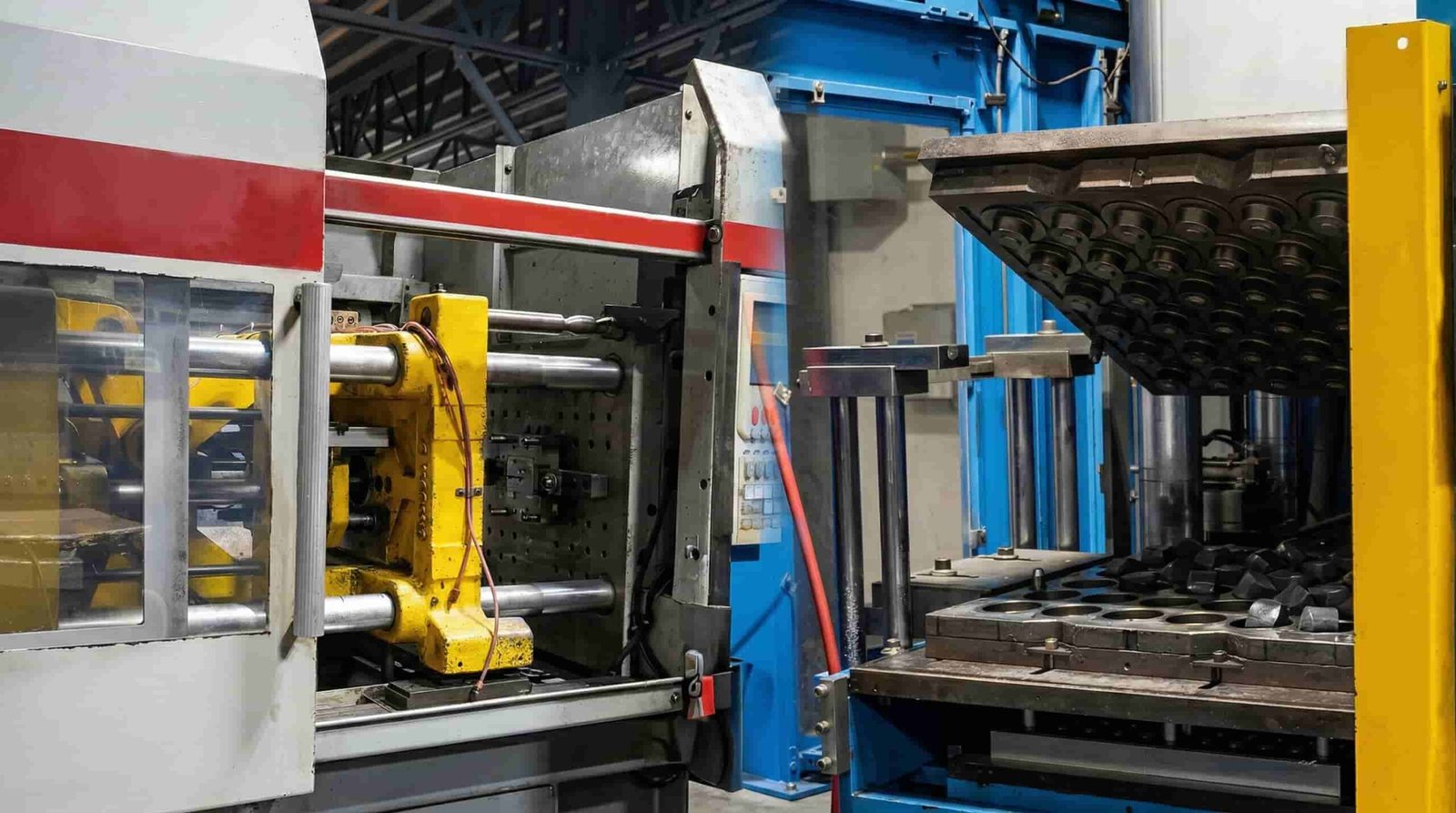
Tooling Cost Drivers
Silicone molds, particularly for LSR, require exceptionally tight tolerances because liquid silicone has a very low viscosity and will flash (leak) through microscopic gaps. This necessitates precision machining and premium tool steel.
- Mold Material: Hardened stainless steel (like 420 SS) costs more upfront but withstands millions of production cycles without wear.
- Cavitation: More cavities increase production output but exponentially raise the initial CNC machining and EDM costs.
- Cold Deck Systems: Advanced runnerless systems save material per cycle by keeping the silicone cool until it enters the cavity, but they add significant upfront expense to the mold build.
- Surface Finish: High-polish finishes required for clear medical or optical grade silicone add dedicated labor hours to mold manufacturing.
GBM Pro Tip: Do not cut corners on tooling steel for LSR molds. Investing in premium steel upfront pays off quickly by eliminating flash and reducing costly secondary trimming processes.
Is rubber better than plastic for injection molding?
Rubber is not inherently better than plastic; rather, each serves entirely different engineering purposes. Rubber excels in applications requiring flexibility, sealing capabilities, and extreme temperature resistance, whereas plastic is superior for rigid structural components, transparent parts, and rapid, low-cost, high-volume manufacturing.
Material Performance Comparison
The choice between a thermoplastic and a thermoset rubber dictates not only the product’s performance but also the machinery and mold design required. Plastic melts and cools, while rubber heats and cures.
Understanding the engineering contrast between these two processes is vital for your tooling strategy:
| Feature | Rubber Injection Molding | Plastic Injection Molding |
|---|---|---|
| Mold Temperature | Heated (300°F – 400°F) | Cooled (Chilled water lines) |
| Material State | Thermoset (Irreversible chemical cure) | Thermoplastic (Meltable and Recyclable) |
| Flexibility | High (Elastomeric memory) | Generally Rigid (Structural) |
| Cycle Time | Longer (Requires vulcanization time) | Faster (Rapid cooling and ejection) |
GBM Pro Tip: If your design requires both rigidity and sealing, consider overmolding or two-shot injection molding, where a rubber seal is molded directly onto a rigid plastic substrate in one continuous process.
Key Features & Comparison
Rubber injection molding stands out when compared to older methods like compression or transfer molding. Understanding these differences helps in selecting the most cost-effective manufacturing route for your specific project.
o maximize your ROI, here is how rubber injection molding compares to legacy forming techniques:
| Manufacturing Method | Production Speed | Tooling Cost | Material Waste | Best For |
|---|---|---|---|---|
| Injection Molding | Very Fast | High | Low (with cold runner) | High-volume, complex parts, tight tolerances |
| Compression Molding | Slow | Low | High (Flash) | Low-volume, simple flat parts, oversized items |
| Transfer Molding | Medium | Medium | Medium (Cull waste) | Delicate inserts, medium-volume runs |
Why Trust GBM for Your Rubber & Silicone Tooling?
Manufacturing high-quality elastomeric parts is unforgiving. Unlike some thermoplastics, materials like Liquid Silicone Rubber (LSR) have extremely low viscosity. Even a microscopic gap in the mold cavity will cause flashing, leading to material waste and expensive manual trimming. At GBM, we engineer zero-compromise tooling solutions.
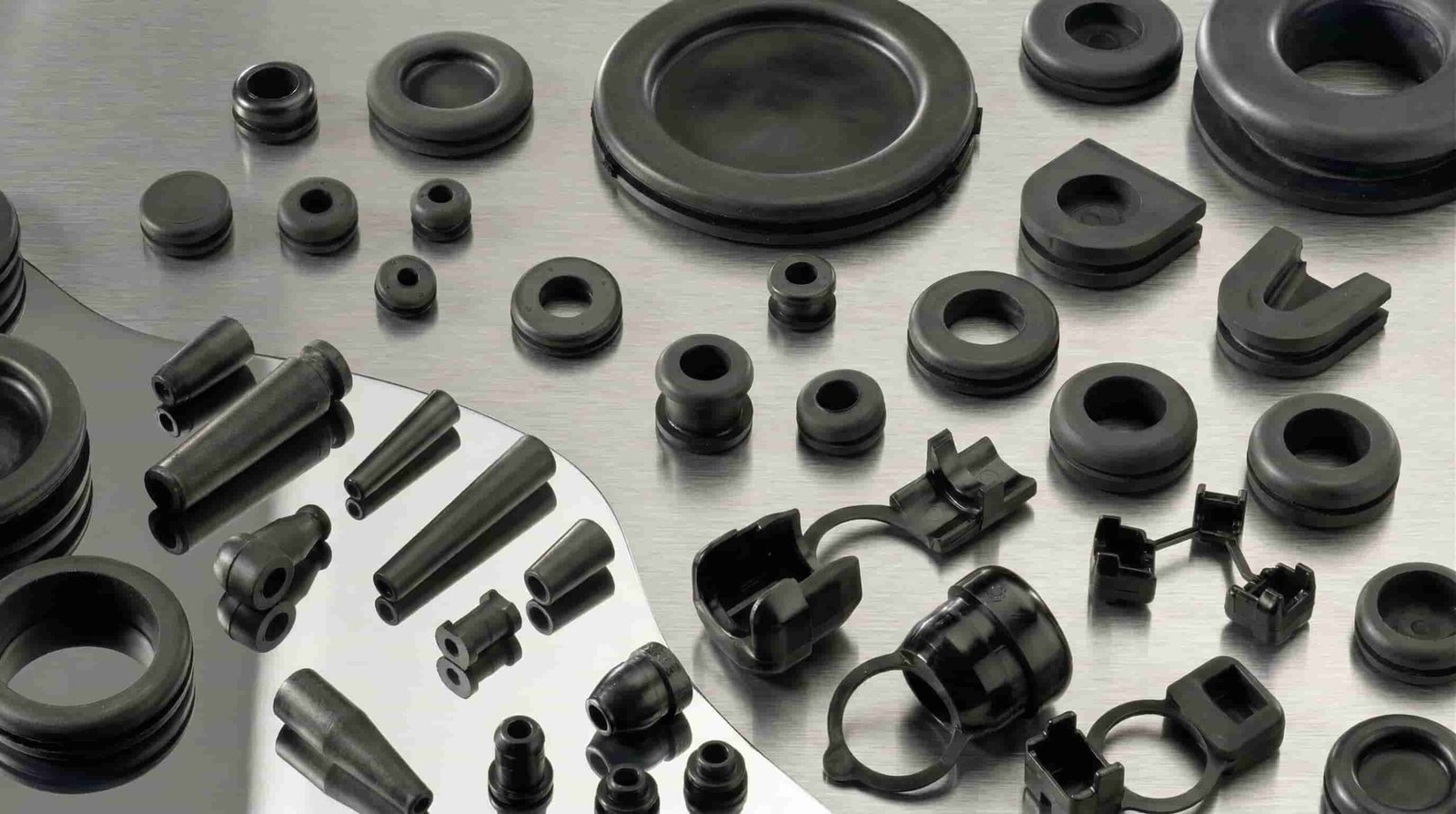
- Micron-Level Tooling Precision: We manufacture our rubber and silicone injection molds using premium, hardened stainless steel (such as 420 SS or S136). Utilizing advanced 5-axis CNC machining and precision wire EDM, we achieve tolerances so tight that your final rubber components emerge entirely flash-free.
- Mastering Thermal Dynamics: Rubber vulcanization requires the mold to be consistently heated to 300°F – 400°F. GBM engineers design highly optimized heating cartridges and cold-runner (or cold-deck) systems. This ensures the material cures perfectly inside the cavity while remaining uncured in the runner, saving you thousands of dollars in wasted rubber over the project’s lifespan.
- Two-Shot & Overmolding Expertise: Many modern designs require a soft rubber seal permanently bonded to a rigid plastic housing. As experts in both plastic and rubber injection molding, GBM seamlessly integrates these processes. We design complex two-shot tools that chemically bond elastomers (like TPE or Silicone) directly onto hard substrates, eliminating secondary assembly.
- Global Export Quality: Whether you are sourcing heavy-duty EPDM automotive gaskets or FDA-compliant medical silicone seals, our molds and molded parts are manufactured to meet the rigorous compliance standards of the North American and European markets.
Don’t let subpar tooling ruin your rubber components. Let GBM’s engineering team build the high-precision mold your project deserves.
Cost & Buying Factors
When budgeting for a rubber injection molding project, buyers must look beyond the individual piece price. The total cost of ownership includes tooling, material selection, and post-processing requirements.
Volume Requirements: High initial tooling costs are easily absorbed in runs of 100,000+ parts, making the piece price incredibly low. For runs under 5,000 parts, compression molding might be more economical due to cheaper aluminum tooling.
Automation: Advanced injection presses can run fully automated with robotic part removal. While this requires a higher initial setup fee, it drastically reduces manual labor costs over the project’s lifespan.
Quality Standards: Medical, aerospace, and automotive parts require strict ISO certifications, material traceability, and cleanroom environments. These compliance standards will increase the overall manufacturing overhead but guarantee safety and reliability.
Conclusion
Rubber injection molding remains the gold standard for producing high-quality, precise elastomeric components at scale. By understanding the intricate balance of temperature, pressure, and material science, manufacturers can leverage this process to build durable products that withstand the toughest environments. From eliminating material waste through closed-loop systems to achieving rapid cycle times, this process offers unmatched efficiency for high-volume runs. Whether you are developing complex medical seals or rugged automotive gaskets, partnering with an experienced manufacturer ensures your tooling and production runs are optimized for success. Contact GBM today to discuss how our advanced rubber injection molding capabilities can bring your next project to life.Visit gbminjection.com to request a free DFM analysis and tooling quote.