
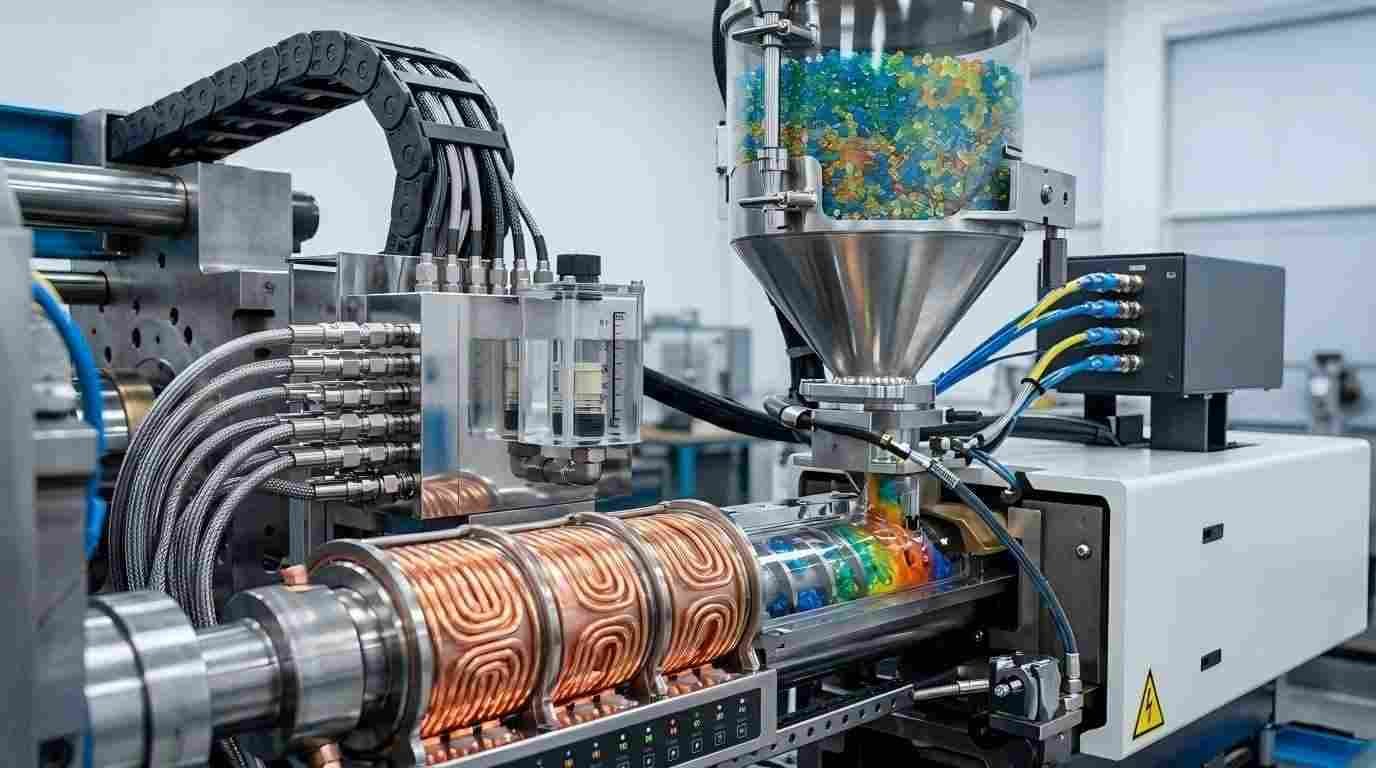
A stack mold is an advanced injection molding technology designed to double or even quadruple production output without increasing the clamp tonnage of the molding machine. By utilizing multiple parting lines stacked parallel to each other, manufacturers can significantly enhance manufacturing efficiency, reduce part costs, and optimize floor space, making it a critical solution for high-volume plastic component production.
Video Guide: A comprehensive visual overview of stack molding operations in a modern plastics facility.
What is Stack Mold?
A stack mold is a specialized injection mold featuring two or more mold faces (parting lines) stacked together. Unlike standard single-face molds, it allows multiple cavities to be filled simultaneously during a single injection cycle, effectively multiplying the production yield while utilizing the same machine footprint.
Video Guide: An expert breakdown defining the core concepts and structural layout of a stack mold.
Core Structural Components
To achieve doubled capacity within a single machine, a stack mold relies on several unique engineering components that distinguish it from traditional molding setups. Understanding these parts is essential for grasping the technology’s capabilities.
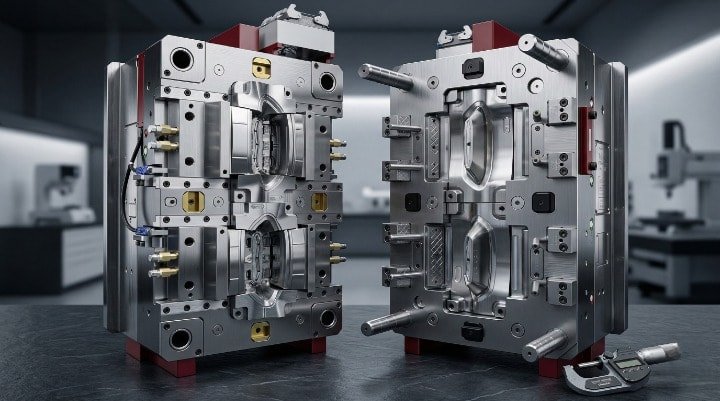
- Center Block: The middle section of the mold that houses the hot runner system and creates the dual parting lines.
- Hot Runner System: A specialized manifold that splits the plastic melt flow, delivering it equally to both the front and rear cavities.
- Sprue Bar: A heated channel that bridges the gap from the machine nozzle to the center block’s hot runner manifold.
- Synchronization Mechanism: Gear racks or mechanical linkages that force both parting lines to open simultaneously and equally during ejection.
GBM Pro Tip: When designing a stack mold, ensure your center block is adequately supported. The immense weight of the center section can cause sagging, which leads to premature wear on guide pins and poor part alignment over time.
How Does Stack Mold Work?
During the injection cycle, the molding machine’s clamp closes, and plastic melt is injected through a specialized heated sprue bar into a hot runner system. This system distributes the melt simultaneously to all parting lines. When the mold opens, a mechanical linkage ensures both parting lines open equally to eject the parts.
Video Guide: A detailed animation showing the mechanical synchronization and melt flow during a stack mold cycle.
The Injection and Ejection Sequence
The operational cycle of a stack mold requires precise mechanical timing and thermal management to ensure parts on both levels are identical in quality and dimension.
- Clamping: The injection molding machine closes, applying full tonnage to keep both parting lines sealed tightly against the injection pressure.
- Injection: The machine nozzle injects molten resin through the sprue bar. The hot runner manifold inside the center block splits this flow 50/50 to the front and back cavities.
- Cooling: Water channels routed through all levels of the mold extract heat uniformly, solidifying the plastic parts.
- Opening & Synchronization: As the machine platen pulls back, the mechanical gear or linkage system forces the center block to stay exactly in the middle, opening both parting lines at the exact same time.
- Ejection: Ejector plates on both levels actuate simultaneously, dropping the finished parts onto a conveyor or allowing a robotic arm to extract them.
GBM Pro Tip: Proper thermal balancing is the secret to successful stack molding. Always utilize independent temperature controllers for the front and rear hot runner zones to fine-tune the melt flow and prevent short shots on either parting line.
How many times can an injection mold be used?
An industrial-grade injection mold can typically be used for 100,000 to over 1,000,000 cycles depending on its classification, material, and maintenance. High-production Class 101 stack molds made from hardened tool steel are engineered to withstand millions of cycles over their operational lifespan.
Video Guide: A demonstration of stack mold technology running at high speeds for mass production.
Mold Classification and Cycle Life
Based on our internal data and market analysis, here is the breakdown:
| SPI Mold Classification | Typical Tool Material | Expected Cycle Life | Best Use Case |
|---|---|---|---|
| Class 101 | Hardened Tool Steel (H13, S7) | 1,000,000+ Cycles | High-volume stack molds, continuous production. |
| Class 102 | Pre-hardened Steel (P20) | Up to 1,000,000 Cycles | Medium-to-high volume production runs. |
| Class 103 | Standard Steel / Aluminum | Under 500,000 Cycles | Low-volume production, less abrasive materials. |
| Class 104 | Aluminum / Mild Steel | Under 100,000 Cycles | Prototyping and very short production runs. |
GBM Pro Tip: To maximize the cycle life of your stack mold beyond the 1-million mark, implement a strict preventative maintenance schedule that includes ultrasonic cleaning of water lines and routine greasing of the synchronization gears.
How long does an injection mould last?
In terms of time, a well-maintained injection mold can last anywhere from 3 to 15 years. The actual chronological lifespan depends heavily on the production volume, the abrasiveness of the injected plastic resin, the mold’s steel hardness, and the rigor of the preventative maintenance program.
Video Guide: Insights into the durability and long-term operation of stack molding systems.
Factors Influencing Mold Longevity
While cycle count is the standard metric, the chronological lifespan of a mold is dictated by how it is treated on the production floor.
- Resin Abrasiveness: Materials filled with glass fibers (like PA66+GF30) will erode gates and cavities much faster than standard commodity plastics like Polypropylene (PP).
- Operating Environment: Molds stored in climate-controlled environments resist rust and degradation better than those exposed to high humidity.
- Maintenance Frequency: Regular cleaning of vents, inspection of hot runner tips, and replacement of worn O-rings drastically extend the tool’s usable years.
- Machine Calibration: Running the mold in a poorly calibrated machine with excessive clamp tonnage can crush parting lines and warp the center block, shortening its life by years.
GBM Pro Tip: Apply a high-quality rust preventative spray to the mold cavities immediately after a production run is finished, before the mold cools down. This prevents condensation from forming and pitting the polished steel surfaces over time.
What are the disadvantages of injection molding?
The primary disadvantages of injection molding include high initial tooling costs, long lead times for mold manufacturing, and difficult design modifications once the mold is cut. Additionally, complex systems like stack molds require specialized maintenance and highly skilled operators to prevent costly downtime.
Common Limitations and Challenges
Despite its efficiency for mass production, injection molding—especially stack molding—carries specific inherent drawbacks that businesses must account for during project planning.
- Steep Capital Investment: The upfront cost of designing, machining, and testing a high-cavitation stack mold can be prohibitive for smaller companies.
- Design Inflexibility: Once the hardened steel is cut, making changes to the part design is incredibly difficult, expensive, and sometimes impossible without starting over.
- Extended Lead Times: Engineering and building a custom stack mold can take anywhere from 12 to 24 weeks before the first prototype part is produced.
- Machine Requirements: Stack molds require injection machines with larger daylight openings and increased shot capacities, which may necessitate equipment upgrades.
GBM Pro Tip: Mitigate the risk of design inflexibility by investing heavily in Moldflow analysis and 3D printed prototypes before cutting any steel. Catching a design flaw in software costs nothing; catching it in hardened H13 steel costs thousands.
Key Features & Comparison
Stack molds stand out due to their ability to double production output using the same clamping force as a standard mold. They feature synchronized opening mechanisms, centered hot runner systems, and multi-level parting lines, making them vastly superior to single-face molds for high-volume manufacturing.
Video Guide: A technical demonstration of the gear units and synchronization features unique to stack molds.
Stack Mold vs. Standard Mold
Based on our internal data and market analysis, here is the breakdown:
| Feature | Standard Single-Face Mold | Stack Mold |
|---|---|---|
| Parting Lines | 1 | 2 (or more) |
| Production Output | Baseline (1x) | Doubled (2x) or Quadrupled (4x) |
| Clamp Tonnage Required | Baseline | Same as Baseline (No increase needed) |
| Machine Daylight Needed | Standard | Significantly Larger |
| Tooling Complexity | Low to Medium | Very High |
| Cost per Part | Standard | Significantly Reduced |
GBM Pro Tip: If your machine is maxed out on clamp tonnage but you need to double production, upgrading to a stack mold is almost always more cost-effective than buying a second injection molding machine and hiring another operator.
Cost & Buying Factors
Investing in a stack mold typically costs 40% to 60% more than a standard single-face mold, with prices ranging from $50,000 to over $250,000. However, the investment is justified by the doubled output, which drastically reduces the piece-part price and accelerates the return on investment.
Video Guide: An overview of helical gear systems that drive up the initial cost but ensure reliable stack mold operation.
Critical Cost Drivers
When budgeting for a stack mold, several specific engineering and manufacturing factors will dictate the final price tag of the tool.
- Hot Runner Complexity: A specialized stack mold hot runner with a sprue bar is significantly more expensive than a standard manifold.
- Synchronization Mechanisms: Rack and pinion gears, helical gears, or harmonic linkages add substantial machining time and material costs.
- Mold Base Size: The sheer volume of premium tool steel required for the center block and extended guide pins drives up material costs.
- Cavitation: Moving from a 2×4 cavity to a 2×16 cavity requires exponential increases in precision machining, EDM sinking, and polishing time.
GBM Pro Tip: Do not cut corners on your hot runner system to save money upfront. A cheap hot runner in a stack mold will lead to uneven filling between the front and back parting lines, resulting in a high scrap rate that will quickly erase any initial savings.
Conclusion
Stack molding is a transformative technology for manufacturers aiming to maximize output without expanding their machine fleet. By understanding the mechanical intricacies, lifespan expectations, and financial implications, businesses can leverage stack molds to gain a significant competitive edge in high-volume production.
Video Guide: A final educational overview of stack molding design principles and implementation strategies.
Next Steps for Implementation
To successfully integrate stack mold technology into your manufacturing operations, follow a structured approach to evaluation and design.
- Evaluate Machine Specs: Verify that your current injection molding machines have the necessary daylight (opening stroke) and shot capacity to handle a stack mold.
- Conduct Flow Analysis: Run comprehensive Moldflow simulations to ensure your material can be successfully injected across two separate parting lines without degrading.
- Calculate ROI: Compare the higher upfront tooling cost against the long-term savings in machine time, labor, and energy consumption.
- Partner with Experts: Select a toolmaker with a proven track record specifically in stack mold manufacturing, as the tight tolerances required are beyond the capabilities of standard mold shops.
GBM Pro Tip: Always request a customized maintenance training session from your toolmaker upon delivery of a stack mold. Proper handling of the center block during assembly and disassembly is critical to preventing catastrophic damage to the tool.