
Molding is a broad manufacturing term that refers to shaping liquid or pliable raw materials using a rigid frame called a mold. Injection molding is a highly specific, automated type of molding where molten material is forcefully injected into a closed cavity under high pressure to create precise, complex parts.
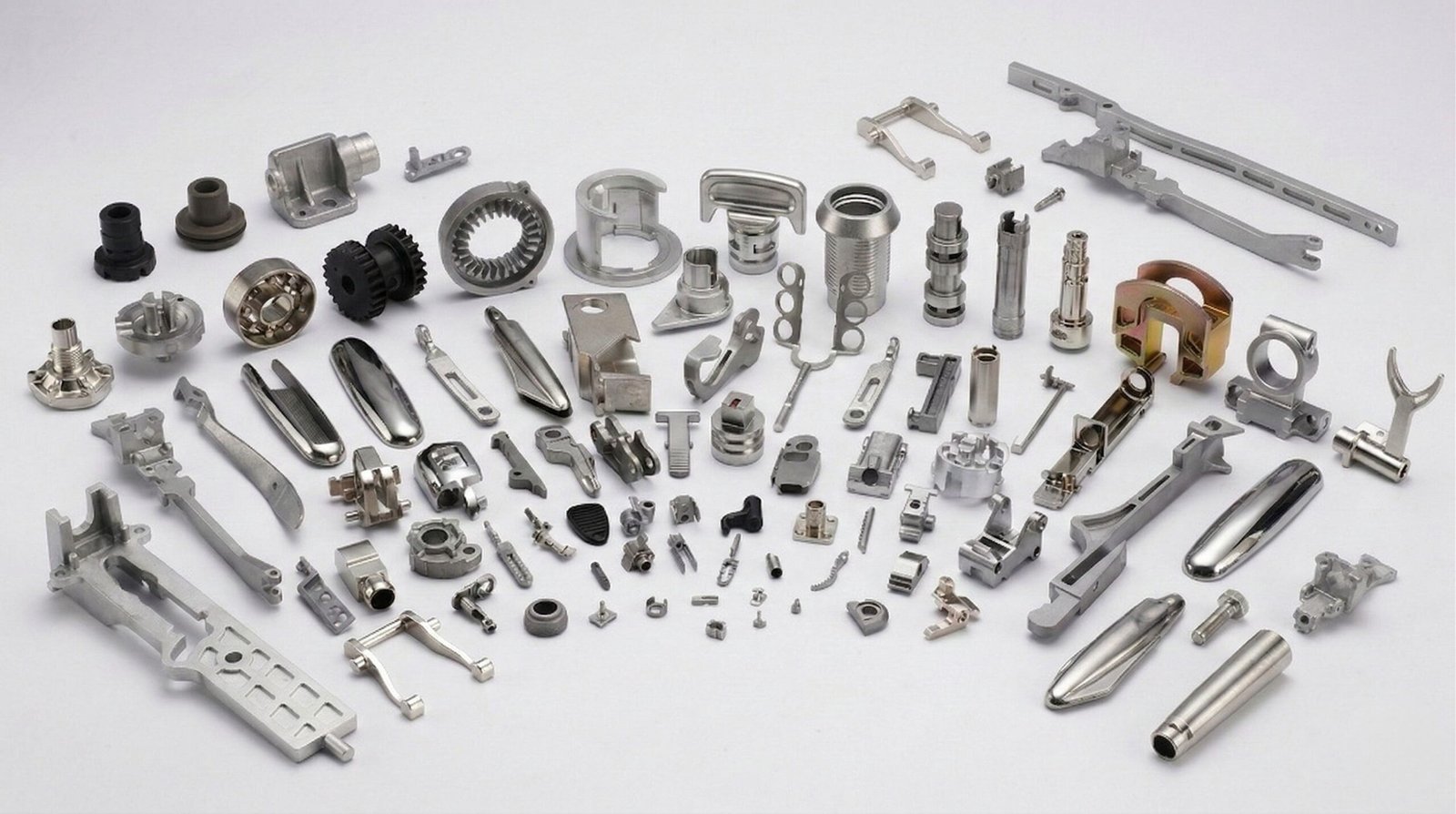
What is molding?
Molding serves as the foundational manufacturing process for creating shaped objects by pouring or pressing pliable raw materials into a hollow cavity. This general category encompasses various distinct techniques, including blow, rotational, compression, and thermoforming methods. It is widely used across industries to produce everything from simple household items to large industrial components.
Core Concept: It relies on gravity, vacuum pressure, or mechanical force to shape materials like plastic, glass, or metal within a predefined frame.
Common Variations: Includes techniques like compression molding (pressing heated material), blow molding (inflating plastic), and rotational molding (spinning heated molds).
Production Scale: Generally adaptable for low-to-medium volume production runs, depending on the specific sub-technique chosen.
🎥 Understanding General Molding Processes: Watch this quick visual overview to see how various traditional molding techniques utilize gravity, heat, and basic mechanical force to shape raw materials into everyday objects.
What is injection molding?
Injection molding is a highly specialized and automated manufacturing process that forces molten plastic or metal into a tightly sealed mold cavity under extreme pressure. Once the material cools and solidifies, the mold opens to eject a perfectly formed, highly detailed part. This method is the global standard for mass-producing identical items with tight tolerances.
Core Technology: Utilizes a complex machine consisting of a heated barrel, a reciprocating screw, and a high-pressure clamping unit to inject material.
Material Efficiency: Highly efficient with very low scrap rates, as leftover runners and sprues can often be ground up and recycled into the next batch.
Production Scale: Specifically engineered for high-volume mass production, often yielding thousands to millions of identical, complex parts.
🎥 The Injection Molding Advantage: See the automated, high-pressure injection molding process in action. Notice how the reciprocating screw melts and forces the plastic into the closed steel mold for instant, high-precision replication.
Key Differences: molding vs. injection molding
| Feature | General Molding | Injection Molding |
|---|---|---|
| Methodology | Pouring, pressing, or blowing material | High-pressure injection via a screw mechanism |
| Tooling Cost | Generally lower (varies by specific type) | Exceptionally high due to hardened steel molds |
| Part Complexity | Simple to moderate geometries | Highly complex, detailed, and precise geometries |
| Production Speed | Slower cycle times | Extremely rapid cycle times |
GBM Pro Tip: When we consult on manufacturing projects, we always tell our clients to look at their production volume first. If you only need a few hundred simple parts, standard compression or thermoforming will save your budget. However, if we are scaling your product to tens of thousands of units, the high upfront tooling cost of injection molding pays for itself rapidly through lightning-fast cycle times.
Pros & Cons Comparison
| Feature | Molding (General) | Injection Molding |
|---|---|---|
| Pros | Lower initial tooling costs, better for large or hollow parts, flexible for low volumes. | Incredible precision, lowest cost-per-part at scale, highly automated, minimal waste. |
| Cons | Slower production cycles, higher labor costs per unit, limited complexity. | Massive upfront tooling investment, difficult to modify molds, not ideal for low runs. |
Conclusion
Ultimately, the difference between molding and injection molding comes down to category versus specialization. “Molding” is the broad umbrella term for shaping materials in a cavity, while injection molding is a specific, high-pressure, automated technique under that umbrella. Choose general molding methods for low-volume or large hollow parts, and rely on injection molding when you need to mass-produce complex, highly precise components at scale.
Why Choose GBM for Your Injection Molding Solutions?
While general molding methods have their place in low-volume scenarios, mastering the high-pressure, precision-driven world of injection molding requires world-class tooling. At GBM, we don’t just understand the injection process; we engineer the high-performance steel molds that make it possible.
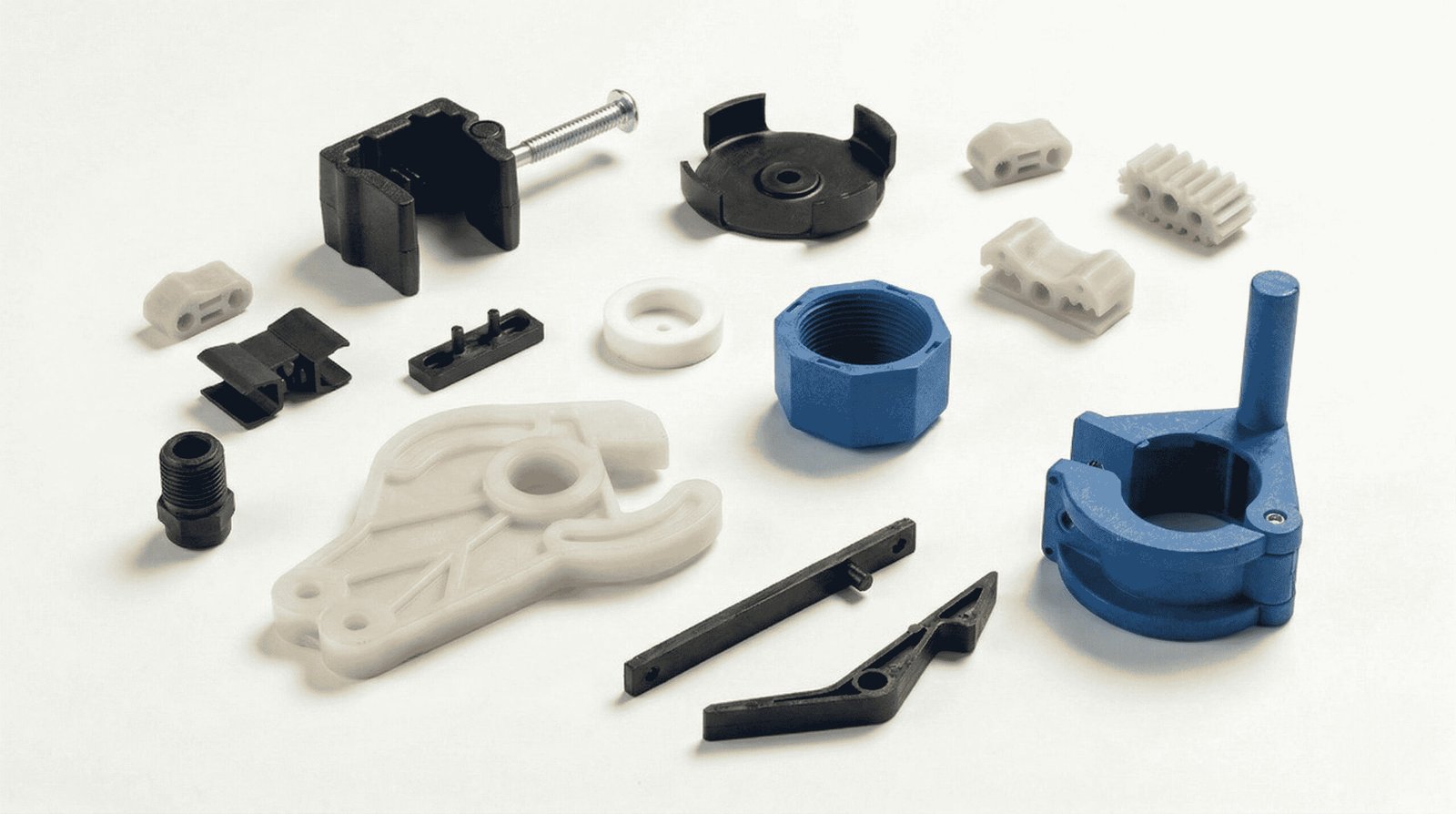
- Precision Mold Fabrication: The success of any mass-produced part starts in the mold cavity. We specialize in designing and manufacturing hardened steel molds (using premium materials like H13 and S136) capable of withstanding extreme injection pressures while maintaining microscopic tolerances over millions of cycles.
- Global Manufacturing Standards: High-volume production demands unwavering consistency. GBM consistently delivers injection tooling and molded components that meet the rigorous quality and compliance standards of strictly regulated markets across North America (including the USA and Mexico) and Europe (from Germany to Eastern European manufacturing hubs). Our molds are built for seamless export and reliable global integration.
- Proactive DFM Engineering: Transitioning a product design into high-volume injection molding can be challenging. Our engineering team provides comprehensive Design for Manufacturability (DFM) analysis and Moldflow® simulations. We optimize wall thicknesses, gate locations, and cooling channels before cutting steel, ensuring rapid cycle times and zero defects.
- End-to-End Partnership: From the initial CAD review to the millionth injected part, GBM offers agile, high-precision manufacturing solutions designed to lower your total cost of ownership.
Great injection molding requires a great mold. Contact the engineering experts at GBM today for a free DFM review and tooling quote for your next high-volume project.
FAQ
1. Is injection molding more expensive than other types of molding?
Yes, the initial tooling and setup costs for injection molding are significantly higher, but it becomes the cheapest option per unit when producing at high volumes.
2. Can I use the same materials for both?
While many thermoplastics can be used across various molding techniques, injection molding requires materials that can achieve a specific melt flow index to travel through the injection nozzle.
3. Which process is better for making hollow objects like bottles?
Blow molding or rotational molding (general molding techniques) are specifically designed for hollow objects, whereas injection molding is typically used for solid parts.