
When evaluating multi-material injection molding techniques, overmolding and two-shot molding are the most commonly compared processes.
Overmolding adds a secondary material over a pre-molded substrate using a standard machine, while two-shot molding injects two separate materials simultaneously within a single, highly specialized machine cycle.
What is Overmolding?
Overmolding is a multi-step injection molding process where a secondary plastic or rubber layer is molded directly over a previously manufactured component. This technique is widely used to add soft-touch grips, improve ergonomics, and create watertight seals without the need for manual assembly.
Process Flow: The initial rigid substrate is molded, allowed to cool, and then manually or robotically placed into a second, separate mold where the softer overmold material is injected.
Equipment Needs: This process utilizes standard injection molding machines, making it accessible, though it requires two separate molds and additional handling steps.
Material Bonding: Because the substrate cools before the second injection, overmolding relies heavily on mechanical interlocking designs or specific chemical adhesion between the distinct thermoplastic materials.
What is Two-Shot Molding?
Two-shot molding is an advanced manufacturing technique that utilizes a single, specialized machine to inject two distinct materials into a single mold during one continuous cycle. This highly automated process rotates the mold between injections, creating a seamless, robust chemical bond between the different polymers.
Core Technology: This method requires a highly specialized two-barrel injection molding machine equipped with a rotating platen to shift the part between cavities automatically.
Production Speed: The process is extremely fast and efficient since the entire multi-material part is completed in a single continuous machine cycle without external handling.
Structural Integrity: It achieves superior molecular bonding between materials compared to standard overmolding because the second shot is injected while the first substrate is still warm.
Key Differences: Overmolding vs. Two-Shot Molding
When evaluating these two different types of injection molding process, the main differences lie in equipment requirements, cycle times, and upfront tooling investments.
| Specification | Overmolding | Two-Shot Molding |
|---|---|---|
| Machine Requirement | Standard injection machine | Specialized dual-barrel machine |
| Mold Setup | Two separate, distinct molds | One complex, rotating mold |
| Cycle Time | Slower (requires part transfer) | Faster (single continuous cycle) |
| Tooling Cost | Lower initial investment | Very high initial investment |
GBM Pro Tip: When we evaluate projects requiring these multi-material processes, we always recommend overmolding for low-to-medium volume runs to save on upfront tooling costs. However, two-shot molding is our absolute go-to for high-volume mass production, where the drastic cycle time savings quickly offset the expensive mold.
Pros & Cons Comparison
| Feature | Overmolding | Two-Shot Molding |
|---|---|---|
| Primary Benefit | Lower upfront tooling and machine costs | Extremely fast, automated production speeds |
| Primary Drawback | Higher labor costs and slower cycle times | Highly expensive, specialized equipment needed |
| Material Compatibility | Good, but often requires mechanical interlocks | Excellent chemical bonding due to residual heat |
| Best Use Case | Prototyping and low-to-medium volume production | High-volume, high-precision mass production |
Why Choose GBM for Your Multi-Material Molding Projects?
The success of any multi-material component—whether it relies on the mechanical interlocks of overmolding or the complex molecular bonding of two-shot molding—is entirely dictated by the quality of the injection mold. At GBM, we bring decades of specialized tooling expertise to the table.
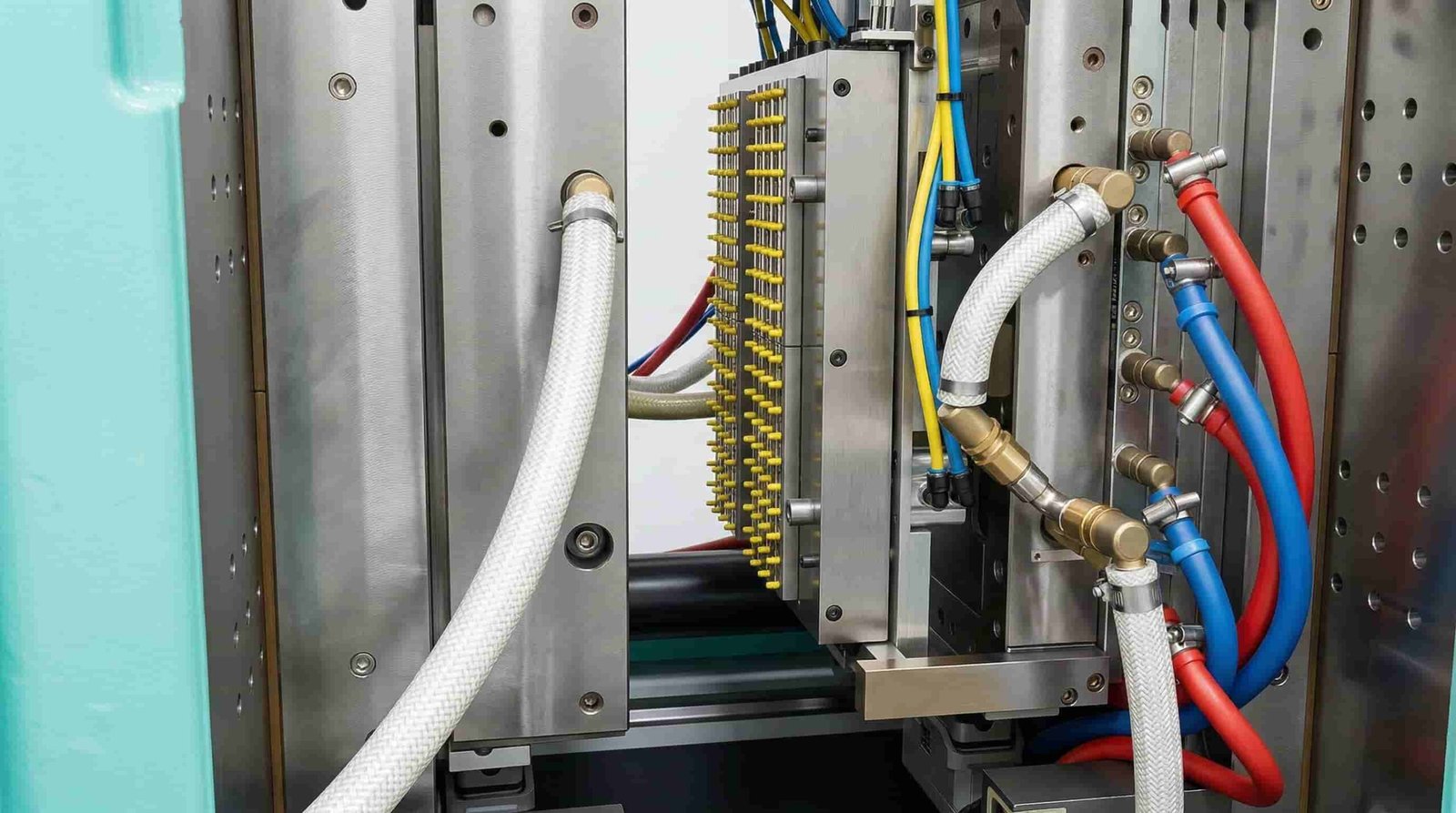
- Precision Mold Fabrication: We design and manufacture high-precision, hardened steel molds in-house. For two-shot projects, our engineers meticulously design the rotary platens and complex runner systems required to ensure perfect alignment when the mold rotates 180 degrees. This eliminates flash and prevents costly tool damage during high-speed cycles.
- Thermal & Shrinkage Mastery: Injecting a hot secondary material over a cooling substrate requires exact thermal management. We utilize advanced Moldflow® analysis to perfectly match the melt temperatures and shrinkage rates of both materials, ensuring a flawless, inseparable bond without warping the primary substrate.
- Export-Ready Quality Standards: We understand the stringent quality and dimensional tolerance requirements of global supply chains. GBM consistently delivers complex multi-material components that meet the rigorous standards of our B2B partners across North America (USA and Mexico) and Europe (including Germany and Eastern Europe).
- Strategic Cost Optimization: We don’t just quote parts; we engineer solutions. If your project volume is 5,000 units, we will expertly design an overmolding tool to save your capital. If you need 500,000 units, we will build a robust two-shot mold that slashes your per-unit cost and cycle time.
Your multi-material designs require uncompromising tooling. Let GBM’s engineering team evaluate your CAD files to determine the most cost-effective manufacturing strategy for your next project.
Conclusion
Choosing between these two advanced molding methods ultimately comes down to your production volume, budget, and part complexity. Overmolding provides excellent flexibility and lower barriers to entry for smaller production runs. Conversely, two-shot molding delivers unmatched speed, precision, and superior part quality for large-scale manufacturing operations where long-term efficiency is critical.
FAQ
1. Which process provides a better bond between the two materials?
Two-shot molding generally provides a superior chemical bond because the second material is injected while the first substrate is still warm, promoting deep molecular adhesion.
2. Can I use standard injection molding equipment for both processes?
No. Overmolding can be performed on standard machines using two separate molds, but two-shot molding requires a highly specialized machine with dual injection barrels and a rotating platen.
3. Which process is more cost-effective?
Overmolding is more cost-effective for low-volume production due to cheaper tooling. Two-shot molding becomes much more economical at high volumes because the faster cycle times and lack of manual labor offset the high initial mold costs.