
Two-shot molding is a specific subset of multi-shot molding that injects exactly two different materials or colors into a single mold cycle to create a bonded part. Multi-shot molding is the broader umbrella term that encompasses two-shot, three-shot, or more, allowing for complex multi-material components with enhanced functionality without manual assembly.
What is 2-Shot Molding?
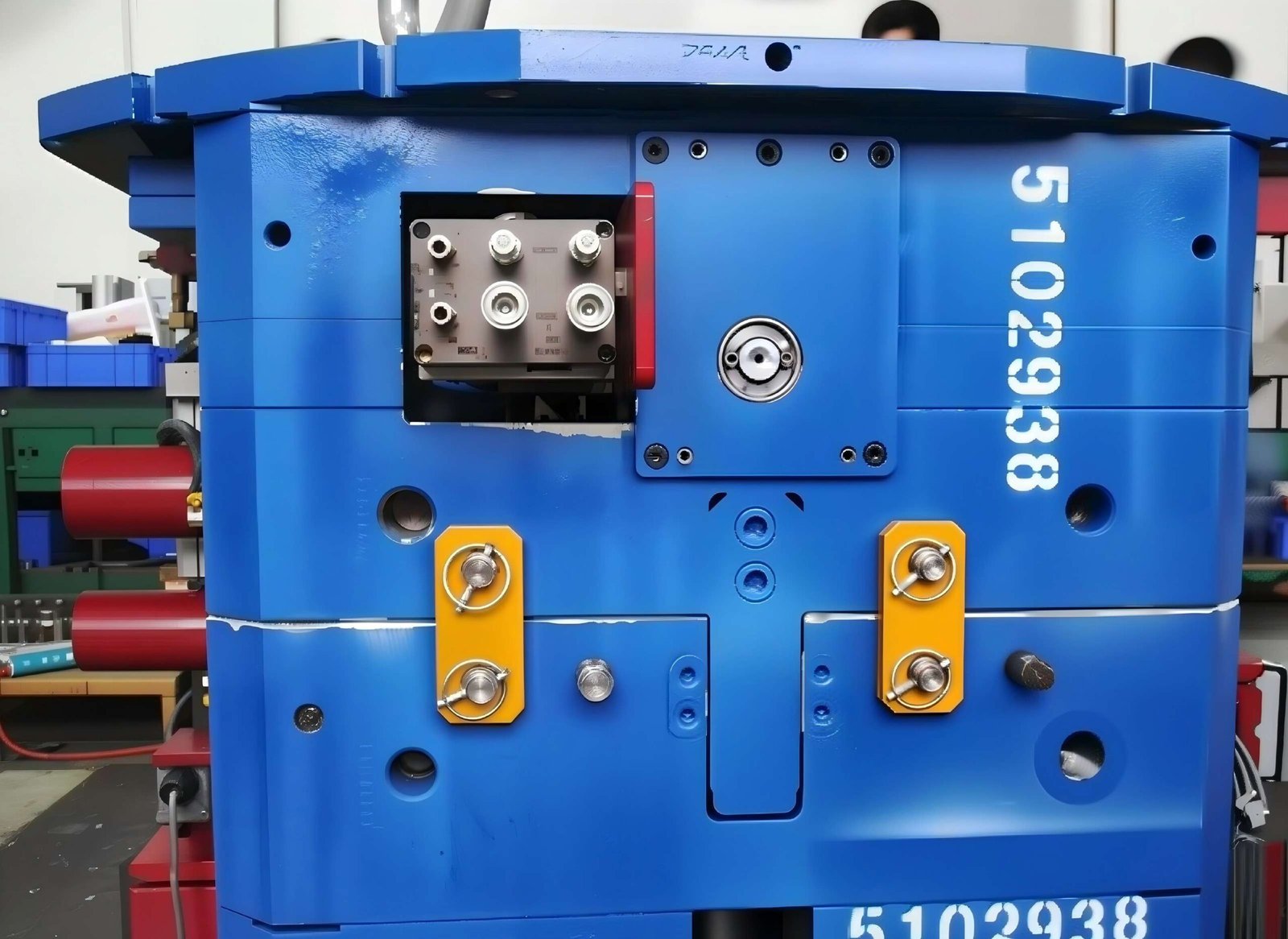
Two-shot molding, often referred to as 2K molding or double-shot molding, involves injecting two distinct plastic resins into a single mold to create a permanently bonded component. This process typically utilizes a rotating platen or core toggle to move the substrate from the first injection station to the second within the same machine cycle.
Core Mechanism: The process begins by injecting the first material (the substrate) into a mold cavity. The mold then rotates or indexes, and a second material is injected over, under, or through the first to create the final part.
Typical Applications: This method is widely used for soft-touch grips on power tools, multi-color automotive buttons, and toothbrushes where a hard handle requires a soft rubber grip.
🎥 Process in Action: Watch how the specialized rotary platen moves the semi-finished part between injection units for a seamless 2K finish:
What is Multi-Shot Molding?
Multi-shot molding is an advanced injection molding technique that combines two or more materials into a single finished part during one continuous manufacturing cycle. While this category technically includes two-shot molding, it extends capabilities to three or more shots to integrate multiple colors, textures, or material properties into highly complex geometries.
Manufacturing Versatility: Multi-shot machines are equipped with multiple injection units (barrels). These systems can produce parts with three or more distinct materials, such as a hard structural layer, a soft gasket seal, and a clear window, all in one shot.
Process Complexity: Because it involves more than two materials, the tooling is significantly more complex and expensive. It requires precise thermal management and rotary systems to handle multiple indexing steps without increasing cycle time excessively.
🎥 Advanced Machinery: Explore the high-level complexity of multi-barrel machines producing multi-functional components:
Key Differences: 2-Shot Molding vs. Multi-Shot Molding
While 2-shot is a type of multi-shot molding, the distinction usually lies in the complexity and number of materials used.
| Feature | 2-Shot Molding | Multi-Shot Molding (3+ Shots) |
|---|---|---|
| Material Count | Strictly two materials or colors. | Three or more materials/colors. |
| Machine Requirements | Requires 2 injection units. | Requires 3+ injection units and complex rotary tables. |
| Tooling Cost | High, but lower than multi-shot. | Extremely high due to complex runner systems. |
| Cycle Time | Faster (fewer rotations). | Slower (more rotations/cooling phases). |
| Common Use Case | Soft-touch grips, two-color buttons. | Complex medical devices, automotive interiors. |
ClearFilter Pro Tip: We recommend sticking to 2-shot molding if your primary goal is simply adding a soft-touch grip to a rigid part. Moving to true multi-shot (3+ materials) exponentially increases tooling costs and should only be reserved for parts where assembly costs would otherwise destroy your margins.
Pros & Cons Comparison
| Feature | 2-Shot Molding | Multi-Shot Molding |
|---|---|---|
| Bond Strength | Chemical Bond: Creates a molecular bond between compatible materials. | Integrated Structure: Superior integrity across multiple layers. |
| Aesthetics | High Quality: Clean lines between two colors. | Complex Designs: Can achieve intricate multi-color patterns. |
| Cost | Moderate: High initial tooling, low unit cost. | High: Very high tooling, lowest assembly labor. |
| Efficiency | High: Eliminates secondary assembly steps. | Maximum: consolidates 3+ parts into one cycle. |
Why GBM is Your Premier Partner for Multi-Shot Excellence
At GBM, we don’t just manufacture plastic parts; we specialize in precision-engineered multi-material solutions. Mastering the transition from 2-shot to multi-shot requires a level of engineering depth that few molders possess:
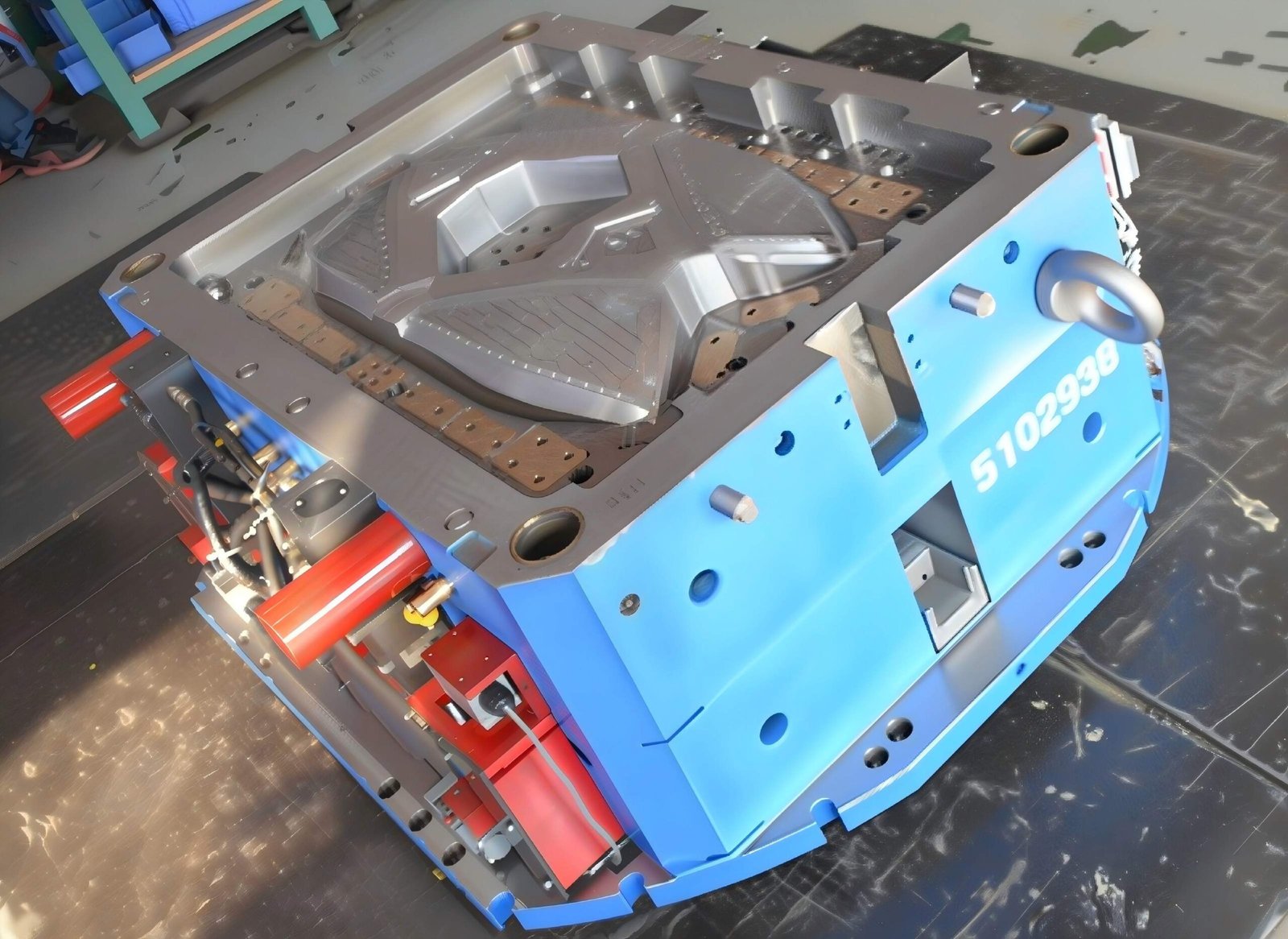
- Advanced In-House Tooling (Authority): The core of 2K/3K molding is the rotary mechanism. GBM designs and builds high-precision rotary and indexing plate molds in-house, ensuring that the 180° or 120° rotations maintain micron-level alignment for zero-flash production.
- Scientific DFM & Simulation (Expertise): Our engineering team utilizes Moldflow® thermal analysis to ensure polymer compatibility and optimal cooling. We predict how multiple materials will shrink and fuse before we ever cut steel, saving you time and money.
- Decades of Industry Experience (Experience): From soft-touch automotive interiors to multi-layered medical devices, GBM has a proven track record of managing high-volume production runs that demand consistent quality and unyielding durability.
- Quality You Can Audit (Trust): Operating under ISO 9001 standards, we implement automated optical inspection (AOI) for every multi-shot cycle, guaranteeing that every color transition and material bond is flawless.
Conclusion
The choice between Two-Shot Molding and broad Multi-Shot Molding comes down to part complexity. Two-shot is the industry standard for combining a hard substrate with a soft grip or a second color. Multi-shot is the heavy artillery used when a design requires three or more functional materials—like a rigid body, a light pipe, and a seal—all manufactured in a single step to ensure perfect alignment and eliminate assembly labor.
FAQ
1. Is 2-shot molding the same as overmolding?
No. 2-shot molding is done in a single machine cycle with a rotating mold. Overmolding usually involves taking a finished part and placing it into a second mold for the second material, often manually or via robot.
2. Can multi-shot molding use incompatible materials?
Generally, materials must be chemically compatible to bond. However, mechanical interlocks can be designed into the part if the materials do not bond chemically.
3. Why is multi-shot tooling so expensive?
The molds require multiple cavities, complex runner systems for different materials, and precise rotating mechanisms, making design and fabrication costly.