Metal injection molding (MIM) is an advanced manufacturing process that merges the design flexibility of plastic injection molding with the structural integrity of forged metals. It is highly valued for producing complex, high-precision, and net-shape metal components in large volumes. By combining fine metal powders with a polymer binder, manufacturers can mold intricate geometries that would be impossible or cost-prohibitive to machine using traditional methods.
What is metal injection molding?
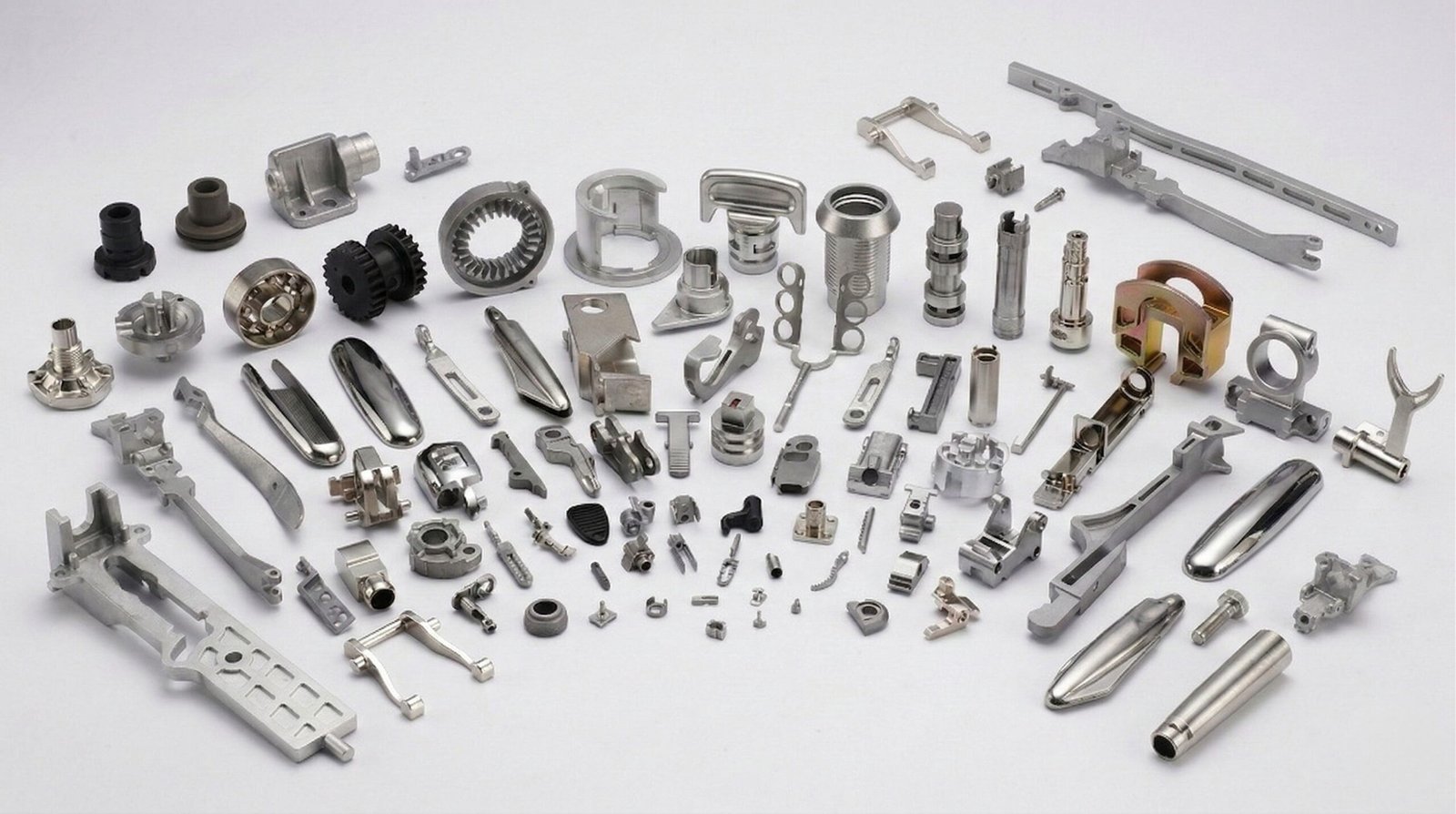
Metal injection molding is a near-net-shape manufacturing technology that blends finely powdered metal with a binder material to create a “feedstock,” which is then injected into a mold cavity. After molding, the binder is removed, and the part is sintered to achieve near-full density and exceptional mechanical properties.
🎥 Watch MIM in Action: See the entire lifecycle of a MIM component, from blending the metal feedstock to injecting the green part and the final high-temperature sintering phase.
The Core Technology of MIM
The technology bridges the gap between traditional powder metallurgy and plastic injection molding. It is particularly effective for producing small, highly complex parts weighing less than 100 grams that require excellent mechanical properties.
- Precision: Tolerances typically range from ±0.3% to ±0.5% of the nominal dimension.
- Complexity: Allows for the integration of undercuts, complex threads, and internal cavities without secondary operations.
- Material Variety: Highly compatible with a wide range of metals, including stainless steels, titanium, and low-alloy steels.
GBM Pro Tip: When designing for metal injection molding, treat the initial CAD phase similar to plastic injection molding, but always account for the 15-20% isotropic shrinkage that occurs during the final sintering stage.
How Does metal injection molding Work?
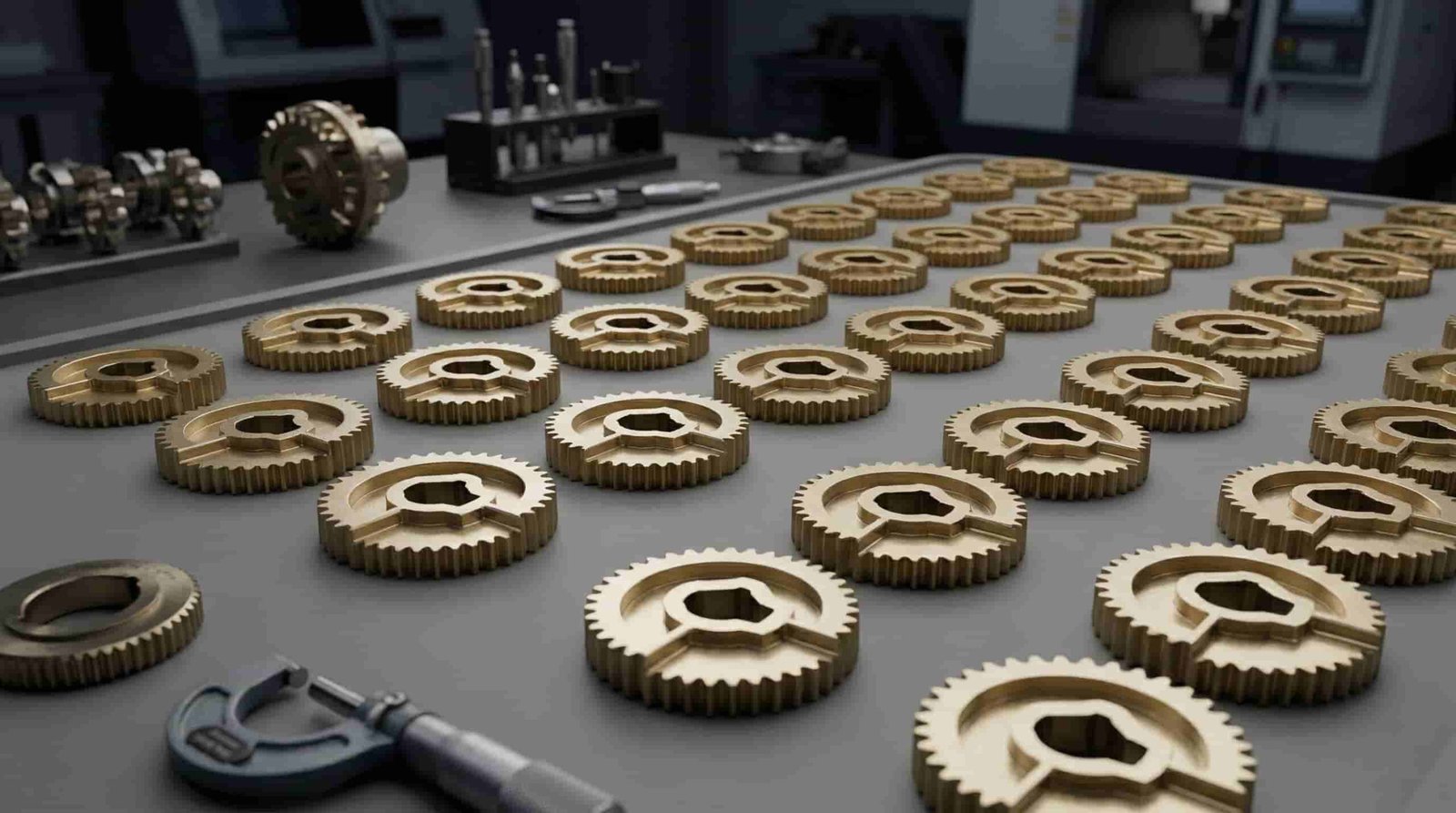
The metal injection molding process consists of four primary steps: compounding the metal powder and binder into a feedstock, injecting the feedstock into a mold to form a “green part,” removing the binder to create a “brown part,” and finally sintering the part to its final solid density.
The Four-Step Manufacturing Process
Understanding the lifecycle of a MIM part is crucial for optimizing production. Each phase requires precise thermal, atmospheric, and mechanical controls to ensure the final component meets rigorous engineering standards.
- Compounding: Fine metal powders (typically under 20 microns) are mixed with thermoplastic and wax binders at elevated temperatures to create a uniform, moldable feedstock.
- Molding: Standard injection molding machines are used to shape the heated material into the desired geometry, creating what is known as the “green part.”
- Debinding: The primary binder is extracted through catalytic, thermal, or solvent methods. This leaves behind a fragile, porous skeletal structure called the “brown part.”
- Sintering: The brown part is heated in a controlled-atmosphere furnace to near melting temperatures, causing the metal particles to fuse, shrink, and achieve 96-99% theoretical density.
GBM Pro Tip: Ensure your debinding process is perfectly tuned to your specific binder system; incomplete debinding is the leading cause of blistering, cracking, and dimensional distortion during the sintering phase.
How expensive is metal injection molding?
Metal injection molding requires a high initial investment for tooling, typically ranging from $10,000 to $50,000, making it expensive for low-volume runs. However, for production volumes exceeding 10,000 units, the per-part cost drops significantly, often making it the most economical choice for complex metal components.
🎥 The Economics of MIM: Discover exactly when the upfront tooling investment pays off, and why MIM is significantly cheaper than CNC machining for high-volume, complex geometries.
Cost Drivers and ROI Analysis
The financial viability of MIM hinges on economies of scale. While traditional CNC machining has lower setup costs but high per-part costs due to material waste and machining time, MIM flips this equation by front-loading the cost into the mold creation.
Based on our internal data and market analysis, here is the breakdown:
| Manufacturing Method | Initial Tooling Cost | Per-Part Cost (High Volume) | Best Suited For |
|---|---|---|---|
| Metal Injection Molding | High ($10k – $50k+) | Low | High complexity, >10k units |
| CNC Machining | Low ($0 – $1k) | High | Low complexity, <5k units |
| Investment Casting | Medium ($3k – $10k) | Medium | Large parts, medium volume |
GBM Pro Tip: To maximize your return on investment, consolidate multi-part assemblies into a single MIM component. Eliminating assembly steps and secondary operations often offsets the initial tooling cost entirely.
Who is the world number one metal injection molding company?
While the metal injection molding industry is highly fragmented with many specialized players, Indo-MIM, ARC Group Worldwide, and Advanced Forming Technology (AFT) are consistently recognized among the largest and most technologically advanced global leaders in terms of sheer production capacity and market share.
🎥 Global Scale & Applications: Explore how top-tier industrial manufacturers leverage metal injection molding to produce flawless components for the medical, aerospace, and automotive sectors.
Global Leaders in the MIM Market Identifying the absolute “number one” company depends heavily on the specific metrics used, such as annual revenue, production volume, or industry specialization (e.g., medical devices versus automotive components). However, a few key players dominate the global landscape:
- Indo-MIM: Known for massive scale and a global footprint, they are often cited as the largest supplier of MIM parts by volume worldwide.
- ARC Group Worldwide: A major player in North America, highly regarded for stringent aerospace and medical component manufacturing.
- Dynacast (Form Technologies): Offers extensive precision engineering capabilities, blending MIM with their historical die-casting expertise.
Where GBM Fits In:
While mega-corporations like Indo-MIM or ARC Group handle massive global capacities, working with massive conglomerates often means rigid terms and slower communication. GBM positions itself as your agile, high-precision partner. We combine the engineering rigor of top-tier MIM providers with the personalized tooling optimization and rapid response times that mid-to-large scale manufacturers actually need.
GBM Pro Tip: Instead of simply looking for the largest company by volume, choose a MIM partner whose furnace capabilities, material expertise, and quality control systems align directly with your industry’s specific compliance requirements.
What are the benefits of metal injection molding?
The primary benefits of metal injection molding include the ability to produce highly complex geometries, exceptional material utilization with minimal waste, superior surface finishes, and the capacity to scale to millions of parts with highly repeatable precision and consistent mechanical properties.
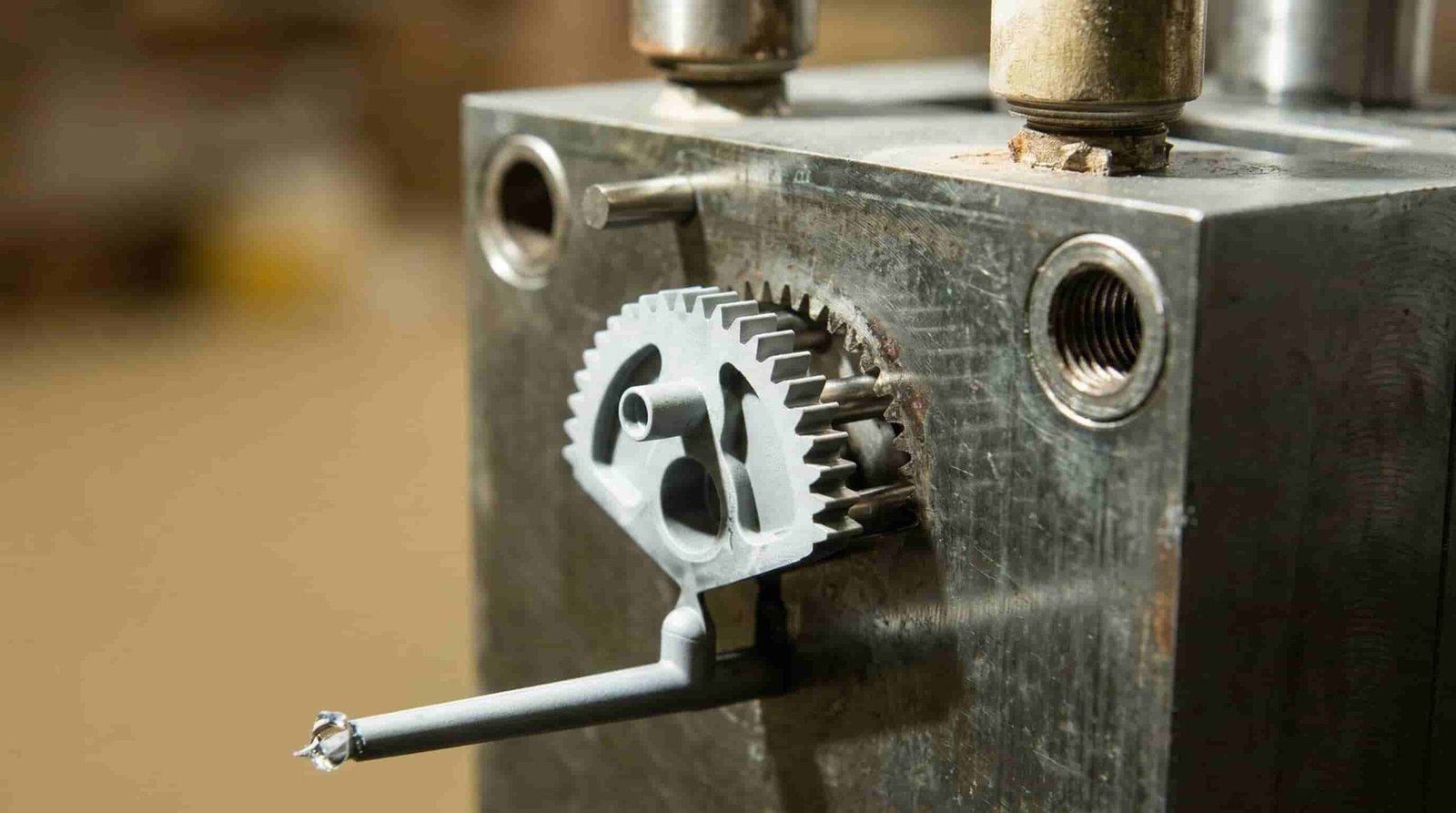
Key Advantages for Modern Manufacturing
MIM is a revolutionary process for engineers looking to push the boundaries of part design without incurring the exorbitant costs associated with multi-axis CNC machining.
- Design Freedom: Seamlessly integrate features like cross-holes, internal threads, gear teeth, and thin walls into a single molded part.
- Material Efficiency: Near-net-shape processing means almost 100% of the feedstock is utilized, drastically reducing scrap compared to subtractive manufacturing.
- Mechanical Integrity: Sintered parts achieve up to 99% theoretical density, offering tensile strength, hardness, and corrosion resistance comparable to wrought metals.
- Part Consolidation: Combine multiple sub-components into a single, cohesive part, reducing assembly time and potential points of failure.
GBM Pro Tip: Leverage the design freedom of MIM to lightweight your components. By coring out thick sections, you not only save on raw material costs but also improve the debinding efficiency and reduce overall cycle times.
Key Features & Comparison
When evaluating manufacturing technologies, it is critical to compare metal injection molding against traditional methods like powder metallurgy and investment casting to determine the best fit for your project.
Based on our internal data and market analysis, here is the breakdown:
| Feature | Metal Injection Molding (MIM) | Traditional Powder Metallurgy (PM) | Investment Casting |
|---|---|---|---|
| Final Density | 96% – 99% | 85% – 90% | 99% |
| Geometric Complexity | Extremely High | Low to Medium | High |
| Ideal Part Weight | Small (0.1g – 250g) | Medium to Large | Large (up to tons) |
| Surface Finish | Excellent (32-63 RMS) | Fair | Good |
| Production Volume | High (>10,000 units) | High | Low to Medium |
Why Trust GBM for Your MIM Tooling & Manufacturing?
The success of a Metal Injection Molding project doesn’t start in the sintering furnace; it starts in the steel of the injection mold. Because MIM feedstocks are highly abrasive and undergo 15-20% shrinkage during sintering, the initial injection mold must be engineered with absolute perfection. This is where GBM outpaces the competition.
- Decades of Injection Tooling Mastery: At our core, GBM is a powerhouse in precision injection mold making. We don’t just understand metal; we understand the complex flow dynamics of polymer binders. Our in-house tooling facility machines hardened steel molds (like H13 or S136) that resist the abrasive wear of metal powders, ensuring zero-flash green parts for millions of cycles.
- Mastering the Shrinkage Factor: Calculating the isotropic shrinkage of a MIM part is notoriously difficult. Our engineering team utilizes advanced Moldflow® simulations and rigorous DFM analysis to oversize the mold cavities with microscopic precision. What you get is a final sintered part that meets tight tolerances (±0.3%) without the need for expensive secondary CNC machining.
- Export-Ready Global Standards: We are deeply integrated into the global supply chain, consistently delivering high-volume, high-precision components to strict regulatory markets across North America (USA and Mexico) and Europe (including Germany and Eastern European industrial hubs). We understand the specific material certifications and quality audits required by Western manufacturers.
- Seamless Scalability: Whether you need complex titanium medical devices or high-volume stainless steel automotive gears, GBM handles the entire lifecycle—from cutting the initial injection mold to final sintering—under one roof, drastically reducing your lead times and total cost of ownership.
Great metal parts start with superior molds. Visit gbminjection.com to discover how our in-house tooling expertise can make your next Metal Injection Molding project a complete success.
Cost & Buying Factors
When sourcing metal injection molding services, the final pricing is influenced by several critical variables beyond just the initial tooling investment. Understanding these factors can help you optimize your design for manufacturing.
- Material Selection: Specialty alloys like titanium, cobalt-chrome, or specialized magnetic materials will exponentially increase feedstock costs compared to standard 316L or 17-4 PH stainless steel.
- Part Weight and Volume: Because MIM feedstock is priced by weight, larger parts become disproportionately expensive. MIM remains most cost-effective for parts under 100 grams.
- Tolerance Requirements: Pushing beyond standard MIM tolerances (typically ±0.5%) requires secondary CNC machining or grinding operations, which add significant time and labor costs.
- Mold Cavitation: Investing in a multi-cavity tool increases upfront engineering and tooling costs but drastically reduces the per-part price for high-volume, continuous production runs.
Conclusion
Metal injection molding is a transformative technology that empowers engineers to design complex, high-performance metal components without the geometric limitations of traditional subtractive machining. By understanding the four-step manufacturing process, the economic tipping points of tooling costs, and the inherent design benefits, manufacturers can strategically leverage MIM to reduce overall costs and improve product functionality. If you are ready to explore how metal injection molding can elevate your next production run, contact the experts at GBM today for a comprehensive design review and manufacturing quote.