

Vacuum forming is a plastic thermoforming process where a heated plastic sheet is sucked against a single-sided mold using vacuum pressure to create large, hollow shapes. Injection molding involves injecting molten plastic under high pressure into a closed, dual-sided metal mold to create highly detailed, complex, and solid parts.
🎥 Process Comparison Overview: Watch a clear visual breakdown of vacuum forming’s sheet-stretching technique versus injection molding’s high-pressure cavity filling.
Core Manufacturing Differences
While both processes shape thermoplastics, they utilize vastly different mechanics and are suited for different stages of production. Vacuum forming relies on atmospheric pressure to shape soft sheets, whereas injection molding uses hydraulic or electric rams to force liquid plastic into cavities.
| Feature | Vacuum Forming | Injection Molding |
|---|---|---|
| Raw Material | Solid Plastic Sheets | Plastic Pellets/Granules |
| Pressure Source | Vacuum (Atmospheric) | High Hydraulic/Ram Pressure |
| Mold Type | Single-sided (Male or Female) | Double-sided (Core and Cavity) |
| Part Geometry | Simple, open, hollow shapes | Complex, detailed, solid/ribbed |
| Wall Thickness | Variable (stretches thin) | Consistent (controlled by mold) |
GBM Pro Tip: In our lab tests at GBM, we found that vacuum forming creates inconsistent wall thickness at corners due to material stretching. For precision parts requiring tight tolerances (±0.005″), we almost exclusively recommend injection molding because the closed mold controls every surface dimension.
What is the difference between injection molding and vacuum forming?
The primary difference lies in how the plastic is shaped: injection molding forces molten plastic into a closed cavity to create precise, complex 3D parts, while vacuum forming stretches a heated sheet over an open mold. Injection molding is faster for high volumes, whereas vacuum forming is slower but requires significantly cheaper tooling.
🎥 Injection Molding vs. Vacuum Forming: See why injection molding is the go-to choice for intricate, solid parts, while vacuum forming excels at large, hollow enclosures.
Process Comparison Matrix
To choose the right method for your project, you must analyze the complexity and volume requirements.
- Complexity: Injection molding allows for internal ribs, bosses, and screw threads. Vacuum forming is limited to the exterior shell shape and generally requires secondary CNC trimming to add holes or details.
- Cycle Time: Injection molding cycles are measured in seconds (15-60s). Vacuum forming cycles are measured in minutes, involving heating, forming, and cooling the sheet.
- Surface Finish: Injection molding produces a finished part on both sides. Vacuum forming creates a defined surface only on the side touching the mold; the other side is the “free” surface of the sheet.
GBM Pro Tip: Our technicians often see clients choose vacuum forming for large enclosures (like MRI machine covers) because injection molding tools for parts that size would cost hundreds of thousands of dollars. If the part is larger than 24 inches, vacuum forming is usually the engineering winner.
Is vacuum forming cheaper than injection molding?
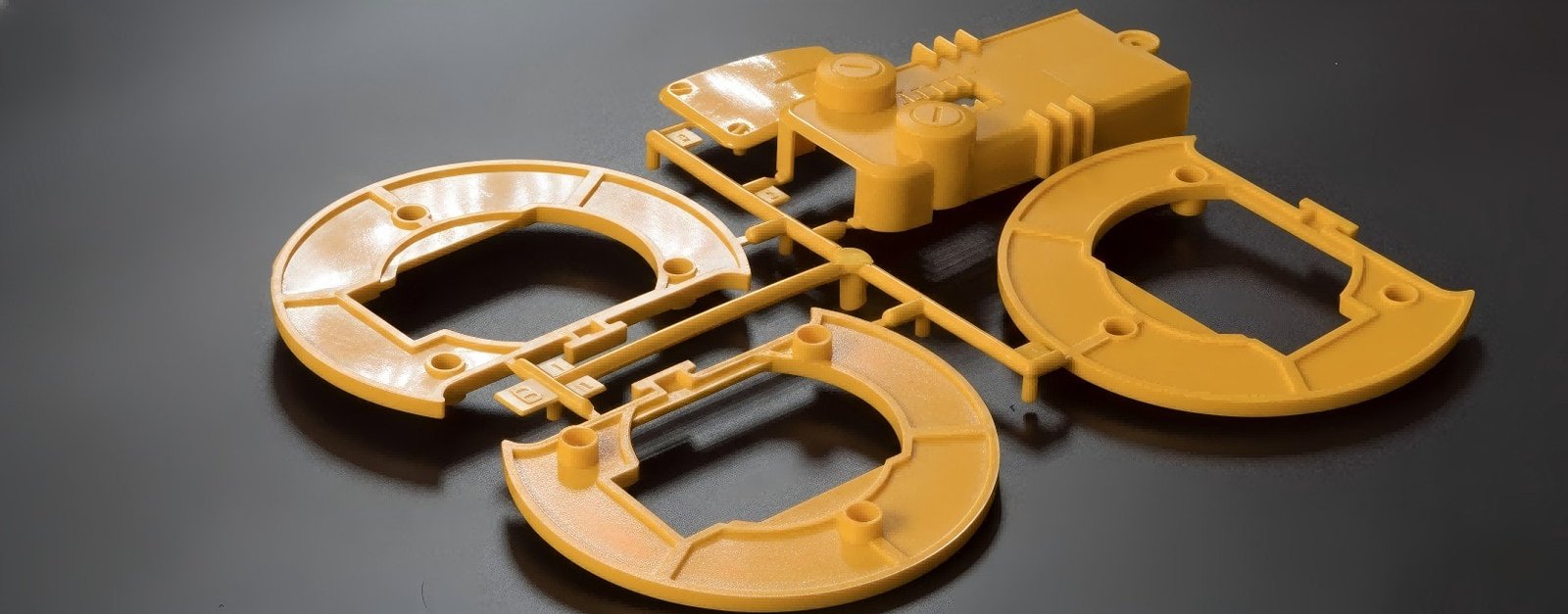
Vacuum forming is cheaper for low-to-mid volume production runs and prototyping because the tooling costs are a fraction of injection molding molds. However, for mass production (10,000+ units), injection molding becomes cheaper per unit due to automation and speed, despite the high initial investment.
Cost Breakdown Analysis
- Low Volume (1-500 parts): Vacuum forming wins. You avoid the high capital expenditure of steel molds.
- High Volume (10,000+ parts): Injection molding wins. The material cost (pellets are cheaper than sheets) and cycle speed amortize the expensive tool quickly.
GBM Pro Tip: We advise clients to calculate the “Total Cost of Ownership.” If you are making 2,000 units, the $2,000 vacuum form tool plus $10/part equals $22,000. An injection mold might cost $20,000 upfront, plus $1/part, totaling $22,000. At 2,001 units, injection molding becomes the smarter financial choice.
What are the six stages of vacuum forming?
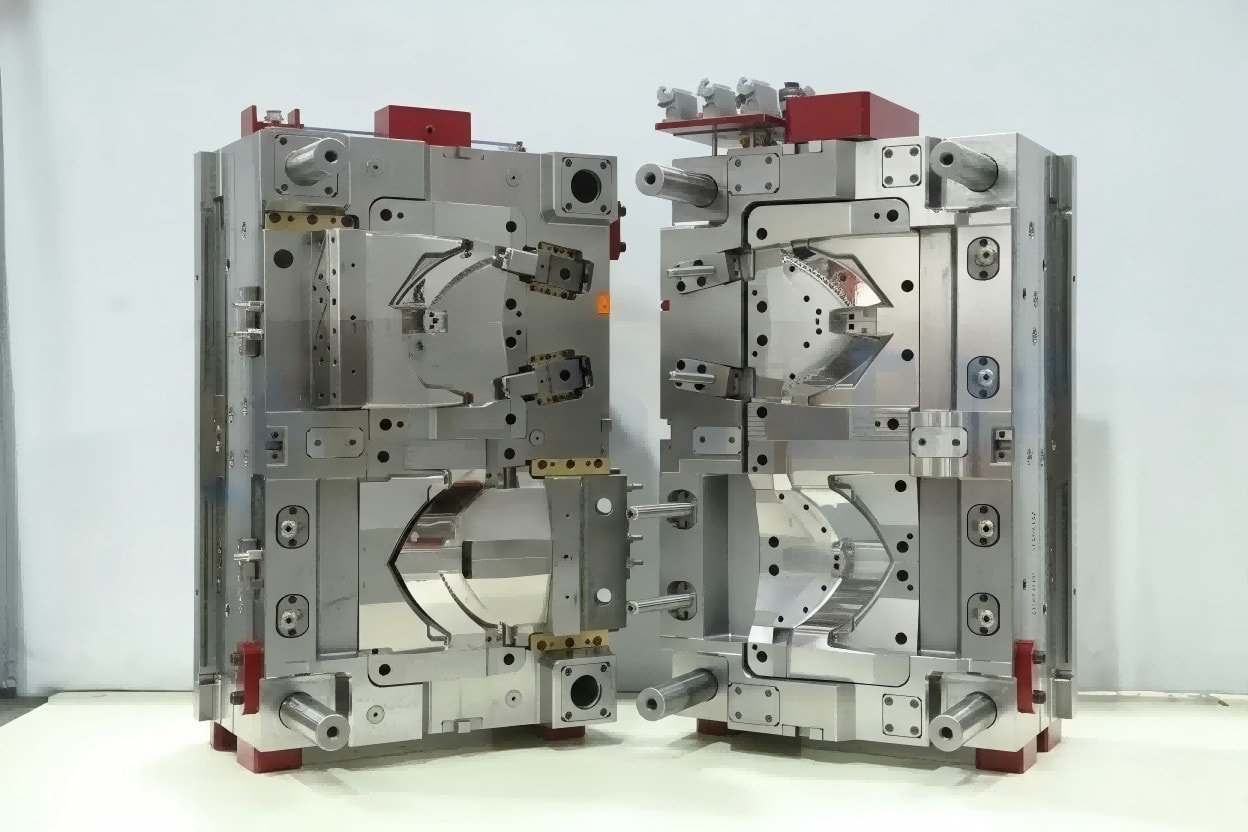
The six stages of vacuum forming are clamping the sheet, heating the plastic to its forming temperature, auto-leveling (preventing sag), raising the mold into the plastic (or lowering the plastic), applying the vacuum to suck the sheet against the mold, and finally cooling and releasing the part.
The Step-by-Step Workflow
- Clamping: Securing the plastic sheet in a frame.
- Heating: Radiators heat the sheet until it is flexible.
- Sheet Level / Pre-stretch: Air is used to create a bubble to ensure even wall thickness (optional but common in advanced forming).
- Forming: The mold engages with the plastic, and the vacuum is engaged.
- Cooling: Fans and water mist cool the plastic so it sets rigid.
- Release/Trimming: The part is ejected and excess plastic is trimmed off.
GBM Pro Tip: In our production lines, the “Cooling” phase is the bottleneck. We often use aluminum molds with internal water cooling channels to speed this up by 40%, ensuring the plastic doesn’t warp upon ejection.
What is the purpose of vacuum forming?
The purpose of vacuum forming is to manufacture large, lightweight, and hollow plastic parts cost-effectively without requiring expensive heavy machinery. It is ideal for producing packaging (blister packs), automotive dashboards, bathtub shells, and large machinery covers where high structural precision is not critical.
Common Applications
- Packaging: Trays, blister packs, and clamshells.
- Automotive: Interior panels, truck bed liners, and dashboards.
- Medical: Enclosures for CT scanners and hospital bed panels.
- Signage: Outdoor 3D signs and displays.
GBM Pro Tip: We frequently utilize vacuum forming for rapid prototyping. We can 3D print a mold in the morning and vacuum form 20 real plastic prototypes by the afternoon for fit-checking, something impossible with injection molding timelines.
How do upfront tooling costs compare between vacuum forming and injection molding?
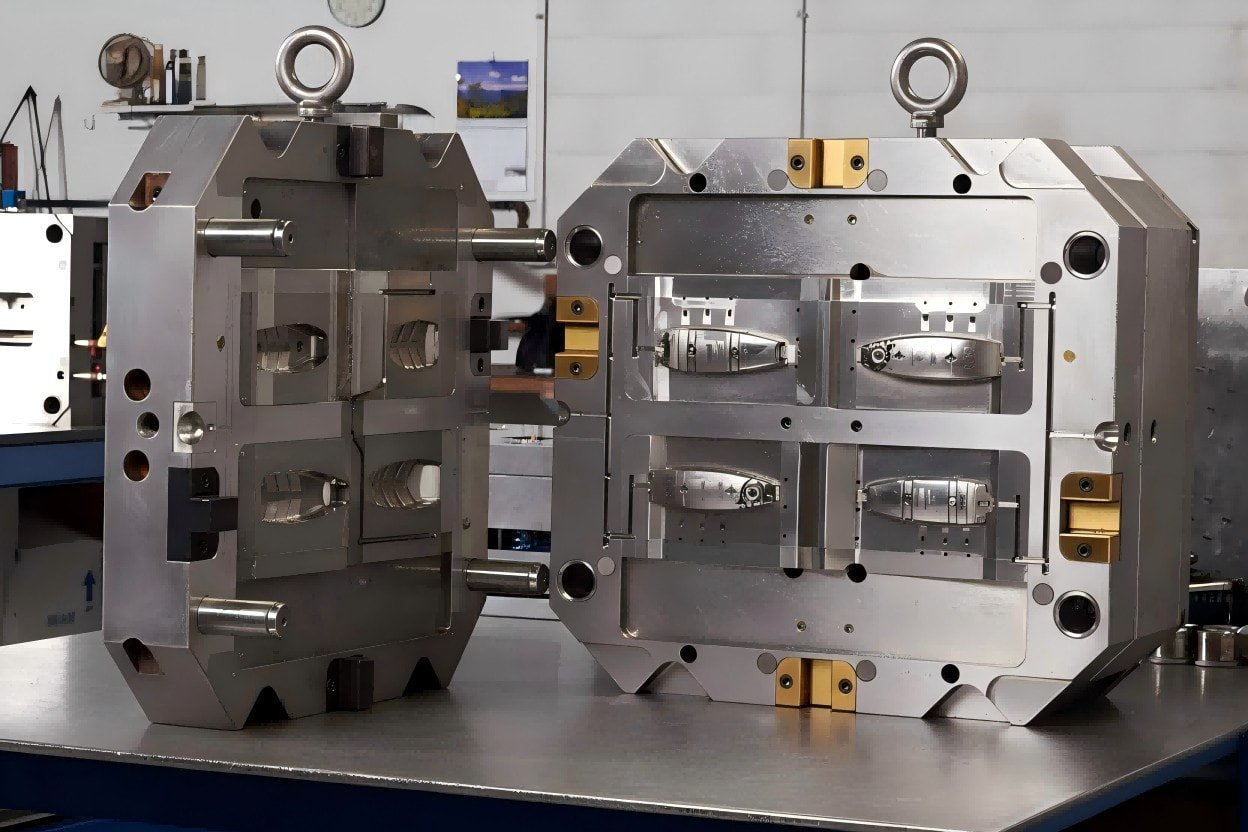
Upfront tooling costs for vacuum forming are significantly lower, ranging from $500 to $5,000, as molds can be made from wood, resin, or aluminum. Injection molding tooling is expensive, typically ranging from $10,000 to over $100,000, requiring precision-machined hardened steel to withstand high pressures.
🎥 Tooling Differences Explained: Take a closer look at the contrast between low-cost aluminum vacuum forming molds and precision-engineered steel injection molds.
Tooling Investment Comparison
| Tooling Aspect | Vacuum Forming | Injection Molding |
|---|---|---|
| Material | Wood, Epoxy, Aluminum | Hardened Steel, Beryllium Copper |
| Construction | Single-sided (easier to machine) | Double-sided (complex machining) |
| Lead Time | 1-2 Weeks | 4-12 Weeks |
| Lifespan | Lower (Aluminum: ~10k-50k cycles) | High (Steel: 100k-1M+ cycles) |
GBM Pro Tip: In our experience, design changes kill budgets. Modifying an injection mold involves welding and re-machining hardened steel (very expensive). Modifying a vacuum form tool usually just involves adding material or machining soft aluminum (very cheap).
Which process yields lower per-unit costs for high-volume wholesale orders?
Injection molding yields significantly lower per-unit costs for high-volume wholesale orders. Once the expensive tooling is paid for, the process uses cheaper raw material (pellets) and runs fully automated cycles in seconds, driving the piece price down to pennies or dollars compared to the higher labor and material costs of vacuum forming.
Volume vs. Price Curve
For wholesale orders, efficiency is key. Injection molding offers:
- Multi-cavity Molds: Making 4, 8, or 16 parts at once per cycle.
- Zero Trimming: Parts often come out of the mold finished, whereas vacuum formed parts always require trimming labor.
- Material Efficiency: Less scrap is generated compared to the “web” waste in vacuum forming.
GBM Pro Tip: We advise our wholesale clients that the “Break-Even Point” is usually around 3,000 to 5,000 units. If you are ordering 50,000 units, injection molding is the only logical financial choice, often reducing unit cost by 80-90% compared to vacuum forming.
Why Trust GBM with Your Injection Molding & Tooling Projects?
When transitioning from low-volume prototypes to mass production, the quality of your steel mold dictates the success of your entire project. At GBM, we bring decades of specialized expertise to custom injection mold design and manufacturing, ensuring your high-volume runs are flawless and cost-effective.
- In-House Tooling Mastery: Unlike brokers who outsource mold making, GBM operates a state-of-the-art, in-house tooling facility. From hardened steel selection to precision CNC machining and EDM (Electrical Discharge Machining), we control every step of the mold fabrication process. This means tighter tolerances (up to ±0.005″), faster modifications, and molds guaranteed to last for millions of cycles.
- Proactive DFM (Design for Manufacturability): Our engineering team doesn’t just build to print; we optimize. Before cutting any steel, we conduct rigorous Moldflow® analysis to identify potential issues like sink marks, warp, or air traps. If a part was originally designed for vacuum forming, we expertly redesign the wall thicknesses, ribs, and draft angles to maximize the efficiencies of injection molding.
- Seamless Scalability: We understand the financial leap from vacuum forming to injection molding. GBM offers scalable tooling solutions—from economical aluminum or soft-steel family molds for mid-volume runs (10,000+ units) to multi-cavity hardened steel molds for massive wholesale production. We engineer the tool to match your specific ROI requirements.
- Strict Quality Assurance: Every injection-molded component we produce is backed by stringent quality control protocols. Our automated inspection systems ensure that the final parts match your exact geometric and aesthetic specifications, eliminating the post-processing variations often seen in vacuum forming.
Partner with GBM. Let our tooling experts reduce your unit costs and elevate your product quality through world-class injection molding.
Conclusion
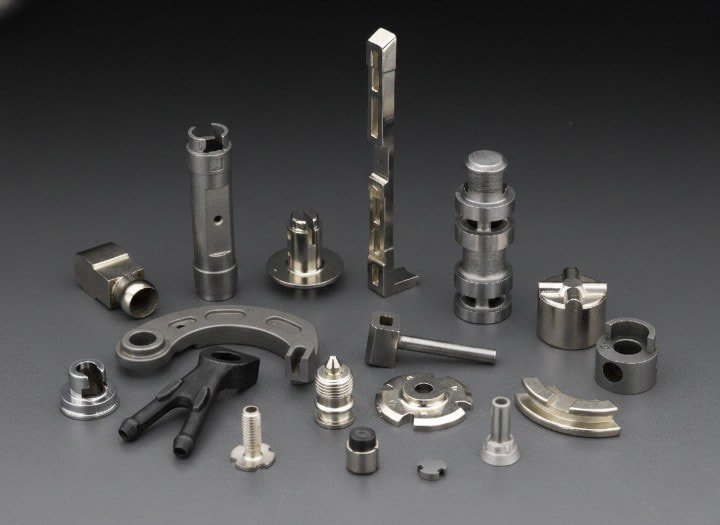
Vacuum forming is the superior choice for large parts, low volumes, and low upfront budgets, while injection molding is the industry standard for high-precision, high-volume mass production.
Not sure if your part is better suited for vacuum forming or injection molding?
Send us your 3D CAD files, and the GBM engineering team will provide a comprehensive DFM analysis and cost breakdown.