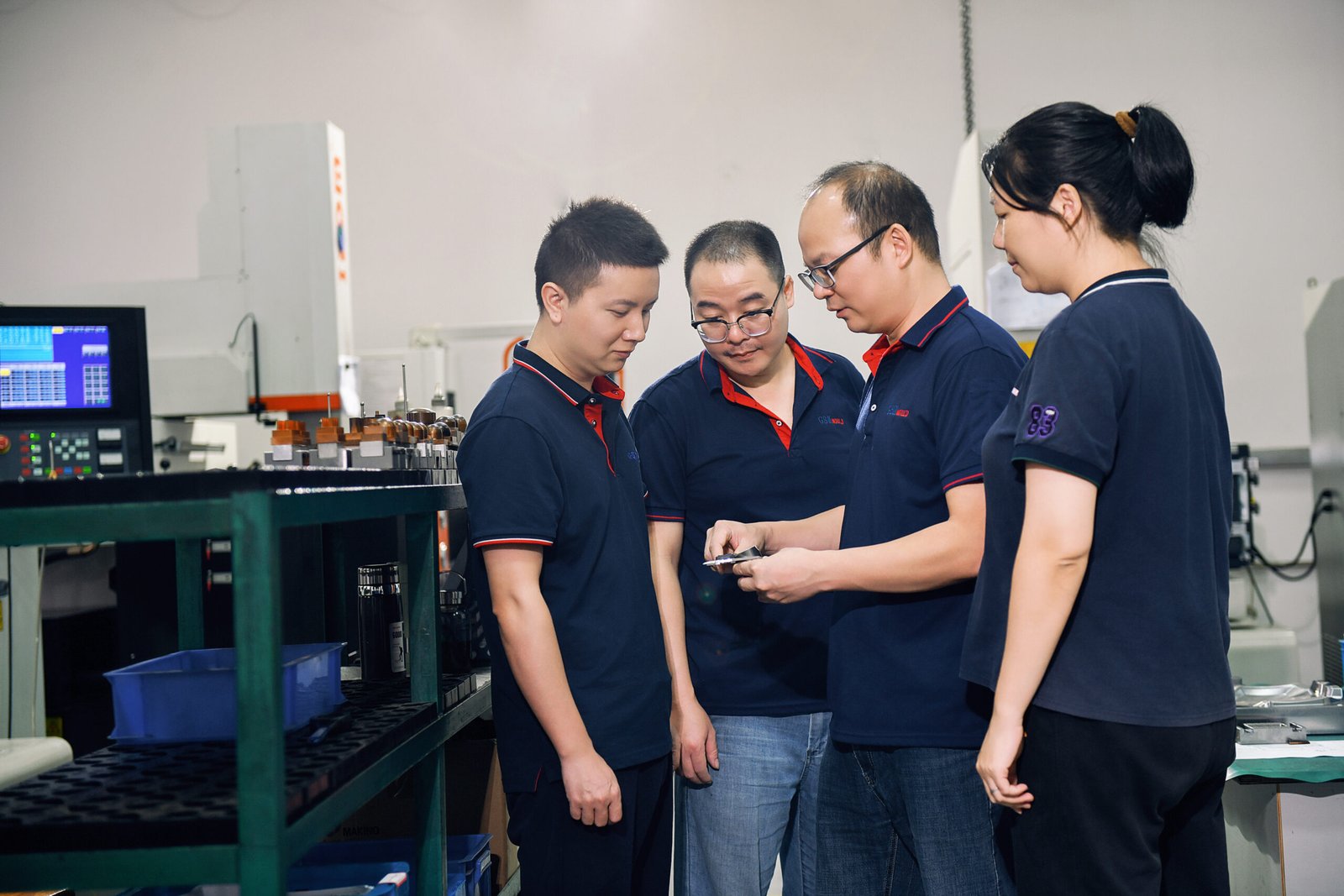

A vertical injection molding machine is a type of plastic manufacturing equipment where the clamping unit and injection unit are aligned vertically, allowing the mold to open and close along a vertical axis. This orientation utilizes gravity to keep inserts stable during the molding process, making it the industry standard for insert molding and overmolding applications while significantly reducing the machine’s floor footprint.
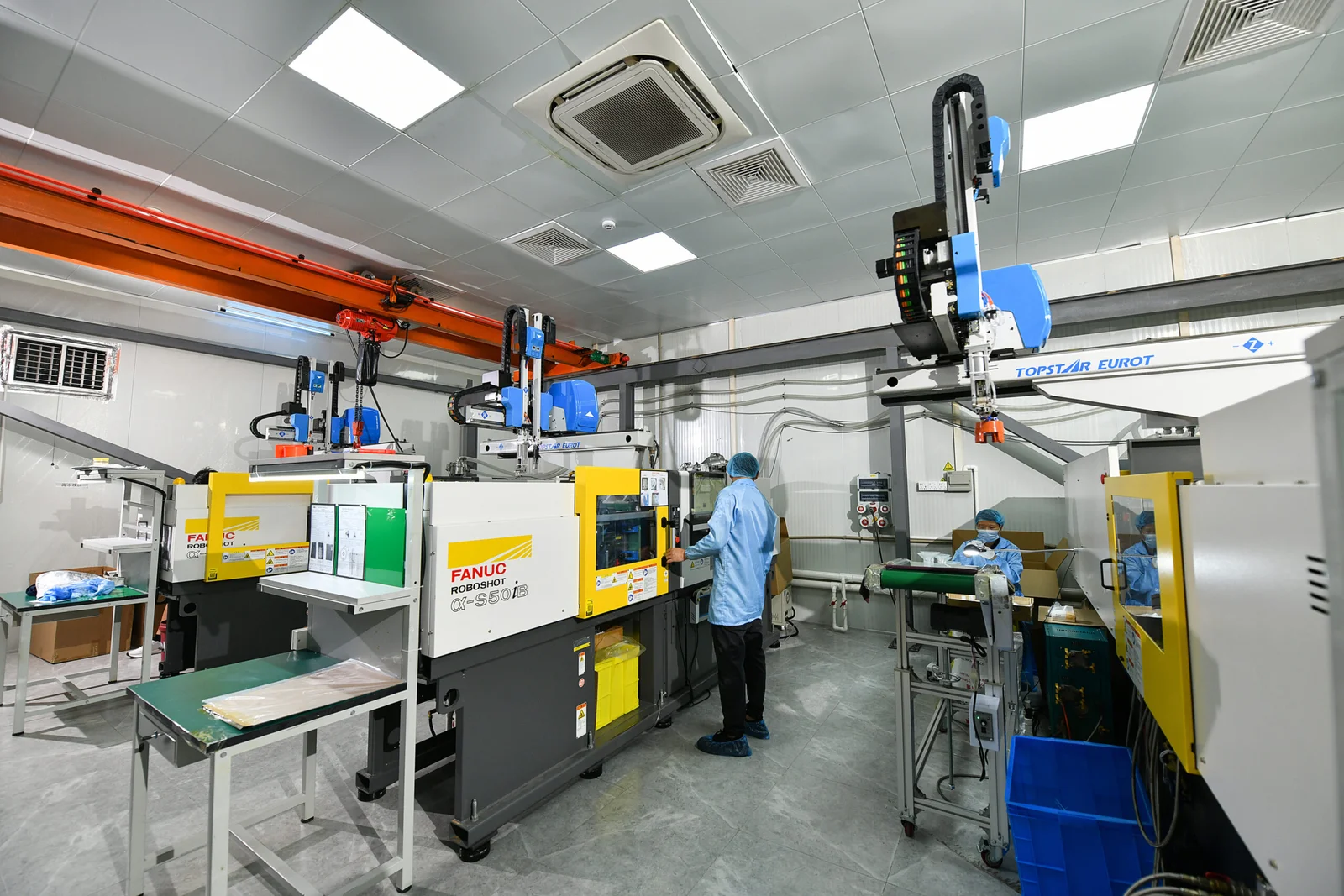
Mechanical Configuration and Advantages
Unlike traditional horizontal presses, the vertical injection molding machine operates on a top-down mechanism. The lower half of the mold is usually fixed to the platen, while the upper half moves vertically. This configuration is engineered specifically to leverage gravity, eliminating the need for complex mechanisms to hold metal inserts or substrates in place prior to injection.
Key Technical Specifications:
| Feature | Description | Benefit |
|---|---|---|
| Clamping Orientation | Vertical (Up/Down) | Gravity assists in holding inserts; ideal for manual loading. |
| Footprint | Compact | Occupies 50% less floor space than horizontal equivalents. |
| Table Types | Stationary, Rotary, or Sliding | Rotary/Sliding tables allow concurrent loading and injection, boosting cycle time. |
| Injection Unit | Vertical (typically) | Allows for precise nozzle alignment and reduces material leakage. |
GBM Pro Tip: In our lab tests at GBM, we found that utilizing a vertical machine with a rotary table increases production efficiency by approximately 30-50% for insert molding projects compared to stationary tables, as the operator can load inserts while the machine is injecting the previous cycle.
What is the difference between vertical and horizontal injection molding machine?
The primary difference lies in the axis of operation: vertical machines clamp and inject up-and-down, whereas horizontal machines operate side-to-side. Vertical machines are superior for insert molding and limited floor space, while horizontal machines are generally faster for high-volume, automated production of standard plastic parts that do not require inserts.
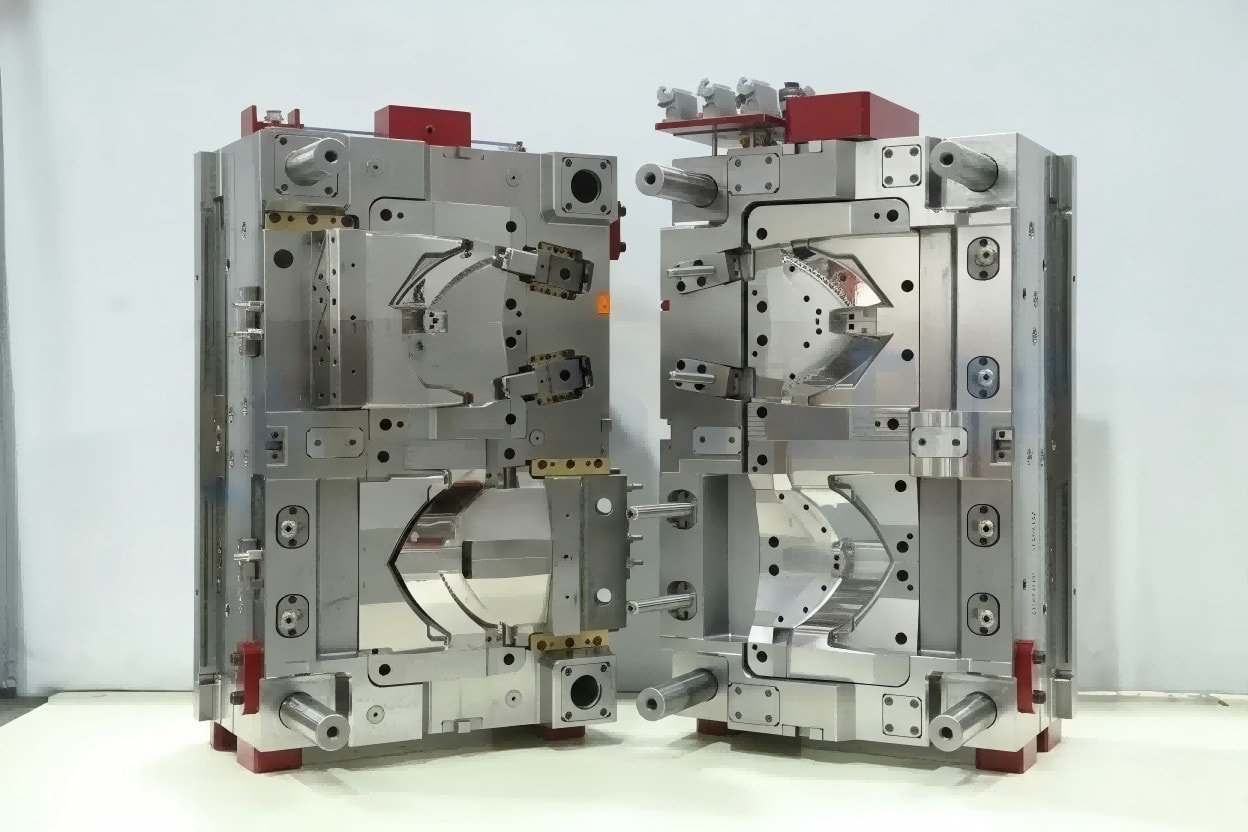
Comparative Analysis
When selecting equipment for a production line, understanding the mechanical distinctions is vital.
- Gravity Assistance: Vertical machines use gravity to secure inserts. Horizontal machines require spring-loaded pins or magnets to prevent inserts from falling when the mold opens.
- Part Ejection: Horizontal machines allow parts to fall freely onto a conveyor upon ejection. Vertical machines typically require robotic extraction or manual removal.
GBM Pro Tip: Our technicians often see clients struggle with horizontal machines for overmolding cables. We always recommend switching to vertical presses for these applications because the gravity-assisted alignment drastically reduces the defect rate caused by shifting inserts.
What is vertical molding?
Vertical molding is the manufacturing process of injecting molten plastic into a mold that is clamped vertically, predominantly used for combining different materials into a single part. It is the preferred technique for “overmolding” (molding over a substrate) and “insert molding” (encapsulating metal parts like screws or pins), leveraging the vertical axis to ensure precision and stability.
🎥 Watch the Vertical Process: See how gravity keeps complex metal inserts perfectly aligned during the top-down injection cycle.
Core Applications
Vertical molding is not just about machine orientation; it is a specialized process used for complex component integration.
- Electronics: Encapsulating circuit boards or connectors (e.g., USB plugs).
- Automotive: Metal-plastic hybrid components like sensor housings.
- Medical: Overmolding soft-touch grips onto surgical instruments.
GBM Pro Tip: We advise our clients to pre-heat metal inserts before the vertical molding process. In our experience, this minimizes internal stress and improves the bond strength between the metal and the injected plastic.
What are the two types of injection molding machines?
The two primary categories of injection molding machines are defined by their clamping axis: Vertical and Horizontal. However, within the vertical category specifically, machines are further classified by their table design: “Stationary Table” for basic operations and “Rotary/Sliding Table” for high-efficiency multi-station production.
🎥 Rotary vs. Stationary Tables: Watch this visual comparison to understand why rotary tables drastically reduce cycle times for high-volume orders.
Classification by Table Mechanism
At GBM, we categorize vertical machines based on throughput capabilities:
- Standard Vertical (Stationary): Single station. The machine stops for loading/unloading. Best for low volume or prototyping.
- Rotary Table (C-Frame or 4-Column): The table rotates 180° or 360°. One side injects while the operator loads the other side. Best for mass production.
- Shuttle/Sliding Table: The platen slides in and out. Keeps the operator away from the clamp area for safety.
GBM Pro Tip: We consistently recommend Rotary Table vertical machines for high-volume orders. Our data shows that the ROI on a rotary machine is achieved 40% faster due to the elimination of idle time during the loading phase.
What is the vertical molding process?
The vertical molding process follows a cyclical sequence: the mold closes vertically, the injection unit shoots molten plastic into the cavity, the part cools, and the mold opens. Uniquely, this process often involves a “loading phase” where an operator or robot places an insert into the open mold cavity before the cycle begins.
🎥 Step-by-Step Cycle Breakdown: Follow the machine through a complete operation, from manual insert loading to the final vertical ejection.
Step-by-Step Cycle
- Insert Loading: Metal or plastic substrates are placed into the lower mold half.
- Clamping: The upper platen moves down to seal the mold under high pressure.
- Injection: The screw injects plastic melt into the cavity.
- Holding & Cooling: Pressure is maintained to prevent sink marks while the part solidifies.
- Ejection: The mold opens upward, and the finished part is removed.
GBM Pro Tip: In our facility, we utilize low-pressure mold protection settings during the clamping phase. This ensures that if an insert is not seated correctly, the machine detects the resistance and halts, preventing expensive mold damage.
Wholesale price range?
The wholesale price of a vertical injection molding machine varies significantly based on tonnage and automation features, typically ranging from $15,000 for small 15-ton standard machines to over $80,000 for advanced rotary table systems with servo-motors. Prices fluctuate based on clamping force, brand reputation, and auxiliary equipment integration.
Price Estimation Table (Market Average)
| Machine Type | Tonnage | Estimated Price Range (USD) |
|---|---|---|
| Standard Vertical | 15T – 35T | $12,000 – $25,000 |
| Standard Vertical | 55T – 85T | $25,000 – $45,000 |
| Slide Table | 35T – 55T | $30,000 – $50,000 |
| Rotary Table | 55T – 120T | $55,000 – $90,000+ |
GBM Pro Tip: We always remind buyers to factor in the cost of auxiliary equipment (chillers, mold temperature controllers, and dryers). In our procurement audits, these peripherals typically add 15-20% to the base machine cost.
Insert molding capabilities?
Vertical injection molding machines are the definitive solution for insert molding capabilities, allowing for the seamless encapsulation of non-plastic parts. The vertical clamp design ensures that gravity holds screws, pins, or meshes securely in the mold cavity, preventing displacement during the high-pressure injection phase.
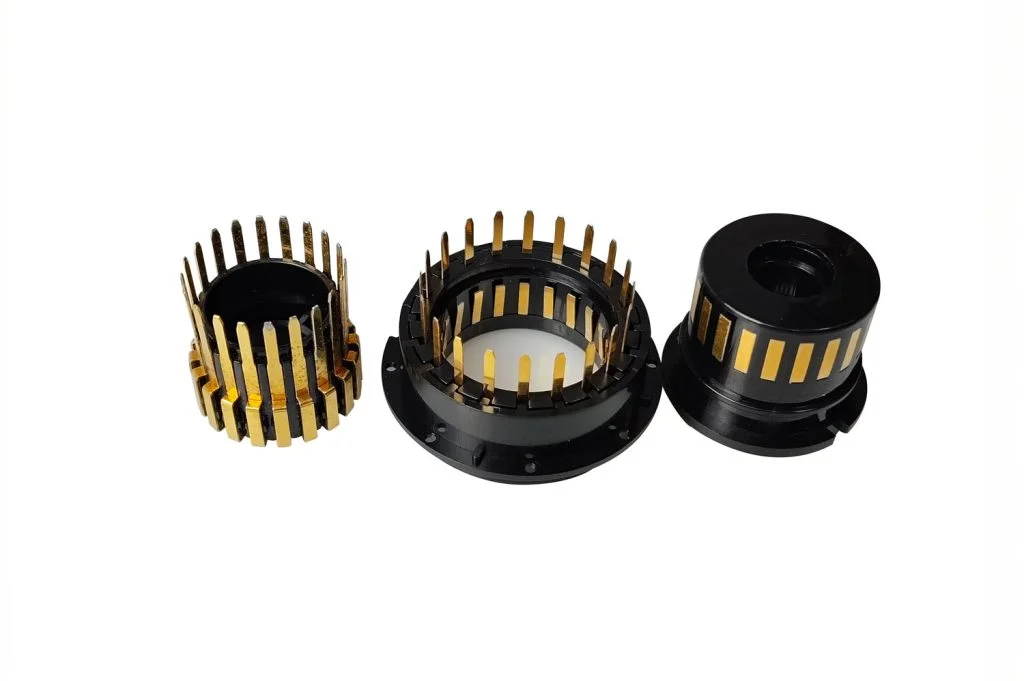
Why Vertical is Best for Inserts
- Ergonomics: Waist-level loading is ergonomic for operators.
- Precision: Prevents “insert wash” (shifting of the insert) which is common in horizontal machines.
- Versatility: Capable of handling delicate inserts like filtration mesh or electronic circuits.
GBM Pro Tip: In our testing of complex automotive connectors, we found that using vertical machines with servo-motors driven injection control reduced scrap rates by over 12% compared to hydraulic horizontal systems, purely due to better stability of the insert during the fill stage.
Why Trust GBM with Your Vertical & Insert Molding Projects?
Vertical injection molding is inherently complex because it involves integrating foreign objects (metal, glass, or electronics) into the plastic matrix. At GBM, we understand that a high-performance vertical press is only as good as the mold it operates.
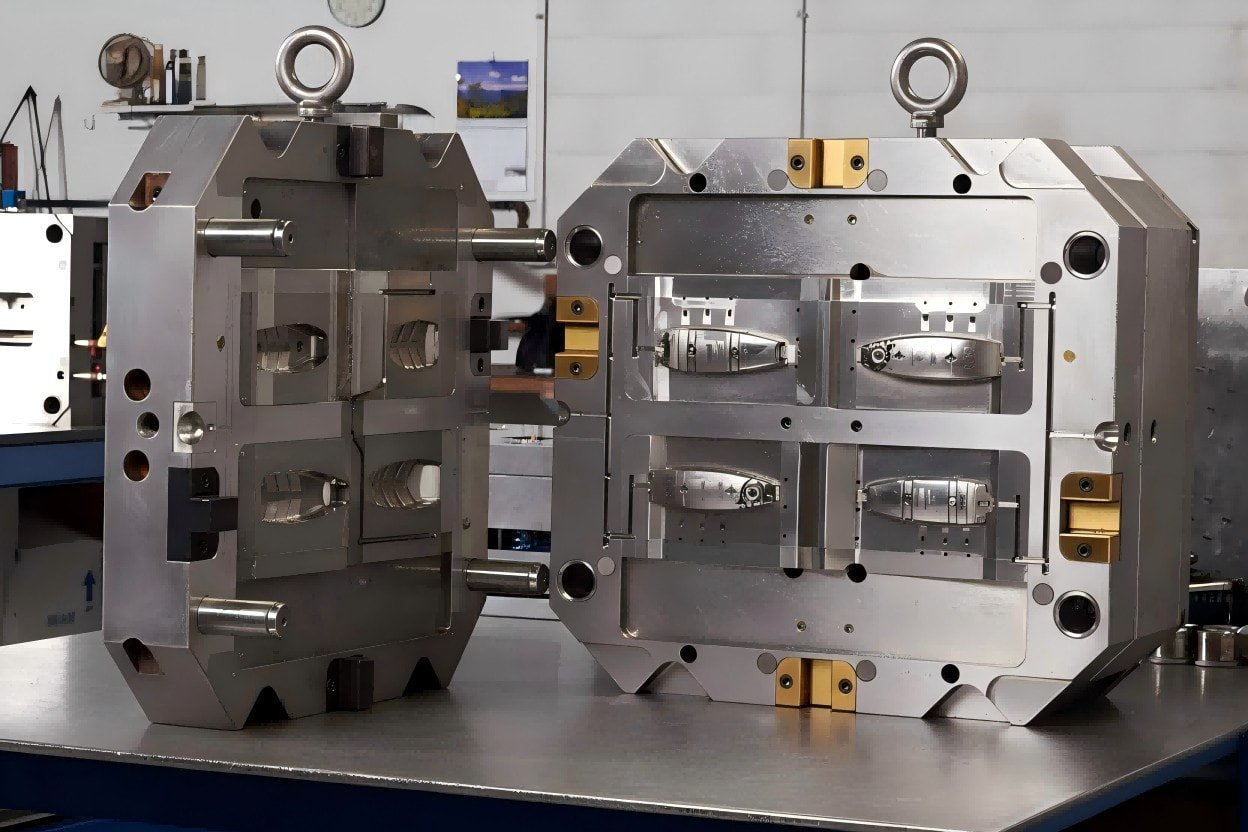
- Precision Insert Tooling: Insert molding requires molds with incredibly tight tolerances to prevent “flash” (excess plastic) from bleeding over the metal inserts. Our in-house tooling facility machines vertical molds out of high-grade hardened steel, ensuring exact registration for every insert, cycle after cycle.
- Advanced DFM (Design for Manufacturability): Before cutting any steel, our engineering team conducts comprehensive Moldflow® thermal and fill analysis. We design specialized venting and runner systems tailored specifically for the vertical injection axis, minimizing internal stress and preventing insert displacement during the high-pressure melt flow.
- Zero-Defect Protection: We design our vertical molds with intelligent sensor integration capabilities. Combined with our low-pressure clamping protocols, this ensures that if an operator loads an insert even a fraction of a millimeter off-center, the mold will not close, protecting your tooling investment from catastrophic damage.
- End-to-End Solutions: From prototyping on stationary table machines to designing complex multi-cavity molds for automated rotary table production, GBM provides comprehensive solutions. We don’t just supply parts; we engineer the most efficient, cost-effective manufacturing strategy for your specific product lifecycle.
Partner with GBM. Let our tooling experts eliminate your insert molding defects and optimize your vertical production cycles.
Conclusion
A vertical injection molding machine is the superior choice for insert molding and space-constrained facilities, offering distinct advantages in stability and ergonomic operation compared to horizontal alternatives.
Planning an insert molding project or upgrading your equipment? Contact the GBM engineering team today for a comprehensive tooling evaluation and machine selection guide.