
Wax injection molding is a foundational manufacturing process used primarily in investment casting to create highly accurate, complex, and repeatable patterns. By injecting molten wax into a precision-machined metal or silicone die under controlled pressure and temperature, manufacturers can produce exact replicas of the desired final part. This technique is critical for industries ranging from aerospace and automotive to fine jewelry, enabling the mass production of intricate components with exceptionally smooth surface finishes.
🎥 The Foundation of Investment Casting: Watch how molten wax is injected into precision dies to create the flawless, sacrificial patterns that drive the aerospace and jewelry industries.
What is wax injection molding?
Wax injection molding is a specialized manufacturing technique where liquid wax is forced into a mold cavity to form a solid, highly detailed pattern. These wax patterns are subsequently used in the lost-wax casting process to create molds for pouring molten metal, ensuring precise dimensional accuracy and excellent surface finish.
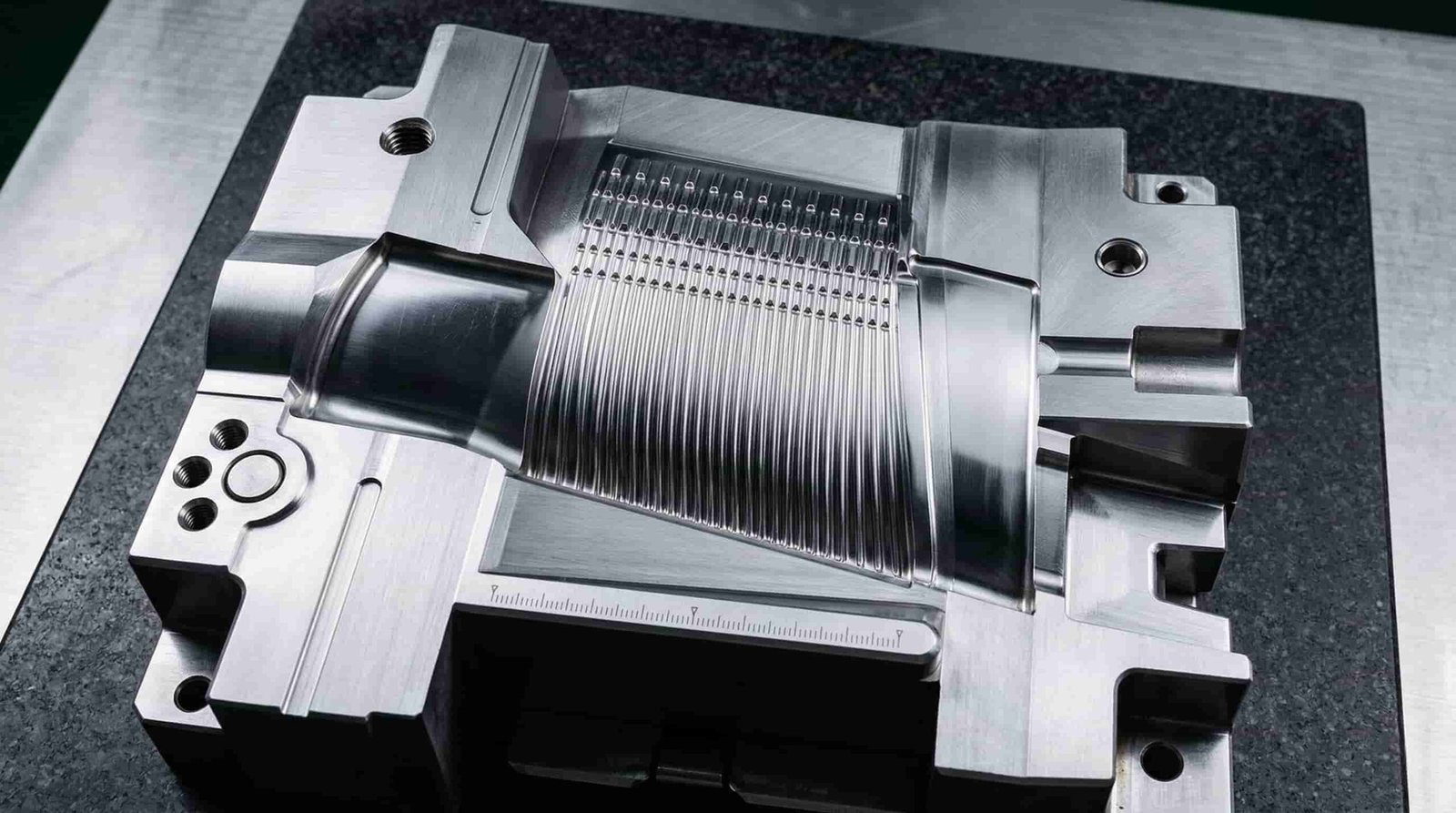
Core Concepts and Applications
Wax injection molding bridges the gap between digital design (or master tooling) and final metal production. Because wax is highly malleable when heated and holds exceptional detail when cooled, it acts as the perfect sacrificial material. Once the wax pattern is created, it is dipped in a ceramic slurry to create a shell. The wax is then melted out (hence “lost wax”), leaving a perfect negative space for molten metal.
Key applications for this process include:
- Aerospace Components: Turbine blades and complex engine parts that require internal cooling channels.
- Medical Implants: Joint replacements and surgical tools requiring biocompatible metals with exact tolerances.
- Fine Jewelry: Rings, pendants, and intricate wearable art where surface finish is paramount.
- Automotive Parts: Specialized brackets, manifolds, and high-performance engine components.
GBM Pro Tip: Always ensure your mold is properly lubricated with a high-quality release agent before injection to prevent delicate wax features from tearing during extraction.
How Does wax injection molding Work?
The process works by melting specialized casting wax in a temperature-controlled reservoir and using pneumatic or hydraulic pressure to inject it into a clamped mold. Once the wax cools and solidifies, the mold is opened, and the precise wax replica is carefully removed for the next casting stage.
🎥 Watch the Injection Cycle in Action: See the rapid, repeatable process of clamping the mold, injecting the wax under controlled pressure, and extracting a perfect pattern in seconds.
Step-by-Step Injection Process
Achieving a flawless wax pattern requires a synchronized balance of temperature, pressure, and timing. The workflow is meticulously controlled to prevent air bubbles, shrinkage, or incomplete fills.
- Wax Melting and Conditioning: Solid wax flakes or billets are loaded into the injector’s heated reservoir, where they are melted to a precise, flowable consistency.
- Mold Preparation: The two-part mold (often made of aluminum or RTV silicone) is cleaned, lightly sprayed with a release agent, and securely clamped shut.
- Injection Phase: The mold’s sprue is aligned with the injector nozzle. Pressurized air or a hydraulic piston forces the molten wax into the cavity.
- Cooling and Dwell Time: The mold is held under pressure for a few seconds to account for wax shrinkage, then allowed to cool until the wax is structurally sound.
- Ejection: The mold is carefully opened, and the solid wax pattern is removed, inspected, and prepped for the ceramic shelling process.
GBM Pro Tip: Maintain a consistent clamping pressure; if the pressure is too low, the expanding wax can force the mold halves apart, resulting in unwanted flashing along the parting line.
What are the 4 types of moulding?
In the broader context of manufacturing, the four primary types of molding are injection molding, blow molding, compression molding, and rotational molding. While wax injection molding falls strictly under the injection category, understanding these distinct methods helps manufacturers select the right process for different materials and geometries.
Manufacturing Molding Methods
While wax injection is highly specialized for investment casting, it shares principles with broader industrial molding techniques. Understanding the core four methods provides valuable context for how different materials are shaped.
While wax injection is specialized, here is how it fits into the broader spectrum of industrial molding:
| Molding Type | Primary Material | Core Mechanism | Best Used For |
|---|---|---|---|
| Injection Molding | Wax, Plastics, Metals | Material is injected into a closed mold under pressure. | High-volume, high-precision solid parts (e.g., wax patterns, gears). |
| Blow Molding | Plastics | Air is blown into a heated tube of plastic, expanding it against a mold. | Hollow, thin-walled objects (e.g., bottles, containers). |
| Compression Molding | Rubber, Thermosets | Material is placed in an open mold, which is then heated and squeezed shut. | High-strength, durable parts (e.g., automotive seals, electrical switches). |
| Rotational Molding | Plastics | A heated hollow mold is filled with material and rotated on two axes. | Large, hollow, seamless items (e.g., water tanks, kayaks). |
GBM Pro Tip: When dealing with investment casting, stick exclusively to injection molding for your wax patterns, as it is the only method that guarantees the dimensional stability required for intricate metal parts.
What temperature do you inject wax at?
Injection wax is typically heated and injected at temperatures ranging from 150°F to 170°F (65°C to 77°C), depending on the specific wax blend. Maintaining the precise temperature is critical, as overheating causes shrinkage and underheating prevents the wax from fully filling intricate mold details.
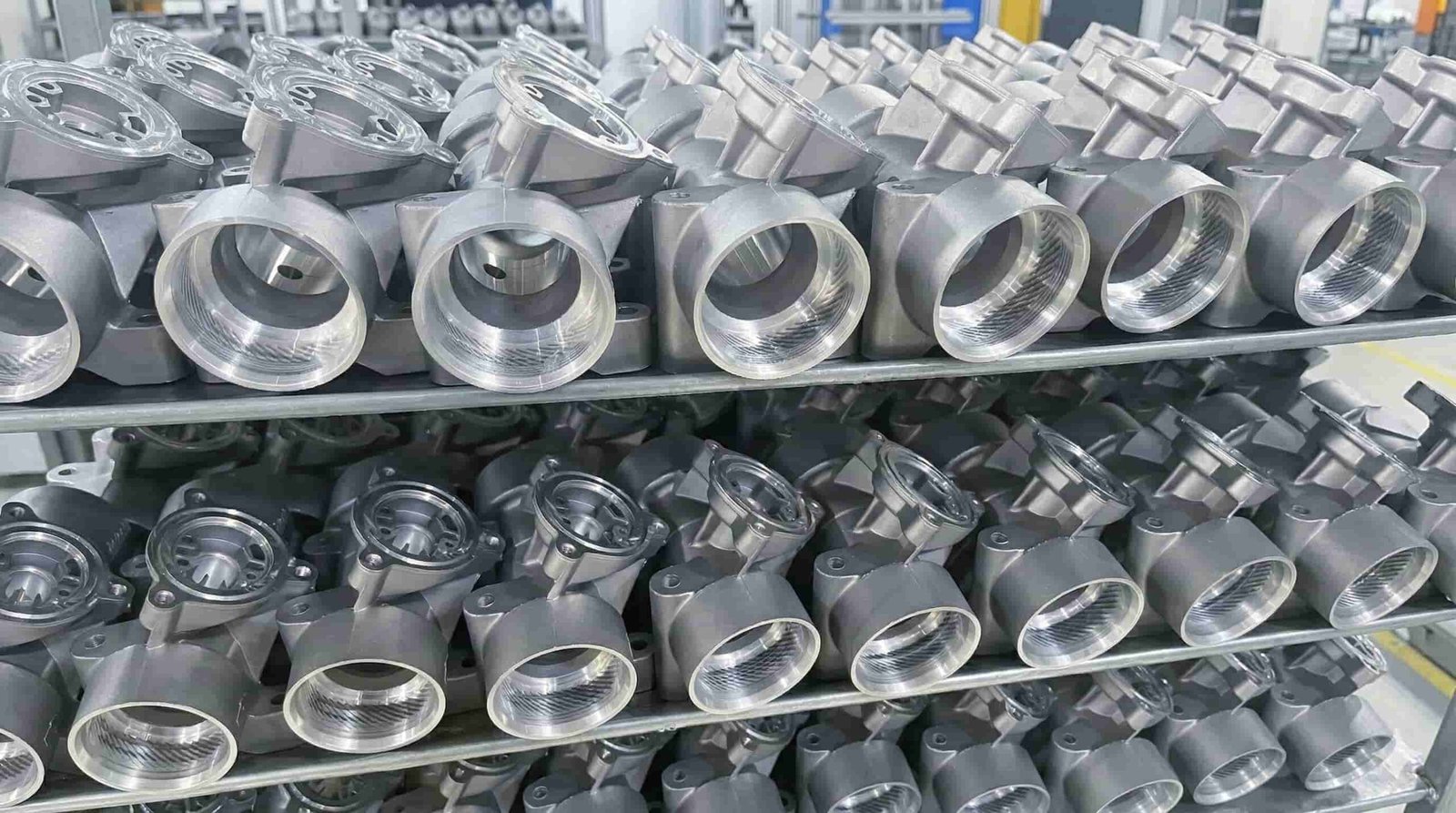
Temperature Management and Wax Types
Different casting applications require different formulations of wax, each with its own specific melting point and flow characteristics. Controlling the temperature of both the reservoir and the nozzle ensures that the wax enters the mold in a fluid state but solidifies rapidly without warping.
Different casting applications require specific wax formulations. Here is a quick reference for common injection temperatures:
| Wax Type | Average Injection Temp | Characteristics | Ideal Application |
|---|---|---|---|
| Aqua/Standard Wax | 150°F (65°C) | Highly fluid, captures excellent detail, slightly brittle. | Fine jewelry and intricate art pieces. |
| Carving/Hard Wax | 165°F (74°C) | Rigid, minimal shrinkage, holds sharp edges well. | Machined parts, heavy industrial components. |
| Flexible/Plast-o-Wax | 155°F (68°C) | Contains plasticizers, bends without breaking, easy removal. | Complex molds with severe undercuts. |
| Pattern Wax (Industrial) | 160°F – 170°F (71°C – 77°C) | Low ash content, dimensionally stable, durable. | Aerospace and automotive investment casting. |
GBM Pro Tip: Monitor your nozzle temperature independently from the main reservoir. A cold nozzle can cause premature solidification, leading to incomplete fills and rejected patterns.
How to use injection wax?
To use injection wax, first load the wax flakes or beads into the injector reservoir and set the appropriate melting temperature. Once fully melted, align your prepared mold with the injector nozzle and apply steady pressure to fill the cavity, allowing it to cool completely before opening.
🎥 Setting Up Your Wax Injector: Follow this practical, step-by-step tutorial on regulating reservoir temperatures, venting molds, and purging the nozzle for bubble-free wax patterns.
Operational Workflow for Injecting Wax
Successfully using injection wax requires a methodical approach to equipment setup and mold handling. Rushing the process often leads to defects like sink marks, bubbles, or non-fills.
- Purge the System: Before injecting into a mold, purge a small amount of wax onto a scrap surface to clear any trapped air or semi-solid wax from the nozzle.
- Vent the Mold: Ensure your silicone or metal mold has adequate air vents cut into it. If air cannot escape, the wax cannot fully enter.
- Align the Sprue: Press the mold firmly against the injector nozzle. The connection must be airtight to prevent hot wax from spraying outward.
- Inject and Hold: Trigger the injection mechanism. Hold the mold against the nozzle for an extra 2-3 seconds after the cavity is full to feed additional wax as the pattern shrinks during initial cooling.
- Extract Carefully: Open the mold gently. Use a gentle blast of compressed air or a soft tool to coax the wax pattern out without bending or distorting it.
GBM Pro Tip: Use talcum powder or a specialized dry spray on silicone molds before injecting. This acts as micro-venting, allowing trapped air to escape and ensuring crisp, bubble-free edges on your wax patterns.
Key Features & Comparison
When evaluating manufacturing processes, it is important to distinguish wax injection molding from traditional plastic injection molding. While the mechanics are similar, the end goals and material properties are vastly different.
To help clarify your manufacturing needs, here is a direct comparison between wax pattern injection and traditional plastic injection molding:
| Feature | Wax Injection Molding | Plastic Injection Molding |
|---|---|---|
| Primary Purpose | Creating sacrificial patterns for metal casting. | Creating final, usable consumer or industrial parts. |
| Material Used | Blended casting waxes (low melting point). | Thermoplastics and thermosetting polymers. |
| Operating Temperatures | Low (150°F – 170°F / 65°C – 77°C). | High (300°F – 600°F / 150°C – 315°C). |
| Injection Pressure | Low (5 – 30 PSI). | Very High (1,000 – 5,000+ PSI). |
| Tooling/Mold Material | RTV Silicone, Aluminum, Soft Metals. | Hardened Steel, Beryllium Copper. |
| Tooling Cost | Low to Moderate. | Very High. |
Cost & Buying Factors
Investing in wax injection molding equipment requires understanding your production volume and precision needs.
- Entry-Level Injectors: Small, manually operated pneumatic wax pots (commonly used in jewelry making) typically range from $200 to $800. These are ideal for small batches and silicone molds.
- Mid-Range Systems: Semi-automatic injectors with digital temperature controls, vacuum capabilities (to eliminate air bubbles), and auto-clamping features range from $1,500 to $5,000.
- Industrial Equipment: Fully automated, multi-station wax injection presses used in aerospace and automotive casting can cost anywhere from $20,000 to over $100,000. These systems offer extreme precision, robotic extraction, and high-tonnage clamping for large metal dies.
- Consumables: High-quality casting wax costs between $3 and $10 per pound, depending on the specific blend and flexibility requirements.
Why Partner with GBM?
Whether you are designing master tooling for wax patterns or seeking to transition a heavy metal component into a lightweight, mass-produced engineering plastic, the foundation of your success lies in the mold. At GBM, we are masters of precision tooling and global injection molding manufacturing.
- World-Class Tooling Capabilities: The flawless surface finish required for investment casting starts with the master die. Our in-house tooling facility utilizes advanced CNC machining to create high-precision aluminum and hardened steel molds with microscopic tolerances. We ensure your molds close perfectly under pressure, eliminating flash and reducing post-processing labor.
- From Prototyping to Mass Production: While wax injection is excellent for specialized metal casting, many of our clients discover that our advanced plastic injection molding solutions can achieve the same structural integrity at a fraction of the cost. We help you evaluate the best manufacturing method for your specific geometry and budget.
- Global B2B Manufacturing Standards: We don’t just build molds; we build reliable international supply chains. GBM consistently delivers high-volume, export-ready components and precision tooling to strict manufacturing markets across North America (USA and Mexico) and Europe (including Germany and Eastern Europe).
- Proactive DFM Engineering: Before any metal is cut, our engineers conduct rigorous Design for Manufacturability (DFM) analysis to optimize gating, cooling, and cycle times, ensuring your production runs flawlessly from the first shot to the millionth.
Great manufacturing starts with a superior mold. Visit gbminjection.com to explore our end-to-end tooling and injection molding capabilities, and let our engineering team optimize your next project for the global market.
Conclusion
Wax injection molding remains an irreplaceable step in the investment casting process, allowing manufacturers to turn complex designs into high-precision metal parts. By mastering the balance of wax temperature, injection pressure, and mold preparation, producers can achieve flawless, repeatable patterns that guarantee the quality of the final cast. Whether you are scaling up a jewelry business or manufacturing aerospace components, investing in the right wax injection equipment is crucial for long-term success. Contact GBM today to explore our advanced molding solutions and elevate your casting capabilities.