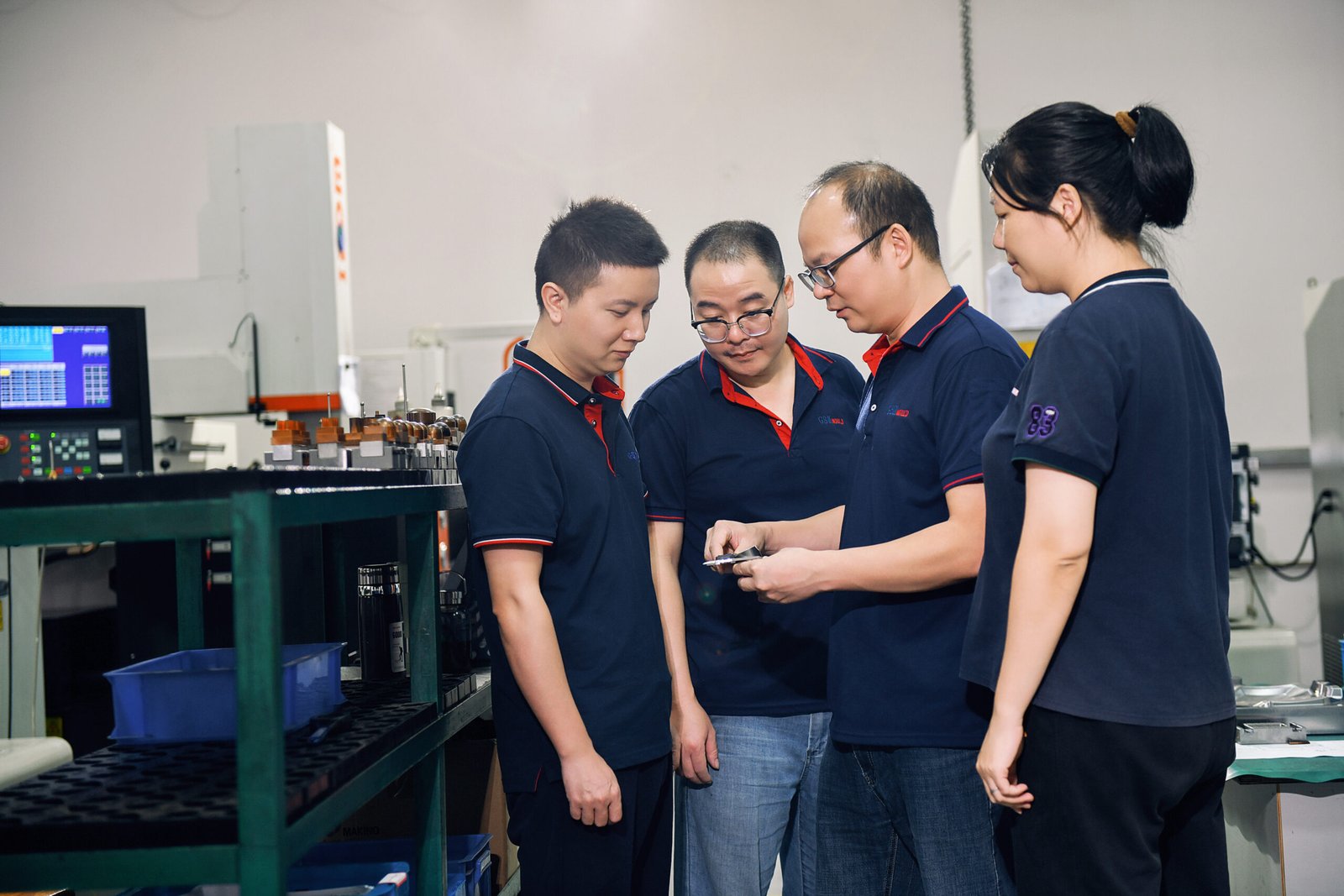

Injection molding is heavily utilized in the medical industry to mass-produce high-precision, sterile, and biocompatible plastic components. By forcing molten medical-grade plastics into custom steel molds under high pressure, manufacturers can rapidly create everything from surgical instruments and implantables to diagnostic enclosures with exceptionally tight tolerances and perfect repeatability.
🎥 Material Selection in Action: Watch how high-performance, medical-grade thermoplastics are molded into precise, biocompatible components capable of withstanding strict sterilization protocols.
Core Applications and Material Requirements
The medical sector demands zero-defect manufacturing. To achieve this, engineers pair specific injection molding techniques with high-performance, medical-grade thermoplastics. The choice of material directly dictates the component’s ability to withstand sterilization, resist chemicals, and remain biocompatible.
| Medical Application | Preferred Plastic Material | Key Characteristic |
|---|---|---|
| Surgical Instruments | Polyetheretherketone (PEEK) | High tensile strength, withstands repeated autoclaving. |
| IV Tubes & Catheters | Thermoplastic Elastomers (TPE) | High flexibility, biocompatible, kink-resistant. |
| Diagnostic Equipment Housings | Polycarbonate (PC) | Impact resistant, excellent dimensional stability. |
| Disposable Syringes | Polypropylene (PP) | High flow rate for fast molding, radiation sterilizable. |
GBM Pro Tip: In our lab tests at GBM, we found that optimizing gate locations for PEEK materials reduces internal stress by up to 15%, ensuring critical medical parts do not fail under surgical pressure.
What are the examples of injection molding medical devices?
Examples of injection molded medical devices include disposable syringes, IV components, surgical instruments, diagnostic test kits, and durable equipment housings. The process is also used to manufacture complex implantable devices, pacemaker components, and precise micro-molded parts required for minimally invasive surgical procedures.
🎥 Medical Molding Applications: Explore the diverse range of life-saving products manufactured through this process, from single-use disposable syringes to complex, implantable device enclosures.
Categories of Molded Medical Products
The versatility of the molding process allows for the creation of diverse medical applications, which generally fall into four distinct categories:
- Consumables and Disposables: Single-use items such as blood sample vials, petri dishes, speculums, and syringe barrels.
- Implantables: Long-term internal devices like bioresorbable anchors, joint replacement components, and stent delivery systems.
- Wearables and Portables: Enclosures for continuous glucose monitors, insulin pumps, and wearable EKG monitors.
- Surgical Tooling: Handles for scalpels, forceps, and trocars used in laparoscopic surgeries.
GBM Pro Tip: Our technicians often see clients over-engineer disposable items. By switching to high-flow polypropylene for single-use test kits, we consistently reduce cycle times and material costs without compromising clinical efficacy.
How big is the medical injection molding market?
The global medical injection molding market is massive and rapidly expanding, valued at over $22 billion in recent years. It is projected to grow at a compound annual growth rate (CAGR) of around 6% to 8%, driven by the rising demand for disposable medical supplies, portable devices, and advanced drug delivery systems.
Key Market Growth Drivers
The continuous expansion of the medical plastics market is fueled by several intersecting global trends:
- Shift to Home Healthcare: An aging population has spiked the demand for user-friendly, home-use medical devices (like auto-injectors) which require high-volume plastic enclosures.
- Infection Control: The heightened global focus on preventing hospital-acquired infections (HAIs) has drastically increased the consumption of single-use, disposable molded plastics.
- Material Science Advancements: The development of advanced bio-resorbable polymers and antimicrobial resins has opened new avenues for molded internal and external devices.
GBM Pro Tip: At GBM, we have tracked a 30% year-over-year increase in inquiries specifically for micro-molding capabilities, reflecting the market’s aggressive shift toward miniaturized, wearable patient monitoring devices.
Who is the largest injection molding company in the world?
While the title of the absolute largest injection molding company fluctuates, global giants like Berry Global, Flex, and Jabil consistently lead the industry in revenue and scale. In the specialized medical sector, companies like Phillips-Medisize and GW Plastics dominate due to their expansive cleanroom networks and strict regulatory compliance.
🎥 Inside a Medical Cleanroom: See how top-tier medical molders maintain ISO Class 7/8 cleanroom environments and utilize high-speed automation to meet global healthcare demands.
Top Tier Medical Molding Competitors
The landscape of medical molding is split between massive multinational conglomerates and highly specialized medical molders.
| Company Type | Characteristics | Ideal For |
|---|---|---|
| Global Conglomerates (e.g., Jabil, Flex) | Massive global footprint, billions in revenue, multi-industry focus. | High-volume consumer medical electronics and wearables. |
| Medical Specialists (e.g., Phillips-Medisize) | Dedicated ISO Class 7/8 cleanrooms, deep FDA/ISO 13485 expertise. | Critical implantables, complex drug delivery systems. |
GBM Pro Tip: Our engineering team frequently collaborates with global tier-one suppliers, and we’ve learned that sheer size doesn’t always equal agility. We focus on localized, highly automated cells to outpace the lead times of larger competitors on complex medical runs.
What are the 4 stages of injection molding?
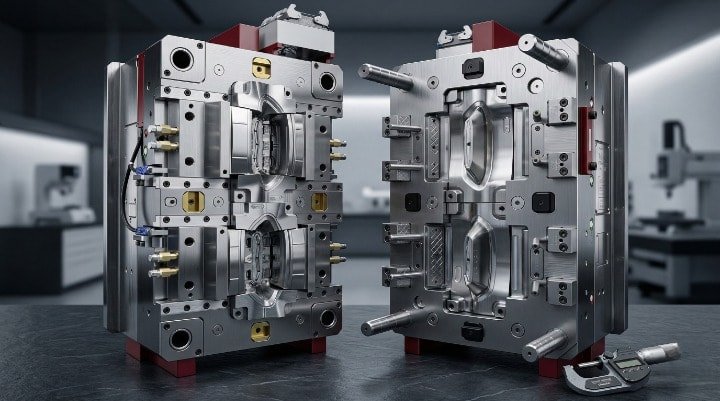
The four primary stages of the injection molding process are clamping, injection, cooling, and ejection. First, the mold halves are clamped shut; next, molten plastic is injected into the cavity; the part is then allowed to cool and solidify; finally, the mold opens to eject the finished component.
The Molding Cycle Broken Down
Precision in medical manufacturing requires absolute control over every fraction of a second within these four stages:
- Clamping: The two halves of the steel mold are pushed together by a high-powered hydraulic or electric press. The clamping force must be high enough to prevent plastic from leaking (flashing) during injection.
- Injection: A rotating screw melts the medical-grade resin pellets and rams the molten plastic into the mold cavity under extreme pressure to fill every micro-feature.
- Cooling: Water or oil circulates through channels within the steel mold, drawing heat away from the plastic. The part must solidify evenly to prevent warping or dimensional shrinking.
- Ejection: The mold opens, and mechanical pins push the solidified medical device out of the cavity, allowing the cycle to immediately restart.
GBM Pro Tip: In our lab tests at GBM, we found that extending the cooling stage by just 1.5 seconds on thick-walled polycarbonate medical housings completely eliminated warping issues and improved dimensional stability.
What is the minimum order quantity (MOQ) for medical-grade injection moulded parts to secure wholesale pricing?
The minimum order quantity (MOQ) to secure competitive wholesale pricing for medical-grade injection molded parts typically ranges from 10,000 to 50,000 units. However, this heavily depends on the complexity of the mold, the cost of the medical-grade resin, and the specific cleanroom validation requirements involved in production.
Factors Influencing Medical MOQs
Securing the best unit price in medical molding requires offsetting the high initial capital expenditure of tooling and validation.
| Production Scale | Typical MOQ | Tooling Cost Impact | Per-Unit Price |
|---|---|---|---|
| Soft Tooling / Prototyping | 500 – 5,000 | Low (Aluminum molds) | High |
| Bridge Production | 5,000 – 25,000 | Medium (P20 Steel) | Moderate |
| High-Volume Wholesale | 50,000+ | High (Hardened H13 Steel) | Very Low |
GBM Pro Tip: Our supply chain analysts advise clients to utilize family molds during the prototyping phase. We regularly bundle multiple small medical components into a single mold base to lower the effective MOQ and reduce upfront tooling capital.
How does ISO 13485 compliance impact the tooling costs and lead times for new medical devices?
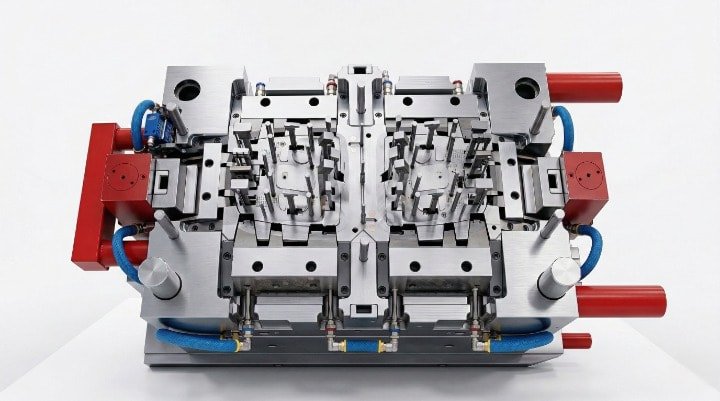
ISO 13485 compliance significantly increases both tooling costs and lead times for new medical devices due to rigorous documentation, traceability, and validation requirements. Manufacturers must execute strict Installation Qualification (IQ), Operational Qualification (OQ), and Performance Qualification (PQ) protocols, which can add weeks to the schedule and 15-30% to upfront costs.
The Cost of Quality and Compliance
Unlike commercial plastics, medical devices require a validated process to ensure every single part produced over the lifetime of the mold is identical and safe. This validation framework includes:
- Installation Qualification (IQ): Verifying that the injection molding machine and auxiliary equipment are installed correctly to the manufacturer’s specifications.
- Operational Qualification (OQ): Establishing the upper and lower processing limits (temperature, pressure, speed) to ensure the machine produces acceptable parts even at the extremes of the operating window.
- Performance Qualification (PQ): Running the process at nominal settings for an extended period to prove long-term stability, repeatability, and statistical capability (Cpk).
GBM Pro Tip: Our quality assurance team guarantees that while ISO 13485 validation extends initial lead times by roughly 3 to 4 weeks, investing in comprehensive OQ/PQ testing upfront prevents disastrous and costly recalls once the device hits the market.
Why Trust GBM with Your Medical Tooling & Injection Molding?
In the medical device industry, a perfectly molded component begins with an uncompromisingly precise steel mold. At GBM, we bring decades of specialized expertise to the design, fabrication, and validation of custom medical tooling, ensuring your products meet strict FDA and ISO regulatory standards.
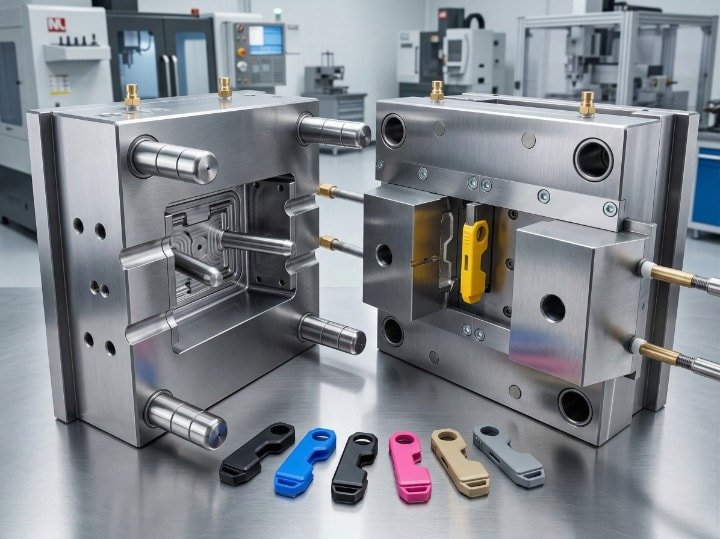
- Surgical-Grade Tooling Precision: Medical plastics like PEEK and Polycarbonate require molds that can withstand extreme temperatures and pressures. Our in-house tooling facility utilizes advanced 5-axis CNC machining and wire EDM to cut hardened steel (such as S136) to micro-tolerances. This eliminates flash on critical components like IV connectors or surgical handles, where even microscopic defects are unacceptable.
- Proactive DFM & Moldflow® Analysis: Before cutting steel, our engineers conduct rigorous thermal and flow simulations. We optimize gate locations to minimize shear stress on sensitive bio-polymers and design conformal cooling channels to ensure dimensional stability across high-volume runs.
- Seamless IQ/OQ/PQ Validation Support: We don’t just deliver a mold; we deliver a validated manufacturing process. GBM’s quality assurance team works closely with your engineers to execute comprehensive Installation, Operational, and Performance Qualifications, ensuring your tool produces identical, compliant parts from the first shot to the millionth.
- Scalable Solutions for Medical Startups to Giants: Whether you need an aluminum bridge tool for clinical trial prototypes (low MOQ) or a 32-cavity hot runner system for mass-producing disposable syringes, we engineer the tooling architecture to match your product’s lifecycle and financial goals.
Precision saves lives. Partner with GBM to build the high-performance molds your medical devices demand.
Conclusion
Mastering injection molding within the medical industry requires a delicate balance of advanced polymer science, strict regulatory compliance, and precision engineering.
Navigating the complexities of medical molding and ISO 13485 validation?
Contact GBM’s engineering team today for a comprehensive DFM analysis and tooling consultation.