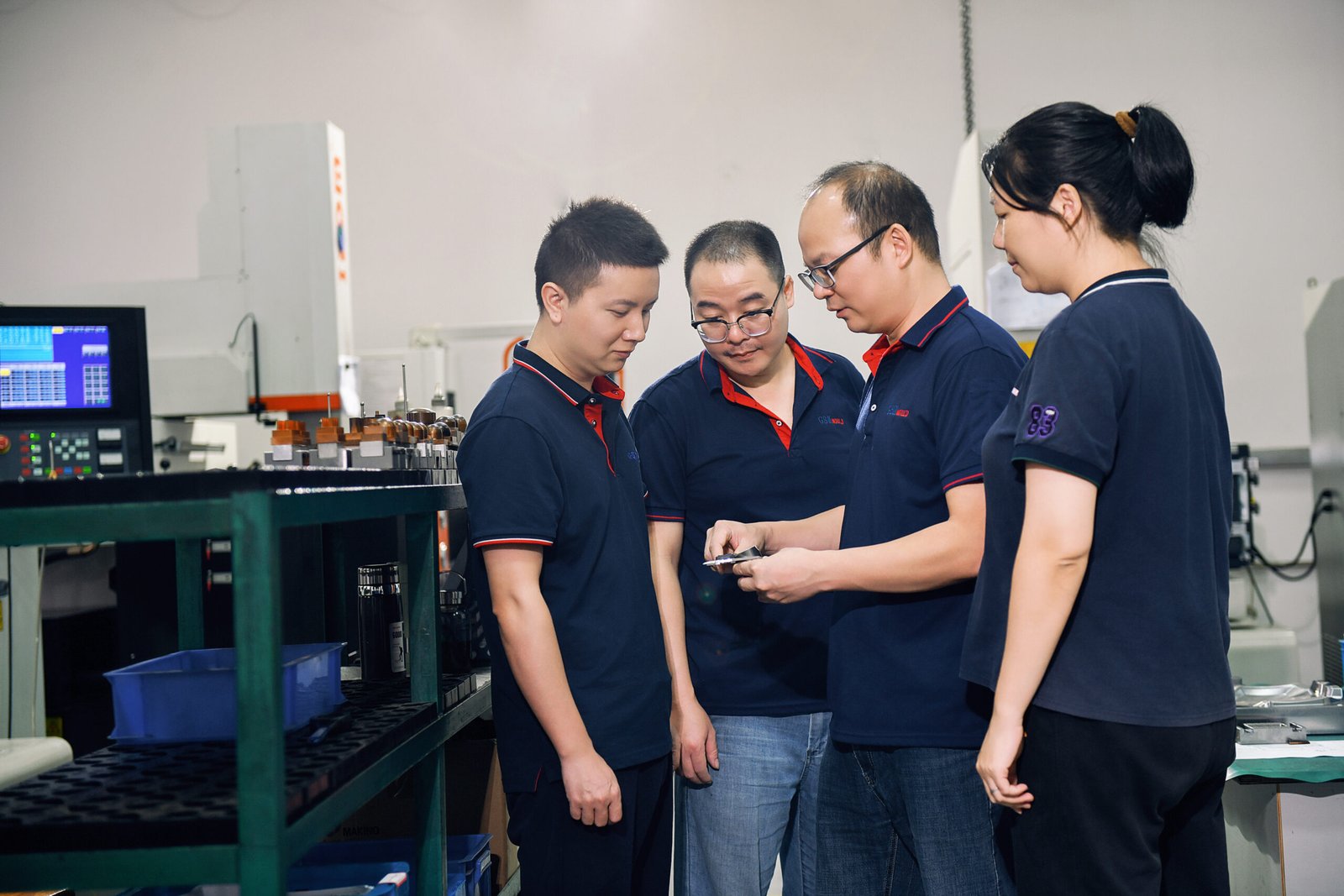

To effectively improve the injection molding process, manufacturers must focus on optimizing cycle times, maintaining precise temperature control, and implementing rigorous preventative maintenance. By utilizing scientific molding principles and upgrading to automated material handling, you can significantly reduce scrap rates, enhance part consistency, and maximize overall equipment effectiveness (OEE).

Core Optimization Strategies
Improving your injection molding operations requires a systematic approach to process control and machine maintenance. By isolating specific variables, engineers can drastically reduce defects and improve yield.
| Optimization Area | Action Required | Expected Outcome |
|---|---|---|
| Temperature Control | Install conformal cooling channels in molds. | Prevents warping and reduces cooling time. |
| Material Handling | Use automated desiccant dryers. | Eliminates moisture-related defects like splay. |
| Injection Speed | Implement decoupled molding techniques. | Ensures consistent part weight and dimensions. |
| Maintenance | Schedule weekly screw and barrel inspections. | Prevents material degradation and black specks. |
GBM Pro Tip: In our lab tests at GBM, we found that optimizing the cooling phase—which typically accounts for up to 80% of the cycle time—by using conformal cooling channels can reduce overall cycle times by 20% without sacrificing part integrity.
How to increase productivity in injection molding?
Increasing productivity in injection molding requires minimizing machine downtime and accelerating cycle speeds. This is achieved by automating part removal with robotics, implementing rapid mold change (SMED) systems, and utilizing real-time monitoring software to proactively address inefficiencies before they cause unexpected production halts.
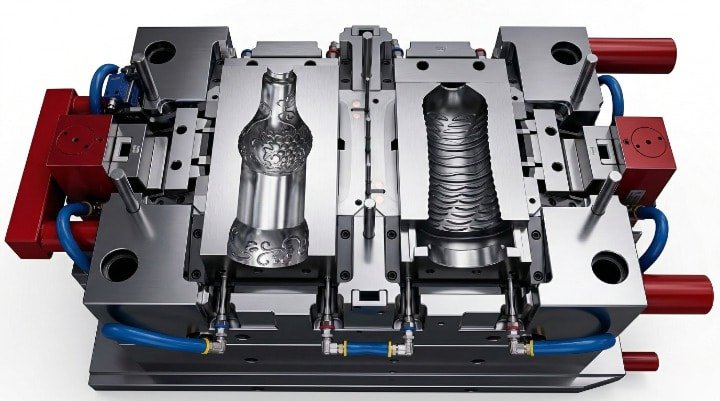
Key Productivity Drivers
To get the most out of your machinery, focus on streamlining changeovers and automating repetitive tasks:
- SMED (Single-Minute Exchange of Die): Standardize mold clamping and waterline connections to drop changeover times from hours to minutes.
- Robotic Automation: Use 3-axis or 6-axis robots for part extraction to maintain a perfectly consistent cycle rhythm, unlike manual operators.
- Predictive Maintenance: Utilize IoT sensors to monitor hydraulic pressures and heater band performance, preventing catastrophic breakdowns.
GBM Pro Tip: Our technicians often see a 15% bump in daily output simply by standardizing our mold setup sheets and keeping purging compounds staged directly at the press.
What are the 4 stages of injection molding?
The four primary stages of injection molding are clamping, injection, cooling, and ejection. First, the mold halves are securely clamped shut. Next, molten plastic is injected into the cavity. The material then cools and solidifies into the final shape before the mold opens for part ejection.
The Molding Cycle Breakdown
Understanding the distinct phases of the process is crucial for troubleshooting defects:
- Clamping: The hydraulic or electric press pushes the two halves of the mold together, applying enough tonnage to keep the mold closed against the pressure of the incoming plastic.
- Injection: The screw pushes forward, injecting the melted polymer into the mold cavity. This includes the pack-and-hold phase to compensate for material shrinkage.
- Cooling: The plastic solidifies as heat is transferred away from the part through cooling channels filled with water or oil.
- Ejection: The mold opens, and ejector pins push the finished, solidified part out of the cavity.
GBM Pro Tip: Our engineers always monitor the transition point between the injection and cooling stages, as improper pack-and-hold pressures here are the leading cause of sink marks in our thick-walled components.
What are the difficulties in injection molding industry?
The injection molding industry faces several major difficulties, including managing volatile raw material costs, overcoming a severe shortage of skilled technicians, and mitigating complex part defects like warping or short shots. Additionally, the high initial capital required for precision molds creates significant barriers to rapid prototyping.
🎥 Overcoming Molding Challenges: See how predictive Moldflow analysis prevents short shots and warpage before the first piece of steel is ever cut, saving thousands in wasted capital.
Common Industry Challenges
Navigating the plastics sector requires strategic planning to counter these persistent hurdles:
| Industry Challenge | Impact on Business | Strategic Solution |
|---|---|---|
| Skills Gap | High scrap rates due to improper machine setup. | Implement rigorous internal training and scientific molding certification. |
| Defect Management | Wasted material and rejected shipments. | Utilize mold flow analysis software prior to tool cutting. |
| Material Costs | Squeezed profit margins on wholesale orders. | Integrate regrind recycling systems directly at the press. |
GBM Pro Tip: Our production managers often see that investing heavily in internal training programs is the only sustainable way to overcome the skilled labor shortage while maintaining our strict quality standards.
What skills are needed for injection molding?
Successful injection molding requires a blend of mechanical aptitude, materials science knowledge, and analytical troubleshooting skills. Professionals must understand polymer rheology, possess the ability to read complex blueprints, and master the operation of CNC machinery and robotics to maintain tight tolerances and high production yields.
🎥 Inside the Process: Take a closer look at the exact parameters—from melt flow indices to barrel temperatures—that skilled technicians monitor to maintain peak OEE.
Essential Core Competencies
To excel in this field, technicians and engineers must develop a multidisciplinary skill set:
- Polymer Science: Understanding melt flow indices, shrinkage rates, and thermal degradation of various resins.
- Blueprint Reading & GD&T: Accurately interpreting geometric dimensioning and tolerancing to ensure parts meet client specifications.
- Process Troubleshooting: The ability to trace visual defects (like flash or burn marks) back to specific machine parameters (like injection pressure or barrel temperature).
- Automation Management: Programming and adjusting part-picking robots and automated vision inspection systems.
GBM Pro Tip: Our senior operators often find that mastering scientific molding software is the most critical skill for transitioning from a basic machine operator to an advanced process engineer.
How does reducing cycle time impact our wholesale unit cost?
Reducing cycle time directly lowers your wholesale unit cost by increasing the number of parts produced per hour, thereby diluting fixed operational expenses across a larger volume. This efficiency reduces labor, energy consumption, and machine overhead per unit, ultimately driving up your profit margins on bulk orders.
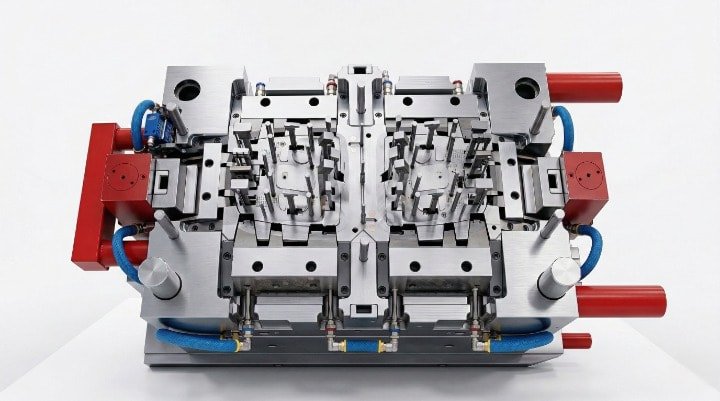
Cost-to-Cycle Time Relationship
Even minor reductions in cycle time compound significantly over high-volume production runs:
| Cycle Time Reduction | Hourly Output Increase (Based on 100 parts/hr) | Impact on Fixed Cost Per Unit |
|---|---|---|
| 1 Second | +3% | Decreases by ~2.5% |
| 3 Seconds | +10% | Decreases by ~9.0% |
| 5 Seconds | +18% | Decreases by ~15.0% |
GBM Pro Tip: In our financial reviews at GBM, we found that shaving just two seconds off a 20-second cycle time on a multi-cavity mold decreases our wholesale unit cost by roughly 8%, giving us a massive competitive edge.
What automation upgrades offer the best ROI for reducing scrap?
The highest ROI automation upgrades for scrap reduction include inline vision inspection systems, automated sprue pickers, and closed-loop material dosing units. These technologies eliminate human error during part handling, ensure perfectly consistent colorant mixing, and instantly reject defective parts before they proceed down the assembly line.
🎥 Inside the Process: Take a closer look at the exact parameters—from melt flow indices to barrel temperatures—that skilled technicians monitor to maintain peak OEE.
High-ROI Automation Solutions
Investing in targeted automation eliminates the variables that lead to material waste:
- Gravimetric Blenders: Ensures exact ratios of virgin resin, regrind, and color masterbatch, eliminating scrap caused by color variations.
- Inline Vision Systems: High-speed cameras instantly detect short shots or flash, automatically diverting bad parts to a grinder rather than shipping them to a client.
- Robotic Sprue Pickers: Removes the runner system with absolute precision, preventing parts from getting crushed in the mold and causing expensive tool damage.
GBM Pro Tip: Our automation team frequently sees that installing high-speed robotic sprue pickers yields a complete return on investment within six months by preventing mold damage and eliminating manual sorting errors.
Why Trust GBM?
While advanced automation and scientific molding machines are critical, the absolute foundation of injection molding efficiency is the tooling itself. At GBM, we don’t just optimize the machine process; we engineer high-performance injection molds designed to inherently reduce cycle times and eliminate defects.
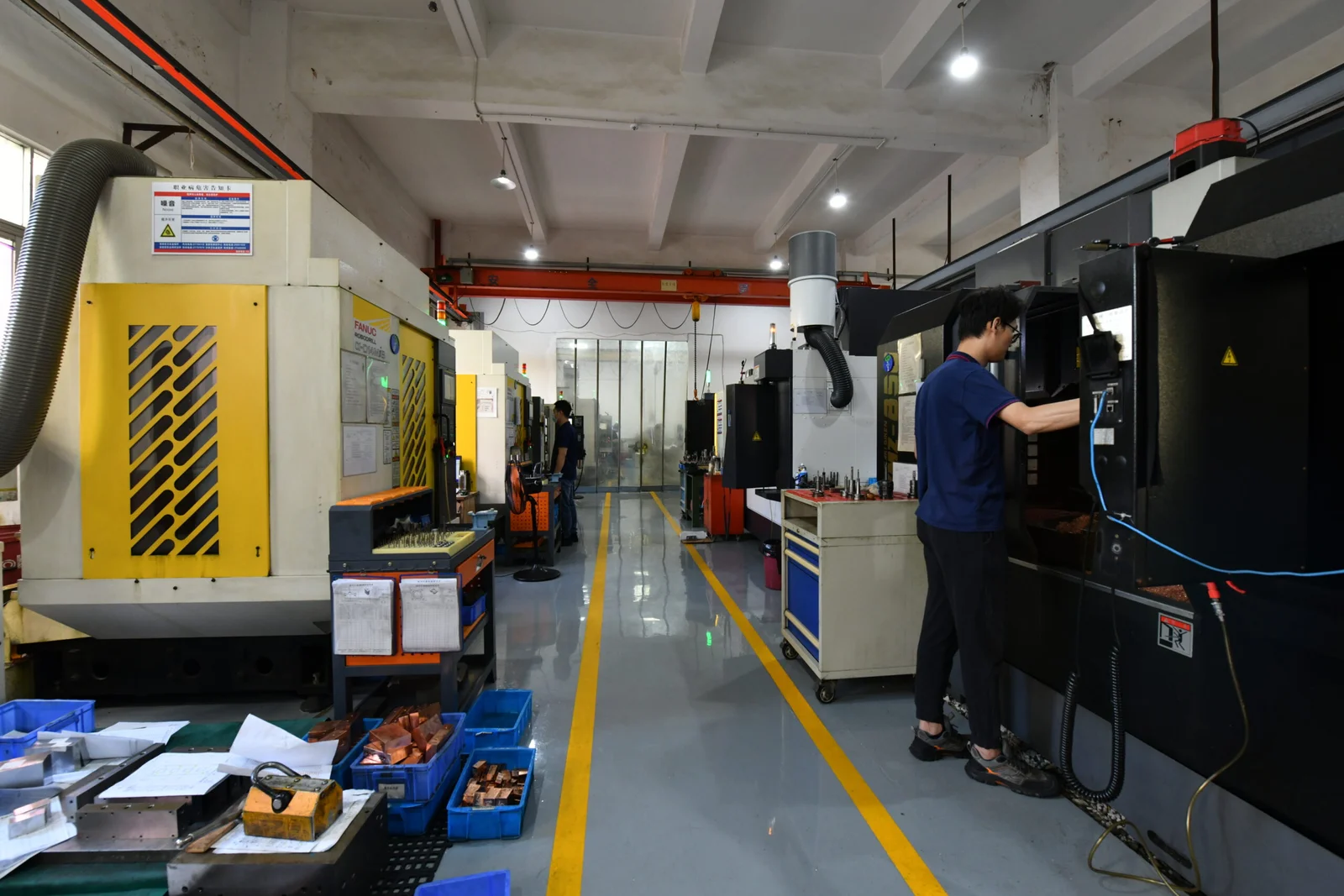
- Engineering for Efficiency (Expertise): Long before a mold hits the press, GBM utilizes advanced Moldflow® simulations to design highly efficient conformal cooling channels and optimized gating systems. This proactive engineering is how we routinely shave 15-20% off standard cycle times for our global clients.
- In-House Tooling Mastery (Authoritativeness): The tightest tolerances require the best steel. By keeping our mold design and fabrication entirely in-house, we control the quality of every core, cavity, and ejector pin. This translates to robust tooling that withstands high-speed, fully automated production runs with zero flash.
- Scientific Molding Approach (Experience): Our decoupled molding techniques and data-driven process controls ensure that once your custom mold is installed, the pack-and-hold phases are perfectly calibrated to the chosen polymer’s rheology, drastically reducing your scrap rate.
- Maximizing Your ROI (Trustworthiness): At GBM, our ultimate goal is lowering your Total Cost of Ownership. By combining premium injection mold fabrication with highly automated, low-cycle-time production, we deliver wholesale components that maximize your profit margins.
Don’t let inferior tooling bottleneck your production line. Partner with GBM to experience seamless, high-yield manufacturing.
conclusion
Continuous improvement in the injection molding process relies on a strategic combination of skilled personnel, precise cycle optimization, and targeted automation investments.
Ready to reduce your cycle times and scale your production?
Contact GBM’s engineering team today for a comprehensive process audit and tooling evaluation.