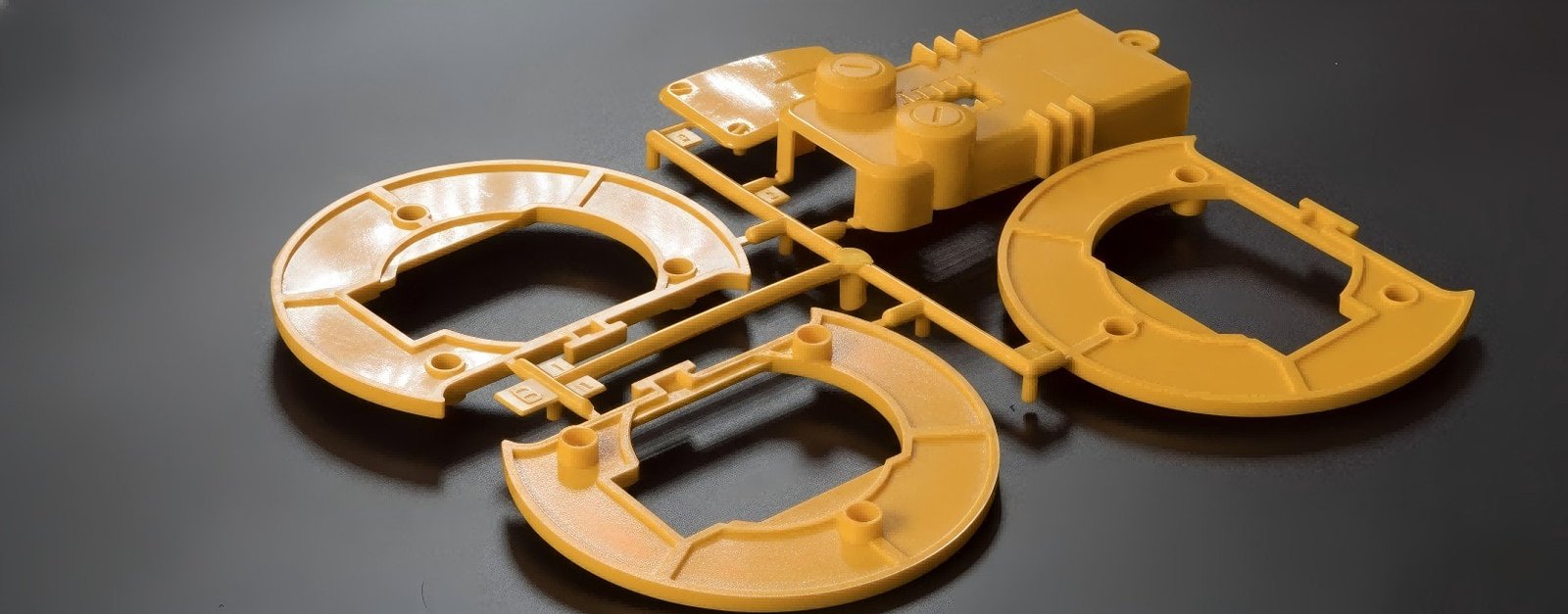
Injection molding is a premier manufacturing process known for its ability to produce identical parts in high volumes with exceptional precision and low per-unit costs. The primary advantages include high efficiency, material versatility, and detailed repeatability, while the disadvantages involve high initial tooling costs, long lead times for mold fabrication, and strict design limitations regarding wall thickness and undercuts.
Key Manufacturing Trade-offs
When evaluating injection molding for your production line, it is essential to weigh the operational efficiency against the upfront investment. Below is a breakdown of the core trade-offs we analyze in engineering:
| Feature | Advantage | Disadvantage |
|---|---|---|
| Production Speed | Extremely fast cycle times (15-60 seconds). | N/A |
| Cost Structure | Very low piece price at high volumes. | Very high initial mold cost ($5k – $100k+). |
| Part Complexity | Handles complex geometries and details. | Design changes are difficult after tooling is cut. |
| Material Waste | Low waste; scrap can often be reground. | Runners and sprues generate waste (if not hot runner). |
GBM Pro Tip: In our lab tests at GBM, we found that moving from a single-cavity aluminum mold to a multi-cavity steel mold reduced the per-unit cost by 40% once production exceeded 10,000 units. We always advise clients to calculate their break-even point before committing to Class I tooling.
Pros and Cons of Injection Molding
The pros of injection molding are dominated by its scalability, allowing for the rapid production of millions of parts with minimal finishing requirements. However, the cons include a lack of flexibility for design changes once the steel is cut, potential for defects like warping or sink marks, and high energy consumption during the melting and cooling phases.
Detailed Operational Analysis
To understand the full scope, we must look beyond the brochure and into the operational reality of the shop floor.
- Pros:
- Enhanced Strength: We can use fillers (glass fiber, talc) to increase part density and strength.
- Automation: The process is highly automated with robotic pickers, reducing labor costs.
- Surface Finish: Molds can be textured to provide polished, matte, or grainy finishes directly from the tool.
- Cons:
- Lead Time: Building a production-grade mold can take 8-12 weeks.
- Size Limitations: Massive parts require massive machines (high tonnage), which are expensive to operate.
GBM Pro Tip: Our technicians often see clients struggle with “sink marks” on thick sections of a part. We recommend coring out thick areas to maintain uniform wall thickness, which mitigates sinking and reduces cooling time.
Which company is best for an injection molding machine?
Selecting the best injection molding machine manufacturer depends entirely on your specific application, with Engel and Arburg leading the market for high-precision all-electric machines. For heavy-duty industrial applications requiring high clamping force, Husky is a top contender, while Haitian provides excellent value for general-purpose, high-volume manufacturing needs.
Market Leaders by Application
At GBM, we categorize machine manufacturers based on their specialized strengths:
- Precision & Medical: Engel, Arburg (Known for tie-bar-less designs and cleanroom readiness).
- High-Speed Packaging: Husky (Dominates the PET preform and closure market).
- General Automotive/Consumer: KraussMaffei, Haitian (Robust hydraulic and hybrid systems).
- Micro-Molding: Boy Machines, Sumitomo (Specialized for tiny, high-tolerance parts).
GBM Pro Tip: We strongly suggest evaluating the local service network of the manufacturer. Even the best machine is a liability if spare parts take weeks to arrive. We prioritize brands that have service technicians within a 4-hour drive of our facility.
Injection Mold Lifespan
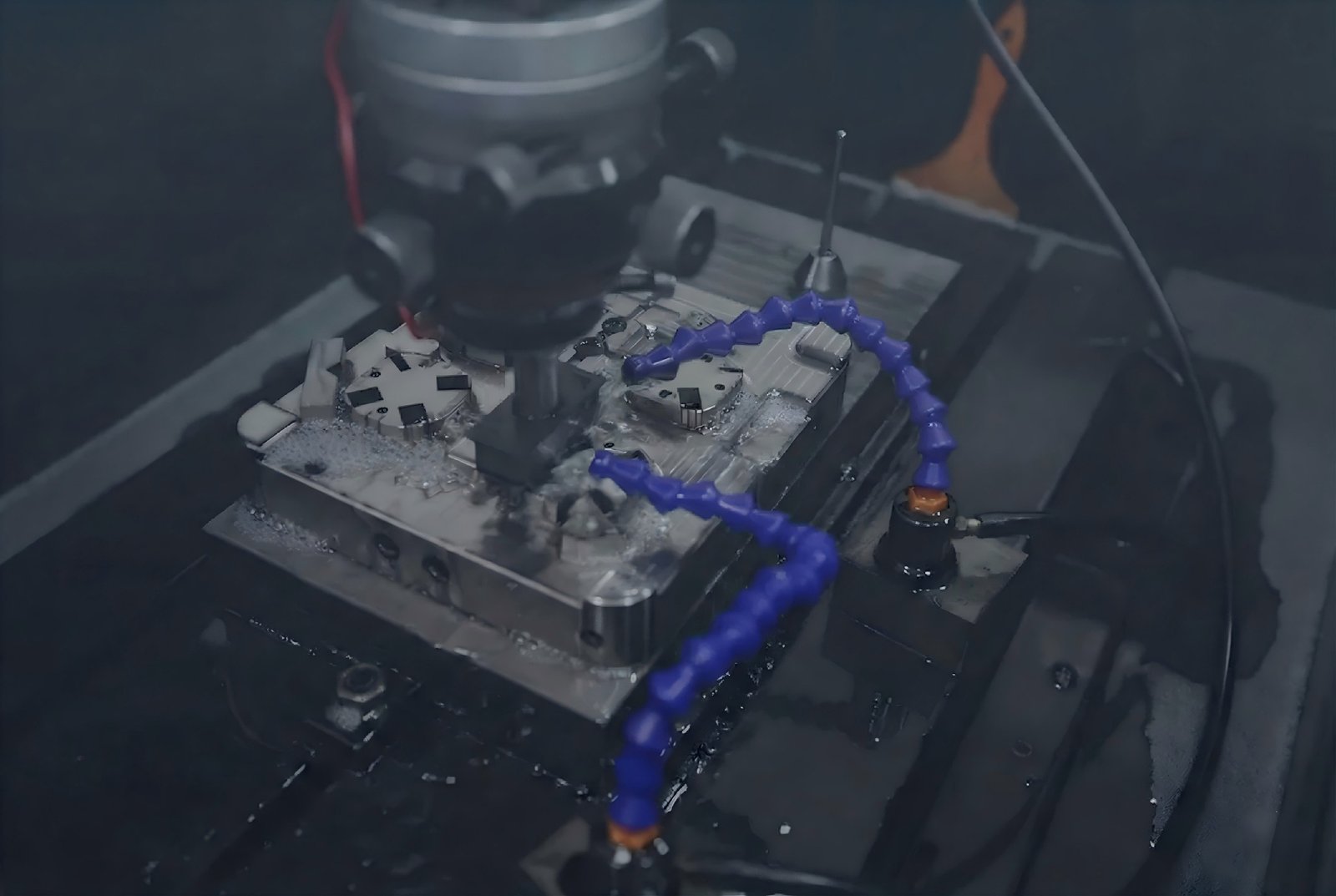
The lifespan of an injection mold ranges from as few as 1,000 cycles for 3D-printed or soft aluminum prototyping molds to over 1,000,000 cycles for hardened tool steel molds. The longevity is dictated by the SPI mold classification, the abrasiveness of the plastic resin used, and the rigor of the maintenance schedule.
SPI Mold Classifications
The Society of the Plastics Industry (SPI) classifies molds to set expectations for life cycles:
| Class | Material | Expected Cycles | Best For |
|---|---|---|---|
| Class 101 | Hardened Steel (420 SS) | > 1,000,000 | Ultra-high volume mass production. |
| Class 102 | Hardened Steel | 500k – 1M | High volume, abrasive materials. |
| Class 103 | Pre-hardened Steel | < 500,000 | Mid-volume production (Standard). |
| Class 104 | Aluminum / Mild Steel | < 100,000 | Low volume, non-abrasive resins. |
GBM Pro Tip: Our maintenance logs show that running glass-filled nylon reduces mold life by roughly 30% compared to standard polypropylene due to abrasion. We always coat our Class 101 cores with Diamond-Like Carbon (DLC) to extend life when running abrasive fillers.
Process Limitations & Constraints
The primary limitations of injection molding are the strict design rules required to eject the part, such as the avoidance of undercuts and the necessity for draft angles. Additionally, the process is not economically viable for small production runs due to setup costs, and large parts are limited by the clamping tonnage of available machinery.
Design & Process Constraints
- Undercuts: Features that prevent the mold from opening directly are impossible without expensive “slides” or “lifters.”
- Wall Thickness: Walls must be uniform. Varying thickness causes warping and uneven cooling.
- Draft Angles: Vertical walls must be tapered (usually 1-2 degrees) to allow the part to release from the mold.
GBM Pro Tip: We frequently reject designs that lack draft angles. If a vertical surface has a texture, we require an additional 1.5 degrees of draft per 0.001 inch of texture depth to prevent drag marks during ejection.
High Initial Tooling Costs?
Yes, high initial tooling costs are the most significant barrier to entry for injection molding, with prices often exceeding $10,000 for simple geometries and $100,000 for complex multi-cavity tools. These costs cover the precision CNC machining and EDM (Electrical Discharge Machining) required to shape hardened steel blocks into the negative of your part.
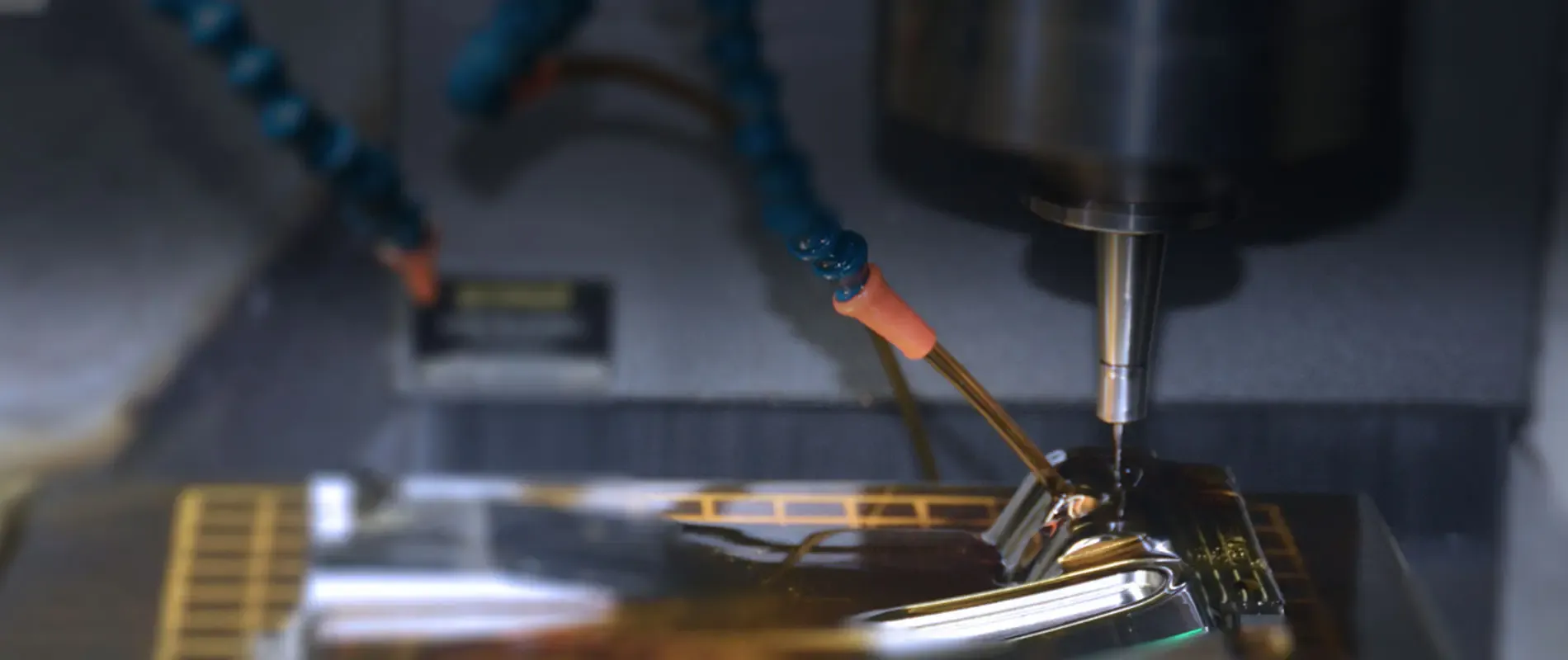
Cost Drivers in Tooling
- Cavitation: A 4-cavity mold costs more than a 1-cavity mold (though it lowers part price).
- Mold Base: The standard frame holding the cavity and core inserts.
- Action Mechanisms: Side-pulls or hydraulic cores for undercuts increase cost exponentially.
- Steel Grade: P20 steel is cheaper than H13 hardened steel but wears out faster.
GBM Pro Tip: To lower initial costs for our startups, we often utilize “Master Unit Die” (MUD) inserts. This allows us to use a shared standard mold base and only machine the small inserts for the specific part, reducing tooling costs by up to 60%.
Scalability for Mass Production?
Injection molding is the gold standard for scalability, offering the ability to ramp up from thousands to millions of units with consistent quality. Once the initial tooling is validated, increasing output is simply a matter of adding raw material and machine hours, or utilizing multi-cavity molds to produce dozens of parts per cycle.
Scaling Mechanics
- Cycle Time Reduction: Optimizing cooling channels can drop cycle times from 40s to 15s, doubling output.
- Multi-Cavity Tooling: Transitioning from a 1-cavity to a 16-cavity mold increases production 1600% without changing the machine speed.
- Lights-Out Manufacturing: Automated hoppers and robotic arm removal allow machines to run 24/7 without human intervention.
GBM Pro Tip: We advise clients to start with a single-cavity “soft tool” to validate the design. Once the market demand is proven, we invest in a multi-cavity hardened production tool. This staged approach protects capital while ensuring scalability is available when needed.
Why Choose GBM for Injection Molding?
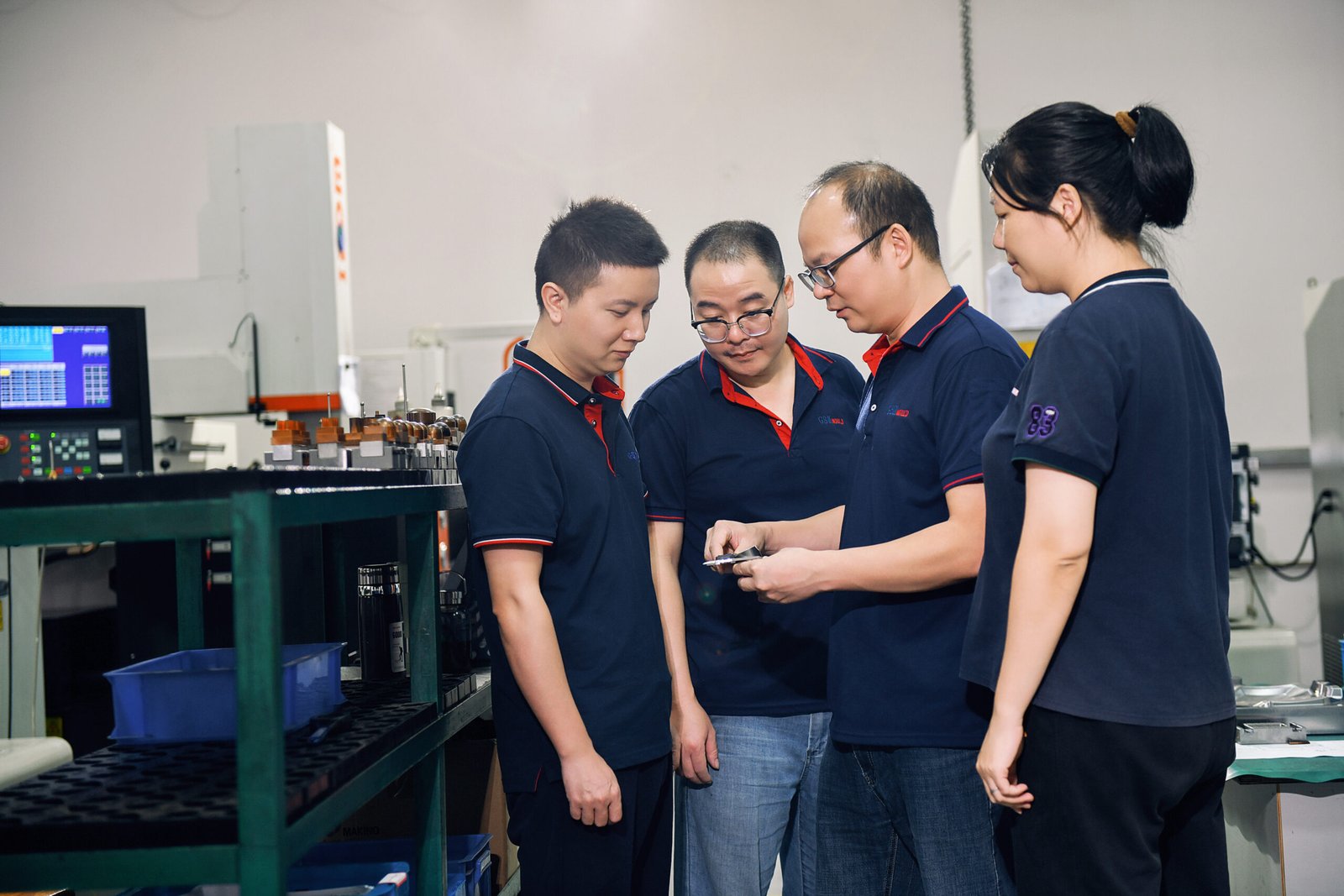
GBM is a premier global manufacturer specializing in high-precision injection molding and custom tooling solutions for industrial applications. We control the entire manufacturing lifecycle in-house—from initial DFM (Design for Manufacturability) analysis to multi-cavity mass production—ensuring strict tolerances, superior material performance, and optimal cost-efficiency for every project.
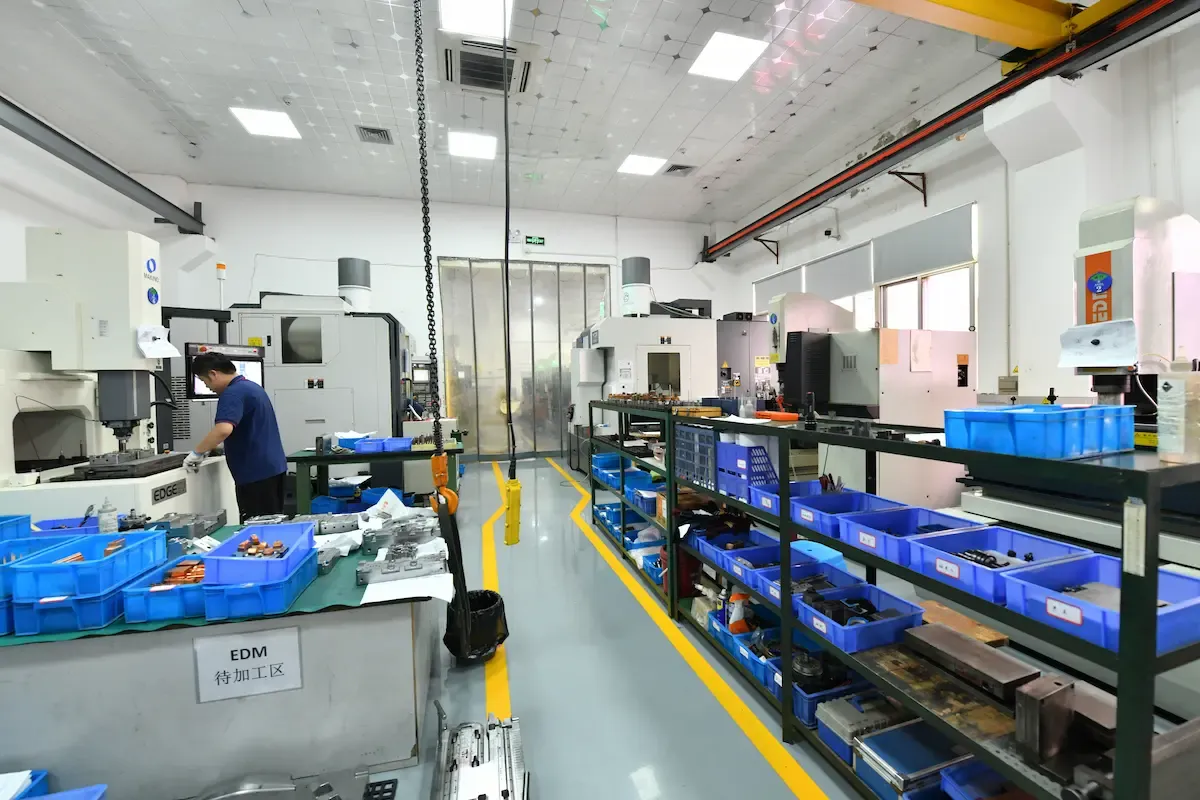
Partnering with GBM means plugging your supply chain directly into decades of engineering expertise dedicated to overseas B2B buyers and engineers. We don’t just build molds; we optimize your part’s geometry to eliminate defects, select the perfect resin for your specific environment, and leverage our advanced automated production lines to deliver flawless, scalable results that give your brand a decisive competitive edge in the market.
Conclusion
Injection molding remains the dominant manufacturing method for mass-producing plastic parts due to its unmatched efficiency and low variable costs. While the barrier to entry is high regarding tooling investment and design constraints, the long-term benefits in scalability and part consistency make it indispensable for industrial production.