
The primary materials used for injection molding are thermoplastics, thermosets, and elastomers. While thousands of resin grades exist, the most frequently utilized materials include Polypropylene (PP), Acrylonitrile Butadiene Styrene (ABS), Polyethylene (PE), and Polystyrene (PS). For specialized industrial applications, manufacturers employ engineering-grade resins like Polycarbonate (PC) and Nylon (PA) for their superior strength and heat resistance.
🎥 Watch our material overview: See how thermoplastics and elastomers perform under various industrial stress tests.
Classification of Molding Resins
Selecting the correct resin is critical for part performance. Materials are generally categorized by their thermal behavior and mechanical properties. Thermoplastics, which can be melted and solidified repeatedly, dominate the industry due to their recyclability.
| Material Category | Common Examples | Key Characteristics | Typical Applications |
|---|---|---|---|
| Commodity Plastics | PP, PE, PS, PVC | Low cost, easy to process, good chemical resistance. | Packaging, toys, containers. |
| Engineering Plastics | ABS, PC, Nylon (PA) | High strength, impact resistance, thermal stability. | Automotive parts, electronics, gears. |
| High-Performance | PEEK, PEI, PPS | Extreme heat resistance, chemical inertness. | Aerospace components, medical implants. |
| Elastomers | TPE, TPU, Silicone | Rubber-like flexibility, shock absorption. | Grips, seals, gaskets. |
GBM Pro Tip: In our lab tests at GBM, we found that material shrinkage rates are the most overlooked factor during the design phase. We always recommend selecting your resin before finalizing the mold design, as a mold built for ABS (0.5% shrinkage) will produce out-of-spec parts if you switch to Polypropylene (1.5% shrinkage) later.
What material is used for injection molding?
Injection molding utilizes a vast spectrum of polymers, primarily divided into thermoplastics and thermosetting plastics. Thermoplastics like Nylon and Polycarbonate are preferred for their versatility and reusability. Conversely, thermosets such as epoxy or phenolic resins are used for permanent, heat-resistant components because they undergo an irreversible chemical change during curing and cannot be remelted.
🎥 The Resin Selection Process: Discover the critical factors between mechanical load, environmental resistance, and regulatory compliance.
Selection Criteria for Resins
When we assist clients in selecting a material, we evaluate three primary pillars of performance:
- Environmental Resistance: Will the part be exposed to UV light, chemicals, or extreme temperatures? (e.g., ASA is preferred over ABS for outdoor use).
- Mechanical Load: Does the part need to withstand impact or constant stress? (e.g., Polycarbonate is chosen for high-impact resistance).
- Regulatory Compliance: Does the material require FDA approval for food contact or UL ratings for flammability?
GBM Pro Tip: Our technicians often see failures in parts where “generic” material callouts were used. We advise specifying the exact grade (e.g., “Sabic Cycolac MG47” instead of just “ABS”) because additives like UV stabilizers or glass fibers significantly alter the processing parameters and final part durability.
What is the cheapest material for injection molding?
Polypropylene (PP) and Polyethylene (PE) are widely considered the cheapest materials for injection molding. Their low raw material cost, combined with low density, allows manufacturers to produce a higher volume of parts per pound of resin. Additionally, their ease of flow enables faster cycle times, further reducing total manufacturing costs.
Cost-Efficiency Factors
While raw price per pound is important, the “cost per cubic inch” is the true metric for injection molding economics.
- Specific Gravity: Materials with lower specific gravity (like PP at ~0.90) fill more mold volume per pound than heavy materials (like PVC at ~1.40).
- Cycle Time: Commodity plastics cool and solidify quickly, allowing for higher output rates.
- Regrind Usage: PP and PE accept recycled “regrind” material well, which can lower material costs by 20-30% for non-critical parts.
GBM Pro Tip: We have successfully reduced project costs for clients by switching from ABS to mineral-filled Polypropylene. While ABS is a standard “go-to,” mineral-filled PP often provides sufficient stiffness and better chemical resistance at roughly 60% of the material cost.
What are the most common injection molded products?
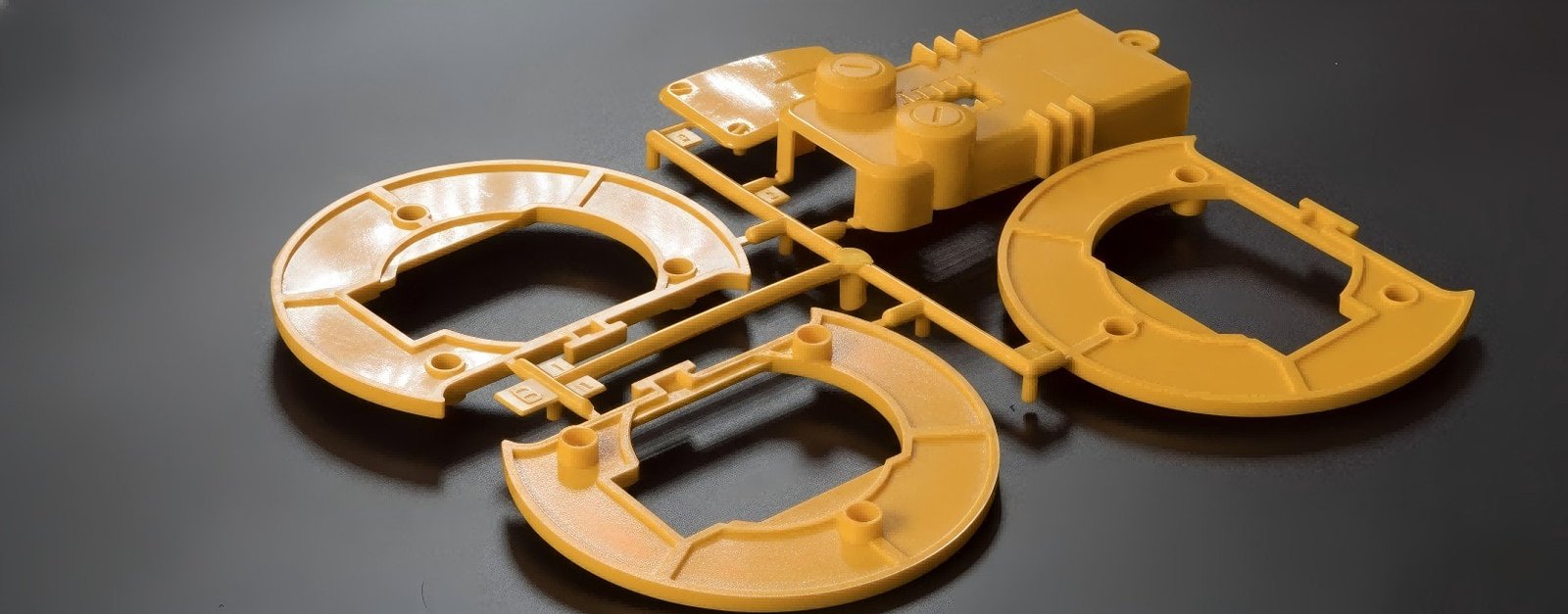
Injection molding is responsible for producing the vast majority of plastic products we use daily. Common items include packaging components like bottle caps and crates, automotive interiors such as dashboards and knobs, medical devices like syringes and surgical tools, and consumer electronics housings. The process is ideal for mass-producing intricate shapes with high precision.
Product Categories by Industry
- Automotive: Bumpers, dashboards, electrical connectors (often utilizing ABS, PC/ABS blends, and Nylon).
- Medical: Syringes, petri dishes, implants (utilizing medical-grade PP, PC, and PEEK).
- Consumer Goods: Toothbrushes, toys (LEGO bricks use ABS), storage containers.
- Construction: Pipe fittings, flooring spacers, fasteners.
GBM Pro Tip: In our production facility, we find that the most successful products are those designed with uniform wall thickness. Regardless of the product type, varying wall thicknesses lead to sink marks and warping. We always push for coring out thick sections to maintain consistency.
Is HDPE good for injection molding?
Yes, High-Density Polyethylene (HDPE) is an excellent material for injection molding, known for its high strength-to-density ratio and chemical resistance. It is tough, rigid, and resistant to moisture, making it ideal for industrial crates, containers, and outdoor equipment. However, it has a high shrinkage rate, which must be accounted for in the mold design.
HDPE Performance Profile
HDPE is a semi-crystalline thermoplastic. Its crystalline structure gives it distinct advantages and challenges:
- Pros:
- Chemical Resistance: Impervious to most solvents and acids.
- Durability: Excellent impact strength, even at low temperatures.
- Food Safety: Many grades are FDA compliant.
- Cons:
- Warping: Due to high crystallinity, HDPE is prone to warping if cooling is uneven.
- Bonding: Difficult to paint or glue due to low surface energy.
GBM Pro Tip: We frequently use HDPE for living hinges due to its toughness, but we strictly control mold temperature. If the mold runs too cold, the HDPE sets too fast and creates internal stresses that lead to warping. We maintain a precise cooling loop to ensure dimensional stability.
What are the bulk pricing tiers for common injection molding resins?
Bulk pricing for injection molding resins varies significantly based on market volatility and purchase volume, but tiers generally follow a hierarchy. Commodity resins like PP and PE typically range from $0.80 to $1.50 per pound. Engineering resins like Nylon and Polycarbonate usually cost between $2.00 and $5.00 per pound, while high-performance specialty resins can exceed $20.00 per pound.
Resin Price Hierarchy (Estimates)
| Tier | Material Family | Approx. Price Range (USD/lb) |
|---|---|---|
| Tier 1 (Commodity) | Polypropylene (PP), Polyethylene (PE), Polystyrene (PS) | $0.80 – $1.60 |
| Tier 2 (Engineering) | ABS, Acetal (POM), Acrylic (PMMA) | $1.50 – $3.00 |
| Tier 3 (Advanced) | Polycarbonate (PC), Nylon (PA6/66) | $2.50 – $5.50 |
| Tier 4 (Specialty) | PEEK, Ultem (PEI), Liquid Crystal Polymer (LCP) | $15.00 – $100.00+ |
GBM Pro Tip: We advise our clients to lock in blanket orders for resin when prices dip. Since resin can constitute 30-60% of the part cost, fluctuating oil prices can kill margins. We help clients forecast annual usage to secure bulk pricing tiers that protect them from market spikes.
Which high-performance thermoplastics offer the best durability for industrial parts?
For industrial parts requiring maximum durability, PEEK (Polyetheretherketone), PPS (Polyphenylene Sulfide), and PEI (Ultem) are the top choices. These high-performance thermoplastics offer exceptional tensile strength, chemical resistance, and the ability to withstand continuous operating temperatures above 200°C (392°F). They are frequently used to replace metal components in aerospace and automotive applications.
🎥 Machining High-Performance Molds: See why abrasive materials like PEEK require hardened tool steel for flawless execution.
Comparing High-Performance Resins
These materials are often reinforced with glass or carbon fiber to further enhance rigidity.
- PEEK: The “king” of polymers. Excellent hydrolysis resistance (can be sterilized with steam) and wear resistance. Used in bearings and piston parts.
- PPS: Known for chemical resistance and dimensional stability. Often used in fuel systems and electrical components.
- Ultem (PEI): Offers high dielectric strength and rigidity. Common in aerospace interiors and medical devices.
GBM Pro Tip: Our lab experience confirms that you cannot run these materials in standard aluminum or soft steel molds. PEEK and glass-filled Nylon are highly abrasive and require high mold temperatures (up to 350°F). We exclusively use hardened tool steel (like H13 or S7) for these projects to prevent rapid mold erosion.
GBM Tooling & Material Expertise
Selecting the perfect resin is only the first step; designing a mold that can handle its specific shrinkage rate, thermal conductivity, and viscosity is where true manufacturing succeeds. At GBM, we bridge the critical gap between material science and precision tooling.
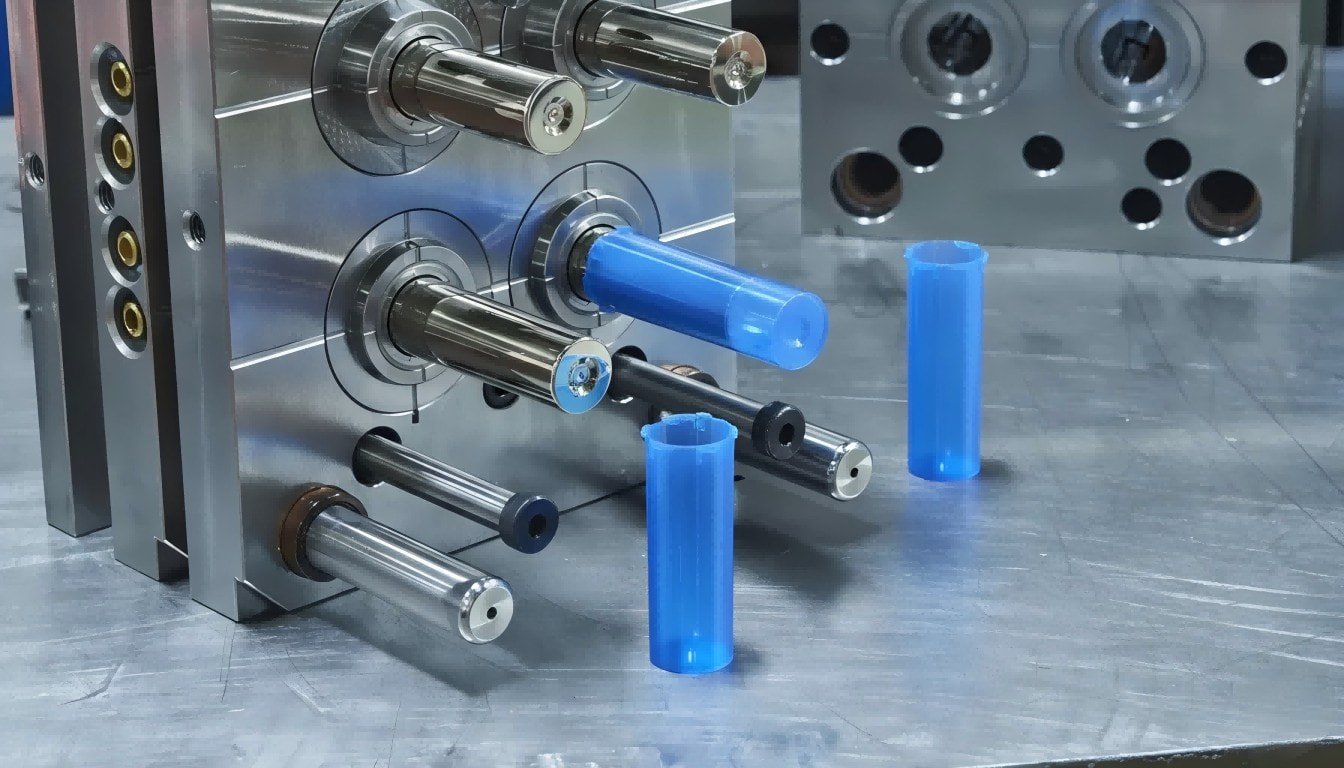
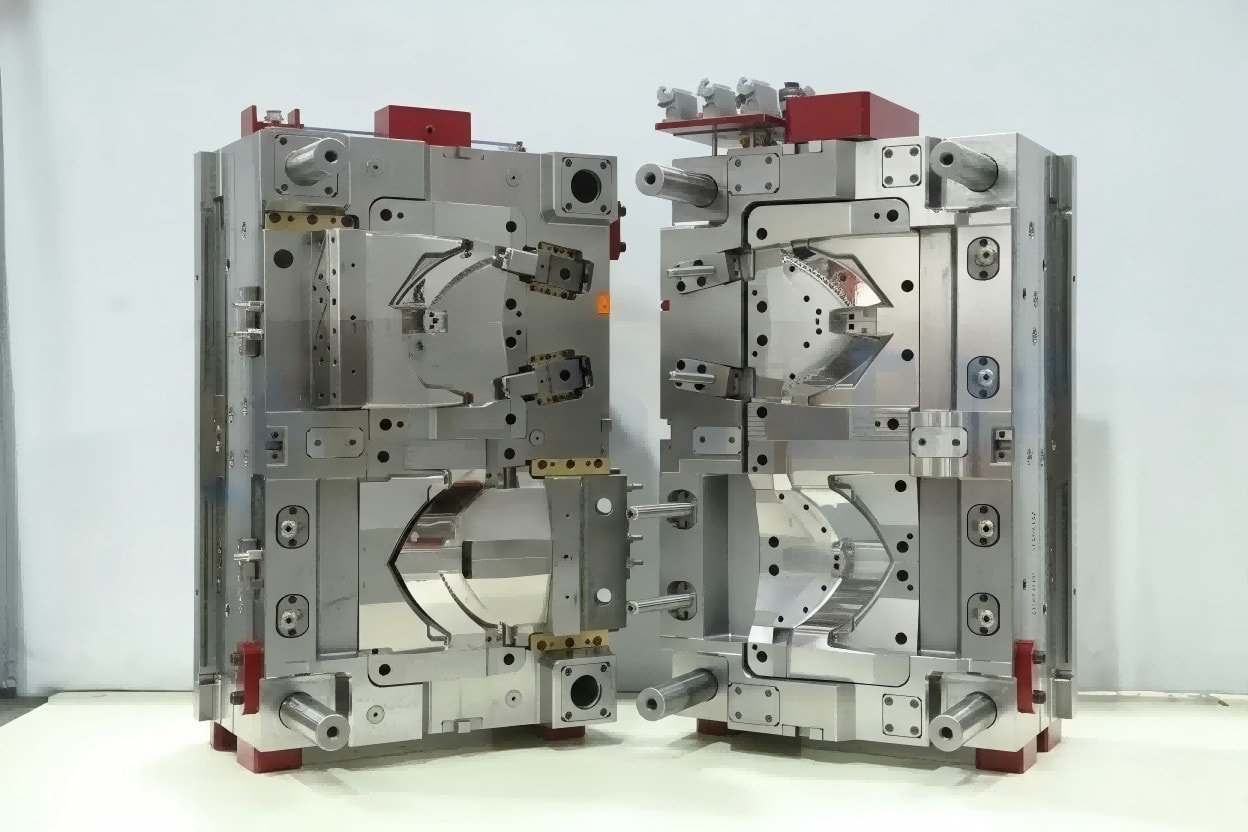
Every plastic behaves differently inside a mold cavity. For example, a mold cut for standard ABS will produce out-of-spec parts if run with high-shrinkage Polypropylene. Our in-house engineering team conducts comprehensive DFM (Design for Manufacturability) and Moldflow® thermal analysis before any metal is cut. We design our molds specifically around your chosen polymer. Whether that means machining rapid-cooling conformal channels to prevent warpage in large HDPE enclosures, or utilizing hardened tool steels (like H13 or S7) to withstand the extreme temperatures and abrasiveness of glass-filled PEEK, we ensure your tooling is built for flawless mass production.
By controlling both the mold fabrication and the injection process under one roof, GBM guarantees strict tolerances, eliminates costly rework, and delivers high-performance plastic components tailored exactly to your industry requirements.
Conclusion
Selecting the right material for injection molding requires balancing mechanical requirements, environmental exposure, and cost. From cost-effective Polypropylene to metal-replacing PEEK, understanding the properties of these thermoplastics ensures the success of your manufacturing project.