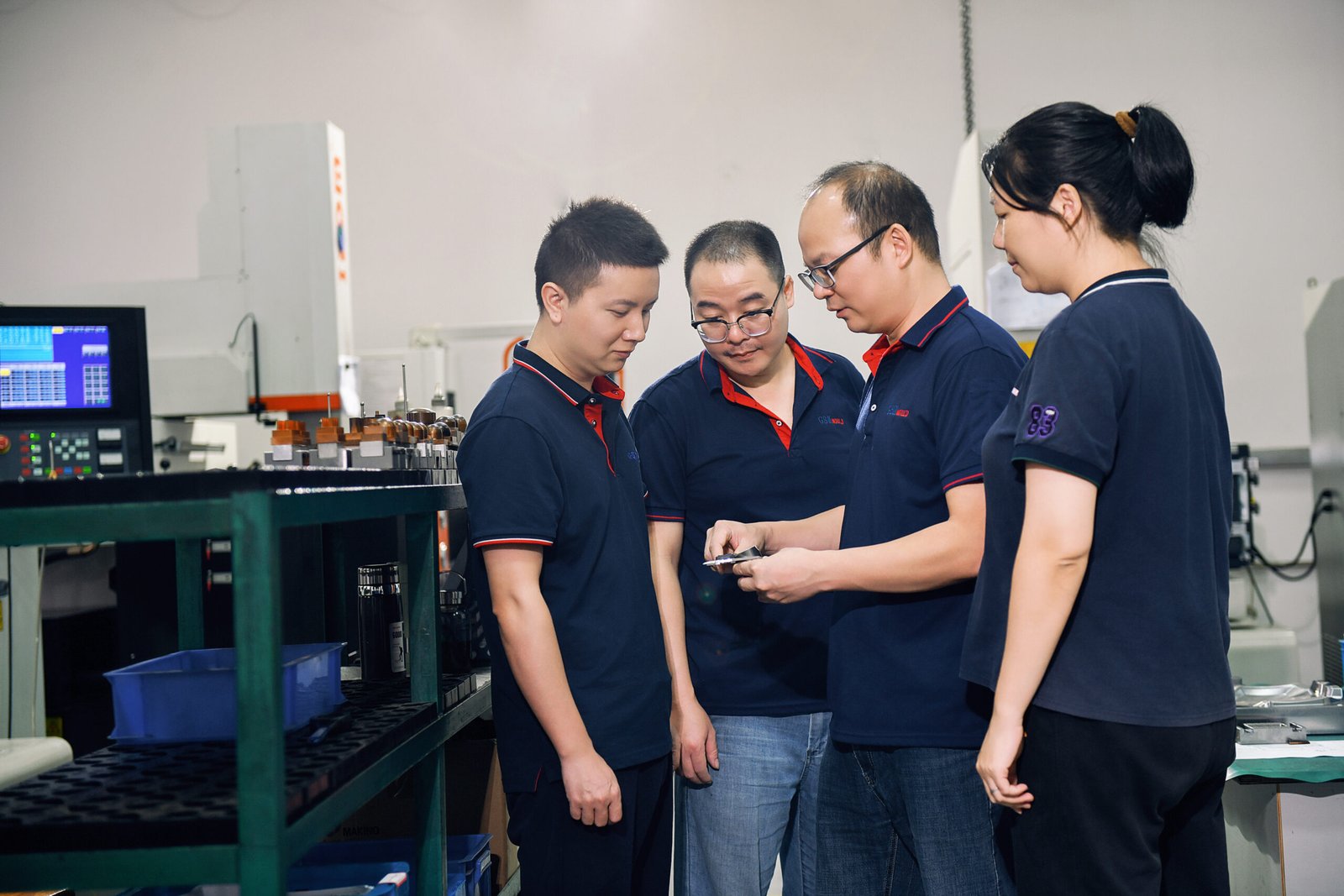

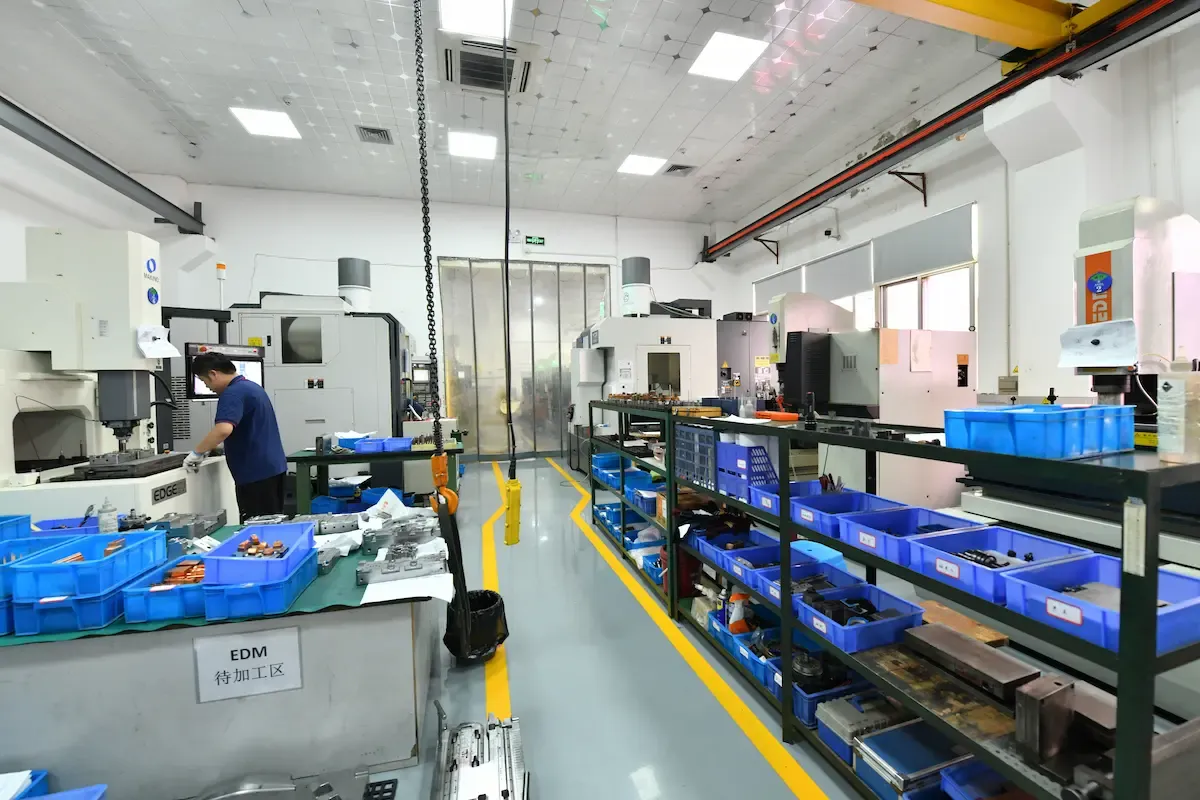
Injection molding is the primary manufacturing process for creating a vast array of plastic products, ranging from high-precision medical devices like syringes and surgical handles to everyday consumer goods such as bottle caps, toys, and electronic housings. It is also critical for producing durable automotive components like dashboards, bumpers, and interior panels, offering unmatched scalability for mass production.
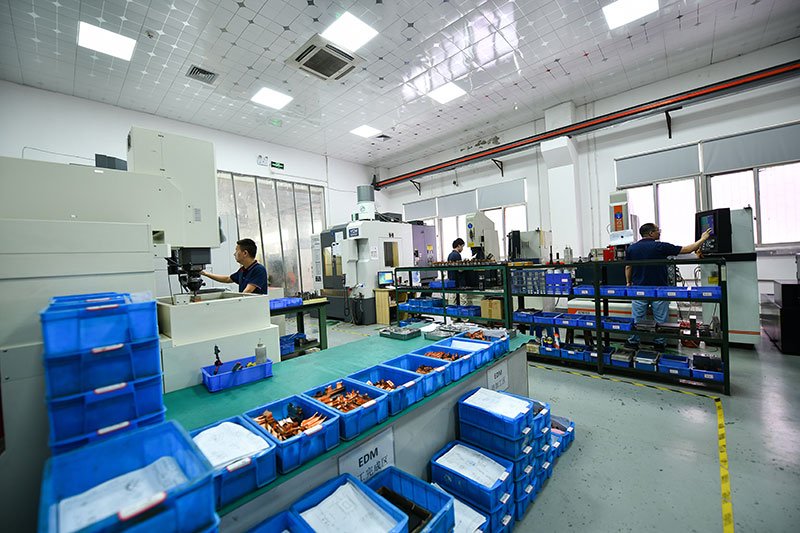
Industry-Specific Applications
Injection molding is not limited to a single sector; it is the backbone of modern plastic manufacturing. The process involves injecting molten material into a steel or aluminum injection mold, allowing for complex geometries that would be impossible with other methods.
a breakdown of common products by industry:
| Industry | Common Injection Molded Products | Key Material Properties |
|---|---|---|
| Automotive | Bumpers, dashboards, cup holders, switches | Impact resistance, UV stability |
| Medical | Syringes, petri dishes, implants, breathing tubes | Sterilizability, biocompatibility |
| Consumer Electronics | Phone cases, keyboard keys, mouse shells, connectors | Electrical insulation, aesthetic finish |
| Packaging | Bottle caps, thin-wall containers, crates | Flexibility, food safety, lightweight |
| Construction | Pipe fittings, fasteners, window frame spacers | Weather resistance, high strength |
GBM Pro Tip: In our lab tests at GBM, we found that optimizing wall thickness is the single most critical factor in product quality. We consistently advise clients to maintain a uniform wall thickness of 2mm to 3mm wherever possible. This simple design choice drastically reduces cooling time and prevents defects like sink marks or warpage in the final part.
What are examples of injection molded products?
Examples of injection molded products include Lego bricks, plastic cutlery, storage bins, and computer mouse bodies. The process is also responsible for intricate mechanical parts like gears, pulleys, and fasteners used in machinery. Essentially, if a plastic part has a complex 3D shape and is mass-produced, it is likely injection molded.
🎥 Watch Video: Discover the Versatility of Injection Molding and Tooling Options
The Versatility of the Process
The capability to produce such a wide range of examples stems from the tooling options available. At GBM, we utilize different mold actions to achieve these results:
- Solid Parts: Items like chair seats or cutting boards (requires high packing pressure).
- Hollow Parts: Bottles or containers (often requires air-assist or specific core designs).
- Threaded Parts: Bottle caps and nuts (requires unscrewing mold mechanisms).
- Insert Molded Parts: Screwdrivers where plastic is molded around a metal shaft.
GBM Pro Tip: Our technicians often see design failures when clients ignore draft angles on vertical walls. We recommend adding a minimum of 1 to 2 degrees of draft to ensure the product ejects cleanly from the mold without drag marks or stress whitening.
What are three objects that can be Moulded?
Three distinct objects that are almost exclusively manufactured via injection molding are plastic bottle caps, electrical wall outlets, and automotive dashboard panels. These three items represent the spectrum of the technology: high-volume commodity parts (caps), safety-critical electrical components (outlets), and large-format aesthetic structures (dashboards).
Why These Objects?
These specific objects are chosen for injection molding because they require properties that other methods (like 3D printing or vacuum forming) cannot deliver cost-effectively at scale.
- Bottle Caps:
- Requirement: Millions of units per day with perfect thread tolerance.
- Solution: High-cavitation molds (64+ cavities) running fast cycles.
- Electrical Outlets:
- Requirement: Fire resistance and complex internal geometry for wiring.
- Solution: Use of thermoset plastics or high-temp thermoplastics in precision molds.
- Dashboards:
- Requirement: Large surface area with specific textures (leather grain look).
- Solution: Texture is acid-etched directly into the injection mold steel to transfer the pattern to the plastic.
GBM Pro Tip: We have observed that for high-volume parts like bottle caps, moving from a single-cavity to a multi-cavity tool reduces the unit cost by over 90%, although the upfront tooling investment is significantly higher.
What are injection moulding products?
Injection moulding products are defined as discrete items formed by injecting molten material—usually thermoplastic or thermosetting polymers—into a mold cavity. These products are characterized by their high surface quality, dimensional repeatability between batches, and the absence of secondary machining requirements, as they emerge from the mold as finished or near-finished parts.
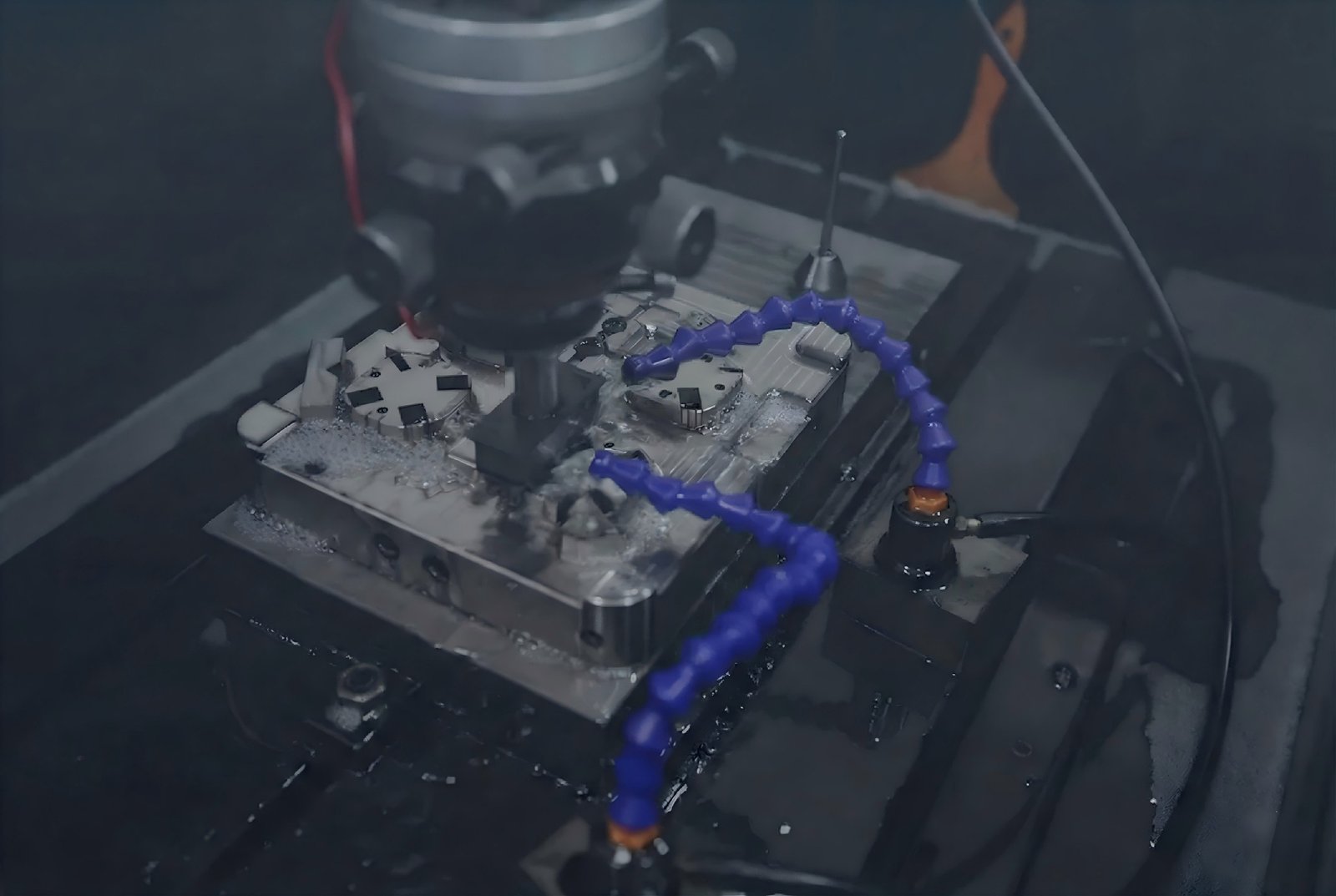
Characteristics of Molded Products、
To identify if a product is injection molded, look for these tell-tale signs:
- Parting Line: A faint line where the two halves of the mold met.
- Ejector Marks: Small circular indentations (usually on the non-visible side) where pins pushed the part out.
- Gate Mark: A small nub or rough spot where the molten plastic entered the cavity.
GBM Pro Tip: In our quality control section, we frequently reject parts due to “flash”—excess plastic leaking at the parting line. We advise maintaining clamp pressure tonnage at 2.5 to 3 tons per square inch of projected area to ensure the mold stays closed during injection.
Are toothbrushes injection moulded?
Yes, toothbrushes are injection moulded, typically utilizing a sophisticated technique called “overmolding” or “two-shot molding.” The rigid plastic handle is molded first to provide structural strength, and then a soft thermoplastic elastomer (TPE) is injected over specific areas to create the ergonomic grip and colorful design elements.
🎥 Watch Video: Learn How the Two-Shot Injection Molding Process Works
The Two-Shot Process
Manufacturing a toothbrush involves a precise sequence:
- First Shot (Substrate): Polypropylene (PP) is injected to form the main handle and neck.
- Mold Rotation: The mold rotates or the part is transferred to a second cavity.
- Second Shot (Overmold): Soft rubber (TPE) is injected into the voids left by the first shot to form the grip.
- Tufting: Bristles are usually stapled or fused into the head after molding, though some advanced molds insert bristles during the process.
GBM Pro Tip: We always ensure chemical compatibility between the substrate and the overmold material. If the materials don’t bond chemically at the interface, the rubber grip will peel off the toothbrush handle over time.
What is the wholesale cost for bulk molded parts?
The wholesale cost for bulk molded parts varies drastically, generally ranging from $0.01 per unit for simple items like caps to over $50.00 for complex industrial housings. The final price is driven by material costs, cycle time, machine hourly rates, and the amortization of the initial tooling investment across the total production volume.
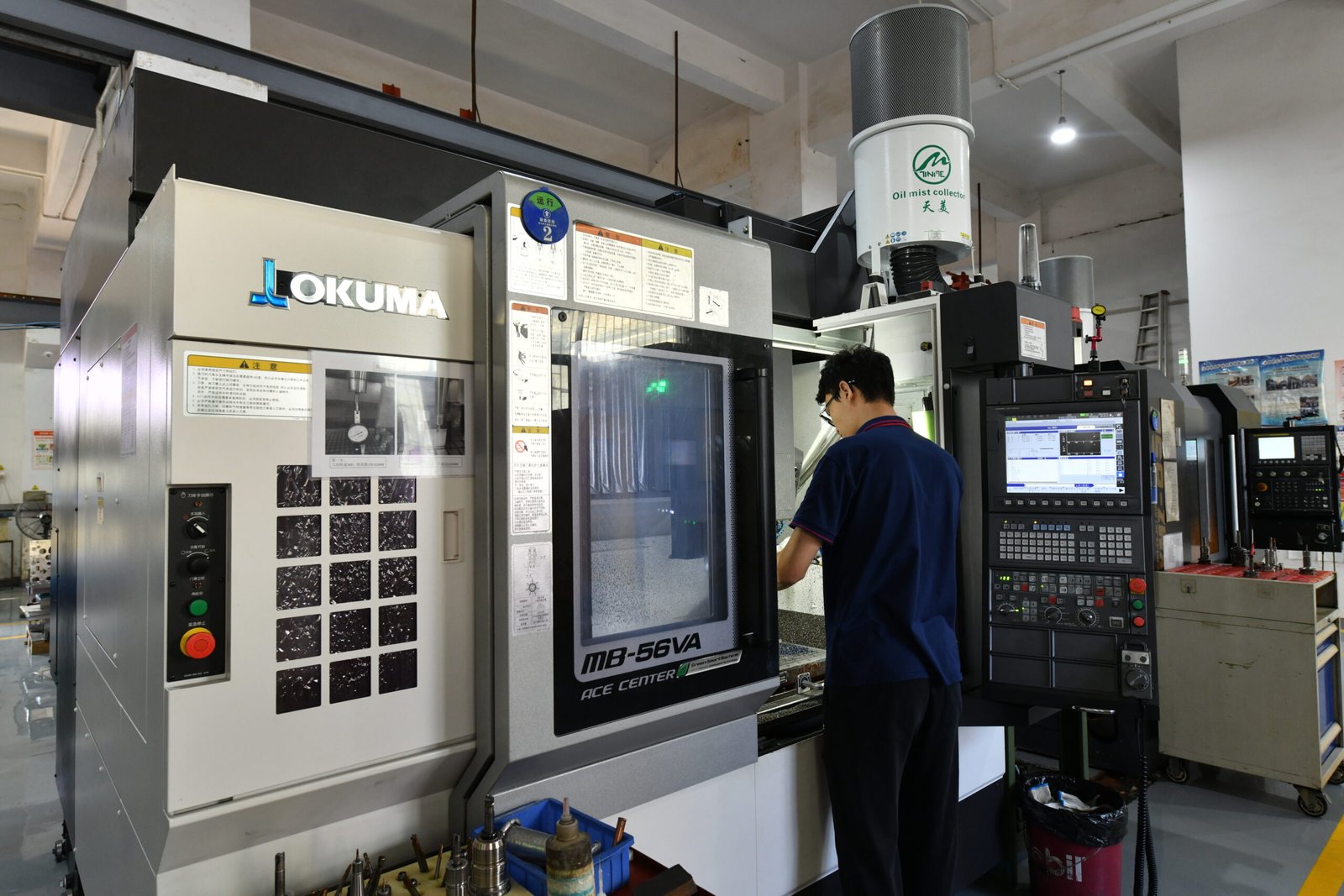
Cost Drivers in Molding
When we quote projects at GBM, we break down costs into these variables:
| Cost Factor | Impact on Price |
|---|---|
| Resin Selection | Commodity plastics (PP, PE) are cheap; Engineering resins (PEEK, Ultem) are expensive. |
| Cycle Time | Faster cooling = more parts per hour = lower cost. |
| Part Volume | High volume (100k+) absorbs the high cost of the injection mold tooling. |
| Part Complexity | Undercuts and side-actions increase mold maintenance and risk. |
GBM Pro Tip: In our experience, reducing the part weight by coring out thick sections doesn’t just save material cost; it significantly drops the cycle time. A 10% reduction in material can often lead to a 20% reduction in total manufacturing cost due to faster cooling.
Which industrial products are suitable for injection molding?
Industrial products suitable for injection molding include heavy-duty conveyor links, gears, electrical enclosures, and pipe fittings. Unlike consumer goods, these parts prioritize mechanical performance over aesthetics, often utilizing reinforced engineering thermoplastics to withstand high heat, chemical exposure, and significant physical stress.
🎥 Watch Video: Selecting Engineering Grade Plastics for Industrial Products
Engineering Grade Requirements
Industrial molding requires a different approach to material selection compared to consumer goods:
- Nylon (PA6/PA66): Used for gears and bearings due to low friction and high wear resistance.
- Polycarbonate (PC): Used for safety glasses and machine guards due to high impact strength.
- ABS: Used for protective housings and panels.
- Glass-Filled Composites: Added to plastics to increase stiffness for structural components.
GBM Pro Tip: We often advise industrial clients to use glass-filled nylon for metal replacement projects. However, we must warn them that glass fibers are abrasive and will wear down the injection mold steel faster, necessitating the use of hardened tool steel (like H13) rather than standard aluminum or P20 steel.
The GBM Advantage: Advanced Tooling & Manufacturing Excellence
When investing in custom plastic components, the quality of the final product is entirely dependent on the precision of the injection mold. At GBM, we don’t just run molding machines; we are engineering experts who design and build high-performance tooling systems tailored to your specific production goals.
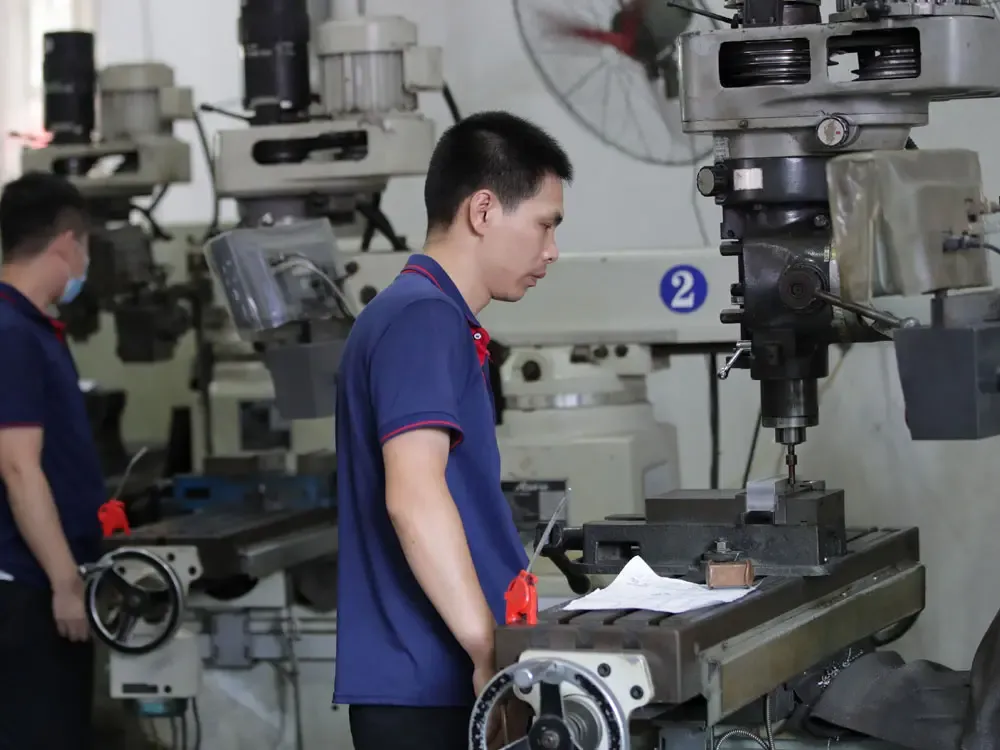
Our technical teams have deep expertise in overcoming complex geometric and scalability challenges. We specialize in engineering advanced mold types, including:
- Complex Action Molds: Precision Unscrewing Molds for flawless threaded parts (like bottle caps) and delicate Connector Molds for the electronics industry.
- Multi-Material Solutions: Advanced 2-Shot Molds and Insert Molding technologies to create multi-functional parts without secondary assembly.
- High-Volume Efficiency: Designing Stack Molds and sophisticated Hot Runner Molds to maximize cavitation, eliminate material waste, and drastically reduce cycle times for large-scale production.
We believe that transparency, rigorous DFM (Design for Manufacturability), and strict quality control are what separate a good supplier from a great manufacturing partner.
Conclusion
Injection molding is the cornerstone of modern manufacturing, capable of producing everything from disposable consumer items to durable industrial components. By understanding the process, material options, and design constraints, engineers can leverage this technology to create high-quality products at scale.
Ready to bring your plastic parts to life?
Partner with a manufacturer that understands the science of advanced tooling. Contact GBM today to request a quote and discuss how our engineering team can optimize your next project for quality and cost-efficiency.