

Hot Runner vs Cold Runner Injection Mold Key

GBM Insights GBM Insights
| | Material Applications
Featured Article Image

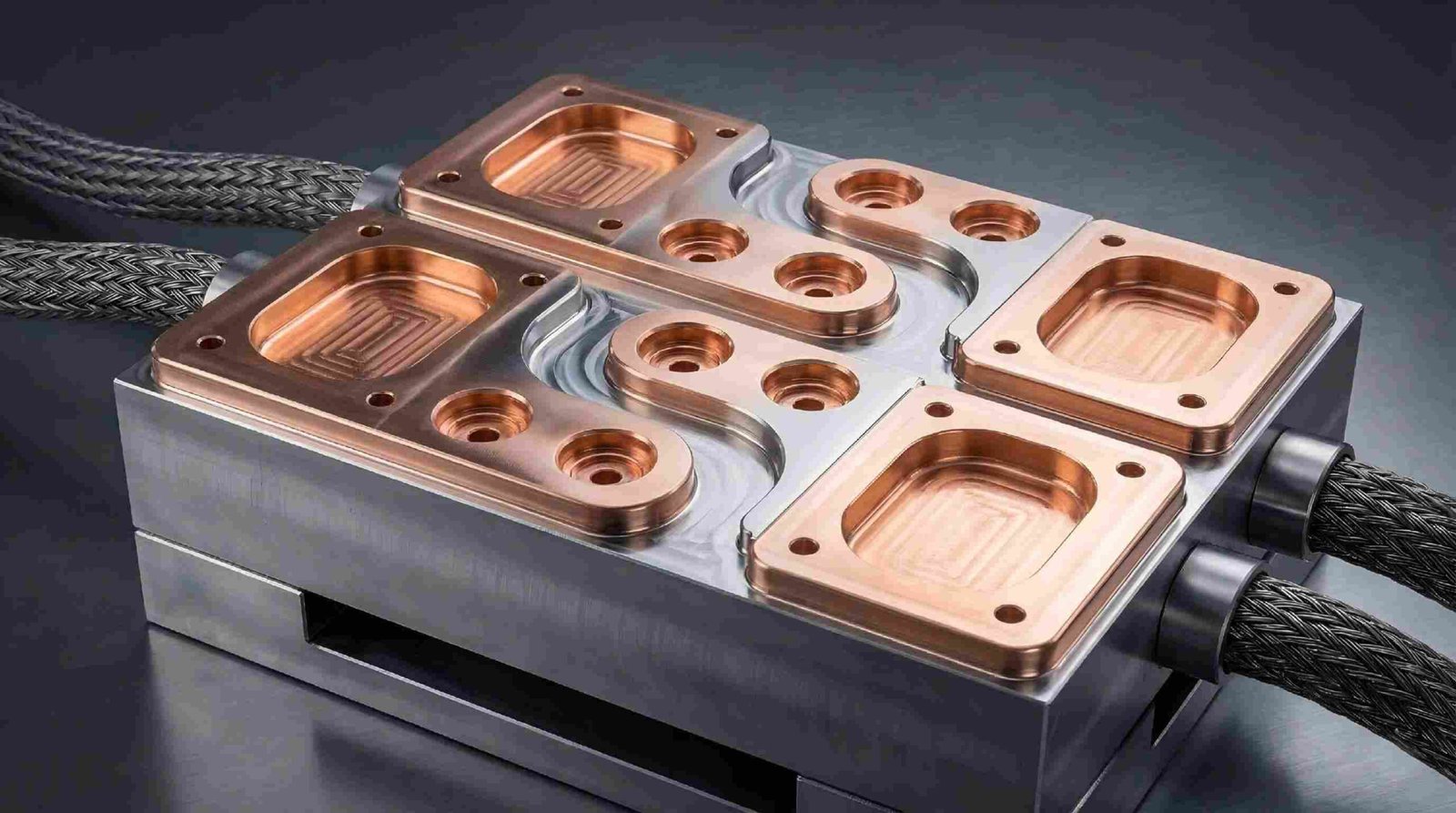
A hot runner mold uses a heated manifold system to keep molten plastic in a liquid state throughout the injection cycle, eliminating runner waste. In contrast, a cold runner mold allows the plastic within the runner channels to cool and solidify alongside the part, requiring manual or automated removal and recycling of the scrap material.

What is a Hot Runner Mold?

A hot runner mold is an advanced injection molding system equipped with internal or external heating elements. These heaters maintain the thermoplastic material at its optimal melting temperature from the machine nozzle straight into the mold cavity.

Core Technology: Utilizes a heated manifold and specialized drops or nozzles to precisely control plastic flow and temperature without creating solid runner waste.

Production Speed: Significantly faster cycle times since there is no thick runner system that needs to cool down before part ejection.

Material Efficiency: Eliminates scrap generation from runners, reducing raw material costs and negating the need for regrinding operations.

What is a Cold Runner Mold?

A cold runner mold is a traditional injection molding setup where the channels carrying the molten plastic are unheated. As the molded part cools down and solidifies, the plastic inside the runner system also freezes, creating a solid sprue and runner structure that must be ejected with the final product.

Core Technology: Relies on standard, unheated channels machined directly into the mold plates to distribute molten plastic from the sprue to the gates.

Construction Simplicity: Features a much simpler and cheaper mechanical design with no complex electrical wiring, thermocouples, or heating elements required.

Maintenance: Highly accessible and easy to maintain, allowing for quick color changes and straightforward troubleshooting during the injection molding process.

Key Differences: Hot Runner Mold vs. Cold Runner Mold

When choosing between these two systems, manufacturers must weigh cycle times, material costs, and initial tooling investments. Hot runners excel in speed and material savings, while cold runners offer simplicity and flexibility.

SpecificationHot Runner MoldCold Runner Mold
Cycle TimeFast (No runner cooling required)Slower (Runner must solidify)
Material WasteMinimal to NoneHigh (Generates solid runners)
Tooling CostHigh (Requires heated manifolds)Low (Simple machined channels)
Color ChangesDifficult and time-consumingFast and straightforward
MaintenanceComplex (Requires electrical troubleshooting)Simple (Mechanical upkeep only)

ClearFilter Pro Tip: When we design high-volume production lines, we almost always recommend a Hot Runner Mold to our clients. The initial tooling cost is higher, but the raw material savings and faster cycle times yield a much better long-term ROI for runs exceeding 100,000 units.

Pros & Cons Comparison

FeatureHot Runner MoldCold Runner Mold
ProsNo runner waste, faster cycles, better part qualityLower initial cost, easy color changes, simple maintenance
ConsExpensive tooling, complex maintenance, hard color changesSlower cycle times, material waste, requires regrinding
Ideal ForHigh-volume production, expensive resins, large partsLow-volume runs, frequent color swaps, heat-sensitive polymers

Conclusion

Choosing between a hot runner mold and a cold runner mold ultimately depends on your production volume, budget, and material selection. Hot runners are the superior choice for high-volume, waste-free manufacturing where long-term efficiency is the goal. Conversely, cold runners remain highly relevant for low-volume runs, frequent color changes, and budget-conscious projects where complex tooling is unnecessary.

FAQ

1. Which mold type is cheaper to build? Cold runner molds are significantly cheaper to manufacture because they do not require complex heating elements, manifolds, or specialized temperature controllers.

2. Can I use heat-sensitive plastics in a hot runner mold? It is generally not recommended. Heat-sensitive polymers can degrade, burn, or cross-link if left in the heated manifold too long, making cold runners a safer choice for these materials.

3. How do color changes compare between the two systems? Cold runner molds allow for rapid color changes because the entire runner system is ejected every cycle. Hot runner molds require extensive purging to clear the old color from the internal heated channels.

Precision Engineering High-Alloy Foil Manufacturing
Share:

Read Next

Related Article
Case Study

Advanced 2-Shot Molding Techniques for Automotive Connectors

October 12, 2023

Related Article
Industry News

How DFM Accelerates T1 Delivery to 15 Days

September 28, 2023

Leave a Comment

A hot runner mold uses a heated manifold system to keep molten plastic in a liquid state throughout the injection cycle, eliminating runner waste. In contrast, a cold runner mold allows the plastic within the runner channels to cool and solidify alongside the part, requiring manual or automated removal and recycling of the scrap material.

What is a Hot Runner Mold?

A hot runner mold is an advanced injection molding system equipped with internal or external heating elements. These heaters maintain the thermoplastic material at its optimal melting temperature from the machine nozzle straight into the mold cavity.

Core Technology: Utilizes a heated manifold and specialized drops or nozzles to precisely control plastic flow and temperature without creating solid runner waste.

Production Speed: Significantly faster cycle times since there is no thick runner system that needs to cool down before part ejection.

Material Efficiency: Eliminates scrap generation from runners, reducing raw material costs and negating the need for regrinding operations.

What is a Cold Runner Mold?

A cold runner mold is a traditional injection molding setup where the channels carrying the molten plastic are unheated. As the molded part cools down and solidifies, the plastic inside the runner system also freezes, creating a solid sprue and runner structure that must be ejected with the final product.

Core Technology: Relies on standard, unheated channels machined directly into the mold plates to distribute molten plastic from the sprue to the gates.

Construction Simplicity: Features a much simpler and cheaper mechanical design with no complex electrical wiring, thermocouples, or heating elements required.

Maintenance: Highly accessible and easy to maintain, allowing for quick color changes and straightforward troubleshooting during the injection molding process.

Key Differences: Hot Runner Mold vs. Cold Runner Mold

When choosing between these two systems, manufacturers must weigh cycle times, material costs, and initial tooling investments. Hot runners excel in speed and material savings, while cold runners offer simplicity and flexibility.

SpecificationHot Runner MoldCold Runner Mold
Cycle TimeFast (No runner cooling required)Slower (Runner must solidify)
Material WasteMinimal to NoneHigh (Generates solid runners)
Tooling CostHigh (Requires heated manifolds)Low (Simple machined channels)
Color ChangesDifficult and time-consumingFast and straightforward
MaintenanceComplex (Requires electrical troubleshooting)Simple (Mechanical upkeep only)

ClearFilter Pro Tip: When we design high-volume production lines, we almost always recommend a Hot Runner Mold to our clients. The initial tooling cost is higher, but the raw material savings and faster cycle times yield a much better long-term ROI for runs exceeding 100,000 units.

Pros & Cons Comparison

FeatureHot Runner MoldCold Runner Mold
ProsNo runner waste, faster cycles, better part qualityLower initial cost, easy color changes, simple maintenance
ConsExpensive tooling, complex maintenance, hard color changesSlower cycle times, material waste, requires regrinding
Ideal ForHigh-volume production, expensive resins, large partsLow-volume runs, frequent color swaps, heat-sensitive polymers

Conclusion

Choosing between a hot runner mold and a cold runner mold ultimately depends on your production volume, budget, and material selection. Hot runners are the superior choice for high-volume, waste-free manufacturing where long-term efficiency is the goal. Conversely, cold runners remain highly relevant for low-volume runs, frequent color changes, and budget-conscious projects where complex tooling is unnecessary.

FAQ

1. Which mold type is cheaper to build? Cold runner molds are significantly cheaper to manufacture because they do not require complex heating elements, manifolds, or specialized temperature controllers.

2. Can I use heat-sensitive plastics in a hot runner mold? It is generally not recommended. Heat-sensitive polymers can degrade, burn, or cross-link if left in the heated manifold too long, making cold runners a safer choice for these materials.

3. How do color changes compare between the two systems? Cold runner molds allow for rapid color changes because the entire runner system is ejected every cycle. Hot runner molds require extensive purging to clear the old color from the internal heated channels.

A hot runner mold uses a heated manifold system to keep molten plastic in a liquid state throughout the injection cycle, eliminating runner waste. In contrast, a cold runner mold allows the plastic within the runner channels to cool and solidify alongside the part, requiring manual or automated removal and recycling of the scrap material.

What is a Hot Runner Mold?

A hot runner mold is an advanced injection molding system equipped with internal or external heating elements. These heaters maintain the thermoplastic material at its optimal melting temperature from the machine nozzle straight into the mold cavity.

Core Technology: Utilizes a heated manifold and specialized drops or nozzles to precisely control plastic flow and temperature without creating solid runner waste.

Production Speed: Significantly faster cycle times since there is no thick runner system that needs to cool down before part ejection.

Material Efficiency: Eliminates scrap generation from runners, reducing raw material costs and negating the need for regrinding operations.

What is a Cold Runner Mold?

A cold runner mold is a traditional injection molding setup where the channels carrying the molten plastic are unheated. As the molded part cools down and solidifies, the plastic inside the runner system also freezes, creating a solid sprue and runner structure that must be ejected with the final product.

Core Technology: Relies on standard, unheated channels machined directly into the mold plates to distribute molten plastic from the sprue to the gates.

Construction Simplicity: Features a much simpler and cheaper mechanical design with no complex electrical wiring, thermocouples, or heating elements required.

Maintenance: Highly accessible and easy to maintain, allowing for quick color changes and straightforward troubleshooting during the injection molding process.

Key Differences: Hot Runner Mold vs. Cold Runner Mold

When choosing between these two systems, manufacturers must weigh cycle times, material costs, and initial tooling investments. Hot runners excel in speed and material savings, while cold runners offer simplicity and flexibility.

SpecificationHot Runner MoldCold Runner Mold
Cycle TimeFast (No runner cooling required)Slower (Runner must solidify)
Material WasteMinimal to NoneHigh (Generates solid runners)
Tooling CostHigh (Requires heated manifolds)Low (Simple machined channels)
Color ChangesDifficult and time-consumingFast and straightforward
MaintenanceComplex (Requires electrical troubleshooting)Simple (Mechanical upkeep only)

ClearFilter Pro Tip: When we design high-volume production lines, we almost always recommend a Hot Runner Mold to our clients. The initial tooling cost is higher, but the raw material savings and faster cycle times yield a much better long-term ROI for runs exceeding 100,000 units.

Pros & Cons Comparison

FeatureHot Runner MoldCold Runner Mold
ProsNo runner waste, faster cycles, better part qualityLower initial cost, easy color changes, simple maintenance
ConsExpensive tooling, complex maintenance, hard color changesSlower cycle times, material waste, requires regrinding
Ideal ForHigh-volume production, expensive resins, large partsLow-volume runs, frequent color swaps, heat-sensitive polymers

Conclusion

Choosing between a hot runner mold and a cold runner mold ultimately depends on your production volume, budget, and material selection. Hot runners are the superior choice for high-volume, waste-free manufacturing where long-term efficiency is the goal. Conversely, cold runners remain highly relevant for low-volume runs, frequent color changes, and budget-conscious projects where complex tooling is unnecessary.

FAQ

1. Which mold type is cheaper to build? Cold runner molds are significantly cheaper to manufacture because they do not require complex heating elements, manifolds, or specialized temperature controllers.

2. Can I use heat-sensitive plastics in a hot runner mold? It is generally not recommended. Heat-sensitive polymers can degrade, burn, or cross-link if left in the heated manifold too long, making cold runners a safer choice for these materials.

3. How do color changes compare between the two systems? Cold runner molds allow for rapid color changes because the entire runner system is ejected every cycle. Hot runner molds require extensive purging to clear the old color from the internal heated channels.

A hot runner mold uses a heated manifold system to keep molten plastic in a liquid state throughout the injection cycle, eliminating runner waste. In contrast, a cold runner mold allows the plastic within the runner channels to cool and solidify alongside the part, requiring manual or automated removal and recycling of the scrap material.

What is a Hot Runner Mold?

A hot runner mold is an advanced injection molding system equipped with internal or external heating elements. These heaters maintain the thermoplastic material at its optimal melting temperature from the machine nozzle straight into the mold cavity.

Core Technology: Utilizes a heated manifold and specialized drops or nozzles to precisely control plastic flow and temperature without creating solid runner waste.

Production Speed: Significantly faster cycle times since there is no thick runner system that needs to cool down before part ejection.

Material Efficiency: Eliminates scrap generation from runners, reducing raw material costs and negating the need for regrinding operations.

What is a Cold Runner Mold?

A cold runner mold is a traditional injection molding setup where the channels carrying the molten plastic are unheated. As the molded part cools down and solidifies, the plastic inside the runner system also freezes, creating a solid sprue and runner structure that must be ejected with the final product.

Core Technology: Relies on standard, unheated channels machined directly into the mold plates to distribute molten plastic from the sprue to the gates.

Construction Simplicity: Features a much simpler and cheaper mechanical design with no complex electrical wiring, thermocouples, or heating elements required.

Maintenance: Highly accessible and easy to maintain, allowing for quick color changes and straightforward troubleshooting during the injection molding process.

Key Differences: Hot Runner Mold vs. Cold Runner Mold

When choosing between these two systems, manufacturers must weigh cycle times, material costs, and initial tooling investments. Hot runners excel in speed and material savings, while cold runners offer simplicity and flexibility.

SpecificationHot Runner MoldCold Runner Mold
Cycle TimeFast (No runner cooling required)Slower (Runner must solidify)
Material WasteMinimal to NoneHigh (Generates solid runners)
Tooling CostHigh (Requires heated manifolds)Low (Simple machined channels)
Color ChangesDifficult and time-consumingFast and straightforward
MaintenanceComplex (Requires electrical troubleshooting)Simple (Mechanical upkeep only)

ClearFilter Pro Tip: When we design high-volume production lines, we almost always recommend a Hot Runner Mold to our clients. The initial tooling cost is higher, but the raw material savings and faster cycle times yield a much better long-term ROI for runs exceeding 100,000 units.

Pros & Cons Comparison

FeatureHot Runner MoldCold Runner Mold
ProsNo runner waste, faster cycles, better part qualityLower initial cost, easy color changes, simple maintenance
ConsExpensive tooling, complex maintenance, hard color changesSlower cycle times, material waste, requires regrinding
Ideal ForHigh-volume production, expensive resins, large partsLow-volume runs, frequent color swaps, heat-sensitive polymers

Conclusion

Choosing between a hot runner mold and a cold runner mold ultimately depends on your production volume, budget, and material selection. Hot runners are the superior choice for high-volume, waste-free manufacturing where long-term efficiency is the goal. Conversely, cold runners remain highly relevant for low-volume runs, frequent color changes, and budget-conscious projects where complex tooling is unnecessary.

FAQ

1. Which mold type is cheaper to build? Cold runner molds are significantly cheaper to manufacture because they do not require complex heating elements, manifolds, or specialized temperature controllers.

2. Can I use heat-sensitive plastics in a hot runner mold? It is generally not recommended. Heat-sensitive polymers can degrade, burn, or cross-link if left in the heated manifold too long, making cold runners a safer choice for these materials.

3. How do color changes compare between the two systems? Cold runner molds allow for rapid color changes because the entire runner system is ejected every cycle. Hot runner molds require extensive purging to clear the old color from the internal heated channels.