Custom Aluminum Mold Manufacturer for Rapid Tooling & Low-Volume Injection Molding
GBM builds aluminum injection molds for prototype validation, small-run production, bridge tooling and market testing. Send your 3D CAD files for DFM review, mold feasibility feedback and T1 sample planning before investing in steel tooling.
What Is an Aluminum Mold Used For?
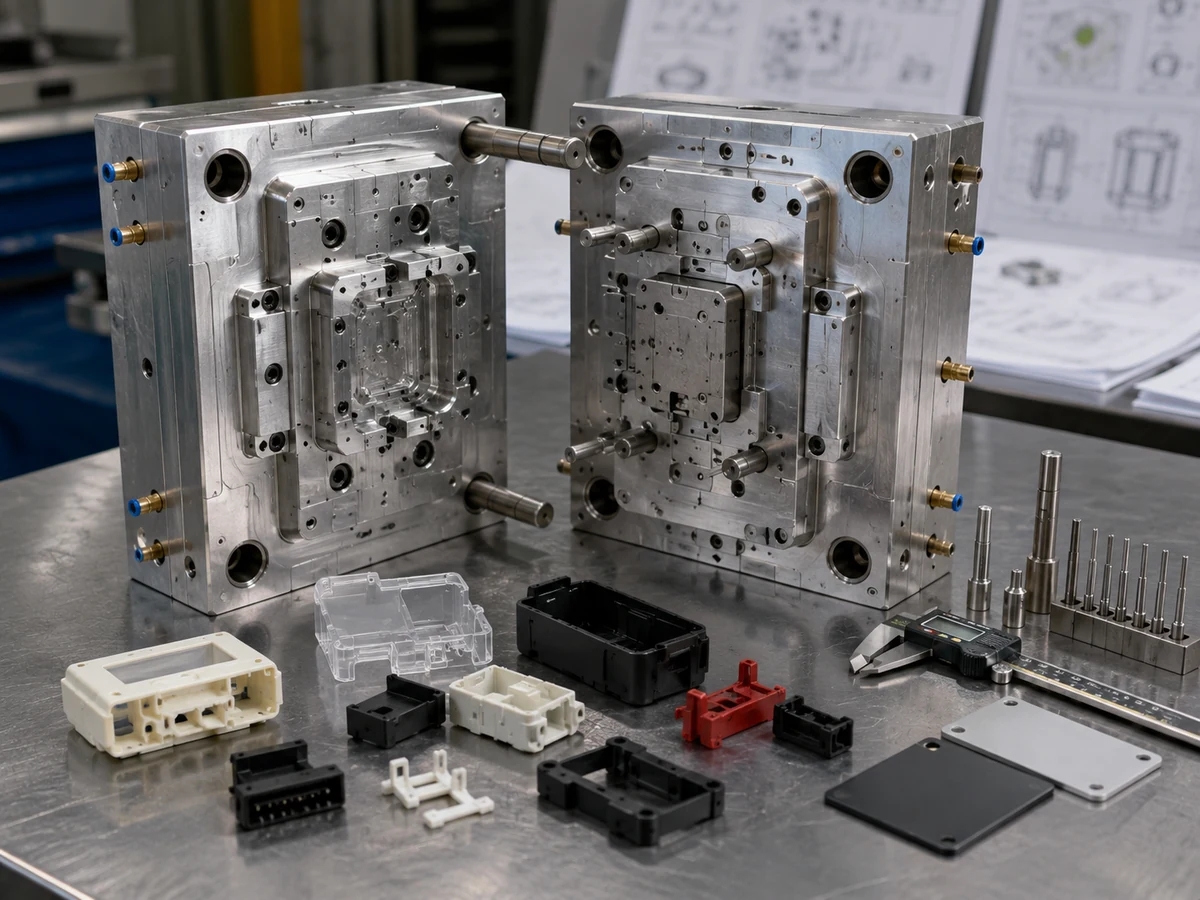
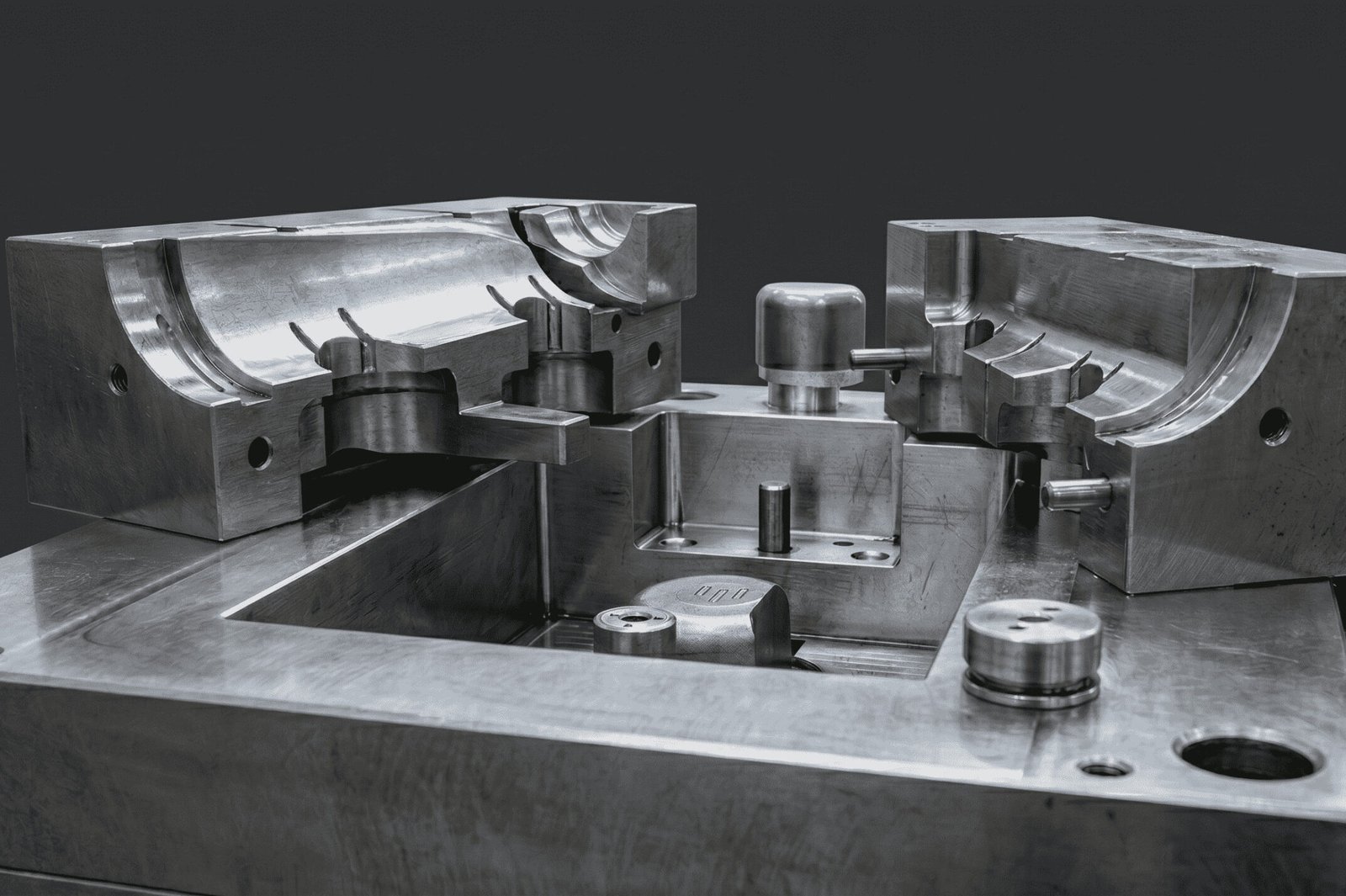
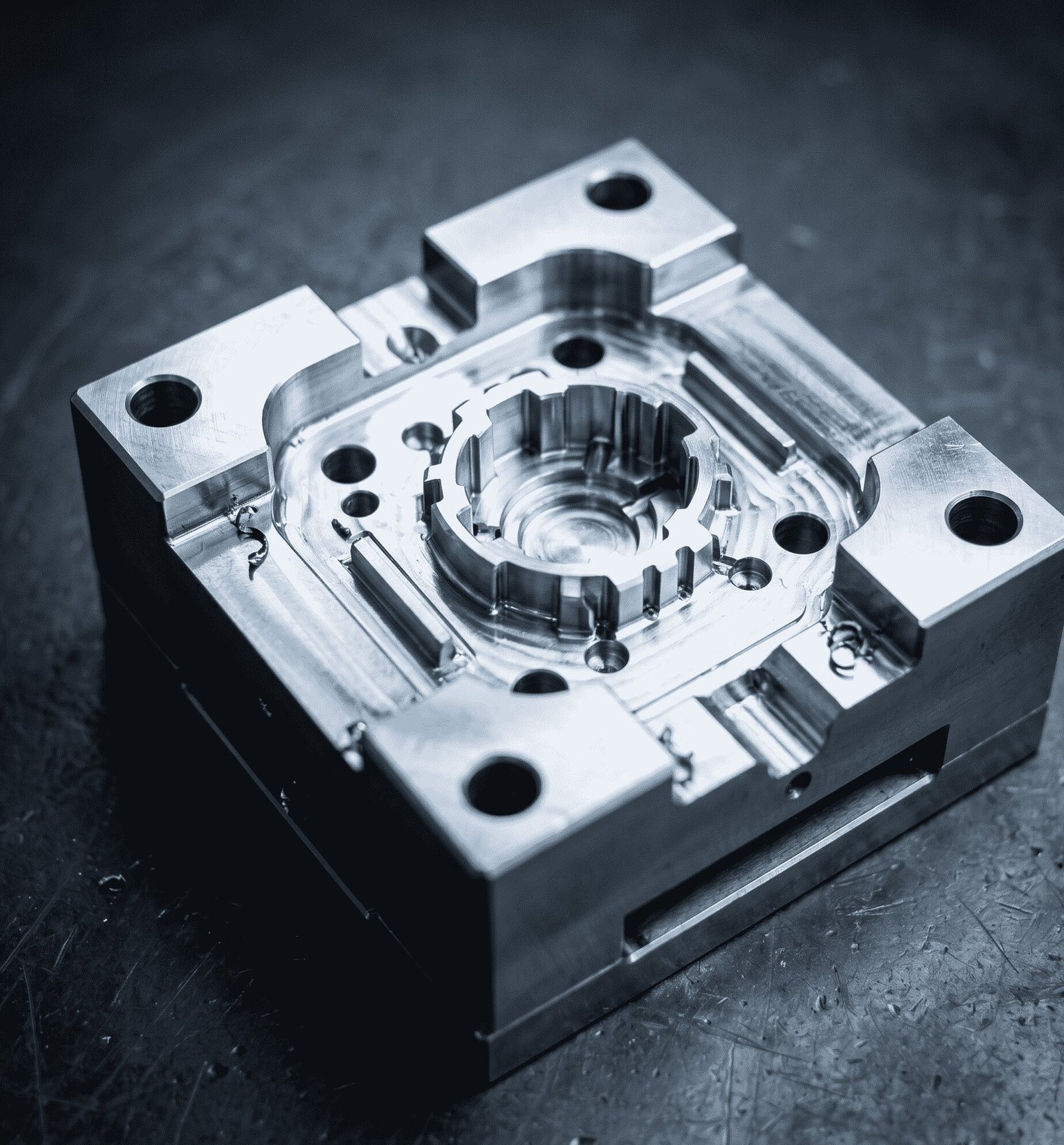
An aluminum mold is a CNC-machined injection mold made from mold-grade aluminum alloys such as 7075, QC-10 or Alumec. It is commonly used for rapid tooling, prototype injection molding, bridge tooling and low-volume plastic part production when buyers need real molded parts faster than a traditional hardened steel mold.
For most projects, aluminum tooling is suitable when the design may still change, the required volume is small to medium, or the buyer needs functional samples using real production resins. For abrasive materials such as glass-filled nylon or high-volume production, steel inserts or a hardened steel mold may be a better choice.
Is Aluminum Tooling Right for Your Project?
Transparency is key to a successful partnership. Aluminum molds are highly efficient, but they excel in specific scenarios.
1 Best For
- Rapid Prototyping & Functional Testing
- Low to Medium Volume Production (100 - 10,000 parts)
- Bridge Tooling before committing to steel
2 Ideal Industries
Tooling Recommendation Guide
| Project Situation | Recommended Tooling | Why |
|---|---|---|
| 10–100 visual samples | 3D printing / urethane casting | Faster for visual checks, but not always real production resin |
| 100–10,000 molded parts | Aluminum injection mold | Good for real plastic parts, market testing and small runs |
| 10,000–100,000 parts | Aluminum mold with steel inserts / coating | Better for bridge production if resin is not too abrasive |
| 100,000+ parts or abrasive resin | Steel injection mold | Better wear resistance and long-term production stability |
Speed Up Development with Aluminum Soft Tooling
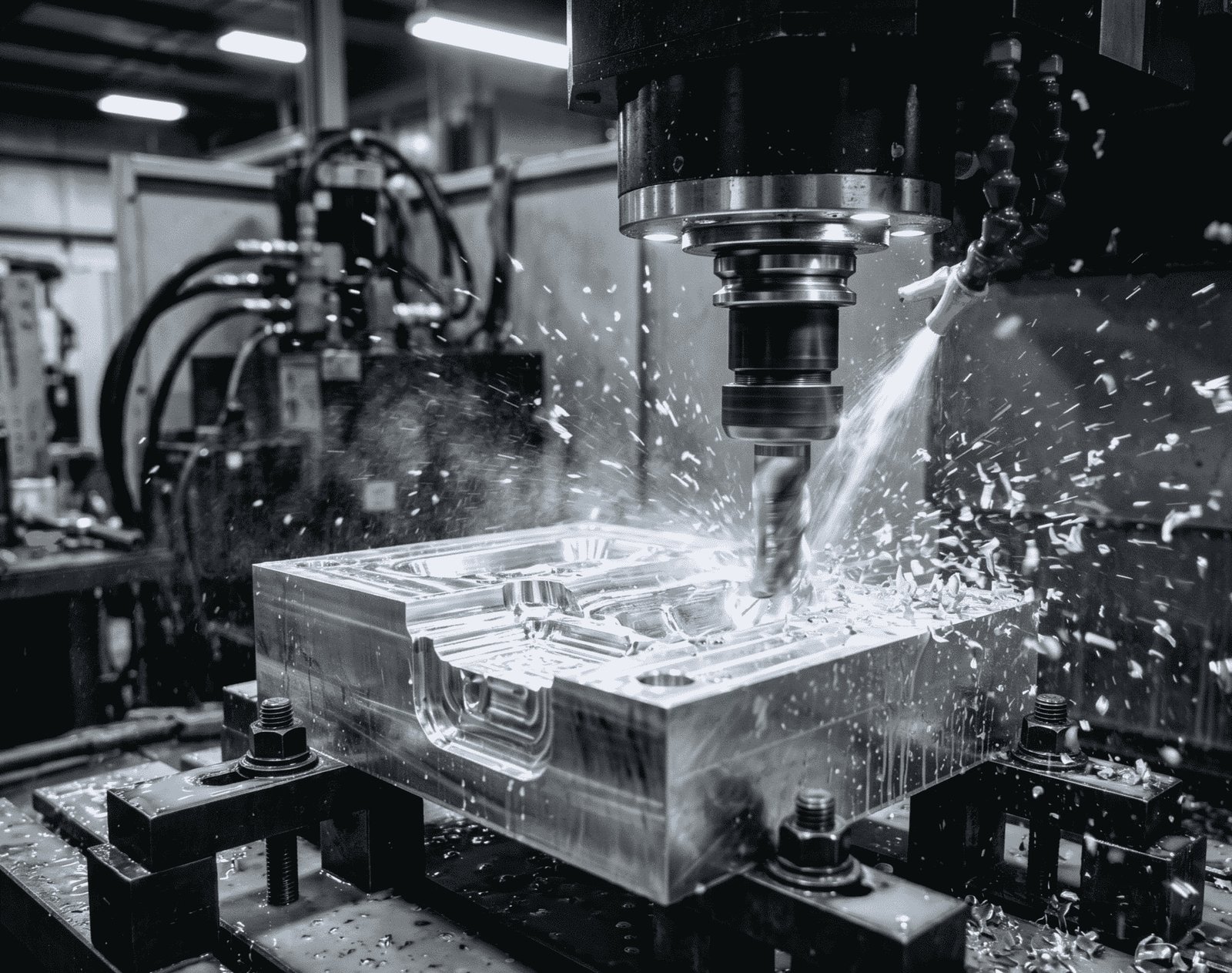
Accelerate development with GBM's aluminum soft tooling: our 24,000 rpm CNCs ensure 0.01mm precision, enabling faster iterations and early flaw detection to cut costs without sacrificing quality.
Get Rapid Prototypes
Test your designs using actual production plastics, not just 3D prints.
- Whether you need standard resins or high-temp materials like PEEK, PEI, and PPS, we’ve got you covered.
- With our 98% on-time rate for T1 samples.
- You can check form, fit, and function without the wait.
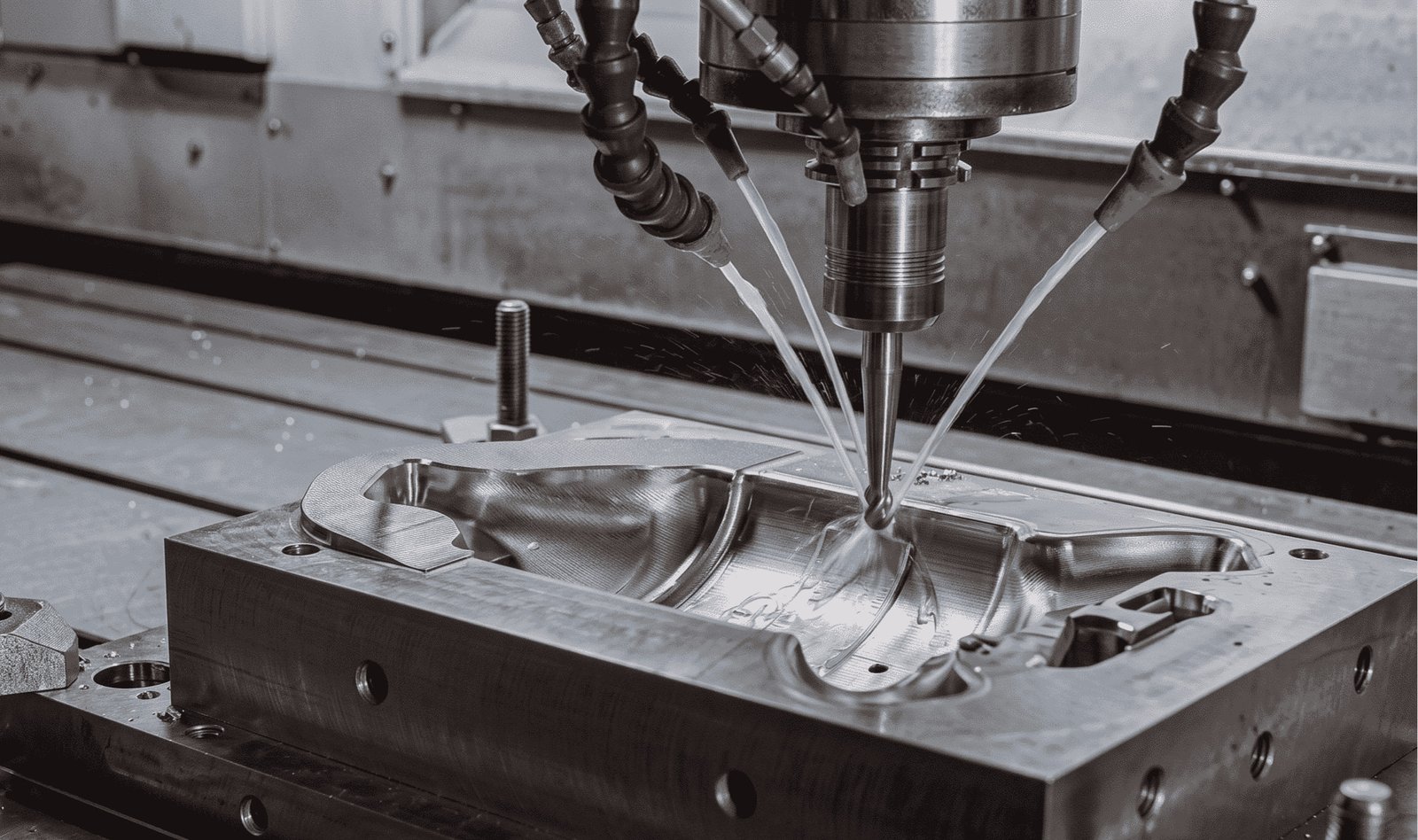
Build Bridge Tooling
Before investing heavily in hardened steel molds, aluminum bridge tools are a smart stepping stone.
- We provide full CMM reports and strict quality checks.
- This ensures you get consistent, production-grade parts.
- Hit early market deadlines while your final steel molds are still being cut.
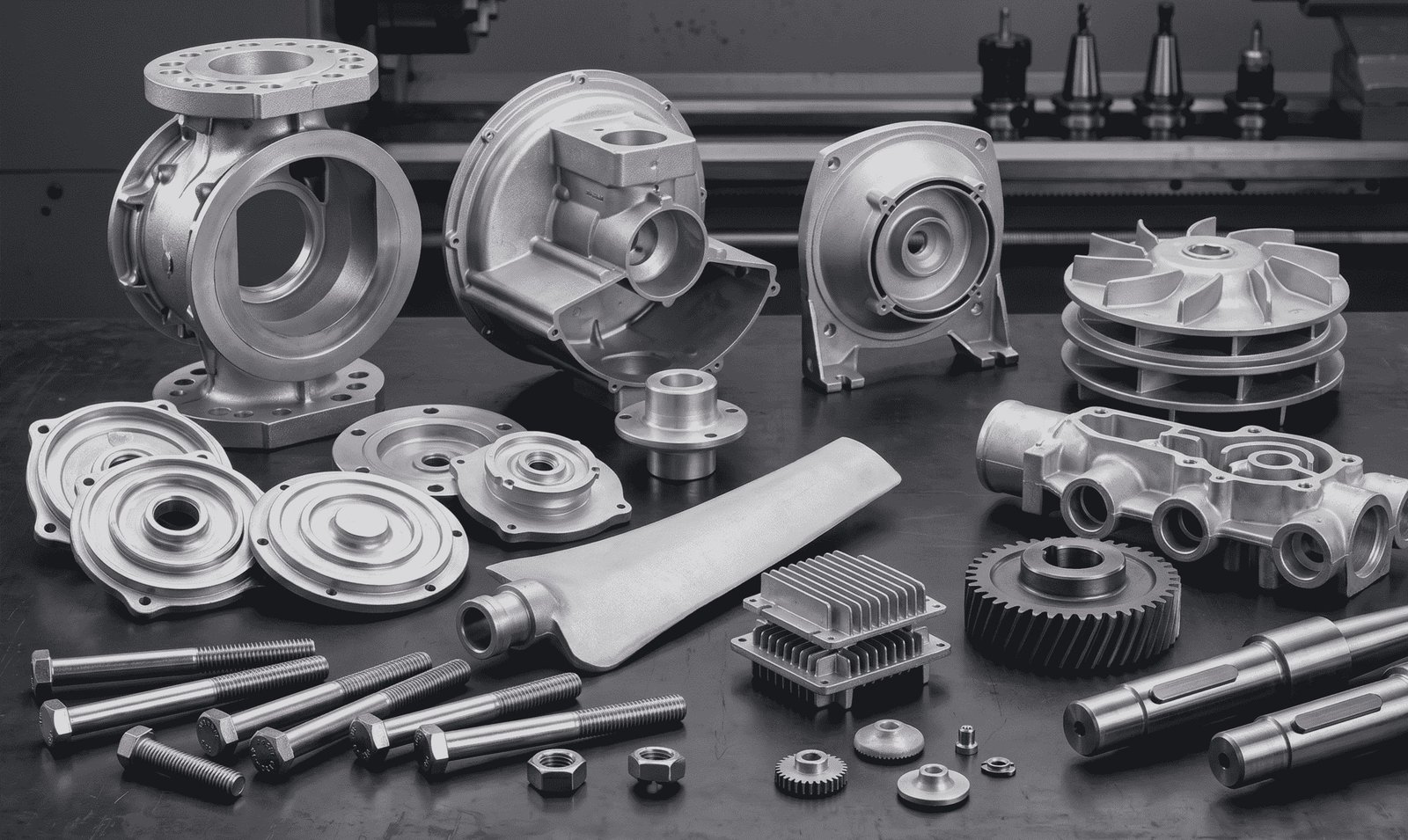
Start Low-Volume Runs
Need anywhere from 100 to 10,000 parts? Running them in our in-house injection molding shop is the most cost-effective choice.
- It’s perfect for pilot launches or niche markets.
- You get mass-production quality parts.
- Without paying for a million-cycle steel tool you don't need yet.
Aluminum Mold vs Steel Mold vs Urethane Casting Mold
Compare tooling options to choose the right manufacturing process based on your project's volume, material requirements, and budget.
| Option | Best For | Main Advantage | Limitation |
|---|---|---|---|
| Aluminum Injection Mold | Functional prototypes, small-run injection molding, bridge tooling | Real thermoplastic parts, faster tooling, lower upfront mold cost | Lower wear resistance than steel for abrasive resins |
| Steel Injection Mold | Mass production, high-cavity molds, glass-filled materials | Long mold life, better wear resistance, high-volume stability | Higher tooling cost and longer tooling time |
| Urethane / Silicone Casting Mold | Appearance prototypes and very low quantities | Lower starting cost for visual samples | Not the same as injection molding with production thermoplastics |
Find the Right Aluminum
Don't get stuck picking the wrong metal. Here is a quick, no-nonsense guide to the aluminum grades we use every day for CNC machining and mold building, helping you balance strength and budget.
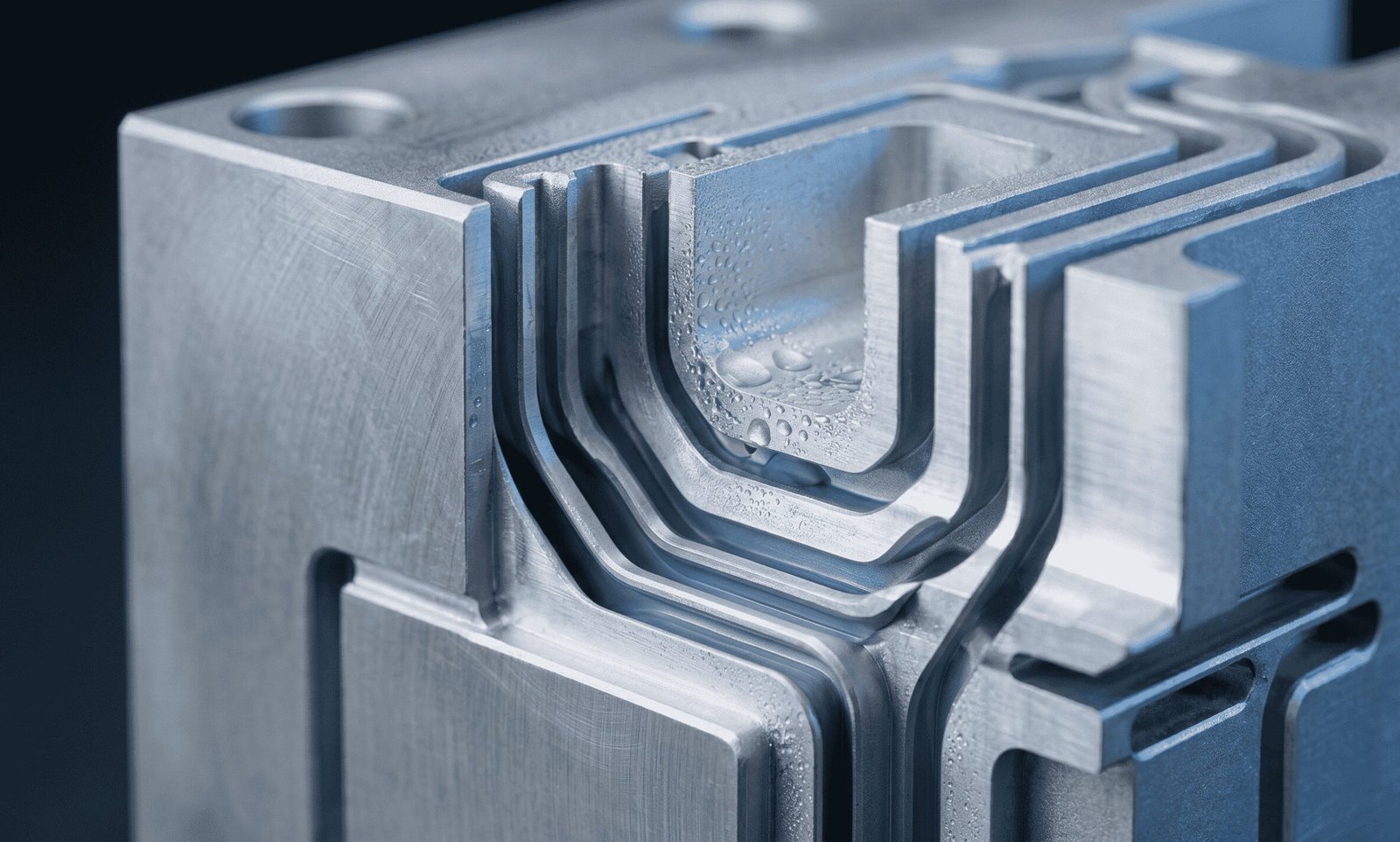
QC-10
If you are building aluminum molds for injection molding, this is a great choice. It pulls heat away fast, helping your plastic parts cool down about 30% quicker, which speeds up your entire production run and saves you money.
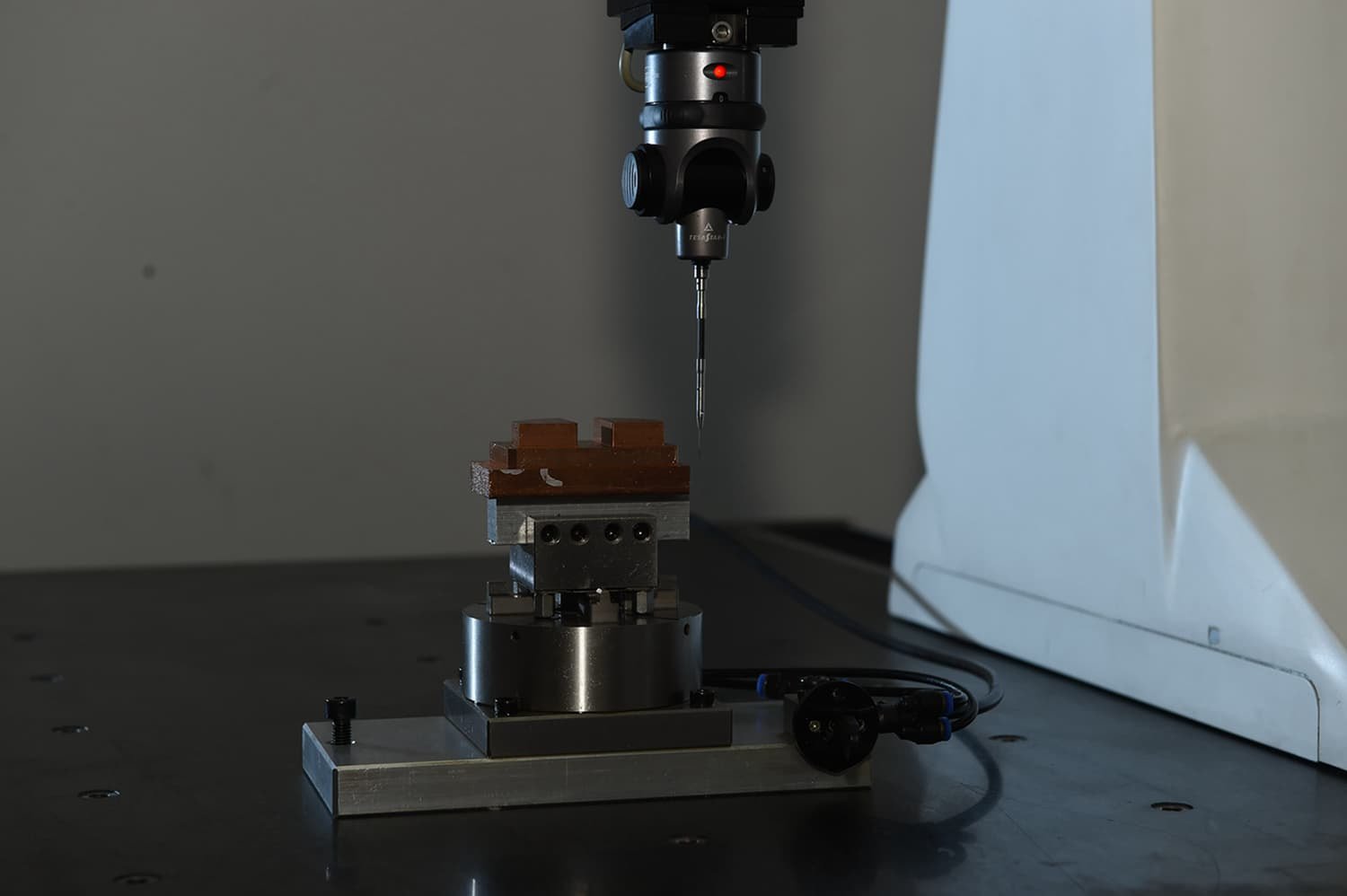
Alumec 89
Need a mold that won't warp and polishes up to a clear mirror finish? We often use this high-strength aluminum for injection and blow molds because it holds its shape really well and looks great after machining.
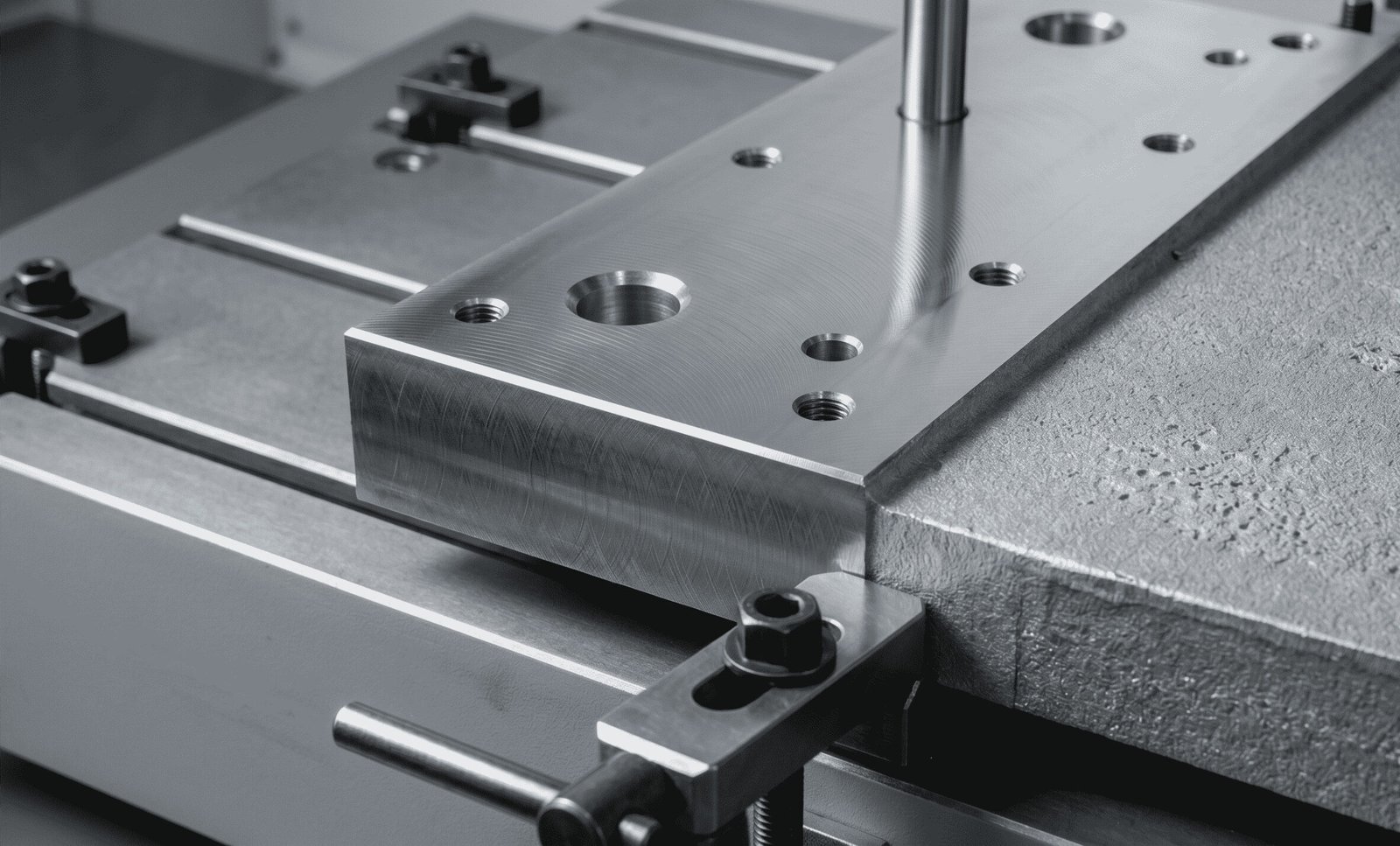
Aluminum MIC6
Heavy CNC machining can sometimes make regular aluminum bend. MIC6 is cast and baked to remove internal stress, meaning it stays completely flat. It’s perfect for making precision fixtures, jigs, or base plates where flatness is everything.
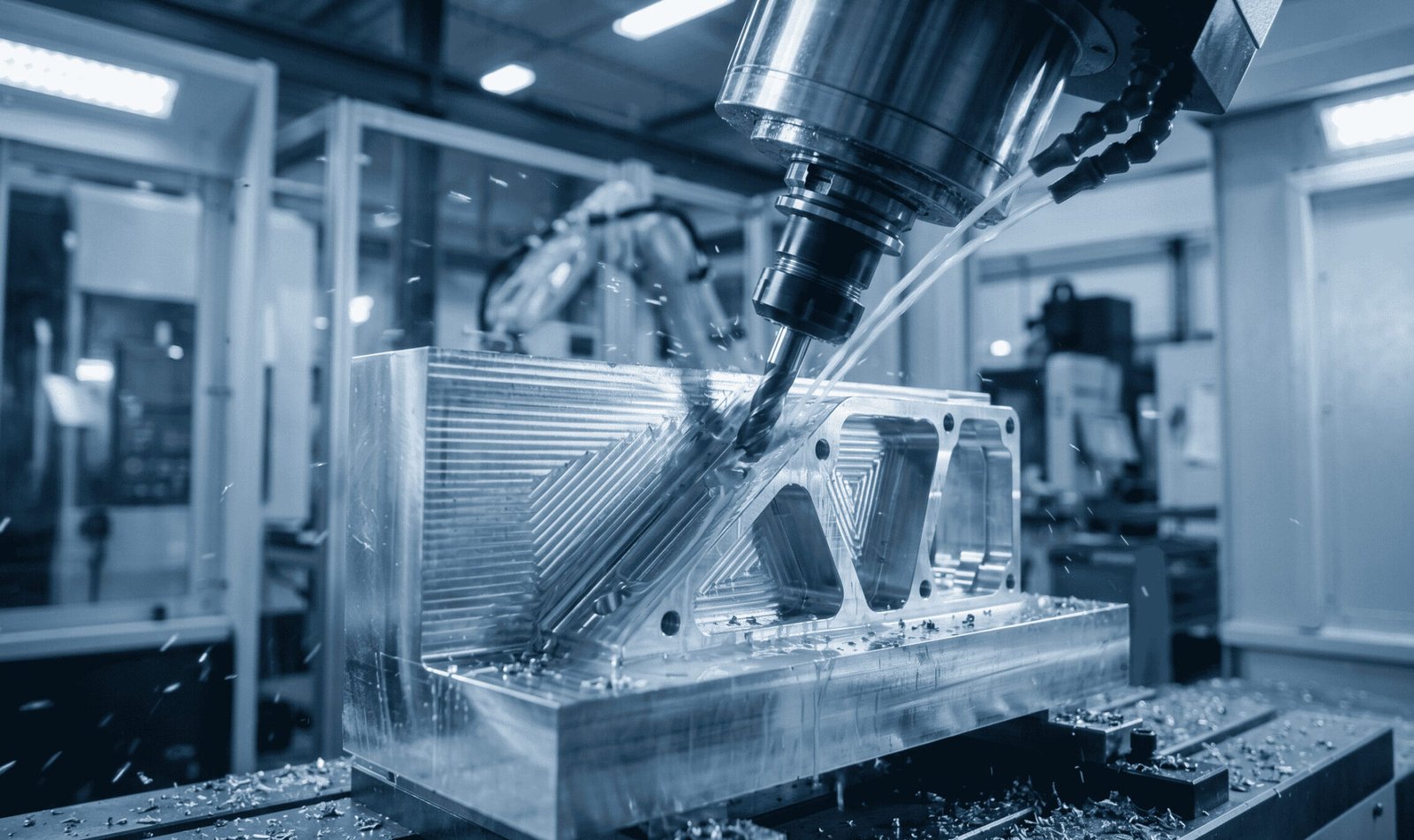
Aluminum 7075-T6
This is one of the strongest aluminums out there—it's actually as hard as some steels but much lighter. We recommend it for heavy-duty molds or structural parts that have to handle a lot of weight and pressure without breaking.
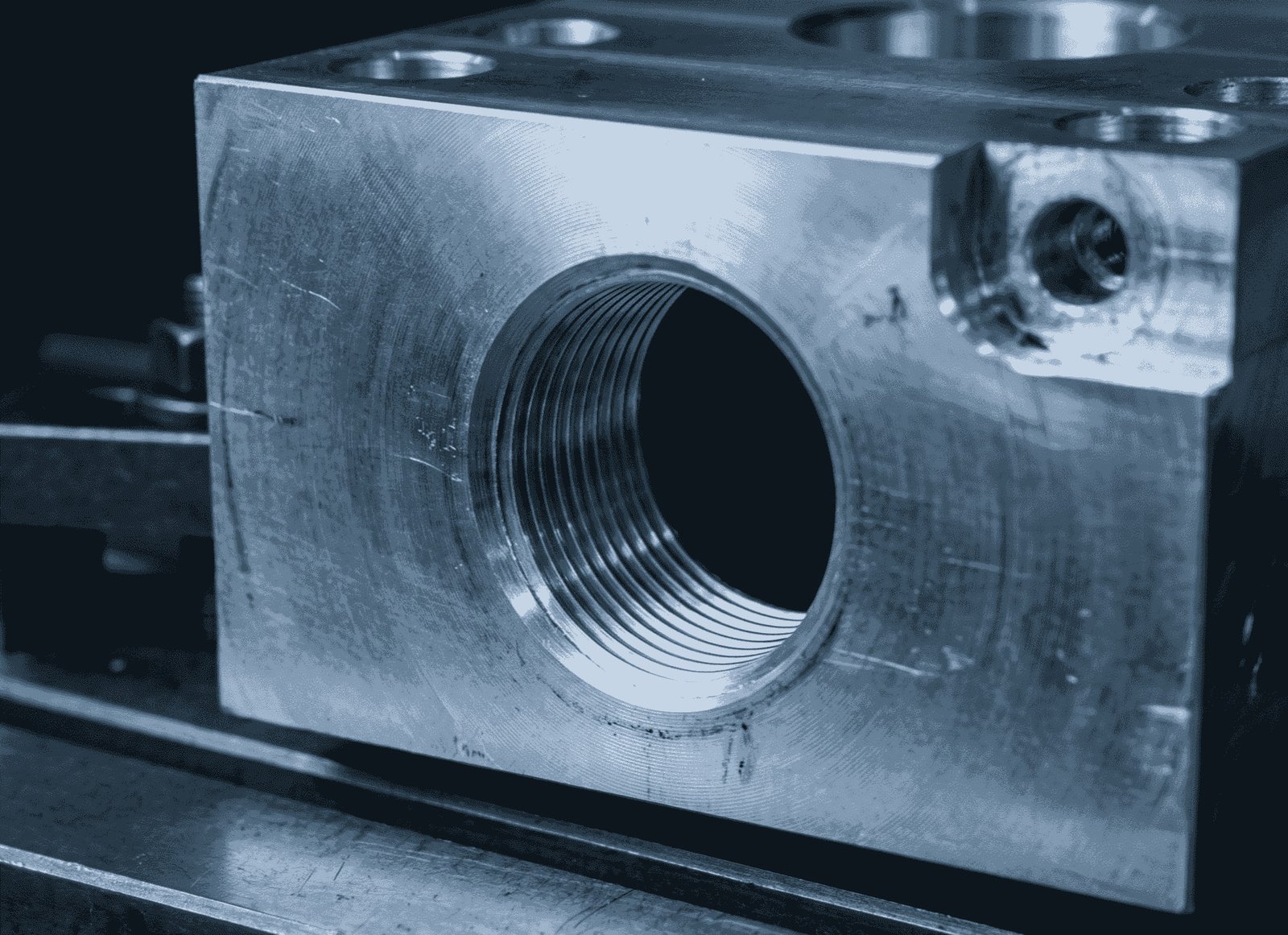
Aluminum 7050
Similar to 7075, but it is much better at handling thick, heavy parts without cracking under stress. If you are designing thick industrial components that take a beating over time, this is a very reliable option.
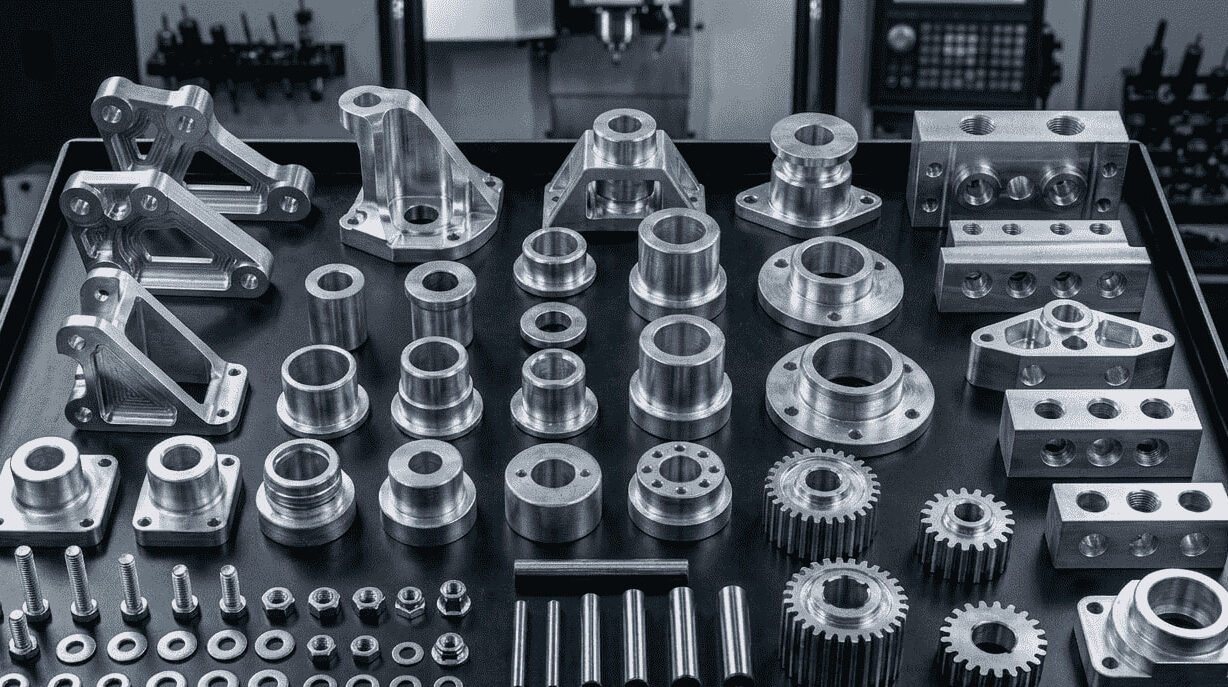
Aluminum 6061-T6
This is our everyday go-to material. It’s easy to machine, easy to weld, doesn't rust easily, and won't break the bank. If you just need a standard prototype or a small batch of everyday parts, 6061 is usually your best bet.
Aluminum 6082
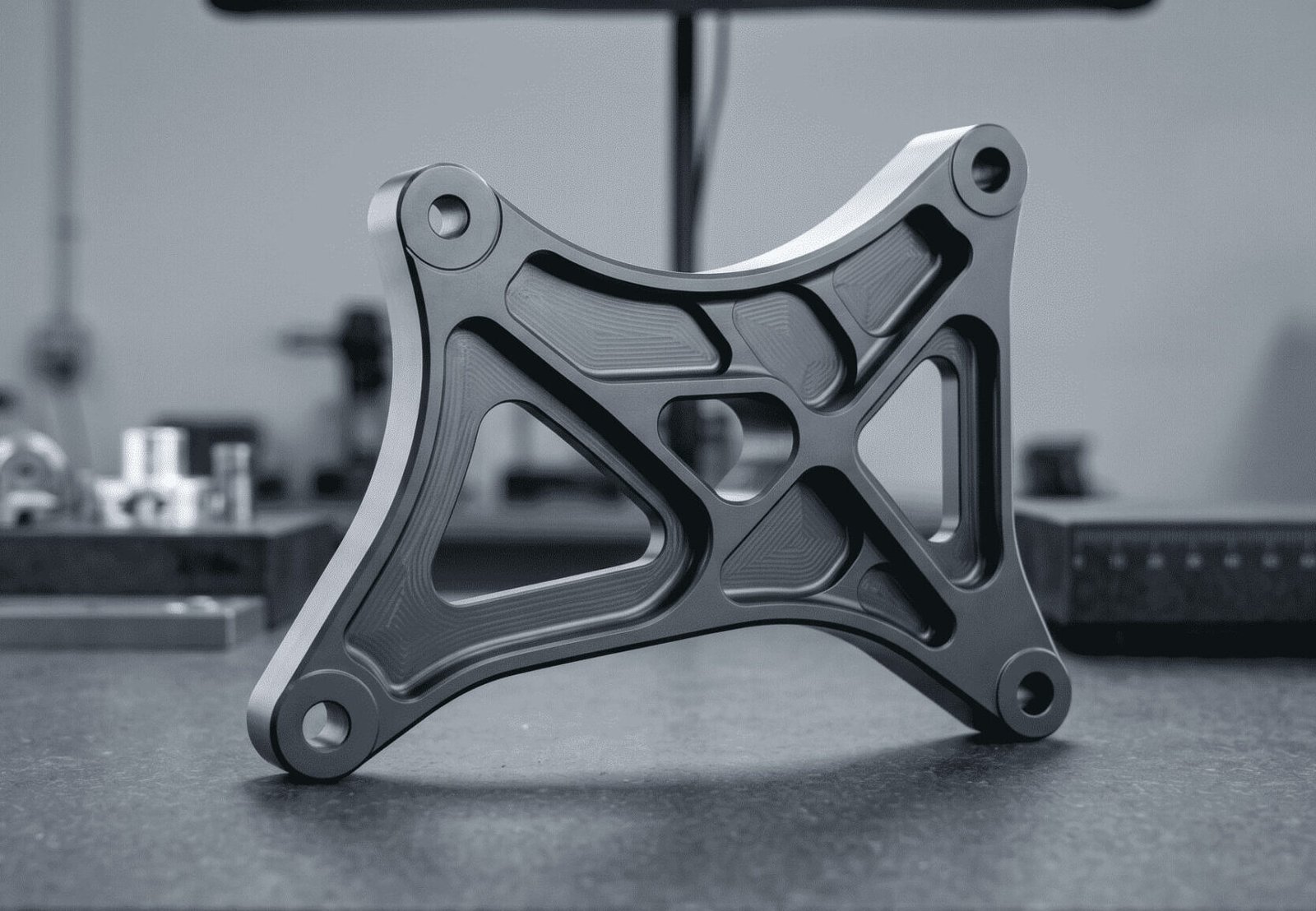
Very similar to the popular 6061, but just a bit stronger. It's a widely used structural material in Europe. It also takes anodizing colors really well, making it a solid choice if your parts need a nice, protective surface finish.
Aluminum 6063
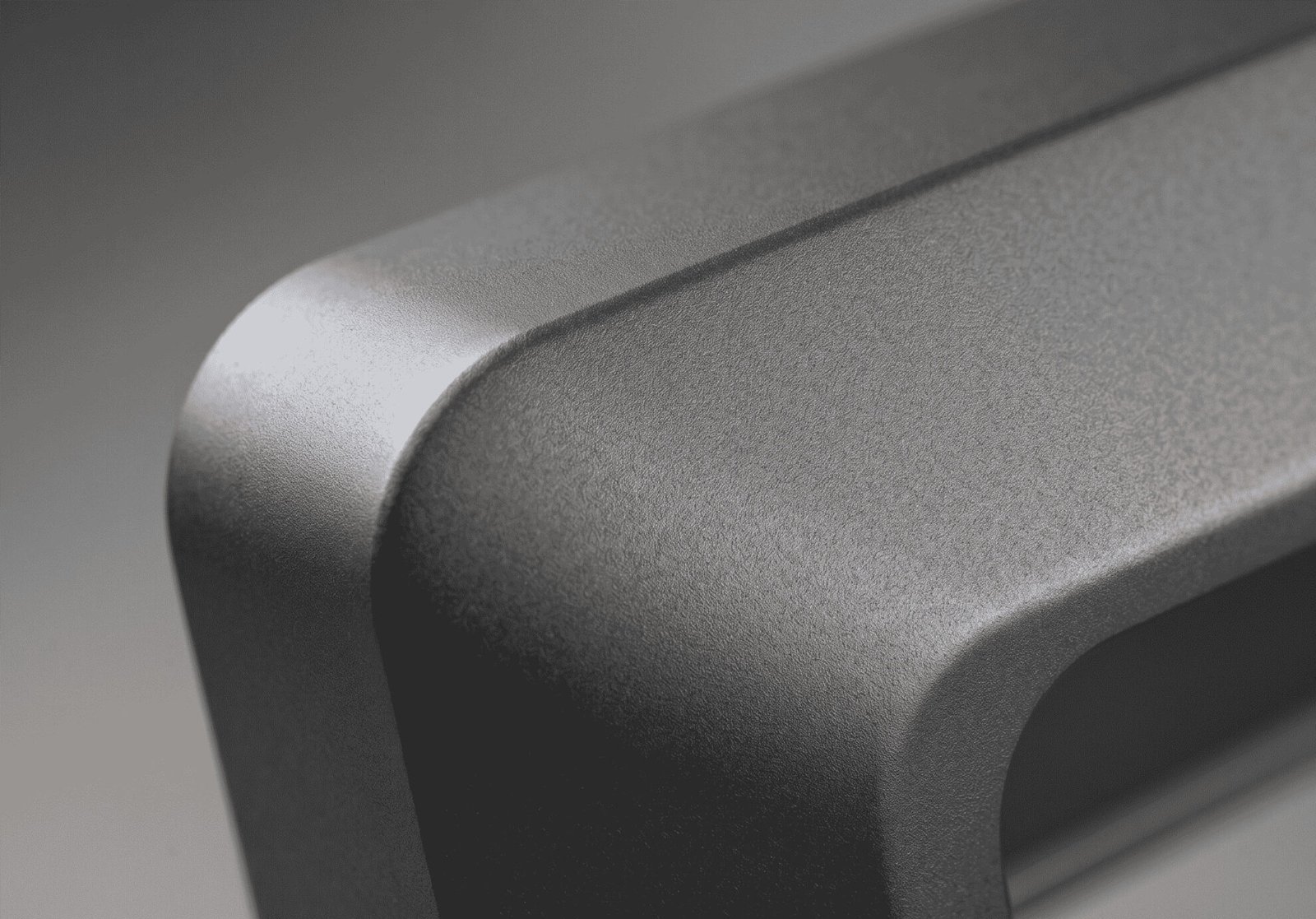
If how the part looks is your main concern, 6063 is the winner. It machines cleanly and is the absolute best choice if you plan to anodize your parts with custom colors, giving you a really smooth and uniform finish.
Aluminum 5083
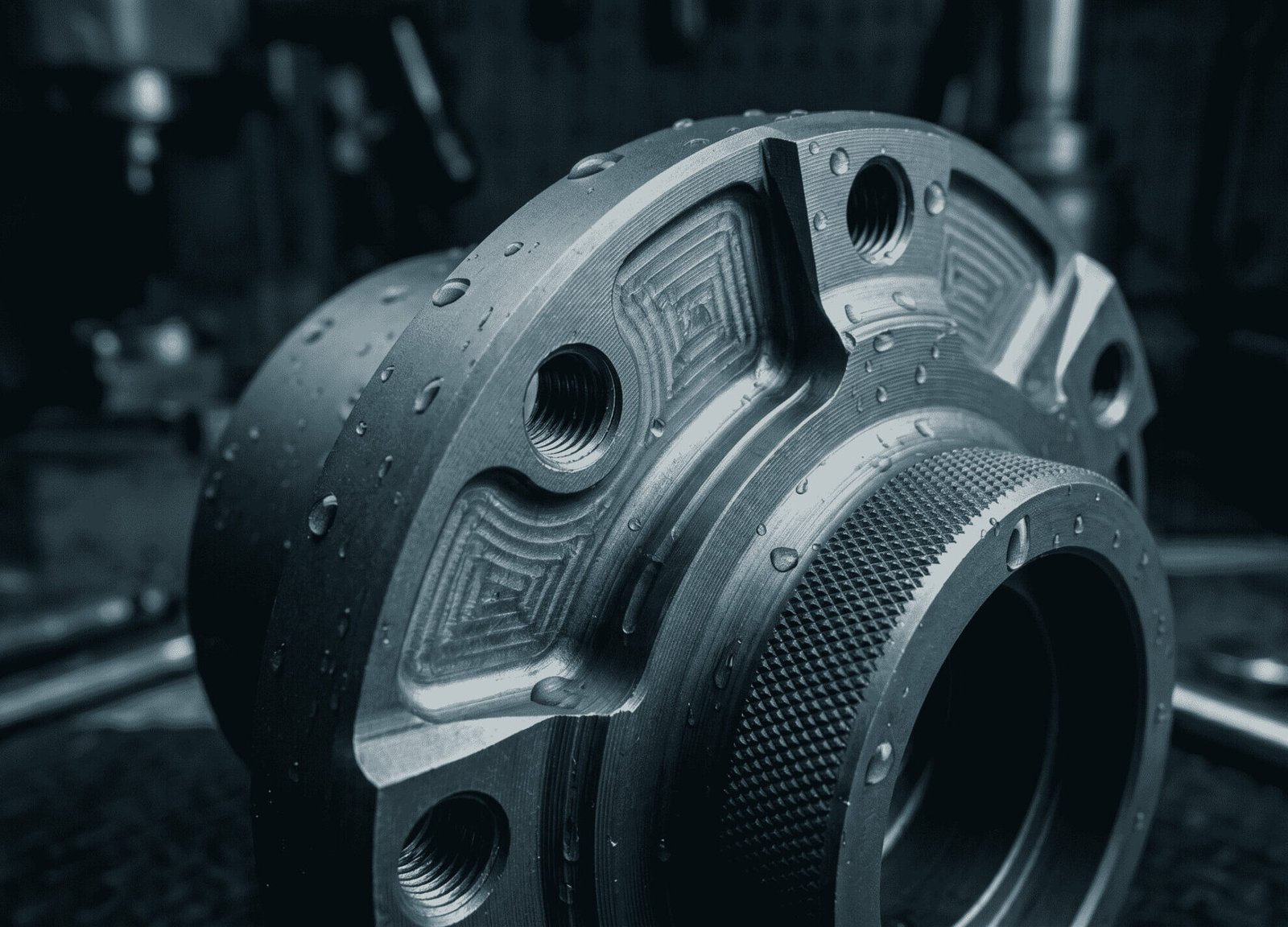
We call this the marine aluminum. It handles salt water and harsh chemicals without rusting away. If you are building parts for boats, outdoor equipment, or anything that faces tough weather, this is exactly what you need.
Aluminum 5052
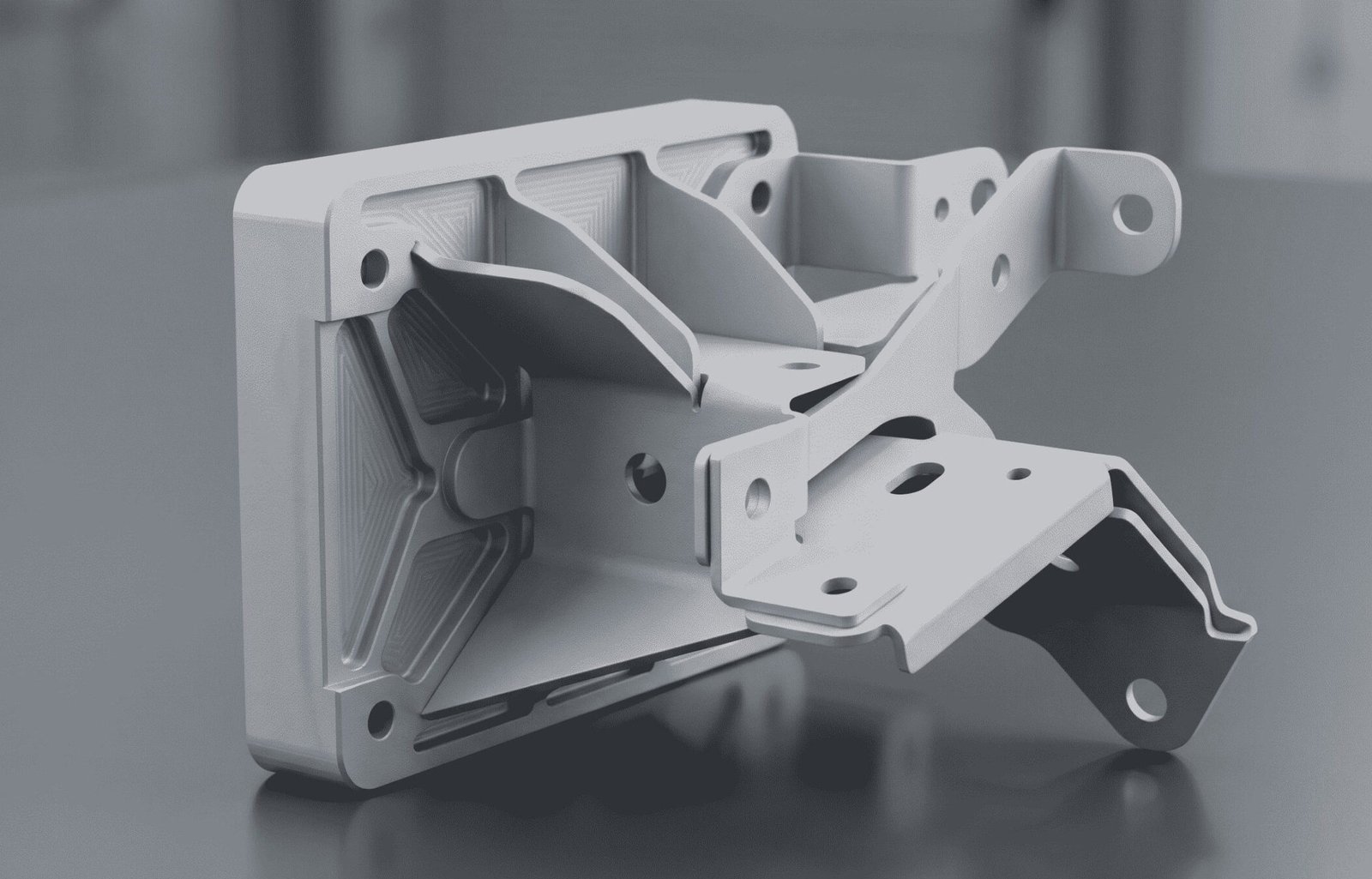
Unlike stiffer aluminums, 5052 is great because you can bend and form it without it cracking. We use it all the time for making metal brackets, electronic enclosures, or parts that combine CNC machining with sheet metal bending.
Aluminum 2024
This is a classic aircraft material. Its biggest advantage is that it doesn't get "tired" or break easily under repeated stress. It’s a smart pick for mechanical parts, tension components, or anything that moves and works constantly.
Still Not Sure Which Metal to Pick?
Tell us what your part does, what environment it faces, and your target budget. Our shop engineers will point you to the most cost-effective material and check your design for free.
Export-Ready
Meets ISO Standards
Reliable CNC Machining
Looking for precise mold parts or custom metal components? We ensure perfect fit and deliver accurate work that meets North American and European standards—no hassle.
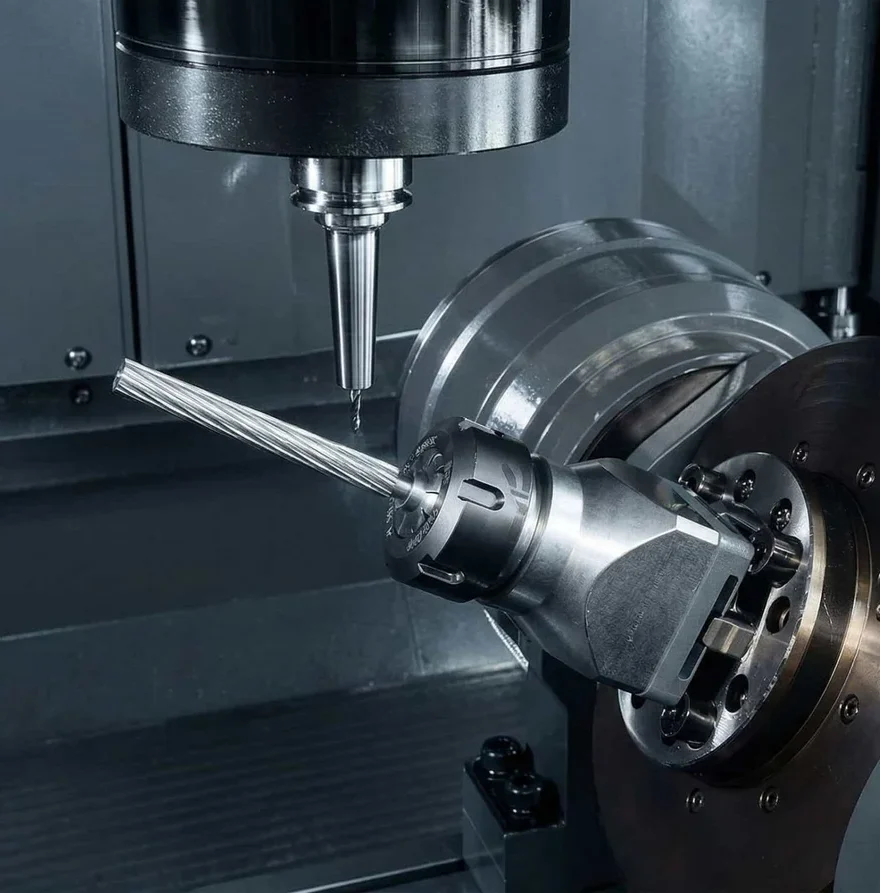
3-Axis & 5-Axis Milling
From simple flat brackets to tricky angled parts, we use the right CNC machines to cut your designs efficiently without needing to move the part around multiple times.
Metals & Plastics
Aluminum, hard steels, or tough engineering plastics—just tell us what you need. We know how to cut different materials cleanly without tearing up the surface.
Machined to Last
We plan our tool paths carefully so the metal doesn't lose its natural strength from overheating. Your parts will hold up perfectly under heavy stress and real-world use.
Holding Tight Tolerances
We don't guess dimensions. We hold strict tolerances so part number 1,000 matches piece number one exactly, making your final assembly a breeze.
Direct Support
+86 15268369865Custom Aluminum Mold Solutions for Prototype and Small-Run Projects
Accelerate your product development cycle with precision-machined aluminum tooling. We provide tailored solutions to help you validate designs, test materials, and launch faster.
Aluminum Rapid Tooling
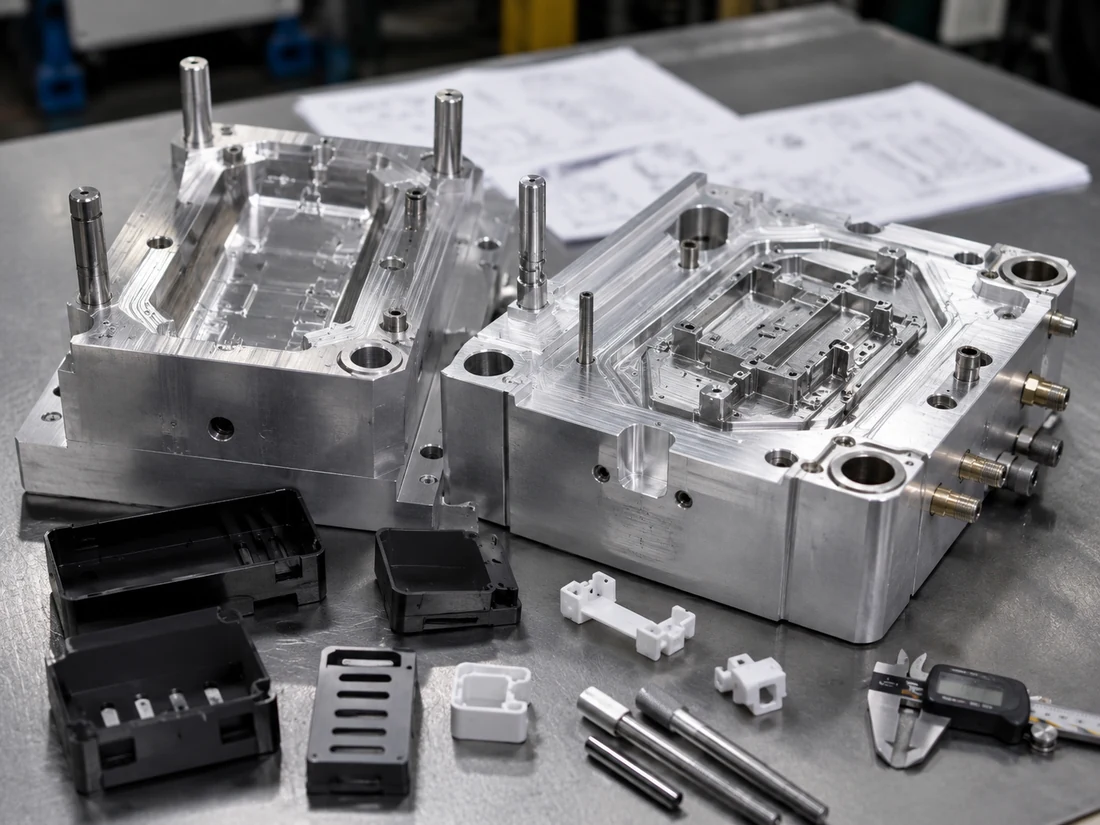
For buyers who need molded samples quickly for design validation, assembly testing or investor/customer review before committing to a production steel mold.
Aluminum Prototype Injection Mold
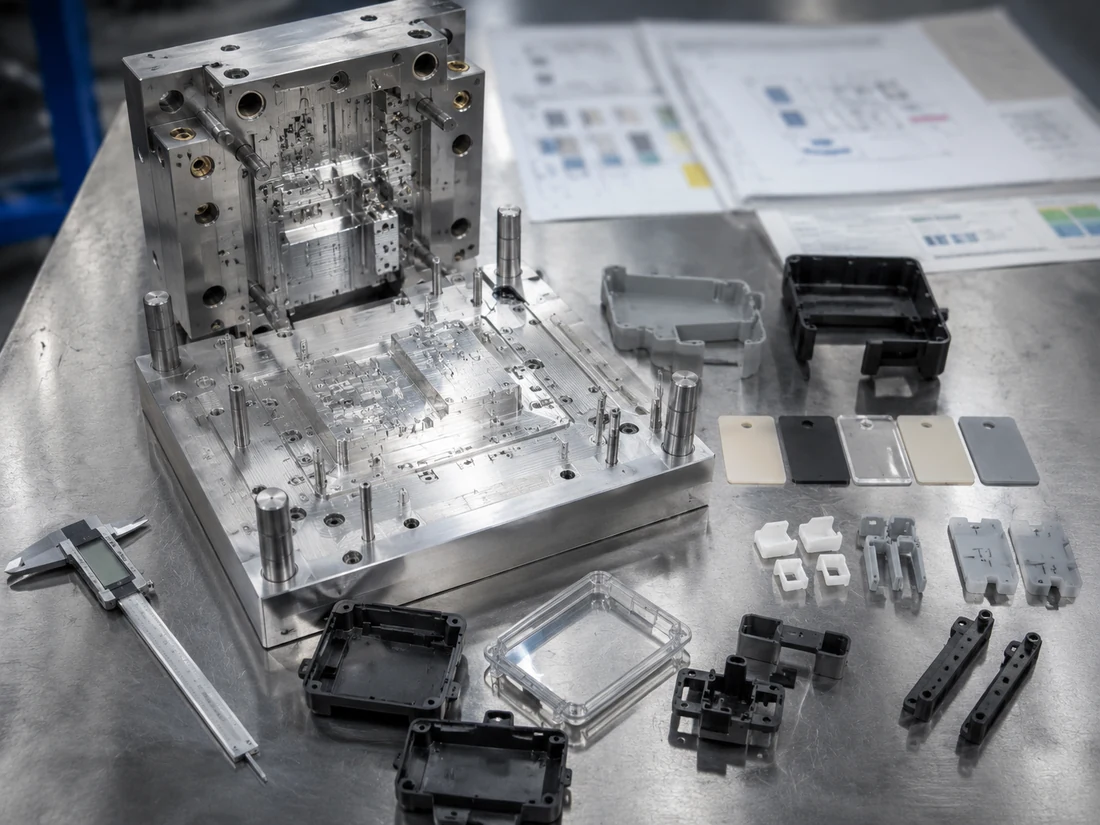
Used to test real thermoplastic materials, gate location, wall thickness, shrinkage and surface finish before final mold investment.
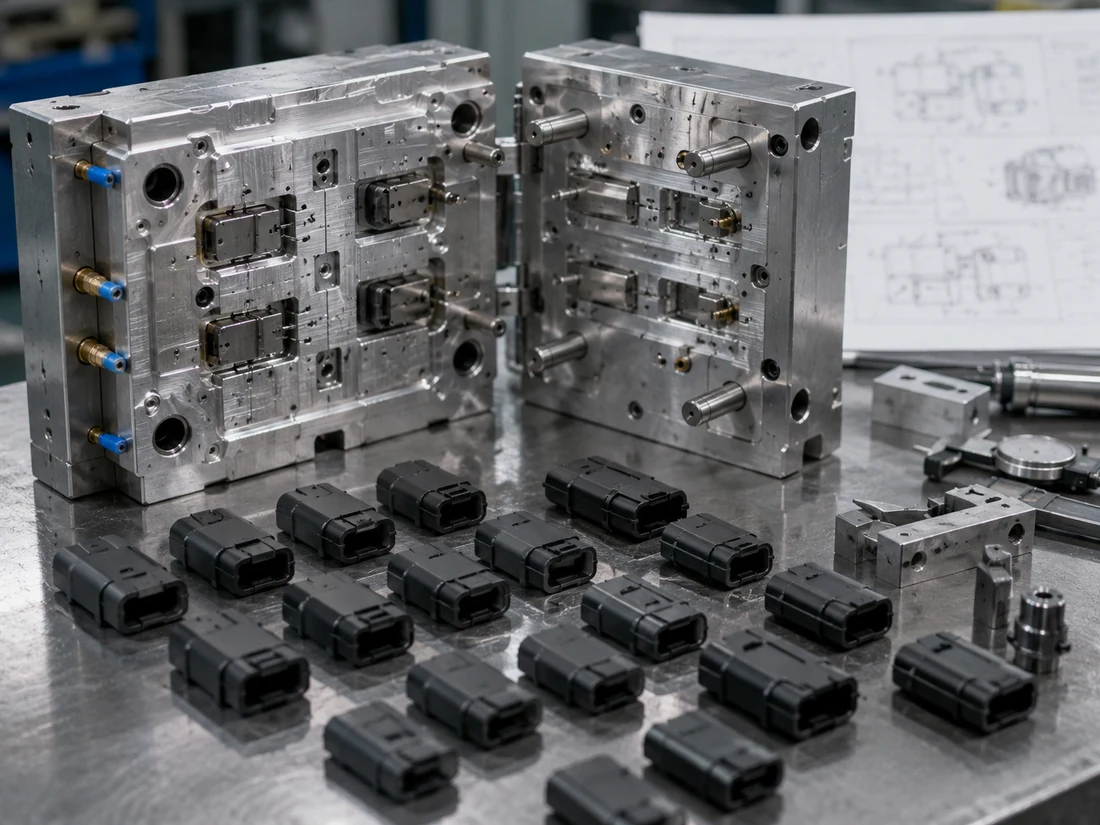
Aluminum Bridge Tooling
Supports pilot production or early market launch while the final steel mold is still under design or manufacturing.
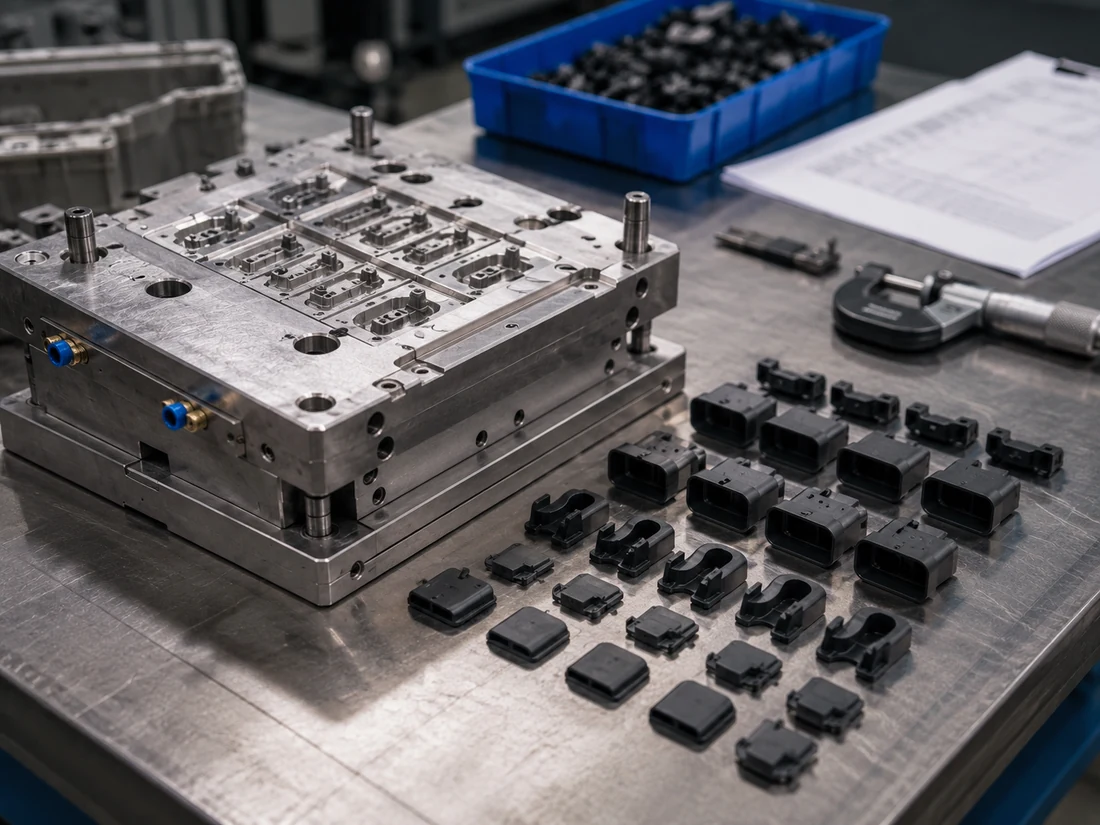
Small-Run Aluminum Injection Mold
Suitable for 100–10,000+ plastic parts when the project does not need a high-cost steel tool yet.
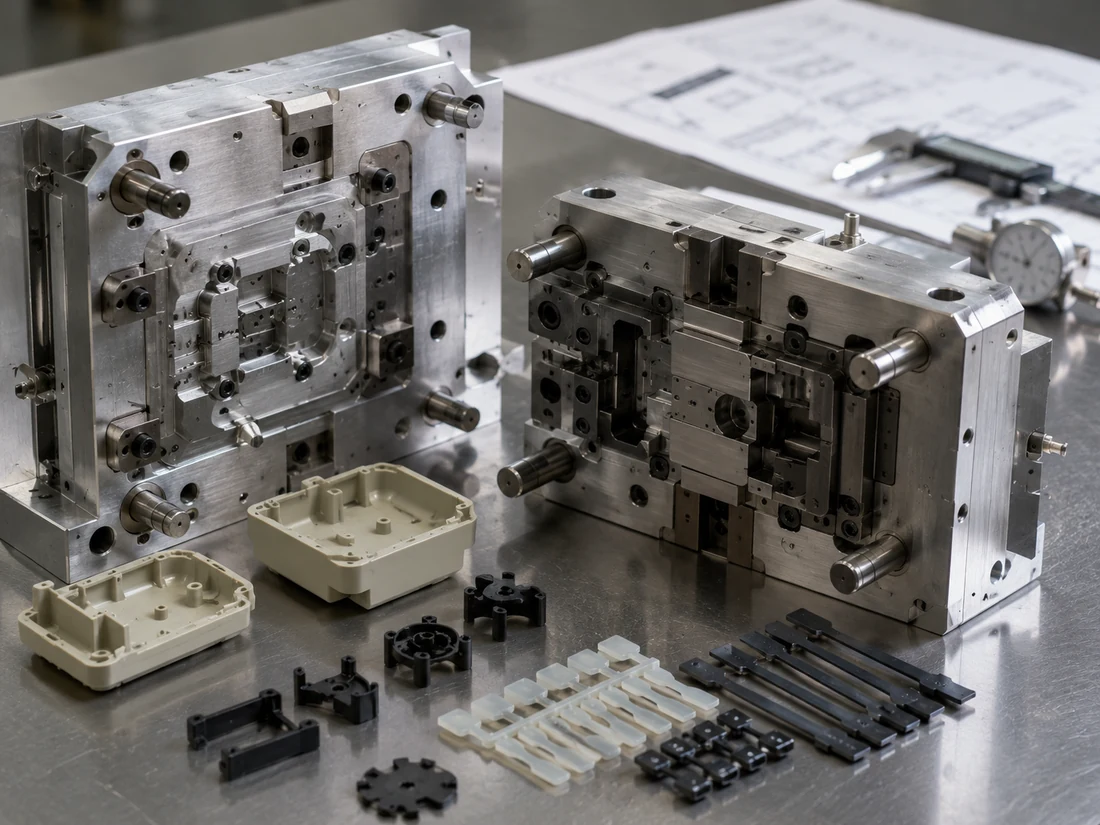
Aluminum Mold with Steel Inserts
Recommended for gates, shut-off areas, slides, core pins or abrasive resin contact zones where aluminum alone may wear too quickly.
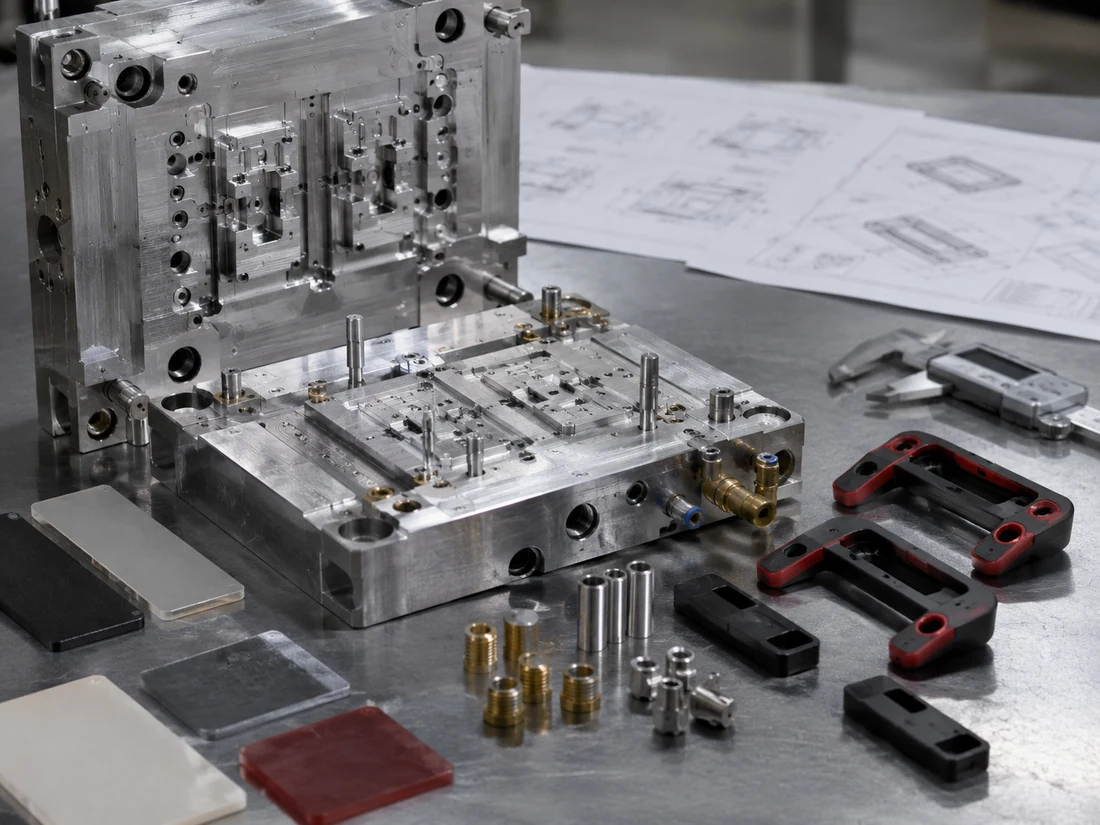
Aluminum Insert / Overmolding Tooling
For early-stage insert molding or overmolding tooling trials using real production materials before moving to hardened tooling. Also serves as an excellent 2K / Two-Shot Alternative.
Need immediate engineering support? Call +86 13632611848 or email Annie@gbminjection.com.
Our Aluminum CNC Limits
Before you send us your CAD files, check our standard machining limits below. We want to be upfront about what sizes and tolerances our shop can actually hit for your aluminum parts.
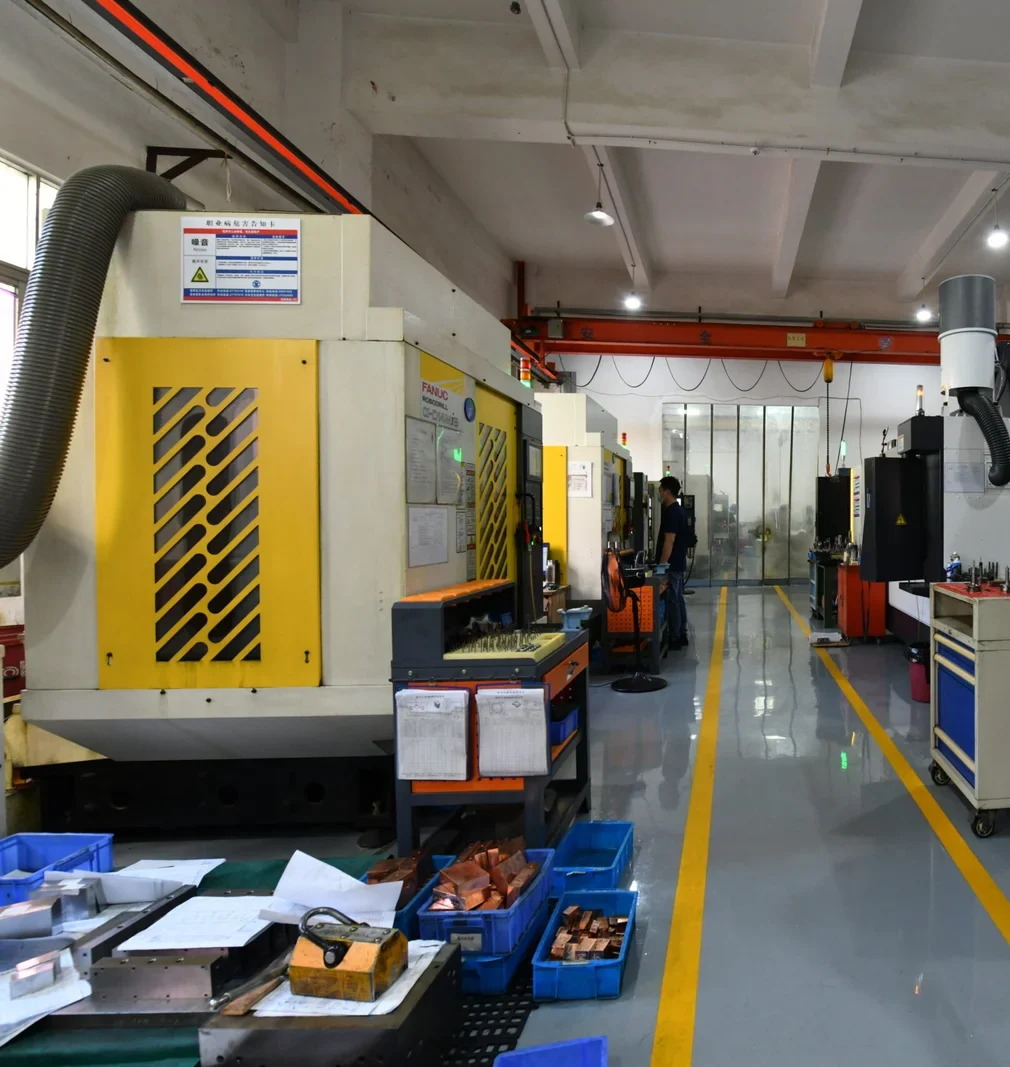
In-House CNC Shop
| What We Machine | Our Standard Limits |
|---|---|
| Standard Lead Time | < 10 days |
| Thinnest Wall | 0.75 mm |
| Standard Precision | ±0.125mm (±0.005) |
| Biggest Part Size | 200 x 80 x 100 cm |
Why CNC Aluminum? Instead of paying for an expensive mold right away, CNC machining lets you cut the part directly from a solid metal block. It is the cheapest and fastest way to test your physical design and fix mistakes before you spend money on mass production tooling.
DFM Review for Aluminum Injection Mold Projects
A thorough Design for Manufacturability (DFM) analysis is the core of our professional engineering process. We identify and resolve potential issues before cutting any tooling, ensuring precision, efficiency, and cost-effectiveness for your project.
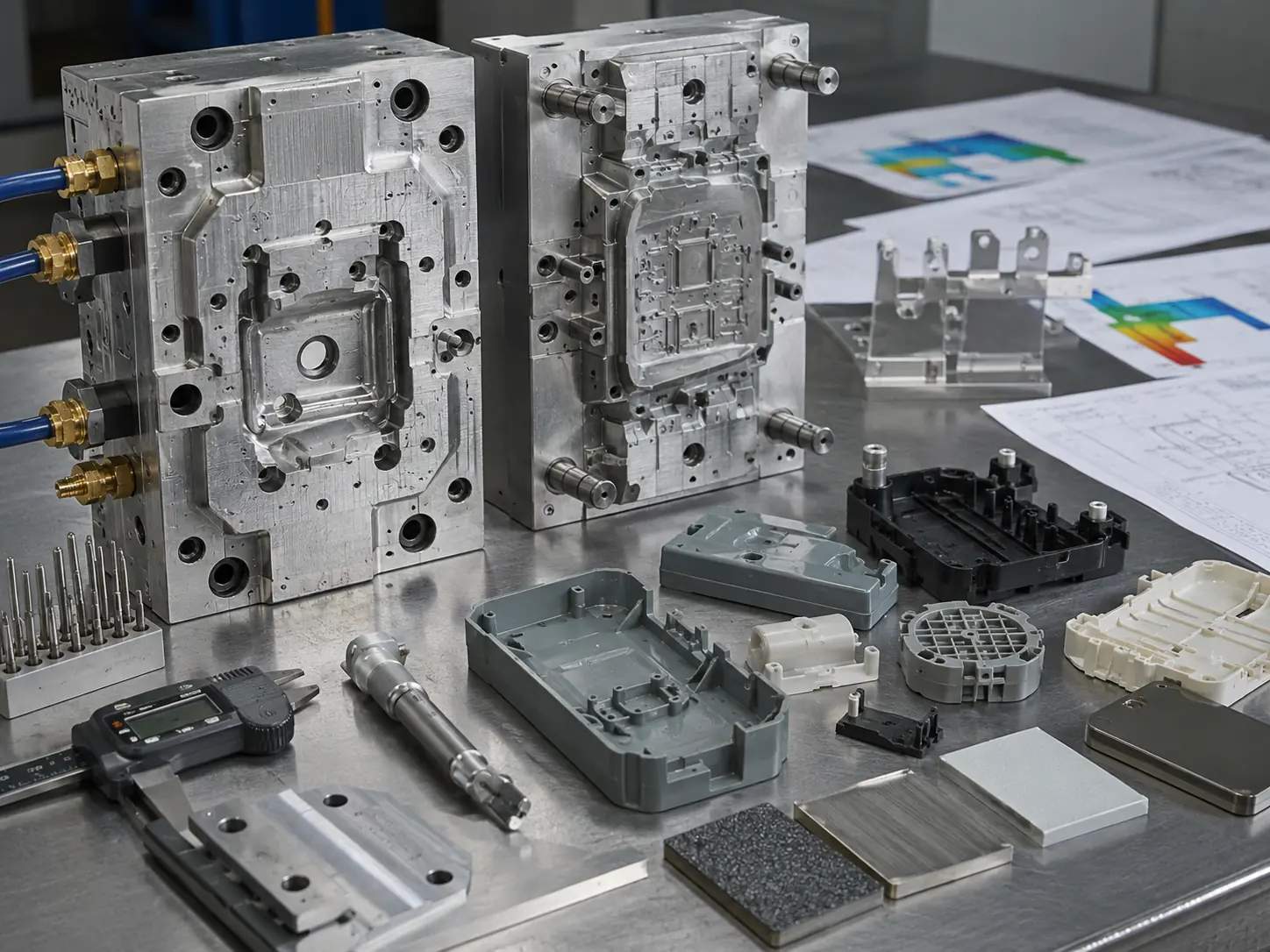
Professional DFM
Risk Mitigation Guaranteed
DFM Checklist
-
Wall Thickness Review: check sink marks, short shots and warpage risk before tooling.
-
Draft Angle Review: avoid sticking and ejection marks, especially on textured surfaces.
-
Gate and Runner Review: confirm gate location, filling balance and weld line risk.
-
Venting Review: reduce burn marks, trapped gas and incomplete filling.
-
Ejection Review: check ejector pin layout, thin ribs, bosses and cosmetic surfaces.
-
Wear Zone Review: identify areas that may need steel inserts or hard coating.
-
Cooling Review: use aluminum’s thermal conductivity while avoiding uneven shrinkage.
-
Material Review: confirm whether ABS, PC, PP, PA, TPE or glass-filled resin is suitable.
Ready for production? Let our experts review your design.
From CAD Review to T1 Samples and Small-Run Production
A streamlined workflow ensuring precision from concept to delivery.
CAD & RFQ Review
Feasibility feedback, quote questions
DFM for Aluminum Tooling
Gate, parting line, draft, wall and resin review
Mold Design
2D/3D mold layout, insert and cooling planning
CNC Machining
Aluminum cavity/core machining, EDM if needed
Mold Fitting & Polishing
Shut-off, venting, ejection and surface finish check
T0 / T1 Trial
First molded samples, trial photos or video
Sample Inspection
CMM / dimensional report / visual review
Mold Correction
Gate, venting, flash, shrinkage or fit adjustment
Small-Run Molding
Pilot run, bridge production or export mold delivery
How Much Does a Small-Run Aluminum Mold Cost?
We avoid providing generic, flat-rate pricing because every injection molding project is unique. The final cost of your tooling is determined by several critical engineering and production factors. To receive an accurate estimate, please review the requirements below.
| Cost Factor | What Buyers Should Prepare |
|---|---|
| Part size and geometry | 3D CAD file (STEP/IGES), 2D tolerance drawing, critical dimensions |
| Mold structure | Straight-pull, side action, inserts, sliders, lifters |
| Production quantity | Prototype batch, pilot run, bridge production or repeat orders |
| Plastic resin | ABS, PC, PP, PA, TPE, POM, PEEK or glass-filled material |
| Surface finish | Polishing, texture, visible surface requirements |
| Inspection level | Basic sample check, CMM report, FAI report, material certificate |
| Export requirements | Mold shipping, molded part delivery, spare parts, packaging photos |
Ready for a Professional Tooling Assessment?
Send your STEP / IGES file and target quantity. GBM will rigorously review your project to determine whether aluminum tooling, hybrid aluminum-steel tooling, or a steel mold is the optimal solution for your timeline and budget.
China Aluminum Mold Manufacturer Supporting US and European Buyers
GBM is based in Shenzhen, China and supports overseas buyers with English engineering communication, DFM review, weekly tooling updates, T1 sample photos or videos, export mold packing and international delivery coordination.
For US and European buyers searching for an aluminum mold maker near me, GBM provides remote project review and direct factory support through email and WhatsApp, bridging the geographic gap with transparent and responsive service.
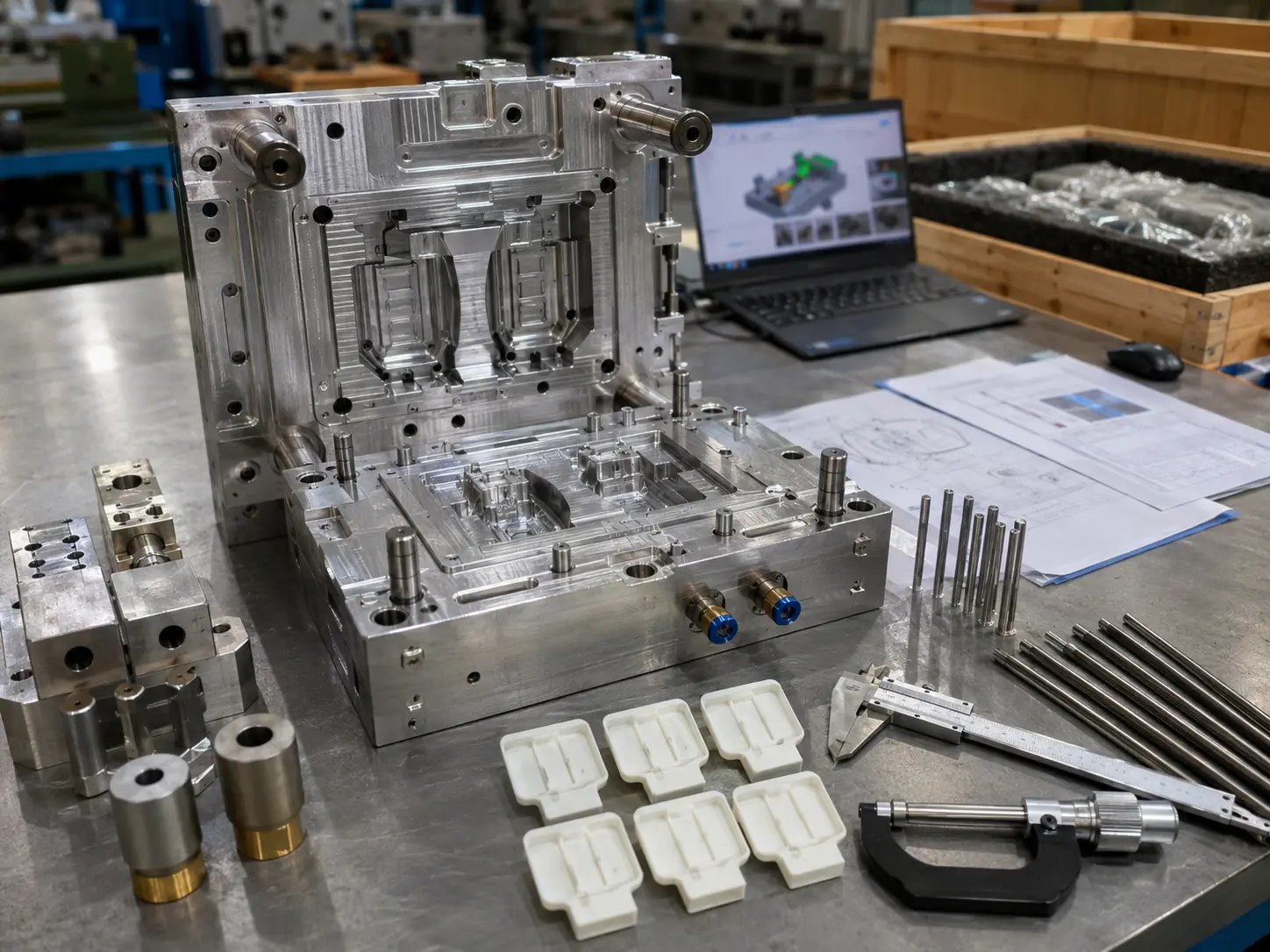
Seamless Global Delivery
To USA & Europe
Aluminum Injection Mold Applications
Fast, cost-effective, and highly precise tooling solutions tailored for a wide range of industries and product development stages.
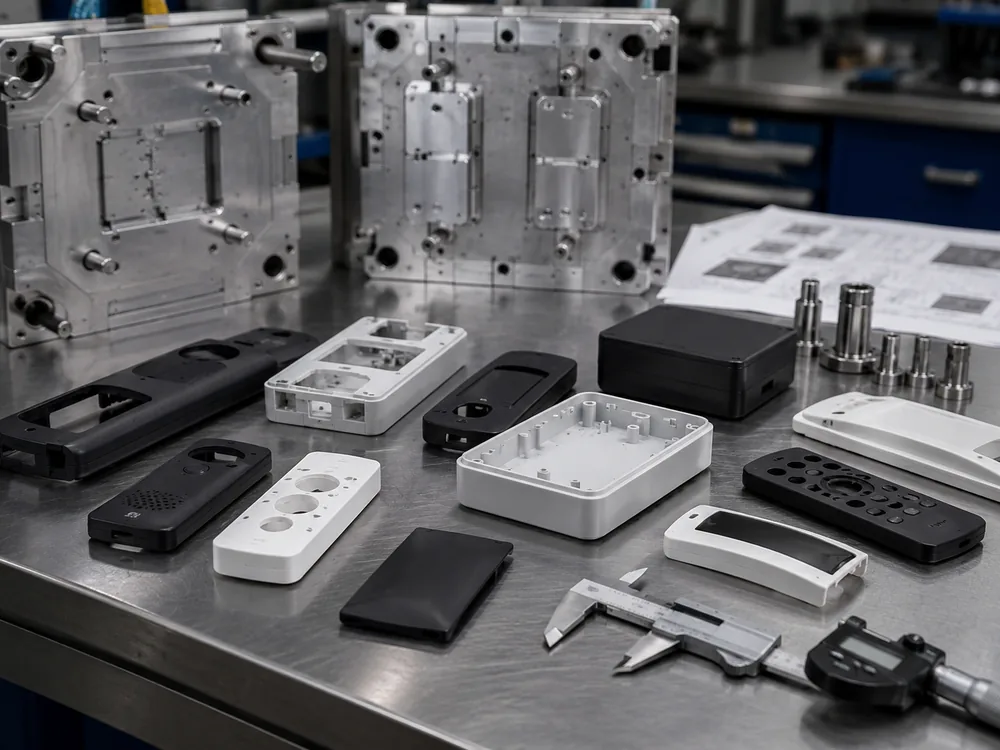
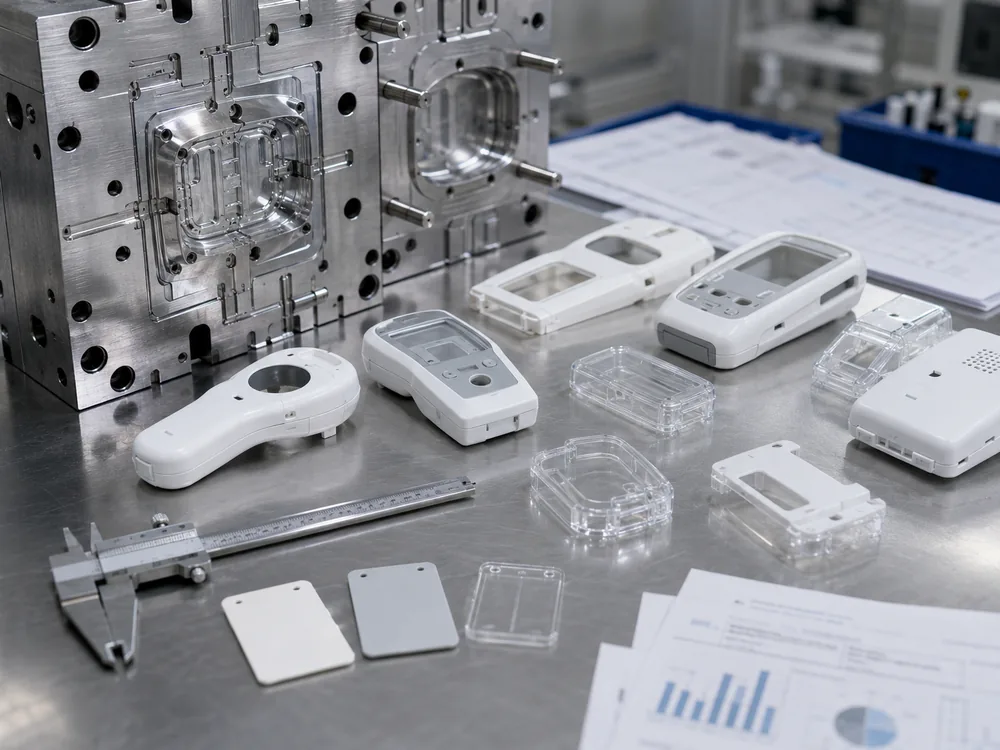
Consumer Electronics Housings
ABS / PC covers, handheld device shells, snap-fit housings.
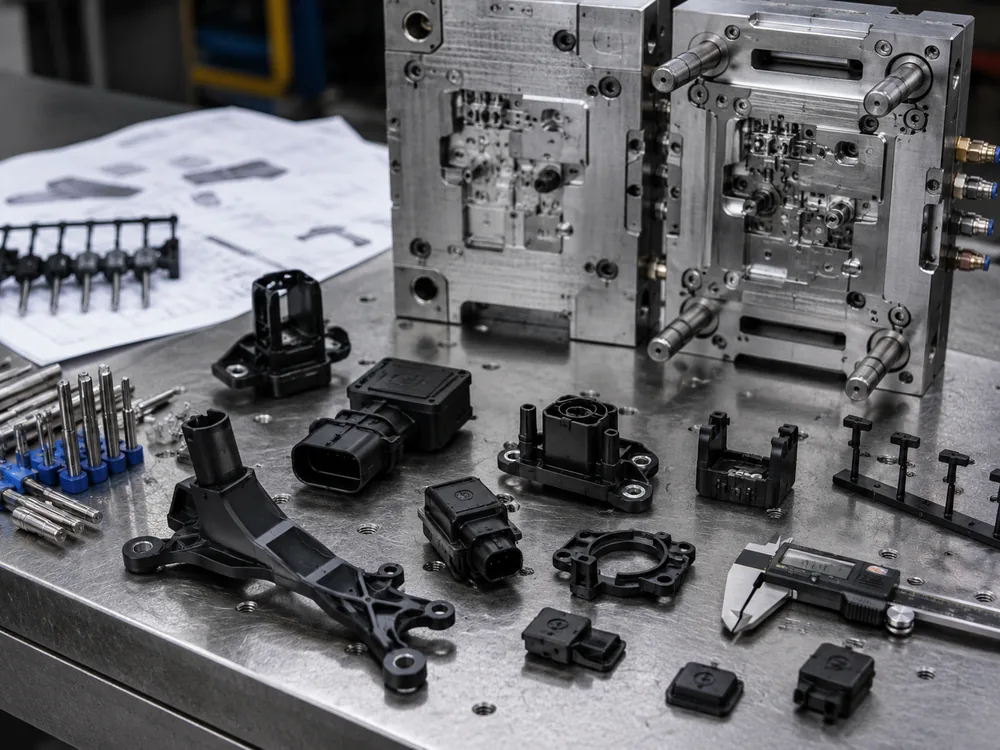
Medical Device Prototype Covers
PC, ABS, PP parts for fit, assembly and functional checks.
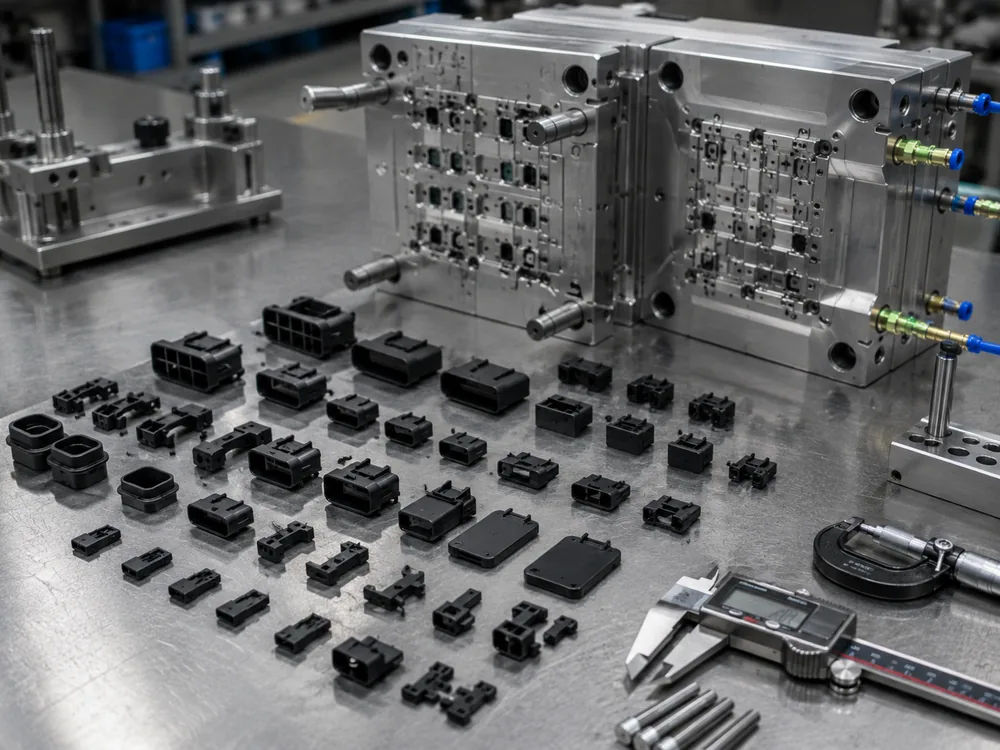
Automotive Test Components
Sensor brackets, clips, covers, mounting parts for validation builds.
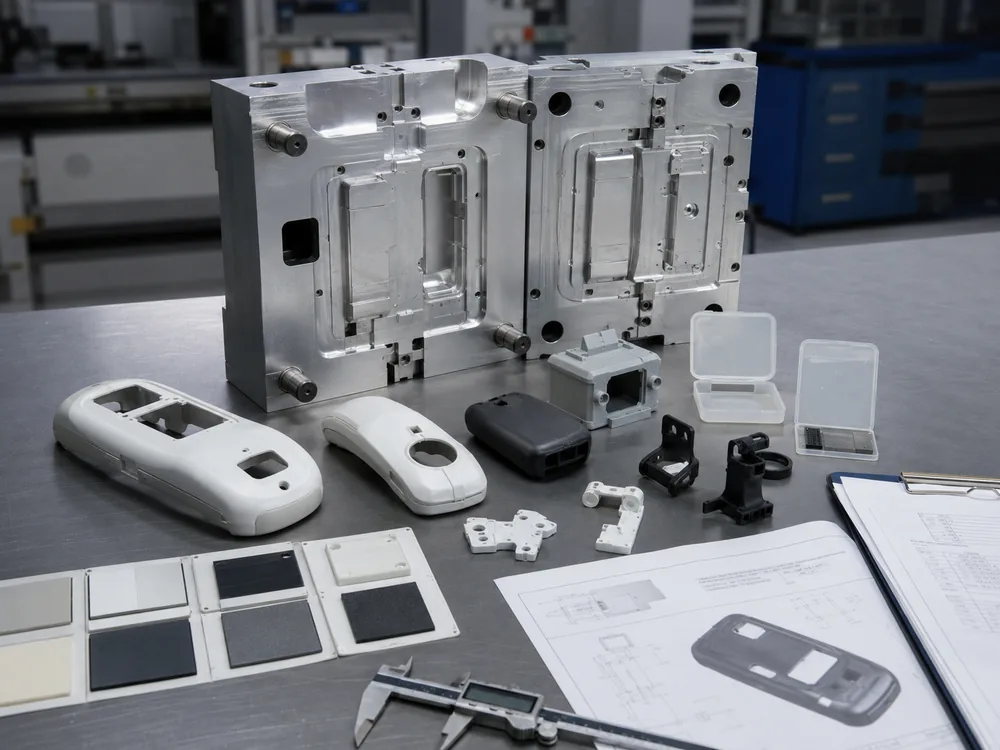
Connector & Small Mechanical Parts
Housings, caps, clips, spacers and assembly components.
Startup & Small Business Launches
Small-run molded parts before investing in production steel tooling.
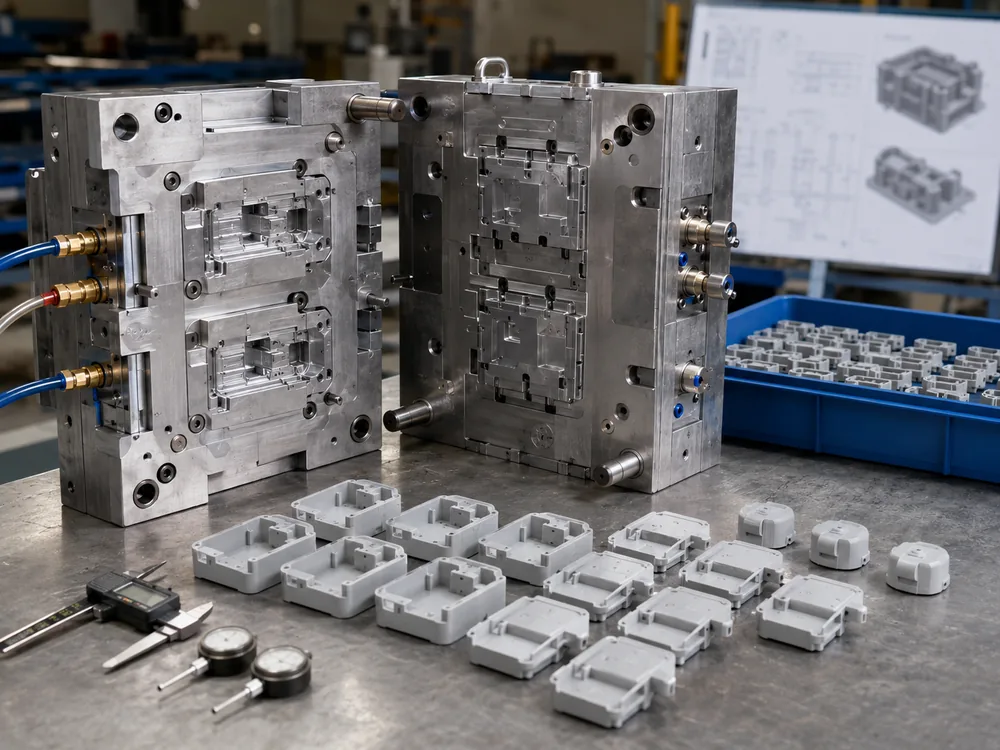
Bridge Production Before Steel Mold
Early market supply while the final hardened mold is being prepared.
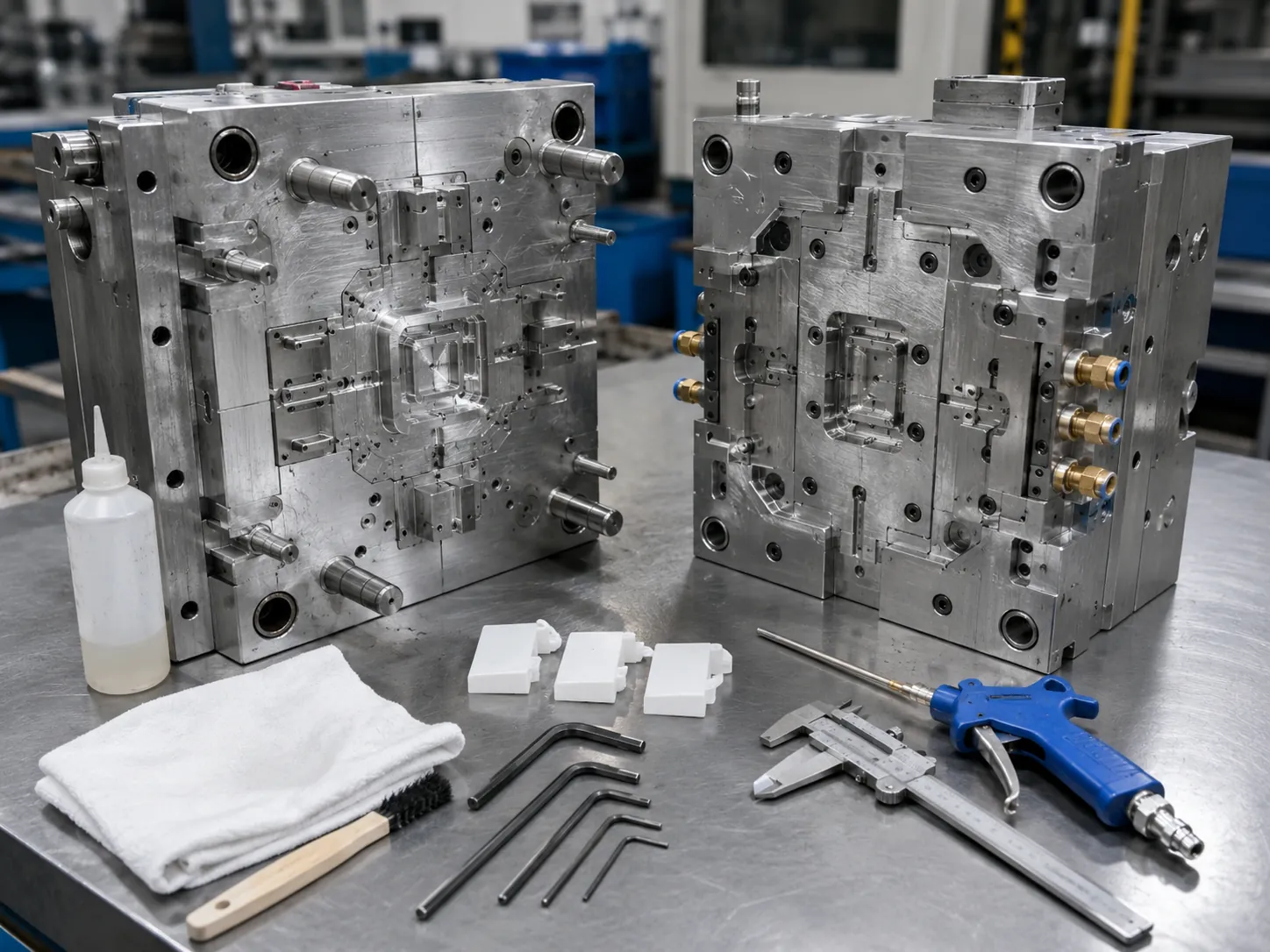
Aluminum Mold Maintenance Guide
Proper cleaning and maintenance are critical to extending the lifespan of your aluminum molds, ensuring consistent part quality, and minimizing production downtime.
ISO9001 Certified
Standardized Maintenance Process
Clean cavities, runners, gates and vents after molding trials.
Keep the mold dry before storage to reduce oxidation and staining.
Check ejector pins, slides and moving inserts for wear or galling.
Apply suitable lubricant only to moving areas, not cosmetic cavity surfaces.
Inspect gate areas, shut-off edges and high-pressure zones after each run.
Check cooling channels for blockage or leakage before repeat production.
Store the mold in a dry, stable environment with protection on polished surfaces.
Why Choose Aluminum Molds?
Jumping straight into a heavy steel mold isn't always smart for a new product. Here is why making your mold out of aluminum first can save you time, cut down your financial risk, and still give you real, production-grade plastic parts.
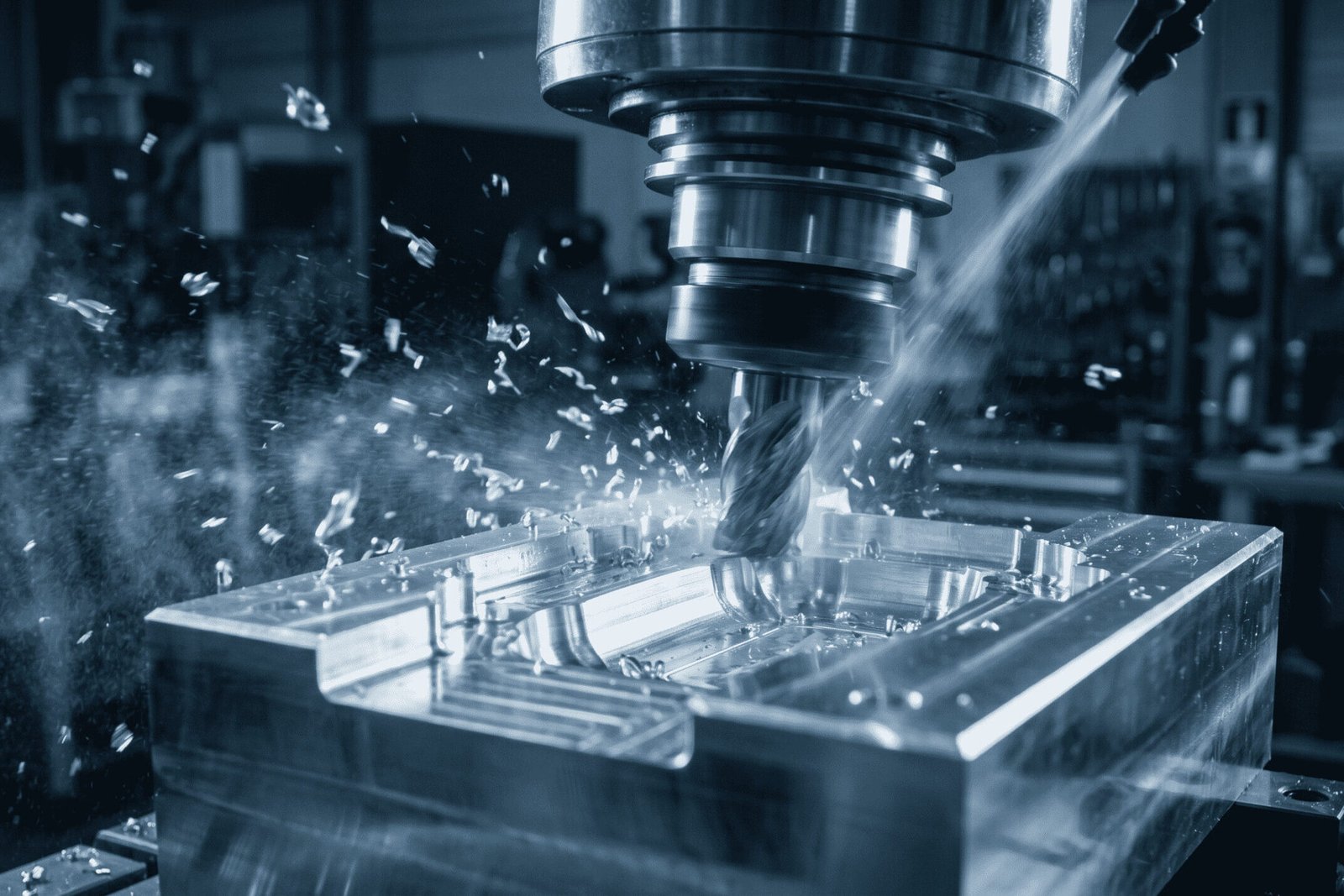
Cut Weeks Off Your Wait Time
The Steel Problem: Hard steel takes months to cut, keeping your product stuck in the factory.
Aluminum is much softer and faster to machine. We can cut an aluminum mold and have physical plastic parts in your hands in just a few days. This lets you test your design immediately and beat your competitors to the market.
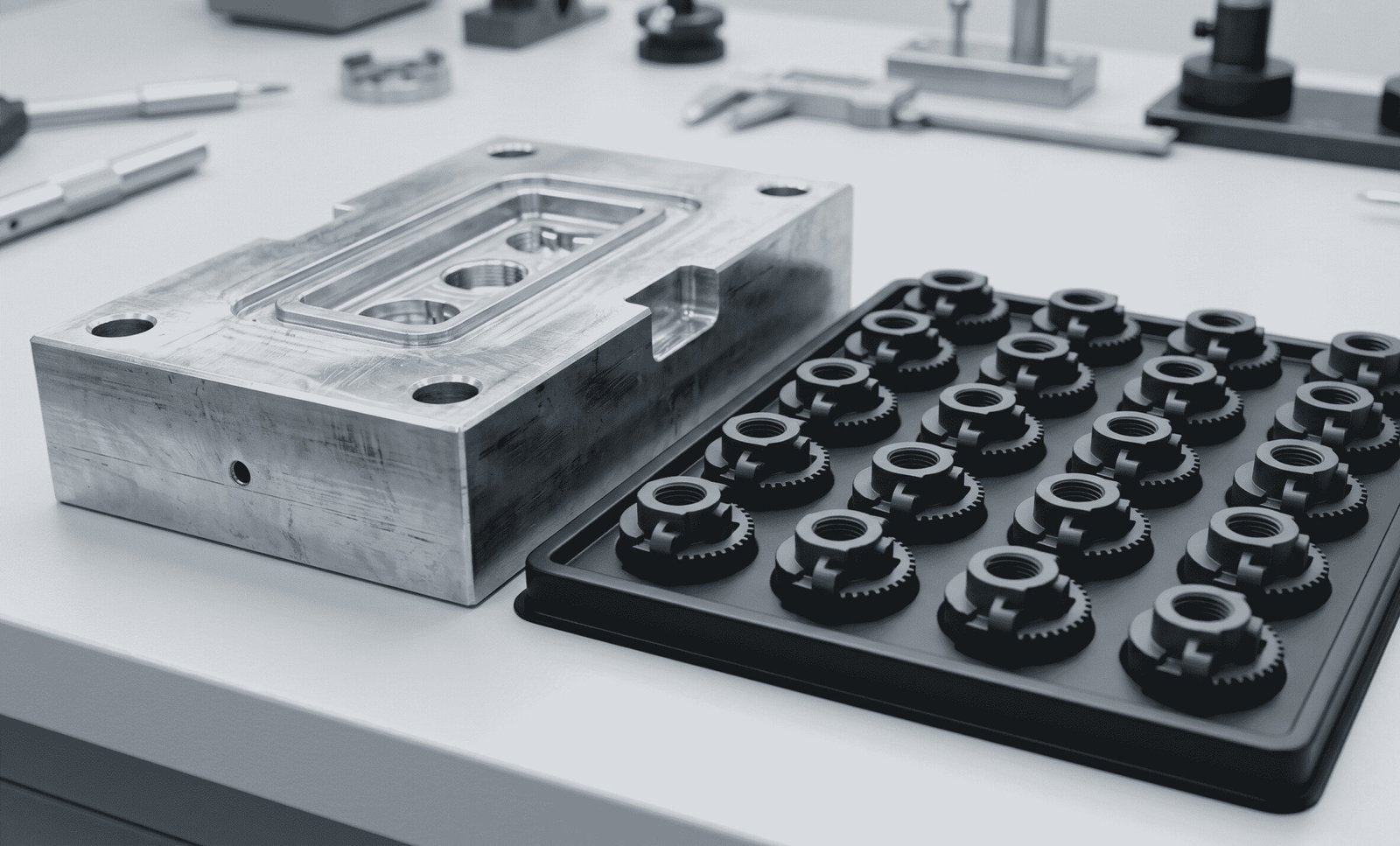
Stop Risking High Upfront Costs
The Steel Problem: Buying an expensive steel mold for an untested design is a huge financial gamble.
Because aluminum machines so fast, you save a lot of money on labor and machine time. It is a low-risk way to get your first batch of 500 or 5,000 parts without emptying your entire project budget.
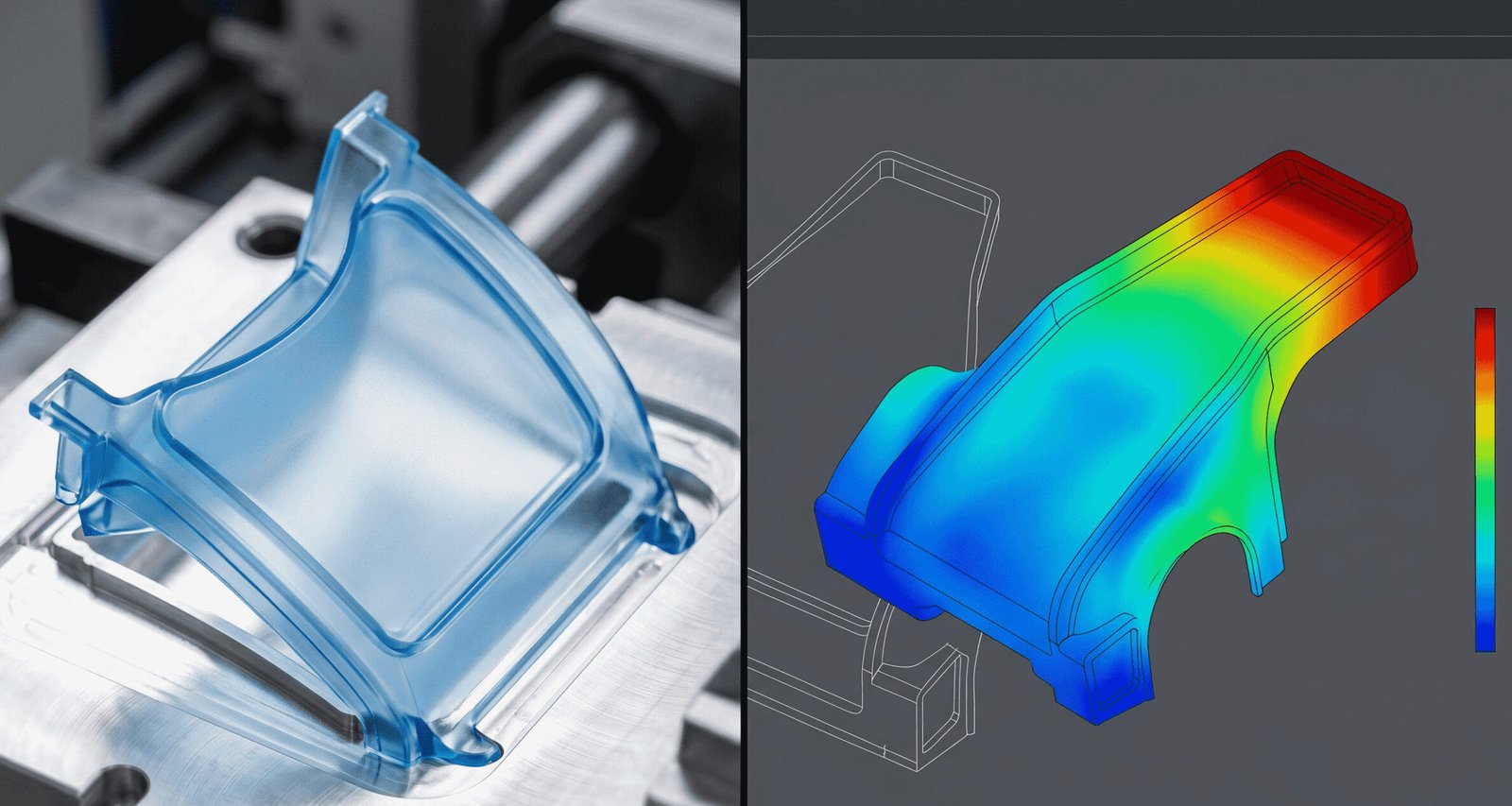
Faster Cooling, Straighter Parts
The Steel Problem: Steel holds onto heat, which can make thin parts bend or warp if not cooled perfectly.
Aluminum pulls heat away naturally and cools down incredibly fast. This means the hot plastic freezes evenly inside the mold, preventing ugly warps. Plus, faster cooling means a shorter machine cycle, giving you a cheaper per-part price.
Should You Use Aluminum or Steel?
Tell us about your project, your budget, and how many parts you actually need. Our team will review your 3D files and give you honest advice on which mold type makes the most financial sense.
Scale From Prototypes to Production
We are a real factory, not a broker. Whether you need a quick aluminum mold to test 100 parts or a hardened steel tool for millions, we handle the entire transition under our own roof. This means no miscommunication and no middleman markups.
Cleanroom Molding
For medical and optical parts that cannot risk dust or contamination, we run dedicated 50T-100T electric presses inside a strictly controlled cleanroom environment.
Small Batch Runs
Not every project needs millions of parts. If you only need 100 to 10,000 pieces for a market test or niche product, we set up our machines to run them cost-effectively.
Tough, High-Heat Plastics
We don't just mold standard ABS. Our shop is fully equipped to heat and inject tricky engineering resins like PEEK, PEI, and heavily glass-filled plastics without burning them.
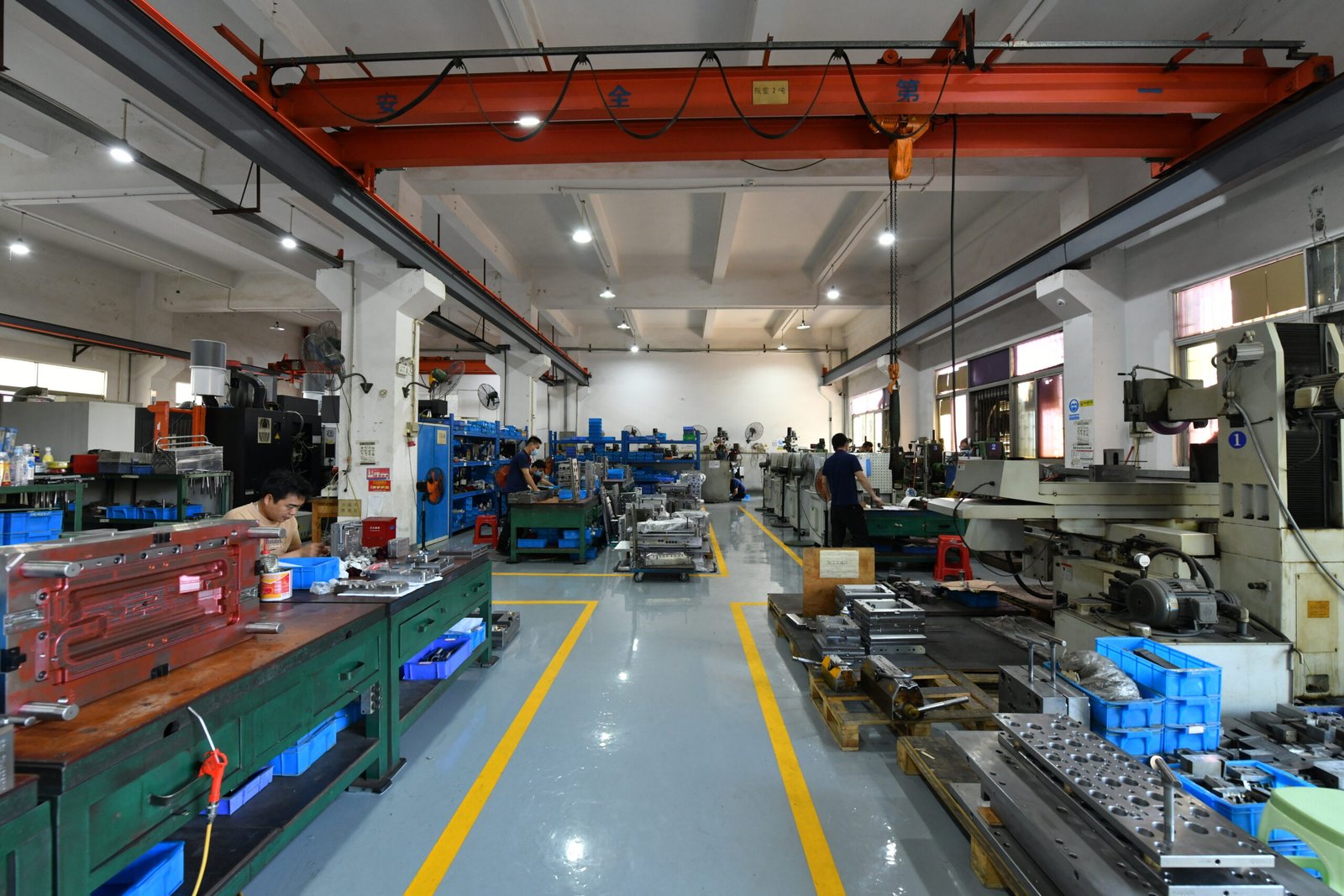
Deal Directly With the Factory.
When you talk to us, you are talking directly to the engineers building your mold. Keeping everything in-house means we can hand you accurate T1 samples in 15 days, without the back-and-forth delays of outsourcing.
Let's Plan Your Production Run.
Skip the brokers. Send your CAD files straight to our engineering team for a realistic timeline and honest quote. Email Annie@gbminjection.com or call +86 15268369865.
We Prove Quality with Real Data
Saying a mold is accurate is easy, but proving it is harder. Instead of asking you to just "trust us," we actually measure the steel and the molded parts. We send you the real inspection reports so you know exactly what you are getting before it leaves our shop.
98% On-Time T1 Samples
We stick to our schedules so you don't have to push back your product launch dates.
9 Quality Checkpoints
From checking the raw steel blocks to inspecting the final assembled mold, we catch mistakes early.
100% Electrode Inspection
Before we spark any fine details into the mold (EDM), we measure the copper electrodes to prevent dimensional errors.
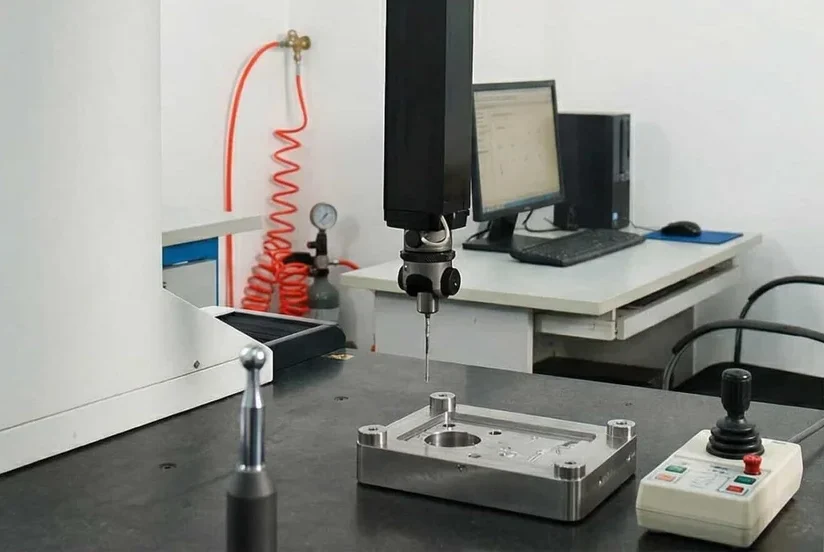
Hexagon CMM Equipped Laboratory
What Do We Actually Test?
We don't just eyeball the parts. Here are two critical tests we run before boxing up your mold for shipping.
-
CMM Dimensional Reports
We use 3D measuring machines to check the physical parts against your CAD drawings. You get a clear report showing every dimension is exactly where it should be.
-
Water Pressure Leak Tests
A leaking mold can ruin an entire production run. We pump high-pressure water through the cooling channels twice to ensure absolutely zero leaks.
Qualified Supplier For Industry Leaders




Or email us directly at Annie@gbminjection.com
Stress-Free Overseas Tooling
Buying molds globally can be stressful. We ease your worries with clear communication, early flaw detection, and weekly updates, so you're always informed.
"We want our customers to come back to us, not the molds."
Engineers Who Speak Fluent English
You don't have to deal with confusing translations or sales middlemen. You talk directly to veteran mold engineers who actually understand your technical requirements.
Catching Mistakes Before Cutting Steel
We don't just blindly follow drawings. We review your CAD files to spot potential molding issues early, saving you from expensive remakes and wasted weeks.
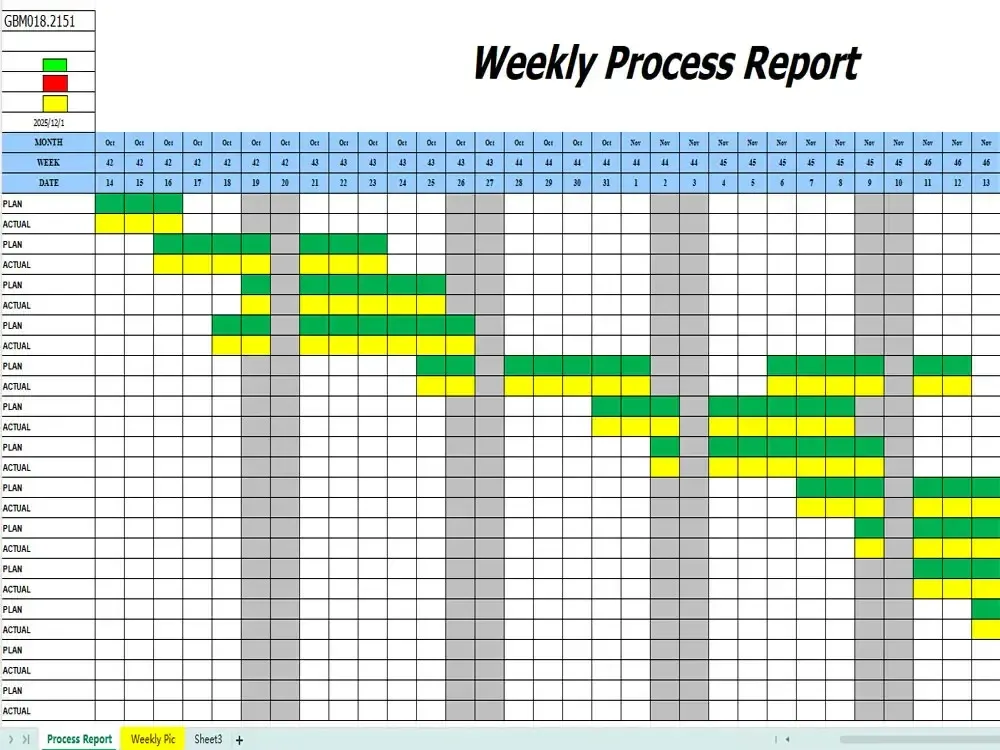
Real Weekly Photo Updates
No more wondering if your project is delayed. Every week, we send you a straightforward progress report with actual photos and machining timelines straight from our shop floor.
Email us directly at:
Annie@gbminjection.com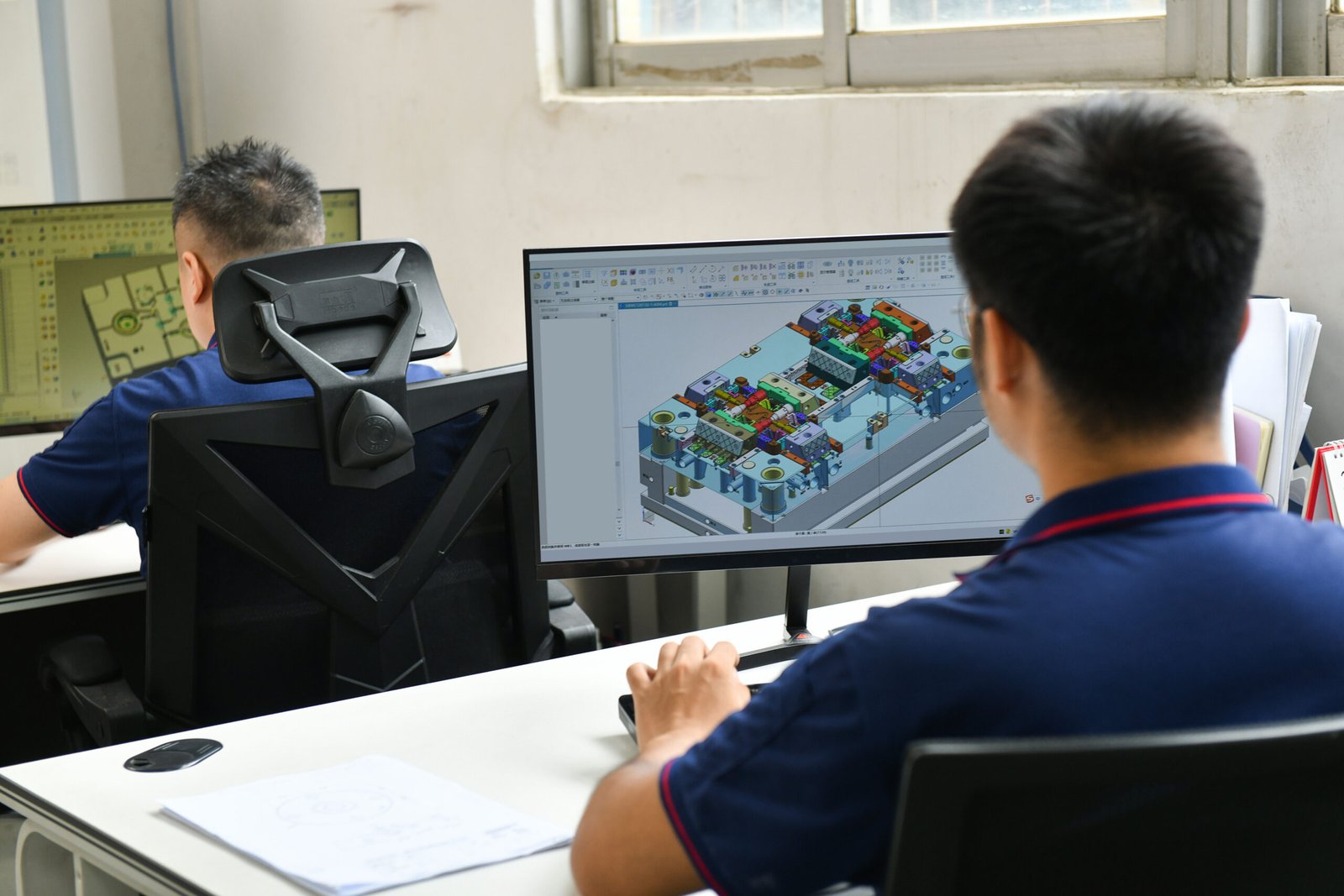
Proactive Project Management
Identifying risks early to guarantee ±0.002mm precision and ensure on-time T1 delivery.
Recent Projects
Real parts produced from our custom aluminum tooling.

Electronic Housing
Industry: Consumer Electronics

Medical Device Cover
Industry: Medical
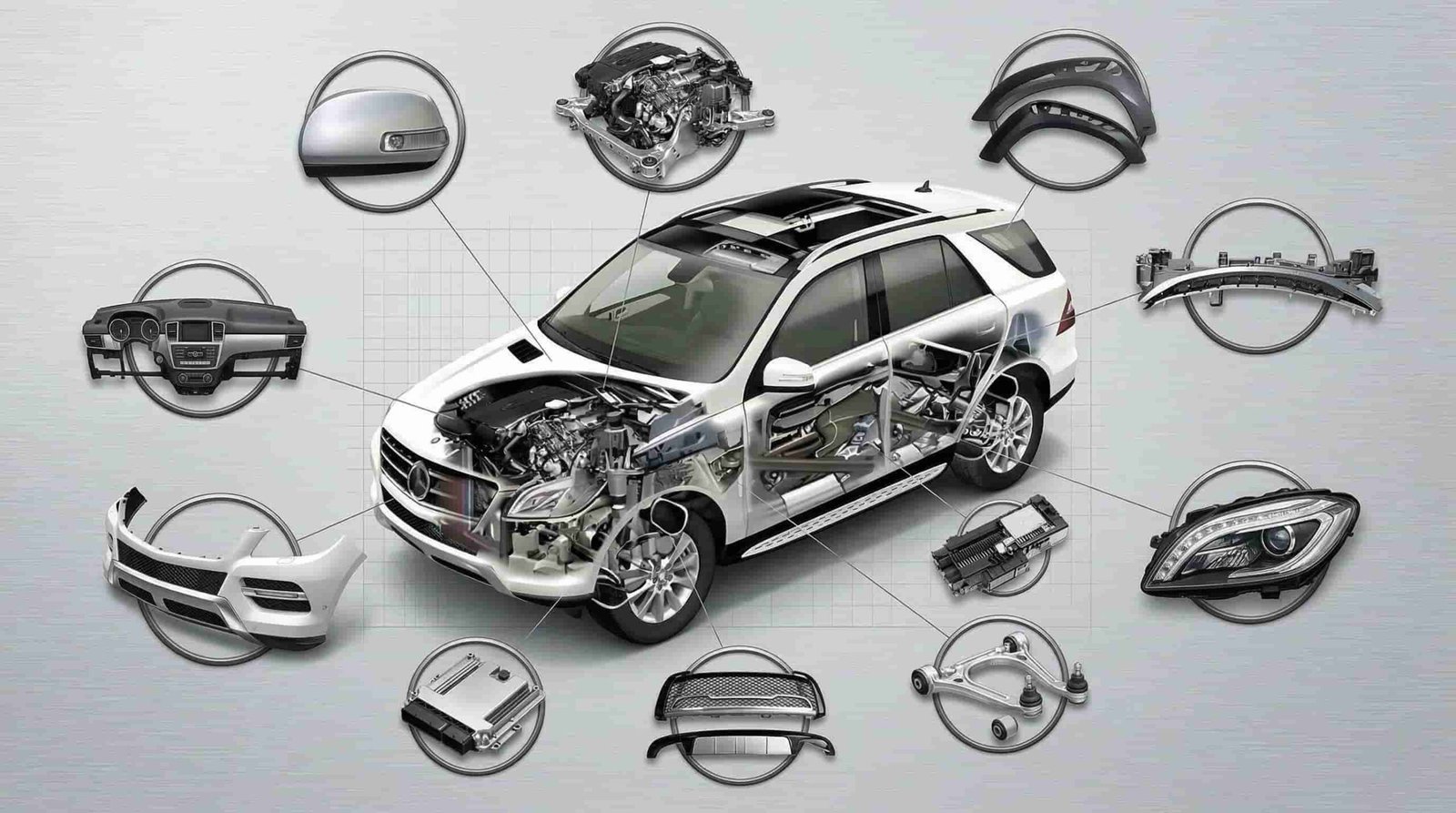
Automotive Sensor Bracket
Industry: Automotive Testing
Frequently Asked Questions About Aluminum Molds
Common queries about our aluminum injection molding capabilities.
What is an aluminum mold?
What is aluminum rapid tooling?
Is an aluminum mold suitable for injection molding?
How do I choose between an aluminum mold and a steel mold?
How much does a small-run aluminum mold cost?
How many shots can an aluminum mold last?
What materials can be molded with aluminum tooling?
Can aluminum molds make production-quality parts?
Is aluminum tooling better than urethane casting?
Can you support US or European buyers remotely?
What files are needed for an aluminum mold quote?
How should aluminum molds be cleaned and maintained?

Ready to Start Your Tooling Project?
Submit your 3D CAD files for a free DFM feedback and quote within 24 hours. Our engineers are ready to assist.
Email Us
Annie@gbminjection.comCall Us
+86 15268369865Factory Address
Room 101, Jiumo Technology Park, Gangsheng Road, Yabian Village, Shajing Street, Baoan District, Shenzhen City