
Selecting the optimal hot runner system for your injection mold is a critical engineering decision that directly impacts cycle times, part quality, and overall production costs. A well-designed hot runner mold eliminates plastic waste, reduces energy consumption, and ensures consistent material flow into the mold cavities. By evaluating material requirements, gate types, and production volume, manufacturers can maximize their return on investment and achieve highly efficient, automated molding operations.
Video Guide: A comprehensive introduction outlining the fundamental differences between hot and cold runner systems in injection molding.
What is Hot Runner Mold?
A hot runner mold is an advanced injection molding system consisting of heated components used to inject molten plastic directly into the mold cavities. Unlike cold runners, it keeps the plastic in a molten state throughout the runner system, completely eliminating runner waste and improving cycle efficiency.
Video Guide: An overview of basic hot runner technologies and how these systems integrate into modern injection molds.
System Components and Architecture
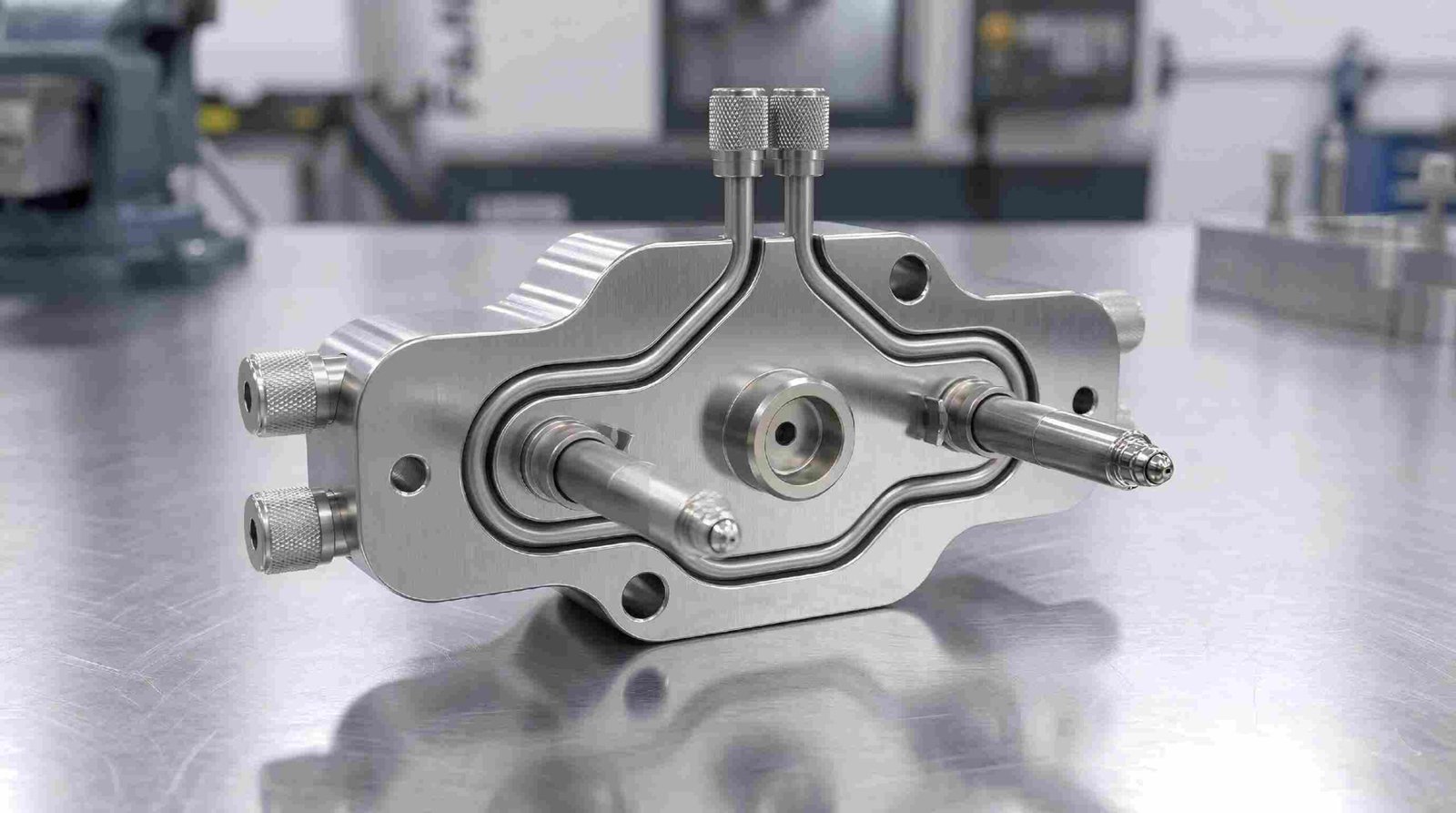
A hot runner system is an intricate assembly engineered to manage precise thermal and fluid dynamics. Understanding its anatomy is crucial for selecting the right configuration for your project.
- Manifold: The central distribution block that receives plastic from the machine barrel and splits it into multiple paths.
- Heated Nozzles: The cylindrical components that transport the molten plastic from the manifold to the mold cavity.
- Temperature Controllers: Electronic units that monitor and adjust the heat applied to the manifold and nozzles via thermocouples.
- Gate Seals: The interface between the nozzle tip and the mold cavity, preventing leakage and ensuring a clean gate vestige.
GBM Pro Tip: Always match the thermal profile of your manifold to the specific shear sensitivity of your resin to prevent material degradation and flow imbalances.
How Does Hot Runner Mold Work?
The hot runner system works by utilizing a heated manifold and nozzles to maintain the exact melt temperature of the thermoplastic as it travels from the injection machine barrel to the mold cavity. This ensures continuous flow without premature cooling or pressure drops.
Video Guide: A detailed breakdown of the internal workings and pressure calculations within a hot runner injection mold.
The Injection Process Workflow
The operation of a hot runner mold relies on a seamless sequence of thermal and mechanical events. Maintaining equilibrium is the key to producing defect-free parts.
- Plastication: The injection molding machine melts the raw resin pellets and pushes the molten polymer toward the mold.
- Manifold Distribution: The melt enters the sprue bushing and flows into the heated manifold, which divides the flow equally among the active nozzles.
- Cavity Injection: The molten plastic travels down the heated nozzles and injects directly into the mold cavities through the gate.
- Cooling and Ejection: The mold cools the part inside the cavity while the runner remains molten. The mold opens, and the solid part is ejected without any attached runner.
GBM Pro Tip: Monitor your thermocouple feedback loops closely; a variance of just a few degrees in the nozzle tip can cause stringing or gate freeze-off, halting your production.
What are the benefits of Hot Runner Mold?
Hot runner molds significantly reduce material waste by eliminating the need for solid sprues and runners. They also offer faster cycle times, lower injection pressures, improved part aesthetics with better gate marks, and the ability to automate production without robotic sprue removal.
Video Guide: An exploration of the efficiency gains versus the complexity introduced when mastering hot runner systems.
Production Efficiency Gains
Based on our internal data and market analysis, here is the breakdown:
| Benefit Category | Cold Runner System | Hot Runner System |
|---|---|---|
| Material Waste | High (Runners must be reground or discarded) | Zero (Material stays molten for the next shot) |
| Cycle Time | Slower (Wait time for thick runner to cool) | Faster (Only the actual part needs to cool) |
| Automation | Requires robots to pick and separate runners | Fully automated part drop; no separation needed |
| Injection Pressure | Higher pressure required to push through cold channels | Lower pressure due to sustained melt temperature |
GBM Pro Tip: If you are running high-volume, thin-wall packaging, the cycle time reduction from a hot runner will typically pay for the system’s premium within the first three to six months.
How to maintain a Hot Runner Mold?
Maintaining a hot runner mold requires regular inspection of heating elements, cleaning of nozzle tips, and verifying thermocouple accuracy. Proper preventative maintenance prevents material degradation, leakage, and electrical failures, ensuring long-term reliability and consistent part quality.
Video Guide: Key questions and maintenance strategies for keeping your injection molding runner system in peak condition.
Preventative Maintenance Checklist
Routine maintenance is non-negotiable for hot runner systems. Neglect can lead to catastrophic leaks or burnt material that ruins entire production runs.
- Daily: Check temperature controller readings for any temperature swings or dead zones.
- Weekly: Inspect the gate area for signs of wear, stringing, or plastic leakage around the nozzle tips.
- Monthly: Perform a multimeter check on all heaters and thermocouples to ensure correct resistance and continuity.
- Annually: Disassemble the manifold system, clean all flow channels, replace O-rings, and inspect valve pins for wear.
GBM Pro Tip: Always purge the hot runner system with a specialized purging compound before shutting down the machine to prevent carbon buildup and black specks on your next run.
What is the price of Hot Runner Mold?
The price of a hot runner mold varies widely from $3,000 to over $50,000, depending on the number of drops, valve gate complexity, and the specific resin being processed. While initial costs are higher than cold runners, long-term material savings offset the investment.
Video Guide: A comparative analysis of hot versus cold runners, focusing on which system offers better financial value.
Cost Breakdown and ROI
Based on our internal data and market analysis, here is the breakdown:
| System Type | Estimated Cost Range | Best Use Case | ROI Timeline |
|---|---|---|---|
| Single Sprue Hot Nozzle | $1,000 – $3,500 | Simple, single-cavity prototype or low volume | 6 – 12 Months |
| Thermal Gate (4-8 Drops) | $5,000 – $15,000 | Standard commodity plastics, medium volume | 8 – 14 Months |
| Valve Gate (4-8 Drops) | $12,000 – $35,000 | High-cosmetic parts, engineering grade resins | 12 – 18 Months |
| Custom High-Cavitation (32+) | $40,000+ | Medical devices, caps and closures, high volume | 4 – 8 Months |
GBM Pro Tip: Don’t just look at the upfront tooling cost; calculate the piece-price savings over one million cycles to see the true financial advantage of valve-gated hot runners.
Key Features & Comparison
When comparing hot runner systems, the primary distinction lies between thermal gating and valve gating technologies. Each offers unique features regarding gate aesthetics, pressure control, and suitability for different plastic resins, making the selection process highly dependent on your application.
Video Guide: A visual guide explaining the different types of runners in injection molds and their specific features.
Thermal Gate vs. Valve Gate Technology
Based on our internal data and market analysis, here is the breakdown:
| Feature | Thermal Gating (Open Gate) | Valve Gating |
|---|---|---|
| Mechanism | Relies on temperature control to freeze/melt the gate | Uses a mechanical pin to physically open/close the gate |
| Gate Vestige | Leaves a small nub or string on the part | Leaves a nearly invisible, flush ring |
| Cost | More economical | Higher initial investment |
| Maintenance | Simpler, fewer moving parts | Complex, requires pin and seal maintenance |
| Best For | General purpose parts, hidden internal components | Highly cosmetic parts, clear lenses, low-viscosity resins |
GBM Pro Tip: For highly cosmetic parts like automotive lenses or medical devices, always opt for valve gates to ensure a flush, nearly invisible gate vestige.
Cost & Buying Factors
Selecting the right hot runner involves evaluating material melt flow index, mold cavity spacing, production volume, and budget constraints. Buyers must also consider the availability of spare parts and the technical support provided by the hot runner manufacturer.
Video Guide: Essential runner design guidelines and key considerations when purchasing a hot runner system.
Critical Purchasing Criteria
Before committing to a specific hot runner system, you must evaluate several technical and logistical parameters to ensure compatibility with your molding operation.
- Resin Characteristics: Highly abrasive materials (like glass-filled nylon) require hardened nozzle tips, while heat-sensitive materials (like PVC) require extremely precise thermal management.
- Pitch and Spacing: The distance between cavities dictates the manifold design. Tight spacing may require specialized compact nozzles.
- Shot Size and Flow Rate: The internal channel diameters of the manifold must be mathematically sized to prevent shear degradation while ensuring rapid mold filling.
- Supplier Support: Choose a manufacturer that offers local technical support and readily available spare parts to minimize potential downtime.
GBM Pro Tip: Standardize your hot runner components across your facility to reduce spare parts inventory and simplify maintenance training for your technicians.
Conclusion
Choosing the correct hot runner for your injection mold is a transformative step toward lean, high-efficiency manufacturing. By partnering with experienced suppliers and carefully analyzing your project’s technical demands, you can achieve superior part quality and maximum profitability.
Next Steps for Your Molding Project
To ensure a successful implementation of a hot runner system, follow a structured approach to your mold design and procurement process.
- Analyze your annual production volume to justify the ROI of a hot runner system.
- Consult with a resin manufacturer to determine the thermal requirements of your specific polymer.
- Perform a Moldflow analysis to optimize gate locations, channel sizing, and pressure drops.
- Request detailed quotes from multiple hot runner suppliers, comparing warranty terms and service agreements.
GBM Pro Tip: Engage your hot runner supplier during the initial DFM (Design for Manufacturing) phase, not after the mold design is already finalized, to avoid costly redesigns.