
Mastering the fundamentals of plastic manufacturing is critical for modern production, and injection molding stands at the forefront of this industry. As a highly efficient and scalable manufacturing process, it allows engineers to produce complex plastic parts with exceptional precision and speed. Whether you are designing consumer goods or automotive components, understanding the core principles, machinery, and material science behind this technology is essential for optimizing your manufacturing workflow in 2026 and beyond.
🎥 Injection Molding Explained: Watch this comprehensive visual breakdown to see exactly how raw plastic pellets are melted, injected, and transformed into high-precision parts in seconds.
What is injection molding?
Injection molding is a highly versatile manufacturing process used to produce parts in large volume by injecting molten material into a closed mold. It is primarily utilized for thermoplastic and thermosetting polymers, allowing manufacturers to create complex, high-precision components with excellent repeatability and minimal post-production waste.
Core Manufacturing Principles
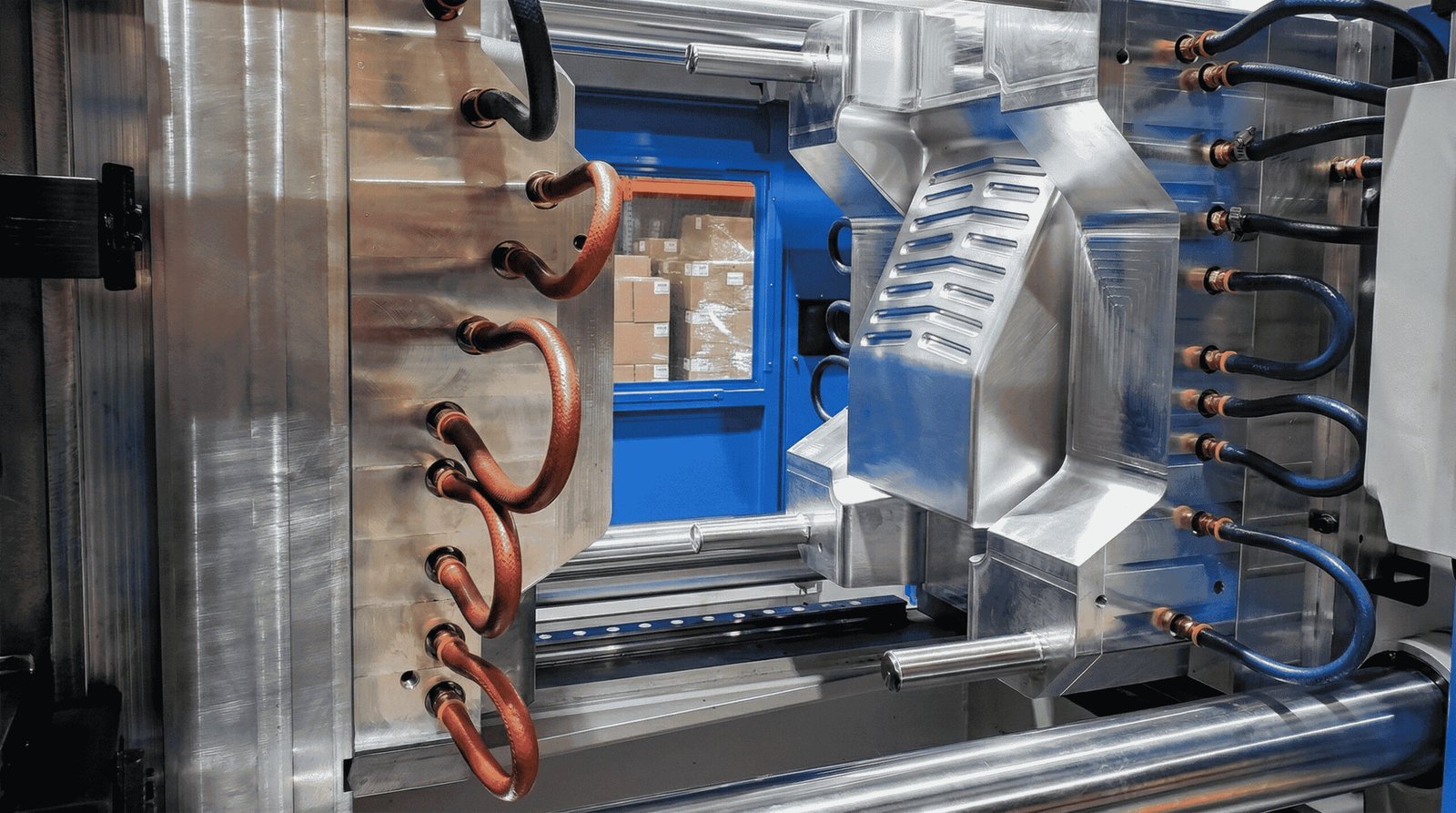
At its core, the process transforms raw plastic pellets into final solid parts using a precise combination of heat, pressure, and automated cooling. The success of the process relies on the seamless interaction of the machine, the tooling, and the chosen resin.
- Material Preparation: Hygroscopic plastic pellets are dried and fed into the machine’s hopper.
- Plastication: A rotating screw melts the pellets using both mechanical shear and external heater bands.
- Injection: The molten polymer is forced into the highly engineered steel or aluminum mold.
- Solidification: The part cools rapidly, taking the exact shape of the mold cavity before being ejected.
GBM Pro Tip: Always match your polymer’s melt flow index (MFI) to your mold’s complexity; high-viscosity plastics struggle to fill intricate mold cavities without excessive injection pressure.
How Does injection molding Work?
The injection molding process operates through a continuous, cyclical sequence of melting, injecting, cooling, and ejecting. Raw plastic resin is fed into a heated barrel, mixed by a rotating screw, and forced under immense pressure into a precisely machined metal mold cavity where it cools and solidifies.
The Injection Cycle Breakdown
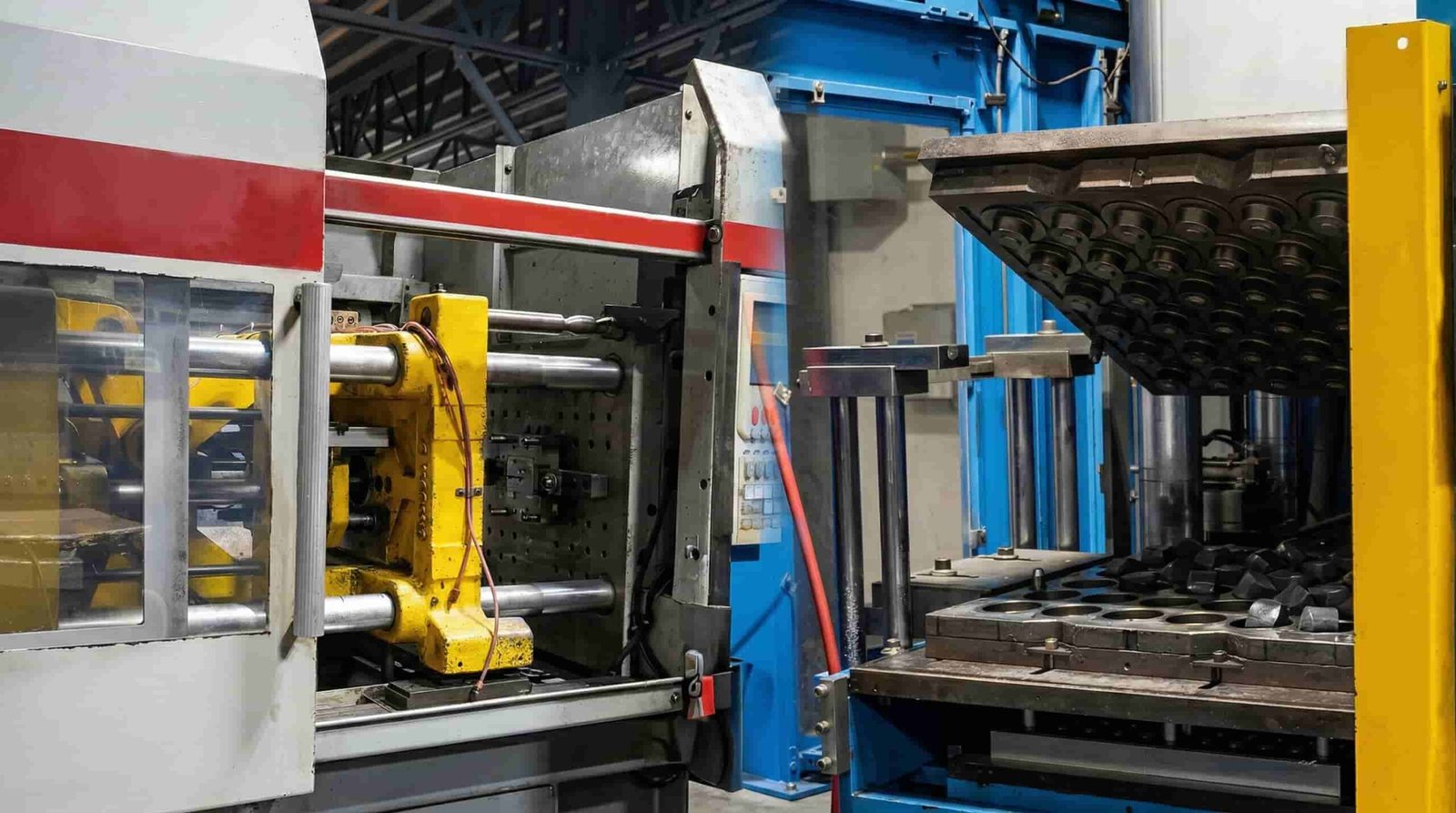
The operational cycle of an injection molding machine is a marvel of automated engineering. Depending on part size and material, a single cycle can take anywhere from a few seconds to several minutes.
- Clamping: The moving platen pushes the two halves of the mold together, applying massive tonnage to keep the mold securely closed against injection pressure.
- Injection: The auger screw acts as a plunger, driving the molten plastic through the sprue, runners, and gates into the mold cavity.
- Dwelling: Holding pressure is maintained to ensure all cavities are completely packed and to compensate for material shrinkage as it begins to cool.
- Cooling: The plastic solidifies as heat is actively transferred away through complex liquid cooling channels machined directly into the mold blocks.
- Ejection: The clamp opens, and a mechanical system of ejector pins pushes the finished part off the core.
GBM Pro Tip: Optimizing your cooling phase is the fastest way to increase production throughput; cooling often accounts for up to 70% of the total cycle time.
What are the benefits of injection molding?
Injection molding offers unparalleled advantages in mass production, including extremely low per-part costs, high efficiency, and the ability to manufacture complex geometries with tight tolerances. Additionally, it provides excellent material flexibility, allows for automated operations, and generates minimal waste through the recycling of sprues and runners.
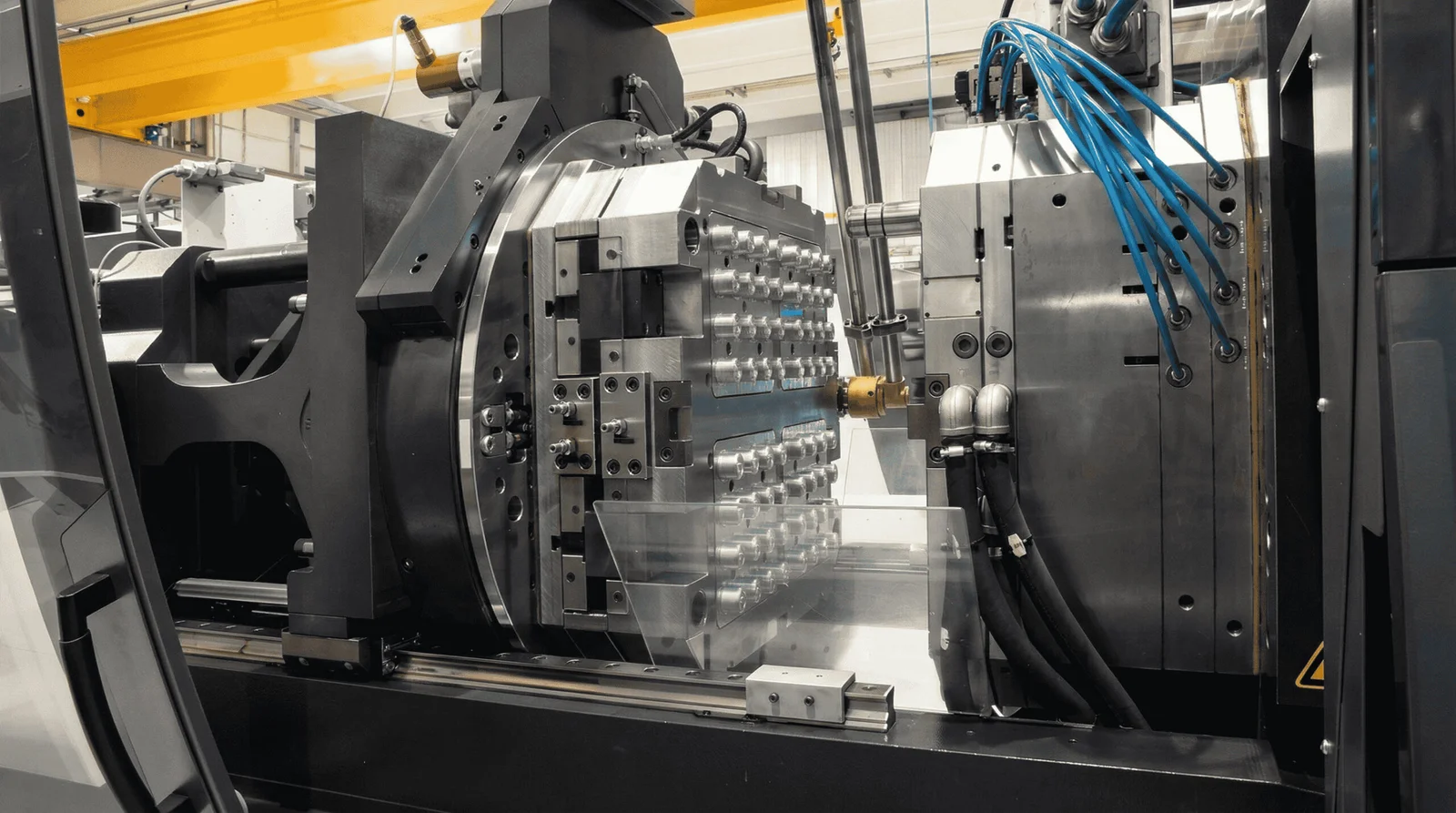
Strategic Manufacturing Advantages
Choosing injection molding over other manufacturing methods like CNC machining or 3D printing unlocks significant economic and operational benefits at scale.
Here is a quick overview of why injection molding dominates mass production:
| Manufacturing Benefit | Technical Description | Impact on ROI |
|---|---|---|
| High Efficiency | Fast cycle times ranging from 10 to 60 seconds per shot. | Maximizes daily output, drastically lowering labor and machine time per part. |
| Complex Geometry | Ability to mold intricate features, threads, and undercuts in one step. | Eliminates the need for secondary assembly or machining operations. |
| Material Versatility | Compatible with thousands of rigid, flexible, and high-heat polymers. | Allows precise matching of material properties to end-use application requirements. |
| Low Waste | Scrap plastic (runners/sprues) can be reground and mixed with virgin material. | Reduces raw material costs and supports sustainable manufacturing initiatives. |
GBM Pro Tip: Leverage multi-cavity molds for high-volume runs; while the initial tooling cost is higher, the exponential drop in piece price rapidly accelerates your break-even point.
How to maintain a injection molding?
Maintaining an injection molding machine and its tooling requires a strict preventative maintenance schedule focusing on lubrication, cleaning, and inspection. Regular upkeep prevents catastrophic failures, minimizes costly downtime, ensures consistent part quality, and significantly extends the operational lifespan of both the hydraulic presses and the steel molds.
🎥 Preventative Maintenance in Action: Discover the daily and weekly maintenance routines that professional molders use to prevent flash, avoid short shots, and extend the life of expensive steel tooling.
Preventative Maintenance Protocols
To ensure peak performance and prevent part defects like flash or short shots, maintenance must be divided into systematic daily, weekly, and monthly routines.
- Daily Tasks: Wipe down mold parting lines to prevent flash, check hydraulic fluid levels, and ensure the hopper magnet is free of metal debris.
- Weekly Tasks: Lubricate ejector pins and guide bushings, inspect heater bands for electrical continuity, and check cooling channel flow rates.
- Monthly Tasks: Analyze hydraulic oil for degradation, calibrate pressure and temperature sensors, and perform a deep clean of the screw and barrel assembly.
- Annual Tooling Maintenance: Completely disassemble high-volume molds for ultrasonic cleaning, replace worn O-rings, and re-machine damaged gates.
GBM Pro Tip: Never use abrasive materials to clean mold cavities. Always use specialized mold cleaners and soft brass tools to protect the highly polished surface finishes.
What is the price of injection molding?
The cost of injection molding is divided into high initial capital expenditures for mold tooling and very low ongoing operational costs per part. Tooling can range from a few thousand dollars for simple aluminum prototypes to hundreds of thousands for multi-cavity hardened steel production molds.
🎥 Mold Design & Cost Drivers: Learn the beginner-friendly design concepts and tooling choices (like aluminum vs. steel) that will directly dictate the upfront cost of your injection molding project.
Tooling and Production Economics
Understanding the cost structure of injection molding is vital for accurate project budgeting. The upfront investment is heavily weighted toward the creation of the mold itself.
To help you budget accurately, here is a breakdown of the primary cost drivers:
| Cost Category | Estimated Range | Determining Factors |
|---|---|---|
| Prototype Molds (Aluminum) | $1,500 – $5,000 | Single cavity, simple geometries, lifespan of 1,000 to 10,000 parts. |
| Production Molds (Steel) | $10,000 – $100,000+ | Multi-cavity, hardened tool steel, complex actions (sliders/lifters), millions of cycles. |
| Machine Hourly Rate | $30 – $150 / hour | Machine tonnage, energy consumption, facility overhead, and automation level. |
| Raw Material | $1.00 – $10.00+ / kg | Commodity plastics (PP, PE) are cheap; engineering resins (PEEK, Ultem) are expensive. |
GBM Pro Tip: If you are testing a new product market, start with aluminum soft tooling. It costs a fraction of steel tooling and can still yield up to 10,000 viable parts before degrading.
Key Features & Comparison
Modern injection molding machines are categorized by their drive systems: hydraulic, all-electric, and hybrid. Each type offers distinct features regarding precision, energy consumption, and raw power, allowing manufacturers to choose the ideal equipment based on their specific production requirements and facility capabilities.
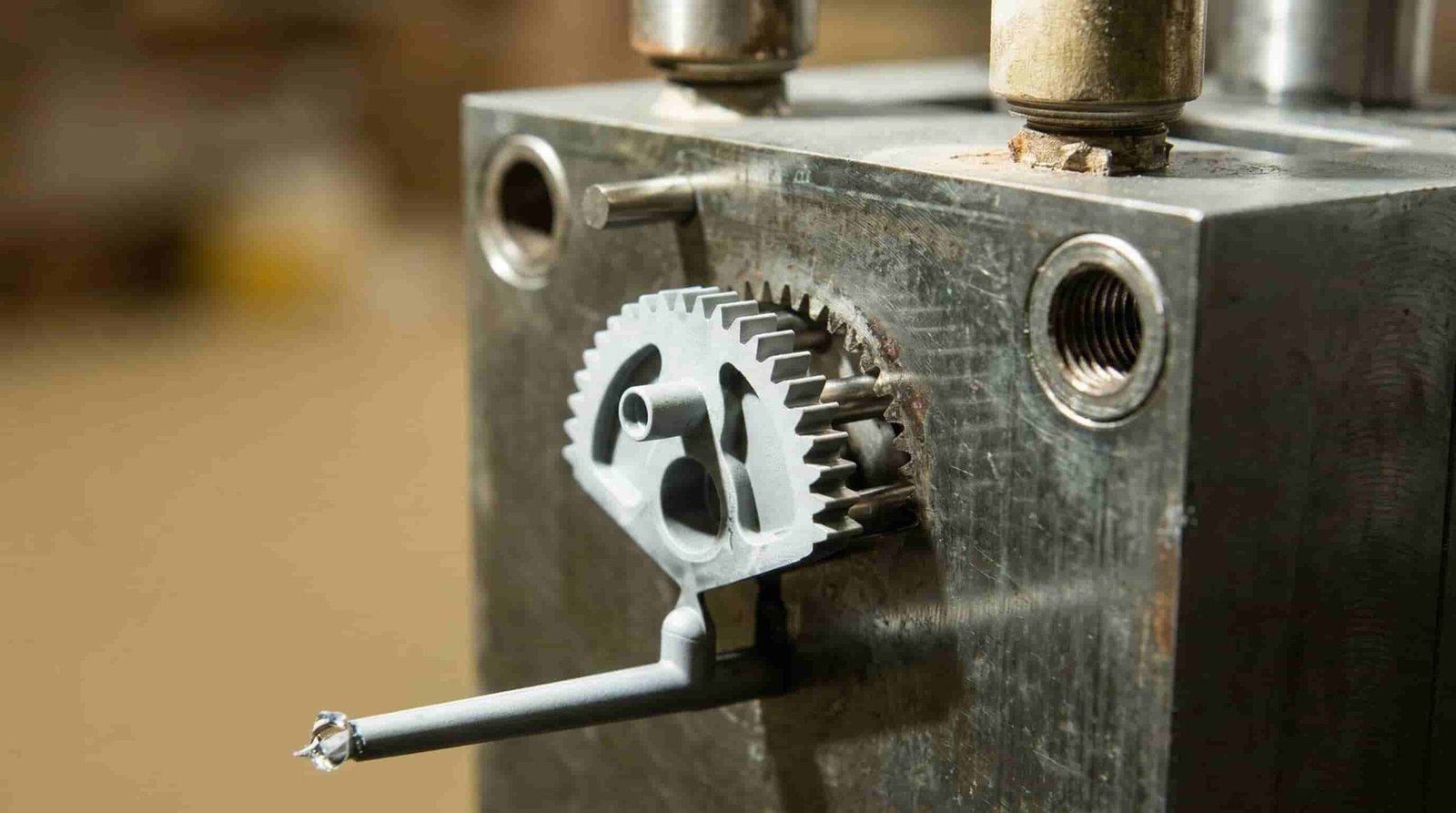
Machine Type Comparison
Selecting the right machine architecture fundamentally impacts your operational efficiency, part consistency, and overhead costs.
Here is a comparison of the three main drive systems to help you spec your next machine:
| Machine Type | Power Source | Best Application | Energy Efficiency |
|---|---|---|---|
| Hydraulic | Hydraulic pumps and cylinders | Large, heavy parts requiring massive clamping force (e.g., automotive bumpers). | Moderate to Low |
| All-Electric | Servo motors | Medical devices and micro-molding requiring extreme precision and cleanroom compliance. | Very High |
| Hybrid | Electric servos and hydraulic pumps | Medium-to-large parts requiring a balance of fast injection speeds and high clamp force. | High |
GBM Pro Tip: Transitioning from older hydraulic presses to all-electric injection molding machines can reduce your facility’s energy consumption by up to 60%, drastically improving long-term profitability.
Cost & Buying Factors
Purchasing injection molding equipment requires evaluating technical specifications against your production goals. Key buying factors include the required clamping tonnage, shot size capacity, tie-bar spacing, and the machine’s compatibility with robotic automation systems for part extraction.
Evaluating Equipment Investments
When acquiring a new injection molding machine or commissioning a new mold, engineers and procurement teams must align on several critical technical parameters.
- Tonnage Requirements: The machine must have enough clamping force to keep the mold closed during injection. This is calculated based on the projected surface area of the part (typically 2 to 5 tons per square inch).
- Shot Capacity: The barrel must be able to inject enough plastic to fill the mold and runners in a single cycle, ideally utilizing 30% to 80% of its maximum capacity.
- Tie-Bar Spacing: The physical distance between the machine’s structural tie-bars dictates the maximum physical dimensions of the mold that can be installed.
- Automation Integration: Consider whether the machine controller supports standard protocols (like Euromap 67) for seamless integration with sprue pickers and 6-axis robots.
GBM Pro Tip: Don’t buy a machine based solely on shot size; always calculate your required clamping force (tonnage) based on the projected surface area of your largest part to prevent flash.
Why Trust GBM with Your Injection Molding & Tooling Projects?
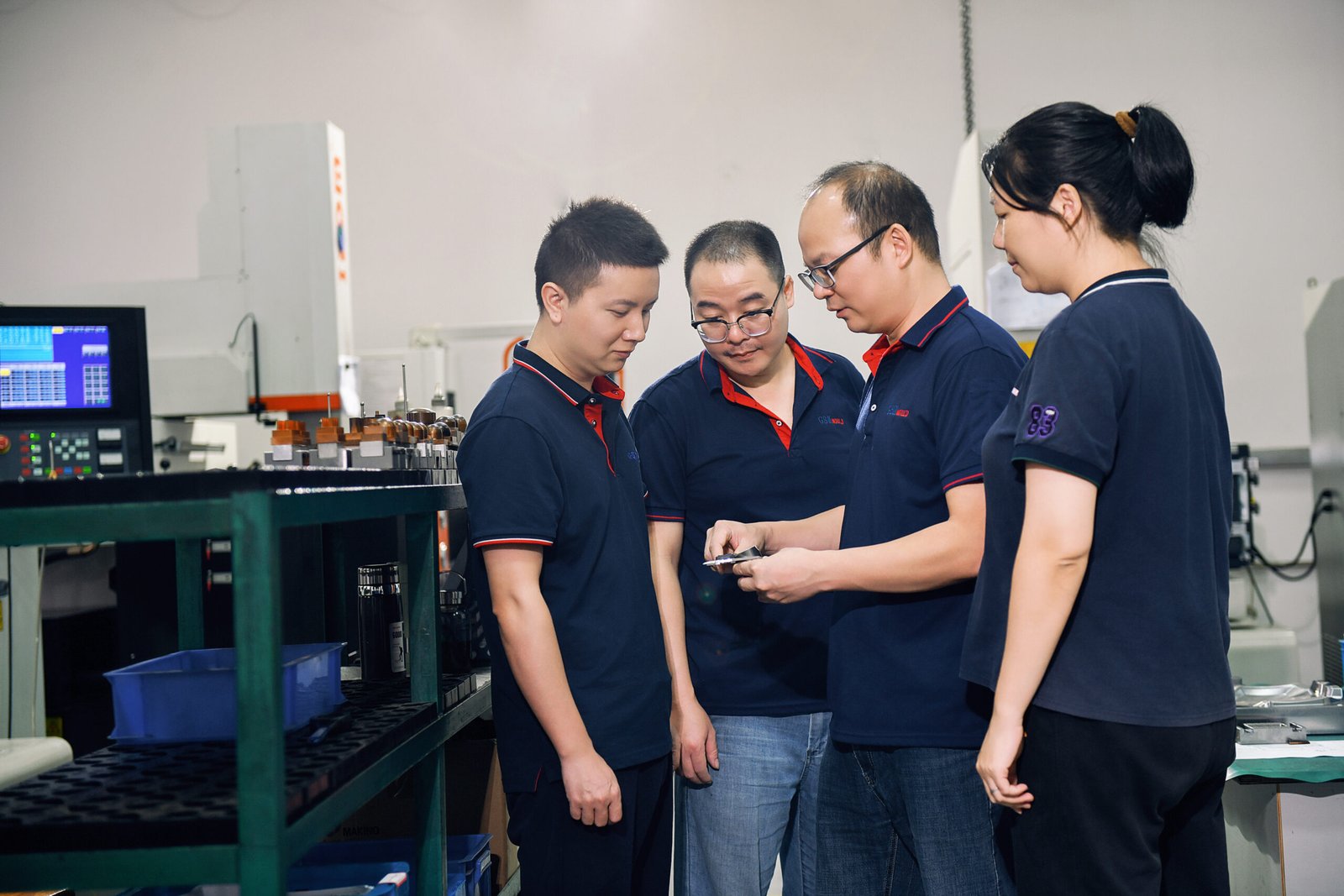
Understanding the theory of injection molding is one thing; executing it flawlessly on the factory floor is another. At GBM, we bridge the gap between initial part design and high-volume manufacturing success. Our core strength lies in our deep expertise in custom injection mold design and fabrication.
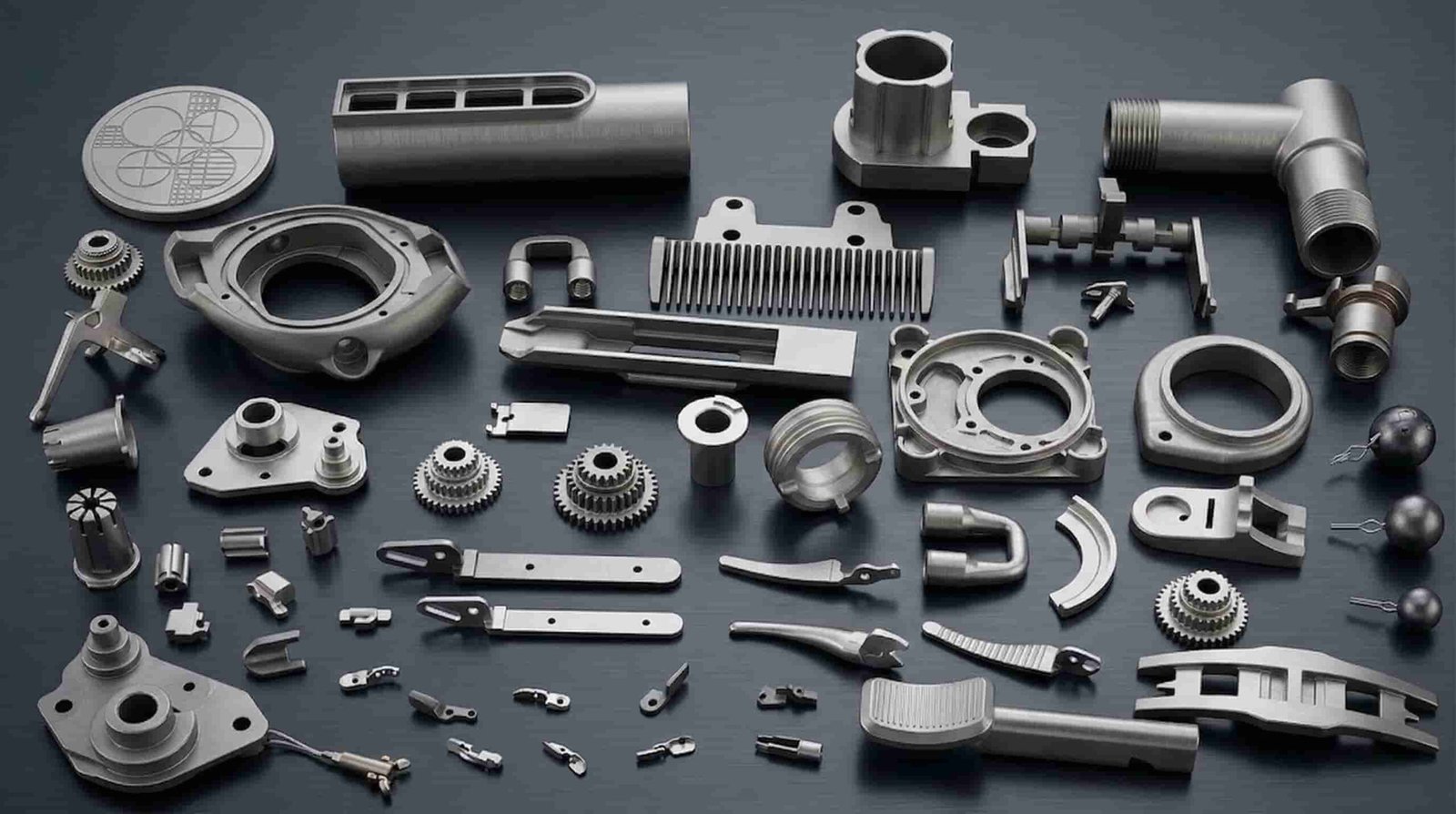
- World-Class Tooling Capabilities: We know that a flawless plastic part begins with a perfect steel mold. Our in-house tooling facility engineers high-precision, multi-cavity molds using premium hardened steels. Whether you need complex lifters, sliders, or conformal cooling channels, we build tools designed to withstand millions of cycles without degradation.
- Proactive DFM Engineering: We don’t just build to print. Our engineering team conducts rigorous Design for Manufacturability (DFM) and Moldflow® analyses to optimize gate locations, predict shrinkage, and minimize cooling times before any steel is cut. This proactive approach eliminates costly tooling revisions and accelerates your time to market.
- Export-Ready Global Standards: We are deeply integrated into the global supply chain, consistently delivering high-tolerance molds and precision-molded components to strict-compliance markets across North America (including the USA and Mexico) and Europe (from Germany to Eastern European industrial hubs). We understand the specific material certifications, dimensional tolerances, and quality audits required by Western manufacturers.
- Empowering Our Clients: We believe in transparency and education. Beyond manufacturing, we actively produce practical, short-form video resources to help our clients understand the nuances of the molding process, empowering you to make informed engineering and purchasing decisions.
Your production line deserves the best tooling. Whether you are launching a new consumer product or scaling up automotive components, contact the GBM engineering team today for a comprehensive DFM analysis and tooling quote.
Conclusion
Injection molding remains the undisputed king of high-volume plastic manufacturing. By understanding the intricate balance between machine capabilities, mold design, and material science, businesses can achieve unparalleled production efficiency and bring high-quality plastic products to market at scale.
Final Thoughts on Injection Molding
The transition from a digital CAD file to a physical, mass-produced plastic part is a complex but highly rewarding journey. As automation, advanced polymers, and all-electric machinery continue to evolve, the injection molding process is becoming faster, greener, and more precise. Success in this field requires upfront planning, robust tooling investments, and a commitment to rigorous preventative maintenance.
GBM Pro Tip: Partner with an experienced manufacturer early in the design phase. Design for Manufacturability (DFM) feedback can save you countless hours and thousands of dollars in mold revisions.