Injection molding and die casting are both high-volume manufacturing processes, but they use fundamentally different materials. Injection molding is best for producing lightweight, flexible, and cost-effective plastic parts. Conversely, die casting is the superior choice for manufacturing strong, durable, and temperature-resistant metal components for heavy-duty applications.
What is Injection Molding?
Injection molding is a highly efficient manufacturing process used primarily for fabricating plastic parts in massive quantities. It involves melting plastic pellets and forcing the liquid polymer into a precisely machined steel or aluminum mold under high pressure. Once the material cools and solidifies, the finalized part is ejected.
Core Technology: Relies on thermoplastic and thermosetting polymers heated to a molten state and injected into custom molds using a screw-driven mechanism.
Typical Materials: Commonly utilizes ABS, polycarbonate, nylon, polypropylene, and polyethylene.
Ideal Applications: Perfect for consumer goods, automotive interiors, medical devices, packaging, and complex, lightweight enclosures.
🎥 Watch Injection Molding in Action: See how molten polymers are injected into precision steel molds under high pressure to mass-produce lightweight, complex plastic parts in seconds.
What is Die Casting?
Die casting is a metal casting process characterized by forcing molten metal under high pressure into a reusable mold cavity. This method is specifically engineered for non-ferrous metals, delivering exceptional dimensional accuracy and smooth surface finishes for rigid structural components. It is the go-to process for creating durable, high-strength metal parts at scale.
Core Technology: Utilizes a cold-chamber or hot-chamber machine to inject molten non-ferrous alloys into highly durable, temperature-resistant steel dies.
Typical Materials: Primarily utilizes aluminum, zinc, magnesium, and occasionally copper alloys.
Ideal Applications: Best suited for engine blocks, aerospace components, industrial hardware, heat sinks, and heavy-duty structural parts.
🎥 The Die Casting Process: Discover how non-ferrous molten metals are forced into heavy-duty dies to create exceptionally strong, heat-resistant structural components.
Key Differences: Injection Molding vs. Die Casting
When deciding between these two manufacturing powerhouses, the primary differences lie in the materials used, the physical properties of the final product, and the associated production costs. Plastics offer versatility and lower costs, while metals offer unmatched rigidity and thermal resistance.
| Specification | Injection Molding | Die Casting |
|---|---|---|
| Primary Material | Plastics / Polymers | Non-Ferrous Metals |
| Part Weight | Very Lightweight | Moderate to Heavy |
| Tooling Cost | High | Very High |
| Melting Temperatures | Lower (150°C – 350°C) | Extremely High (400°C – 700°C+) |
| Tensile Strength | Low to Moderate | Exceptionally High |
GBM Pro Tip: When our clients ask us to choose between these two, we always evaluate the thermal requirements first. If your part will be exposed to extreme engine heat or high mechanical stress, we immediately pivot to die casting, despite the higher tooling costs.
Pros & Cons Comparison
| Feature | Injection Molding | Die Casting |
|---|---|---|
| Major Advantages | Cheaper raw materials, highly flexible, no post-machining needed, color matching built-in. | Superior structural integrity, excellent EMI/RFI shielding, high heat tolerance. |
| Major Disadvantages | Lower tensile strength, susceptible to UV/heat degradation over time. | Higher raw material and tooling costs, heavier final product, requires secondary finishing. |
| Production Speed | Extremely fast cycle times. | Fast, but slightly slower due to metal cooling times. |
| Tooling Lifespan | Extremely long (up to millions of cycles). | Shorter (thermal fatigue degrades dies faster). |
Conclusion
Ultimately, the choice between injection molding and die casting comes down to your material requirements and application environment. Injection molding is the undisputed champion for cost-effective, high-volume plastic components that require complex geometries and lightweight profiles. Die casting, on the other hand, is the necessary choice when your project demands the uncompromising strength, heat resistance, and durability of metal.
Why Choose GBM for Your Plastic Injection Tooling?
When your application calls for the cost-effectiveness and complex geometries of plastic injection molding, the structural integrity of your final part depends entirely on the quality of the mold. At GBM, we don’t just produce plastic parts; we engineer world-class injection molding tools designed for flawless, high-volume manufacturing.
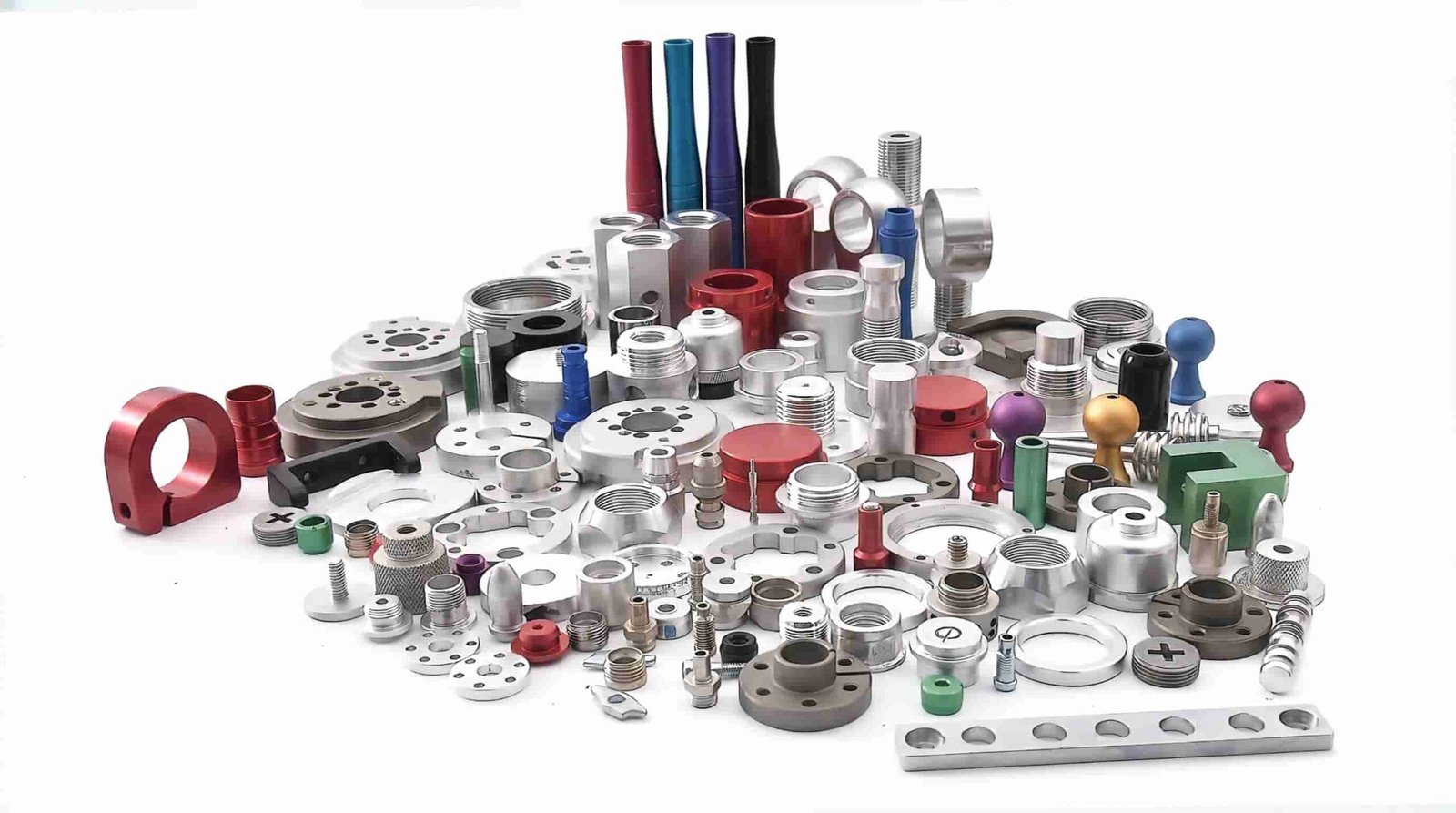
- Precision Tooling Mastery: The biggest difference between a good plastic part and a failing one is the steel mold behind it. Our in-house tooling facility machines high-hardness steel molds capable of withstanding massive injection pressures while maintaining tight dimensional tolerances over millions of cycles.
- Export-Ready Global Standards: We build our molds and manufacture parts to meet the most stringent international regulatory and quality standards. GBM consistently delivers high-performance tooling and molded components to strict B2B manufacturers across North America (including the USA and Mexico) and Europe (such as Germany and Eastern European industrial hubs). We understand what global supply chains demand.
- Proactive DFM (Design for Manufacturability): Before we cut any steel, our engineering team conducts rigorous Moldflow® analysis. We optimize gate locations, cooling channels, and wall thicknesses to ensure rapid cycle times and eliminate defects like sink marks or warpage.
- Seamless Scalability: Whether you need a low-volume aluminum prototype mold or a multi-cavity hardened steel tool for mass production, GBM provides an end-to-end solution that significantly lowers your Total Cost of Ownership (TCO).
Don’t compromise on your mold. If plastic injection molding is the right choice for your next project, visit gbminjection.com to contact our engineering team for a comprehensive DFM analysis and tooling quote today.
FAQ
1. Which process is cheaper, injection molding or die casting?
Injection molding is generally cheaper in terms of both raw material costs and tooling expenses compared to die casting.
2. Can I use the same mold for both processes?
No, the molds are entirely different. Die casting requires specialized steel dies that can withstand extreme molten metal temperatures, whereas injection molds are designed specifically for plastics.
3. Which method provides better dimensional tolerances?
Die casting typically offers tighter dimensional tolerances and better stability over time, as metal does not warp or shrink as much as plastic under temperature fluctuations.