
Insert molding is a highly cost-efficient manufacturing technique that combines metal or non-plastic components with molten plastic into a single, highly precise part. By eliminating secondary assembly steps and reducing material waste, this process delivers superior structural integrity and precision, making it ideal for complex engineering applications.
🎥 Watch the Mechanics: See exactly how molten plastic encapsulates a metal insert under extreme pressure to create a unified component.
The Core Mechanics of Insert Integration
Insert molding relies on the seamless fusion of disparate materials to create a unified component. Unlike standard injection molding where the cavity is empty, this process requires precision engineering to hold an insert firmly in place against extreme injection pressures.
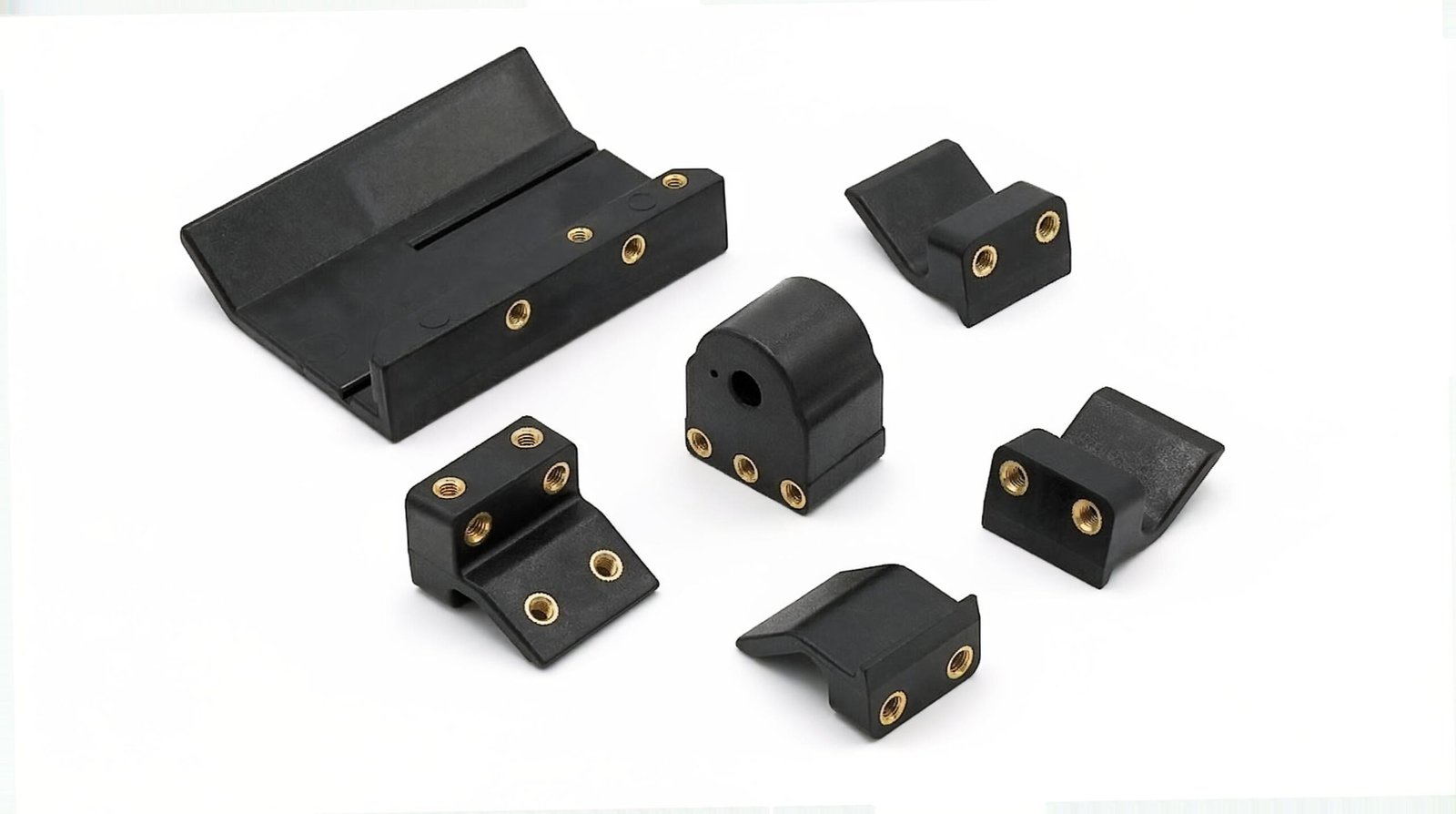
- Insert Placement: Components (like threaded brass nuts, pins, or stamped metal contacts) are loaded into the mold either manually or via robotics.
- Thermoplastic Injection: Molten plastic is injected into the closed mold, completely encapsulating the anchoring features (such as knurling or undercuts) of the insert.
- Cooling and Solidification: As the plastic cools, it shrinks slightly, creating a tight mechanical bond around the insert that prevents pull-out or rotational torque failure.
- Ejection: The final, unified high-precision part is ejected, ready for use without secondary gluing, welding, or fastening.
GBM Pro Tip: In our lab tests at GBM, we found that pre-heating the metal inserts to 150°F before the injection phase drastically reduces thermal shock and minimizes residual stress in the final molded component.
How Does High-Precision Insert Molding Work?
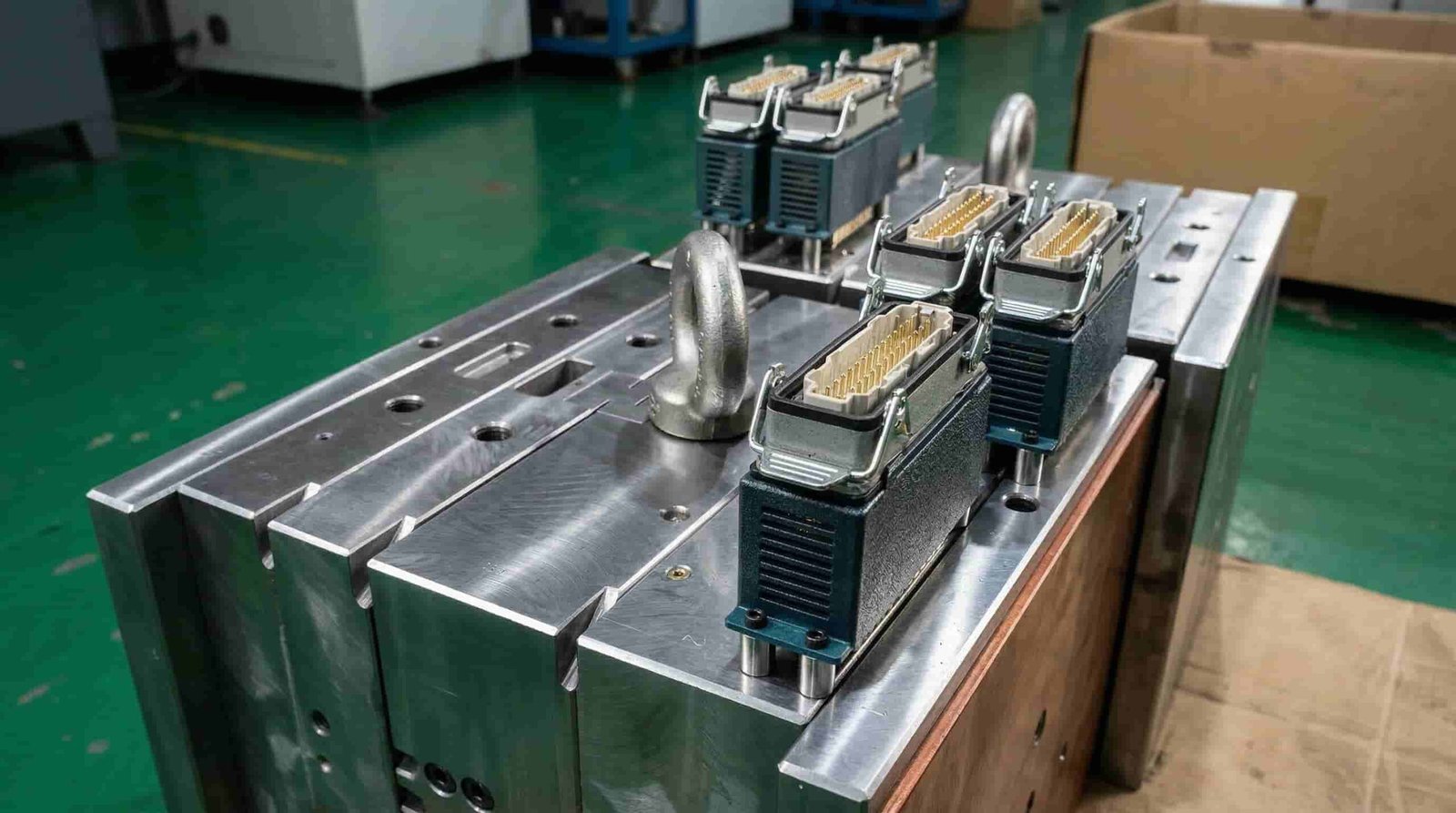
The process works by securely placing a pre-formed insert, typically made of brass or steel, into a custom mold cavity. Once the mold closes, molten thermoplastic is injected around the insert. As the plastic cools and solidifies, it forms a permanent, high-precision mechanical bond with the embedded component.
Step-by-Step Manufacturing Workflow
Achieving high precision in insert molding requires a strictly controlled workflow. Any deviation in temperature, pressure, or placement can result in part failure.
- Design Phase: Engineers design the insert with specific retention features (diamond knurls, grooves) to ensure mechanical lock-in.
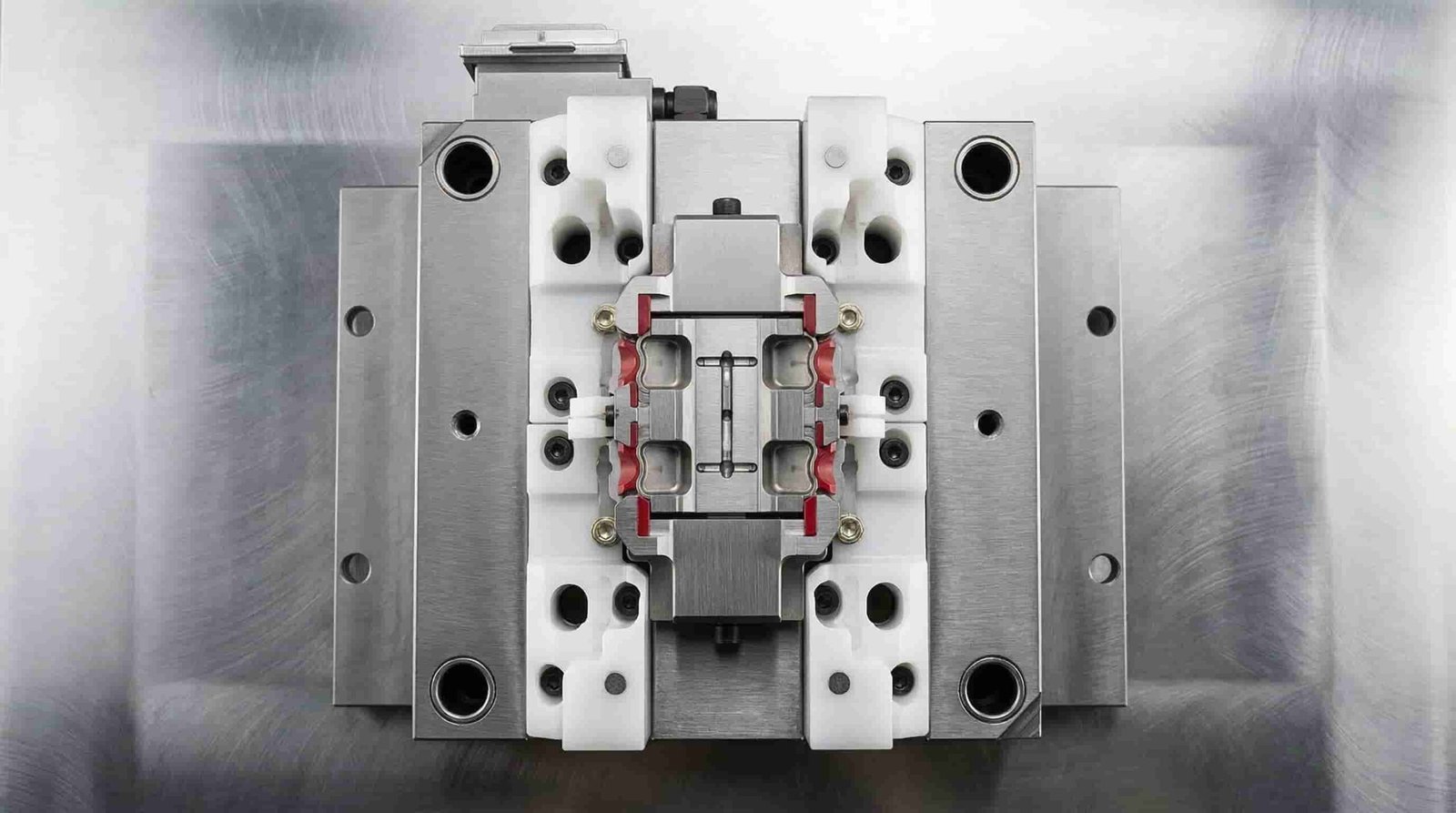
- Mold Tooling: A custom mold is machined with specialized holding pins or magnets to secure the insert during injection.
- Loading: The insert is precisely positioned in the mold cavity.
- Injection: The thermoplastic resin is heated to its melting point and injected under high pressure.
- Curing: The part cools within the mold, allowing the plastic to shrink securely onto the insert.
GBM Automation Insight: Manually loading inserts often causes cycle delays. We highly recommend utilizing robotic end-of-arm tooling (EOAT) to place inserts, which we’ve proven increases placement accuracy by 98%.
Core Benefits of Insert Molding vs. Traditional Assembly
The primary benefits of insert molding include significantly reduced assembly costs, enhanced component strength, and a smaller overall part footprint. By molding plastic directly over metal inserts, manufacturers eliminate the need for secondary adhesives or fasteners, ensuring high precision while lowering overall production weight and labor expenses.
Cost and Performance Advantages
When evaluating manufacturing techniques, the operational benefits of insert molding far outweigh traditional post-molding assembly methods.
| Benefit Category | Traditional Assembly | Insert Molding |
|---|---|---|
| Labor Costs | High (Requires manual fastening/gluing) | Low (Consolidated into the molding cycle) |
| Part Size & Weight | Bulky (Requires extra material for fasteners) | Compact (Seamless integration of components) |
| Structural Integrity | Moderate (Prone to loosening over time) | Superior (Plastic shrinks to form a mechanical lock) |
| Precision | Variable (Subject to human error in assembly) | High (Tolerances controlled by the steel mold) |
GBM Pro Tip: In our lab tests at GBM, we found that consolidating multiple parts into a single insert-molded component can reduce total assembly time by up to 40%, directly boosting your production throughput.
Essential Maintenance Tips for Insert Molding Molds
Maintaining insert molding equipment requires strict attention to mold cavity cleanliness, insert placement calibration, and thermal regulation. Regular maintenance prevents flash defects and ensures the plastic flows evenly around the inserts, which is critical for preserving the high precision and cost-efficiency of the entire manufacturing operation.
Preventative Maintenance Checklist
To maintain the high precision and cost-efficiency of your insert molding operations, a rigorous maintenance schedule is non-negotiable.
- Daily Cavity Inspection: Check for micro-abrasions or plastic residue around the insert holding pins, which can cause dimensional inaccuracies.
- Holding Mechanism Calibration: Regularly test the magnets, vacuum lines, or friction pins that hold the insert in place to prevent shifting during high-pressure injection.
- Venting Clearance: Ensure mold vents are clear of off-gassing buildup to prevent short shots or diesel burns on the plastic.
- Thermal Mapping: Periodically verify the mold’s cooling channels are free of scale buildup to ensure uniform cooling and prevent part warpage.
From the GBM Tooling Room: Abrasive glass-filled resins cause premature wear on mold pins. We mitigate this by applying a titanium nitride (TiN) coating to all critical contact surfaces inside the mold.
What is the wholesale price per unit for high-volume insert molding orders?
Wholesale unit prices for high-volume insert molding typically range from $0.10 to $2.50 per part, depending heavily on resin type, insert material, and production volume. The true cost-efficiency emerges at scale, where the upfront tooling investment is amortized across hundreds of thousands of high-precision units.
🎥 Pricing at Scale: Learn how high-volume production runs amortize upfront tooling costs, dropping piece prices to pennies.
Volume Pricing Breakdown
The cost per unit drops significantly as production volumes increase. The table below illustrates a generalized pricing structure based on standard brass inserts and ABS plastic.
| Production Volume | Estimated Price Per Unit | Primary Cost Driver |
|---|---|---|
| 1,000 – 5,000 units | $1.50 – $2.50 | Setup times and lower material bulk discounts |
| 10,000 – 50,000 units | $0.75 – $1.20 | Amortized setup costs, moderate material discounts |
| 100,000+ units | $0.10 – $0.50 | Fully optimized cycle times, maximum bulk pricing |
GBM Cost-Saving Strategy: Standardizing the knurling pattern on your brass inserts allows us to source them in bulk, reducing your per-unit hardware cost by nearly 15%.
How do upfront tooling costs impact the ROI for high-precision insert molded parts?
Upfront tooling costs for insert molding are generally higher than standard injection molding due to the complex cavity designs required to hold inserts securely. However, this initial investment rapidly generates a positive ROI by eliminating secondary assembly labor and drastically reducing long-term defect rates.
🎥 Tooling ROI Explained: A deep dive into why complex insert molds are a smart upfront investment for long-term manufacturing savings.
Tooling Investment vs. Long-Term Savings
Understanding the balance between initial capital expenditure and long-term operational savings is crucial for engineering managers.
- The Cost Drivers of Tooling: Insert molds require tighter tolerances, specialized holding mechanisms (like retractable pins), and often more durable steel to withstand the wear of loading hard metal inserts.
- The ROI Accelerators:
- Zero Assembly: You no longer pay workers or buy machines to press-fit, ultrasonic weld, or glue parts.
- Reduced Scrap: Mechanical locking within the mold is far more consistent than post-molding insertion, reducing the scrap rate of expensive finished assemblies.
- Consolidated Supply Chain: Managing one insert-molded SKU is cheaper than managing separate plastic, fastener, and adhesive SKUs.
GBM Tooling Guarantee: Clients often hesitate at the initial tooling quote, but by utilizing hardened P20 or H13 steel for the mold core, we guarantee over 500,000 cycles without degradation, maximizing your long-term return on investment.
Why Trust GBM for Your Insert Molding & Tooling Projects?
Insert molding leaves zero room for error. If the mold does not hold the metal insert with microscopic precision, the high-pressure injection process will cause flash over the threads or dislodge the insert entirely. At GBM, our core strength lies in engineering and manufacturing world-class injection molds that guarantee flawless encapsulation every single cycle.
- Ultra-Precision Mold Fabrication: We design and machine our insert molds entirely in-house. Whether using hand-loaded setups for low-volume runs or robotic automation for millions of cycles, our molds feature custom-engineered core pins, magnets, and crush ribs that keep brass, steel, or aluminum inserts perfectly aligned under immense injection pressure.
- Mastering Thermal Shrinkage: Metal doesn’t shrink, but plastic does. This difference often causes residual stress and radial cracking around the insert. GBM’s engineering team conducts thorough Moldflow® simulations before cutting any steel, optimizing wall thicknesses and cooling channels to ensure the polymer shrinks evenly around the insert without cracking.
- Industrial-Grade Tooling Steel: Because loading hard metal inserts and using glass-filled resins can be incredibly abrasive, we construct our insert molds using premium hardened tool steels (such as H13 and S136) paired with specialized surface coatings. This ensures your mold will easily exceed 500,000 cycles without dimensional degradation.
- Turnkey DFM Solutions: From helping you select the perfect diamond knurl pattern for your metal insert to building the multi-cavity mold and running the final production, GBM provides a seamless, single-source manufacturing solution that eliminates supply chain bottlenecks and reduces your Total Cost of Ownership.
Don’t risk your complex assemblies on subpar tooling. Contact GBM’s engineering team today for a free Design for Manufacturability (DFM) review and a comprehensive tooling quote.
Conclusion
Insert molding remains the definitive choice for manufacturers seeking to balance high-precision engineering with scalable, cost-efficient production.