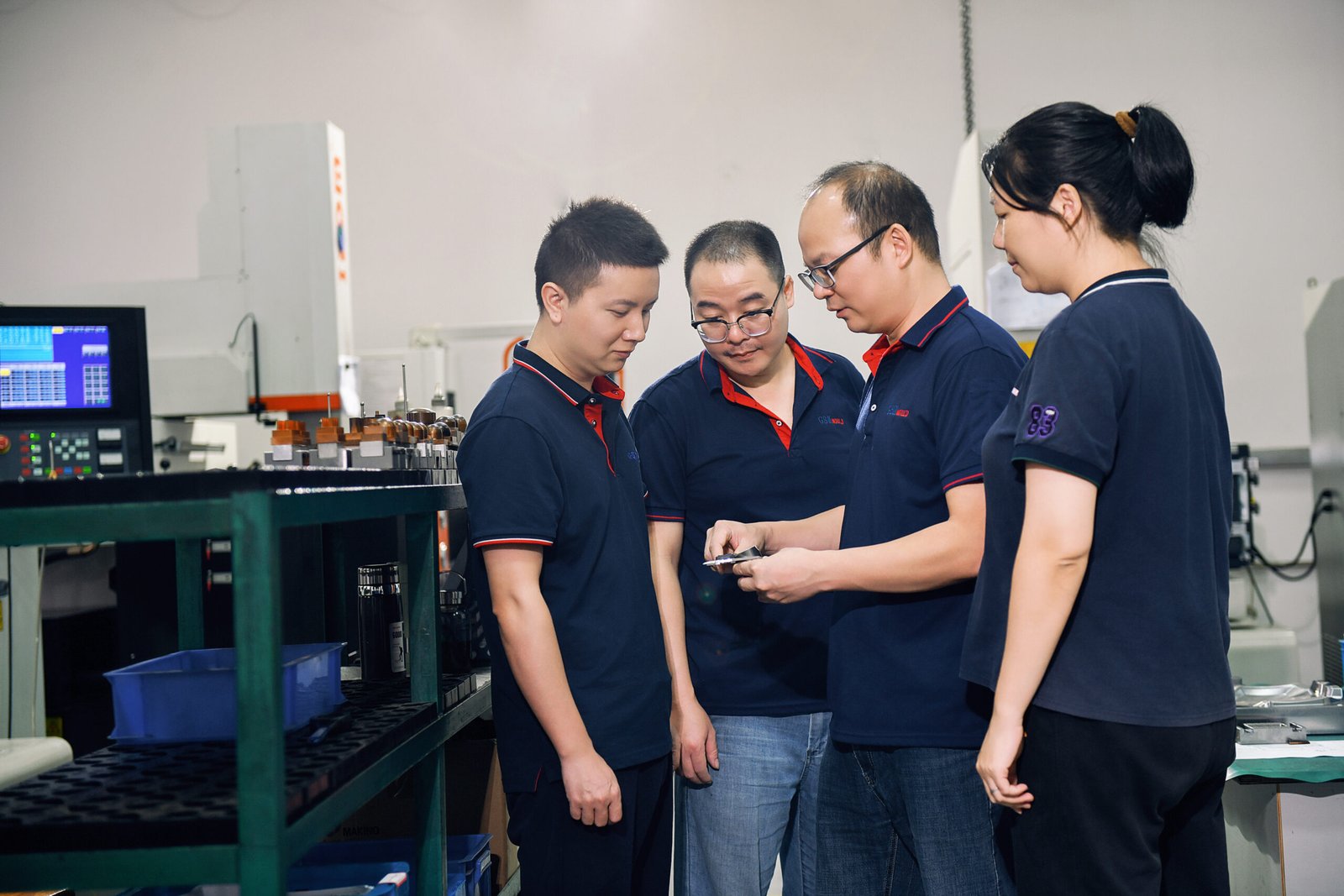

Insert molding is a highly efficient manufacturing process that combines metal or non-plastic parts with thermoplastic resins to create a single, unified component. By placing pre-formed inserts directly into the mold cavity before the plastic injection phase, manufacturers can drastically reduce assembly time and enhance product strength. At GBM, we leverage this technology to deliver robust, multi-material solutions tailored to complex engineering requirements.
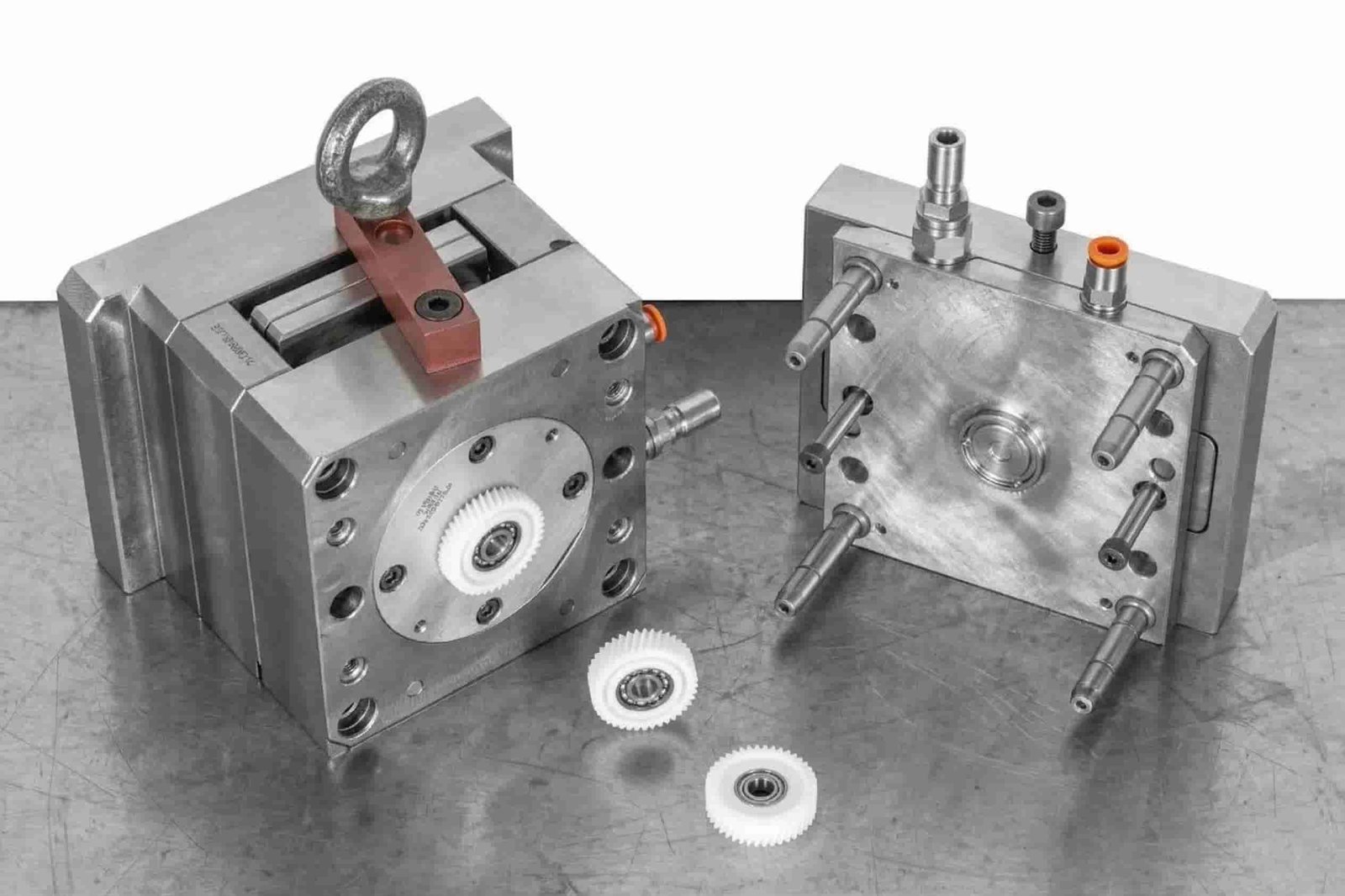
What is insert molding?
Insert molding is an advanced injection molding process where a pre-formed component, typically metal, is placed into a mold before molten plastic is injected around it. As the plastic cools and solidifies, it encapsulates the insert, creating a highly durable, single-piece assembly without the need for secondary operations.
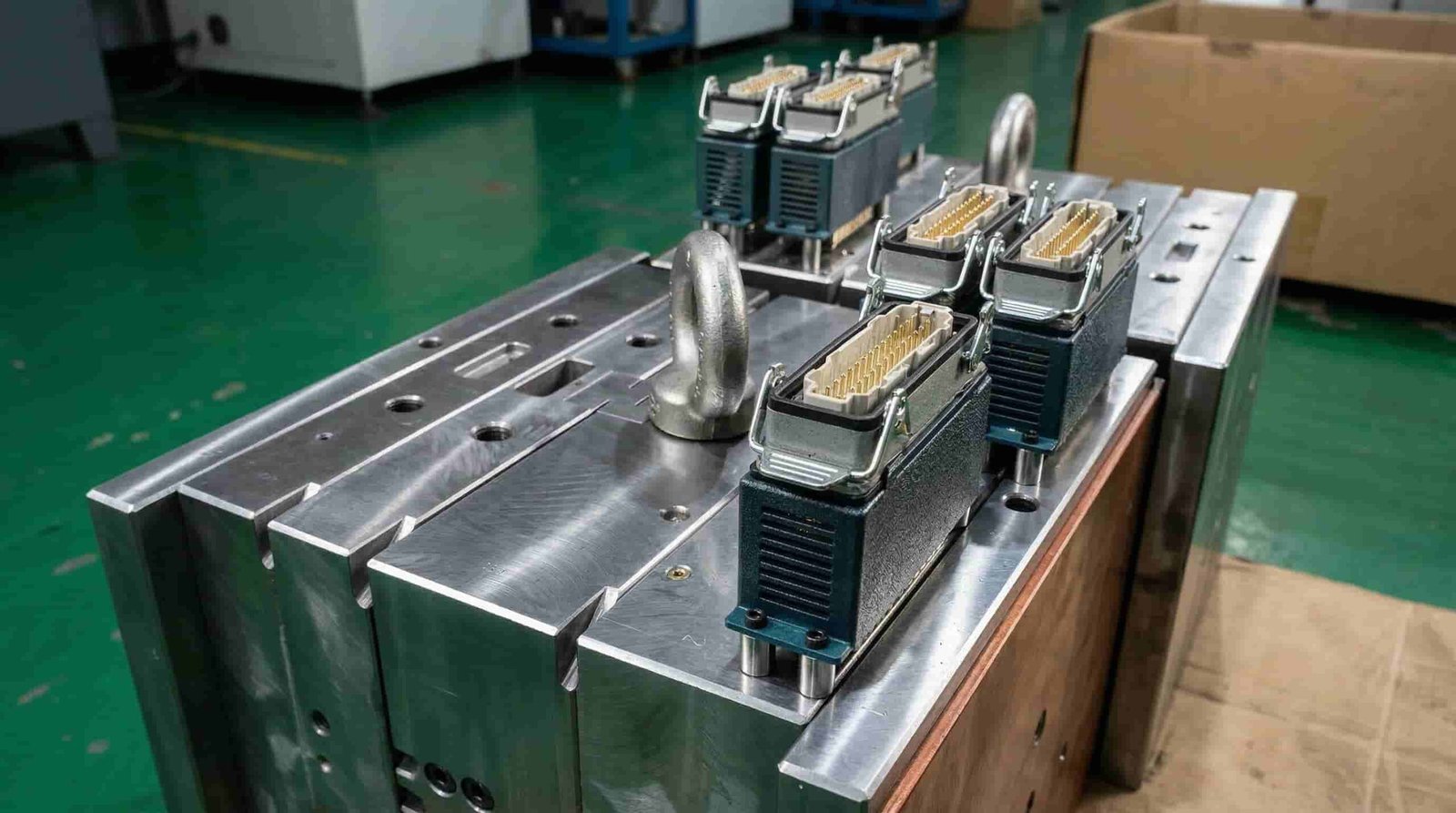
Core Concepts of the Process
The process fundamentally changes how multi-component parts are manufactured. Instead of molding plastic parts and then manually pressing or welding metal inserts into them, the insert becomes an integral part of the molding cycle. This seamless integration requires precision engineering but yields a vastly superior final product.
- Pre-placement: The insert (such as a threaded boss, electrical contact, or structural pin) is loaded into the mold either manually by an operator or via automation.
- Injection: Molten thermoplastic is injected into the closed mold cavity under high pressure, flowing around the geometric features of the insert.
- Solidification: The plastic cools rapidly within the mold, creating a strong mechanical—and sometimes chemical—bond with the encapsulated insert.
- Ejection: The finished, unified component is safely ejected from the machine, ready for packaging or final inspection.
GBM Design Insight: Always design your metal inserts with knurling, undercuts, or grooves. This maximizes the mechanical interlock between the metal and the shrinking plastic, preventing pull-out or rotational failure.
How Does insert molding Work?
The insert molding process works by securing a pre-fabricated part within a mold cavity, closing the mold, and injecting molten thermoplastic resin under high pressure. The resin flows around the insert’s geometric features, cooling into a solid plastic shell that permanently anchors the insert in place.
🎥 Watch the Process: Learn the essential design considerations and see the step-by-step mechanics of how molten resin permanently anchors a metal insert in a successful molding operation.
The Step-by-Step Manufacturing Cycle
Understanding the mechanics of insert molding requires looking at the interplay between the injection molding machine, the mold tool, and the insert itself. Precision at every stage is necessary to ensure the insert is not displaced by the high-pressure flow of molten plastic.
Here is a step-by-step breakdown of the critical parameters monitored during a standard cycle:
| Phase | Action | Critical Parameter |
|---|---|---|
| Loading | Insert placed into mold cavity | Positional accuracy & mold temperature |
| Clamping | Mold halves close securely | Clamping force & insert retention stability |
| Injection | Molten plastic fills the cavity | Injection pressure & melt flow rate |
| Cooling | Plastic solidifies around insert | Cooling time & material shrinkage rate |
| Ejection | Final part is removed from tool | Ejector pin placement & ejection force |
GBM Process Optimization: Pre-heating metal inserts before placing them into the mold can significantly reduce residual stress in the surrounding plastic and prevent premature cracking caused by rapid cooling.
What are the benefits of insert molding?
Insert molding offers significant benefits, including reduced assembly costs, improved part strength, and decreased overall part weight. By combining multiple materials into a single step, it eliminates secondary fastening operations, enhances design flexibility, and ensures superior reliability in demanding electrical and mechanical applications.
🎥 Insert Molding vs. Alternatives: Discover exactly which project types benefit the most from insert molding compared to traditional assembly methods, and see how it impacts your bottom line.
Key Advantages for Manufacturers
The shift from traditional assembly to insert molding provides a competitive edge in modern manufacturing. By consolidating parts, companies can streamline their supply chains, reduce labor dependencies, and dramatically improve product performance.
- Cost Reduction: Eliminates the need for post-molding assembly processes like ultrasonic welding, gluing, or manual screw insertion, saving both time and labor.
- Enhanced Reliability: The plastic tightly encapsulates the insert, creating a bond that is highly resistant to vibration, shock, and pull-out forces.
- Size and Weight Reduction: Allows for thinner plastic walls and smaller overall part footprints compared to traditional fastened assemblies that require bulky bosses.
- Design Flexibility: Enables the seamless integration of conductive metals with insulating plastics, which is ideal for complex electronic connectors and medical devices.
GBM ROI Strategy: To maximize cost savings, evaluate your entire assembly line. If a product requires more than two secondary assembly steps, converting it to an insert molded part will almost always yield a positive return on investment.
How to Maintain an Insert Molding Operation?
Maintaining an insert molding operation requires regular inspection of mold cavities, cleaning of insert-holding pins, and calibration of robotic loading arms. Proper maintenance prevents insert misalignment, reduces tool wear from abrasive metals, and ensures the injection molding machine delivers consistent pressure and temperature.
🎥 Protecting Your Tooling: Review the standard setup, sensor calibration, and critical preventative maintenance protocols required to keep your plastic injection molds running flawlessly and avoid costly crashes.
Preventative Maintenance Strategies
Because insert molding involves placing hard materials (like brass or steel) into precision-machined steel molds, the risk of tool damage is significantly higher than in standard injection molding. A rigorous, proactive maintenance schedule is critical to preserving tool life.
- Daily Mold Cleaning: Remove any plastic residue or metallic dust from the mold surface, paying special attention to the magnetic or mechanical pins that hold the inserts in place.
- Insert Tolerance Checks: Regularly measure incoming batches of inserts. Out-of-tolerance inserts can crush under clamping pressure, permanently damaging the mold steel.
- Lubrication Protocols: Apply specialized, high-temperature mold release agents and lubricants to ejector pins and moving slides to prevent galling.
- Sensor Calibration: Ensure that vision systems or optical sensors used to verify proper insert placement are cleaned and calibrated daily to prevent mold crashes.
GBM Tooling Alert: Implement a strict ‘crush-prevention’ protocol. Use low-pressure mold closing settings on your machine so it stops automatically if an insert is misaligned, saving your expensive tooling from catastrophic damage.
What is the price of insert molding?
The price of insert molding varies widely based on part complexity, mold design, and production volume. Generally, upfront tooling costs range from $5,000 to $30,000, while the per-part cost drops significantly in high volumes, typically costing between $0.10 and $2.50 depending on the materials used.
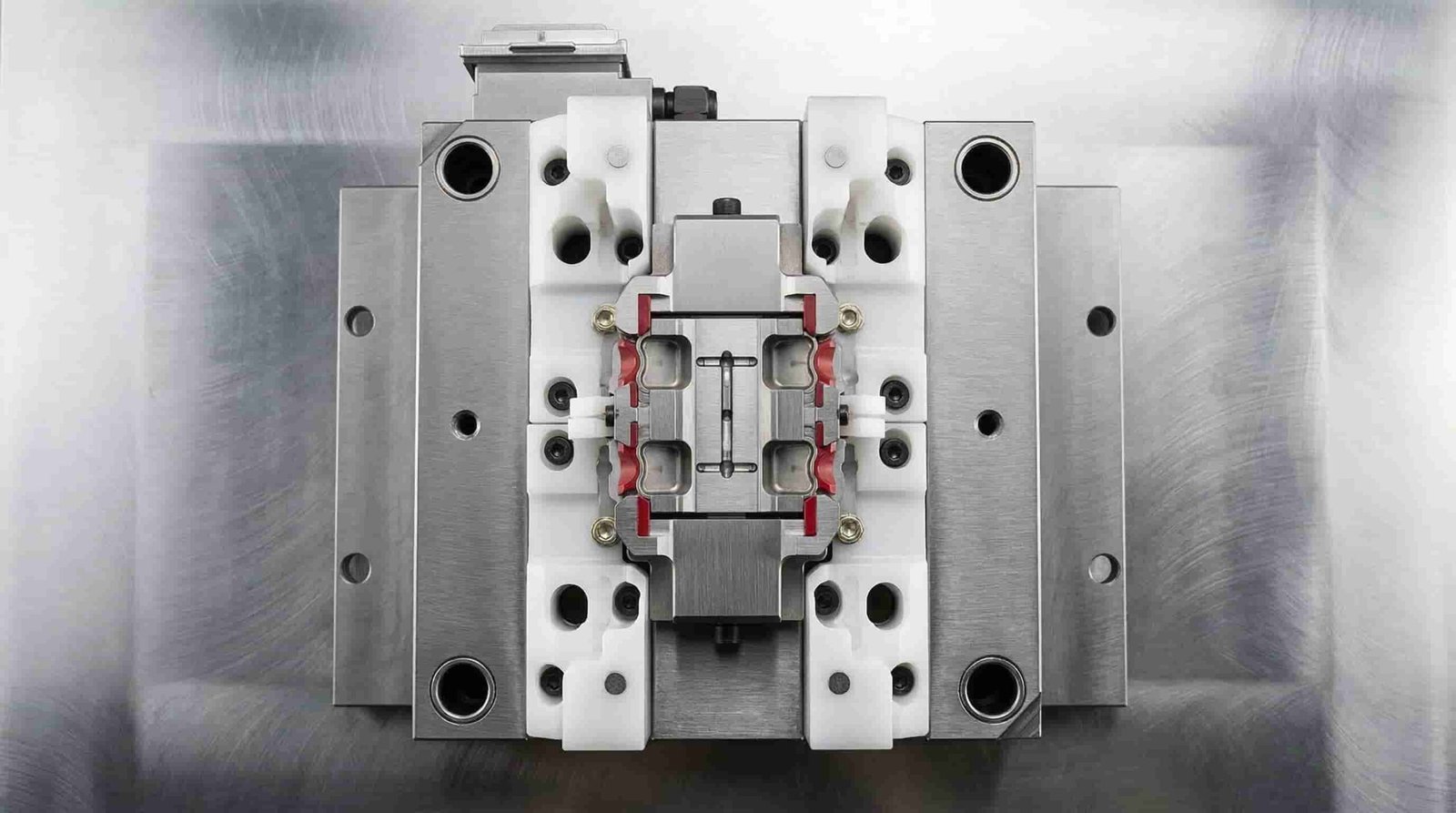
Understanding the Cost Breakdown
Calculating the total cost of an insert molding project requires separating capital expenses (tooling and automation) from variable expenses (materials and labor). While the initial mold cost is higher due to the precision required to hold inserts, the elimination of assembly labor offsets this over the product’s lifecycle.
To help you budget accurately, here is a breakdown of the primary cost drivers:
| Cost Category | Estimated Range | Driving Factors |
|---|---|---|
| Mold Tooling | $5,000 – $30,000+ | Number of cavities, insert retention mechanisms, steel grade |
| Insert Hardware | $0.02 – $0.50 per unit | Material (brass vs. stainless steel), custom vs. off-the-shelf |
| Plastic Resin | $2.00 – $10.00 per kg | Commodity plastics (PP/PE) vs. engineering resins (PEEK/Ultem) |
| Production/Labor | $0.10 – $2.50 per part | Manual vs. robotic insert loading, overall cycle time |
GBM Cost-Saving Tip: To lower your per-part cost, design your product to use standard, off-the-shelf threaded inserts rather than custom-machined hardware. This simple change can reduce hardware costs by up to 60%.
Key Features & Comparison
Insert molding stands out for its ability to seamlessly integrate dissimilar materials, offering unparalleled pull-out resistance and torque retention. Compared to traditional assembly or post-molding insertion, it provides superior structural integrity, tighter tolerances, and a more streamlined manufacturing footprint for complex engineering applications.
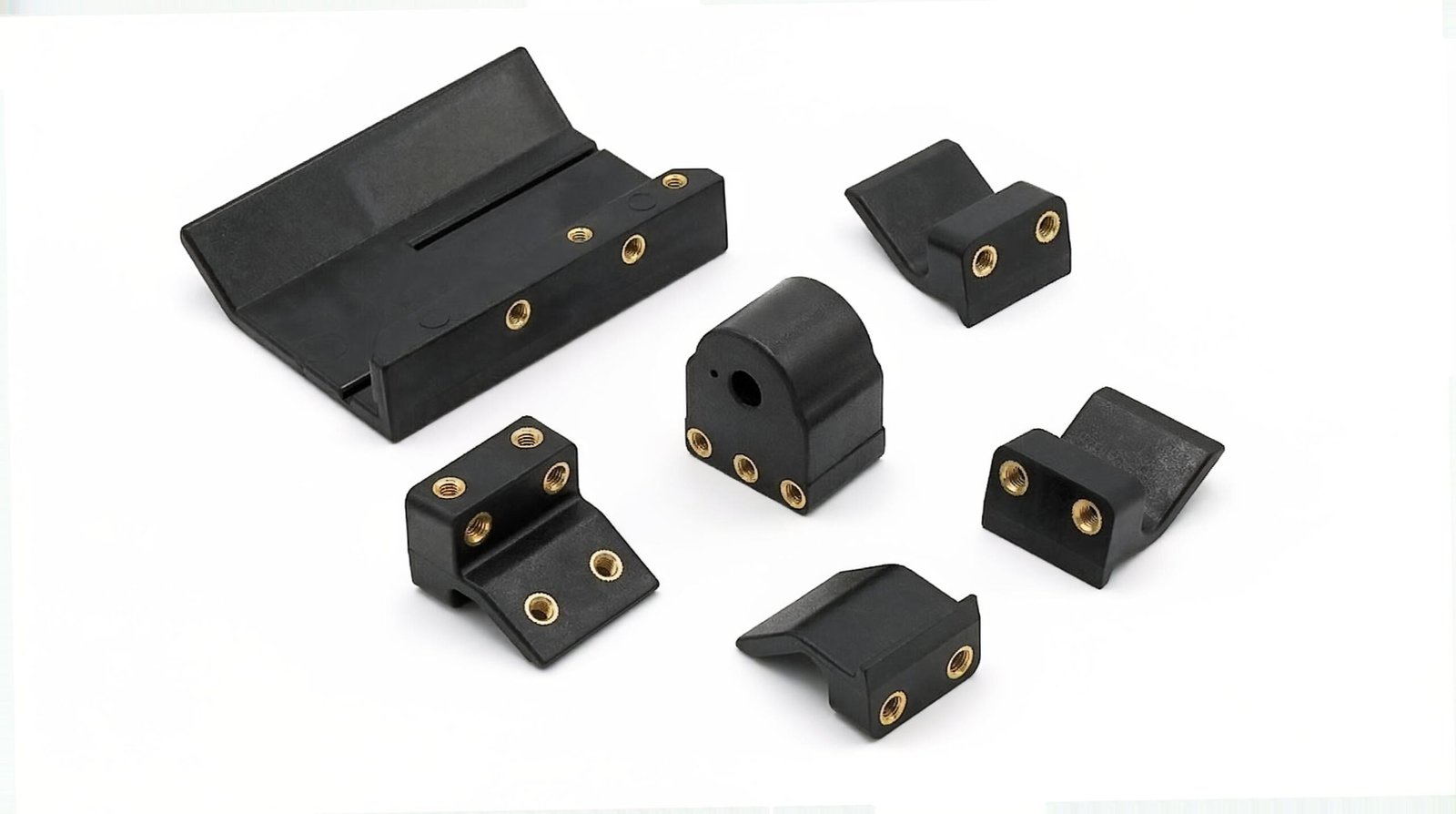
Insert Molding vs. Traditional Assembly
Choosing the right manufacturing process is critical for product performance and longevity. Let’s explore how insert molding compares directly to traditional post-molding insertion techniques like heat staking or ultrasonic welding.
Here is a direct comparison of how in-mold encapsulation stacks up against traditional secondary assembly methods:
| Feature | Insert Molding | Post-Molding Insertion (Heat/Ultrasonic) |
|---|---|---|
| Bond Strength | Exceptional (Fully Encapsulated) | Moderate to High |
| Assembly Time | Zero (Completed in-mold) | Additional secondary step required |
| Tooling Cost | Higher (Complex mold design) | Lower (Standard mold + assembly fixture) |
| Design Freedom | High (Complex geometries allowed) | Limited by physical access for insertion tools |
GBM Structural Engineering Tip: Choose insert molding over heat staking when your product will be subjected to high torque loads or extreme temperature fluctuations, as the in-mold encapsulation provides significantly better internal stress distribution.
Cost & Buying Factors
When budgeting for insert molding, buyers must evaluate mold complexity, insert material costs, and automation requirements. High-volume runs justify the cost of robotic loading systems, drastically reducing labor expenses, whereas low-volume projects may rely on manual loading to keep initial capital expenditures manageable.
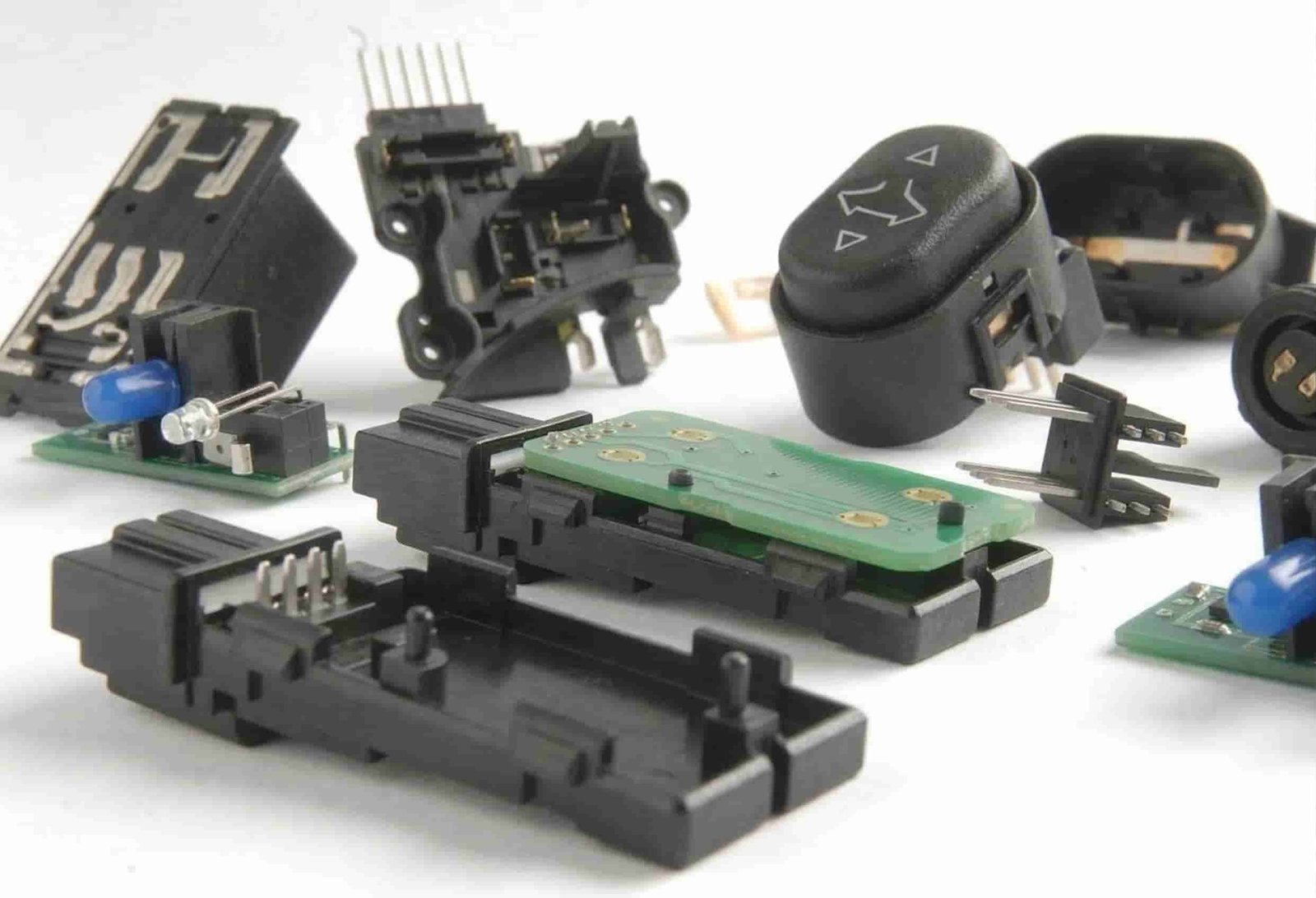
Strategic Purchasing Considerations
Making an informed purchasing decision requires looking beyond the basic per-part quote. Buyers should evaluate the total cost of ownership, factoring in quality control, supply chain logistics, and production scalability.
- Volume Projections: Accurate volume forecasting is essential. High volumes justify multi-cavity molds and automated robotic loaders, which have high upfront costs but offer the lowest piece price.
- Insert Sourcing: Determine whether you will consign the inserts to the molder or if the molder will procure them on your behalf. Single-source procurement often streamlines accountability.
- Resin Selection: High-temperature engineering plastics require specialized molds with advanced heating channels, increasing tooling costs compared to standard commodity plastics.
- Quality Assurance: Ensure your manufacturing partner has in-line vision systems to detect missing or misaligned inserts before the mold closes, preventing costly defects.
GBM Purchasing Advice: Always request a ‘Design for Manufacturability’ (DFM) report before greenlighting tooling. A good DFM can identify minor design tweaks that simplify insert retention, saving thousands in mold adjustments.
Why Trust GBM for Your Insert Molding & Tooling Needs?
In insert molding, the plastic injection machine only does half the work; the success of your project hinges entirely on the precision of the injection mold. If the tool fails to secure the metal insert perfectly, high-pressure molten plastic will cause flash, or worse, the insert will dislodge and catastrophically damage the steel mold. At GBM, our core strength is precision tooling engineered specifically for multi-material encapsulation.
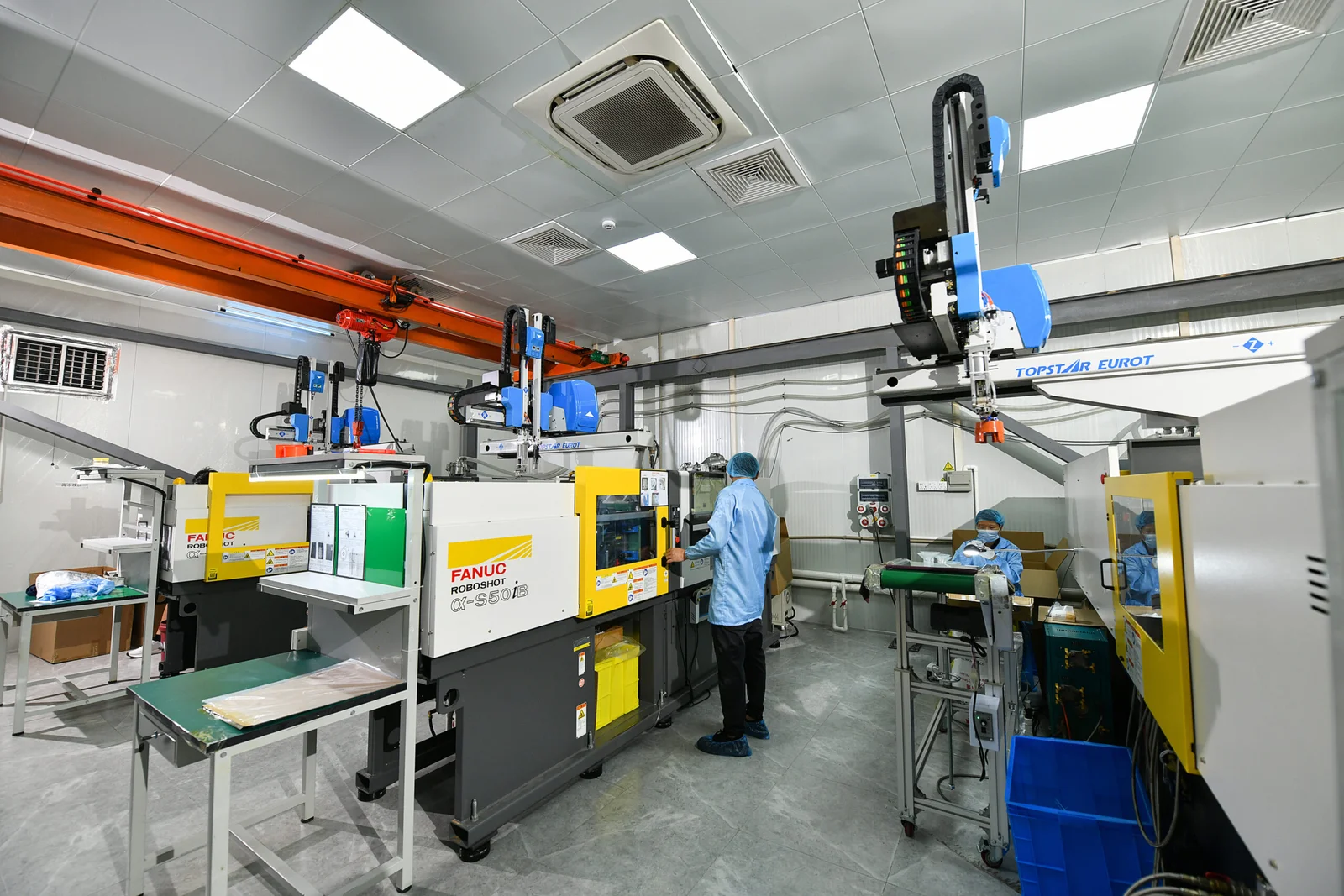
- In-House Tooling Mastery: We don’t just mold parts; we engineer the steel. Our custom-machined molds feature advanced retention systems—such as magnetic core pins, crush ribs, and sliding mechanisms—designed to hold brass, steel, or aluminum inserts flawlessly in place under immense injection pressures.
- Mastering Thermal Dynamics: Metal and plastic absorb and dissipate heat at completely different rates. GBM’s engineering team utilizes advanced Moldflow® simulations to design optimized cooling channels around the insert area. This ensures uniform shrinkage and eliminates the risk of radial cracking in the final plastic part.
- Zero-Crush Protection Protocols: We protect your tooling investment. Our molds are designed in tandem with high-precision optical sensors and low-pressure machine closure settings. If an insert is loaded even a fraction of a millimeter off-axis, our systems halt the press instantly, preventing tool damage.
- Scalable Automation: Whether you need cost-effective, hand-loaded molds for low-volume prototypes, or fully automated, robotic-loaded hardened steel tools for producing millions of units, GBM scales our mold designs to maximize your ROI at any production volume.
Don’t risk your multi-material project on subpar tooling. Contact GBM’s engineering team today for a comprehensive Design for Manufacturability (DFM) analysis and discover how our precision mold-making can elevate your next product.
Conclusion
Insert molding is a transformative manufacturing process that optimizes part performance, reduces assembly labor, and enhances product reliability. By partnering with experienced manufacturers and leveraging proper design principles, businesses can produce highly durable, multi-material components that meet the rigorous demands of modern engineering.
Final Thoughts on Implementation
Successfully transitioning your product line to insert molding requires careful planning, robust engineering, and flawless execution. Keep these final strategic steps in mind as you move forward with your production goals.
- Validate Designs Early: Use 3D printing and prototyping to test insert geometry and pull-out strength before committing to cutting steel for the mold.
- Choose the Right Partner: Look for injection molding partners, like GBM, who have proven, documented expertise in both precision mold making and multi-material integration.
- Focus on Automation: Plan for future scalability by designing molds that can easily transition from manual operator loading to robotic loading as your market demand grows.
GBM Engineering Best Practice: Don’t treat the metal insert and the plastic housing as separate entities. Design them concurrently to ensure their thermal expansion rates and mechanical tolerances work in perfect harmony.