

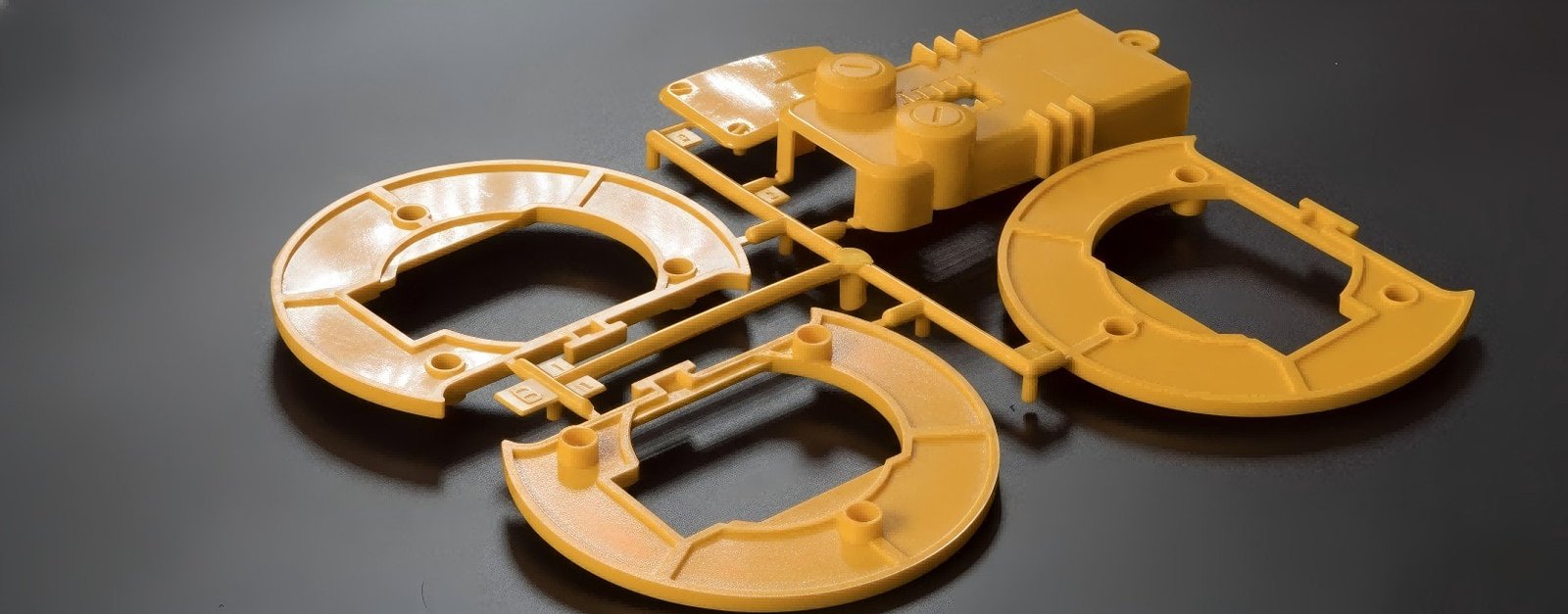
The 4 Types of Plastic Molding: Which Process is Best for Your Project?

GBM Insights GBM Insights
| | Material Applications
Featured Article Image

Choosing the right manufacturing process is the single most important decision for your product’s success and budget. In this guide, we break down the four primary types of plastic molding—Injection, Blow, Compression, and Extrusion—to help you align your part geometry and volume with the most cost-effective method.

🎥 The 4 Primary Molding Processes Explained:

Process Mechanics and Applications

To understand which method suits your project, we must look at how the material is manipulated in the machine.

Molding TypeWorking PrincipleIdeal Applications
Injection MoldingMolten material is injected at high pressure into a mold cavity.High-volume production of solid parts (LEGO bricks, bottle caps).
Blow MoldingAir is blown into a molten tube (parison) to expand it against mold walls.Hollow objects (Water bottles, fuel tanks).
Compression MoldingMaterial is placed in a heated open mold, then compressed shut.Large, simple parts (Car bumpers, electrical switches).
Extrusion MoldingMaterial is pushed through a die to create a continuous profile.Long objects with constant cross-sections (Pipes, window frames).

GBM Pro Tip: In our lab tests at GBM, we found that selecting the wrong process often stems from ignoring wall thickness requirements. For example, we frequently see clients attempt to injection mold parts with thick, uneven walls, which leads to sink marks. In those cases, we recommend switching to compression molding or redesigning the part for coring to maintain uniform thickness.

What are the 4 types of moulding?

The four main categories of moulding (using the British spelling) remain Injection, Blow, Compression, and Extrusion. While the terminology differs slightly by region, the engineering principles are identical. Manufacturers utilize these specific techniques to produce everything from hollow bottles and automotive parts to intricate medical devices and continuous piping.

🎥 Molding vs. Moulding Standards: See how regional terminology and international ISO/ASTM standards impact your global manufacturing blueprint and tooling requirements.

Regional Variations and Standards

While the physics remains the same, the standards applied (ISO vs. ASTM) can vary based on whether you are using “molding” (US) or “moulding” (UK/International).

  • Injection Moulding: often requires higher clamping tonnage specifications in European markets.
  • Blow Moulding: frequently utilizes different grade resins depending on EU vs. US environmental regulations.

GBM Pro Tip: Our technicians often see confusion regarding tolerance standards between US and European blueprints. We always advise our clients to specify the exact standard (e.g., DIN vs. ANSI) on the drawing, regardless of whether they spell it “molding” or “moulding,” to prevent tooling errors during the machining phase.

What are the different types of molding?

Beyond the standard four, other distinct molding types include Rotational Molding, Transfer Molding, and Thermoforming. These specialized processes address unique manufacturing needs, such as creating large hollow tanks via rotational force or encapsulating electronic components through transfer molding, offering alternatives when standard high-pressure injection methods are unsuitable.

🎥 Specialized Techniques in Action: Discover when to step outside the standard four methods and utilize rotational molding, transfer molding, or thermoforming for complex geometries.

Specialized Molding Techniques

When standard injection molding cannot achieve the desired geometry or material property, we look to these specialized methods:

  1. Rotational Molding (Rotomolding): Excellent for stress-free parts. The mold rotates on two axes while heating, coating the inside. Used for kayaks and dumpsters.
  2. Transfer Molding: Similar to compression but allows for tighter tolerances and insert molding. Commonly used for integrated circuits.
  3. Thermoforming: A sheet is heated and sucked over a mold (vacuum forming). Used for disposable cups and packaging trays.

GBM Pro Tip: We recently utilized Transfer Molding for a client needing to encapsulate delicate metal inserts. We found that standard compression molding shifted the inserts due to direct pressure, whereas Transfer Molding flowed the material gently around the metal, preserving the assembly’s integrity.

Which molding method offers the lowest unit cost for high-volume production?

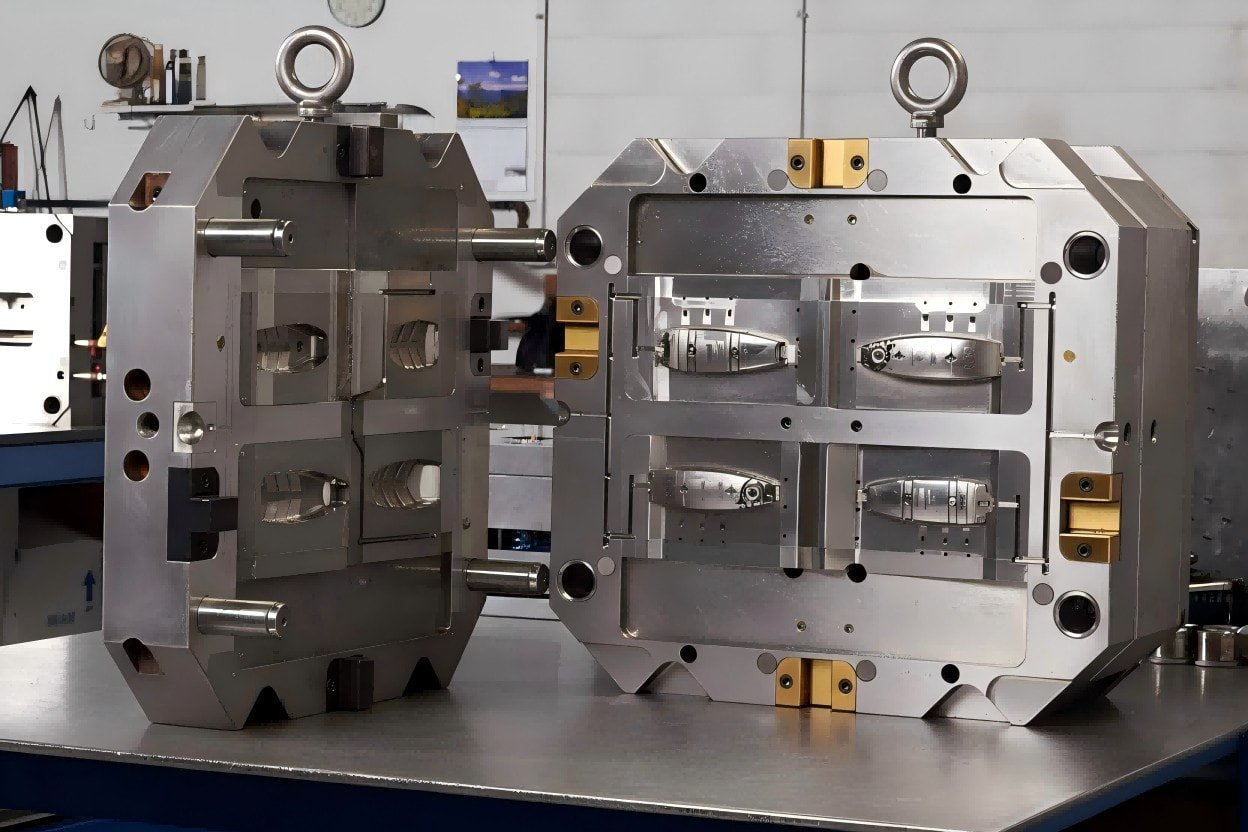
Injection molding generally offers the lowest unit cost for high-volume production runs. Once the initial tooling is created, the cycle times are extremely fast, often lasting only seconds. This efficiency allows manufacturers to amortize the mold cost over millions of parts, resulting in a negligible price per unit.
injecting molding (1)

Cost vs. Volume Analysis

The economics of molding rely heavily on the “Break-even Point.”

  • Low Volume (1-1,000 parts): 3D Printing or Urethane Casting (Lower entry cost).
  • Mid Volume (1,000-10,000 parts): Compression or Soft-tool Injection.
  • High Volume (100,000+ parts): Hard-tool Injection Molding.

GBM Pro Tip: We conducted a cost analysis for a consumer electronics client and found that while the steel mold cost $15,000, the unit cost dropped to $0.04 per part. At 500,000 units, injection molding was 80% cheaper than 3D printing, despite the high upfront tooling cost.

How do initial tooling investments compare across the four molding types?

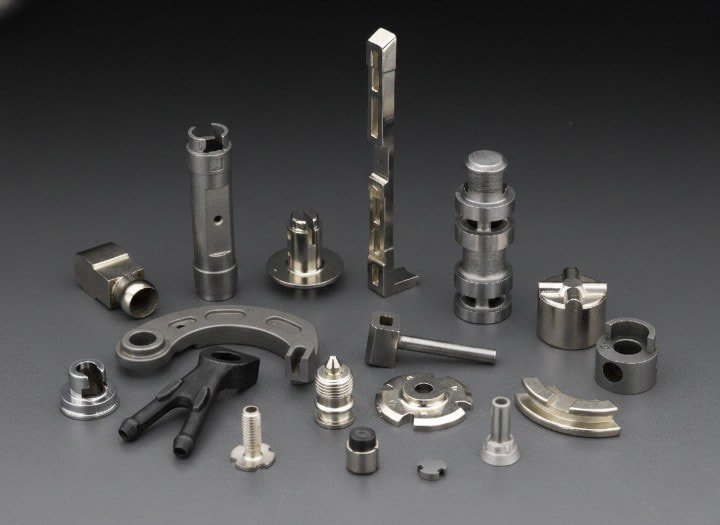
Initial tooling investments vary significantly: Injection molding requires the highest capital due to complex, high-pressure steel molds. Compression and blow molding typically require moderate tooling investments, while extrusion dies are often the least expensive. Manufacturers must balance these upfront costs against expected production volumes to determine ROI.
injecting molding (3)

Tooling Cost Hierarchy

  1. Injection Molding (Highest): Requires precision CNC machined steel, cooling channels, and ejection systems. ($5k – $100k+).
  2. Blow Molding (High/Medium): Molds must handle pressure but are often simpler than injection molds. ($2k – $20k).
  3. Compression Molding (Medium): Simpler two-part molds, no gate/runner systems required. ($1k – $10k).
  4. Extrusion (Lowest): Requires a 2D die profile rather than a 3D cavity. ($500 – $5k).

GBM Pro Tip: In our engineering reviews, we often steer startups toward extrusion for their initial prototypes if the geometry allows. We can cut a wire EDM die for a fraction of the cost of an injection mold, allowing the client to test the material properties and profile fit before committing to expensive cavity molds.

Why Trust GBM for Your Injection Molding & Tooling Needs?

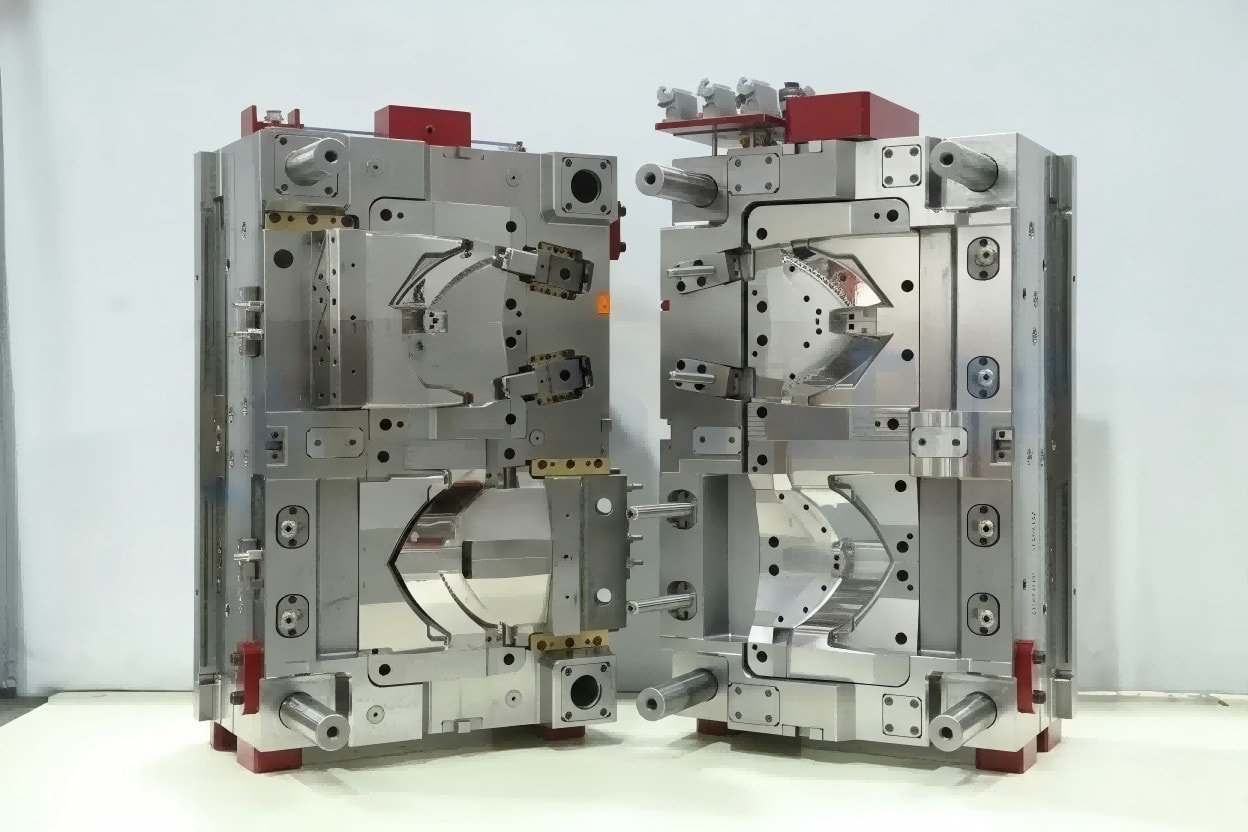
While all four molding processes have their place, Injection Molding remains the undisputed king of precision, high-volume manufacturing. At GBM, this is our core mastery. We don’t just run injection machines; we engineer the high-performance steel molds that make your mass production seamless and highly profitable.
injecting molding (4)
  • In-House Tooling Excellence: The biggest barrier to injection molding is the initial tooling cost and quality. GBM operates a fully integrated, state-of-the-art mold-making facility. By keeping CNC machining, EDM, and mold assembly in-house, we strictly control the tolerances (down to ±0.005″) and significantly reduce the lead time compared to brokers who outsource their tooling.
  • Advanced DFM (Design for Manufacturability): Before we cut a single block of steel, our engineering team optimizes your CAD files. If your part was originally designed for compression or extrusion, we expertly modify the wall thicknesses, draft angles, and gating strategies to make it perfect for high-speed injection molding, eliminating defects like sink marks and warpage.
  • Scalable Mold Solutions: We tailor the tool to your volume. Need a bridge-tooling run of 5,000 parts? We can design a cost-effective P20 steel or Aluminum mold. Scaling up to 2 million units? We engineer robust, multi-cavity hardened H13 steel molds with conformal cooling channels to shave seconds off your cycle time, maximizing your ROI.
  • End-to-End Quality: From the initial melt flow analysis to the final automated optical inspection of the injected part, GBM adheres to strict international quality standards. Your molds are built to last, and your parts are guaranteed to perform.

Ready to scale your production? Contact GBM’s tooling engineers today to see if injection molding is the right fit for your next project, and get a comprehensive DFM and cost analysis.

Conclusion

Understanding the four types of molding—Injection, Blow, Compression, and Extrusion—ensures you select the correct process for your volume, budget, and design requirements.

Precision Engineering High-Alloy Foil Manufacturing
Share:

Read Next

Related Article
Case Study

Advanced 2-Shot Molding Techniques for Automotive Connectors

October 12, 2023

Related Article
Industry News

How DFM Accelerates T1 Delivery to 15 Days

September 28, 2023

Leave a Comment

Choosing the right manufacturing process is the single most important decision for your product’s success and budget. In this guide, we break down the four primary types of plastic molding—Injection, Blow, Compression, and Extrusion—to help you align your part geometry and volume with the most cost-effective method.

🎥 The 4 Primary Molding Processes Explained:

Process Mechanics and Applications

To understand which method suits your project, we must look at how the material is manipulated in the machine.

Molding TypeWorking PrincipleIdeal Applications
Injection MoldingMolten material is injected at high pressure into a mold cavity.High-volume production of solid parts (LEGO bricks, bottle caps).
Blow MoldingAir is blown into a molten tube (parison) to expand it against mold walls.Hollow objects (Water bottles, fuel tanks).
Compression MoldingMaterial is placed in a heated open mold, then compressed shut.Large, simple parts (Car bumpers, electrical switches).
Extrusion MoldingMaterial is pushed through a die to create a continuous profile.Long objects with constant cross-sections (Pipes, window frames).

GBM Pro Tip: In our lab tests at GBM, we found that selecting the wrong process often stems from ignoring wall thickness requirements. For example, we frequently see clients attempt to injection mold parts with thick, uneven walls, which leads to sink marks. In those cases, we recommend switching to compression molding or redesigning the part for coring to maintain uniform thickness.

What are the 4 types of moulding?

The four main categories of moulding (using the British spelling) remain Injection, Blow, Compression, and Extrusion. While the terminology differs slightly by region, the engineering principles are identical. Manufacturers utilize these specific techniques to produce everything from hollow bottles and automotive parts to intricate medical devices and continuous piping.

🎥 Molding vs. Moulding Standards: See how regional terminology and international ISO/ASTM standards impact your global manufacturing blueprint and tooling requirements.

Regional Variations and Standards

While the physics remains the same, the standards applied (ISO vs. ASTM) can vary based on whether you are using “molding” (US) or “moulding” (UK/International).

  • Injection Moulding: often requires higher clamping tonnage specifications in European markets.
  • Blow Moulding: frequently utilizes different grade resins depending on EU vs. US environmental regulations.

GBM Pro Tip: Our technicians often see confusion regarding tolerance standards between US and European blueprints. We always advise our clients to specify the exact standard (e.g., DIN vs. ANSI) on the drawing, regardless of whether they spell it “molding” or “moulding,” to prevent tooling errors during the machining phase.

What are the different types of molding?

Beyond the standard four, other distinct molding types include Rotational Molding, Transfer Molding, and Thermoforming. These specialized processes address unique manufacturing needs, such as creating large hollow tanks via rotational force or encapsulating electronic components through transfer molding, offering alternatives when standard high-pressure injection methods are unsuitable.

🎥 Specialized Techniques in Action: Discover when to step outside the standard four methods and utilize rotational molding, transfer molding, or thermoforming for complex geometries.

Specialized Molding Techniques

When standard injection molding cannot achieve the desired geometry or material property, we look to these specialized methods:

  1. Rotational Molding (Rotomolding): Excellent for stress-free parts. The mold rotates on two axes while heating, coating the inside. Used for kayaks and dumpsters.
  2. Transfer Molding: Similar to compression but allows for tighter tolerances and insert molding. Commonly used for integrated circuits.
  3. Thermoforming: A sheet is heated and sucked over a mold (vacuum forming). Used for disposable cups and packaging trays.

GBM Pro Tip: We recently utilized Transfer Molding for a client needing to encapsulate delicate metal inserts. We found that standard compression molding shifted the inserts due to direct pressure, whereas Transfer Molding flowed the material gently around the metal, preserving the assembly’s integrity.

Which molding method offers the lowest unit cost for high-volume production?

Injection molding generally offers the lowest unit cost for high-volume production runs. Once the initial tooling is created, the cycle times are extremely fast, often lasting only seconds. This efficiency allows manufacturers to amortize the mold cost over millions of parts, resulting in a negligible price per unit.

injecting molding (1)

Cost vs. Volume Analysis

The economics of molding rely heavily on the “Break-even Point.”

  • Low Volume (1-1,000 parts): 3D Printing or Urethane Casting (Lower entry cost).
  • Mid Volume (1,000-10,000 parts): Compression or Soft-tool Injection.
  • High Volume (100,000+ parts): Hard-tool Injection Molding.

GBM Pro Tip: We conducted a cost analysis for a consumer electronics client and found that while the steel mold cost $15,000, the unit cost dropped to $0.04 per part. At 500,000 units, injection molding was 80% cheaper than 3D printing, despite the high upfront tooling cost.

How do initial tooling investments compare across the four molding types?

Initial tooling investments vary significantly: Injection molding requires the highest capital due to complex, high-pressure steel molds. Compression and blow molding typically require moderate tooling investments, while extrusion dies are often the least expensive. Manufacturers must balance these upfront costs against expected production volumes to determine ROI.

injecting molding (3)

Tooling Cost Hierarchy

  1. Injection Molding (Highest): Requires precision CNC machined steel, cooling channels, and ejection systems. ($5k – $100k+).
  2. Blow Molding (High/Medium): Molds must handle pressure but are often simpler than injection molds. ($2k – $20k).
  3. Compression Molding (Medium): Simpler two-part molds, no gate/runner systems required. ($1k – $10k).
  4. Extrusion (Lowest): Requires a 2D die profile rather than a 3D cavity. ($500 – $5k).

GBM Pro Tip: In our engineering reviews, we often steer startups toward extrusion for their initial prototypes if the geometry allows. We can cut a wire EDM die for a fraction of the cost of an injection mold, allowing the client to test the material properties and profile fit before committing to expensive cavity molds.

Why Trust GBM for Your Injection Molding & Tooling Needs?

While all four molding processes have their place, Injection Molding remains the undisputed king of precision, high-volume manufacturing. At GBM, this is our core mastery. We don’t just run injection machines; we engineer the high-performance steel molds that make your mass production seamless and highly profitable.

injecting molding (4)
  • In-House Tooling Excellence: The biggest barrier to injection molding is the initial tooling cost and quality. GBM operates a fully integrated, state-of-the-art mold-making facility. By keeping CNC machining, EDM, and mold assembly in-house, we strictly control the tolerances (down to ±0.005″) and significantly reduce the lead time compared to brokers who outsource their tooling.
  • Advanced DFM (Design for Manufacturability): Before we cut a single block of steel, our engineering team optimizes your CAD files. If your part was originally designed for compression or extrusion, we expertly modify the wall thicknesses, draft angles, and gating strategies to make it perfect for high-speed injection molding, eliminating defects like sink marks and warpage.
  • Scalable Mold Solutions: We tailor the tool to your volume. Need a bridge-tooling run of 5,000 parts? We can design a cost-effective P20 steel or Aluminum mold. Scaling up to 2 million units? We engineer robust, multi-cavity hardened H13 steel molds with conformal cooling channels to shave seconds off your cycle time, maximizing your ROI.
  • End-to-End Quality: From the initial melt flow analysis to the final automated optical inspection of the injected part, GBM adheres to strict international quality standards. Your molds are built to last, and your parts are guaranteed to perform.

Ready to scale your production? Contact GBM’s tooling engineers today to see if injection molding is the right fit for your next project, and get a comprehensive DFM and cost analysis.

Conclusion

Understanding the four types of molding—Injection, Blow, Compression, and Extrusion—ensures you select the correct process for your volume, budget, and design requirements.

Choosing the right manufacturing process is the single most important decision for your product’s success and budget. In this guide, we break down the four primary types of plastic molding—Injection, Blow, Compression, and Extrusion—to help you align your part geometry and volume with the most cost-effective method.

🎥 The 4 Primary Molding Processes Explained:

Process Mechanics and Applications

To understand which method suits your project, we must look at how the material is manipulated in the machine.

Molding TypeWorking PrincipleIdeal Applications
Injection MoldingMolten material is injected at high pressure into a mold cavity.High-volume production of solid parts (LEGO bricks, bottle caps).
Blow MoldingAir is blown into a molten tube (parison) to expand it against mold walls.Hollow objects (Water bottles, fuel tanks).
Compression MoldingMaterial is placed in a heated open mold, then compressed shut.Large, simple parts (Car bumpers, electrical switches).
Extrusion MoldingMaterial is pushed through a die to create a continuous profile.Long objects with constant cross-sections (Pipes, window frames).

GBM Pro Tip: In our lab tests at GBM, we found that selecting the wrong process often stems from ignoring wall thickness requirements. For example, we frequently see clients attempt to injection mold parts with thick, uneven walls, which leads to sink marks. In those cases, we recommend switching to compression molding or redesigning the part for coring to maintain uniform thickness.

What are the 4 types of moulding?

The four main categories of moulding (using the British spelling) remain Injection, Blow, Compression, and Extrusion. While the terminology differs slightly by region, the engineering principles are identical. Manufacturers utilize these specific techniques to produce everything from hollow bottles and automotive parts to intricate medical devices and continuous piping.

🎥 Molding vs. Moulding Standards: See how regional terminology and international ISO/ASTM standards impact your global manufacturing blueprint and tooling requirements.

Regional Variations and Standards

While the physics remains the same, the standards applied (ISO vs. ASTM) can vary based on whether you are using “molding” (US) or “moulding” (UK/International).

  • Injection Moulding: often requires higher clamping tonnage specifications in European markets.
  • Blow Moulding: frequently utilizes different grade resins depending on EU vs. US environmental regulations.

GBM Pro Tip: Our technicians often see confusion regarding tolerance standards between US and European blueprints. We always advise our clients to specify the exact standard (e.g., DIN vs. ANSI) on the drawing, regardless of whether they spell it “molding” or “moulding,” to prevent tooling errors during the machining phase.

What are the different types of molding?

Beyond the standard four, other distinct molding types include Rotational Molding, Transfer Molding, and Thermoforming. These specialized processes address unique manufacturing needs, such as creating large hollow tanks via rotational force or encapsulating electronic components through transfer molding, offering alternatives when standard high-pressure injection methods are unsuitable.

🎥 Specialized Techniques in Action: Discover when to step outside the standard four methods and utilize rotational molding, transfer molding, or thermoforming for complex geometries.

Specialized Molding Techniques

When standard injection molding cannot achieve the desired geometry or material property, we look to these specialized methods:

  1. Rotational Molding (Rotomolding): Excellent for stress-free parts. The mold rotates on two axes while heating, coating the inside. Used for kayaks and dumpsters.
  2. Transfer Molding: Similar to compression but allows for tighter tolerances and insert molding. Commonly used for integrated circuits.
  3. Thermoforming: A sheet is heated and sucked over a mold (vacuum forming). Used for disposable cups and packaging trays.

GBM Pro Tip: We recently utilized Transfer Molding for a client needing to encapsulate delicate metal inserts. We found that standard compression molding shifted the inserts due to direct pressure, whereas Transfer Molding flowed the material gently around the metal, preserving the assembly’s integrity.

Which molding method offers the lowest unit cost for high-volume production?

Injection molding generally offers the lowest unit cost for high-volume production runs. Once the initial tooling is created, the cycle times are extremely fast, often lasting only seconds. This efficiency allows manufacturers to amortize the mold cost over millions of parts, resulting in a negligible price per unit.

injecting molding (1)

Cost vs. Volume Analysis

The economics of molding rely heavily on the “Break-even Point.”

  • Low Volume (1-1,000 parts): 3D Printing or Urethane Casting (Lower entry cost).
  • Mid Volume (1,000-10,000 parts): Compression or Soft-tool Injection.
  • High Volume (100,000+ parts): Hard-tool Injection Molding.

GBM Pro Tip: We conducted a cost analysis for a consumer electronics client and found that while the steel mold cost $15,000, the unit cost dropped to $0.04 per part. At 500,000 units, injection molding was 80% cheaper than 3D printing, despite the high upfront tooling cost.

How do initial tooling investments compare across the four molding types?

Initial tooling investments vary significantly: Injection molding requires the highest capital due to complex, high-pressure steel molds. Compression and blow molding typically require moderate tooling investments, while extrusion dies are often the least expensive. Manufacturers must balance these upfront costs against expected production volumes to determine ROI.

injecting molding (3)

Tooling Cost Hierarchy

  1. Injection Molding (Highest): Requires precision CNC machined steel, cooling channels, and ejection systems. ($5k – $100k+).
  2. Blow Molding (High/Medium): Molds must handle pressure but are often simpler than injection molds. ($2k – $20k).
  3. Compression Molding (Medium): Simpler two-part molds, no gate/runner systems required. ($1k – $10k).
  4. Extrusion (Lowest): Requires a 2D die profile rather than a 3D cavity. ($500 – $5k).

GBM Pro Tip: In our engineering reviews, we often steer startups toward extrusion for their initial prototypes if the geometry allows. We can cut a wire EDM die for a fraction of the cost of an injection mold, allowing the client to test the material properties and profile fit before committing to expensive cavity molds.

Why Trust GBM for Your Injection Molding & Tooling Needs?

While all four molding processes have their place, Injection Molding remains the undisputed king of precision, high-volume manufacturing. At GBM, this is our core mastery. We don’t just run injection machines; we engineer the high-performance steel molds that make your mass production seamless and highly profitable.

injecting molding (4)
  • In-House Tooling Excellence: The biggest barrier to injection molding is the initial tooling cost and quality. GBM operates a fully integrated, state-of-the-art mold-making facility. By keeping CNC machining, EDM, and mold assembly in-house, we strictly control the tolerances (down to ±0.005″) and significantly reduce the lead time compared to brokers who outsource their tooling.
  • Advanced DFM (Design for Manufacturability): Before we cut a single block of steel, our engineering team optimizes your CAD files. If your part was originally designed for compression or extrusion, we expertly modify the wall thicknesses, draft angles, and gating strategies to make it perfect for high-speed injection molding, eliminating defects like sink marks and warpage.
  • Scalable Mold Solutions: We tailor the tool to your volume. Need a bridge-tooling run of 5,000 parts? We can design a cost-effective P20 steel or Aluminum mold. Scaling up to 2 million units? We engineer robust, multi-cavity hardened H13 steel molds with conformal cooling channels to shave seconds off your cycle time, maximizing your ROI.
  • End-to-End Quality: From the initial melt flow analysis to the final automated optical inspection of the injected part, GBM adheres to strict international quality standards. Your molds are built to last, and your parts are guaranteed to perform.

Ready to scale your production? Contact GBM’s tooling engineers today to see if injection molding is the right fit for your next project, and get a comprehensive DFM and cost analysis.

Conclusion

Understanding the four types of molding—Injection, Blow, Compression, and Extrusion—ensures you select the correct process for your volume, budget, and design requirements.

Choosing the right manufacturing process is the single most important decision for your product’s success and budget. In this guide, we break down the four primary types of plastic molding—Injection, Blow, Compression, and Extrusion—to help you align your part geometry and volume with the most cost-effective method.

🎥 The 4 Primary Molding Processes Explained:

Process Mechanics and Applications

To understand which method suits your project, we must look at how the material is manipulated in the machine.

Molding TypeWorking PrincipleIdeal Applications
Injection MoldingMolten material is injected at high pressure into a mold cavity.High-volume production of solid parts (LEGO bricks, bottle caps).
Blow MoldingAir is blown into a molten tube (parison) to expand it against mold walls.Hollow objects (Water bottles, fuel tanks).
Compression MoldingMaterial is placed in a heated open mold, then compressed shut.Large, simple parts (Car bumpers, electrical switches).
Extrusion MoldingMaterial is pushed through a die to create a continuous profile.Long objects with constant cross-sections (Pipes, window frames).

GBM Pro Tip: In our lab tests at GBM, we found that selecting the wrong process often stems from ignoring wall thickness requirements. For example, we frequently see clients attempt to injection mold parts with thick, uneven walls, which leads to sink marks. In those cases, we recommend switching to compression molding or redesigning the part for coring to maintain uniform thickness.

What are the 4 types of moulding?

The four main categories of moulding (using the British spelling) remain Injection, Blow, Compression, and Extrusion. While the terminology differs slightly by region, the engineering principles are identical. Manufacturers utilize these specific techniques to produce everything from hollow bottles and automotive parts to intricate medical devices and continuous piping.

🎥 Molding vs. Moulding Standards: See how regional terminology and international ISO/ASTM standards impact your global manufacturing blueprint and tooling requirements.

Regional Variations and Standards

While the physics remains the same, the standards applied (ISO vs. ASTM) can vary based on whether you are using “molding” (US) or “moulding” (UK/International).

  • Injection Moulding: often requires higher clamping tonnage specifications in European markets.
  • Blow Moulding: frequently utilizes different grade resins depending on EU vs. US environmental regulations.

GBM Pro Tip: Our technicians often see confusion regarding tolerance standards between US and European blueprints. We always advise our clients to specify the exact standard (e.g., DIN vs. ANSI) on the drawing, regardless of whether they spell it “molding” or “moulding,” to prevent tooling errors during the machining phase.

What are the different types of molding?

Beyond the standard four, other distinct molding types include Rotational Molding, Transfer Molding, and Thermoforming. These specialized processes address unique manufacturing needs, such as creating large hollow tanks via rotational force or encapsulating electronic components through transfer molding, offering alternatives when standard high-pressure injection methods are unsuitable.

🎥 Specialized Techniques in Action: Discover when to step outside the standard four methods and utilize rotational molding, transfer molding, or thermoforming for complex geometries.

Specialized Molding Techniques

When standard injection molding cannot achieve the desired geometry or material property, we look to these specialized methods:

  1. Rotational Molding (Rotomolding): Excellent for stress-free parts. The mold rotates on two axes while heating, coating the inside. Used for kayaks and dumpsters.
  2. Transfer Molding: Similar to compression but allows for tighter tolerances and insert molding. Commonly used for integrated circuits.
  3. Thermoforming: A sheet is heated and sucked over a mold (vacuum forming). Used for disposable cups and packaging trays.

GBM Pro Tip: We recently utilized Transfer Molding for a client needing to encapsulate delicate metal inserts. We found that standard compression molding shifted the inserts due to direct pressure, whereas Transfer Molding flowed the material gently around the metal, preserving the assembly’s integrity.

Which molding method offers the lowest unit cost for high-volume production?

Injection molding generally offers the lowest unit cost for high-volume production runs. Once the initial tooling is created, the cycle times are extremely fast, often lasting only seconds. This efficiency allows manufacturers to amortize the mold cost over millions of parts, resulting in a negligible price per unit.

injecting molding (1)

Cost vs. Volume Analysis

The economics of molding rely heavily on the “Break-even Point.”

  • Low Volume (1-1,000 parts): 3D Printing or Urethane Casting (Lower entry cost).
  • Mid Volume (1,000-10,000 parts): Compression or Soft-tool Injection.
  • High Volume (100,000+ parts): Hard-tool Injection Molding.

GBM Pro Tip: We conducted a cost analysis for a consumer electronics client and found that while the steel mold cost $15,000, the unit cost dropped to $0.04 per part. At 500,000 units, injection molding was 80% cheaper than 3D printing, despite the high upfront tooling cost.

How do initial tooling investments compare across the four molding types?

Initial tooling investments vary significantly: Injection molding requires the highest capital due to complex, high-pressure steel molds. Compression and blow molding typically require moderate tooling investments, while extrusion dies are often the least expensive. Manufacturers must balance these upfront costs against expected production volumes to determine ROI.

injecting molding (3)

Tooling Cost Hierarchy

  1. Injection Molding (Highest): Requires precision CNC machined steel, cooling channels, and ejection systems. ($5k – $100k+).
  2. Blow Molding (High/Medium): Molds must handle pressure but are often simpler than injection molds. ($2k – $20k).
  3. Compression Molding (Medium): Simpler two-part molds, no gate/runner systems required. ($1k – $10k).
  4. Extrusion (Lowest): Requires a 2D die profile rather than a 3D cavity. ($500 – $5k).

GBM Pro Tip: In our engineering reviews, we often steer startups toward extrusion for their initial prototypes if the geometry allows. We can cut a wire EDM die for a fraction of the cost of an injection mold, allowing the client to test the material properties and profile fit before committing to expensive cavity molds.

Why Trust GBM for Your Injection Molding & Tooling Needs?

While all four molding processes have their place, Injection Molding remains the undisputed king of precision, high-volume manufacturing. At GBM, this is our core mastery. We don’t just run injection machines; we engineer the high-performance steel molds that make your mass production seamless and highly profitable.

injecting molding (4)
  • In-House Tooling Excellence: The biggest barrier to injection molding is the initial tooling cost and quality. GBM operates a fully integrated, state-of-the-art mold-making facility. By keeping CNC machining, EDM, and mold assembly in-house, we strictly control the tolerances (down to ±0.005″) and significantly reduce the lead time compared to brokers who outsource their tooling.
  • Advanced DFM (Design for Manufacturability): Before we cut a single block of steel, our engineering team optimizes your CAD files. If your part was originally designed for compression or extrusion, we expertly modify the wall thicknesses, draft angles, and gating strategies to make it perfect for high-speed injection molding, eliminating defects like sink marks and warpage.
  • Scalable Mold Solutions: We tailor the tool to your volume. Need a bridge-tooling run of 5,000 parts? We can design a cost-effective P20 steel or Aluminum mold. Scaling up to 2 million units? We engineer robust, multi-cavity hardened H13 steel molds with conformal cooling channels to shave seconds off your cycle time, maximizing your ROI.
  • End-to-End Quality: From the initial melt flow analysis to the final automated optical inspection of the injected part, GBM adheres to strict international quality standards. Your molds are built to last, and your parts are guaranteed to perform.

Ready to scale your production? Contact GBM’s tooling engineers today to see if injection molding is the right fit for your next project, and get a comprehensive DFM and cost analysis.

Conclusion

Understanding the four types of molding—Injection, Blow, Compression, and Extrusion—ensures you select the correct process for your volume, budget, and design requirements.