
Navigating the complexities of plastic injection molding requires a deep understanding of tooling technology, and a hot runner mold stands out as a critical investment for high-volume production. By maintaining molten plastic at a consistent temperature from the machine nozzle to the mold cavity, these systems eliminate waste, reduce cycle times, and improve part quality. Understanding the top considerations for a hot runner mold ensures optimal performance and a rapid return on investment.
Video Guide: A comprehensive overview of hot runner basics and foundational technology.
What is Hot Runner Mold?
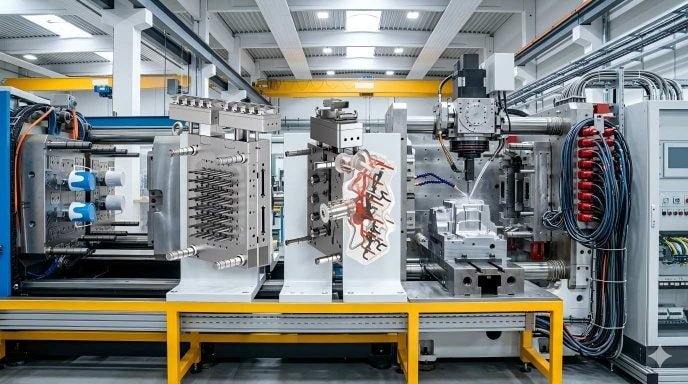
A hot runner mold is an advanced injection molding system that uses a heated manifold and nozzle assembly to keep plastic in a molten state until it enters the mold cavity. Unlike cold runners, it eliminates the need to eject solid runners, significantly reducing material waste and improving cycle efficiency.
Video Guide: An essential introduction comparing hot and cold runner systems in injection molding.
System Components and Architecture
- Manifold: Distributes the molten plastic from the central sprue to the individual nozzles, ensuring balanced flow.
- Heated Nozzles: Deliver the melt directly into the cavities while maintaining precise temperature control to prevent freezing.
- Temperature Controllers: Monitor and adjust the heat zones continuously to prevent material degradation.
- Valve Gates (Optional): Provide mechanical control over the plastic flow into the cavity, allowing for superior cosmetic finishes.
GBM Pro Tip: When selecting a hot runner system, always match the manifold layout to your specific resin’s thermal degradation profile to prevent dead spots where material can burn.
How Does Hot Runner Mold Work?
The hot runner mold operates by receiving molten resin from the injection machine barrel and routing it through a heated manifold block. Temperature controllers maintain the plastic’s optimal flow state as it travels through heated nozzles, injecting directly into the cooled cavities to form the final part.
Video Guide: Expert breakdown on optimizing the operation and flow of a hot runner system.
The Injection Cycle Process
- Melt Transfer: The injection molding machine pushes molten polymer into the mold’s central sprue bushing under high pressure.
- Manifold Distribution: The heated manifold splits the flow evenly, directing it toward the individual nozzle drops.
- Cavity Injection: The plastic flows through the heated nozzles and through the gate into the precision-cooled mold cavity.
- Cooling and Ejection: The part cools and solidifies in the cavity, while the plastic inside the runner system remains molten and ready for the next cycle.
GBM Pro Tip: Ensure your cooling channels in the mold plates are isolated effectively from the heated manifold zones to maintain thermal balance and prevent energy loss.
What are the benefits of Hot Runner Mold?
Hot runner molds offer substantial advantages, including zero runner waste, faster cycle times, and reduced post-processing labor. They provide precise control over melt temperature and cavity filling, resulting in superior part quality, fewer cosmetic defects, and lower long-term material costs for high-volume production runs.
Video Guide: Learn how mastering hot runner balancing translates to significant production benefits and part consistency.
Operational Advantages
Based on our internal data and market analysis, here is the breakdown:
| Benefit Category | Hot Runner Mold Impact | Cold Runner Comparison |
|---|---|---|
| Material Usage | 100% utilized for parts; zero runner waste. | Generates solid runners that require regrinding. |
| Cycle Time | Faster; no need to cool or eject thick runners. | Slower; dictated by the thickest part of the runner. |
| Part Quality | Lower injection pressure reduces part stress and warpage. | Higher pressure required, increasing risk of defects. |
| Automation | Fully automated; parts drop ready for packaging. | Often requires robots or labor to separate runners. |
GBM Pro Tip: The ROI on a hot runner system becomes highly favorable at production volumes exceeding 100,000 units, as the material savings quickly offset the initial tooling costs.
How to maintain a Hot Runner Mold?
Maintaining a hot runner mold requires regular inspection of electrical components, routine cleaning of nozzles, and rigorous monitoring of temperature controllers. Proper purging procedures between material changes and preventative replacement of wear items like valve pins and seals are critical to preventing costly downtime.
Video Guide: Essential strategies and best practices to protect and maintain your hot runner systems.
Preventative Maintenance Checklist
- Electrical Checks: Inspect heater bands, thermocouples, and wiring for continuity and physical damage before every production run.
- Purging: Use high-quality purging compounds designed specifically for hot runners to remove degraded resin and prevent carbon buildup.
- Mechanical Inspection: Check valve pins for wear, ensure smooth pneumatic or hydraulic actuation, and inspect gate areas for peening.
- Cooling System: Flush water lines regularly to prevent scale buildup, which can alter the thermal balance of the mold and cause localized overheating.
GBM Pro Tip: Implement a strict “heat-up” and “cool-down” protocol. Rushing the heating process can cause thermal shock and warp the manifold, leading to severe plastic leaks inside the mold.
What is the price of Hot Runner Mold?
The price of a hot runner mold typically ranges from $15,000 to over $150,000, depending on the system’s complexity, the number of drops, and the gating technology. Valve-gated systems and high-cavitation molds sit at the higher end of the spectrum due to precision engineering.
Video Guide: Top considerations when scaling production, including cost implications of advanced tooling.
Cost Breakdown
Based on our internal data and market analysis, here is the breakdown:
| System Complexity | Estimated Cost Range | Best Suited For |
|---|---|---|
| Basic Thermal Gate (1-4 Drops) | $15,000 – $35,000 | Simple commodity parts, low to medium volume. |
| Standard Valve Gate (4-16 Drops) | $40,000 – $85,000 | High-quality consumer goods, engineering resins. |
| High Cavitation (32+ Drops) | $90,000 – $150,000+ | Medical devices, packaging caps and closures. |
GBM Pro Tip: Do not evaluate the price in a vacuum. Always calculate the “Cost Per Part” over a 3-year period; the material savings from a hot runner usually justify a 30% higher upfront tooling cost.
Key Features & Comparison
Key features of hot runner molds include customized manifold designs, precise PID temperature control, and specialized gating options like thermal or valve gates. Comparing these features against traditional cold runners highlights their superior efficiency, automation compatibility, and ability to mold complex, thin-walled geometries.
Video Guide: Detailed runner design guidelines and key considerations for system selection.
Gating Technology Comparison
Based on our internal data and market analysis, here is the breakdown:
| Feature | Thermal Gate Hot Runner | Valve Gate Hot Runner |
|---|---|---|
| Gate Vestige | Small nub remains on the part surface. | Nearly invisible; flush with the part surface. |
| Flow Control | Relies on temperature and injection pressure. | Mechanical pin allows sequential filling control. |
| Maintenance | Lower complexity, easier to service. | High complexity, requires pin and seal maintenance. |
| Cost | More economical upfront investment. | Premium pricing due to moving mechanical parts. |
GBM Pro Tip: Choose valve gating when cosmetic appearance is paramount. It leaves a nearly invisible gate vestige and allows for sequential filling of large parts to eliminate weld lines.
Cost & Buying Factors
When purchasing a hot runner mold, crucial factors include the type of resin being processed, production volume, cavity count, and available machine specifications. Buyers must also consider the availability of spare parts, technical support from the manufacturer, and the required warranty periods.
Video Guide: Step-by-step considerations for setting up and investing in a hot runner system.
Critical Procurement Criteria
- Resin Compatibility: Highly corrosive or abrasive resins (like glass-filled nylon or PVC) require specialized wear-resistant coatings on manifolds and nozzles.
- Production Volume: Ensure the system is rated for the expected cycle life; high volumes justify premium, durable components that resist wear.
- Controller Compatibility: Verify that your facility’s existing temperature controllers can interface with the new mold’s thermocouple zones seamlessly.
- Serviceability: Opt for systems that allow for “in-press” maintenance, such as replacing heater bands or thermocouples without pulling the entire mold from the machine.
GBM Pro Tip: Always request a flow analysis (Moldflow) from your supplier before finalizing the manifold design to guarantee balanced filling across all cavities.
Conclusion
Investing in a hot runner mold is a strategic decision that transforms high-volume injection molding operations. By carefully evaluating system design, maintenance requirements, and overall costs, manufacturers can achieve unparalleled efficiency, reduce material waste, and consistently deliver premium quality parts to the market.
Video Guide: Final insights on properly sizing gates, runners, and sprues for optimal performance.
Next Steps for Implementation
- Conduct a comprehensive cost-benefit analysis comparing projected material savings directly to the upfront tooling costs.
- Partner with an experienced mold maker who specializes in your specific industry requirements and understands advanced rheology.
- Train your operators and maintenance staff on the unique demands and safety protocols of operating hot runner systems.
GBM Pro Tip: Leverage GBM’s engineering expertise early in your product design phase to ensure your part geometry is fully optimized for hot runner injection molding.