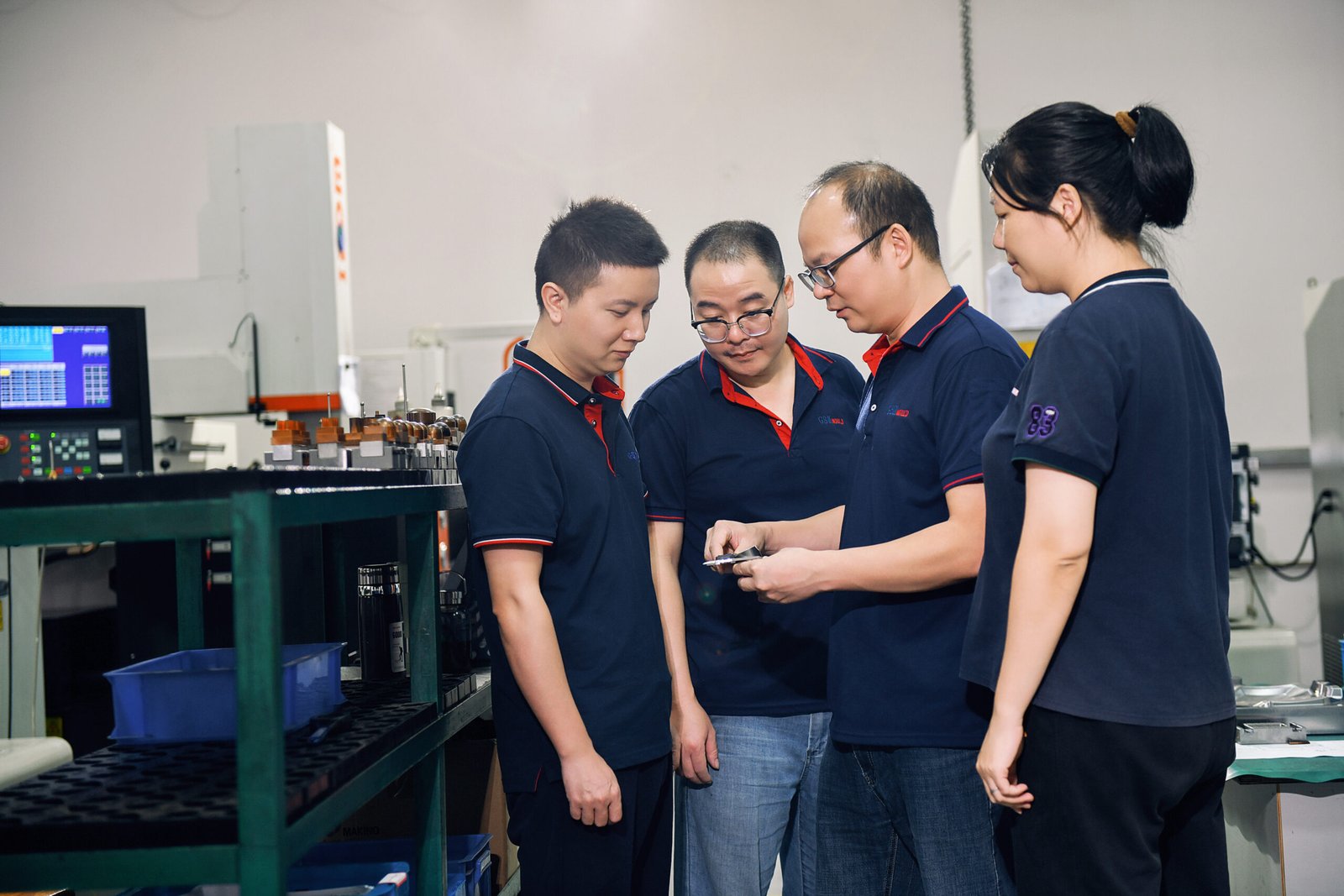

Undercut injection molding refers to the process of creating plastic parts with complex geometrical features that cannot be directly ejected from a simple, straight-pull mold. This technique often incorporates side actions or collapsible cores to accommodate design intricacies, ensuring that the final product meets specific functional requirements. Its application is crucial in producing consumer electronics, automotive components, and intricate packaging solutions.
Video Guide: Discover fundamental concepts of undercuts in injection molding for better design strategy.
What is Injection Molding?
Injection molding is a manufacturing process used to produce parts by injecting molten material into a mold. This method is widely utilized for producing high volumes of identical objects, making it essential in industries such as automotive, consumer goods, and electronics.
Video Guide: Learn how to design and avoid undercuts in injection molding.
Key Principles of Injection Molding
Injection molding involves heating thermoplastic or thermosetting polymers to a molten state and then injecting them into a mold cavity. The process includes the following steps:
- Mold Clamping: The mold is closed and clamped securely.
- Material Injection: The heated plastic is injected into the mold.
- Cooling: The molten plastic cools and solidifies in the shape of the mold.
- Ejection: The mold opens, and the finished part is ejected.
This method enables manufacturers to produce complex shapes with high precision and repeatability.
GBM Pro Tip: For optimal mold performance, ensure regular maintenance to prevent defects and prolong mold life.
How Does Injection Molding Work?
Injection molding operates by injecting molten plastic into a mold cavity, where it cools and solidifies into the desired shape. The process is highly efficient for creating large numbers of identical parts.
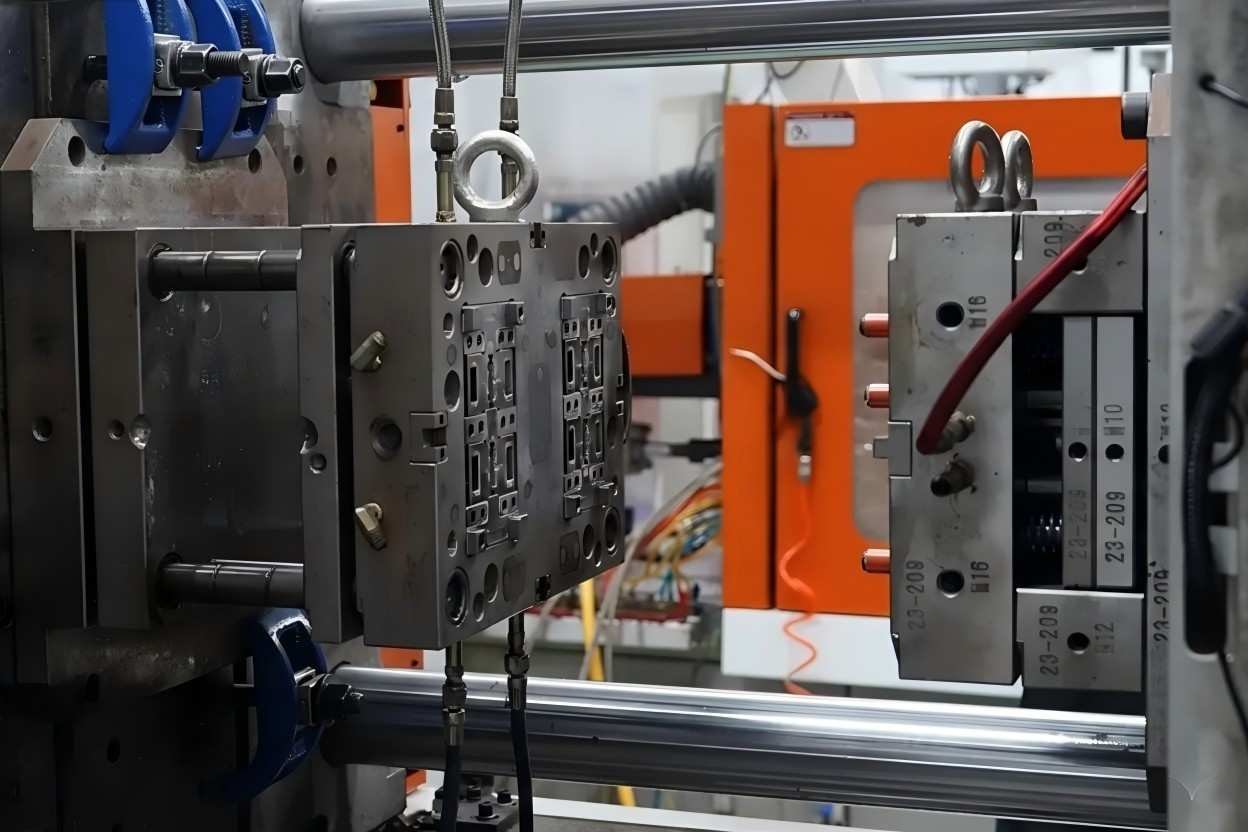
Process of Injection Molding
Here’s a breakdown of how the injection molding process works:
- Feeding: Plastic granules are fed into the hopper.
- Melting: The granules are melted by heat and pressure inside the barrel.
- Injection: The molten plastic is injected into the mold cavity.
- Packing: Pressure is applied to pack the plastic into all areas of the mold.
- Cooling: The plastic cools and solidifies.
- Ejection: The mold opens, and the part is ejected.
GBM Pro Tip: Optimize cycle time by adjusting cooling duration to enhance production efficiency without compromising part quality.
What is the purpose of undercut?
Undercuts in injection molding are essential for creating complex geometries that standard molds cannot achieve. They allow for functional features like threads, hooks, or snaps, which are crucial in product design.
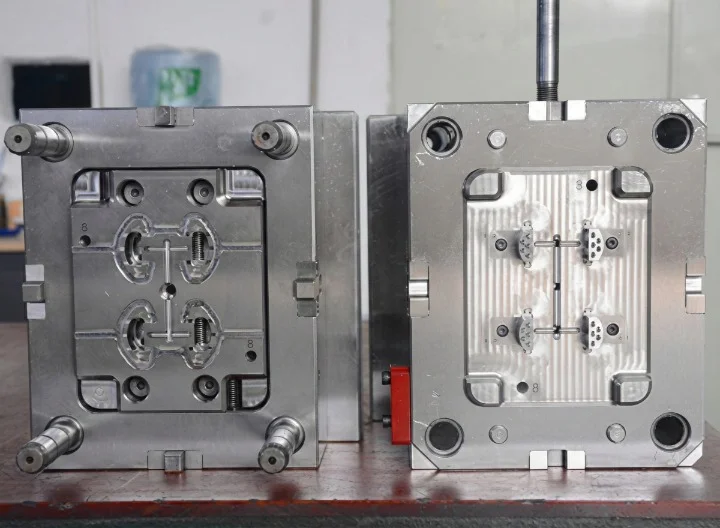
Benefits of Undercuts
- Design Flexibility: Enables more intricate designs and features.
- Functional Features: Adds elements like clips or threads.
- Aesthetic Enhancement: Produces appealing and unique product designs.
GBM Pro Tip: Use side actions or collapsible cores to create undercuts without increasing mold complexity.
How to avoid undercut in injection molding?
Avoiding undercuts in injection molding involves redesigning parts for better moldability, using side actions, or employing collapsible cores. These methods can reduce manufacturing complexity and costs.
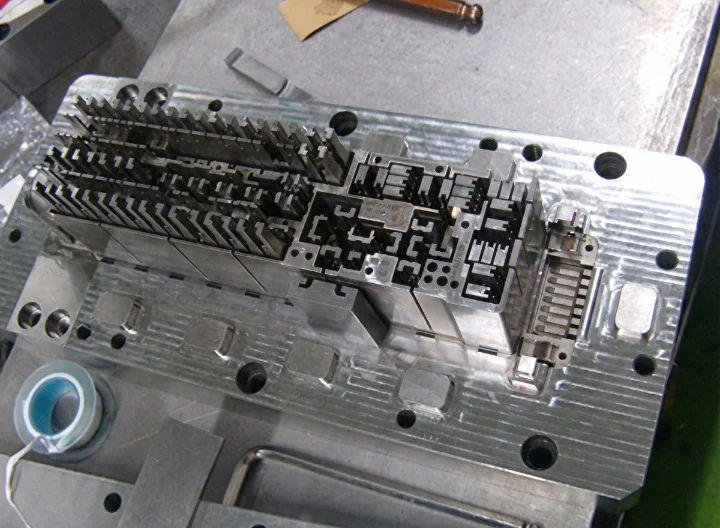
Strategies to Avoid Undercuts
- Part Redesign: Simplify the geometry to eliminate undercuts.
- Use of Side Actions: Incorporate mechanical slides to form the undercut area.
- Collapsible Cores: Implement cores that collapse to allow part ejection.
- Multi-Part Construction: Design the component in multiple parts to avoid undercuts.
GBM Pro Tip: Evaluate the part design early to identify potential undercuts and address them before tooling begins.
What is undercut and what causes it?
An undercut in injection molding is a part feature that prevents direct ejection from a mold due to its geometry. Causes include complex shapes, internal voids, or external projections that interfere with mold parting lines.
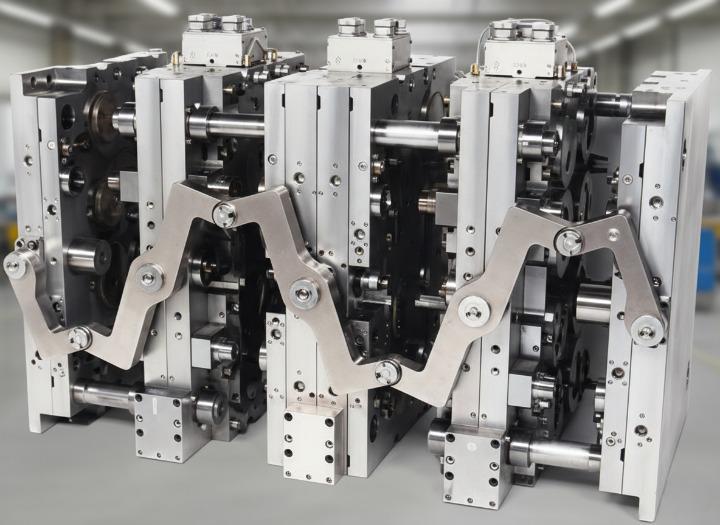
Common Causes of Undercuts
- Complex Geometries: Shapes that require side actions.
- Projections and Recesses: Features like hooks or holes.
- Design Requirements: Functional needs that dictate specific shapes.
GBM Pro Tip: Carefully analyze mold designs to anticipate and mitigate undercut challenges, ensuring smooth production flow.
Key Features & Comparison
Based on our internal data and market analysis, here is the breakdown:
| Feature | Standard Mold | Mold with Undercuts |
|---|---|---|
| Design Complexity | Low | High |
| Production Cost | Lower | Higher |
| Flexibility in Design | Limited | Extensive |
| Time to Market | Shorter | Longer |
| Ideal for Complex Parts | No | Yes |
GBM Pro Tip: Choose mold types based on product requirements and budget constraints to optimize manufacturing efficiency.
Cost & Buying Factors
When considering injection molding, factors like mold complexity, material selection, and production volume significantly influence cost. Custom molds for intricate designs incur higher initial costs, while bulk production can mitigate per-unit expenses.
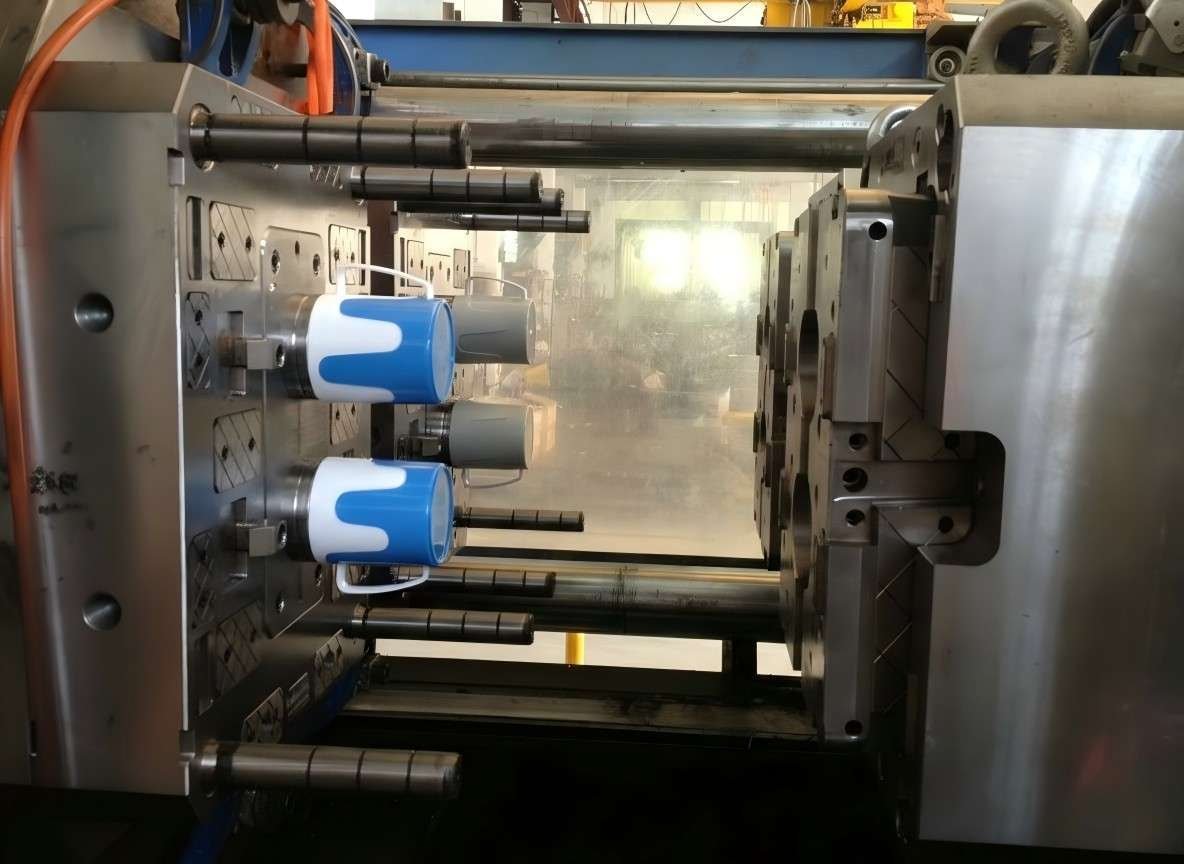
Cost Considerations
- Mold Design: Complex designs increase tooling costs.
- Material Choice: Different plastics have varying costs.
- Volume: Higher production volumes reduce unit costs.
- Cycle Time: Shorter cycles improve cost efficiency.
GBM Pro Tip: Balance upfront mold investment with long-term production efficiency to maximize profitability.
Conclusion
Undercut injection molding is a versatile method that enables the creation of complex and functional plastic parts. By understanding the intricacies of mold design and production processes, manufacturers can optimize their operations and achieve high-quality outcomes. For those looking to incorporate undercuts, strategic planning and innovative solutions can enhance both design and cost efficiency. Consider reaching out to GBM for expert guidance on your next injection molding project.