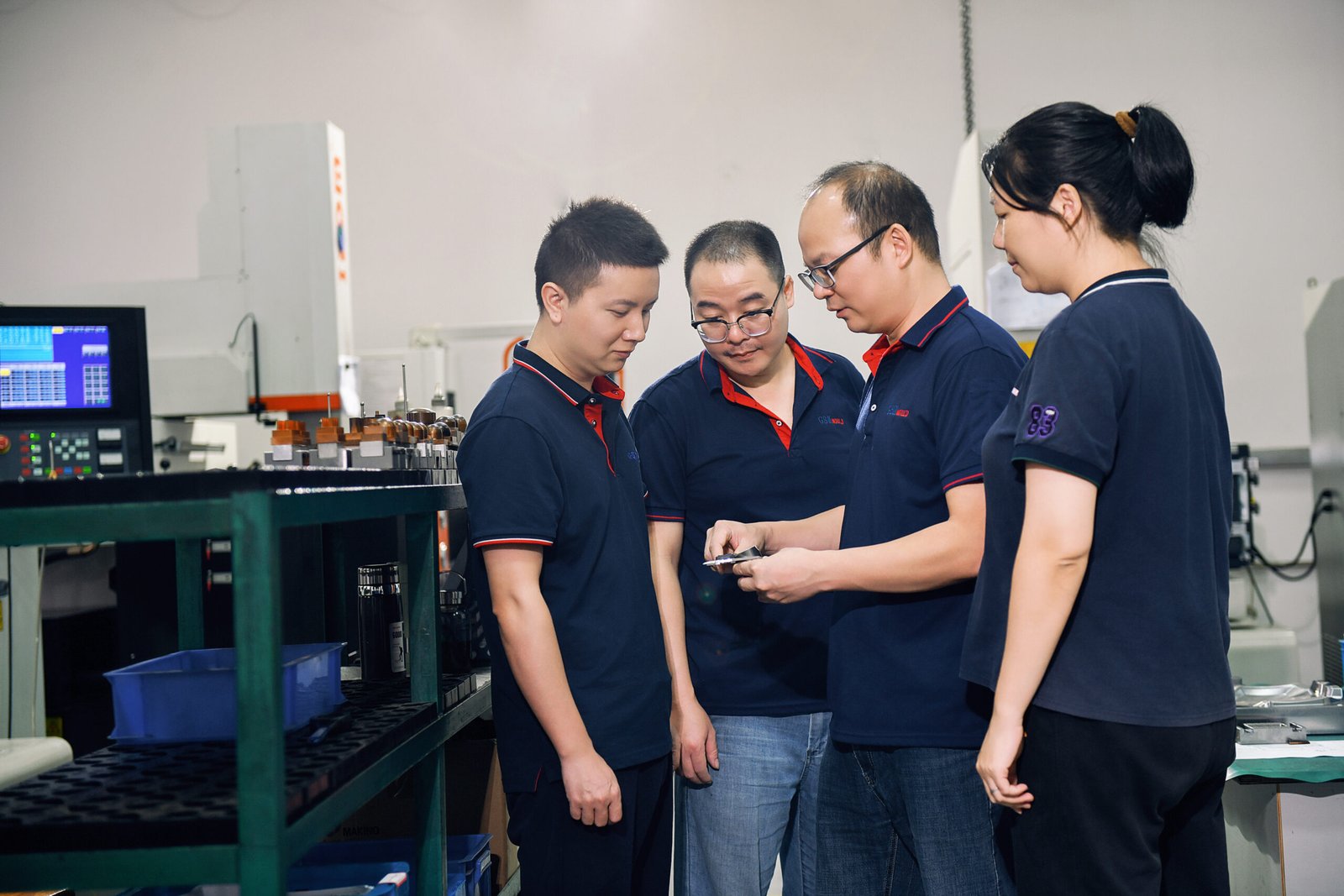

Powder injection molding (PIM) is an advanced manufacturing technology that bridges the gap between traditional plastic injection molding and powder metallurgy. By combining fine metal or ceramic powders with polymer binders, this process enables the mass production of highly complex, precision components that would be too costly or difficult to machine. It is widely utilized across the medical, aerospace, and automotive industries to achieve superior material properties and intricate geometries.
🎥 Watch the PIM Process in Action: See the entire manufacturing lifecycle, from blending fine metal powders with polymer binders to the final high-temperature sintering phase that achieves near-full density.
What is powder injection molding?
Powder injection molding (PIM) is a manufacturing process that mixes fine metal or ceramic powders with a plastic binder to form a “feedstock.” This mixture is injected into a mold using standard plastic injection molding equipment, then processed to remove the binder and sintered to create a solid, high-density final part.
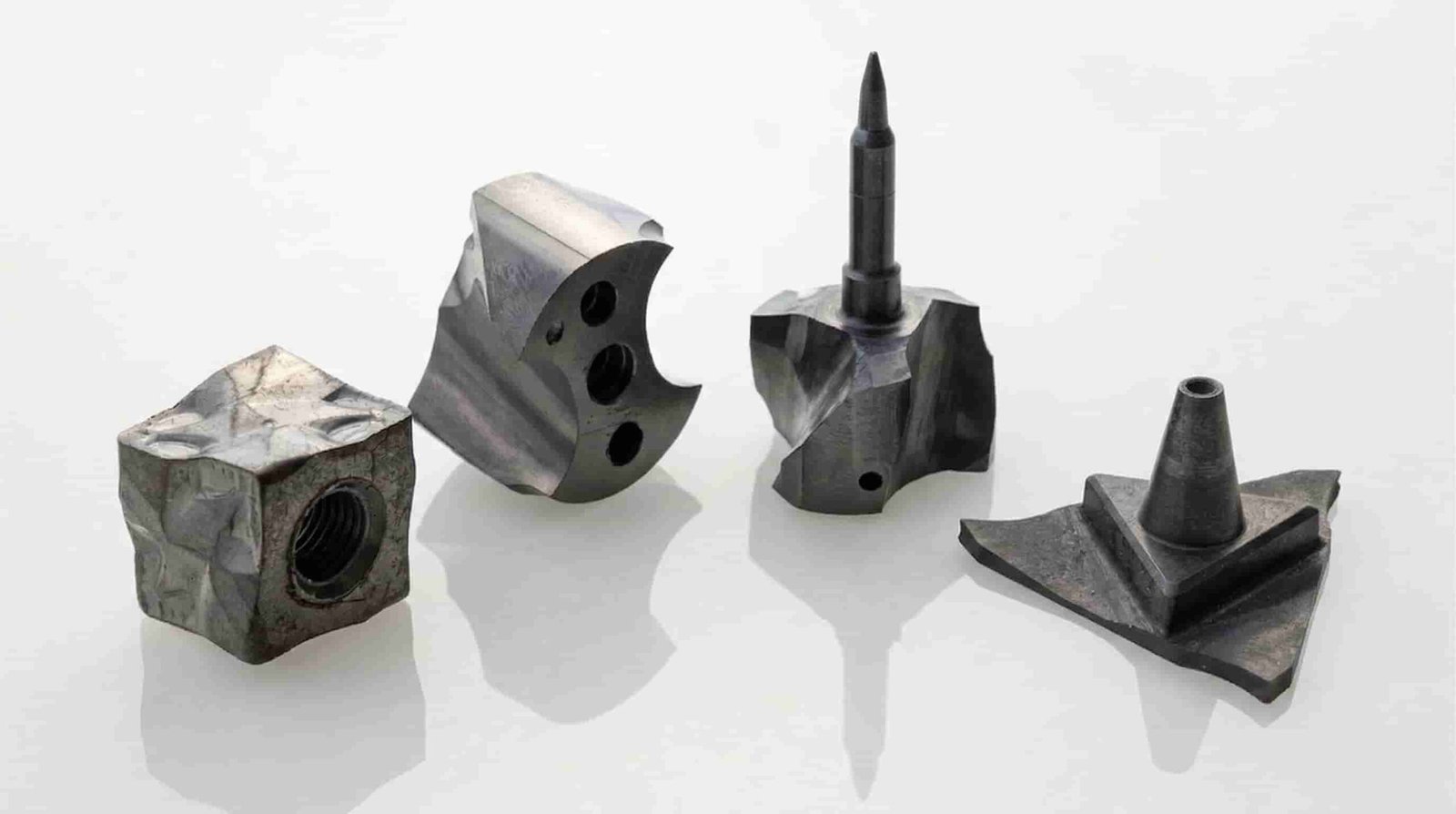
Core Technology Overview
PIM encompasses two main branches: Metal Injection Molding (MIM) and Ceramic Injection Molding (CIM). The technology is designed to overcome the geometric limitations of traditional powder pressing while offering better mechanical properties than die casting.
- MIM (Metal Injection Molding): Uses metals like stainless steel, titanium, and copper to create robust structural components.
- CIM (Ceramic Injection Molding): Utilizes materials like alumina and zirconia for extreme heat, chemical, and wear resistance.
- Feedstock Creation: The foundation of the technology, relying on exact powder-to-binder ratios to ensure flowability and final part density.
GBM Pro Tip: When deciding if PIM is right for your project, look at component weight and complexity. PIM is incredibly cost-effective for complex parts weighing under 100 grams, where traditional CNC machining would generate excessive material waste.
How Does powder injection molding Work?
The process works by transforming a flowable powder-binder mixture into a rigid shape inside a mold cavity. After the part is molded (creating the “green part”), it undergoes a chemical or thermal debinding phase to extract the polymer. Finally, high-temperature sintering fuses the remaining powder particles together, shrinking the part to its final dimensions.
🎥 The Science of Flow Simulation: Discover how advanced Moldflow software is used to predict the flow behavior of highly viscous PIM feedstock, ensuring uniform cavity filling and preventing air traps in the green part.
The Physics of PIM
The working principle relies on the temporary fluid dynamics provided by the polymer binder. The binder acts solely as a carrier vehicle to transport the dense powder into intricate mold geometries under high pressure.
Here is exactly how the physical properties of the material shift across the three critical stages of PIM:
| Phase | Material State | Objective | Volume Shrinkage |
|---|---|---|---|
| Injection | Feedstock (Powder + Binder) | Shape formation | 0% |
| Debinding | Brown Part (Porous framework) | Binder removal | ~0% |
| Sintering | Solid Metal/Ceramic | Densification | 15% – 22% |
GBM Pro Tip: Controlling the shrinkage rate during the sintering phase is the most critical engineering challenge in PIM. We always design molds 15-22% larger than the final part dimensions to account for this exact, predictable densification process.
What is the process of powder injection moulding?
The PIM process consists of four distinct sequential steps: mixing the feedstock, injection molding the green part, debinding to remove the polymer carrier, and sintering to achieve near-full density. Each step requires precise temperature and environmental controls to ensure the final component meets strict dimensional and mechanical tolerances.
🎥 Inside the Factory: Follow the complete four-step industrial cycle of powder injection molding. Watch how brittle “brown parts” are transformed into robust, high-precision metal components.
The Four-Step Manufacturing Cycle
To successfully execute powder injection molding, manufacturers must strictly control each phase of the production cycle:
- Mixing (Compounding): Fine metallic or ceramic powders (typically under 20 microns) are heated and blended with thermoplastic binders to create a homogenous pelletized feedstock.
- Molding: The granulated feedstock is fed into an injection molding machine, heated to a flowable state, and injected into a precision-machined mold cavity to form the “green part.”
- Debinding: The green part is subjected to catalytic, solvent, or thermal treatments to dissolve and extract the primary binder, creating a fragile, porous “brown part.”
- Sintering: The part is heated in a controlled atmosphere furnace to temperatures near the material’s melting point, causing the particles to fuse metallurgically and eliminate porosity.
GBM Pro Tip: Never rush the debinding phase. If the heating rate is too aggressive, trapped binder gases will expand rapidly, causing micro-cracking, blistering, or total structural failure in the final sintered component.
What are the disadvantages of powder metallurgy?
Traditional powder metallurgy (PM) is limited by its inability to produce highly complex, three-dimensional shapes, as it relies on vertical pressing which restricts undercuts and cross-holes. Additionally, standard PM parts often suffer from lower density and higher porosity compared to PIM or machined parts, leading to reduced tensile strength and impact resistance.
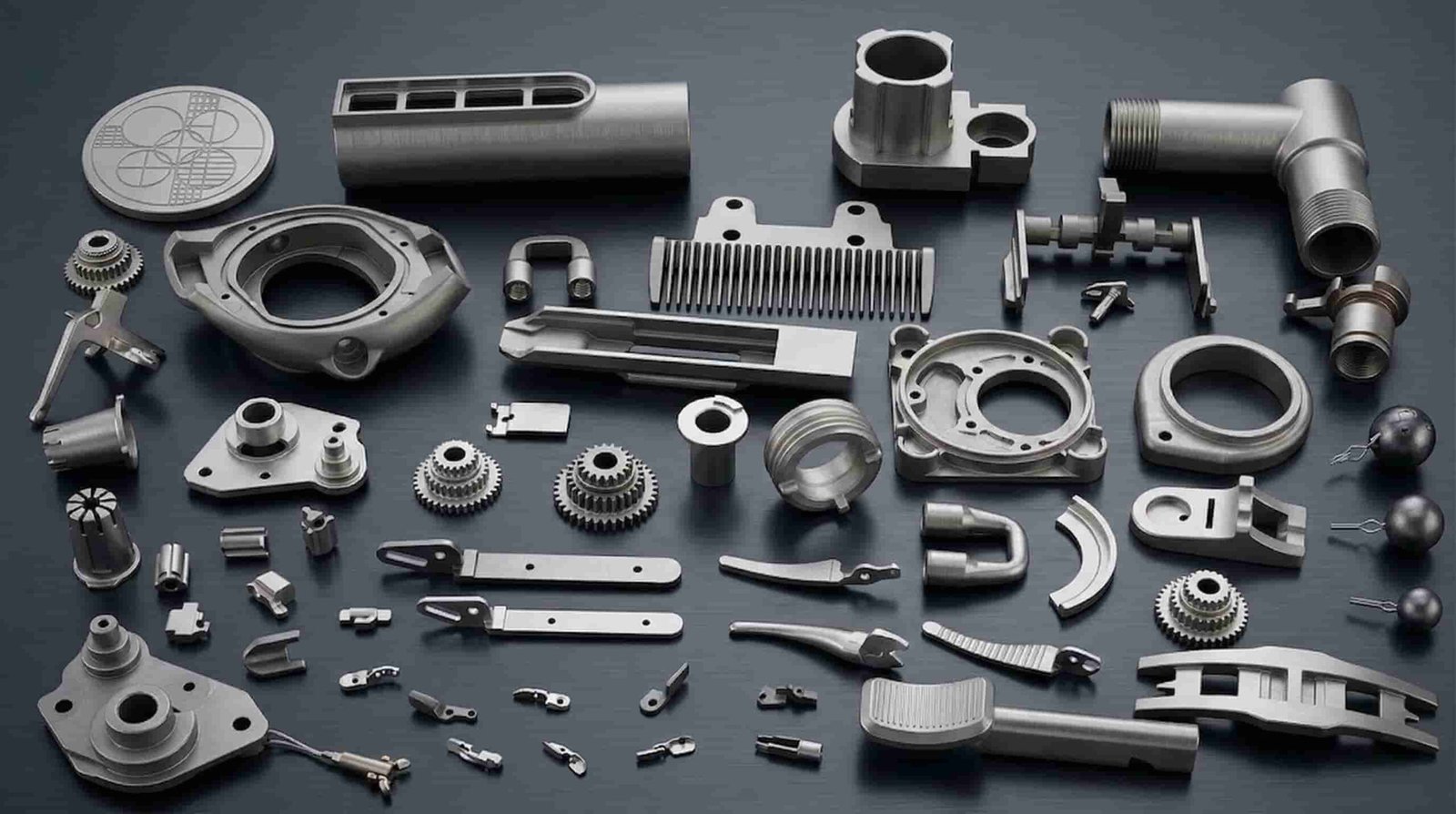
Traditional PM Limitations
While press-and-sinter powder metallurgy is excellent for simple, flat components like gears and sprockets, it falls short when engineering demands intricate, multi-axis features. PIM was specifically developed to overcome these exact limitations.
- Geometric Constraints: Uniaxial pressing cannot create parts with internal threads, undercuts, or perpendicular holes without costly secondary machining.
- Density Issues: Standard PM usually achieves only 85-90% theoretical density, whereas PIM achieves 96-99%, resulting in vastly superior mechanical properties.
- Tooling Wear: The high friction of pressing dry metal powder drastically reduces the lifespan of the tooling compared to the lubricated flow of PIM feedstock.
GBM Pro Tip: If your part design requires cross-drilling, thin walls (under 2mm), or complex internal channels, skip traditional powder metallurgy entirely and opt for PIM. The savings on secondary machining operations will easily offset the higher initial tooling costs.
What is injection powder?
Injection powder refers to the highly engineered, ultra-fine metal or ceramic particles used as the base material in the PIM process. These powders are typically spherical in shape and much smaller than traditional metallurgy powders—usually between 2 to 20 micrometers—allowing them to flow smoothly when mixed with a binder and pack densely during sintering.
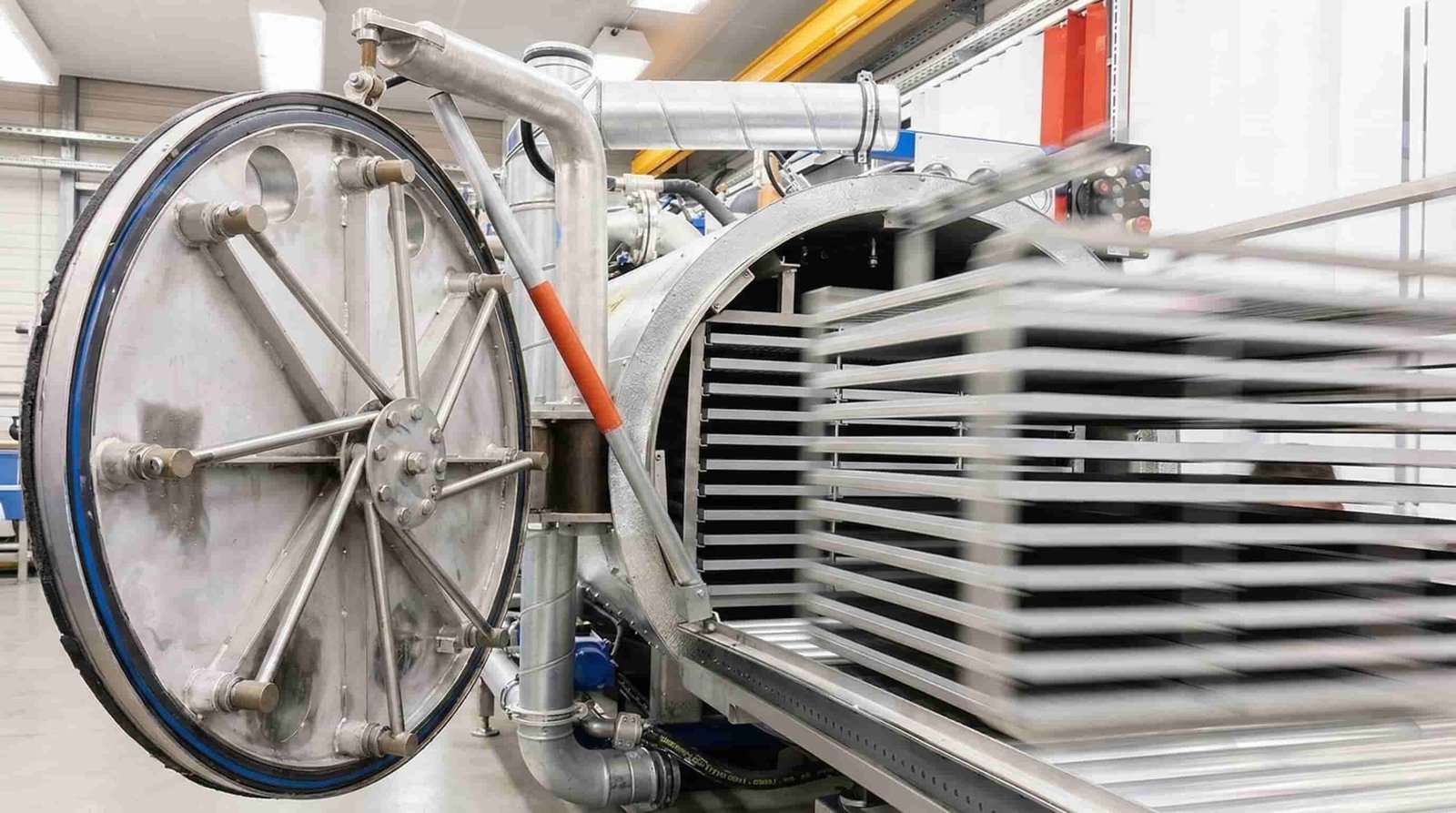
Characteristics of High-Quality PIM Powder
The success of the entire injection molding process hinges on the physical properties of the raw powder. The powder must be carefully atomized (usually via gas or water atomization) to achieve specific characteristics that promote flow and densification.
To achieve maximum density and prevent molding defects, we mandate the following specifications for our raw injection powders:
| Powder Property | Ideal Specification | Impact on PIM Process |
|---|---|---|
| Particle Shape | Spherical | Ensures high packing density and smooth flow during injection. |
| Particle Size | 2 – 20 microns | Smaller particles increase sintering activity and surface finish. |
| Tap Density | > 50% theoretical | Reduces the amount of binder needed, minimizing shrinkage. |
| Chemistry | Low Oxygen/Carbon | Prevents brittleness and ensures predictable mechanical properties. |
GBM Pro Tip: Gas-atomized powders are generally preferred over water-atomized powders for high-performance applications. Their perfectly spherical shape requires less binder and results in significantly better dimensional stability during the final sintering phase.
Key Features & Comparison
When evaluating manufacturing methods for complex, small-scale metal or ceramic components, it is essential to understand how powder injection molding stacks up against traditional alternatives like investment casting and CNC machining.
Here is a direct comparison of how powder injection molding stacks up against traditional metal and ceramic manufacturing methods:
| Feature/Metric | Powder Injection Molding (PIM) | CNC Machining | Investment Casting |
|---|---|---|---|
| Design Complexity | Extremely High | High | Medium to High |
| Material Waste | Very Low (< 5%) | High (Up to 80%) | Moderate |
| Production Volume | High (10k – Millions) | Low to Medium | Low to Medium |
| Part Weight Sweet Spot | < 100 grams | Any | > 100 grams |
| Tooling Cost | High | Low | Moderate |
| Surface Finish | Excellent (32-63 µin) | Excellent | Fair (125 µin) |
Cost & Buying Factors
Investing in powder injection molding requires a thorough understanding of the upfront and long-term cost structures. Because PIM utilizes specialized feedstock and requires multi-stage thermal processing equipment, the economics are heavily volume-dependent.
- Tooling Investment: PIM molds are precision-machined from hardened steel to withstand abrasive feedstocks and account for shrinkage. Tooling costs typically range from $10,000 to $50,000, depending on cavitation and part complexity.
- Material Costs: PIM feedstock is significantly more expensive per pound than standard bar stock or traditional PM powders due to the fine particle size required and the complex binder systems used.
- Volume Requirements: To amortize the high tooling and setup costs, PIM is rarely economical for production runs under 10,000 units annually. The process becomes highly lucrative at volumes of 50,000 to over a million parts per year.
- Secondary Operations: PIM often eliminates the need for secondary machining, assembly operations, or surface finishing, which can drastically reduce the total landed cost per part despite higher raw material expenses.
Why Trust GBM for Your PIM Tooling & Manufacturing?
In Powder Injection Molding, the success of the final sintered part is entirely dictated by the precision of the initial injection mold. Because PIM feedstocks are highly abrasive and undergo extreme volumetric shrinkage, standard plastic molds simply will not work. At GBM (gbminjection.com), our core expertise lies in engineering the world-class tooling required to master this complex process.
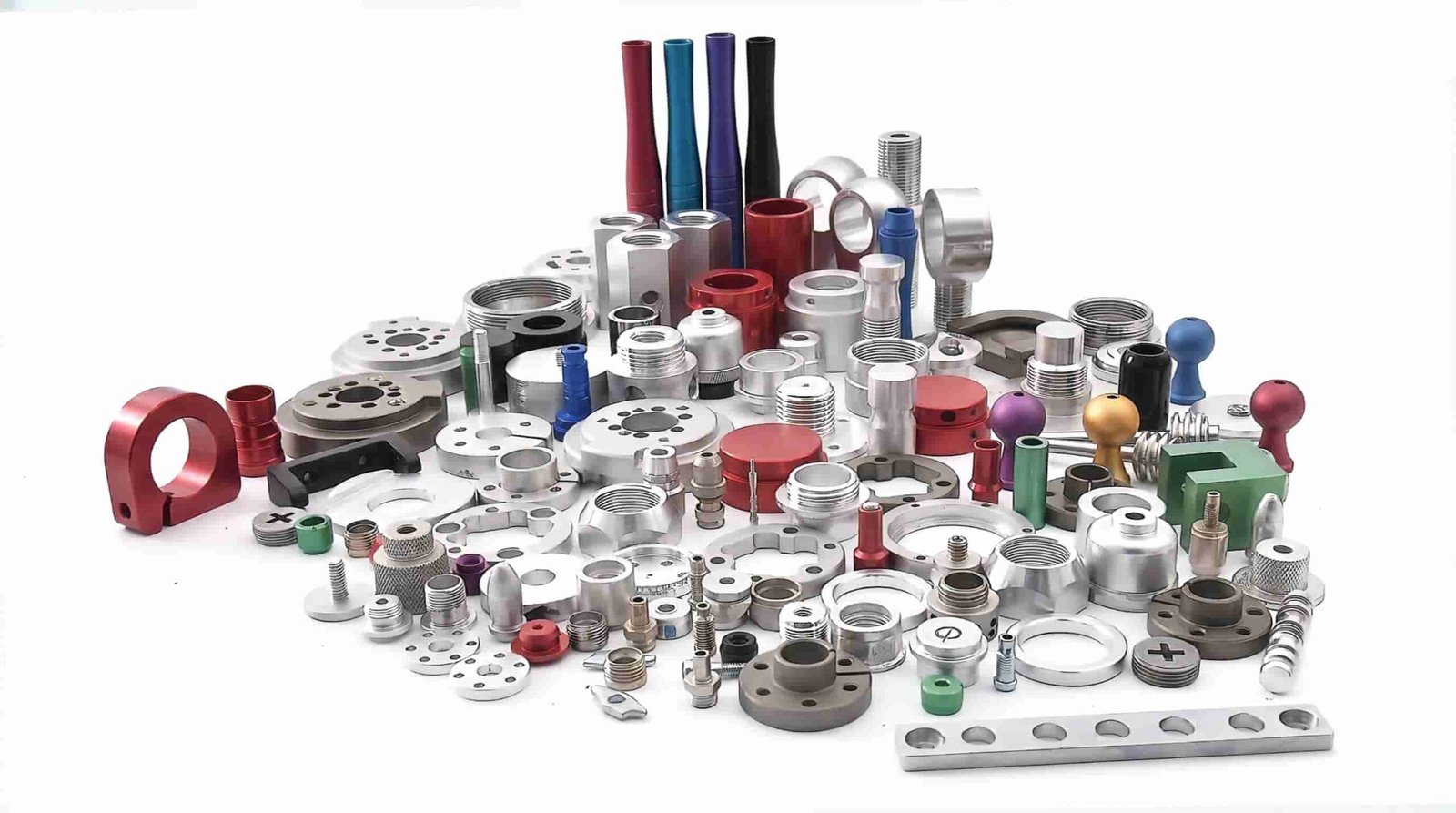
- Mastering the Shrinkage Factor: Ceramic and metal powders shrink between 15% to 22% during the final sintering phase. Our in-house tooling engineers utilize advanced Moldflow® simulations and rigorous DFM (Design for Manufacturability) analysis to calculate and oversize the mold cavities with microscopic precision. This ensures your final components hit tight tolerances (±0.3%) without the need for expensive secondary CNC machining.
- Abrasion-Resistant Tooling: PIM feedstocks act like liquid sandpaper under high injection pressures. GBM mitigates tooling wear by utilizing premium hardened tool steels (such as H13 or S136) and specialized wear-resistant coatings. This guarantees that your mold maintains “zero-flash” parting lines, whether you are running 10,000 or 1,000,000 parts.
- Global Export Standards: We don’t just build molds; we build resilient supply chains. GBM consistently engineers tooling and delivers high-performance PIM components that meet the strict regulatory and quality demands of manufacturers across North America (USA and Mexico) and Europe (including Germany and Eastern Europe).
- End-to-End Synergy: From designing the initial cross-holes and undercuts in the CAD file to selecting the optimal gas-atomized powder and executing the final thermal debinding, our factory floor experience ensures your project transitions seamlessly from a digital concept to a mass-produced reality.
Don’t let subpar tooling ruin your high-performance materials. Partner with GBM to ensure your next powder injection molding project is engineered for long-term, high-volume success.
Conclusion
Powder injection molding represents a transformative leap in manufacturing, combining the design freedom of plastics with the robust mechanical properties of metals and ceramics. By mastering the intricate balance of feedstock formulation, precision molding, debinding, and sintering, manufacturers can produce highly complex components at scale with minimal material waste.
Whether you are designing intricate surgical instruments, lightweight aerospace brackets, or durable automotive gears, understanding the nuances of PIM can unlock unprecedented engineering possibilities.
Ready to elevate your production capabilities? If you are looking to optimize your component designs for mass manufacturing, visit gbminjection.com or contact the engineering team at GBM today to discuss your next powder injection molding project.