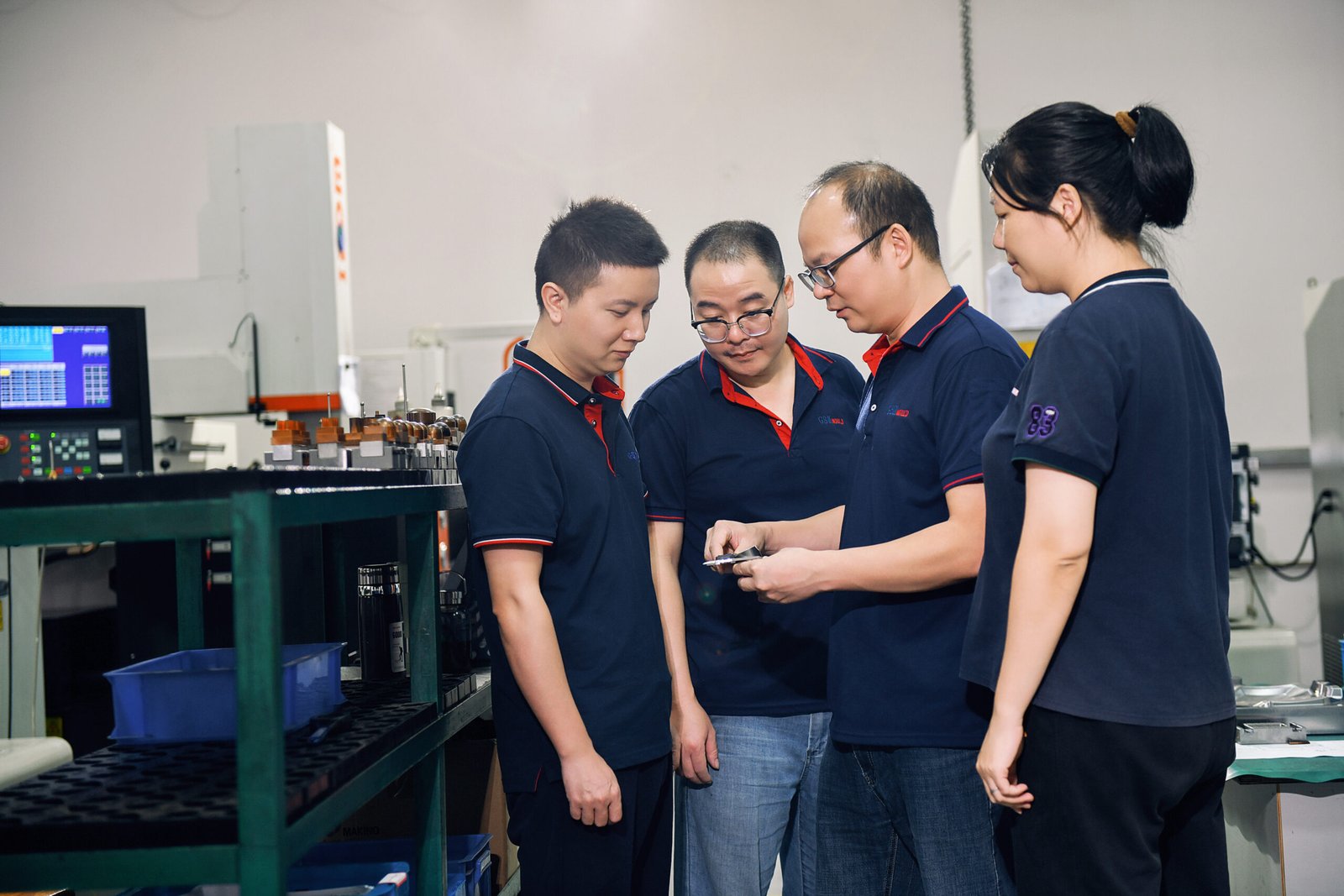

Insert molding utilizes a wide range of thermoplastic and thermosetting polymers, including Polycarbonate (PC), Acrylonitrile Butadiene Styrene (ABS), Nylon (Polyamide), and Polyoxymethylene (POM). The specific material used depends heavily on the required mechanical strength, thermal resistance, and compatibility with the metal or plastic insert being encapsulated.
🎥 Watch the Process: See how different thermoplastics behave during the insert molding cycle, and learn why matching the resin’s melt flow to your metal insert is critical for preventing voids.
Thermoplastic Material Selection Guide
When engineering a part for insert molding, selecting a compatible polymer is critical to prevent part failure, shrinkage, or thermal degradation. Below is a breakdown of the most utilized resins:
| Polymer Type | Key Characteristics | Typical Insert Molding Application |
|---|---|---|
| Nylon (PA) | High mechanical strength, excellent wear resistance. | Gears, automotive components, and threaded fasteners. |
| Polycarbonate (PC) | High impact resistance, structural rigidity, heat resistance. | Electronic housings, medical device hubs, structural brackets. |
| ABS | Good dimensional stability, cost-effective, easily moldable. | Consumer electronics, appliance knobs, dashboard components. |
| POM (Acetal) | Low friction, high stiffness, excellent dimensional stability. | Bearings, bushings, and precision mechanical gears. |
GBM Pro Tip: In our lab tests at GBM, we found that pre-heating brass inserts before injecting semi-crystalline polymers like Nylon significantly reduces residual stress and prevents radial cracking around the insert as the plastic cools.
What is an example of insert molding?
A classic example of insert molding is the manufacturing of screwdrivers, where a steel shaft is placed into a mold cavity, and a plastic handle is injected directly around it. Other common examples include threaded brass nuts embedded in plastic housings, electronic connectors, and medical tubing hubs.
🎥 Real-World Applications: From threaded brass nuts in consumer electronics to reinforced automotive brackets, explore how insert molding consolidates multi-part assemblies into a single, unibody component.
Common Industrial Applications
Insert molding is utilized across virtually every major manufacturing sector to combine the strength of metal with the lightweight versatility of plastic.
- Automotive: Sensor housings with integrated electrical pins, lightweight dashboard panels with embedded mounting nuts.
- Medical Devices: Surgical instruments with stainless steel blades molded into ergonomic, sterilizable polymer handles; pacemakers with titanium inserts.
- Consumer Electronics: Power tool housings with molded-in threaded inserts for durable assembly, and USB connectors where the metal shield is encapsulated by the plastic casing.
GBM Cost-Saving Insight: You can drastically lower your final per-unit cost by switching from post-molding heat staking to true in-mold encapsulation. For high-volume consumer electronic housings, eliminating that secondary assembly step often offsets the initial mold investment entirely.
What is insert material?
The insert material refers to the pre-formed component placed into the mold before the plastic injection phase. While brass, stainless steel, and aluminum are the most common insert materials due to their durability and conductivity, inserts can also be made of ceramics, magnets, or even other high-temperature plastics.
Comparing Metal Insert Materials
Choosing the correct metal for your insert dictates the overall lifespan and performance of the molded assembly.
| Insert Material | Advantages | Disadvantages |
|---|---|---|
| Brass | Excellent machinability, corrosion-resistant, high thermal conductivity. | Heavier than aluminum, susceptible to galvanic corrosion if mismatched. |
| Stainless Steel | Superior tensile strength, ideal for high-torque applications, rust-proof. | Harder to machine, higher raw material cost. |
| Aluminum | Lightweight, highly conductive, cost-effective. | Lower pull-out strength, prone to thread stripping under high torque. |
From the GBM Shop Floor: Aluminum inserts are highly prone to crushing or deforming under extreme injection pressures if their walls are too thin. When aluminum is required, our tooling engineers specifically reinforce the core pin design to internally support the soft metal during the injection phase.
What material is most commonly used for molding?
Polypropylene (PP) and Acrylonitrile Butadiene Styrene (ABS) are the most commonly used materials for general injection molding. PP is favored for its high chemical resistance and flexibility, while ABS is widely selected for its structural rigidity, impact resistance, and excellent compatibility with insert molding processes.
🎥 Resin Selection Breakdown: Dive deep into the properties of commodity plastics like PP, ABS, and Polycarbonate to determine which polymer offers the best cost-to-strength ratio for your specific application.
Top 4 Injection Molding Polymers
Understanding the base properties of commodity plastics helps in specifying the right resin for both standard and insert molding:
- Polypropylene (PP): The undisputed king of commodity plastics. Used in packaging, automotive hinges, and consumer goods due to its fatigue resistance.
- ABS (Acrylonitrile Butadiene Styrene): The go-to opaque thermoplastic for rigid, glossy parts. Excellent for machining and gluing.
- Polyethylene (PE): Available in high-density (HDPE) and low-density (LDPE) variations; prized for moisture resistance and low cost.
- Polycarbonate (PC): The standard for transparent, impact-resistant applications like safety goggles and optical lenses.
GBM Engineering Advice: Don’t over-engineer your material choice. We frequently guide clients away from expensive Polycarbonate (PC) when a smartly designed, slightly thicker ABS part will achieve the exact same structural integrity at a fraction of the resin cost.
What is molded in inserts?
Molded-in inserts are specialized, usually metallic components that feature knurled, grooved, or undercut exterior profiles. These geometric patterns allow the injected molten plastic to physically interlock with the insert as it cools and shrinks, creating a permanent, highly torque-resistant mechanical bond within the final part.
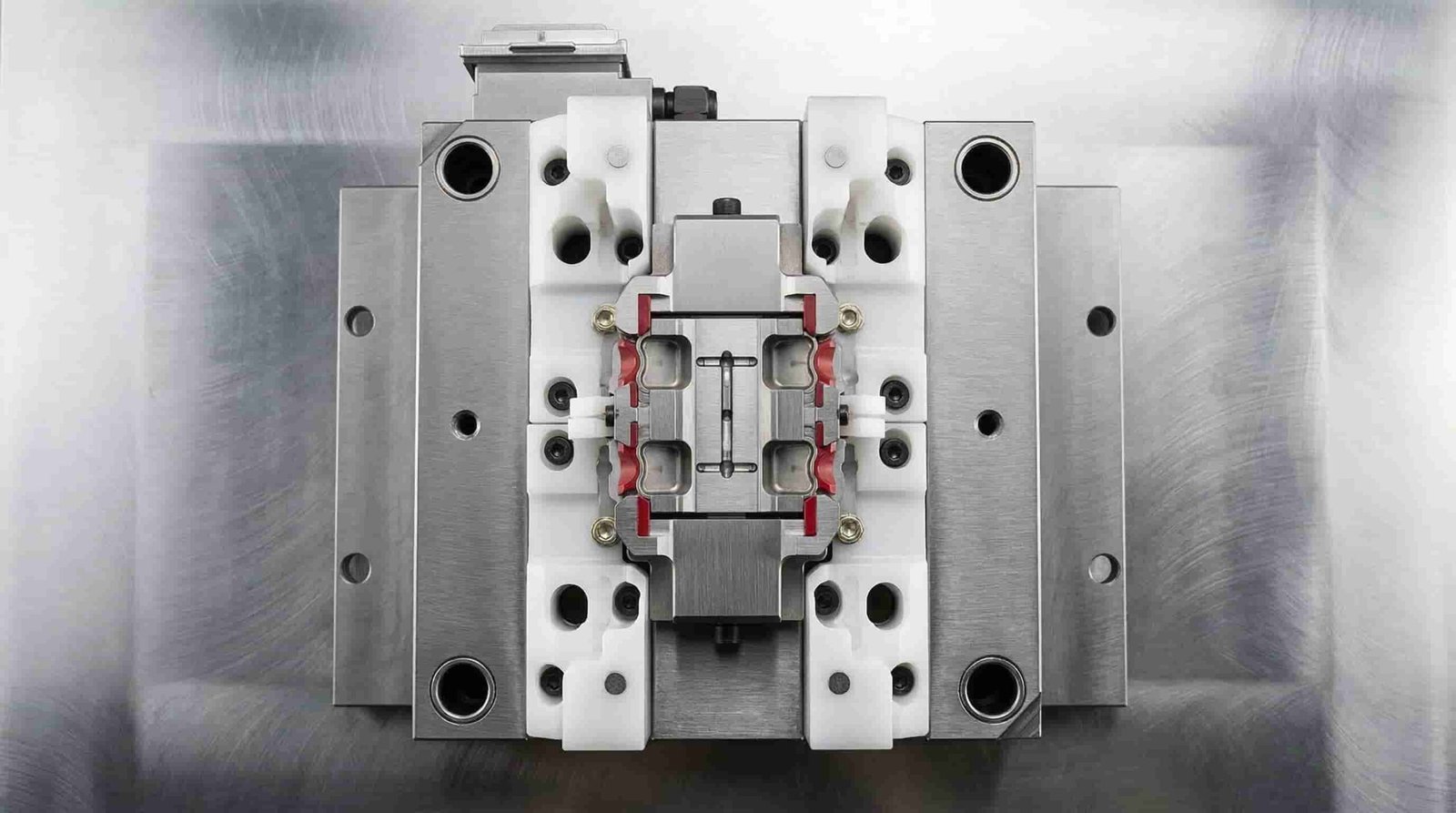
Key Geometries of Molded-In Inserts
To prevent the insert from spinning or pulling out of the plastic over time, specific exterior geometries are machined into the metal:
- Straight Knurls: Prevent rotational movement (torque). Best used in applications where a screw will be tightened into the insert.
- Undercuts / Grooves: Prevent axial movement (pull-out force). These lock the insert deep into the plastic wall.
- Diamond Knurls: A combination of straight and angled cuts that provide moderate resistance to both torque and pull-out forces.
- Hexagonal Profiles: Often used for larger nuts, the flat sides provide immense resistance to spinning within the polymer matrix.
GBM Quality Control Alert: Using straight knurls alone is a recipe for long-term pull-out failures. To lock an insert securely into the polymer matrix—especially for high-stress aerospace or automotive components—we strictly mandate a combination of diamond knurls and deep retention grooves.
What is the bulk pricing for insert molding polymers?
Bulk pricing for insert molding polymers varies significantly by resin type, typically ranging from $1.00 to $5.00 per pound for commodity plastics like ABS and PP. High-performance engineering resins, such as PEEK or specialized glass-filled Nylons, can command premium prices ranging from $10.00 to over $40.00 per pound.
Estimated Bulk Resin Cost Comparison
Note: Pricing fluctuates based on global petroleum markets, supply chain logistics, and specific additives (like UV stabilizers or glass fibers).
| Polymer Category | Examples | Estimated Cost per Pound (USD) |
|---|---|---|
| Commodity Resins | PP, PE, Polystyrene | $0.80 – $2.50 |
| Engineering Resins | ABS, PC, Nylon (PA6/PA66) | $2.50 – $6.00 |
| Specialty/High-Temp | Ultem (PEI), PEEK, LCP | $15.00 – $50.00+ |
GBM Tooling Warning: Procurement teams rarely account for the hidden costs of glass fillers. Adding a 30% glass fill to Nylon doesn’t just increase the price per pound; it turns the molten plastic into a highly abrasive material that accelerates tool wear, adding significant mold maintenance costs to your bulk runs.
What is the MOQ for specialized insert molding resins?
The Minimum Order Quantity (MOQ) for specialized insert molding resins usually starts at standard 55-pound (25 kg) bags for readily available engineering grades. However, custom-compounded resins featuring specific colorants, UV stabilizers, or unique glass-fill ratios often require MOQs ranging from 1,000 to 5,000 pounds.
Factors Influencing Resin MOQs
When sourcing materials for your molding project, several variables will dictate the minimum amount you must purchase:
- Custom Color Matching: Creating a specific Pantone color requires the resin supplier to formulate a custom masterbatch, triggering higher MOQs to justify the setup time.
- Unique Additives: Flame retardants, anti-static agents, or custom glass/carbon fiber blends require dedicated compounding runs.
- Supplier Tier: Buying directly from major chemical manufacturers (like SABIC or DuPont) requires massive MOQs (often truckloads), whereas purchasing through regional distributors allows for smaller, bag-level MOQs.
GBM Supply Chain Tip: Specifying a highly niche, custom-colored resin for a low-volume prototype is a guaranteed way to trigger massive MOQs and project delays. We advise molding with a standard natural resin and painting it post-production until your volumes can easily justify a 2,000-pound custom compound order.
Why Trust GBM for Your Insert Molding & Tooling Projects?
Insert molding leaves zero room for error. If the mold does not hold the metal insert with microscopic precision, the high-pressure injection process will cause flash over the threads or dislodge the insert entirely. At GBM, our in-house tooling expertise guarantees flawless encapsulation every single time.
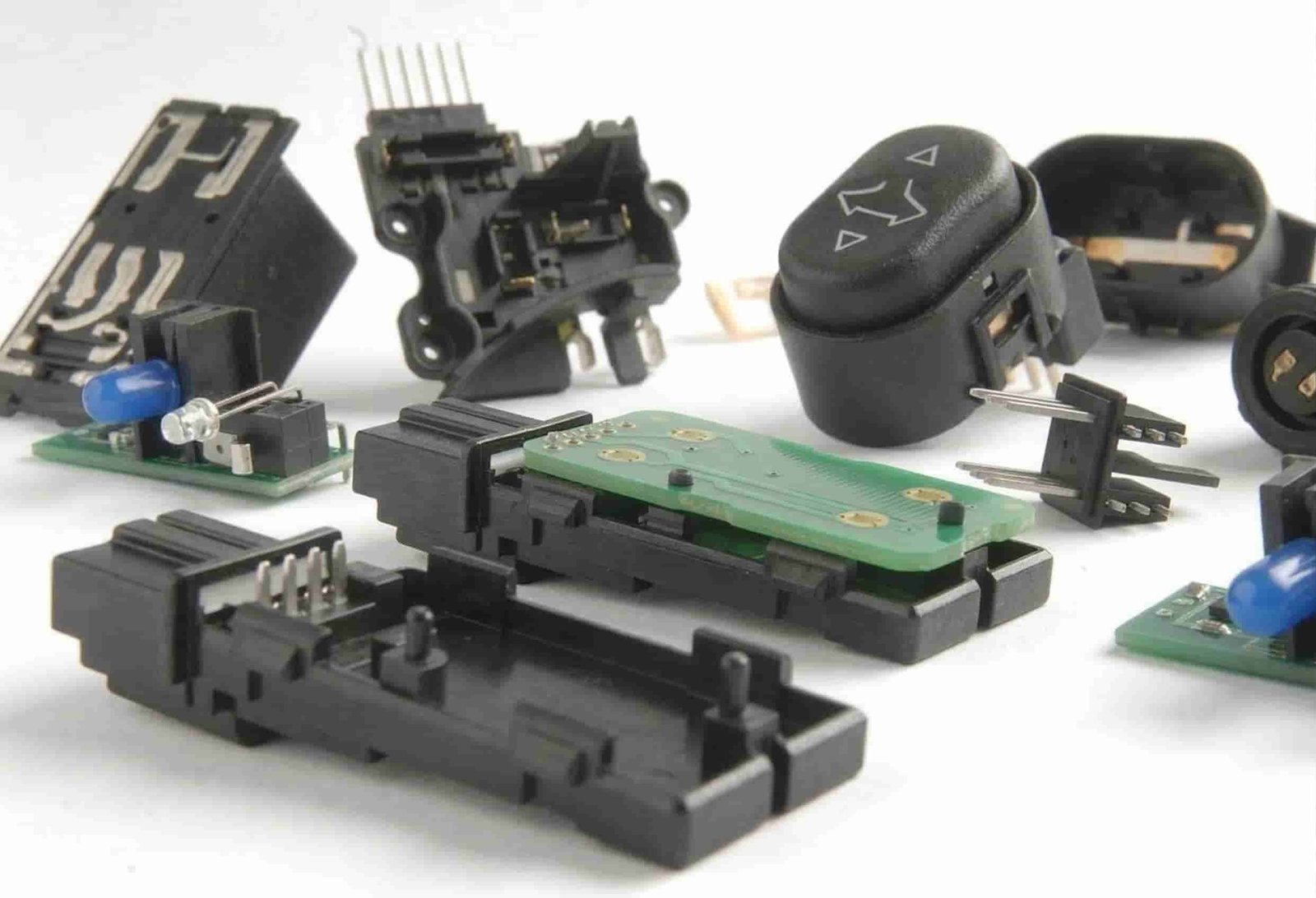
- Ultra-Precision Mold Fabrication: We design and machine our insert molds with strict tolerances specifically to secure metal components. Whether using hand-loaded inserts for low-volume runs or robotic automation for millions of cycles, our molds feature custom-engineered core pins and crush ribs that keep brass, steel, or aluminum inserts perfectly aligned under immense injection pressure.
- Mastering Thermal Shrinkage: Metal doesn’t shrink, but plastic does. This difference often causes residual stress and radial cracking around the insert. GBM’s engineering team conducts thorough Moldflow® simulations before cutting steel, optimizing wall thicknesses and cooling channels to ensure the polymer shrinks evenly around the insert without cracking.
- Material Synergy Experts: With decades of experience processing everything from standard ABS to 30% glass-filled Nylon, we know exactly how abrasive resins interact with different metal geometries. We guide you in selecting the perfect diamond knurl or undercut profile to maximize torque and pull-out resistance.
- Turnkey Manufacturing Solutions: From sourcing custom CNC-machined brass inserts to building the multi-cavity hardened steel mold and running the final production, GBM provides a seamless, single-source solution that eliminates supply chain bottlenecks and reduces your Total Cost of Ownership (TCO).
Don’t risk your project on subpar tooling. Let GBM engineer the perfect mold for your insert molding requirements.
Selecting the right polymer and insert combination is only the first step. You need precision tooling to bring it to life. Contact GBM’s engineering team today for a free material compatibility review and insert molding quote.