Custom Multi-Cavity Injection Mold & Tooling for High-Volume Plastic Parts
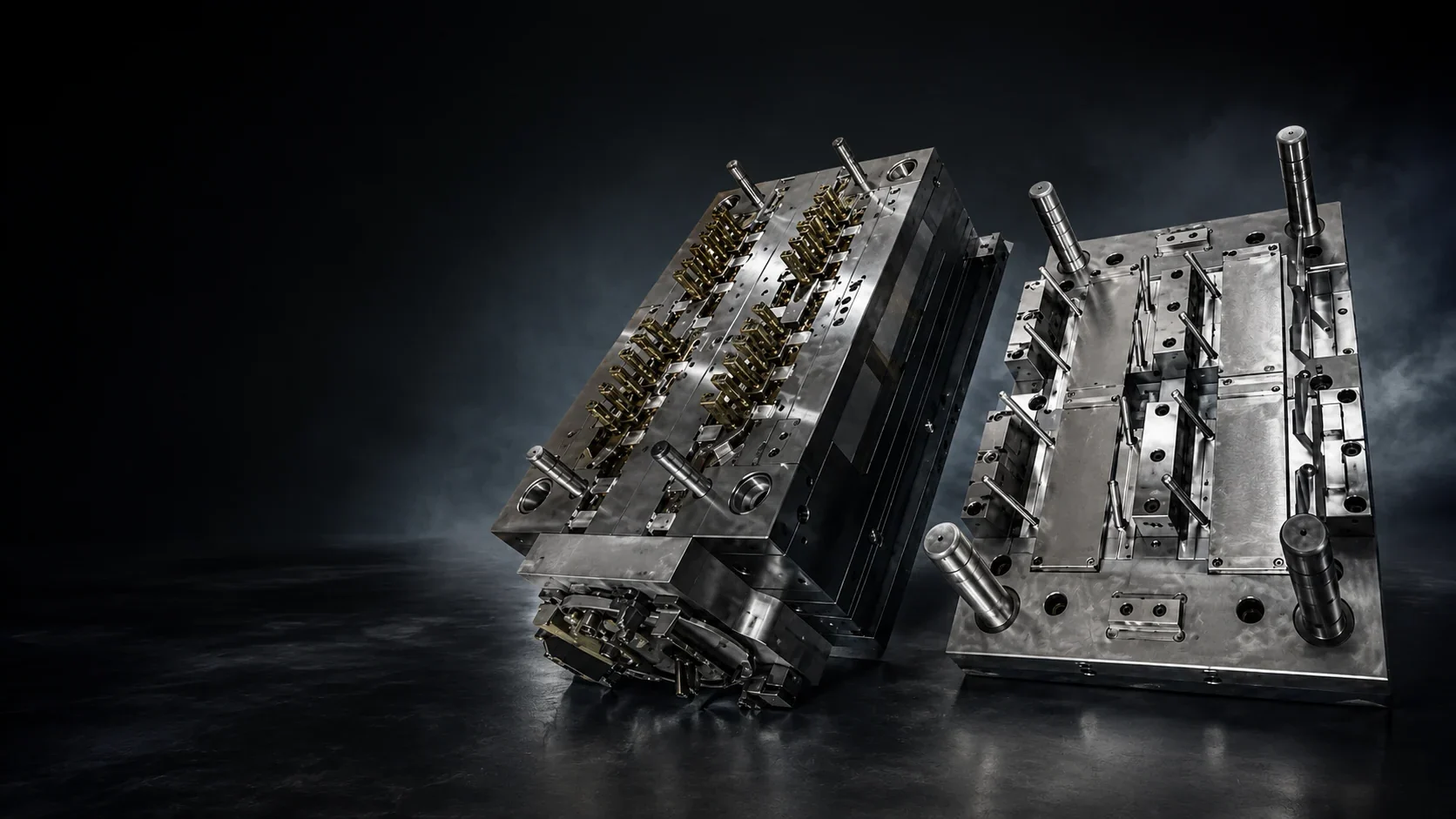
GBM designs and builds 2-cavity, 4-cavity, 8-cavity and 16+ multi-cavity injection molds for stable high-volume plastic parts. We review part design, annual volume, resin flow, runner balance, gate location, cooling layout and cavity-to-cavity consistency before cutting steel.
- Balanced runner, gate and cooling design
- T1 trial samples with cavity-by-cavity inspection
- Mold making, mold trial and injection molding support in one workflow
What Is a Multi-Cavity Mold?
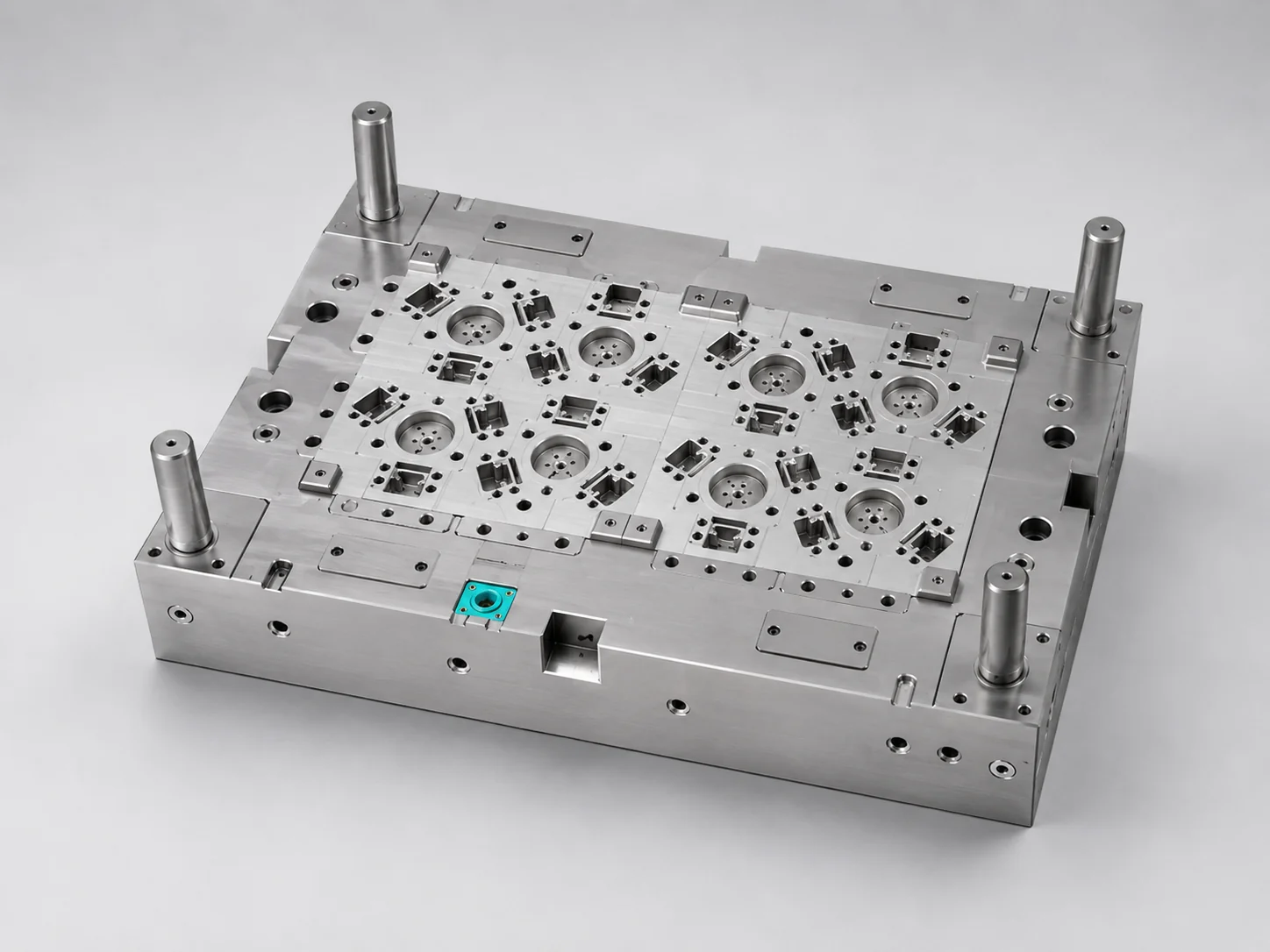
A multi-cavity mold is an injection mold designed with two or more identical cavities, allowing multiple identical plastic parts to be produced in one injection molding cycle. Compared with a single-cavity mold, it can significantly increase output and reduce the cost per part when the product design is stable and production volume is high.
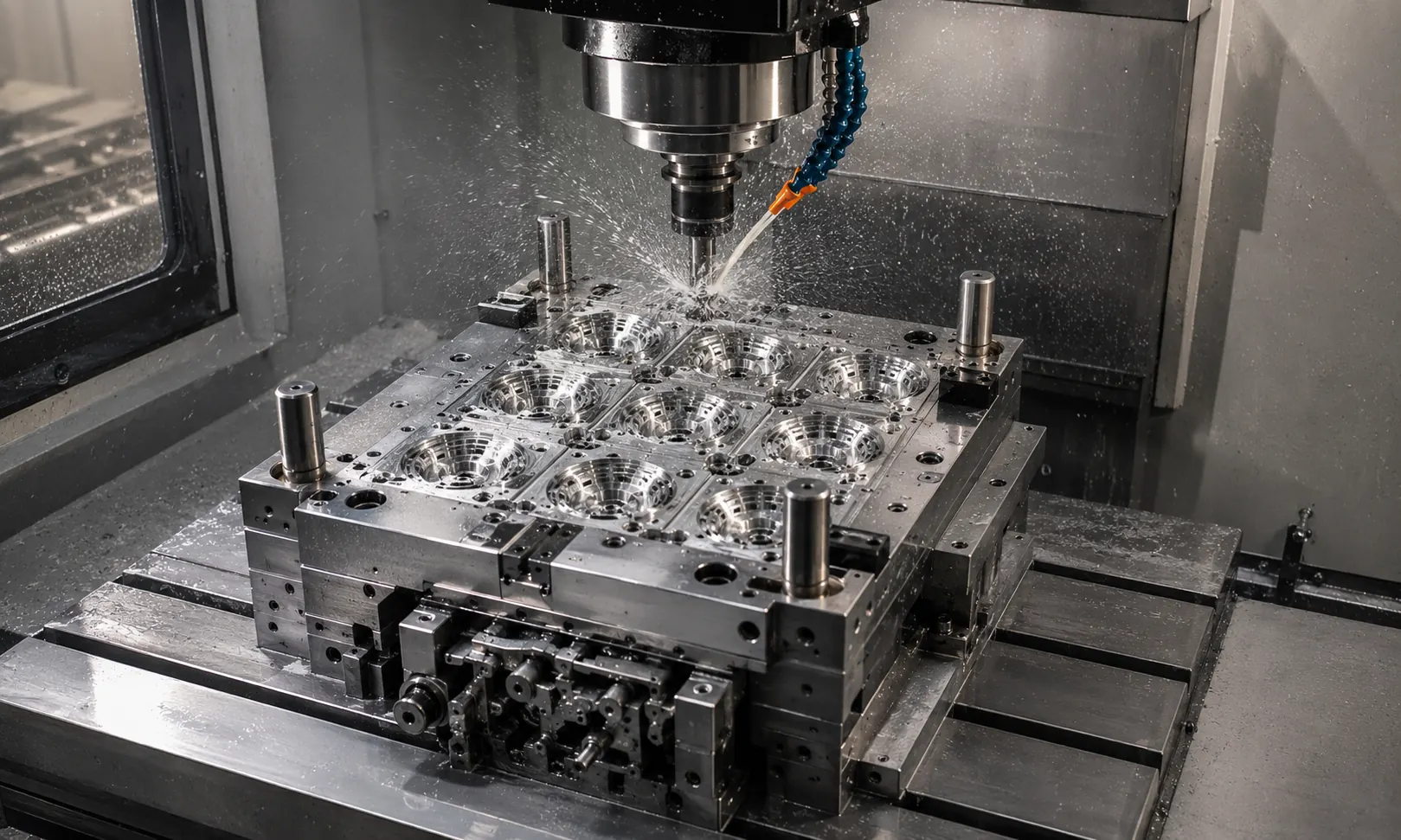
The key engineering challenge is maintaining consistent filling, cooling, pressure, and dimensional accuracy across every cavity through precise CNC machining and balanced runner design.
GBM Multi-Cavity Mold Solutions from DFM to Mold Trial
We manage the entire engineering lifecycle, ensuring your high-volume tooling is built for stability and precision.
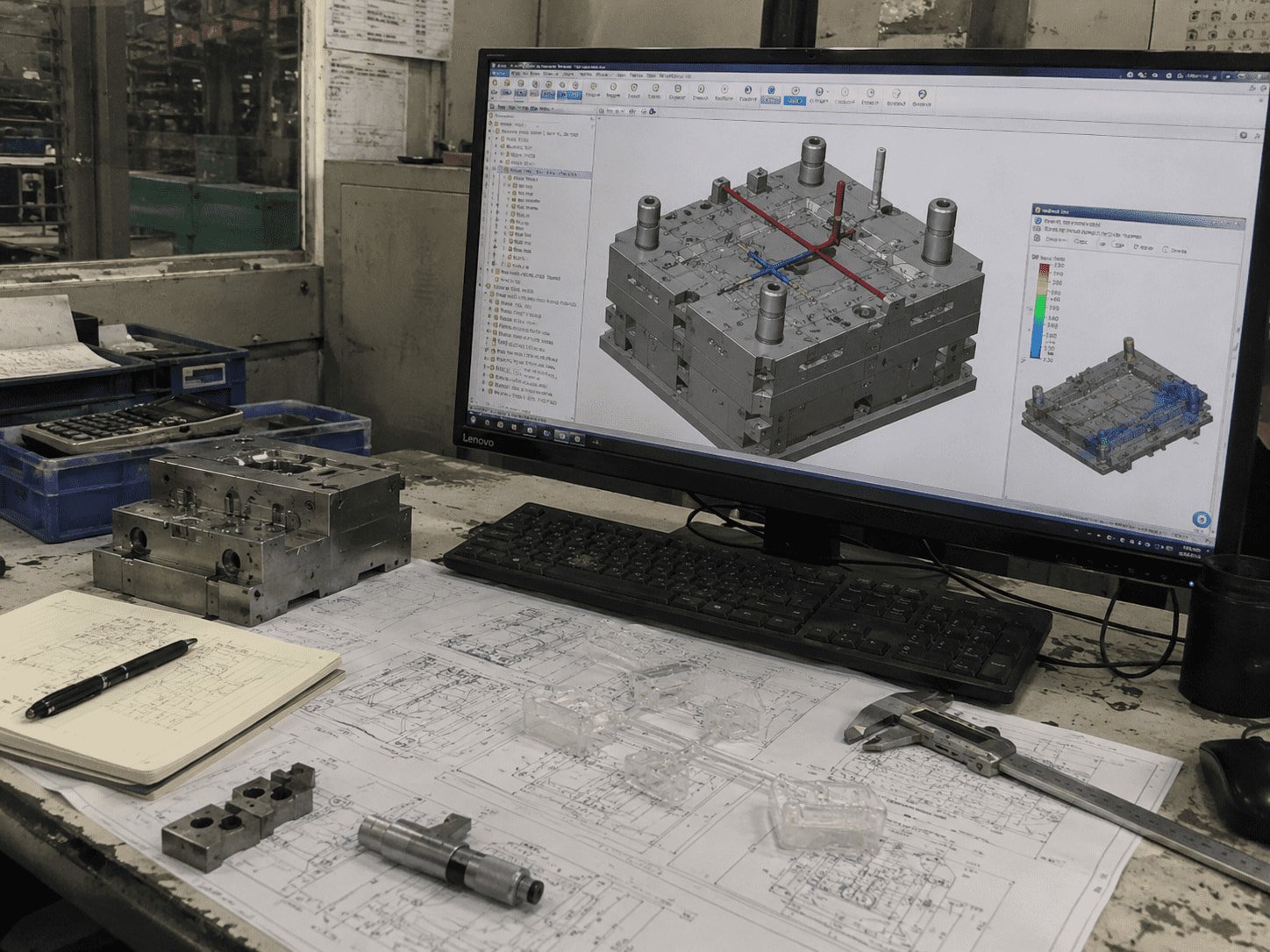
RFQ & Drawing Review
We analyze your 2D/3D CAD files, material specs, and target annual volume.
DFM / Part Feasibility
Evaluating draft angles, wall thickness, and potential molding risks before cutting steel.
Cavity Number Evaluation
Determining the optimal layout (e.g., 4, 8, or 16 cavities) based on machine tonnage and ROI.
Runner & Cooling Design
Using Moldflow and mold design review to check melt delivery, runner balance, gate position and optimized cooling channel layout.
Mold Manufacturing
Precision CNC, EDM, and slow wire cutting for inserts, cores, and cavities.
Trial & CMM Inspection
T1 samples are produced and measured via Hexagon 3D CMM to verify cavity consistency.
Sample Approval & Production
Upon approval, we support either mold shipping or in-house plastic injection molding services.
Multi-Cavity Mold Types We Build
Engineered for specific resins, volumes, and structural requirements.
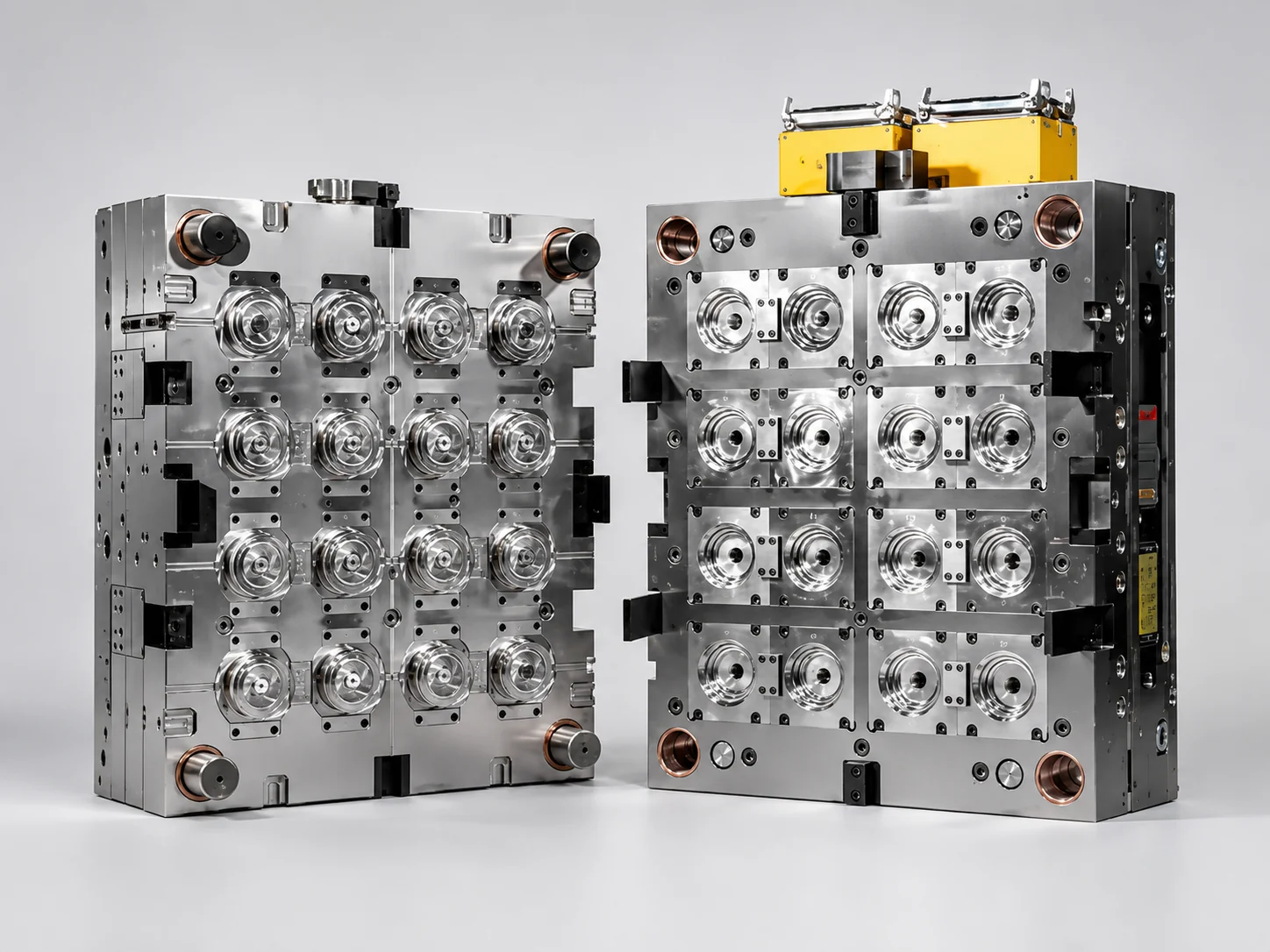
Balanced Multi-Cavity Mold
Best For: High-volume production of identical plastic parts.
Key Design: Symmetrical runner layout ensuring same filling time and pressure path for every cavity.
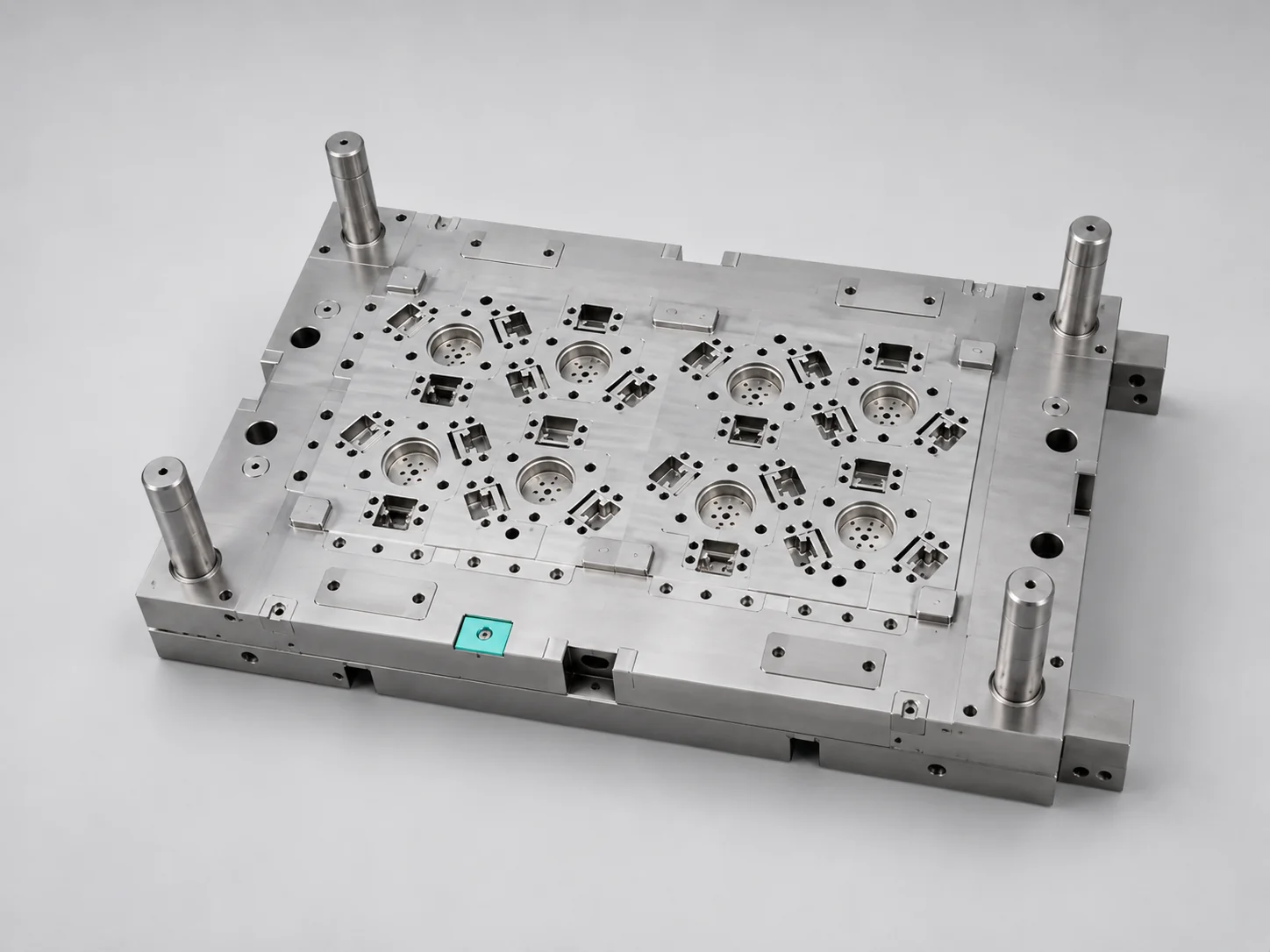
Hot Runner Multi-Cavity Mold
Best For: High-output, material-sensitive, or high-cosmetic requirement projects.
Key Design: Reduced runner waste and highly stable melt delivery for continuous repeat production.
Learn about Hot Runner Molds →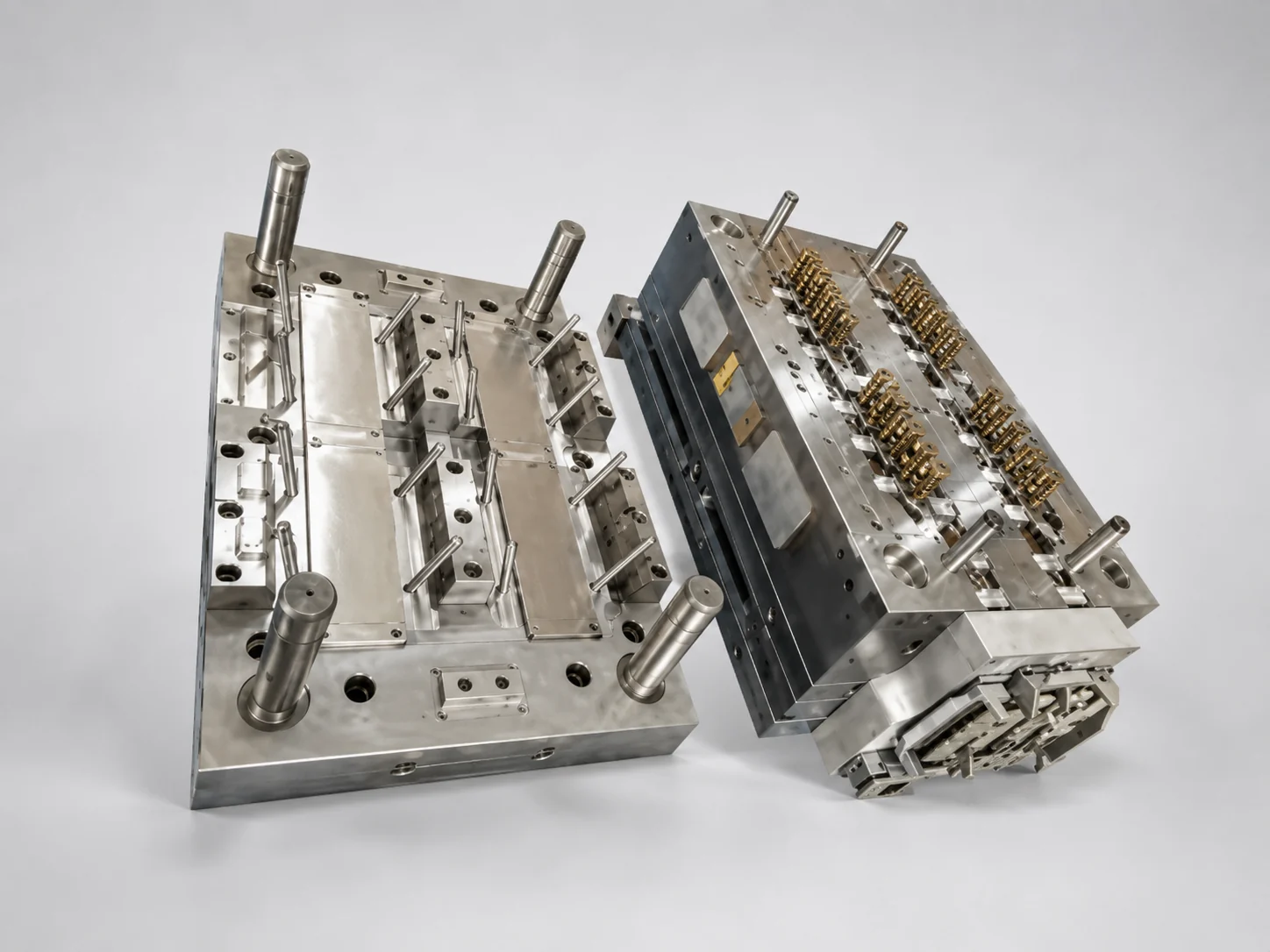
Cold Runner Multi-Cavity Mold
Best For: Budget-sensitive, simpler structures, and medium-to-high annual volumes.
Key Design: Lower initial tooling cost and simpler maintenance; runner waste needs evaluation.
Explore Cold Runner Molds →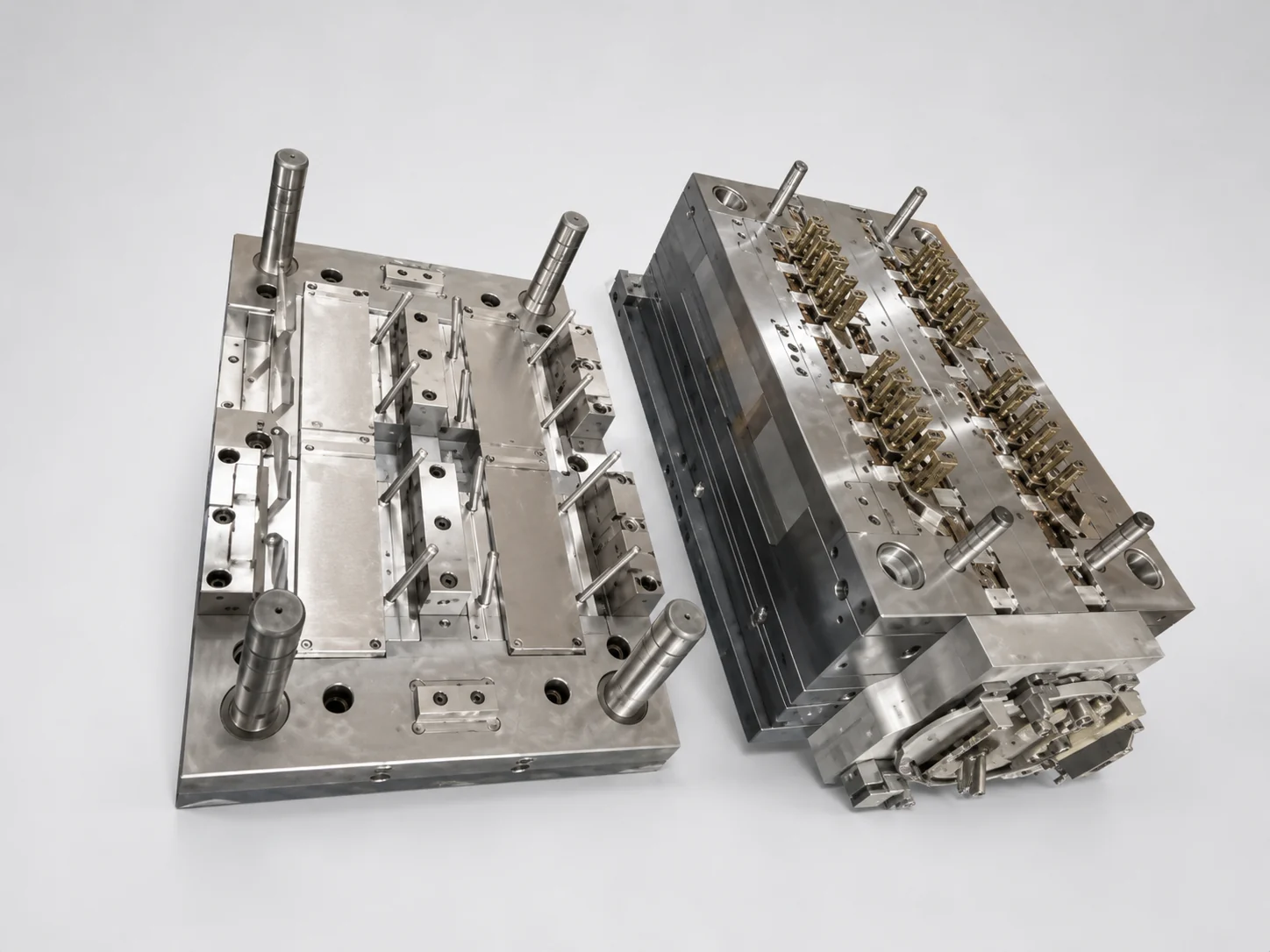
Multi-Cavity Insert Mold
Best For: Metal inserts, terminals, connectors, and automotive parts.
Key Design: Precise insert positioning, repeatability, and fixture/operator efficiency considerations.
View Insert Molding Services →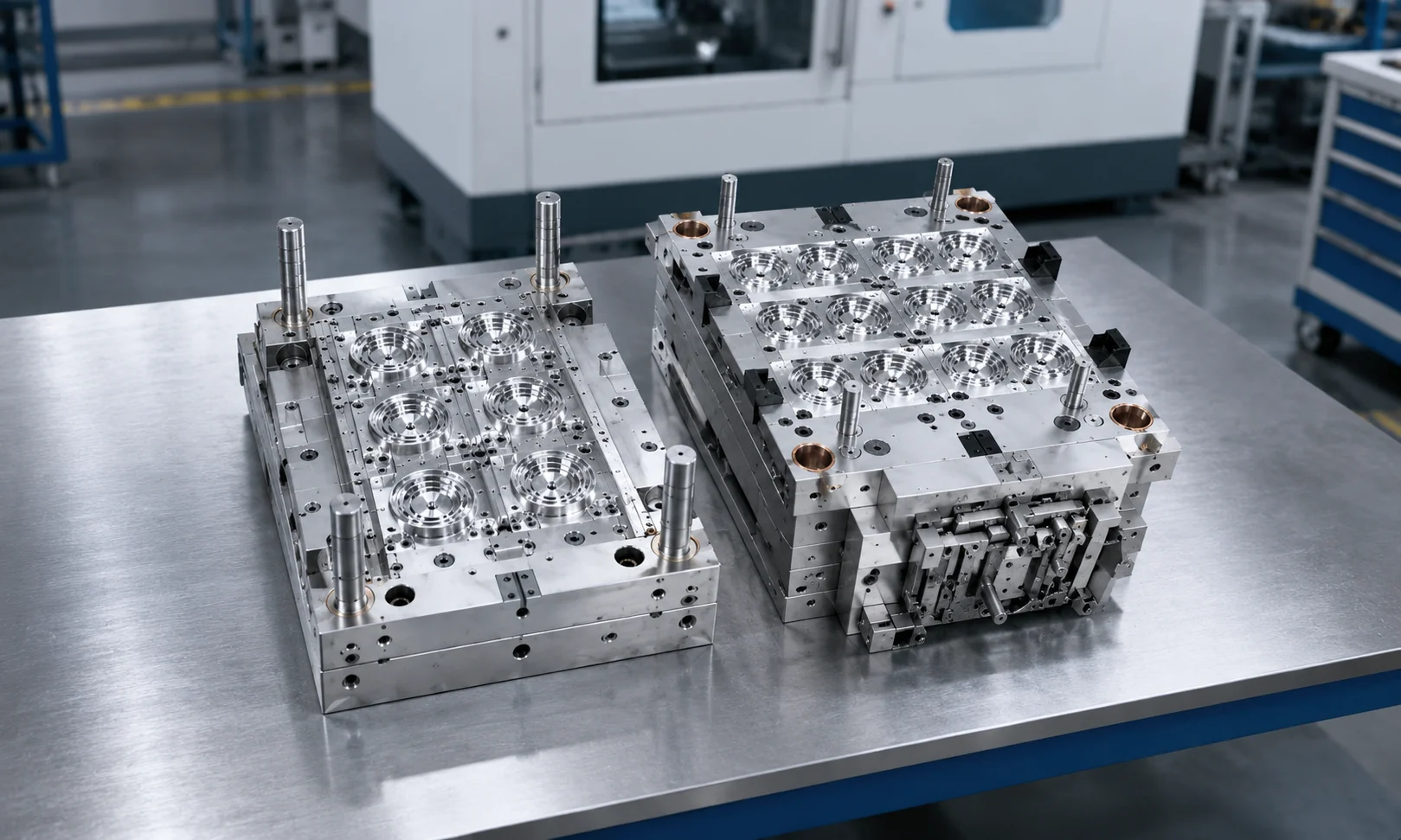
High-Precision Multi-Cavity Mold
Best For: Electronics, connectors, medical devices, and industrial small parts.
Key Design: Rigorous CNC/EDM machining and CMM inspection to guarantee cavity-to-cavity consistency.
Discover High-Precision Molds →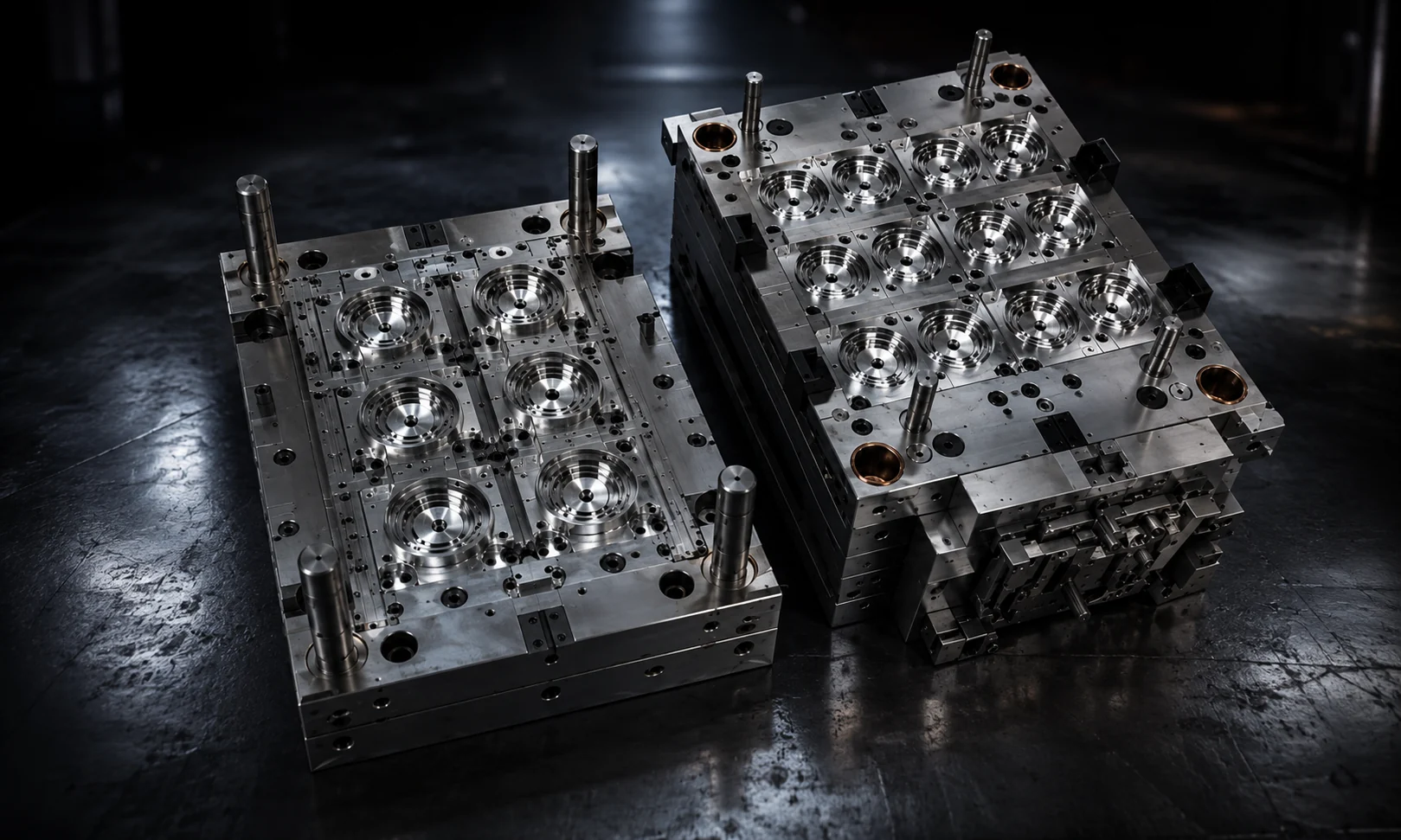
Mold for High-Volume Molding
Best For: Stable products, mass production, and long-term supply programs.
Key Design: Optimized cycle times, high mold durability, advanced cooling balance, and maintenance planning.
Custom Multi-Cavity Mold Specifications
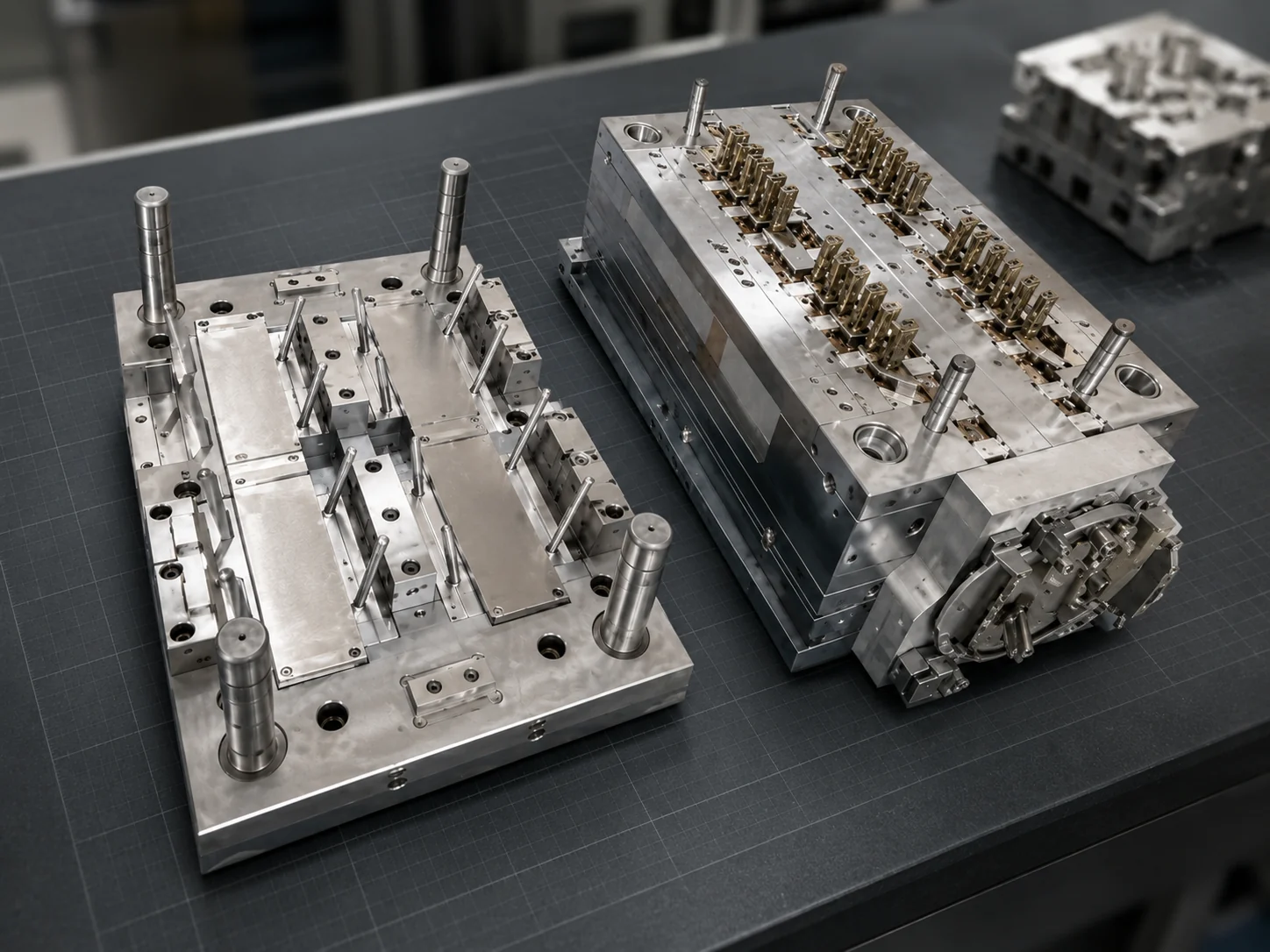
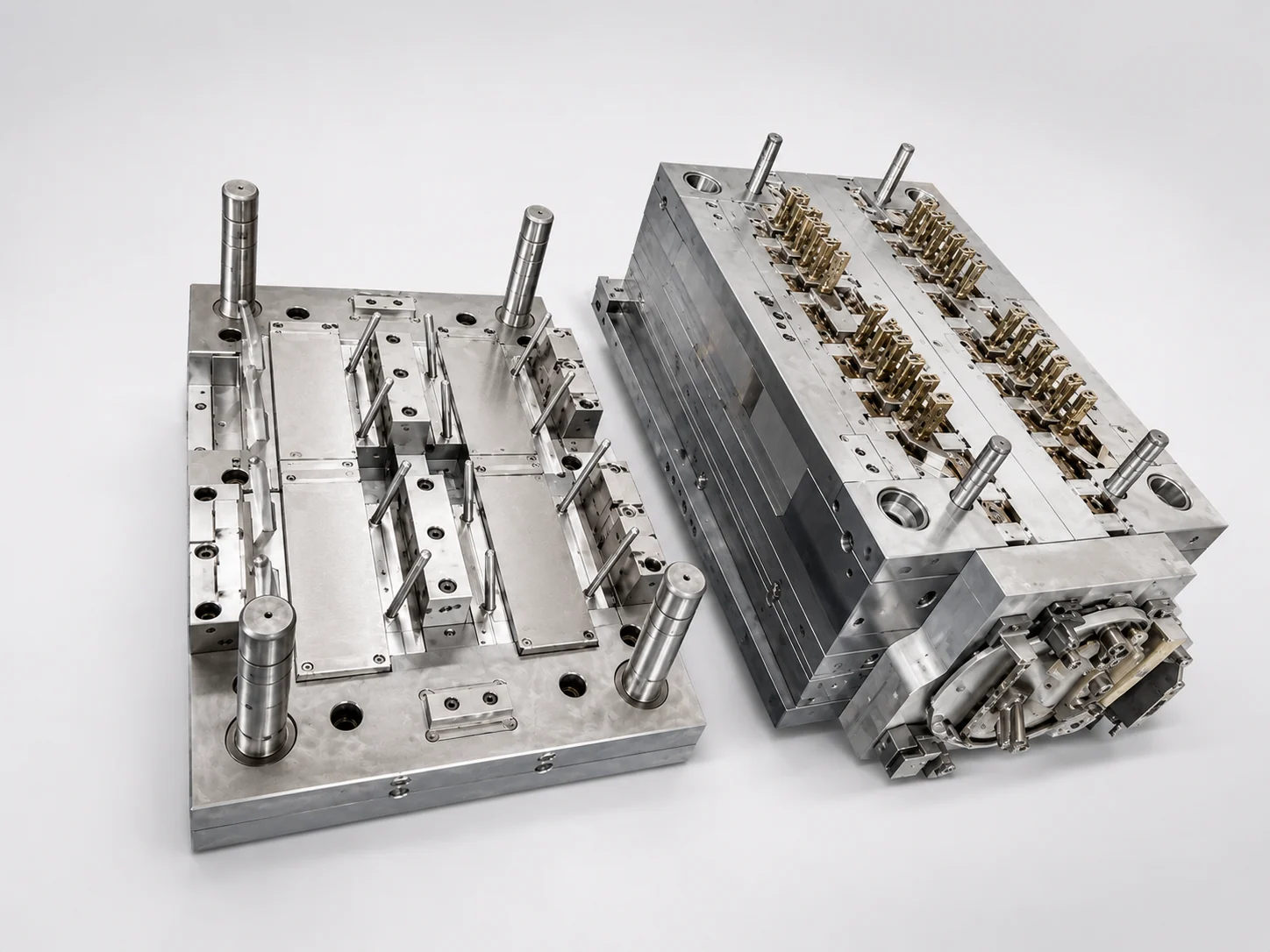
| Mold Type | Multi-cavity injection mold |
| Cavity Options | 2, 4, 8, 16+ cavities, customized after DFM evaluation |
| Part Type | Identical plastic parts / high-volume molded components |
| Runner System | Hot runner, cold runner or customized balanced runner |
| Gate Design | Tab gate, sub gate, hot tip gate or project-specific gate design |
| Mold Steel | Selected according to resin, mold life, surface requirement and production volume |
| Plastic Materials | ABS, PP, PC, POM, PA, PBT, PMMA, PC/ABS, TPE, TPU, TPV, PEI, PPS, PEEK, PA+GF |
| Surface Finish | Polishing, EDM texture, mirror finish or custom finish |
| Inspection Support | CMM report, sample QC report, steel hardness check, water testing |
| Application Industries | Automotive, electronics, medical devices, industrial components, aircraft-related parts |
| Lead Time | Customized according to mold size, cavity number and structure complexity |
Note: Final cavity number is not decided by quantity alone. GBM evaluates part size, projected annual volume, resin flow behavior, machine tonnage, mold structure, runner balance and maintenance requirements before recommending the optimal cavity layout.
Mold Steel and Materials for High-Wear Multi-Cavity Molds
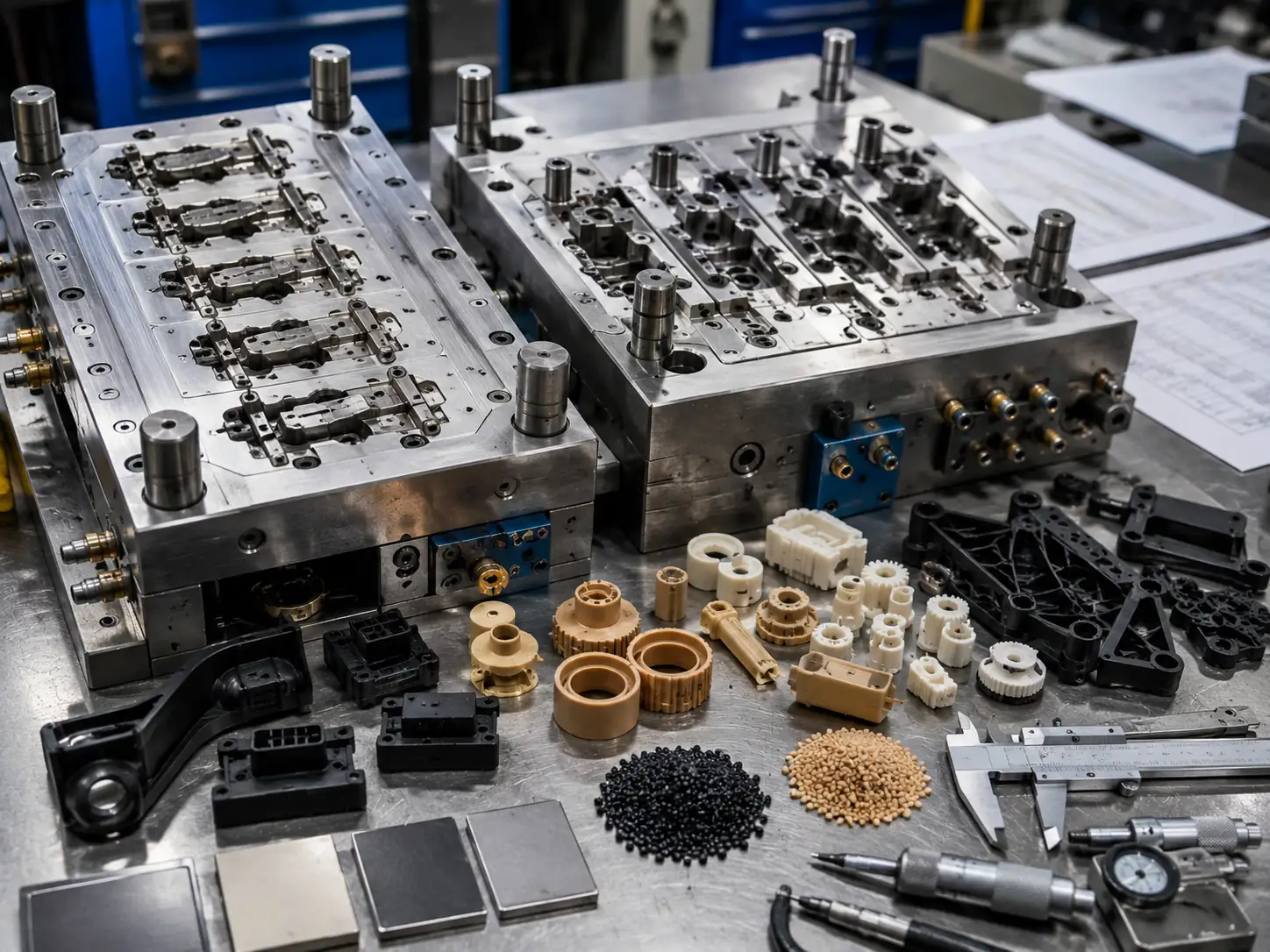
For high-volume or abrasive resin projects, mold steel selection is critical. Glass-filled nylon, PBT-GF, PPS, PEEK and other reinforced engineering plastics can increase wear on gates, runners, inserts and cavity surfaces.
GBM selects mold steel and insert structure according to resin abrasiveness, expected mold life, surface finish, tolerance and maintenance plan, ensuring optimal performance and cost-efficiency without over-engineering.
| Project Type | Practical Mold Material / Structure Review |
|---|---|
| Standard PP / ABS / PC parts | Pre-hardened steel may be considered depending on volume and tolerance |
| High-volume production | Hardened steel and replaceable inserts are recommended |
| Glass-filled nylon / PBT-GF | Wear-resistant gate inserts, hardened cavity inserts and better venting review |
| PPS / PEEK / high-temperature resin | Heat-resistant steel, stable cooling and strict trial parameter control |
| Cosmetic parts | Steel polishing performance, gate position and surface defect control |
| Precision small parts | High-precision inserts, cavity-by-cavity CMM inspection and stable ejection design |
Key Engineering Factors Behind a Stable Multi-Cavity Mold
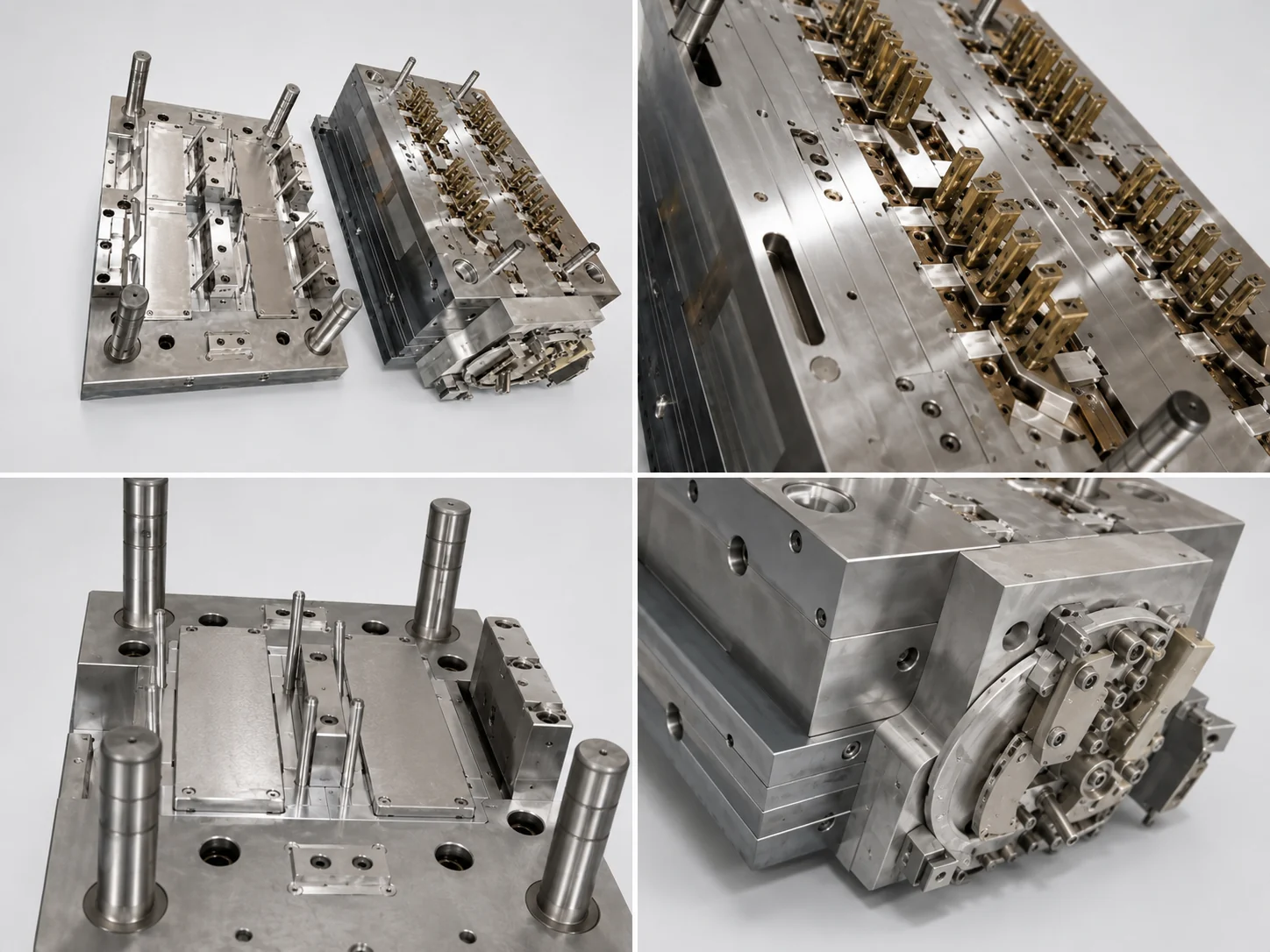
1 Cavity Layout
Cavities should be arranged symmetrically to support balanced filling, efficient cooling, and maintain a practical overall mold size for the target machine.
2 Runner Balance
The runner system must be engineered to deliver molten resin to each cavity with identical pressure, temperature, and filling time to prevent inconsistencies.
3 Gate Design
Gate location and type directly affect flow marks, weld lines, packing pressure, and the final cosmetic appearance of the molded parts.
4 Cooling Channel Design
Uneven cooling across cavities can cause warpage, shrinkage variations, and longer cycle times. We design optimized water lines for uniform heat dissipation.
5 Ejection System
The ejector pin layout must release all parts simultaneously and smoothly without causing deformation, stress whitening, or visible marks.
6 Maintenance Strategy
For long-term production, utilizing replaceable cavity inserts and maintainable core structures reduces downtime if a single cavity is damaged.
Benefits of Using a Multi-Cavity Mold
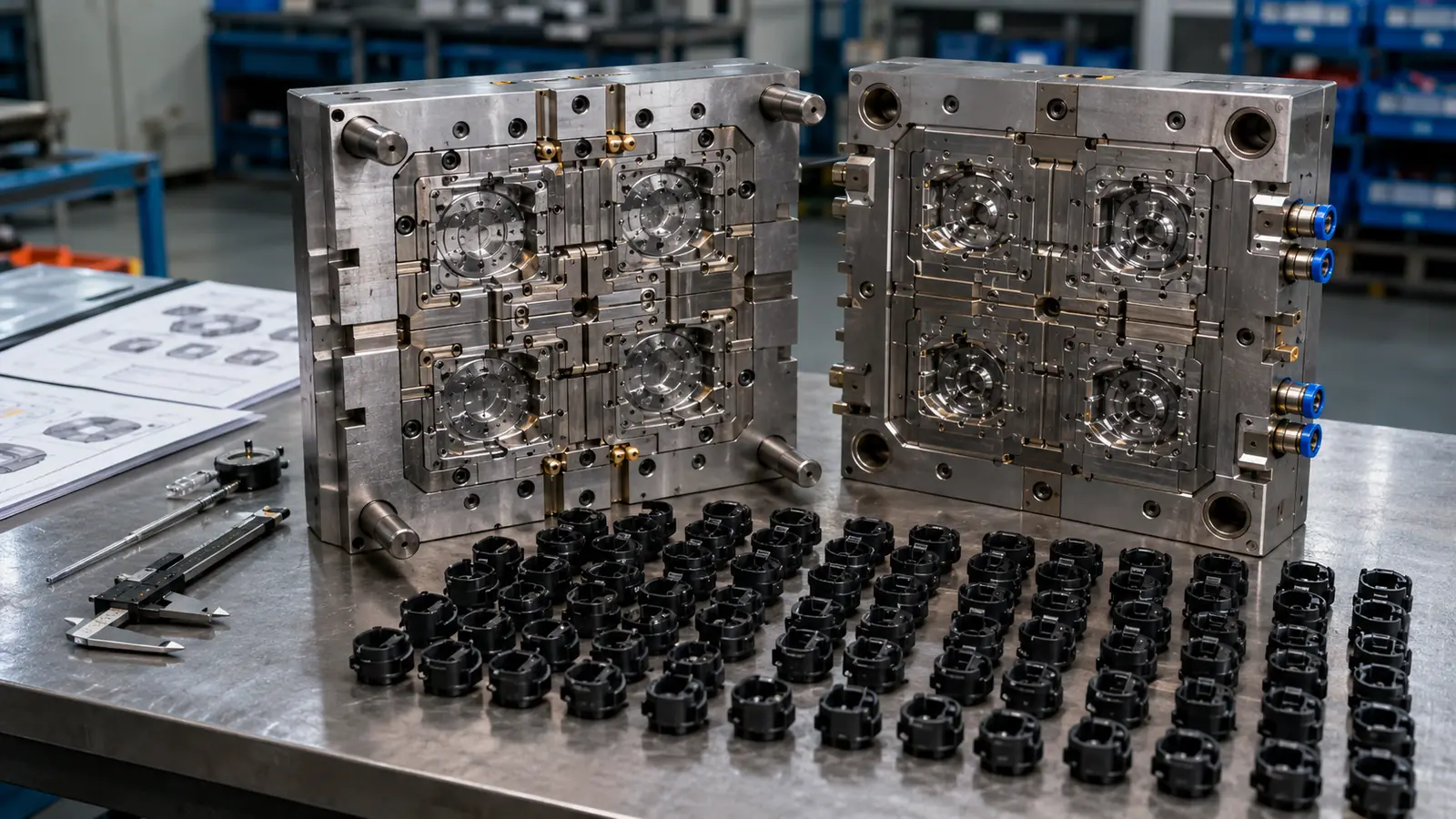
Quick Answer
A multi-cavity mold helps manufacturers produce several identical plastic parts in one injection molding cycle. The main benefits are higher output, lower cost per part, better machine utilization and more stable supply for high-volume projects.
Core Advantages for High-Volume Production
- Higher output per injection cycle
- Lower piece-part cost for large-volume orders
- Better consistency for repeated identical parts
- Shorter production lead time for repeat orders
- Better ROI when annual demand justifies the tooling cost
Important Consideration
Not all projects are suitable for multi-cavity molds. It is only suitable when the part design is stable, the annual volume is high enough, and the mold can maintain balanced filling, cooling, and ejection across all cavities. Our engineering team conducts a thorough DFM analysis to determine the best tooling strategy for your specific requirements.
When Does a Multi-Cavity Mold Create Better ROI?
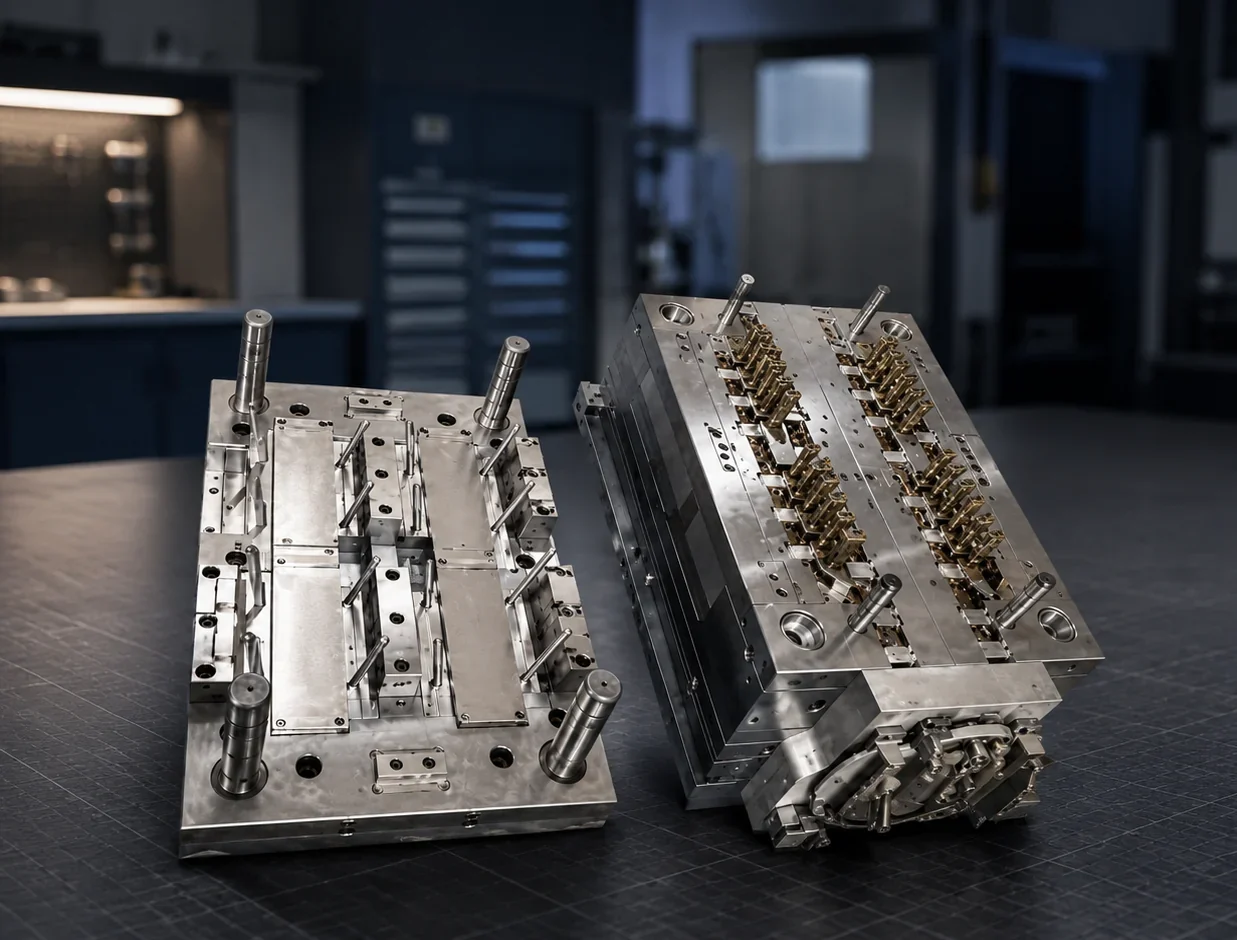
1. Annual Volume Is Stable
A multi-cavity mold is more suitable when the part has stable repeat demand and the expected annual volume can justify the higher tooling cost.
2. Part Design Is Finalized
If the part structure, tolerance, assembly fit or material may still change, a single-cavity trial mold or prototype review is usually safer before multi-cavity tooling.
3. Resin Flow Can Be Balanced
The selected plastic material should be able to fill all cavities evenly without excessive pressure loss, short shots or unstable packing.
4. Mold Size Fits the Target Machine
The cavity number must match the injection machine tonnage, platen size, shot capacity and ejection space.
5. Runner Waste or Hot Runner Cost Has Been Reviewed
Cold runner molds may create more material waste, while hot runner molds increase initial cost. GBM reviews both options before recommending a tooling plan.
6. Maintenance Cost Is Acceptable
For long-term production, replaceable inserts, gate wear control, cooling maintenance and spare parts should be considered before choosing a high-cavity mold.
Single-Cavity Mold vs Multi-Cavity Mold: Which One?
Choosing between single and multiple cavities is a balance of upfront investment versus long-term production savings. Here is a clear comparison to guide your engineering decision.
| Feature | Single-Cavity Mold | Multi-Cavity Mold |
|---|---|---|
| Best For | Prototypes, low-volume, large parts, unstable designs, early validation. | Stable designs, high annual volume, repeat orders, cost reduction. |
| Initial Tooling Cost | Lower | Higher |
| Production Output | 1 part per cycle | 2, 4, 8+ parts per cycle |
| Cost Per Part | Higher (in large runs) | Significantly Lower |
| Design Change Flexibility | More flexible, easier to modify one cavity. | Less flexible, requires modifying all cavities. |
| Maintenance Risk | Simple maintenance. | Requires careful runner, gate, and cooling maintenance. |
Prototype First, Then Multi-Cavity Production Mold
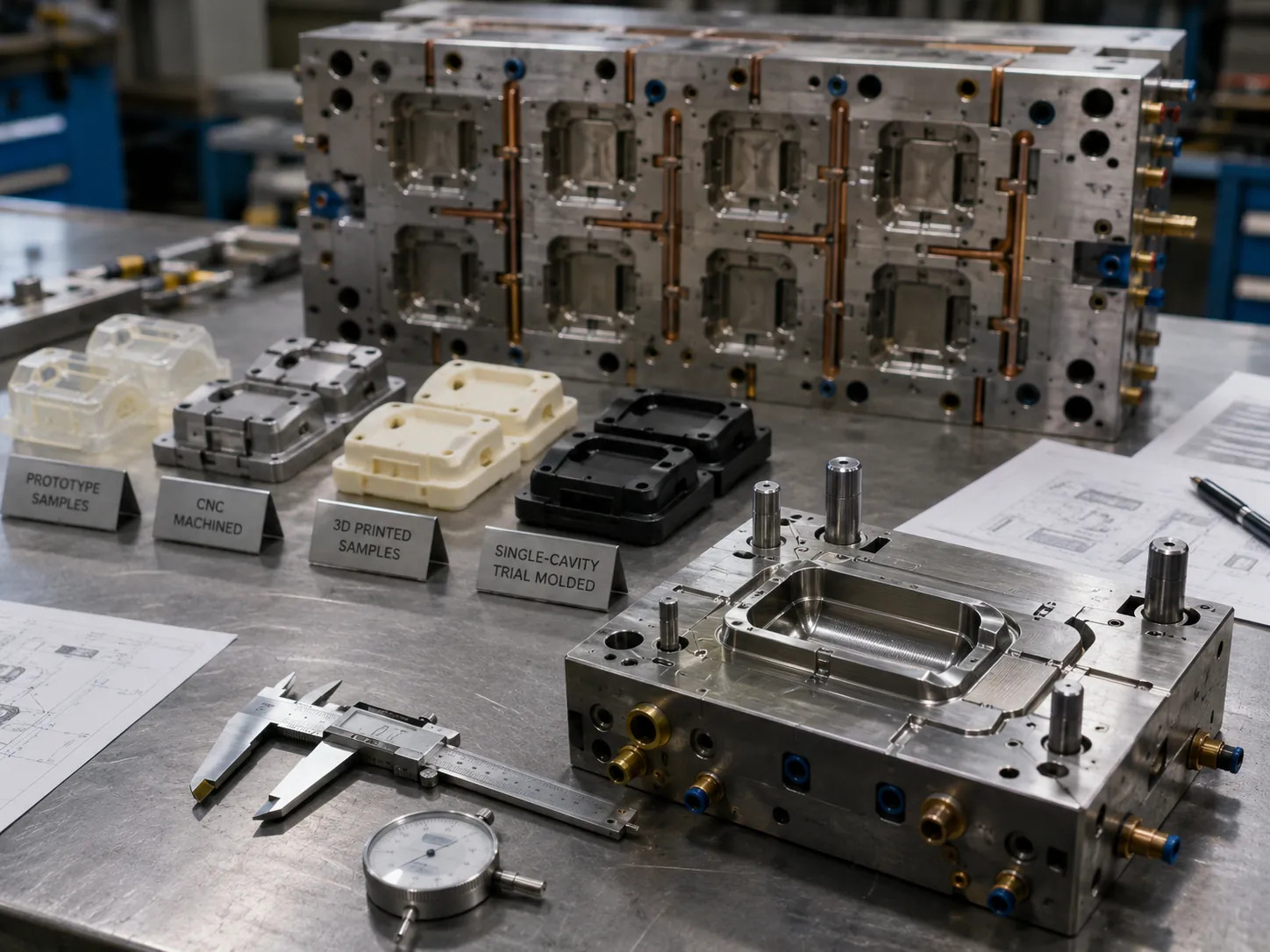
For a new plastic part, GBM does not always recommend starting with a high-cavity production mold immediately. If the product design, assembly fit, tolerance or material is not fully validated, a prototype sample, CNC sample, 3D printed sample or single-cavity trial mold may reduce tooling risk before investing in a multi-cavity steel mold.
Once the part design is confirmed, GBM can move the project into a 2-cavity, 4-cavity, 8-cavity or higher-cavity production mold with balanced runner, gate, cooling and ejection design.
- Prototype review before production tooling
- Single-cavity validation for unstable designs
- Pilot cavity or trial insert for critical parts
- Multi-cavity mold after design approval
Multi-Cavity Mold vs Family Mold: Do Not Confuse Them
While both produce multiple parts per cycle, their engineering goals and risks are entirely different.
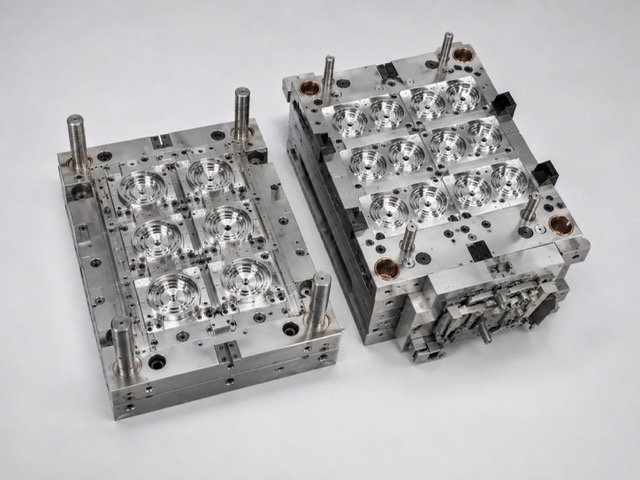
Multi-Cavity Mold
- Part Type: Same part, repeated multiple times.
- Main Goal: High output and lower cost per part.
- Filling Balance: Easier to achieve symmetry.
- Risk: Cavity-to-cavity dimensional consistency.
- Best Application: High-volume production of one stable plastic component.
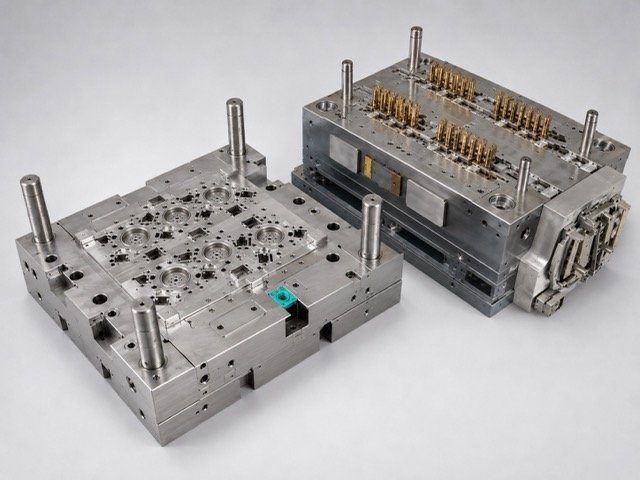
Family Mold
- Part Type: Different related parts (e.g., top and bottom housing).
- Main Goal: Reduce tooling count for an assembly set.
- Filling Balance: Highly challenging due to different part volumes.
- Risk: Different part sizes create filling/cooling imbalance and higher scrap risk.
- Best Application: Producing a set of related parts in lower or medium volume.
How to Choose the Right Cavity Number
Determining the optimal cavity count is a critical engineering decision. To provide an accurate recommendation, we need to review specific project details.
What You Need to Provide:
- 3D CAD files
- 2D drawings with tolerances
- Plastic material specs
- Estimated annual volume
- Target cycle time
- Cosmetic requirements
- Expected mold life
- Target cost per part
GBM Evaluation Logic:
Is the product design completely stable?
Is the projected annual volume high enough to justify the tooling cost?
Can the part size fit multiple cavities within a practical mold size for your machine tonnage?
Can the selected resin fill all cavities evenly without excessive pressure drop?
Are side actions, lifters, or unscrewing mechanisms too complex for a high cavity count?
Is the ROI better than using a single-cavity or lower-cavity tool?
How to Estimate Multi-Cavity Mold Cost
The cost of a custom multi-cavity mold cannot be estimated by cavity number alone. A 4-cavity mold for a simple cap may be much easier than a 4-cavity mold with sliders, tight tolerances, glass-filled resin or cosmetic surface requirements.
GBM estimates multi-cavity mold cost after reviewing part size, resin, annual volume, mold steel, runner system, gate design, tolerance, surface finish, mold life and trial requirements.
| Cost Factor | What It Affects |
|---|---|
| Cavity number | Mold base size, machining time, runner balance and cooling complexity |
| Part size and structure | Mold layout, steel volume, sliders, lifters and ejection design |
| Plastic material | Mold steel choice, gate wear, venting, polishing and trial control |
| Hot runner or cold runner | Initial mold cost, runner waste, material saving and maintenance |
| Tolerance requirement | CNC/EDM precision, CMM inspection and mold correction time |
| Surface finish | Polishing, EDM texture, gate mark control and cosmetic defect risk |
| Expected mold life | Steel hardness, insert structure, spare parts and maintenance planning |
| Trial and production support | T1 samples, process tuning, QC report and cavity-by-cavity inspection |
Let's Calculate Your ROI
Send us your 2D/3D drawings, resin, annual volume and target cavity number. GBM will review whether 2, 4, 8 or 16 cavities gives better ROI for your project.
Ready to Optimize Your Production?
Click below to fill out your project specifications and get a comprehensive engineering review from our experts.
Go to FormMulti-Cavity Mold Applications
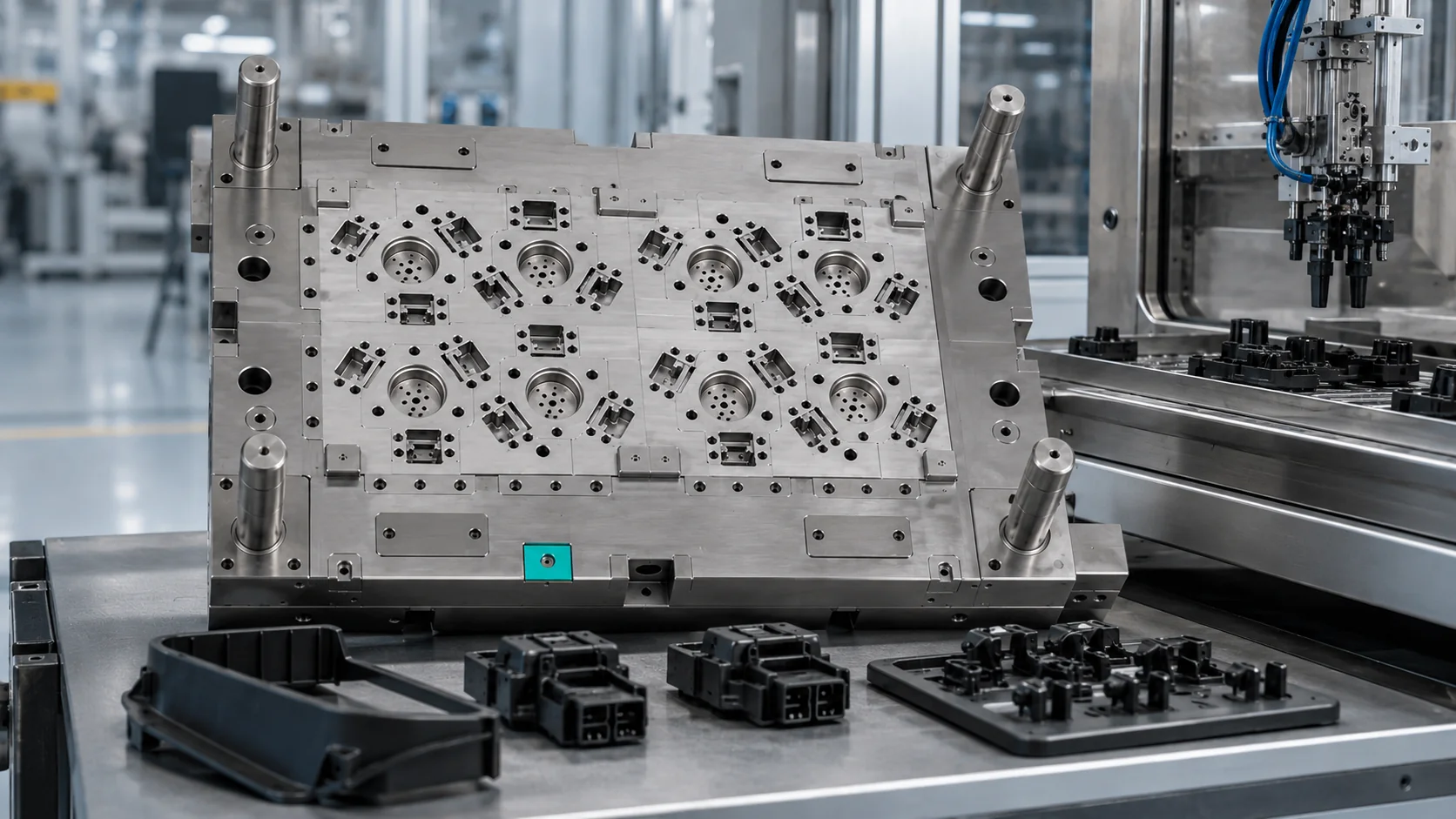
Automotive Plastic Components
For clips, brackets, housings, covers and repeated assembly parts that require stable dimensions and repeat production.
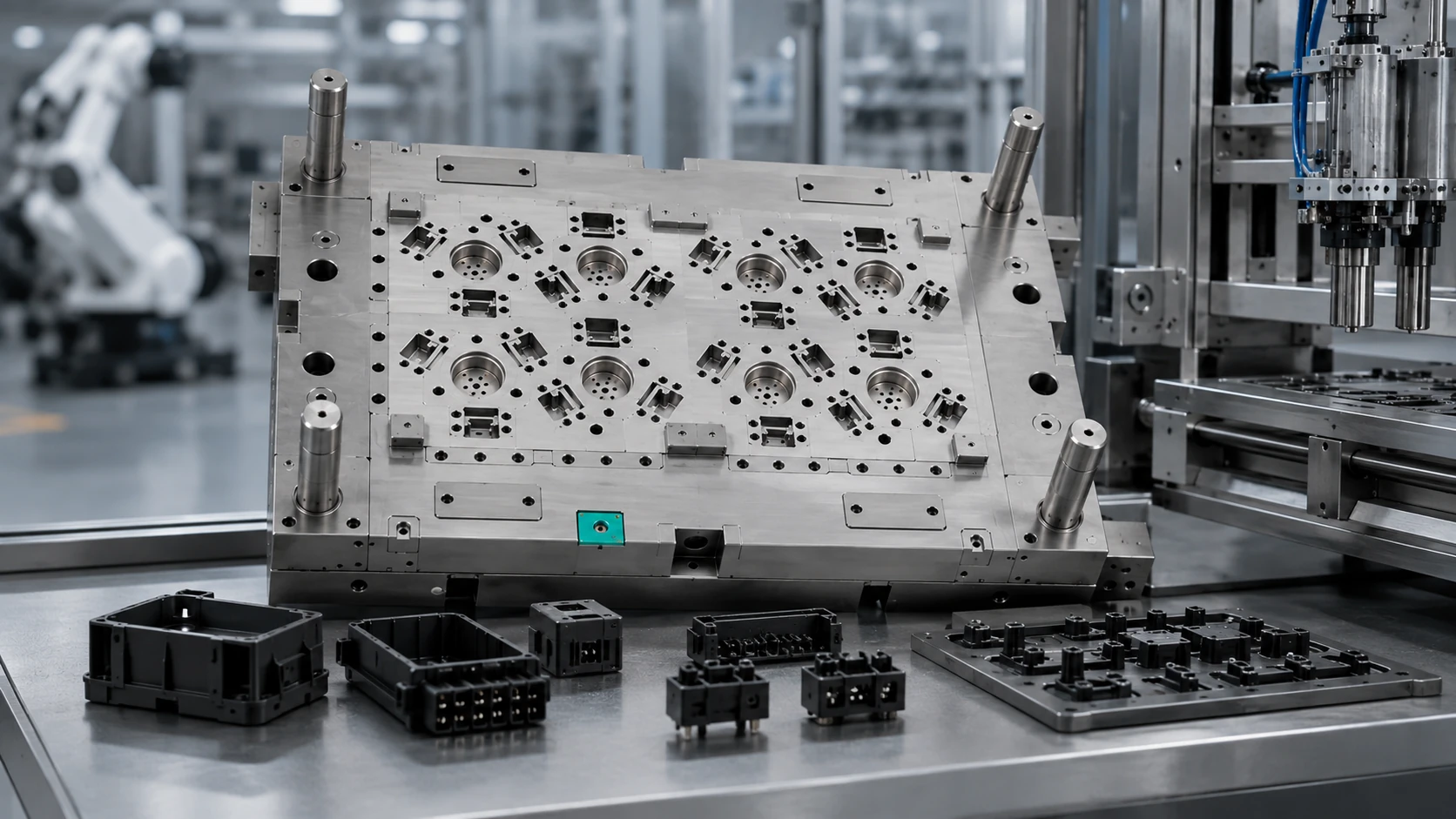
Electronic Connector and Housing Parts
For small precision plastic parts where cavity-to-cavity consistency, gate control and dimensional inspection are important.
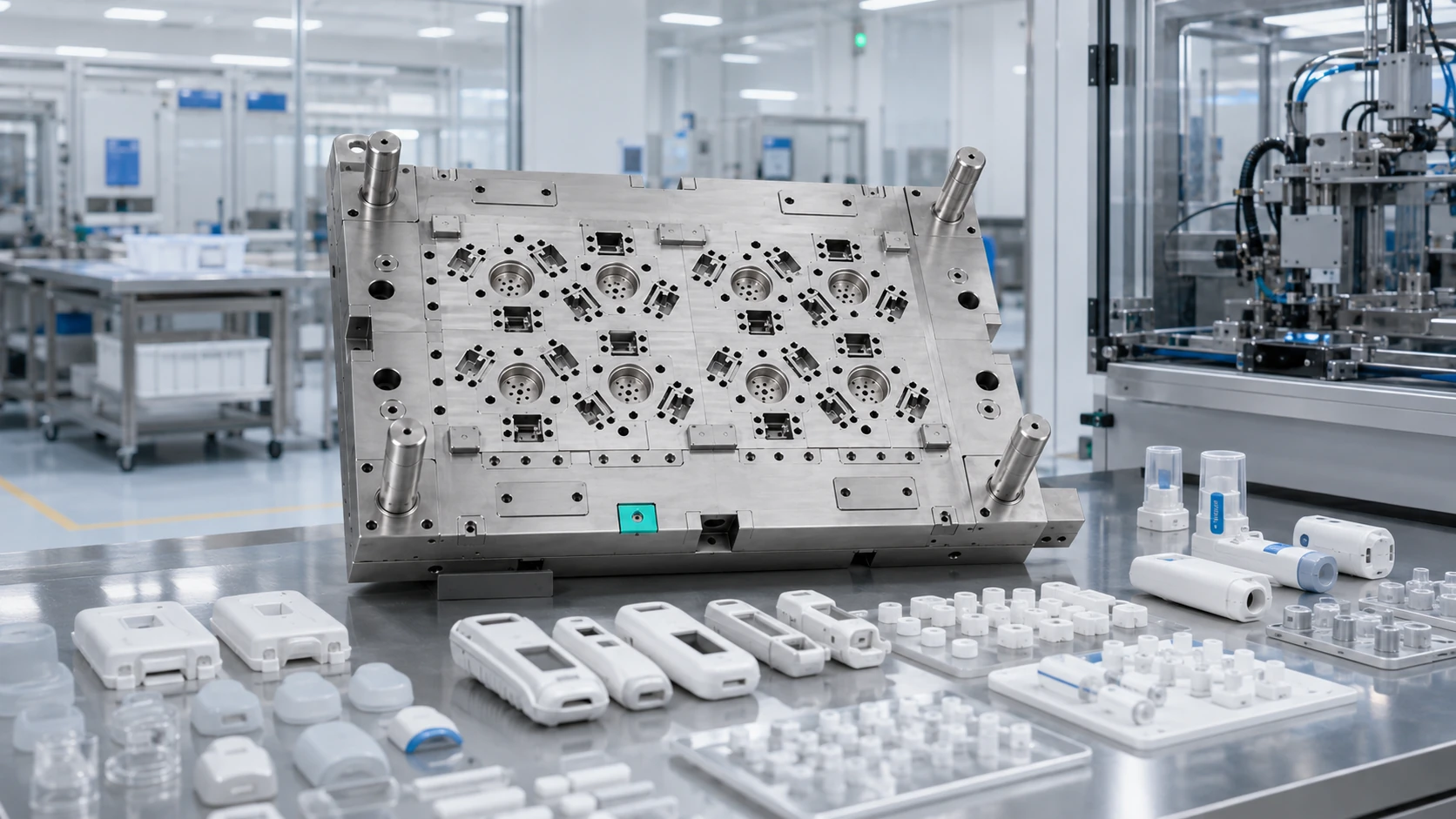
Medical and Precision Plastic Parts
For high-repeatability molded components requiring clean appearance, stable tolerance and strict sample inspection.
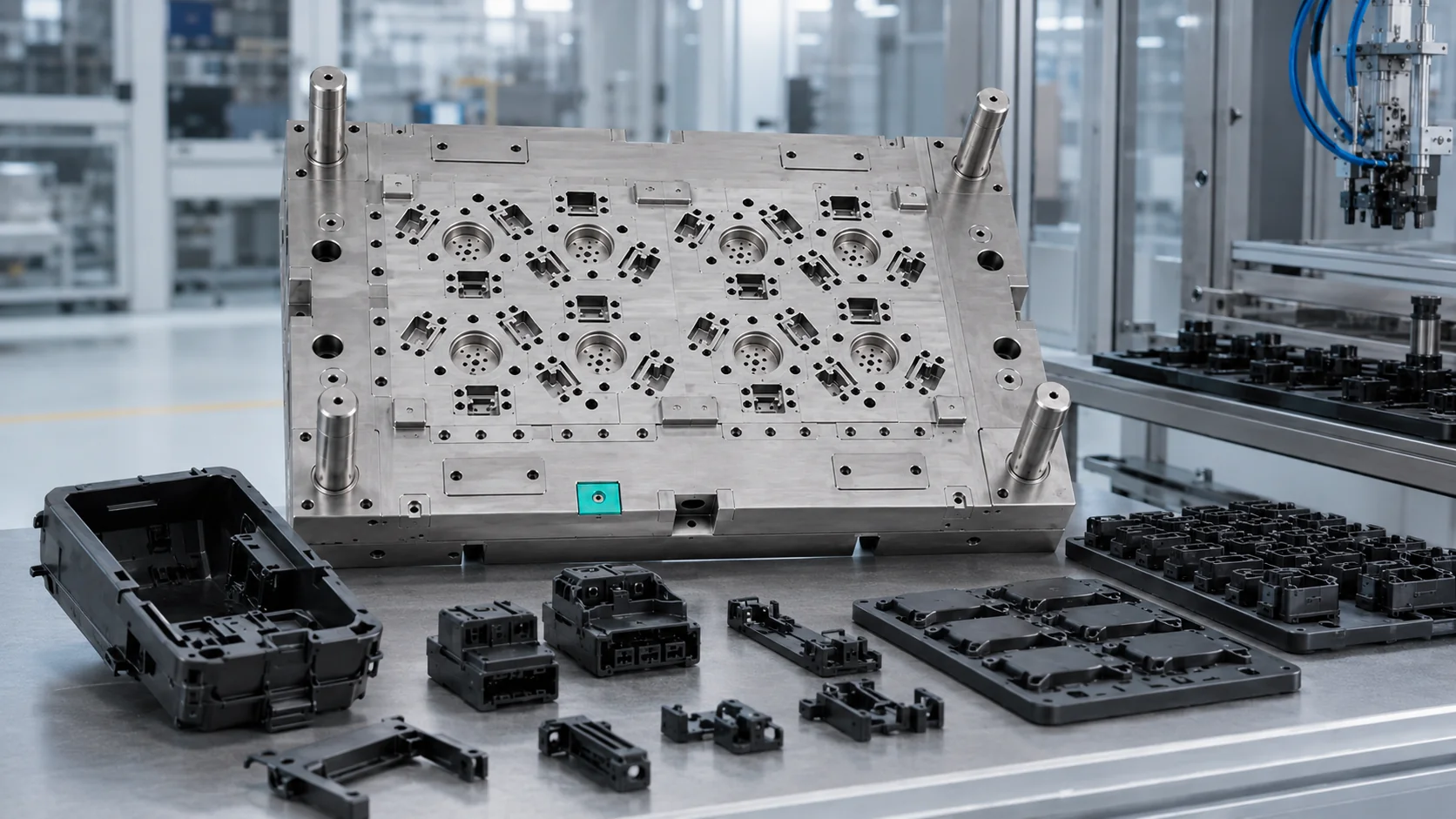
Industrial Components
For durable industrial plastic parts requiring high strength, chemical resistance, and stable dimensions over long production runs.
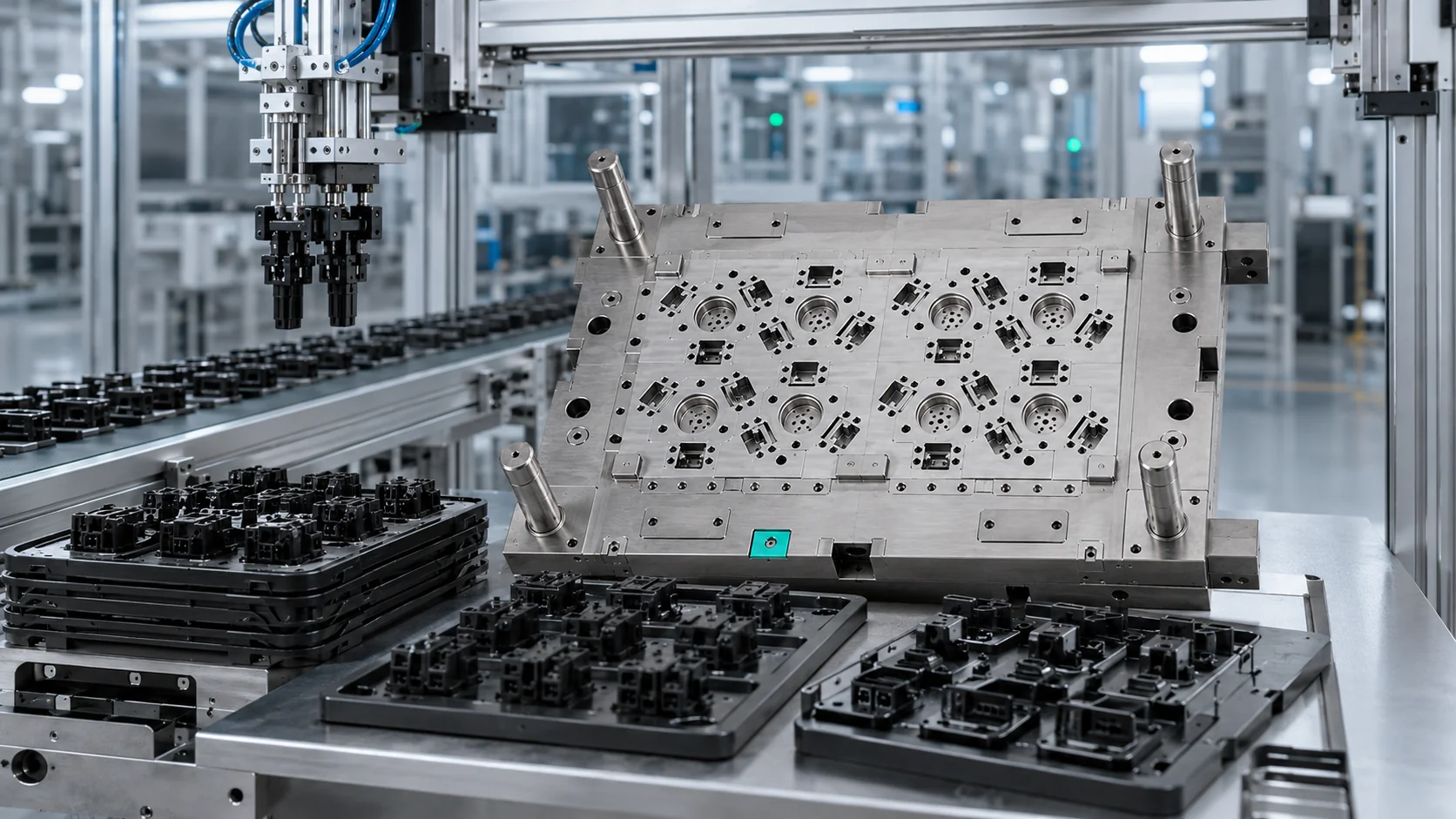
High-Volume Assembly Parts
For consumer and commercial assembly components where mass production efficiency and consistent quality are critical.
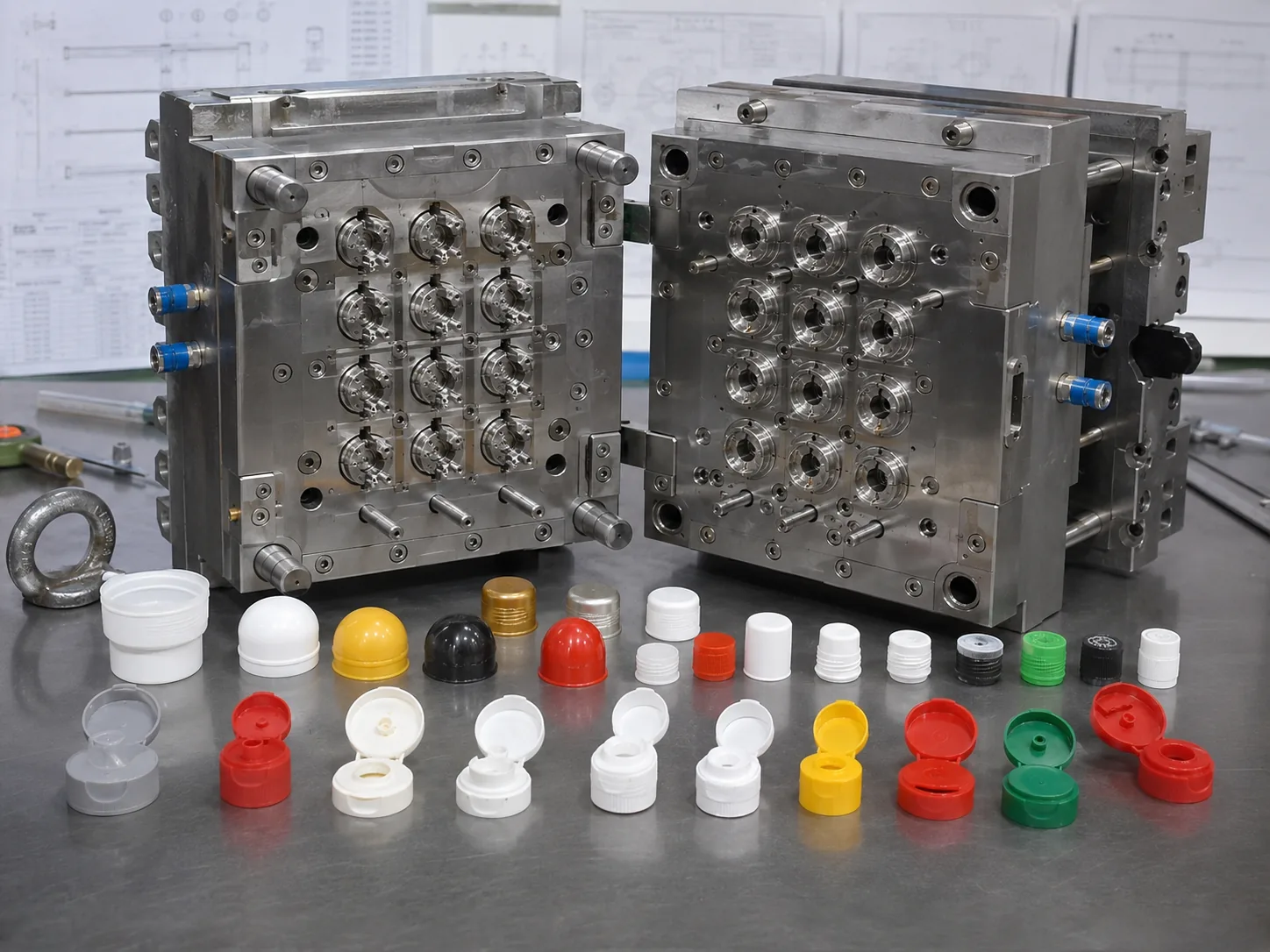
Packaging Caps and Closures
Caps, lids, closures and small packaging parts where high output, stable dimensions and lower unit cost are important.
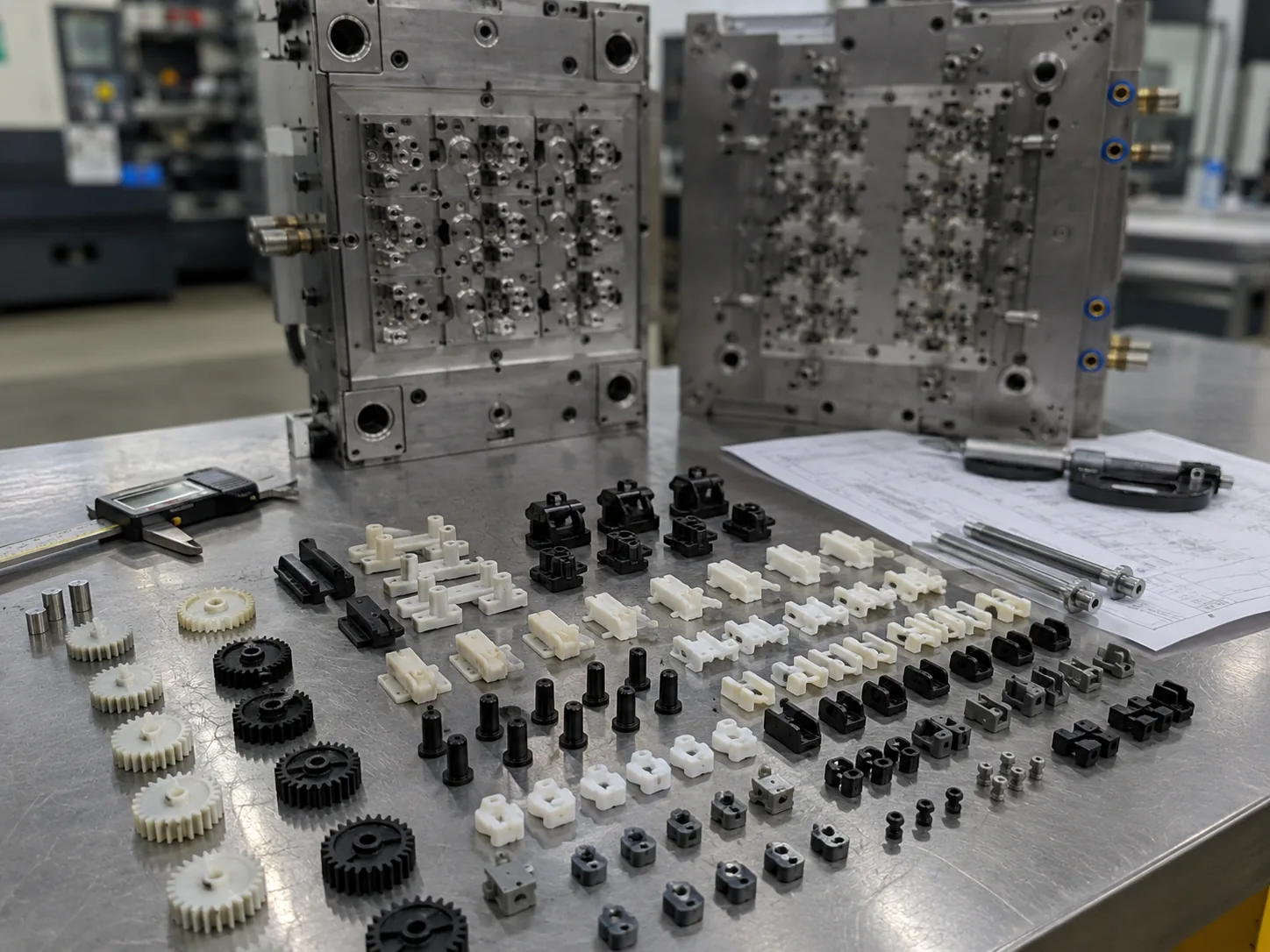
Small Gears, Clips and Fasteners
Repeated small molded parts such as clips, spacers, plugs, gears and holders that require cavity-to-cavity consistency in high-volume assembly.
Start Your Project
Get a preliminary DFM review and quotation feedback after our engineers review your drawings.
Contact Us NowWhy GBM for Multi-Cavity Mold Manufacturing?
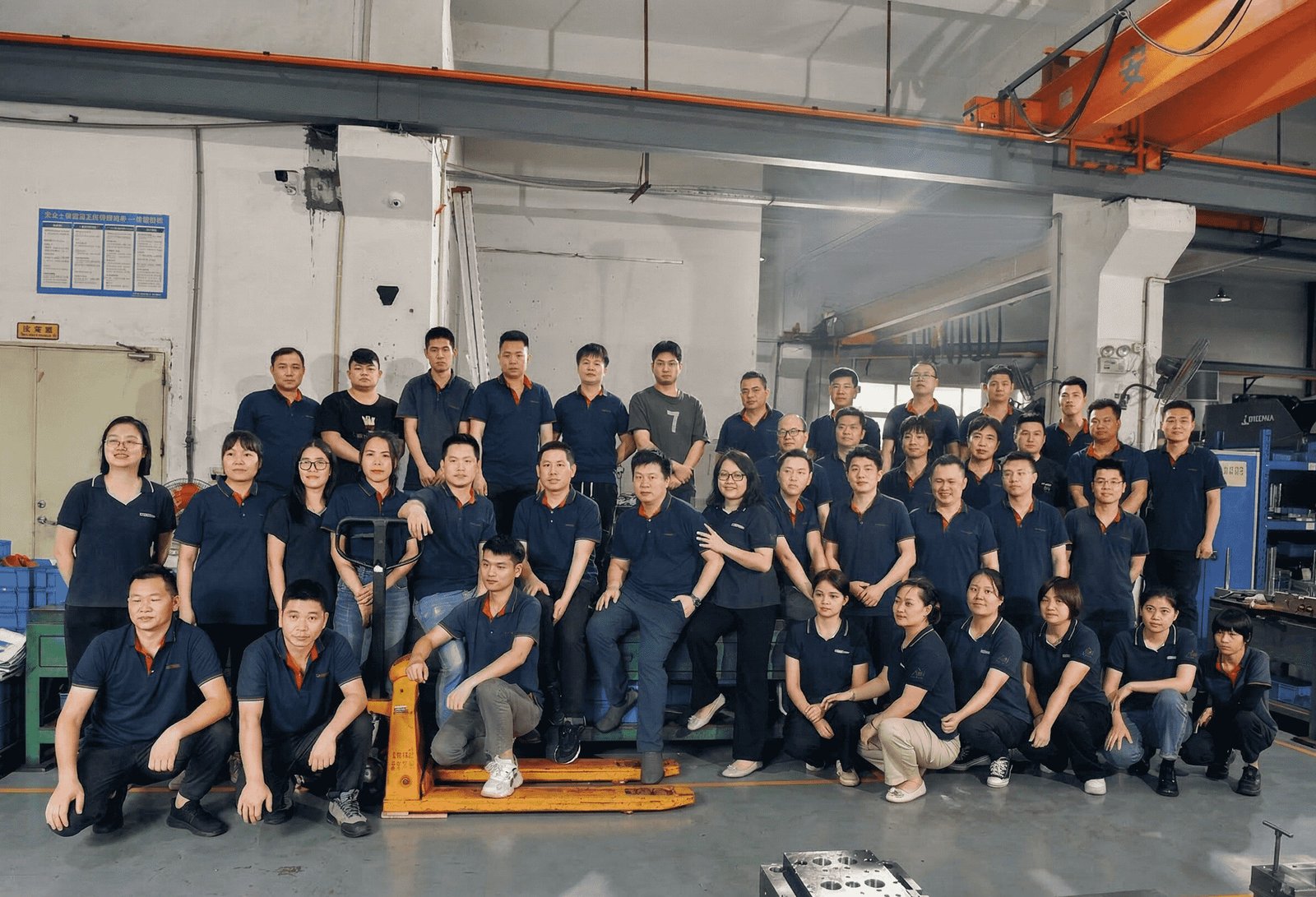
1. Engineering Review Before Cutting Steel
GBM meticulously reviews drawings, part structure, material, tolerance, and production volume before initiating mold design.
2. Mold Design + Moldflow Support
Moldflow and DFM help us evaluate filling balance, gate position, and potential molding issues for multi-cavity layouts.
3. Precision Machining Capability
Our CNC, EDM, mirror EDM, slow wire cutting, and grinding machines support precise mold components machining.
4. CMM-Based Inspection
GBM provides full CMM reports for molded parts, cavities, cores, sliders, and critical mold components to verify accuracy.
5. Trial Updates & Weekly Reports
Customers receive transparent weekly progress reports, along with mold trial pictures and videos to track project status remotely.
6. Mold Making + Injection Molding
Beyond tooling, GBM supports complete injection molding production, offering a true one-stop solution.
Multi-Cavity Tooling Support for UK, US and European Buyers
GBM is a China-based multi-cavity injection mold manufacturer supporting overseas buyers who need custom tooling, mold trial samples and high-volume plastic part production.
For customers in the UK, US and Europe, GBM supports remote DFM review, mold design discussion, T1 sample photos and videos, CMM reports, mold trial feedback and export packing, so buyers can follow the project without visiting the factory in person.
Our Remote Engineering Services Include:
- Remote DFM Review
- Mold Design Communication
- T1 Sample Photos & Videos
- Detailed CMM Reports
- Mold Trial Feedback
- Export Packing Support
"If you are comparing multi-cavity tool makers in the UK, London, Essex or Buckinghamshire, GBM can be considered as a practical overseas tooling partner for projects where cost control, engineering communication, and production capacity are important."
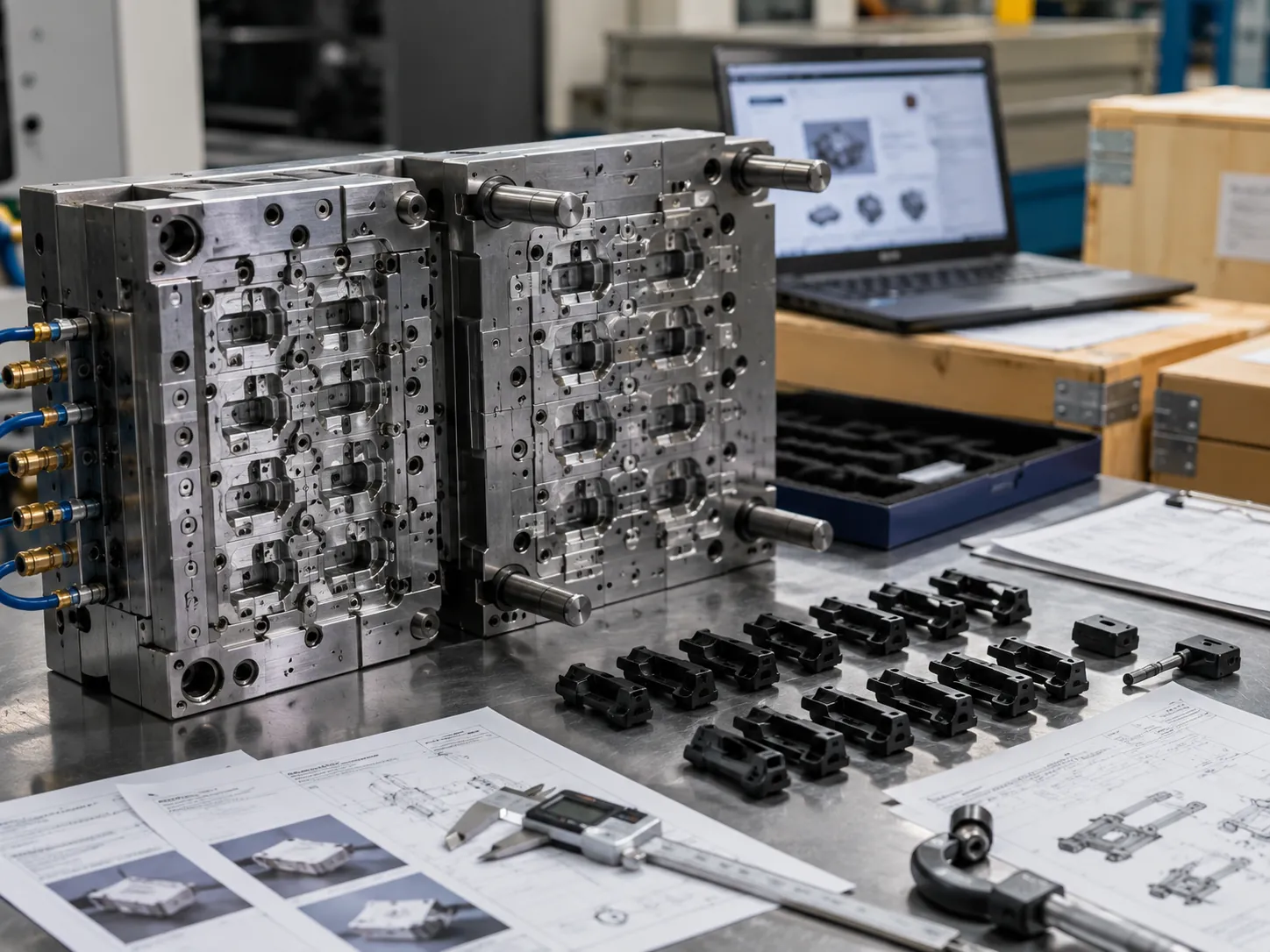
Common Multi-Cavity Mold Production Issues and How We Control Them
Multi-cavity mold production requires stable filling, cooling, packing and ejection across every cavity. If one cavity fills differently or cools unevenly, the final parts may show weight variation, shrinkage difference, flash, short shot or warpage.
GBM controls these risks through DFM review, Moldflow analysis, balanced runner design, T1 trial correction and cavity-by-cavity inspection.
| Common Issue | Possible Cause | GBM Control Method |
|---|---|---|
| Different part weight by cavity | Runner imbalance or pressure drop | Moldflow review, balanced runner and trial weight comparison |
| Short shot in some cavities | Poor venting, long flow path or insufficient gate size | Gate and venting correction during DFM and T1 trial |
| Flash in one or two cavities | Uneven clamp force, steel mismatch or local pressure issue | Parting line review, steel fitting and trial correction |
| Different shrinkage by cavity | Uneven cooling or packing pressure | Cooling layout review and cavity-by-cavity dimension check |
| Warpage variation | Cooling imbalance, ejection stress or material shrinkage | Water testing, ejection review and process tuning |
| Gate vestige variation | Gate position, gate size or hot runner imbalance | Gate design review and cosmetic sample approval |
| One cavity damaged during production | Wear, insert damage or maintenance delay | Replaceable insert design and spare part planning |
Quality Control for Cavity-to-Cavity Consistency

"For multi-cavity molds, checking one 'good sample' is never enough."
GBM ensures consistency across every cavity through a rigorous QC flow.
Incoming Material Inspection
Steel, mold base, and raw material certificates provided upon request, alongside hardness and dimension checks.
In-Process Component Inspection
Every mold component is checked before moving to the next process. Strict CNC and EDM component verification.
Mold Trial & Sample Inspection
Comprehensive T1 sample review, including sample QC reports and CMM dimension reports for parts from different cavities.
Water Testing & Ejection Check
Rigorous cooling channel water testing for leaks/flow, and ejection movement checks to ensure smooth part release.
Final Fit / Form / Function Review
Final mold review before delivery, incorporating mold trial feedback and securing customer confirmation.
Project Experience Related to Complex & High-Output Molds
Our engineering capability extends across highly complex tooling requirements.
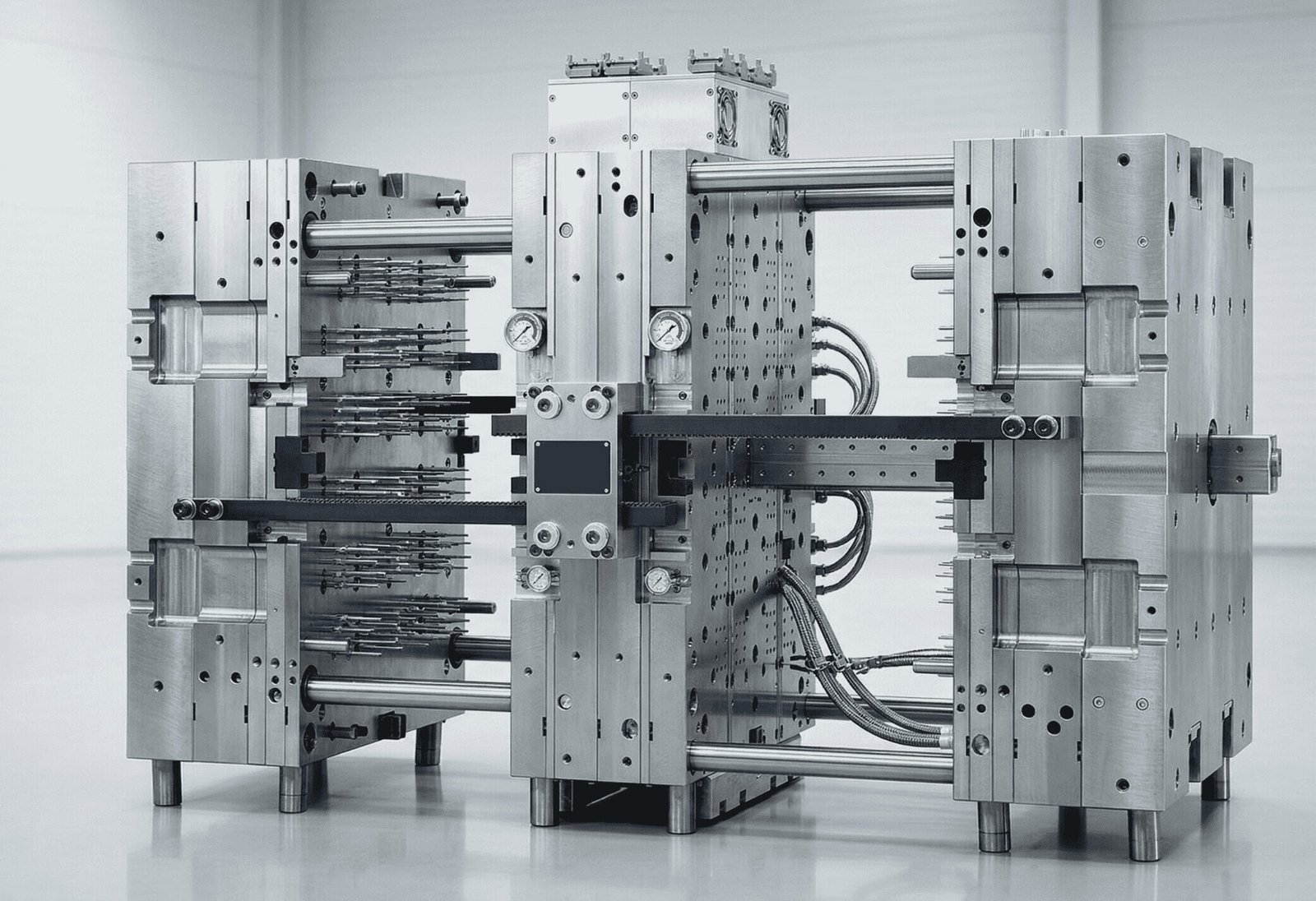
Precision Insert Mold Experience
GBM successfully engineered and manufactured precision insert molds involving more than 1,400 inserts.
Demonstrates capability in complex mold design, extreme precision machining, and engineering problem-solving.
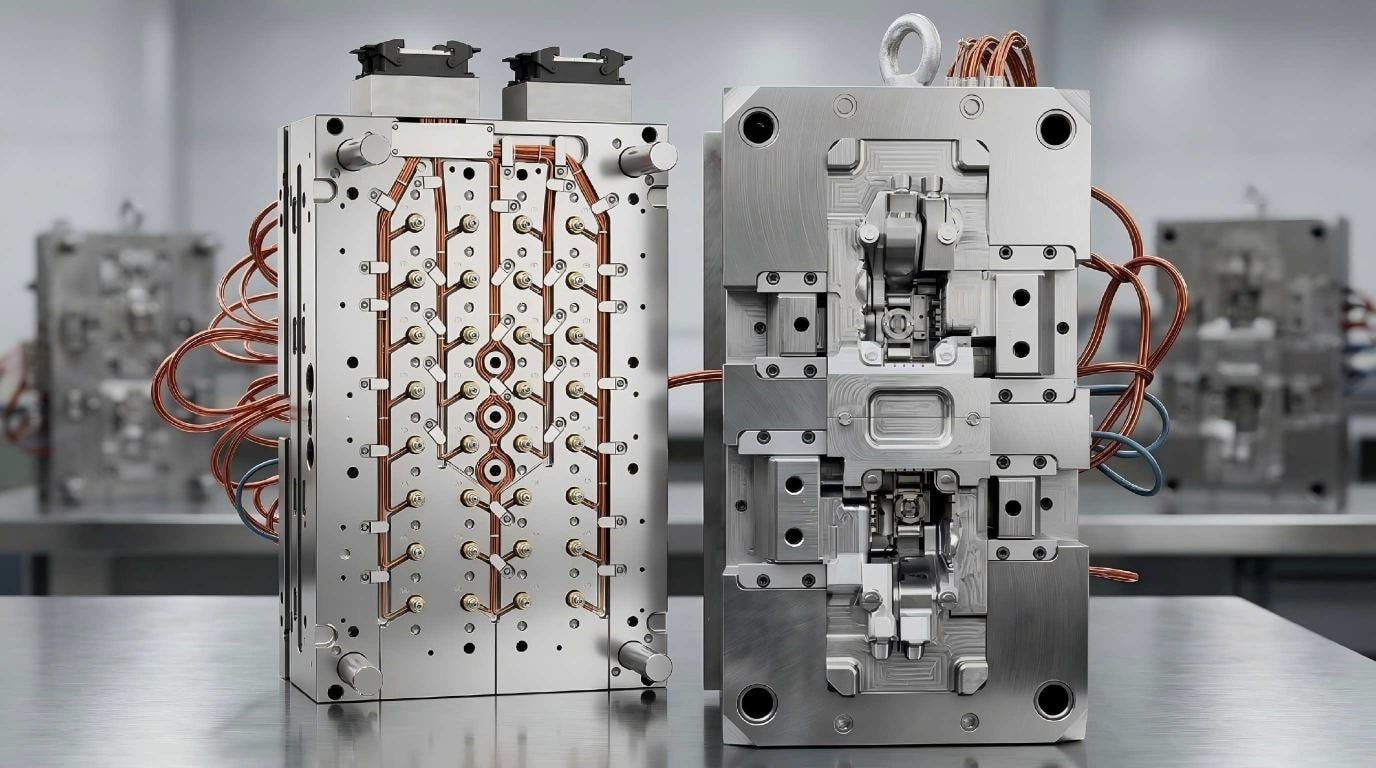
Stack Mold for High-Volume
Delivered a high-output stack mold project from initial design to mold shipping in approximately 9 weeks.
Showcases our capacity to design and execute high-output tooling structures under tight deadlines.
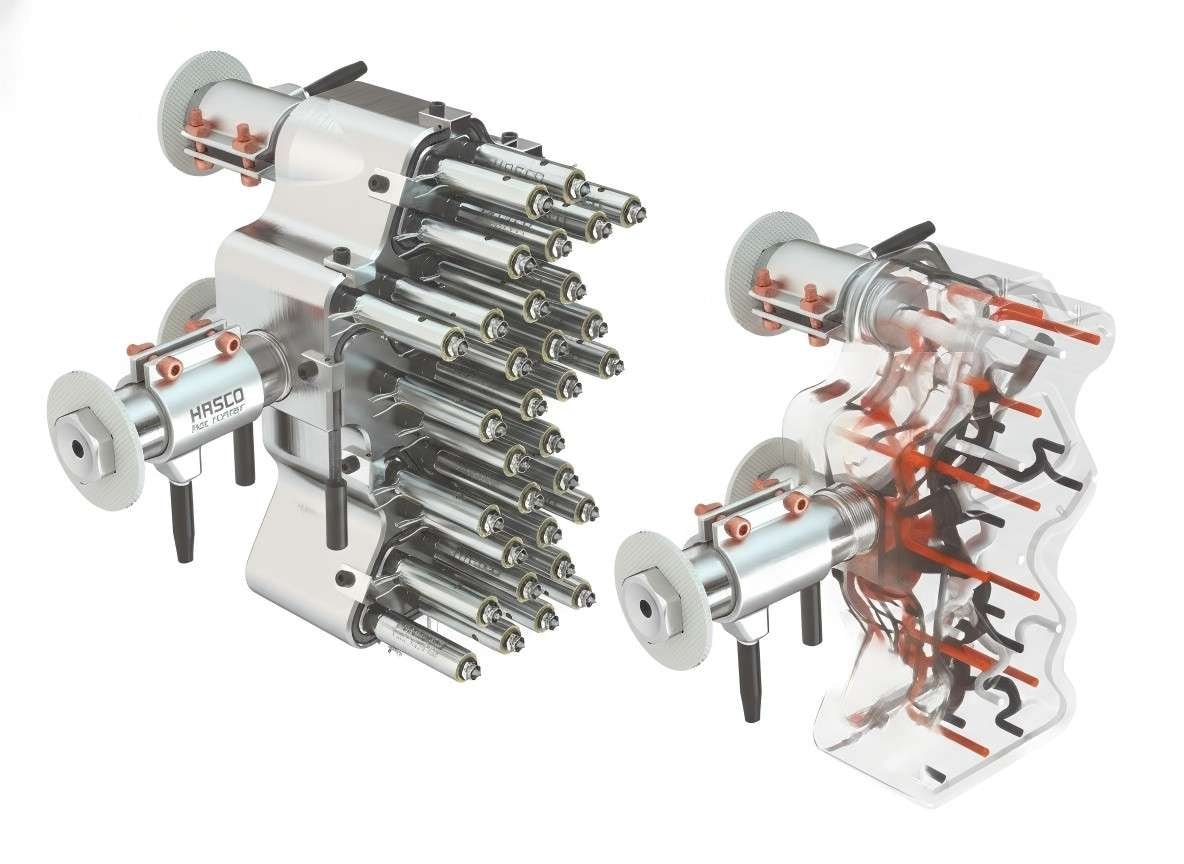
Aircraft Component Molds
Manufactured 4 sets of 1+1 molds for airplane components, with each mold weighing around 1350 kg, featuring complex sliders and lifters.
Highlights our ability to handle large-scale, structurally complex molds with strict project management.
Frequently Asked Questions
What is a multi-cavity mold?
What are the benefits of using a multi-cavity mold?
When should I choose a multi-cavity mold instead of a single-cavity mold?
Is a 4-cavity or 8-cavity mold always better than a single-cavity mold?
How do I estimate the cost of a multi-cavity mold project?
Does a multi-cavity mold always reduce the cost per part?
How many cavities can an injection mold have?
What mold steel is suitable for high-wear multi-cavity molds?
What are common problems in multi-cavity mold production?
How does GBM control cavity-to-cavity consistency?
Can multi-cavity molds be used for insert molding?
Can GBM help with rapid prototyping before a multi-cavity mold?
Can GBM support UK buyers in London, Essex or Bucks?
What should I check when comparing multi-cavity mold suppliers?
Can GBM support both mold making and injection molding production?
Start Your Multi-Cavity Mold Project with GBM
Send us your project details for a comprehensive DFM review and cavity number recommendation. Our engineers will analyze your files and provide actionable feedback.
Please provide:
- 2D/3D CAD Drawings
- Estimated Annual Volume
- Part Material
- Required Cavity Number (if known)
Phone / WhatsApp
Address
Room 101, Jiumo Technology Park, Gangsheng Road, Yabian Village, Shajing Street, Baoan District, Shenzhen City