Custom ABS Plastic Injection Mold & Molding Services
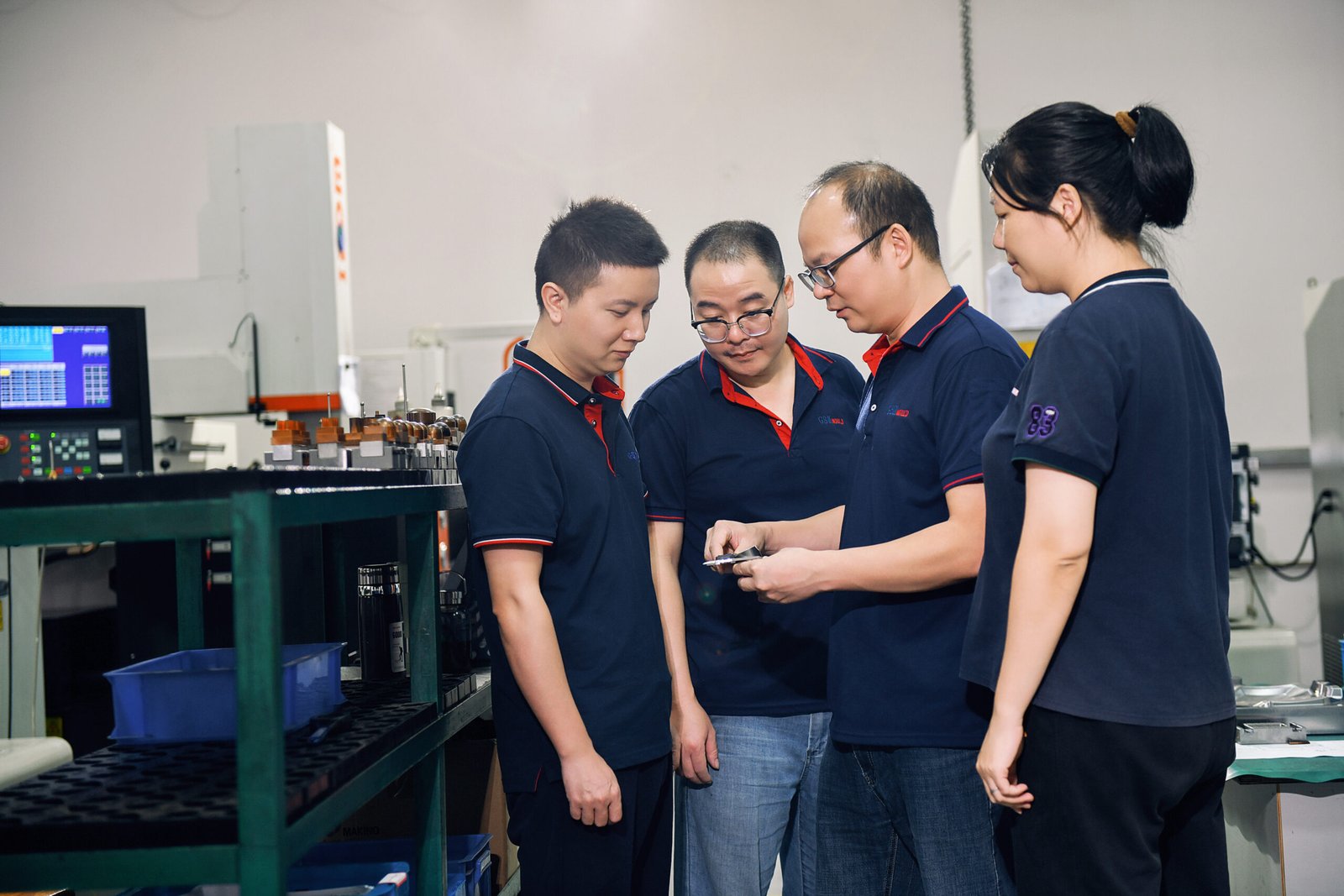
GBM Mold builds custom ABS plastic injection molds and injection molded ABS plastic parts for electronic housings, automotive interiors, medical device covers, appliance shells and structural components. We support DFM review, mold design, T1 samples, ABS molding process adjustment and export tooling.
1500 x 1200 mm Mold Capacity
For large ABS housings, appliance covers, automotive interior trims and structural molded ABS plastic parts.
Prototype to Production Tooling
Aluminum tooling, bridge tooling and hardened steel molds for ABS prototype parts, pilot runs and mass production.
Electronics, Auto & Medical ABS Parts
Injection molded ABS plastic parts for enclosures, clips, covers, control panels and non-implant medical housings.
What Is ABS Plastic Injection Molding?
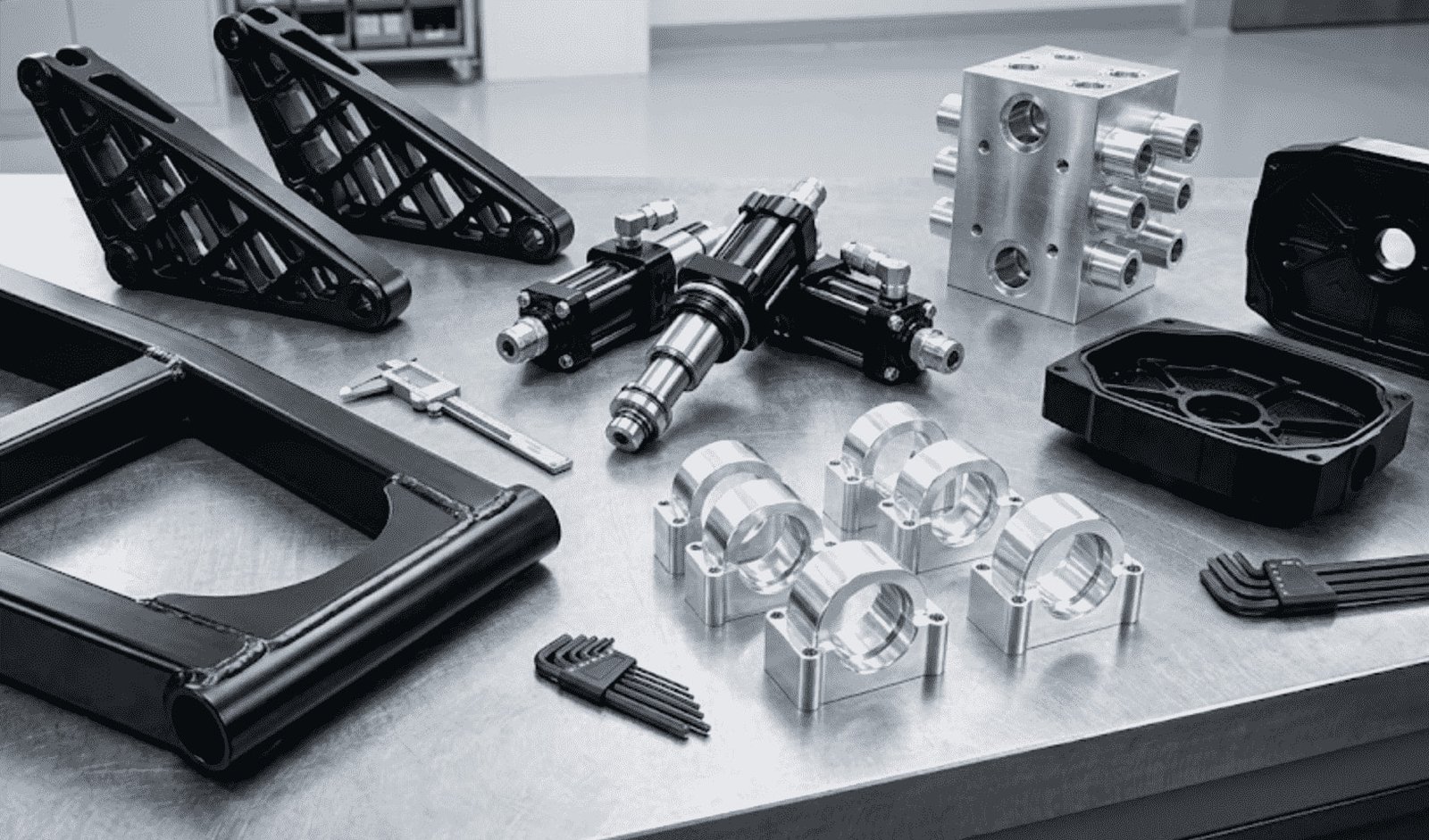
ABS plastic injection molding is used to produce injection molded ABS plastic parts with good impact resistance, dimensional stability and cosmetic surface quality. For buyers, the key is not only choosing ABS resin, but also designing the right ABS plastic injection mold, gate location, cooling layout, wall thickness and shrinkage compensation. ABS (Acrylonitrile Butadiene Styrene) is a highly versatile, opaque thermoplastic polymer widely utilized in custom injection molding. It bridges the gap between standard commercial plastics and high-performance engineering resins, offering an exceptional balance of structural strength, aesthetic quality, and manufacturing processability. ABS plastic injection molding is not only about selecting ABS resin. The final part quality also depends on the ABS plastic injection mold design, gate location, cooling layout, wall thickness, shrinkage compensation and ejection structure.
Acrylonitrile
Enhances chemical resistance, surface hardness, and superior thermal stability.
Butadiene
A rubber derivative that delivers exceptional toughness and impact resistance.
Styrene
Provides structural rigidity, easy processability, and a premium glossy finish.
Engineering Tip
Standard ABS is susceptible to UV degradation, which can cause yellowing and brittleness over time. If your molded parts will be exposed to direct sunlight or harsh outdoor environments, we highly recommend adding UV stabilizers during the compounding phase or opting for an ASA (Acrylonitrile Styrene Acrylate) alternative
Injection Molded ABS Plastic Parts We Make
ABS Electronic Housings & Covers
ABS is used for router shells, control boxes, power supply covers and consumer electronics housings that need impact resistance and a clean surface.
ABS Automotive Interior Trim Parts
Molded ABS plastic works well for dashboard trims, switch housings, clips, covers and interior structural components.
ABS Medical Device Housings
ABS can be used for non-implant medical equipment housings, diagnostic device covers and handheld plastic shells.
ABS Appliance & Industrial Covers
Suitable for appliance panels, machine covers, protective cases and structural ABS molded components.
Prototype ABS Parts
GBM supports aluminum tooling and bridge tooling for early ABS part testing before steel production molds.
Cosmetic Molded ABS Plastic Parts
For visible covers and panels, we support texture, polishing, painting, plating and color matching requirements.
ABS Material Options
Selecting the optimal resin is critical for precision injection molding. Compare the tensile strength and heat deflection temperature across our standard and engineering-grade ABS materials to ensure your product meets its operational demands.
ABS vs PC vs PP Injection Molding
| Material | Best For | Key Advantage | Limitation |
|---|---|---|---|
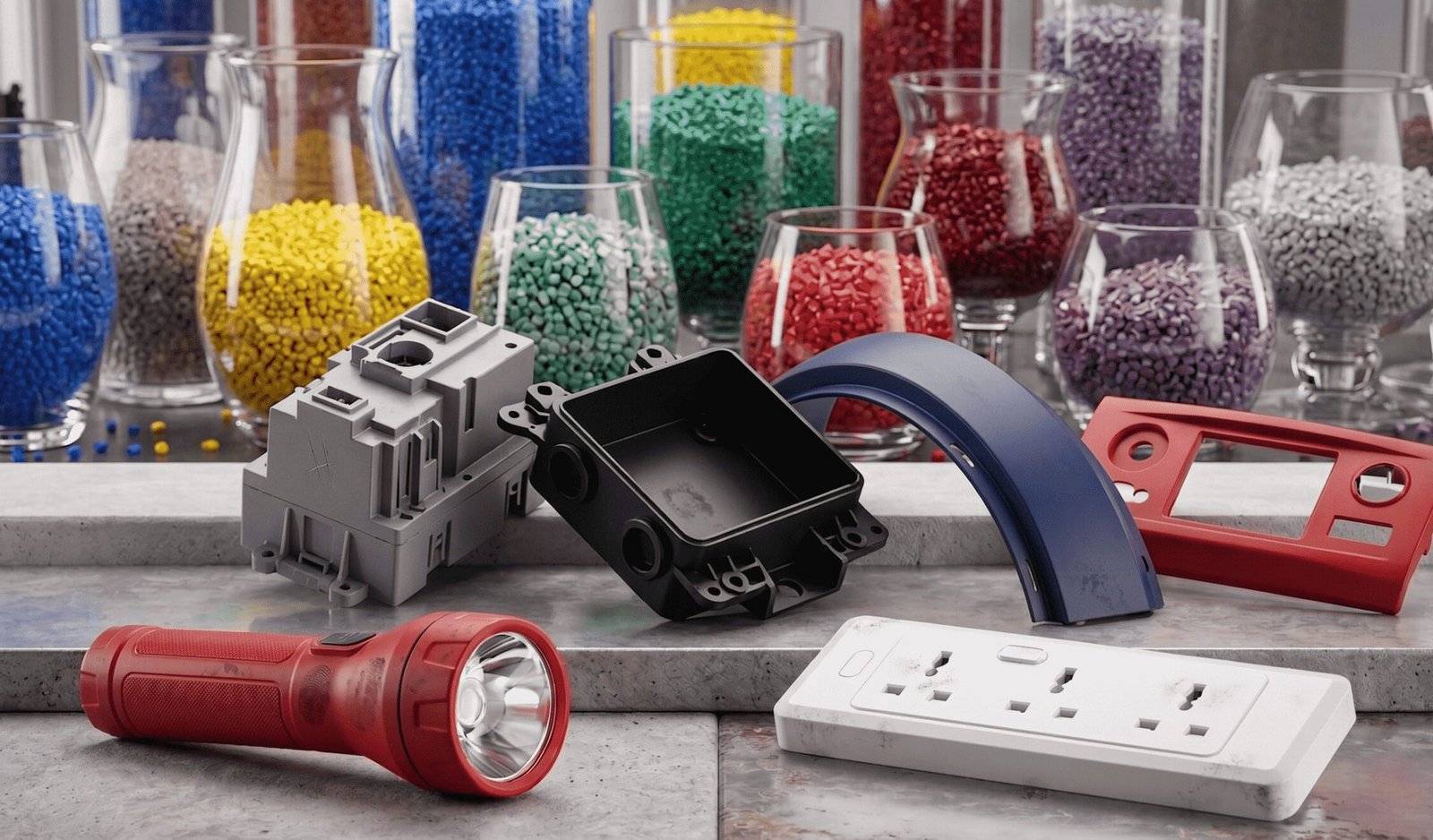
| ABS | Housings, covers, clips, interior parts | Balanced cost, impact strength and surface finish | Lower heat resistance than PC |
| PC | Transparent parts, high-impact covers, stronger housings | Higher impact and heat resistance | Higher molding difficulty and cost |
| PP | Living hinges, chemical-resistant parts, lightweight covers | Good chemical resistance and flexible hinge design | Lower rigidity and surface finish than ABS |
ABS Injection Molding Process Parameters
The recommended ABS injection molding parameters should be adjusted according to ABS grade, wall thickness, gate design, mold temperature, surface finish and part structure. GBM reviews these factors during DFM and T1 trial to reduce warpage, sink marks, weld lines and surface defects.
Moisture Control
ABS is hygroscopic. We strictly dry all ABS resins at 80°C - 90°C for 2 to 4 hours prior to injection to prevent splay marks and silver streaks, ensuring cosmetic perfection.
Shrinkage Management
Standard ABS shrinks uniformly at 0.4% - 0.9%. Our engineers account for this during the mold design phase to eliminate warping in flat enclosures.
Optimal Tooling Steel
For standard SPI finish, we utilize P20 or H13 steel. For high-gloss cosmetic parts, we upgrade to NAK80 or S136 stainless steel to achieve an SPI-A2 mirror finish.
| Process Item | Recommended Range | Why It Matters |
|---|---|---|
| Resin Drying | 80–90°C, 2–4 hours | Reduces splay marks and silver streaks |
| Melt Temperature | 180–240°C | Affects flow, weld lines and material degradation |
| Mold Temperature | 40–80°C | Helps control surface quality and shrinkage |
| Wall Thickness | 1.2–3.5 mm | Reduces sink marks and warpage |
| ABS Shrinkage | 0.4%–0.9% | Used for mold cavity compensation |
| Draft Angle | 1°–2° | Helps smooth ejection and avoids scratches |
Common Defects in ABS Injection Molding and How We Fix Them
| Defect | Common Cause | GBM Mold Solution |
|---|---|---|
| Silver Streaks / Splay Marks | ABS moisture or overheating | Pre-dry ABS resin and control barrel temperature |
| Sink Marks | Thick ribs, bosses or uneven wall thickness | Optimize rib ratio, hollow thick sections and adjust packing |
| Warpage | Uneven cooling or shrinkage | Improve cooling layout, gate location and cavity compensation |
| Weld Lines | Poor flow front meeting position | Adjust gate location, melt temperature and injection speed |
| Burn Marks | Poor venting or trapped air | Add venting grooves and optimize injection speed |
| Short Shot | Thin wall, poor flow or small gate | Use high-flow ABS, adjust gate size and improve venting |
| Stress Whitening | Snap-fit stress or poor radius design | Review clip geometry, radius, wall thickness and assembly force |
Best Practices for Designing Molds for ABS Plastic
Before mold manufacturing, GBM checks ABS part structure to reduce sink marks, warpage, stress whitening, ejection scratches and assembly failure. This helps buyers avoid repeated T1 corrections and unstable molded ABS plastic parts during production. Before we start cutting steel, let's look at your 3D model together. Our engineers will help you spot structural issues, prevent common molding defects, and save money on unnecessary mold modifications later. We want your parts to fit perfectly and look great on the first try.
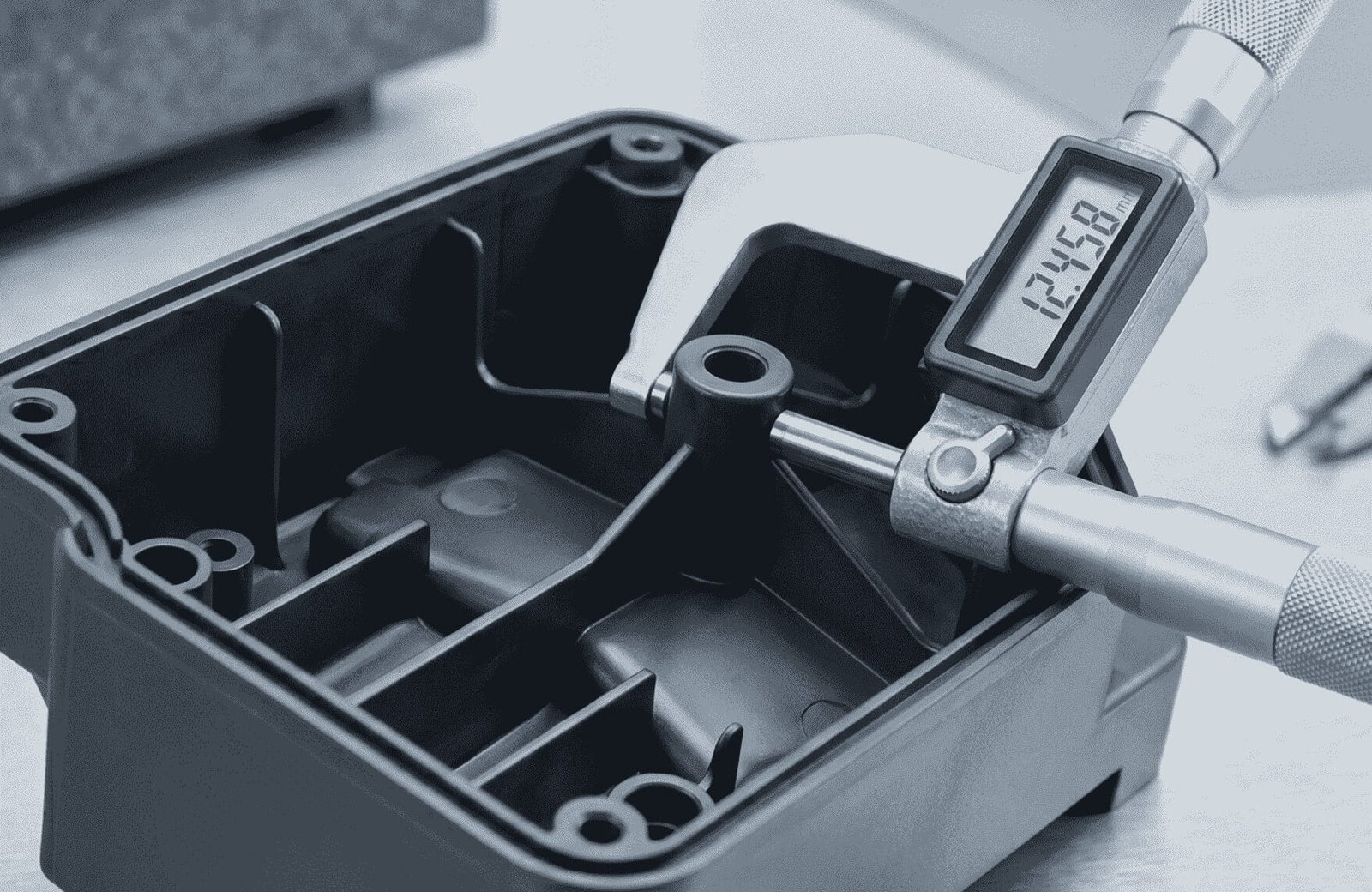
Keep Wall Thickness Even
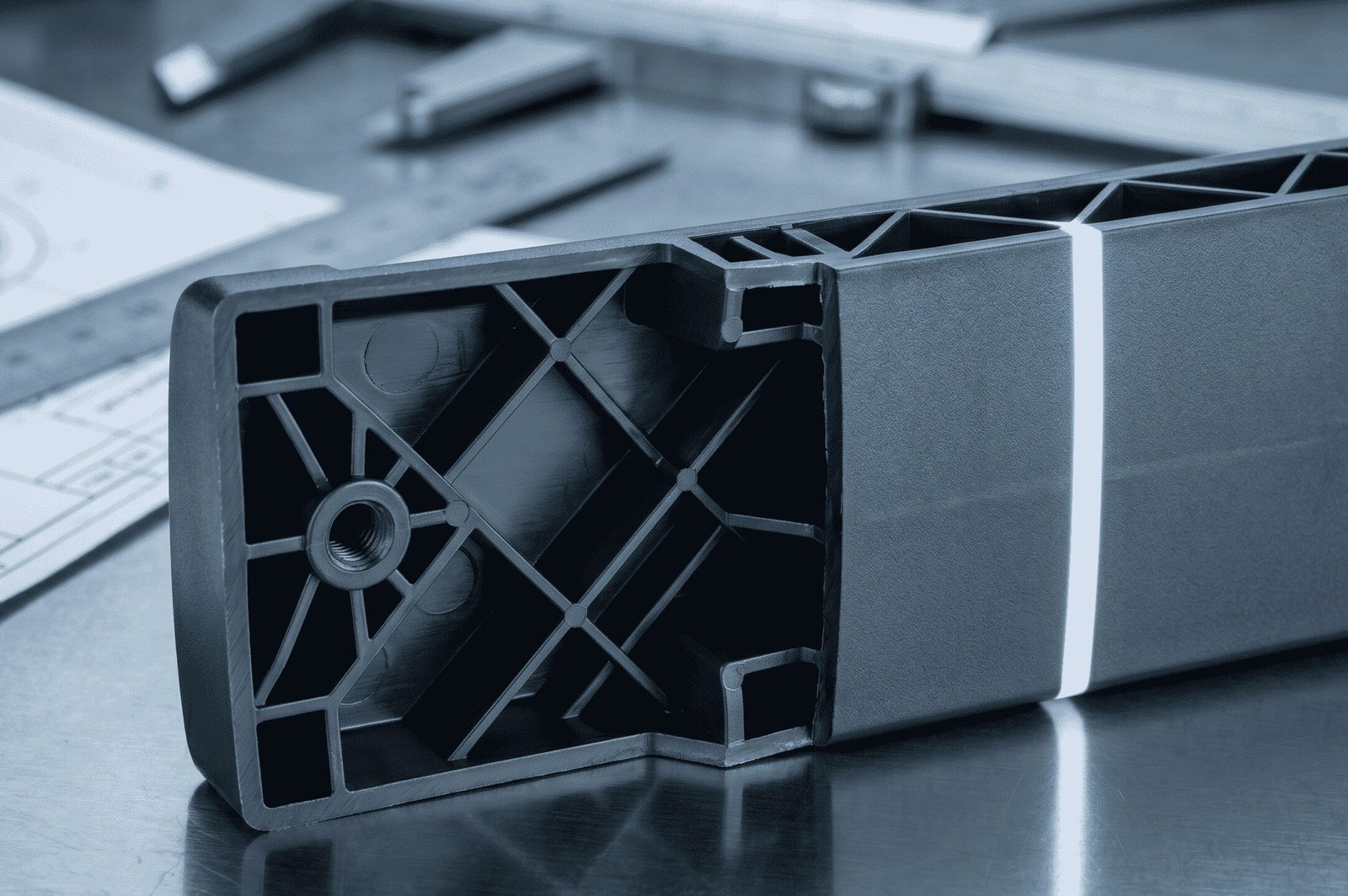
Recommended: 1.2mm - 3.5mm. ABS is sensitive to thick-to-thin transitions. If the walls are uneven, the plastic cools at different speeds, which usually leaves you with sink marks (those annoying little dents on the surface) or warped parts. We’ll review your CAD file and suggest practical ways to hollow out thick sections or smooth out the transitions.
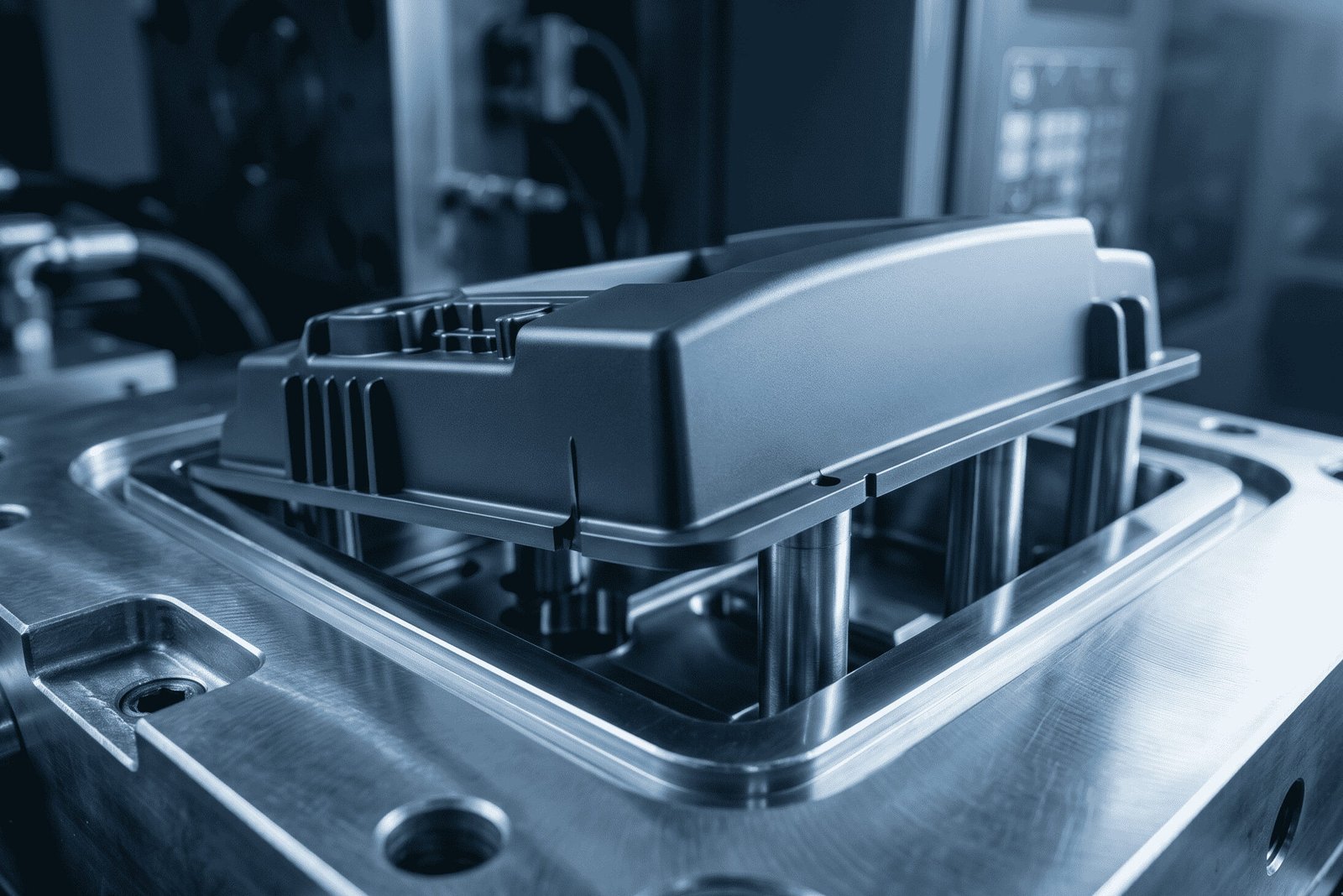
Plan for ABS Shrinkage
Typical ABS shrinkage: 0.5% - 0.7%. ABS naturally shrinks a bit as it cools down in the mold. If we don't plan for this, your parts simply won't fit together during assembly. Just let us know which specific ABS grade you plan to use (like Chimei or Sabic), and we’ll adjust the mold cavities to compensate for that exact shrink rate.
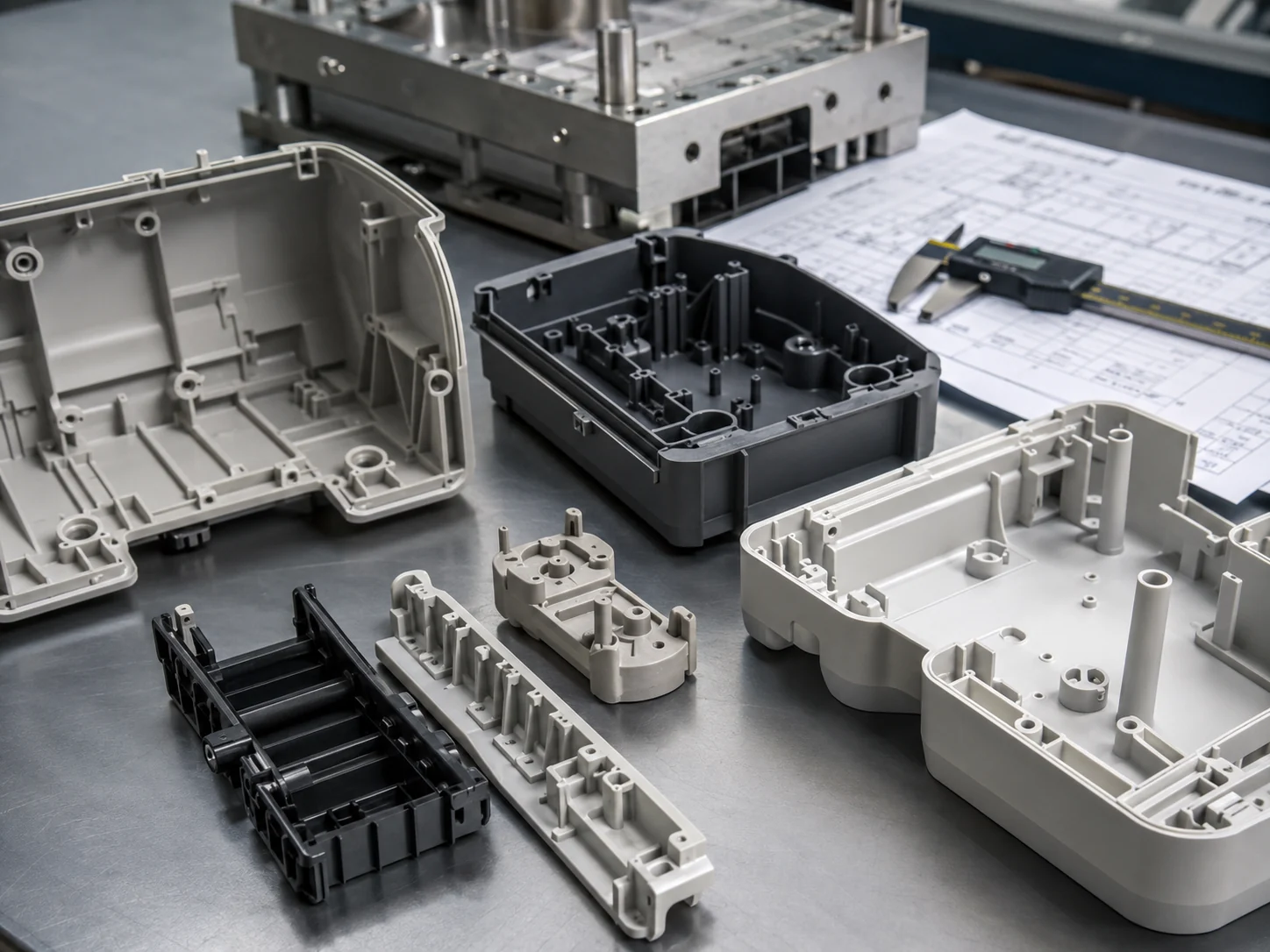
Add Draft Angles for ABS Mold Release
Standard rule: 1° - 2° per side. Think of baking a cake—you need sloped sides to get it out of the pan in one piece. Injection molding works the same way. Adding a slight angle to vertical walls stops your part from sticking or getting scratched when it pops out. If you need a textured surface finish, we'll advise you on exactly how much extra angle to add.
Control Ribs, Bosses and Snap-Fit Features
Optimize internal structures. ABS is often used for housings, clips and structural parts. We check rib thickness, boss support, screw posts and snap-fit areas to reduce sink marks, whitening, cracking and assembly stress.
Recommended Mold Materials for ABS Parts
| Project Type | Suggested Mold Material | Suitable Use |
|---|---|---|
| Prototype ABS Parts | AL7075 Aluminum | Fast samples, early testing, low-volume validation |
| Standard ABS Production | P20 Steel | General housings, covers, brackets and molded ABS parts |
| High-Volume ABS Molding | H13 Steel | Long production runs, multi-cavity molds and stable output |
| High-Gloss ABS Parts | NAK80 / S136 | Cosmetic covers, polished surfaces and visible housings |
| FR-ABS / Electronics Parts | H13 / S136 | Flame-retardant ABS housings and electrical applications |
For most standard ABS molded parts, P20 steel is enough for stable production. NAK80 or S136 is usually selected when the part requires high-gloss surface, polished finish, visible cosmetic appearance or long-term stable production. For prototype ABS parts, aluminum tooling can reduce lead time and early testing cost.
Custom ABS Plastic Molding from Prototype to Production
Whether you're testing a design for North America or securing Europe's supply chain, our tooling meets your timeline with reliable lead times, steady output, and consistent quality.
This tooling route helps buyers choose the right mold investment based on part validation stage, expected volume, lead time and production risk.
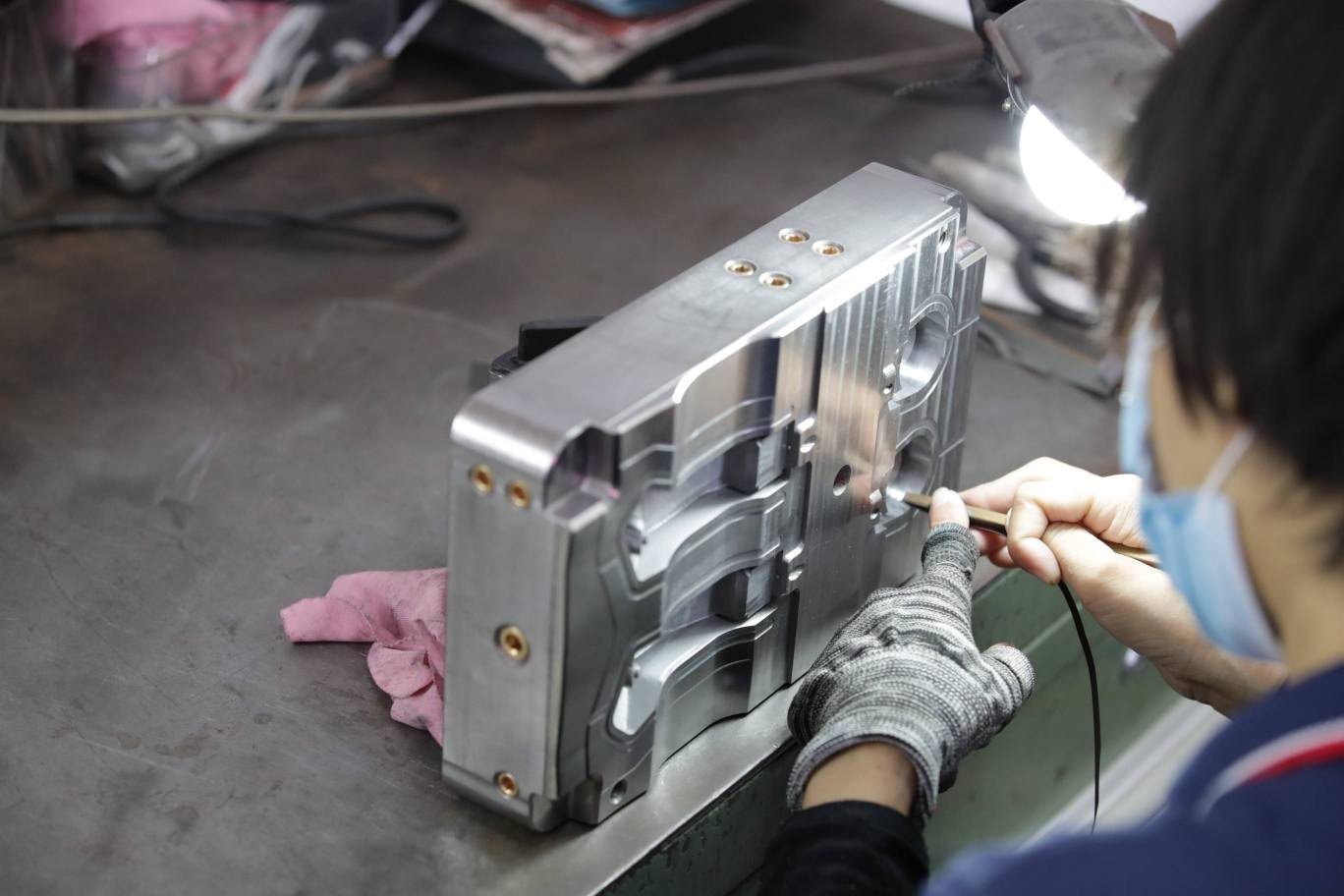
Fast Testing with Aluminum ABS Tooling
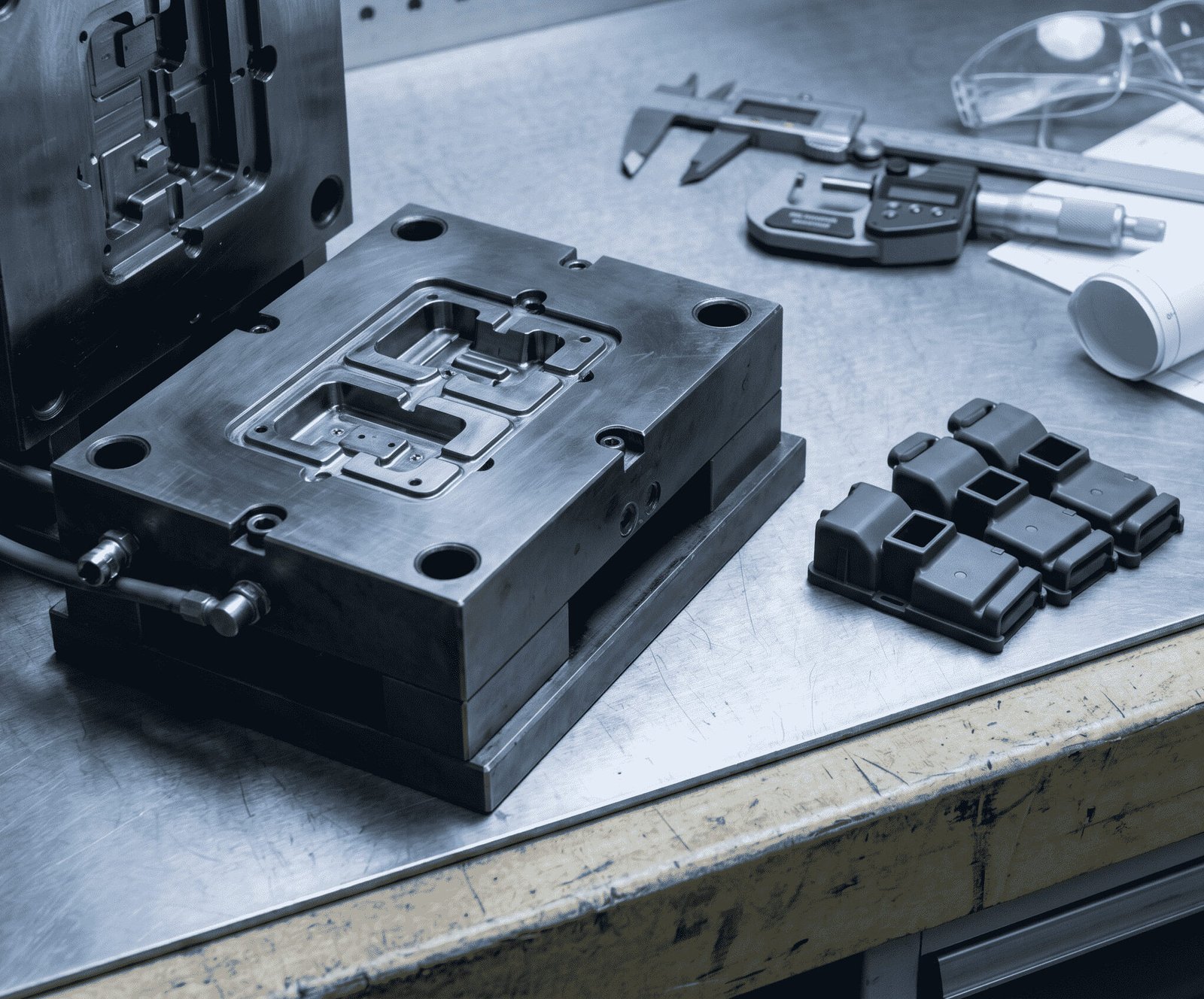
When you need parts quickly to test the market, an aluminum mold (AL7075) is ideal. T1 samples ship in 10-15 days, helping verify designs and avoid costly steel changes.
Bridge Tooling for Pilot ABS Parts
Ready for your first parts? Pre-hardened P20 steel builds faster bridge molds, reducing wait times while ensuring stable tooling for smooth assembly.
Hardened Steel Molds for High-Volume ABS Production
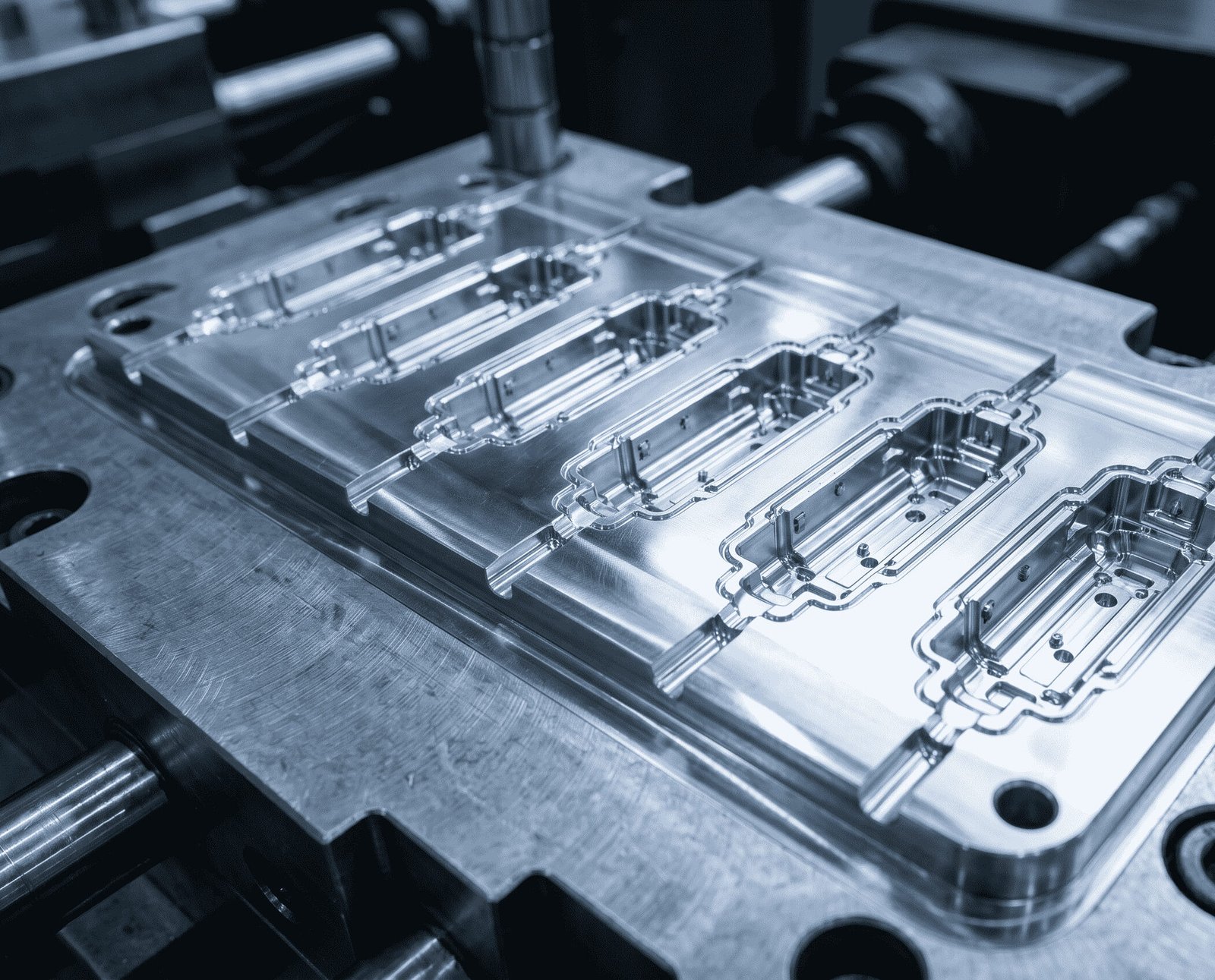
When capacity matters, consistency is key. We use H13 or S136 steel for durable multi-cavity molds, optimizing cooling for tight cycles and stable shots, ensuring steady supply and low per-part costs.
ABS Molded Parts Inspection and Export Delivery
For injection molded ABS plastic parts, we check key dimensions, surface defects, assembly fit, material batch records, packaging method and shipment requirements before delivery.
First Article Inspection for ABS Parts
We measure your parts using CMM. When we send your T1 samples, we include a clear dimensional report. This makes it easy for your engineering team to verify the specs and move the project forward without guessing.
ABS Resin Tracking, COA and RoHS
We only use authentic resins. To give you peace of mind, every production batch comes with standard COA (Certificate of Analysis) and RoHS paperwork. You will always know exactly what material went into your parts.
DDP Shipping for Molded ABS Plastic Parts
We handle the freight and customs headaches so you don't have to. We ship DDP (Delivered Duty Paid) directly to your warehouse or assembly line, focusing heavily on routes to North America and Europe.
Reliable ABS Tooling
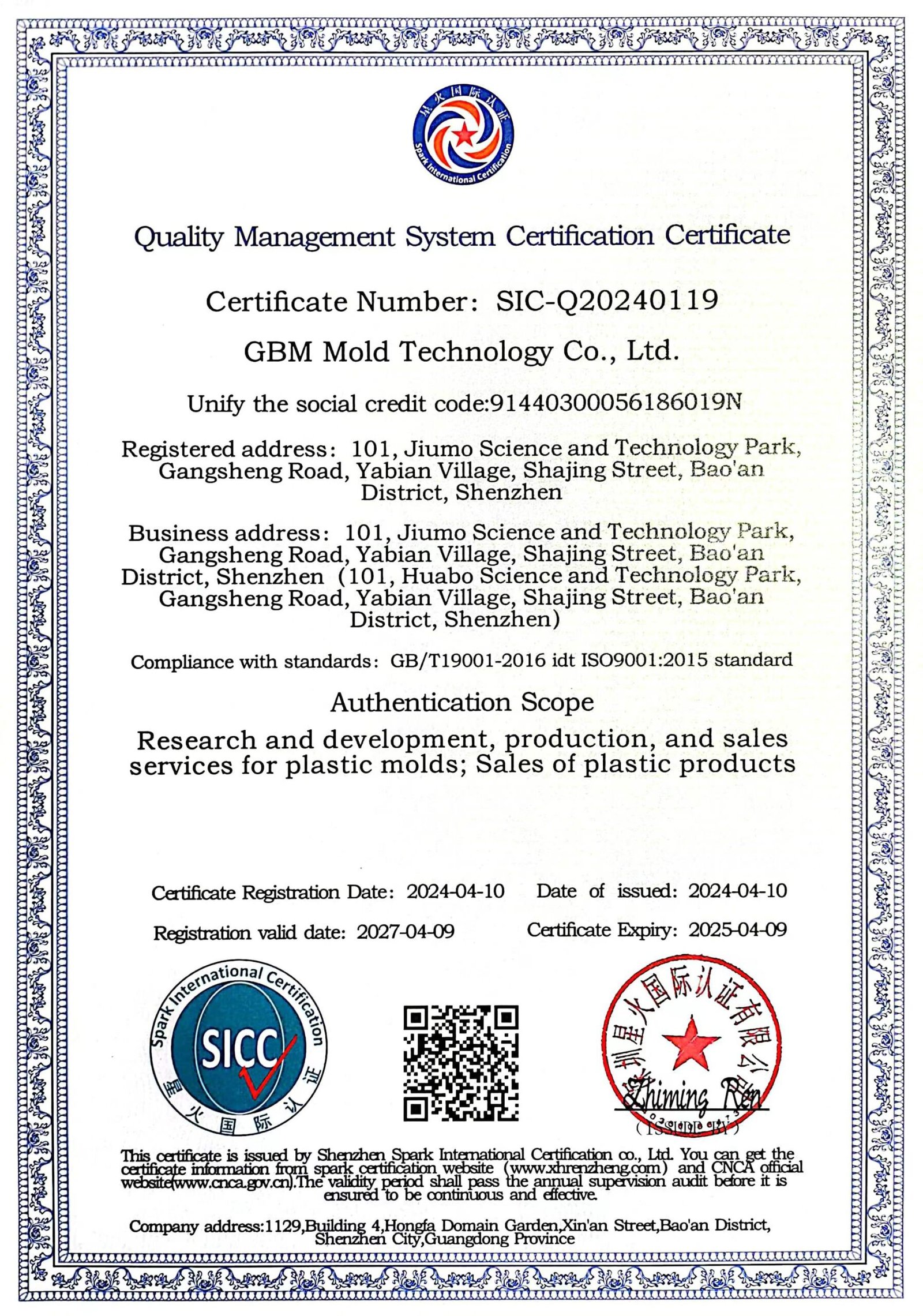
We build ISO-certified molds for your ABS parts. No over-promising, just solid engineering to control shrinkage and ensure your parts fit together perfectly.
Years in ABS Mold Projects
Real experience with ABS shrinkage, warpage, sink marks, cosmetic surfaces and assembly fit.
CNC Machined Precision Tooling
Machined mold inserts, cavity details, shut-offs and fitting surfaces for stable molded ABS plastic parts.
Fast T1 Samples for Simple ABS Tooling
For simple ABS tooling or prototype molds, we can support fast T1 sample schedules after DFM and mold design confirmation.
24H Initial DFM Feedback
Review wall thickness, draft angle, ribs, bosses, clips and shrinkage before mold manufacturing.
How to Choose an ABS Injection Molding Supplier
ABS Material Knowledge
The supplier should understand General ABS, High Flow ABS, FR-ABS, Glass-Filled ABS and PC/ABS blend, including shrinkage, flow, surface finish and application limits.
Mold Design Capability
The supplier should review wall thickness, ribs, bosses, clips, gate location, cooling layout and ejection design before cutting steel.
Defect Troubleshooting
The supplier should be able to solve silver streaks, sink marks, warpage, weld lines, burn marks, short shots and stress whitening during T1 trial.
Inspection and Export Support
The supplier should provide T1 samples, dimensional reports, material records, packaging photos and export delivery support for overseas projects.
Industries We Serve







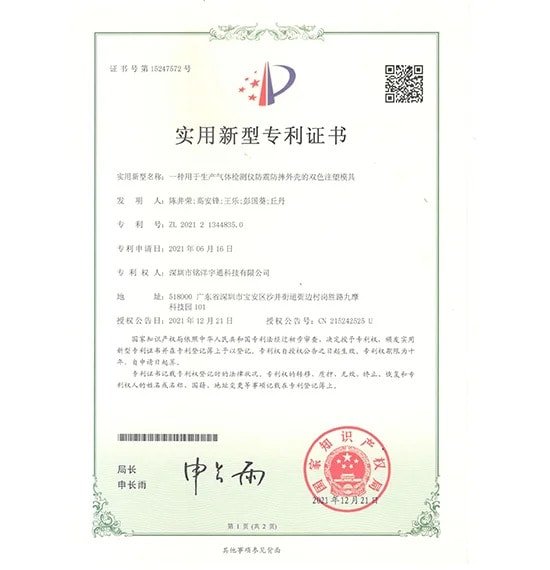
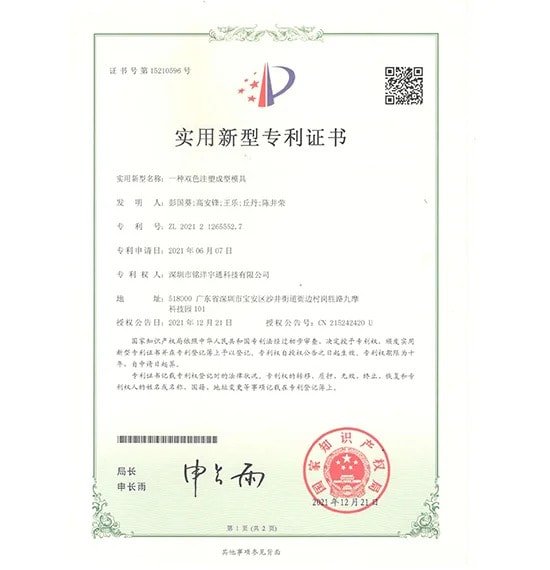
Certifications
Frequently Asked Questions about ABS Molding
Find answers to common technical queries about ABS injection molding. Can't find what you're looking for? Our engineering team provides 24H DFM support to resolve your specific project challenges.
Call Us Directly
+86 13632611848
Can ABS be injection molded?
Yes. ABS is one of the most common thermoplastics for injection molding because it has good flow, impact resistance and surface finish.
What is injection molded ABS plastic used for?
What is the difference between ABS plastic injection mold and ABS injection molding?
What affects the cost of custom ABS plastic molding?
What mold steel is suitable for ABS injection molded parts?
How do you prevent warpage in molded ABS plastic parts?
How do I choose an ABS injection molding supplier?
What are common defects in ABS injection molding?
Can you make ABS injection molded parts for prototypes?
Can ABS be used for medical plastic housings?
What files are needed for an ABS injection mold quote?
How long does an ABS injection mold take?
ABS vs PC vs PP: which material should I choose?
Ready to Review Your ABS Plastic Injection Mold Project?
Send your STEP/IGES files, ABS material grade, surface finish requirement and annual volume. GBM Mold will review your part structure, suggest tooling strategy, check ABS molding risks and provide a quote for ABS plastic injection mold manufacturing or injection molded ABS plastic parts production.
Email Us
Annie@gbminjection.comCall Us
+86 13632611848Headquarters
Room 101, Jiumo Technology Park, Gangsheng Road, Yabian Village, Shajing Street, Baoan District, Shenzhen City