High Volume Injection Molding Services for Stable Mass Production
GBM provides high volume plastic injection molding services for OEM plastic parts that need stable mass production, consistent dimensions and lower unit cost. From DFM review and production mold tooling to T1 samples, material validation, multi-cavity molds, quality inspection and export packaging, we support plastic part projects moving from approved design to repeatable high-volume production.
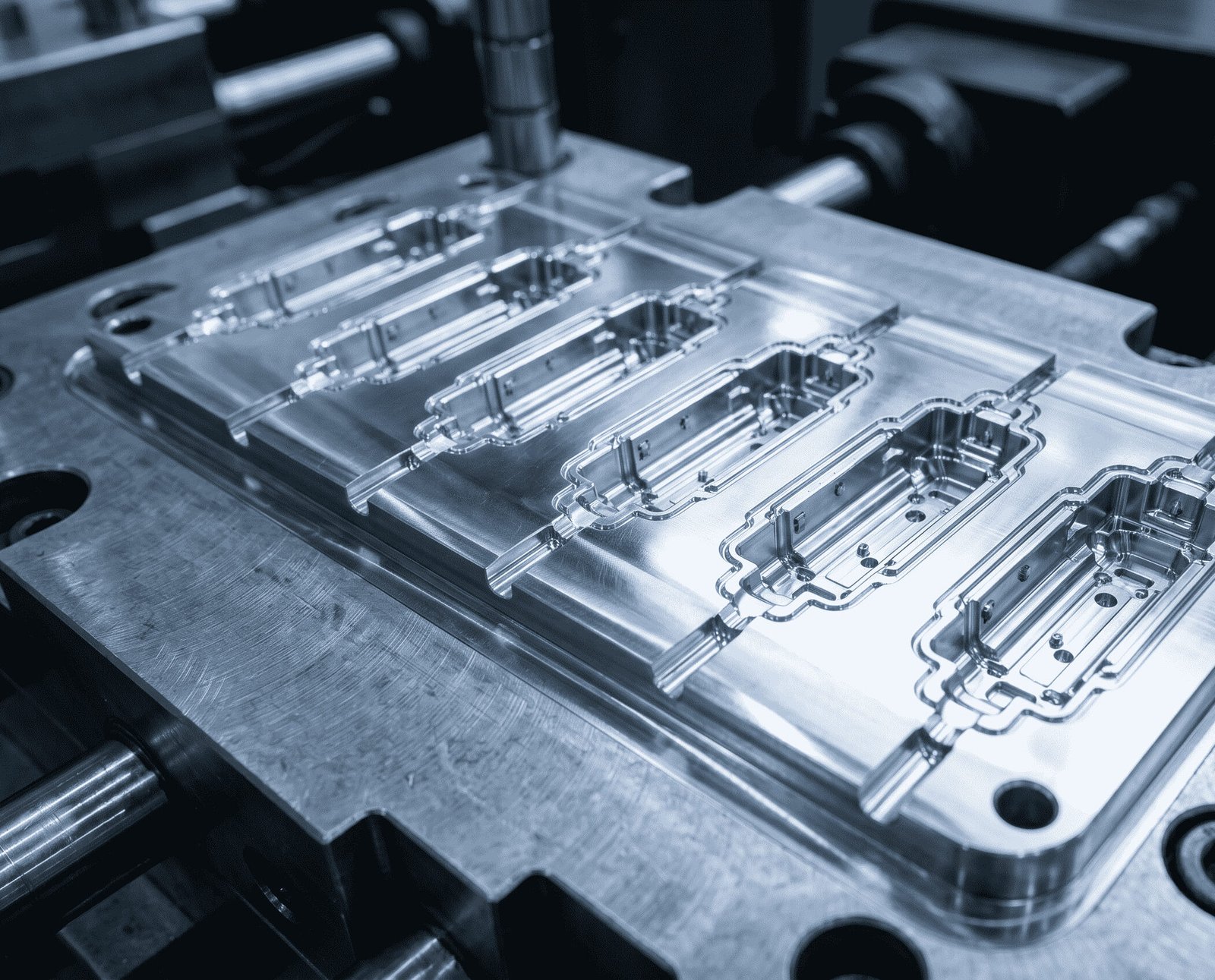
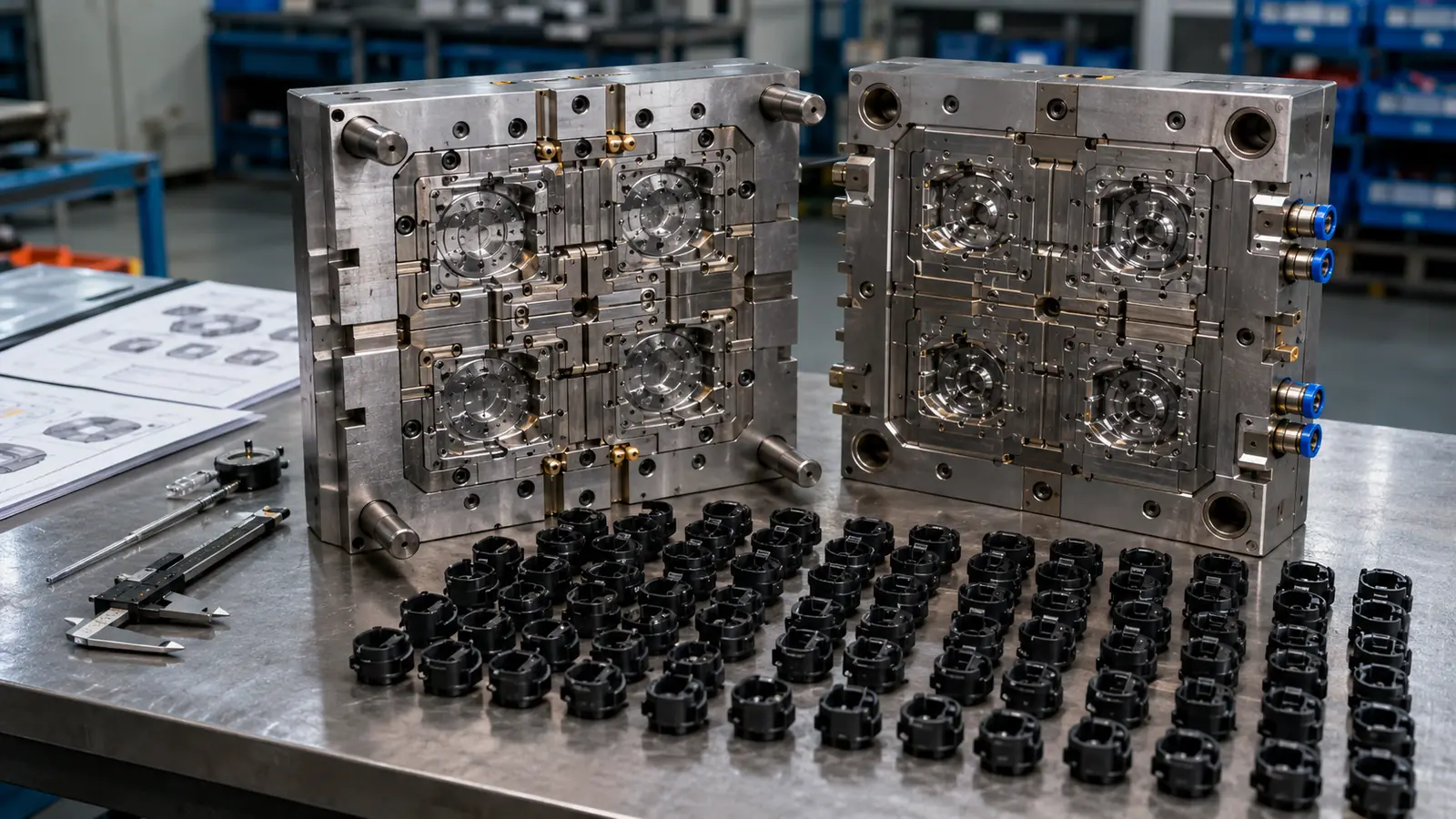
Production Mold Tooling
Hardened steel mold options designed for repeated long-term production cycles and minimal maintenance.
Multi-Cavity Mold Design
2-cavity, 4-cavity, 8-cavity or custom cavity layouts based on your annual volume and part structure.
Stable Batch Quality
Strict T1 validation, sample approval, critical dimensional inspection and continuous process monitoring.
OEM Export Support
Detailed DFM feedback, material advice, packing photos and reliable shipment support for overseas buyers.
What Is High Volume Injection Molding?
High volume injection molding is a plastic manufacturing process used to produce large quantities of identical or similar plastic parts with stable quality, repeatable dimensions, and reduced unit cost.
Compared with prototype or low-volume molding, high-volume projects normally require stronger production tooling made of hardened steel, optimized cooling channels, balanced runner or hot runner design, stable injection parameters, and a strict quality plan for continuous production.
This process is suitable for tens of thousands, hundreds of thousands, or millions of parts. The exact volume threshold depends on the part size, material, tooling investment, and annual demand. The core focus is establishing a repeatable process window rather than just cutting a mold.
The Mass Production Workflow
High Volume Injection Molding Capabilities
Detailed specifications for our production molding services.
| Item | GBM Capability Suggestion |
|---|---|
| Service Type | High volume injection molding, custom plastic injection molding, production mold tooling |
| Mold Type | Hardened steel mold, multi-cavity mold, hot runner mold, cold runner mold, insert mold, overmolding mold |
| Cavity Options | Single-cavity validation, 2-cavity, 4-cavity, 8-cavity, 16-cavity or custom layout |
| Materials | ABS, PP, PC, PA6/PA66, POM, TPE, TPU, PC/ABS, PBT, PPS, PEEK and custom engineering resins |
| Production Stage | DFM review, mold design, mold making, T1 trial, sample approval, mass production |
| Typical Parts | Housings, covers, brackets, clips, caps, connectors, enclosures, precision plastic components |
| Surface Options | Polished, textured, matte, high-gloss, transparent, color-matched surface |
| Quality Support | Sample inspection, CMM, dimensional report, material confirmation, visual inspection, batch checking |
| Buyer Support | Drawing review, DFM notes, T1 sample photos/video, packaging photos, export shipment support |
High Volume Injection Molding Solutions We Support
Tailored production strategies based on your part structure, material, and volume requirements.
High Volume Plastic Injection Molding
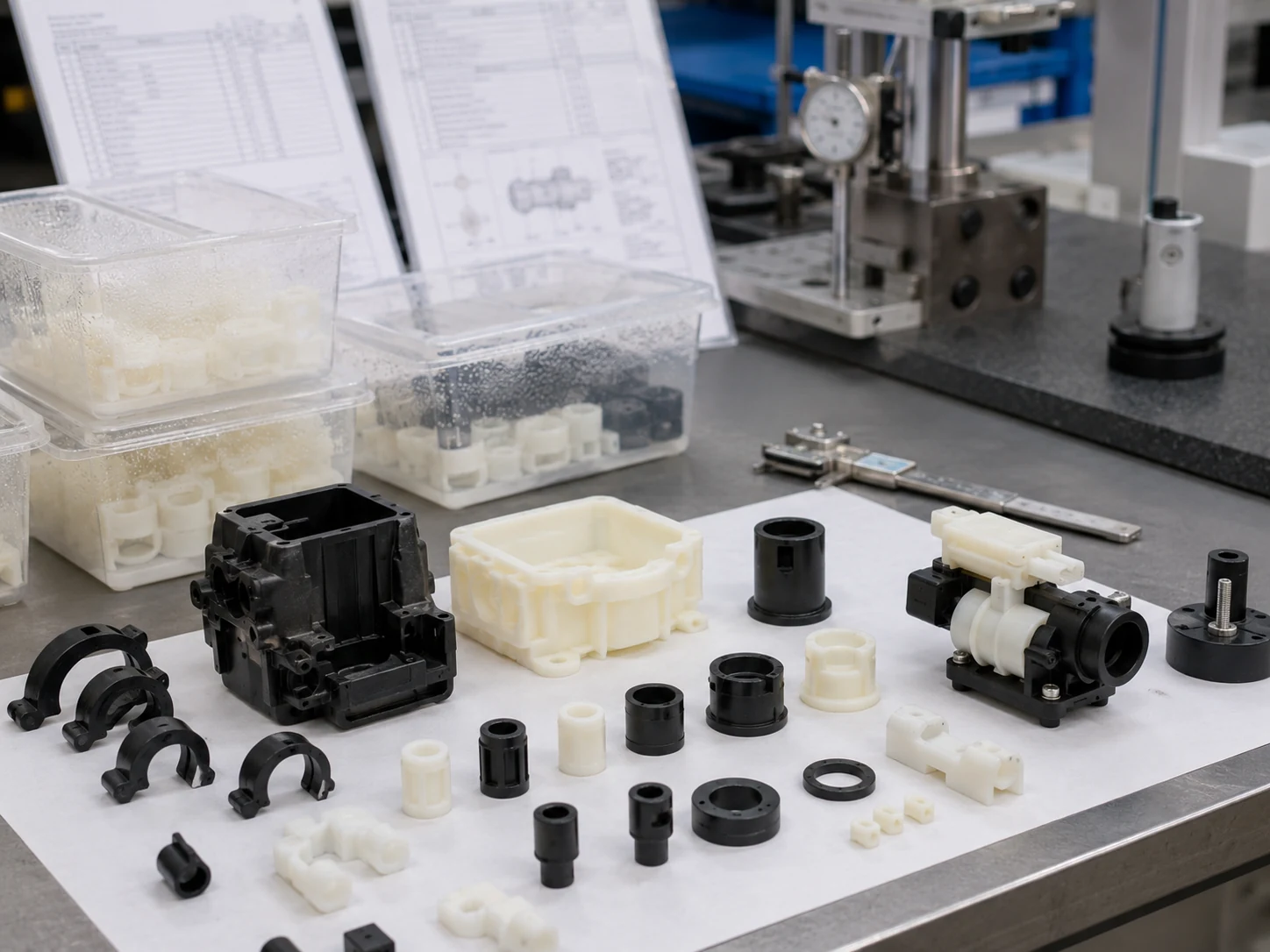
Used for standard OEM plastic parts such as enclosures, covers, brackets, clips, and connector shells. We focus on establishing stable cycle times and batch consistency to reduce the unit cost over long production runs.
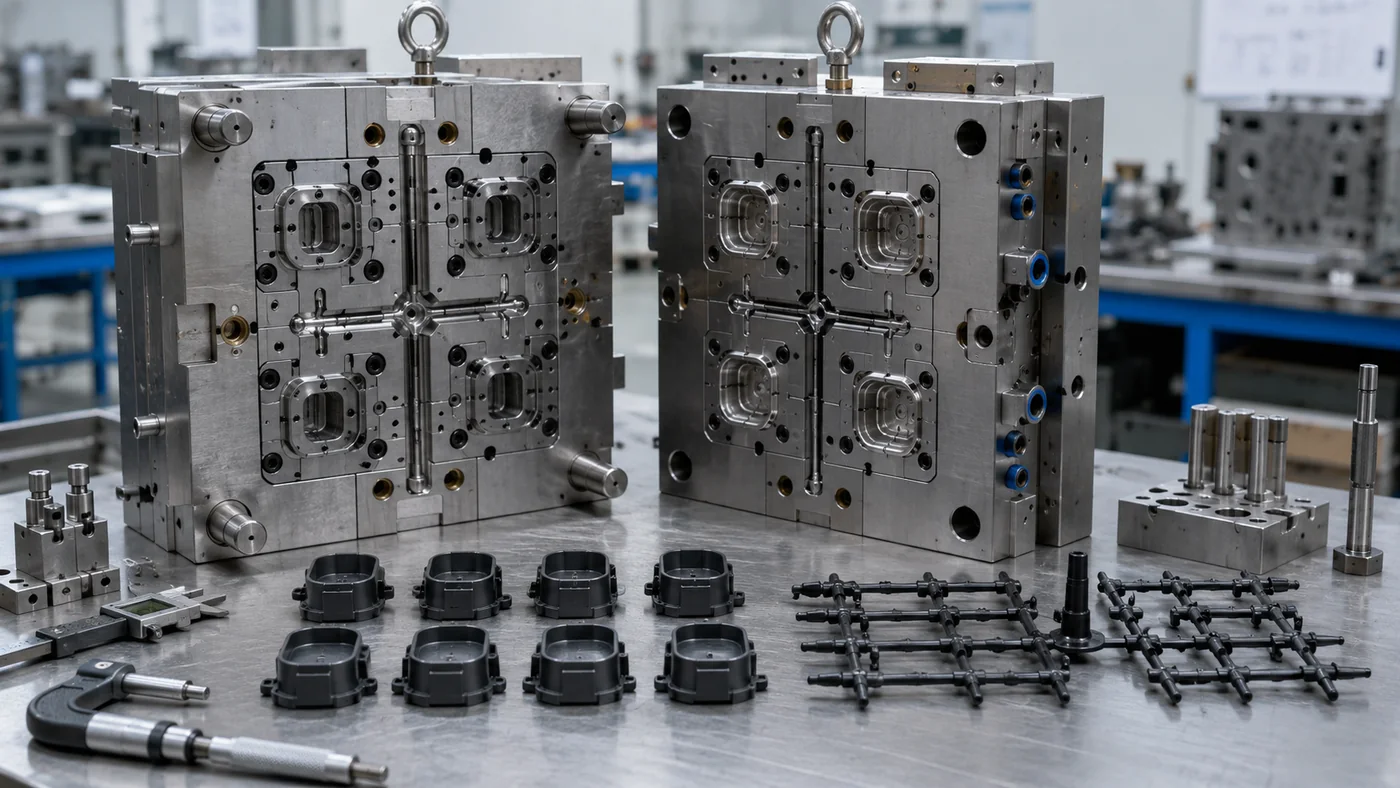
Multi-Cavity High Volume Mold
Ideal for projects with large annual demands. We design 2, 4, 8, or 16-cavity layouts with balanced gate feeding and consistent cooling to minimize cavity-to-cavity dimensional variations and increase output per cycle.
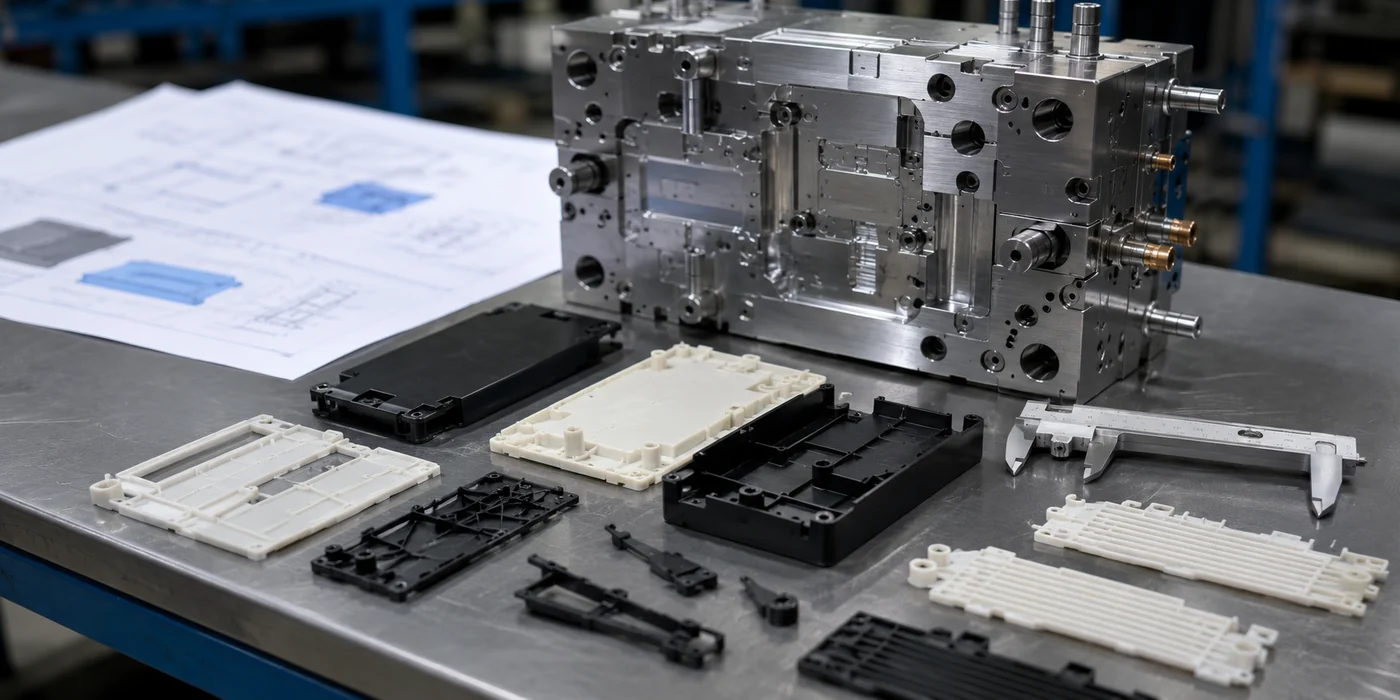
High Volume Injection Mold Tooling
Dedicated steel mold projects designed for long-term production. We evaluate mold steel hardness, replaceable inserts, gate lifespan, venting, and ejection stability to ensure the tool survives hundreds of thousands of shots.
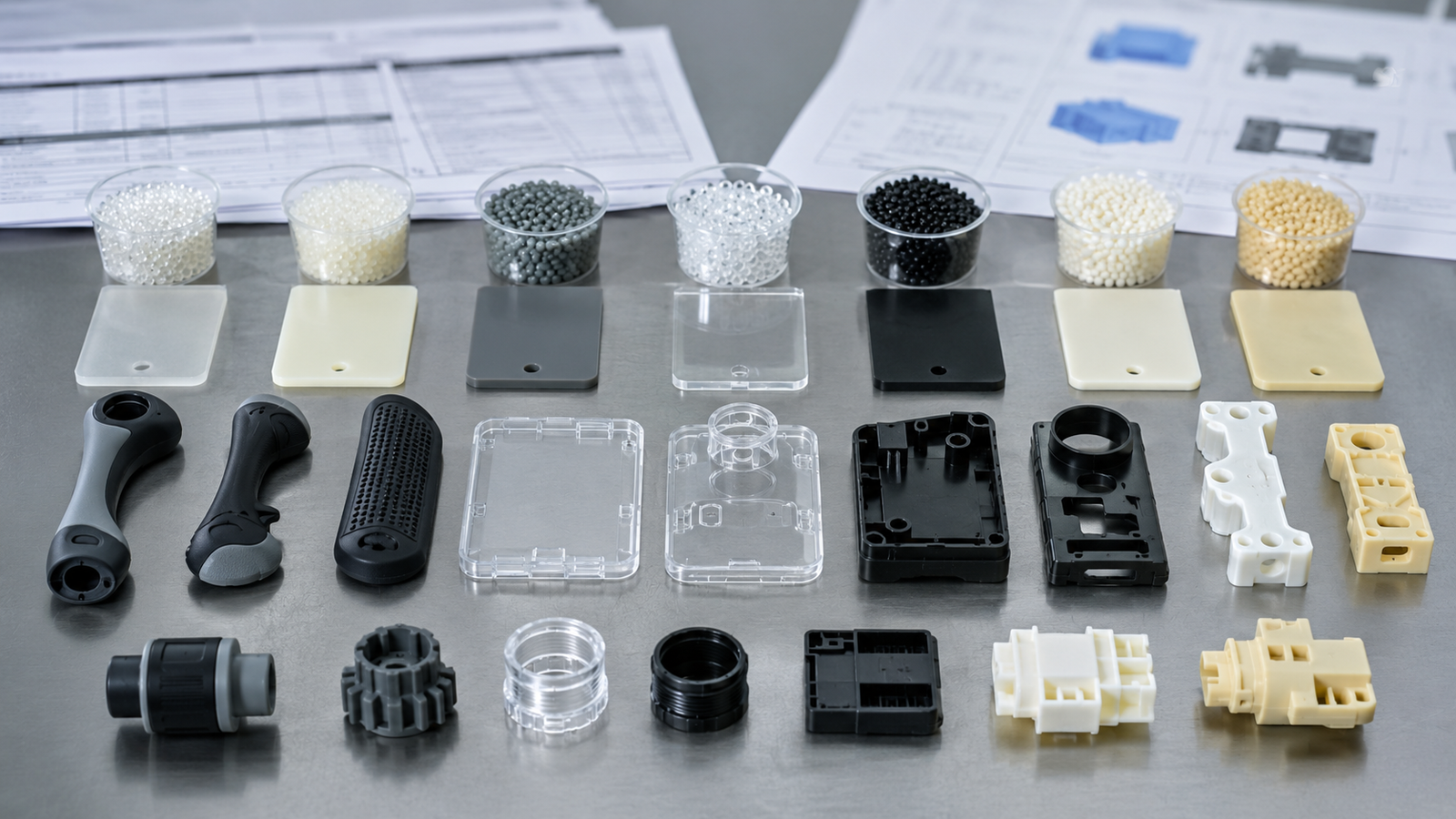
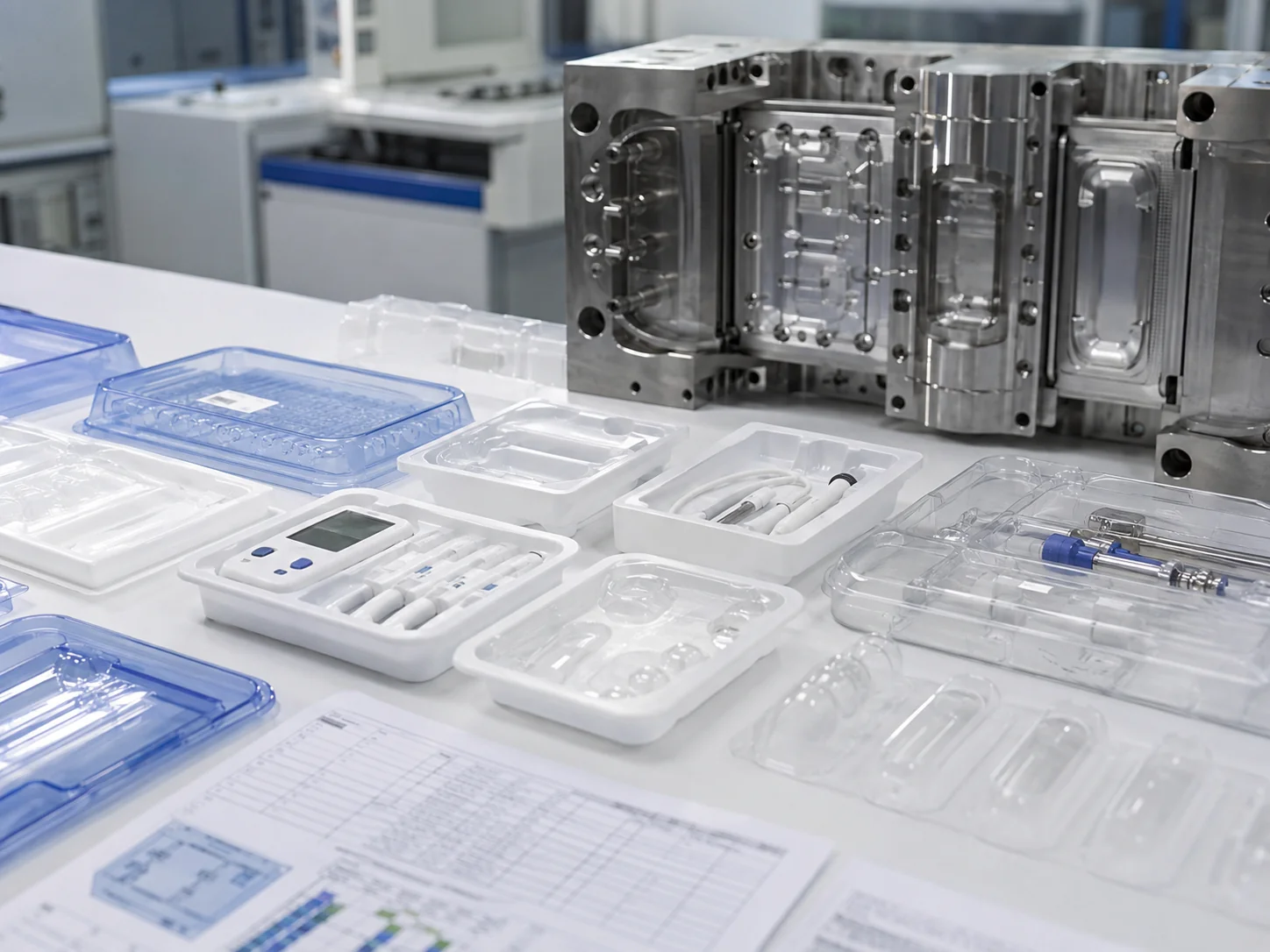
Medical Injection Molding
Manufacturing medical device housings, diagnostic equipment parts, and transparent components. We implement process controls according to your specific inspection and documentation requirements for repeatable results.
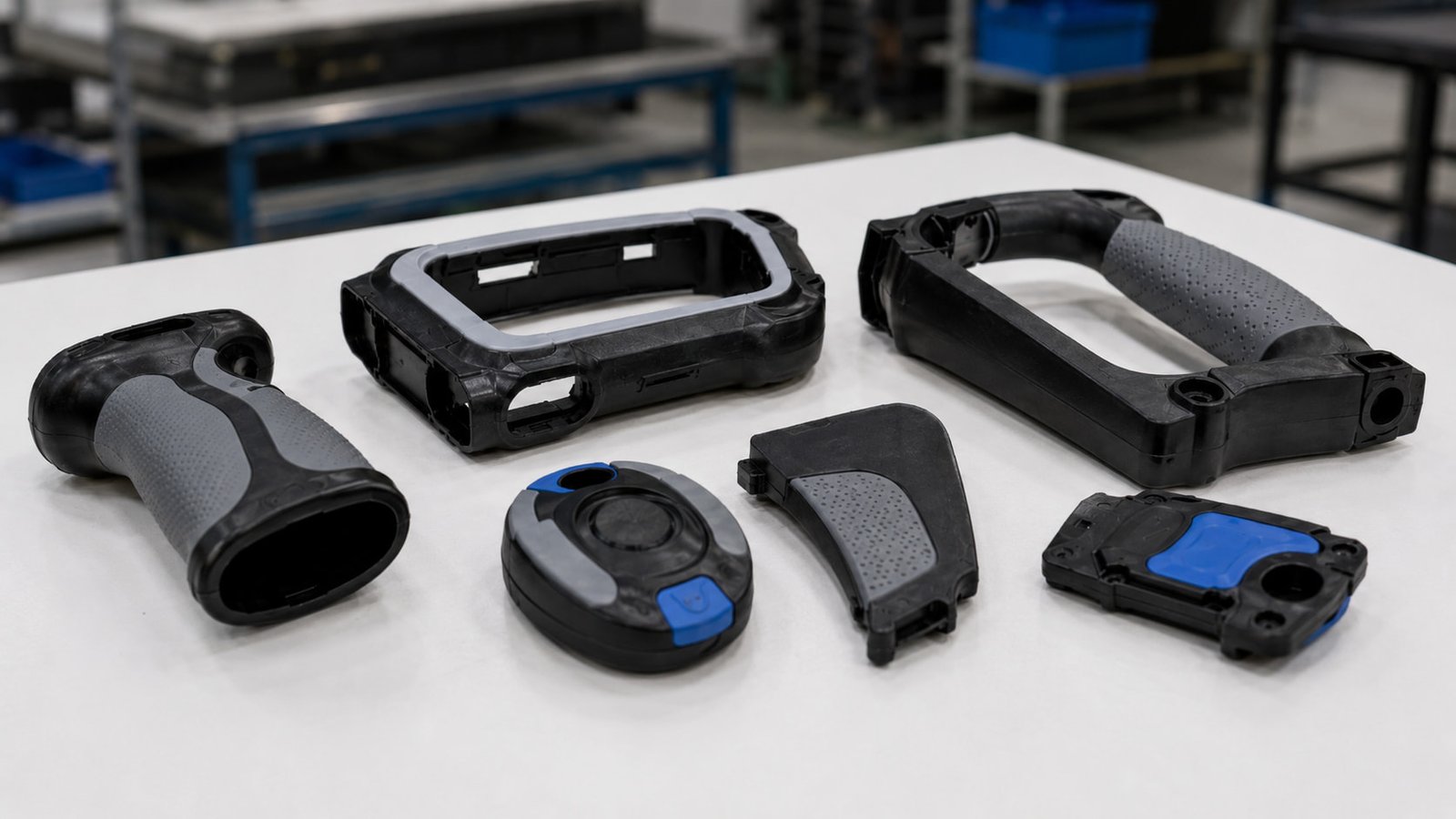
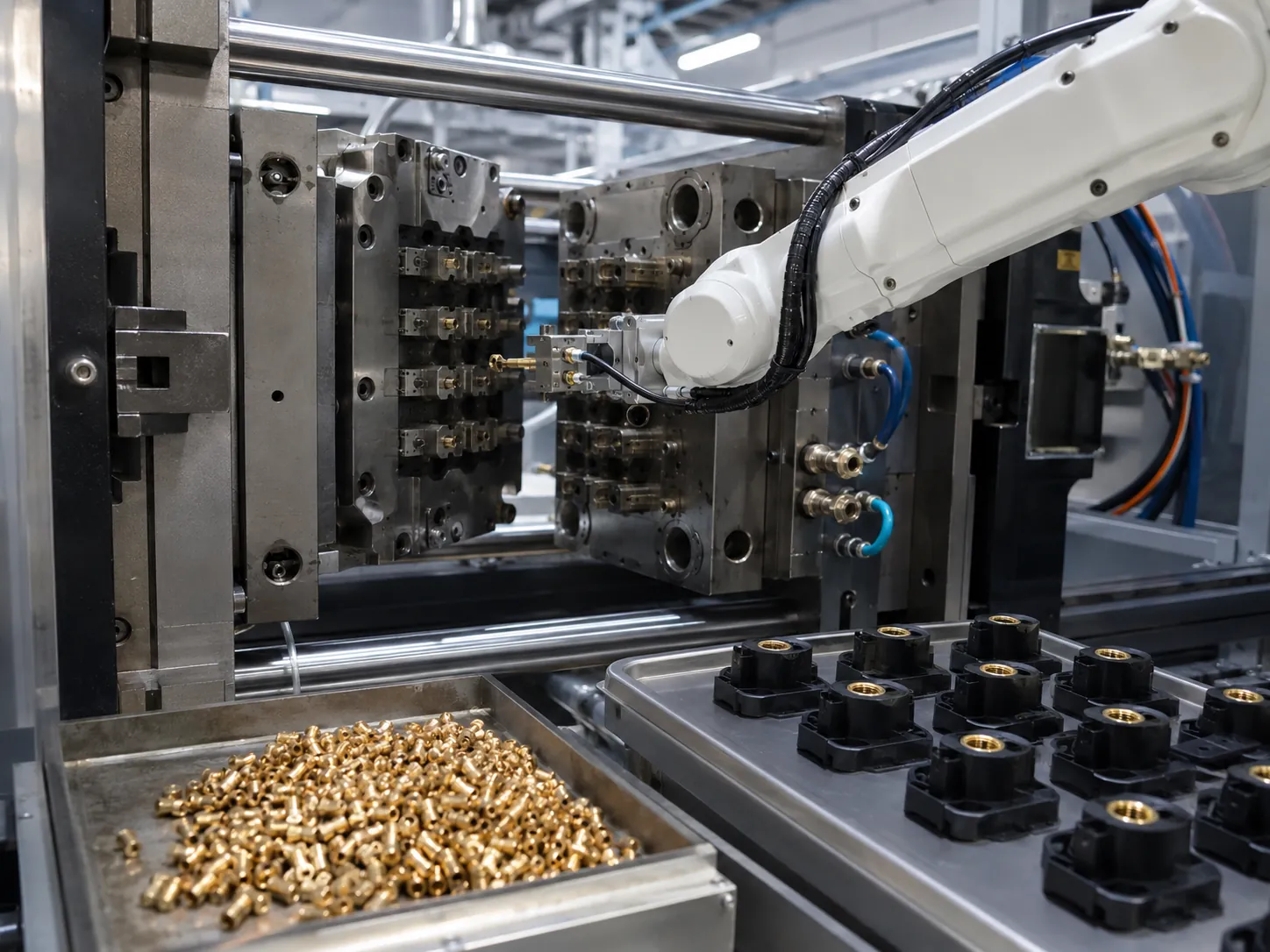
Insert / Overmolding Production
For long-term batch projects requiring metal nut inserts, TPE/TPU overmolding, or connector sealing. We ensure secure insert placement and strong chemical/mechanical bonding across large production runs.
Common Problems in High Volume Injection Molding Projects
Scaling from prototype to mass production introduces new risks. Here is how we solve them.
| Buyer Pain Point | GBM Solution Direction |
|---|---|
| High tooling cost before production starts | We explain DFM risk areas, optimize mold steel selection, and plan the most efficient cavity layout before cutting the production mold to prevent costly rework. |
| Part quality changes after thousands of cycles | We establish a fixed process window, perform regular mold maintenance, ensure cooling balance, and execute a strict inspection plan during long runs. |
| Cavity-to-cavity variation in multi-cavity molds | We focus on runner balance, gate consistency, adequate venting, and thorough T1 comparison to ensure all cavities yield identical parts. |
| Unit cost is still too high | We review material usage, optimize cycle time, consider automation, adjust the cavity number, and suggest efficient packaging methods to lower the landed cost. |
| Warpage, sink marks or flash in mass production | We conduct wall thickness reviews, optimize gate positions, calculate required clamping force, improve venting, and strictly control material drying. |
| Overseas communication delay and uncertainty | We provide detailed drawing reviews, T1 sample photos/videos, dimensional inspection reports, and export packaging support for transparent remote sourcing. |
| Supplier can make T1 samples but struggles with repeat orders | We emphasize strict production planning, preventative mold maintenance, batch records, and fixed parameters to ensure re-order consistency. |
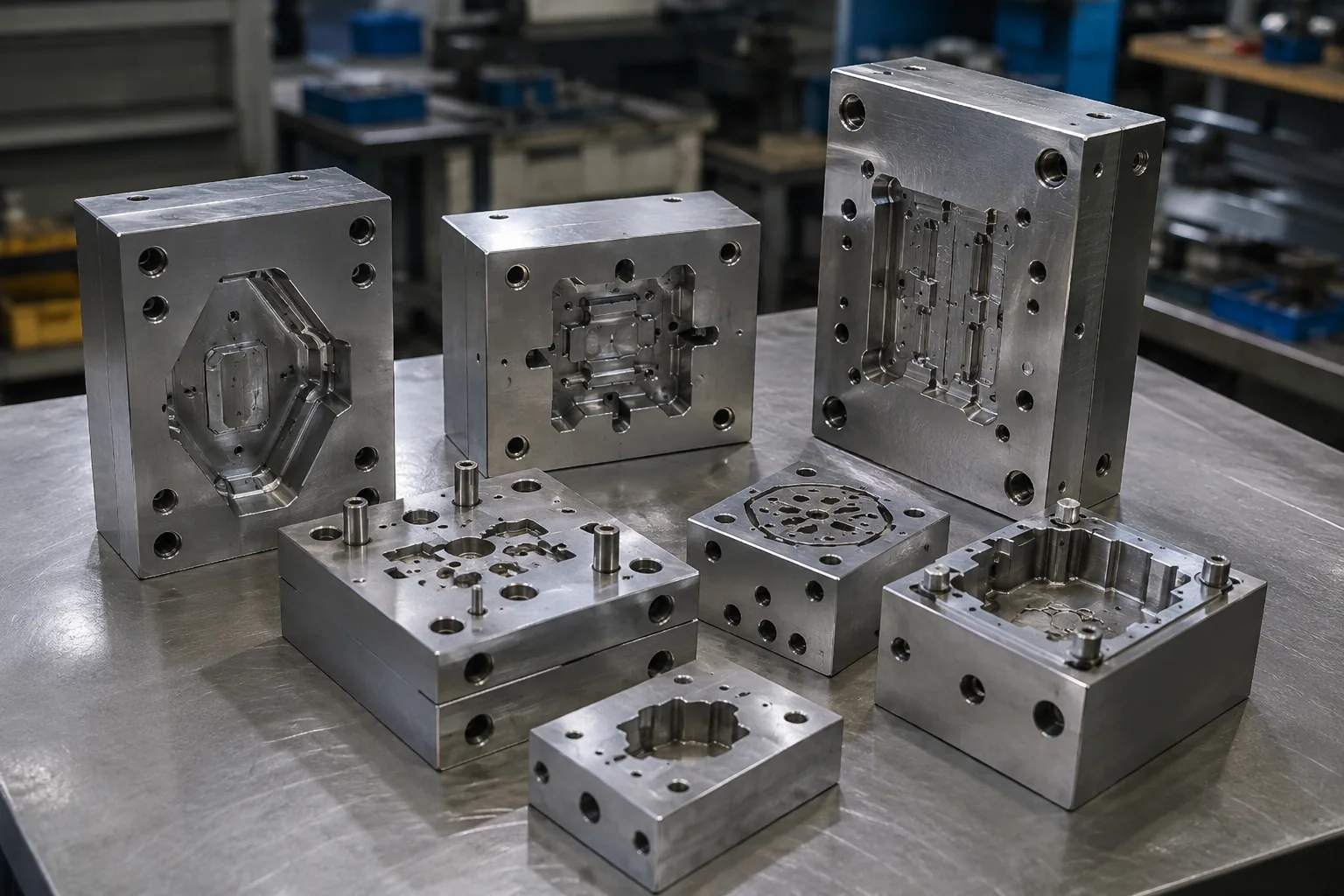
Having problems scaling from prototype to mass production?
Send us your drawings, annual volume target, and current quality issues for evaluation.
Why Choose GBM for High Volume Injection Molding?
We align our engineering and production processes with your procurement constraints.
Production-Oriented DFM Before Tooling
Before cutting the production mold, GBM reviews wall thickness, ribs, bosses, draft angle, gate location, parting line, and ejection to reduce avoidable tooling changes after T1.
Mold Design for Long-Term Repeat Orders
For high-volume projects, mold design must consider steel selection, cavity balance, cooling efficiency, venting, wear areas, and replaceable inserts, not just the first sample appearance.
Multi-Cavity and Hot Runner Options
For large annual demand, we evaluate multi-cavity mold or hot runner mold options to improve output, reduce runner waste, and support stable production costs.
Material Selection Based on Application
We help select materials based on impact strength, heat resistance, chemical resistance, dimensional stability, transparency, or cost targets across PC, Nylon, and PP.
T1 Validation Before Mass Production
T1 samples are rigorously used to check critical dimensions, assembly fit, gate vestige, shrinkage, flash, sink marks, warpage, and surface finish before the production run is approved.
Export Packaging and Reorder Support
For overseas buyers, GBM provides sample photos, trial videos, inspection information, packing photos, and shipment coordination to reduce remote sourcing risks and guarantee safe arrival.
High Volume vs Low Volume Injection Molding: Which One Should You Choose?
Low-volume molding is generally suited for prototype testing or pilot production, while high-volume molding is designed for hundreds of thousands of parts where automation and lower unit costs are the priority.
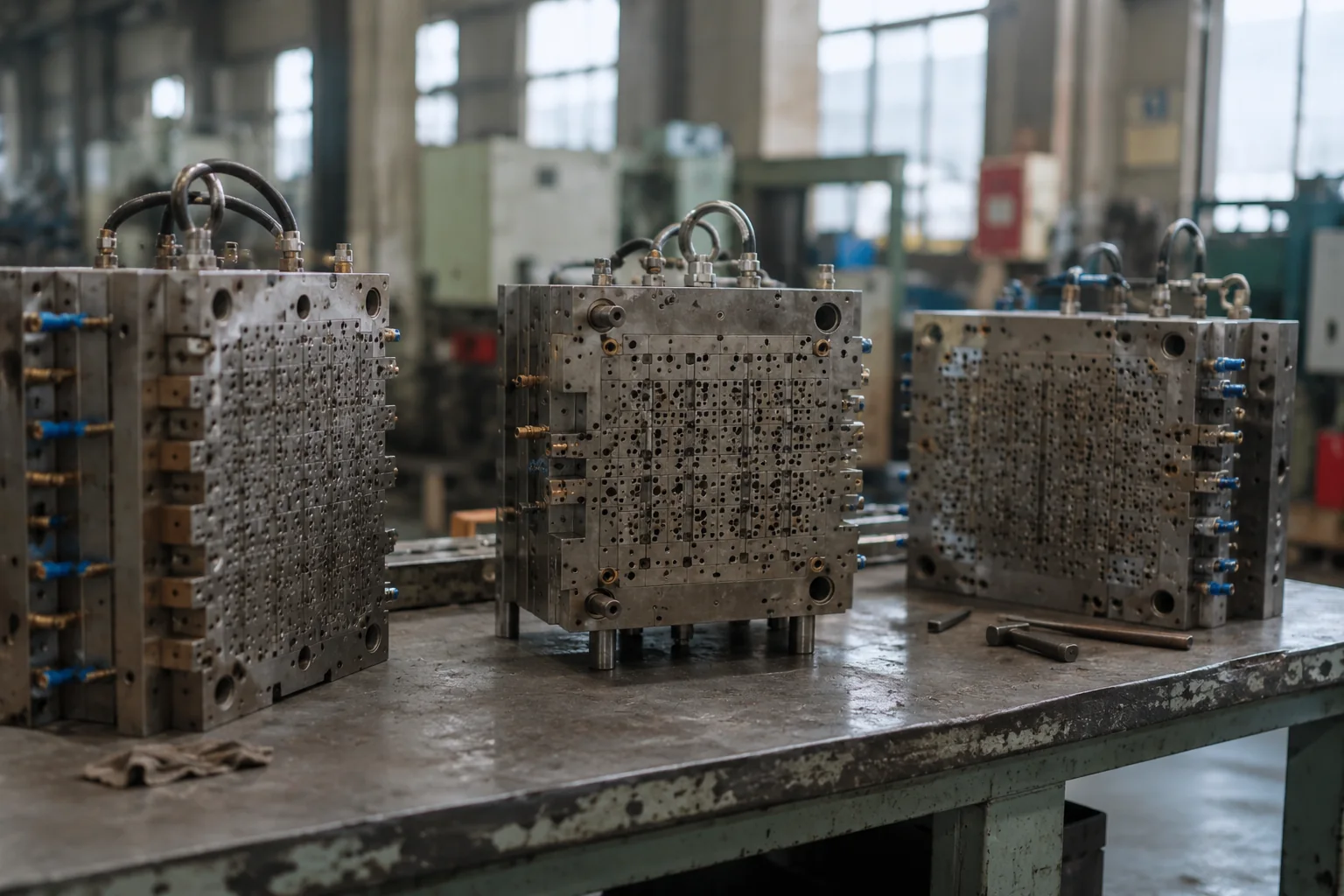
| Factor | Low Volume Injection Molding | High Volume Injection Molding |
|---|---|---|
| Typical Use | Prototype, pilot run, bridge production | Long-term mass production |
| Tooling | Aluminum or soft steel option (P20) | Hardened steel / production mold (H13, S136) |
| Quantity | Small to medium batches (100 - 10,000) | Tens of thousands to millions |
| Unit Cost | Higher at large quantities | Lower when tooling cost is spread across volume |
| Flexibility | Easier design changes | Better for approved stable design |
| Mold Design Focus | Speed and validation | Cycle life, cooling, automation, consistency |
| Best For | Product testing and market launch | Repeat orders and stable demand |
Not sure whether your project needs low-volume or high-volume tooling?
3D Printing vs High Volume Injection Molding for Large Production Runs
3D printing is useful for early prototypes, small batches, and rapid design iteration because it does not require production tooling. However, high volume injection molding becomes much more suitable when the design is approved, the material must match end-use production requirements exactly, and the project needs a stable, low cost per part across repeat orders.
While 3D printing is faster and cheaper for 1,000 pieces, injection molding becomes the more economical and scalable production method as quantities increase into the tens of thousands. The decision should be based on volume, material properties, mold cost, and lead time.
| Project Stage | Better Option |
|---|---|
| Early design test | 3D printing |
| 100–1,000 pcs trial | 3D printing or prototype molding |
| 1,000–10,000 pcs bridge run | Low-volume injection molding / bridge tooling |
| 10,000+ pcs repeat demand | Production injection molding |
| Hundreds of thousands+ | High volume injection molding |
How to Choose a High Volume Injection Molding Manufacturer
A checklist for evaluating partners for large-scale production.
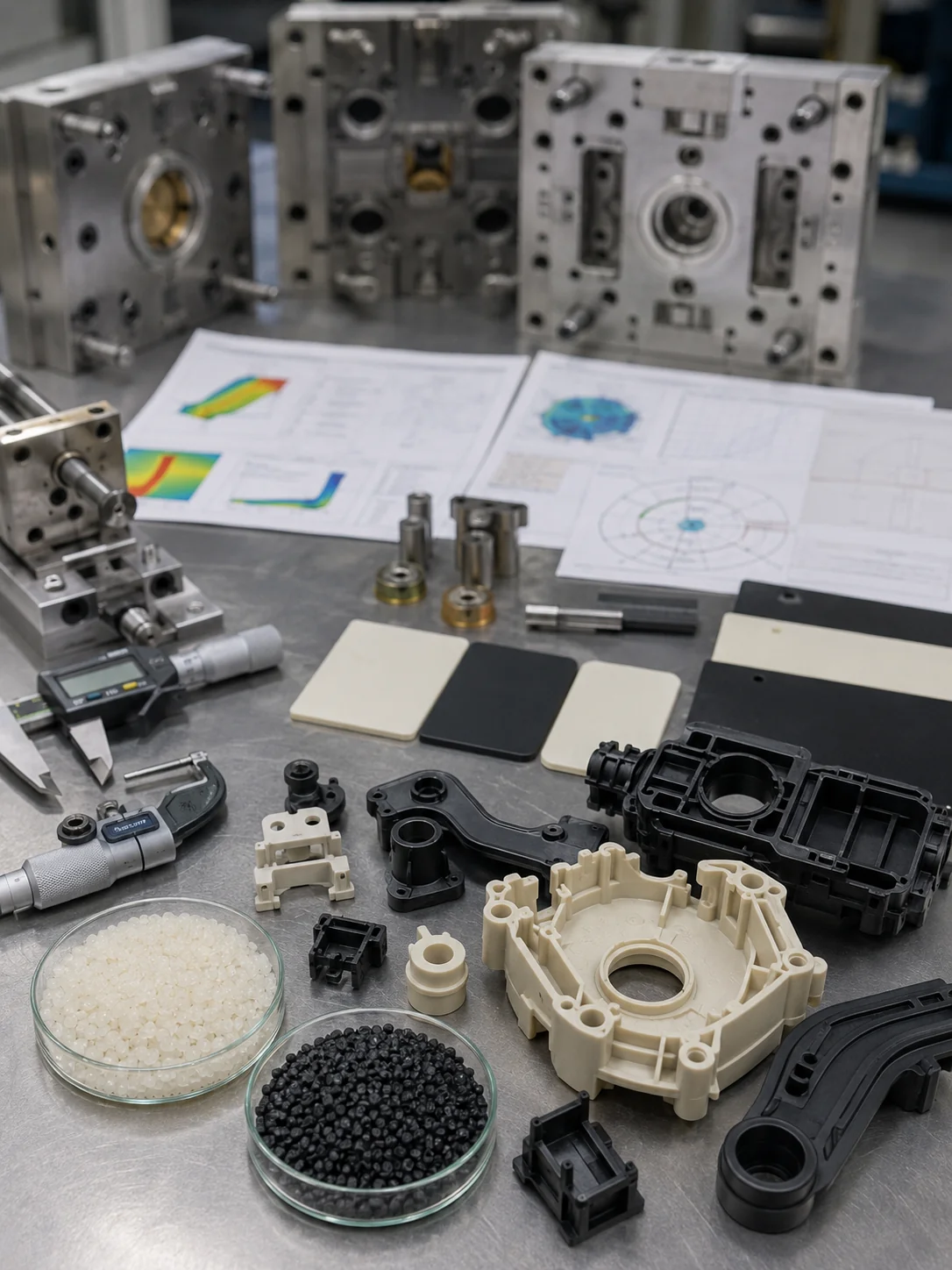
Ready to start your project?
Get a comprehensive DFM and accurate quote within 24 hours from our engineering team.
Check Whether the Supplier Understands Production Tooling
Do not just look at whether the T1 sample is pretty. Evaluate if the supplier assesses mold steel hardness, tool life, cooling channels, venting, gate types, ejection mechanisms, easily worn inserts, and ongoing maintenance.
Check Multi-Cavity Mold Experience
High volume projects often face cavity-to-cavity variations, unbalanced filling, inconsistent cooling, and ejection deformation. The supplier must explain their cavity layout, runner balance, cooling design, and T1 comparison methods.
Check Material and Application Experience
For example, PC transparent parts require focus on drying, stress, and flow marks; PA6/PA66 requires attention to moisture absorption and dimensional stability; PP needs shrinkage and warpage control; PPS/PEEK requires high-temperature molding control.
Check Quality Documentation
They should provide T1 samples, dimensional reports, material confirmation, visual inspection criteria, and packaging photos. Medical, automotive, or electronic projects must confirm additional documentation early.
Check Export Communication
Overseas buyers must ensure the supplier can communicate DFM clearly, explain mold trial issues remotely, manage lead times accurately, and coordinate export packaging, rather than just quoting a low unit price.
High Volume Injection Molding Process at GBM
From initial drawing review to mass production and delivery.
Project Review
Review 3D drawings, 2D drawings, material, annual volume, tolerance, and final application.
DFM & Cost Review
Check wall thickness, draft, ribs, undercuts, gate position, mold structure, and possible cost-saving options.
Production Mold Design
Confirm mold steel, cavity number, runner type, cooling, ejection, inserts, and surface finish.
Mold Manufacturing
CNC machining, EDM, polishing, fitting, assembly, and mold trial preparation.
T1 Trial & Approval
Check dimensions, assembly fit, appearance, shrinkage, warpage, flash, and gate vestige.
Mass Production Setup
Confirm process parameters, cycle time, material drying, inspection points, and packaging method.
Batch Inspection & Delivery
Provide inspection support, packing photos, and export shipment coordination.
What Affects High Volume Injection Molding Cost?
High-volume injection molding usually requires higher upfront tooling investment than low-volume molding, but the tooling cost can be spread across a much larger production quantity. When the part design is stable and repeat orders are expected, optimized mold design, cycle time, material usage, and cavity number can help reduce the long-term unit cost.
- Part size and weight
- Resin type and material price
- Annual production quantity
- Mold steel and life requirement
- Number of cavities
- Hot runner or cold runner
- Cycle time and cooling efficiency
- Surface finish requirements
- Tolerance and inspection
- Packaging and secondary ops
High Volume Injection Molded Parts We Manufacture
Delivering consistent quality across diverse industries.
Automotive Plastic Parts
Interior covers, clips, brackets, housings, connectors, and functional plastic components. Learn more.
Medical & Diagnostic Parts
Device housings, test equipment parts, transparent covers, and small precision plastic components.
Consumer Electronics
Enclosures, buttons, bezels, connector shells, battery covers, and small plastic structural parts.
Industrial Components
Machine covers, protective housings, cable holders, gears, brackets, and durable engineering plastic parts.
Packaging & Caps
Caps, closures, thin-wall covers, trays, and repeat-use plastic components requiring fast cycle times.
Electrical & Connector Parts
Insulating housings, terminal covers, clips, connector shells, and insert-molded parts.
Quality Control for High Volume Injection Molding
For high-volume injection molding projects, GBM focuses on repeatability from T1 sample approval to batch production. We check critical dimensions, appearance, assembly fit, material condition, gate area, flash, warpage, sink marks, and packaging before shipment.
DFM Risk Review
Identify molding risks, draft angles, and wall thickness issues before mold cutting begins.
T1 Sample Inspection
Check dimensions, assembly, and appearance thoroughly before mass production approval.
Critical Dimension Control
Use calipers, gauges, CMM, or project-specific inspection tools when required by the drawing.
Process Parameter Review
Confirm and lock injection pressure, holding pressure, cooling time, mold temperature, and material drying.
Batch Visual Inspection
Check for flash, short shots, color difference, gate vestige, scratches, and deformation during runs.
Packaging Confirmation
Provide packing photos and ensure parts are protected properly during export shipment.
Why Overseas Buyers Work With GBM for High Volume Plastic Parts
Factory-Based Mold & Molding Support
Mold design, mold making, T1 trial, and injection molding production are connected in one seamless project workflow.
Engineering Communication Before Quotation
GBM reviews your 3D drawings, material specs, annual volume, and tooling options before submitting a final quotation.
Real T1 and Production Evidence
We support you with sample photos, mold trial videos, detailed inspection notes, and packaging photos.
Export-Oriented Project Support
Highly suitable for overseas OEM buyers who need transparent remote communication, drawing review, and repeat production support.
Talk to an Injection Molding Engineer
Send your drawings for fast DFM feedback and ask about production mold costs.
High Volume Injection Molding FAQ
Answers to common questions about mass production.
1. What is high volume injection molding?
2. What quantity is considered high volume injection molding?
3. When should I choose high volume injection molding?
4. Is high volume injection molding cheaper than low volume injection molding?
5. What mold is used for high volume injection molding?
6. Can GBM make multi-cavity molds for high volume production?
7. What materials can be used for high volume plastic injection molding?
8. How do you control quality during high volume production?
9. Can high volume injection molding be used for medical parts?
10. Is 3D printing slower than injection molding for high volumes?
11. What information do you need for a quote?
12. Can GBM support export packaging for high volume plastic parts?
Get a Practical Quote for Your High Volume Plastic Parts
Send us your drawings, annual volume and material requirements. GBM will review your part structure, molding risks, production tooling options, cavity layout and possible cost-saving points before quotation.
- DFM feedback before production mold
- Material and tooling option review
- Multi-cavity / hot runner suggestion
- Quote based on drawings and annual volume
Address
Room 101, Jiumo Technology Park, Gangsheng Road, Yabian Village, Shajing Street, Baoan District, Shenzhen City