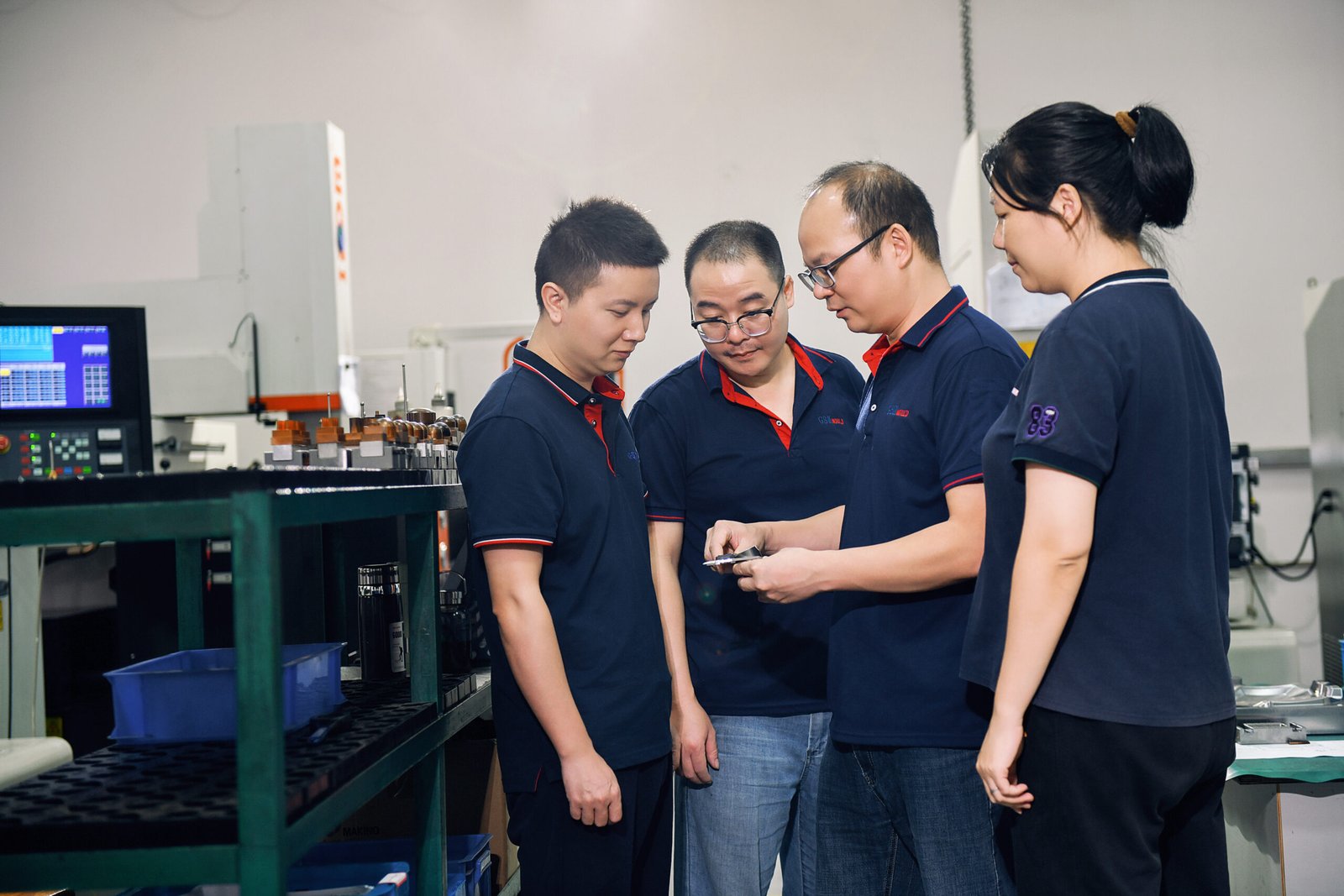
Low Volume Injection Molding Manufacturer for Custom Plastic Parts
GBM provides low volume injection molding services for prototype validation, pilot production, bridge tooling and repeated small-batch plastic parts. We support DFM review, rapid tooling, T1 samples, material selection, low-volume molding, inspection and export delivery for overseas OEM buyers.
DFM Before Tooling
Review wall thickness, draft, gate position, shrinkage, ribs, bosses and undercut risk before mold cutting.
Prototype to Low-Volume
Suitable for functional samples, pilot runs, market testing, replacement parts and bridge production.
Flexible Mold Options
Aluminum mold, soft steel mold, steel inserts, MUD inserts and production-ready tooling options based on quantity and resin.
T1 Samples + QC Support
T1 samples, molding trial feedback, dimension checks, photos, videos and packing confirmation before shipment.
What Is Low Volume Injection Molding?
What is low volume injection molding? Low volume injection molding is a plastic manufacturing process used to produce small batches of real injection molded parts for prototype validation, pilot production, bridge tooling and custom low-demand applications.
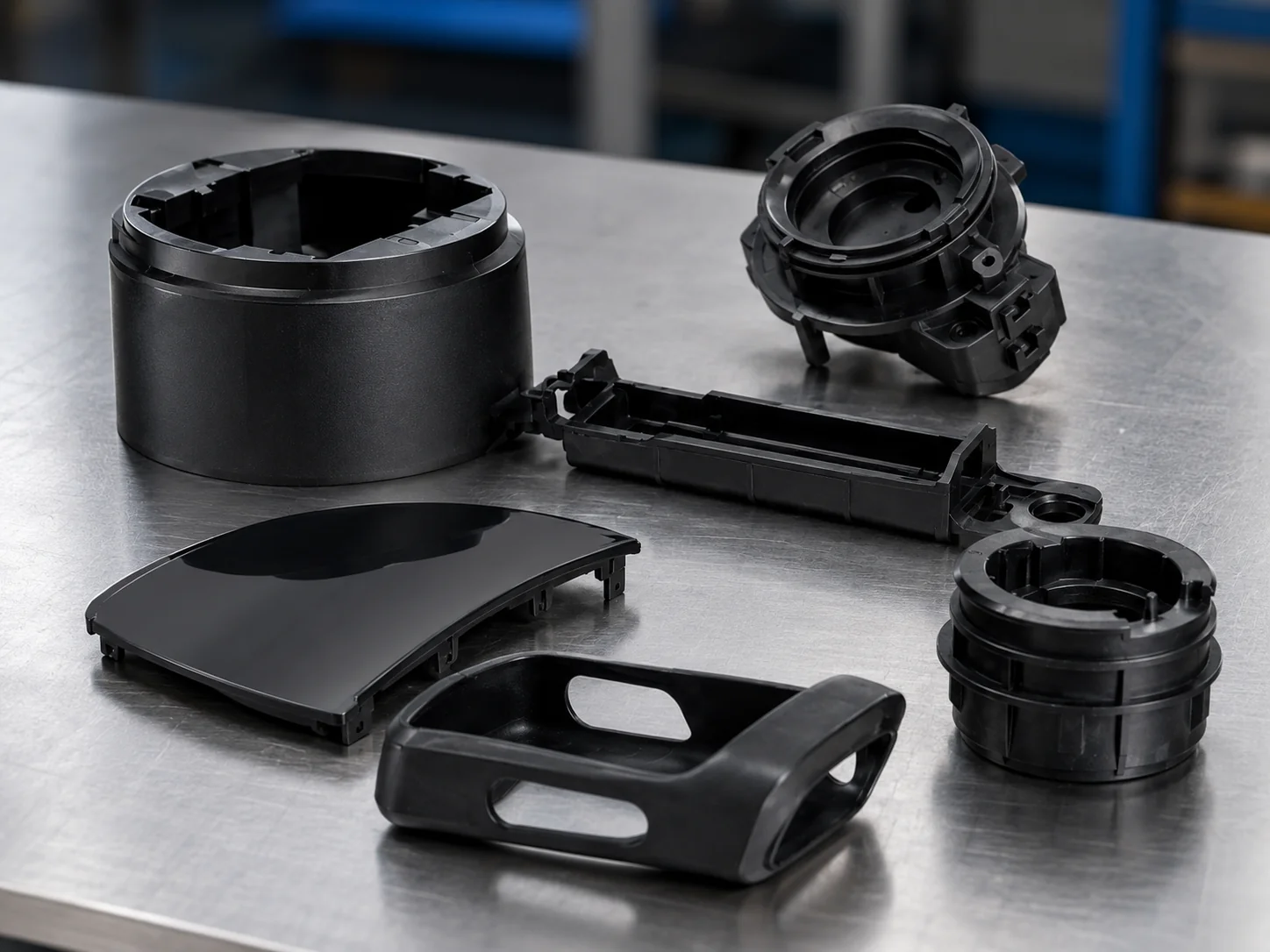
Low volume injection molding is a plastic manufacturing process used to produce functional molded parts in small or medium quantities before full-scale mass production. It is commonly used for prototype validation, pilot production, market testing, bridge tooling, custom plastic parts and replacement components.
Unlike 3D printing or CNC prototyping, low-volume injection molding uses real thermoplastic materials, real mold gates, real shrinkage behavior and real injection molding conditions. This helps engineers test part strength, assembly fit, surface finish, dimensional stability and material performance before investing in high-volume production tooling.
Industry standard approaches position low-volume injection molding for projects requiring roughly 100 to 10,000 parts. It serves as an effective bridge solution, lowering the investment risk associated with high-volume steel molds while managing demand fluctuations during the transition from pre-production prototyping to full-scale production.
Best for:
100–10,000 parts, pilot runs, real material validation, bridge production and repeated small-batch orders.
Not ideal for:
One-off concept models, very large annual production, or parts that still need major design changes.
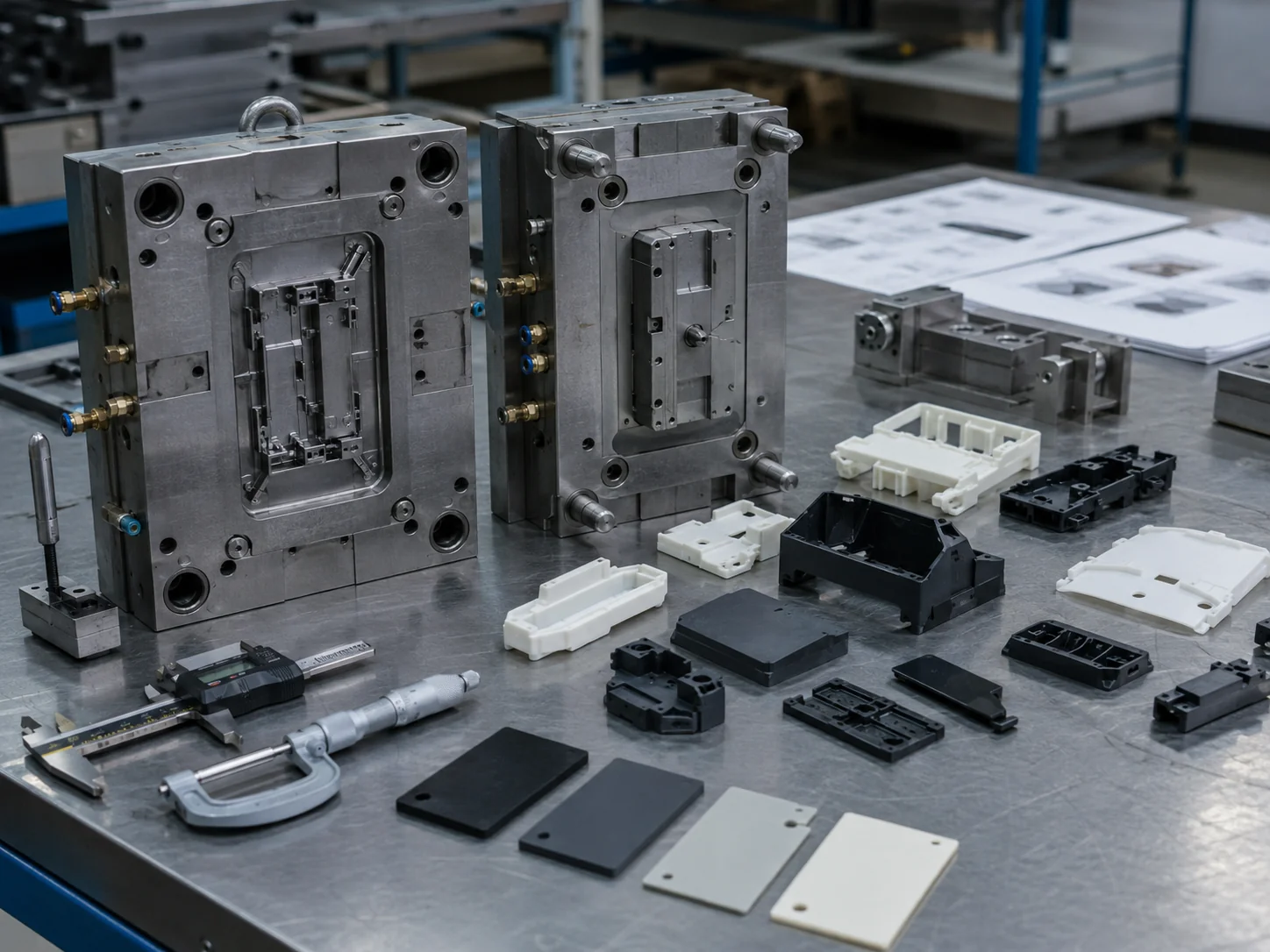
Low Volume Injection Molding Capabilities
Comprehensive support from tooling options to quality control for small batch production.
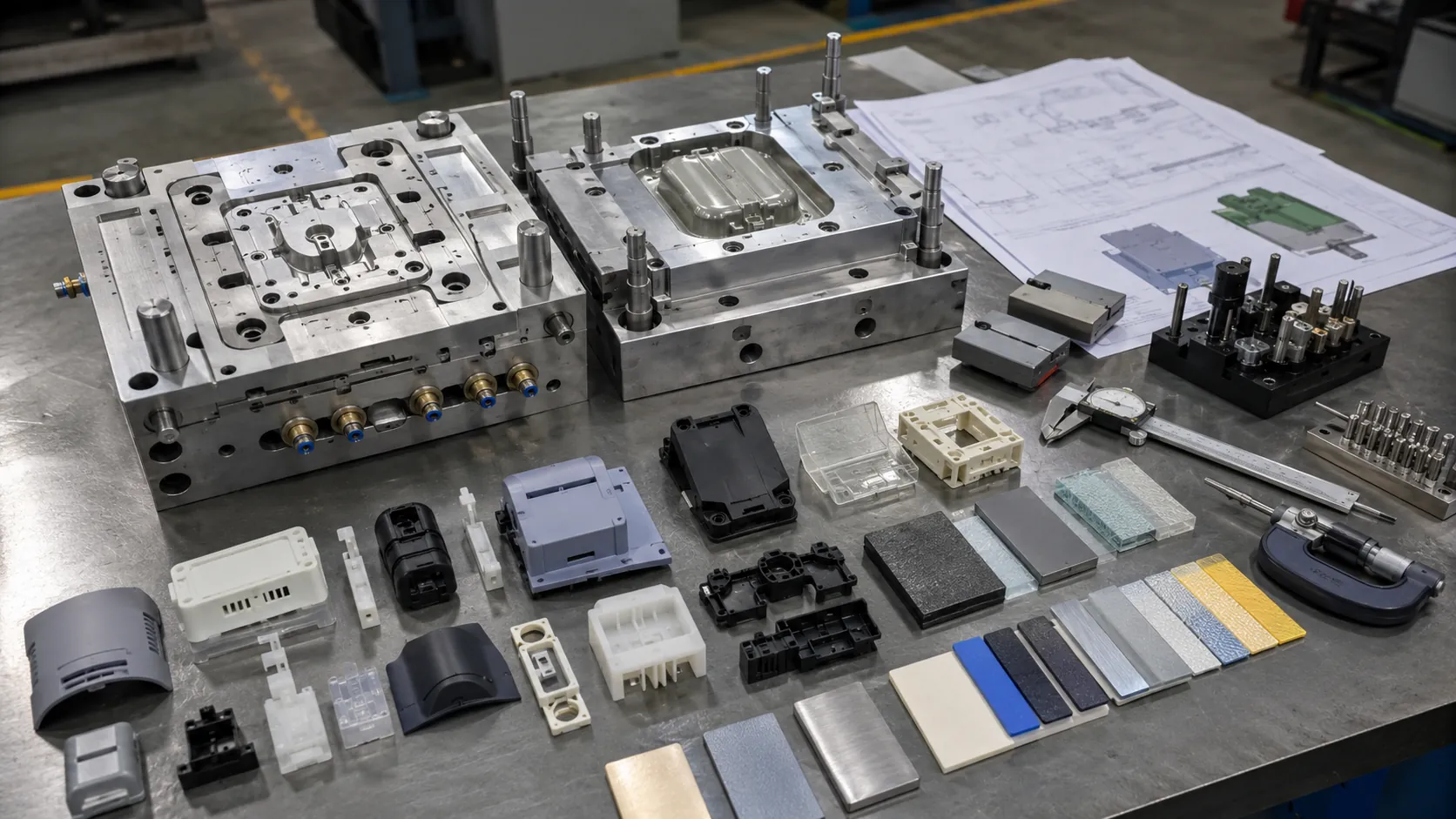
| Parameter | GBM Support | Buyer Should Confirm |
|---|---|---|
| Service Type | Prototype molding, pilot production, bridge tooling, small-batch molding | Project stage and target quantity |
| Typical Quantity | Small batches, pilot runs, repeated low-volume orders | First order quantity and annual demand |
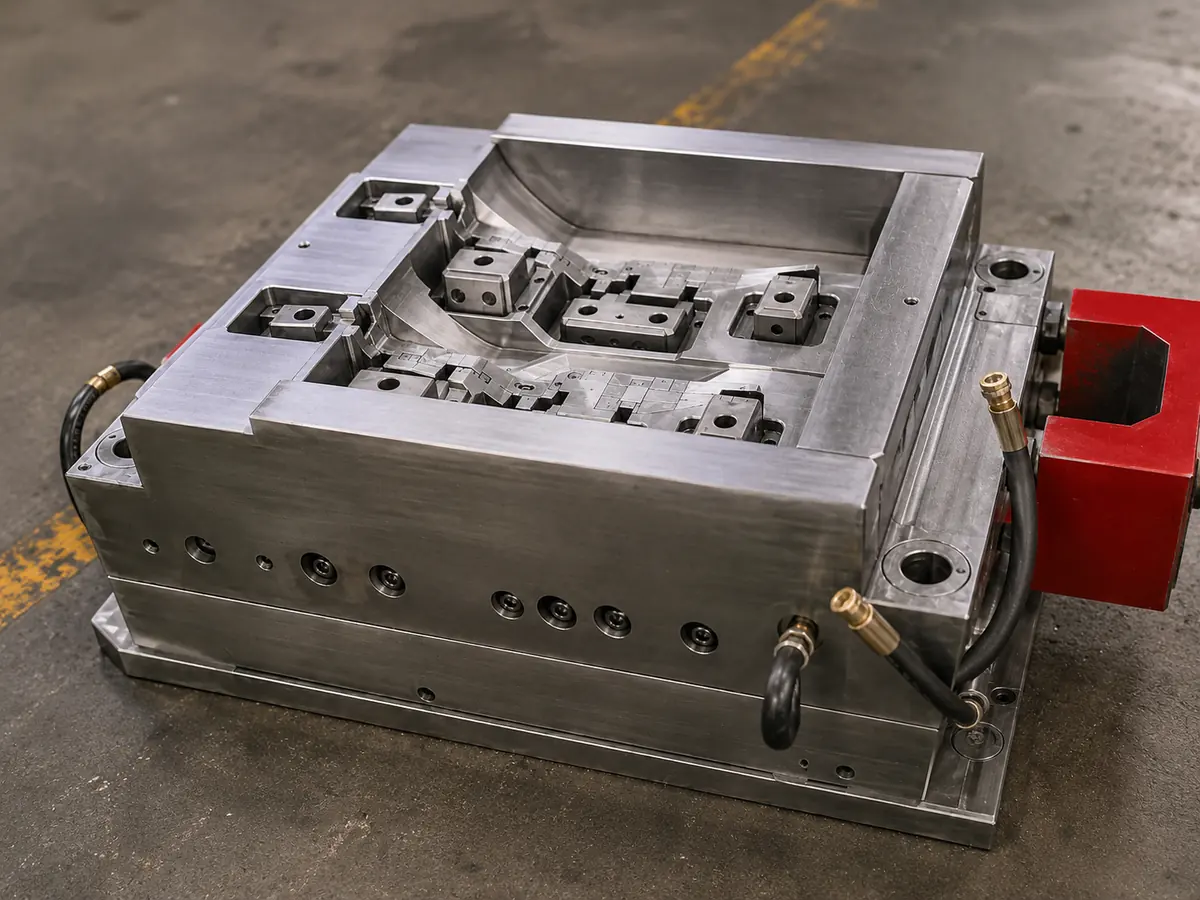
| Mold Options | Aluminum mold, soft steel mold, P20 / NAK80 steel, steel inserts, MUD insert | Expected tool life and budget |
| Part Types | Housings, covers, clips, brackets, caps, trays, enclosures, connectors | 3D files, drawings or samples |
| Materials | ABS, PP, PC, PA6, PA66, POM, TPU, TPE, PC/ABS, PBT, PPS, PEEK | Resin grade, color and performance needs |
| Runner System | Cold runner, hot runner if needed | Material cost, gate mark and waste control |
| Cavity Option | Single cavity, family mold, low-cavity production mold | Quantity, part size and unit cost target |
| Surface Finish | Polished, textured, matte, high-gloss, transparent finish | Appearance area and surface standard |
| Trial Support | T1 samples, photos, videos, mold correction review | Approval standard and sample quantity |
| QC Support | Dimension check, visual inspection, assembly check, packing photos | Critical dimensions and inspection level |
| Quote Files | STEP, IGES, X_T, STL reference, 2D PDF | Material, quantity, tolerance and finish |
When Should You Use Low Volume Injection Molding?
Ideal for continuous product development cycles, managing lower product demand, and supporting OEM tier suppliers needing usually less than 10,000 pieces per year.
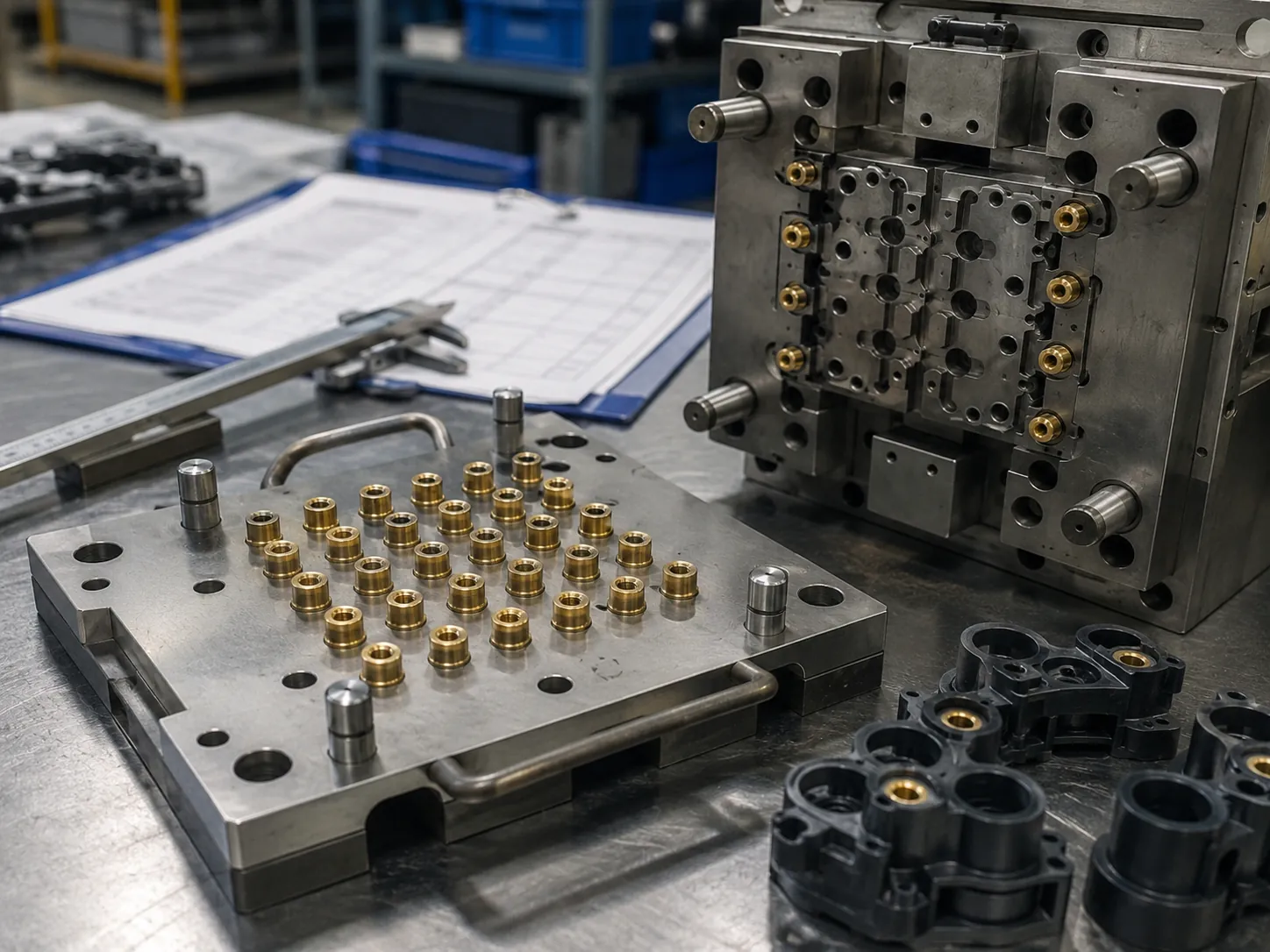
Functional Prototype Validation
For plastic parts that need real molded material performance instead of only 3D printed appearance models.
Pilot Production Before Mass Tooling
For 500–10,000 parts used in market testing, certification, customer approval or early delivery.
Bridge Production
For projects that need early production while high-volume tooling is still under review or not yet approved.
Custom Low-Demand Parts
For products with stable but limited annual demand, such as industrial equipment parts, device covers or replacement components.
Engineering Design Verification
For checking shrinkage, gate marks, weld lines, sink marks, warpage, snap-fit performance and assembly fit.
Repeated Small-Batch Orders
For customers who need the same molded parts several times per year without committing to high-volume tooling.
Low-Volume Injection Molding Services We Support
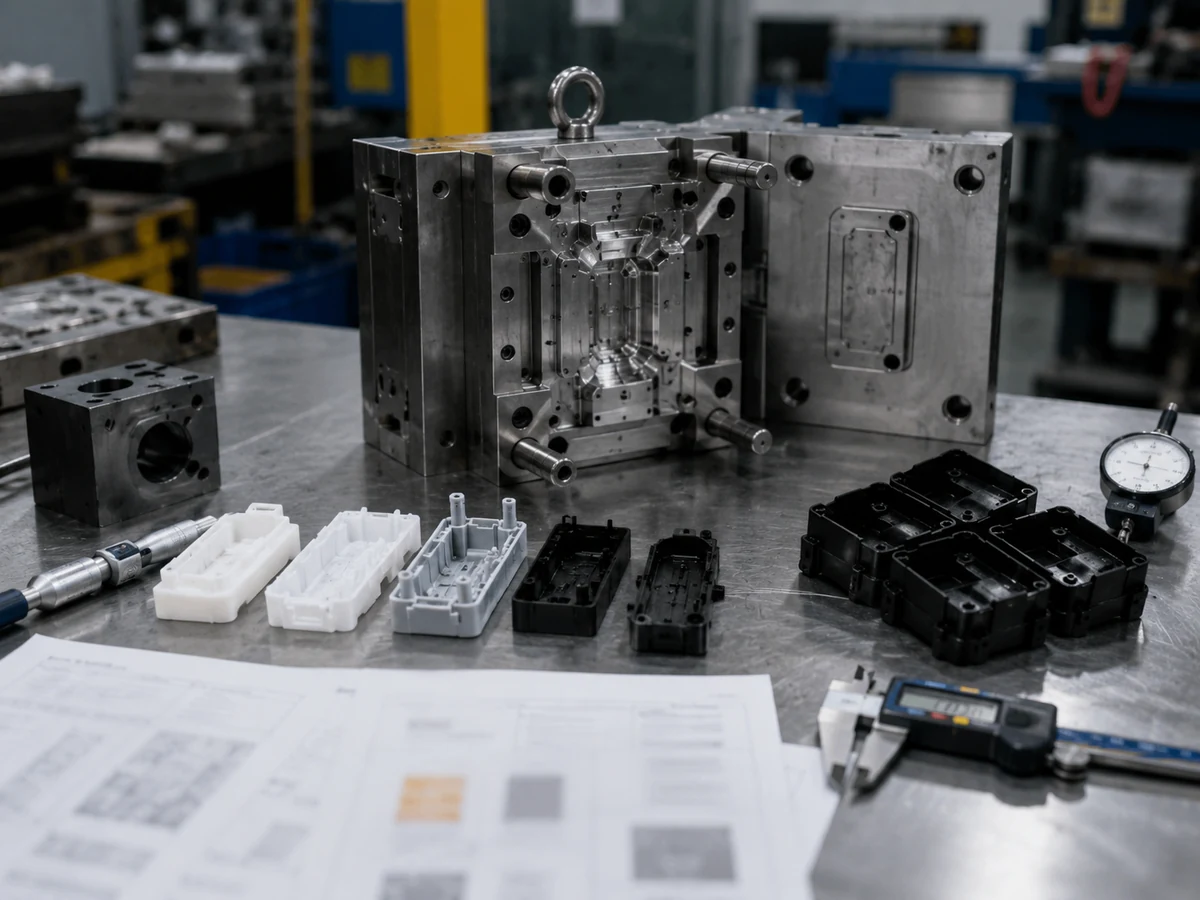
1. Prototype Injection Molding
Transition from CNC / 3D printed samples to real molded parts. Focus on DFM, rapid tooling, T1 samples, and material validation.
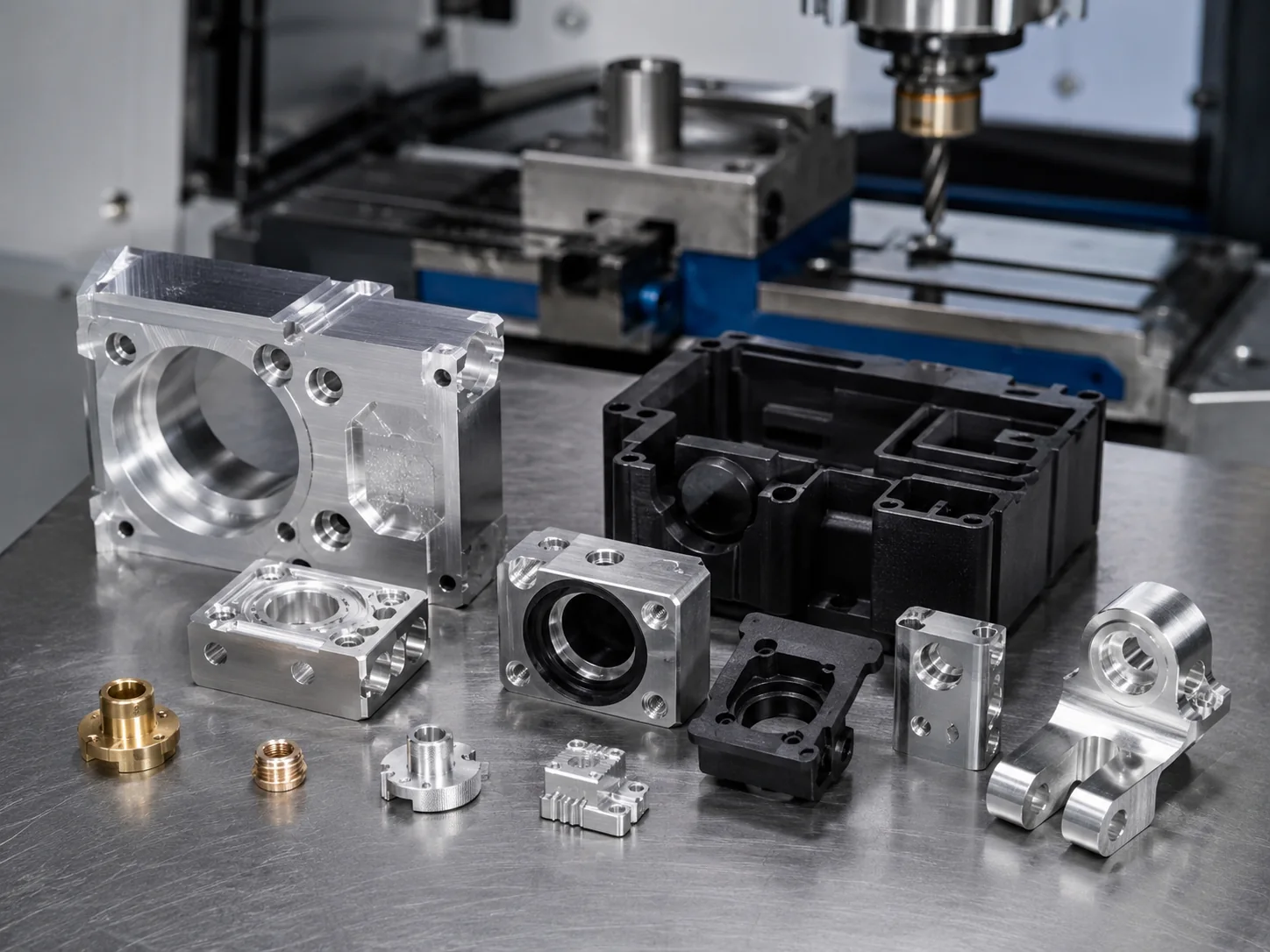
2. Low-Volume Plastic Injection Molding
For 100–10,000 piece batches. Ideal for pilot runs, market testing, early delivery, and repeat orders.
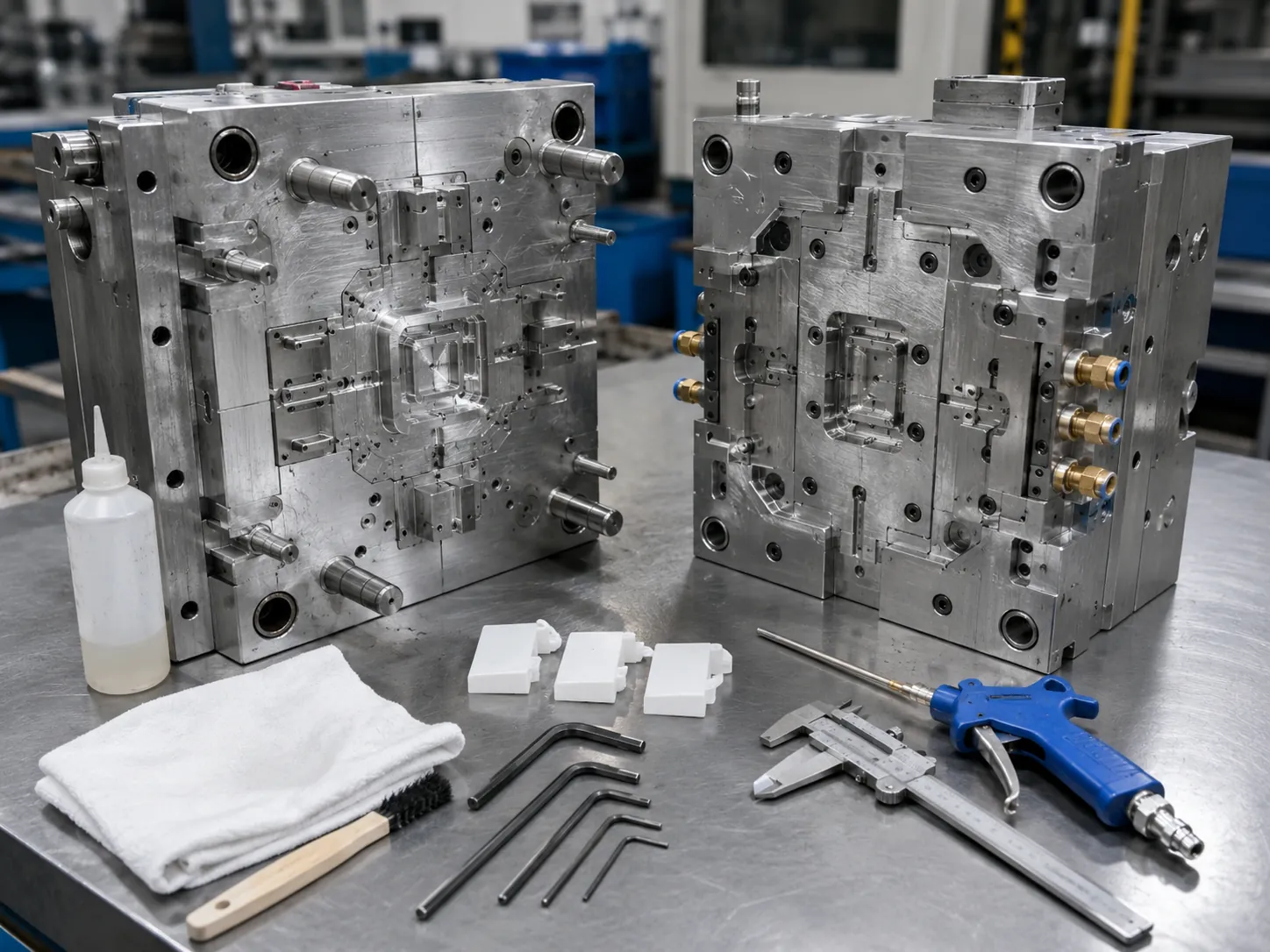
3. Aluminum Mold for Low-Volume
Faster machining and lower tooling cost for lower quantities, less complex structures, and bridge production.
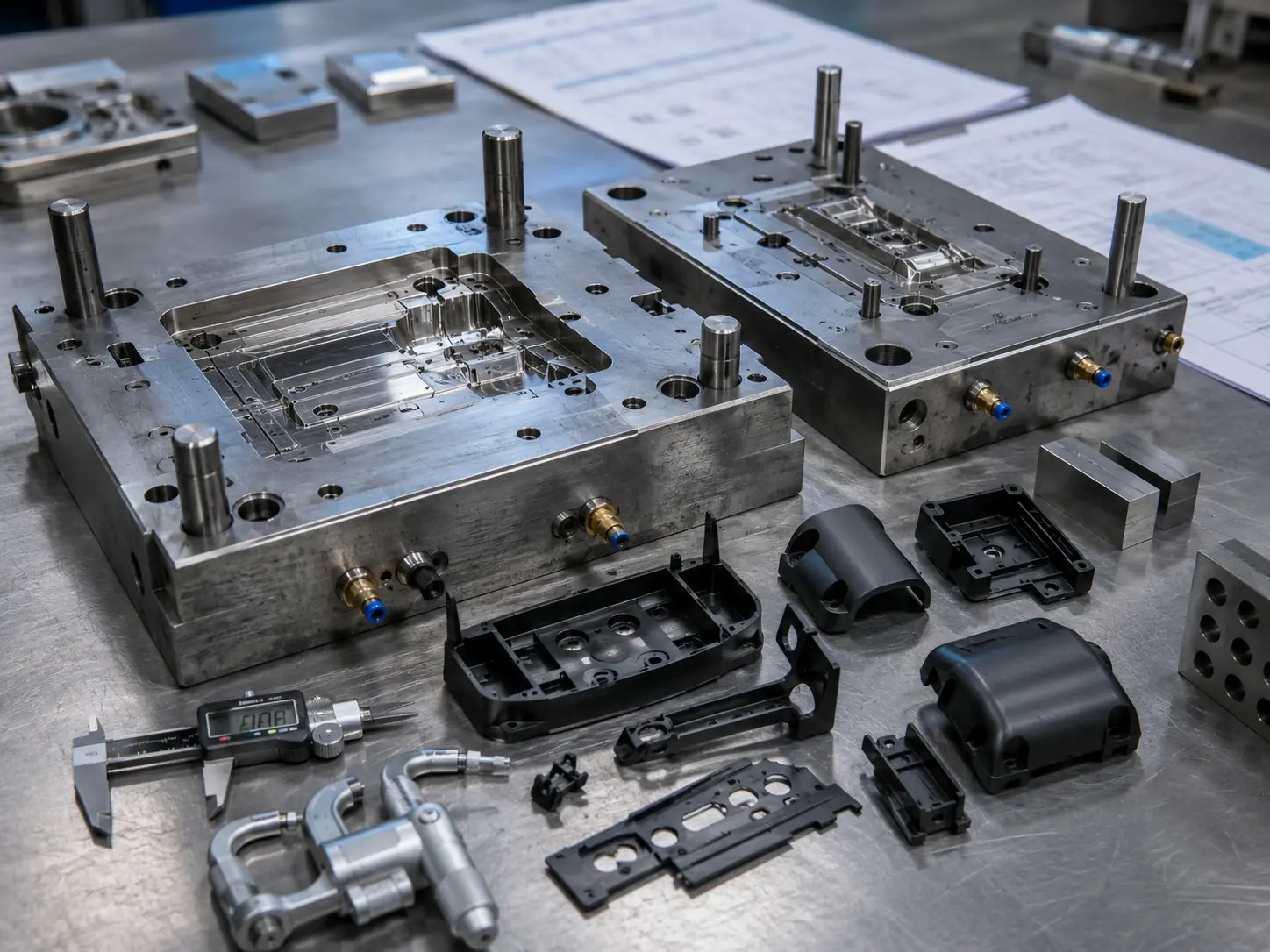
4. Soft Steel / P20 Mold
For harder resins, tighter dimensional stability, longer tool life, and projects requiring repeated low-volume runs.
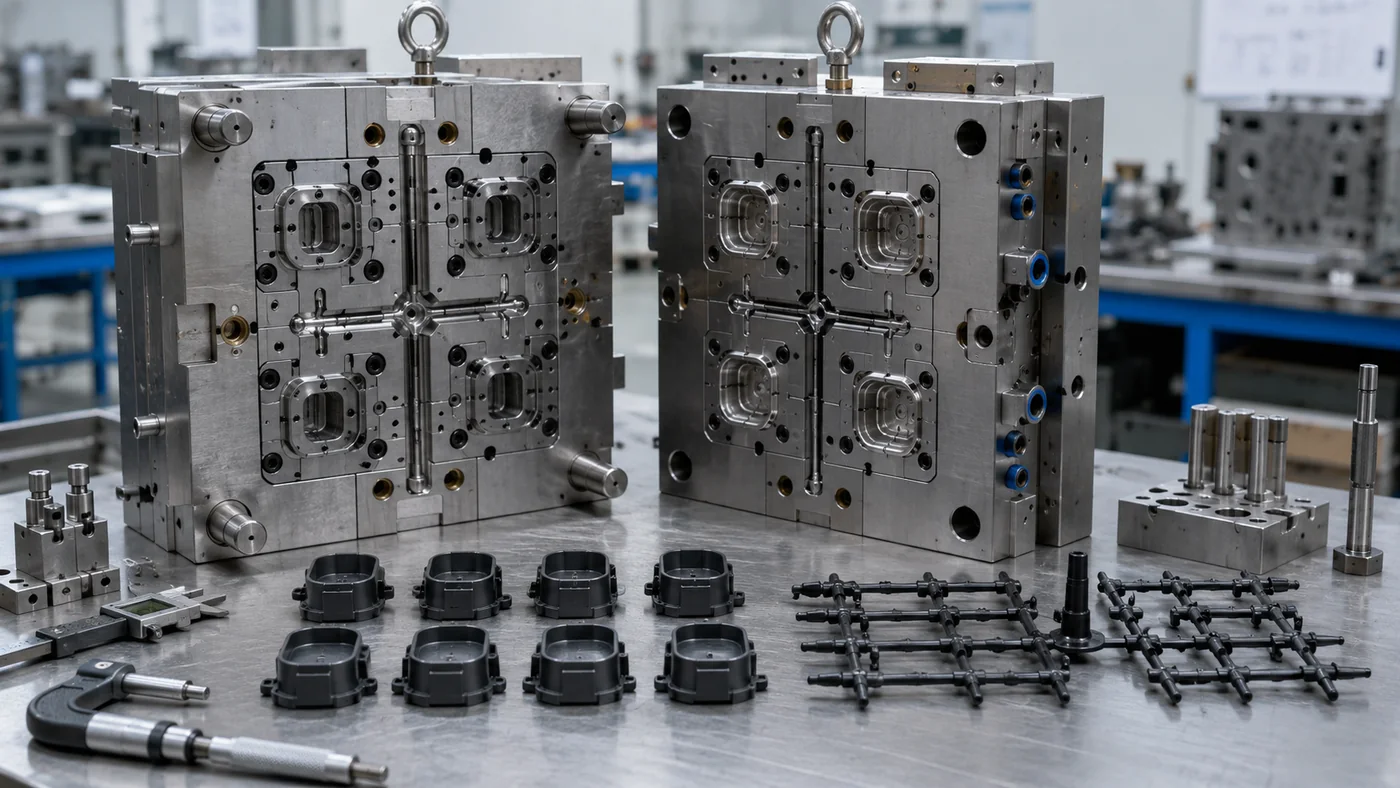
5. Bridge Tooling
Produce real parts to validate market and structural risks before investing in high-volume multi-cavity steel molds.
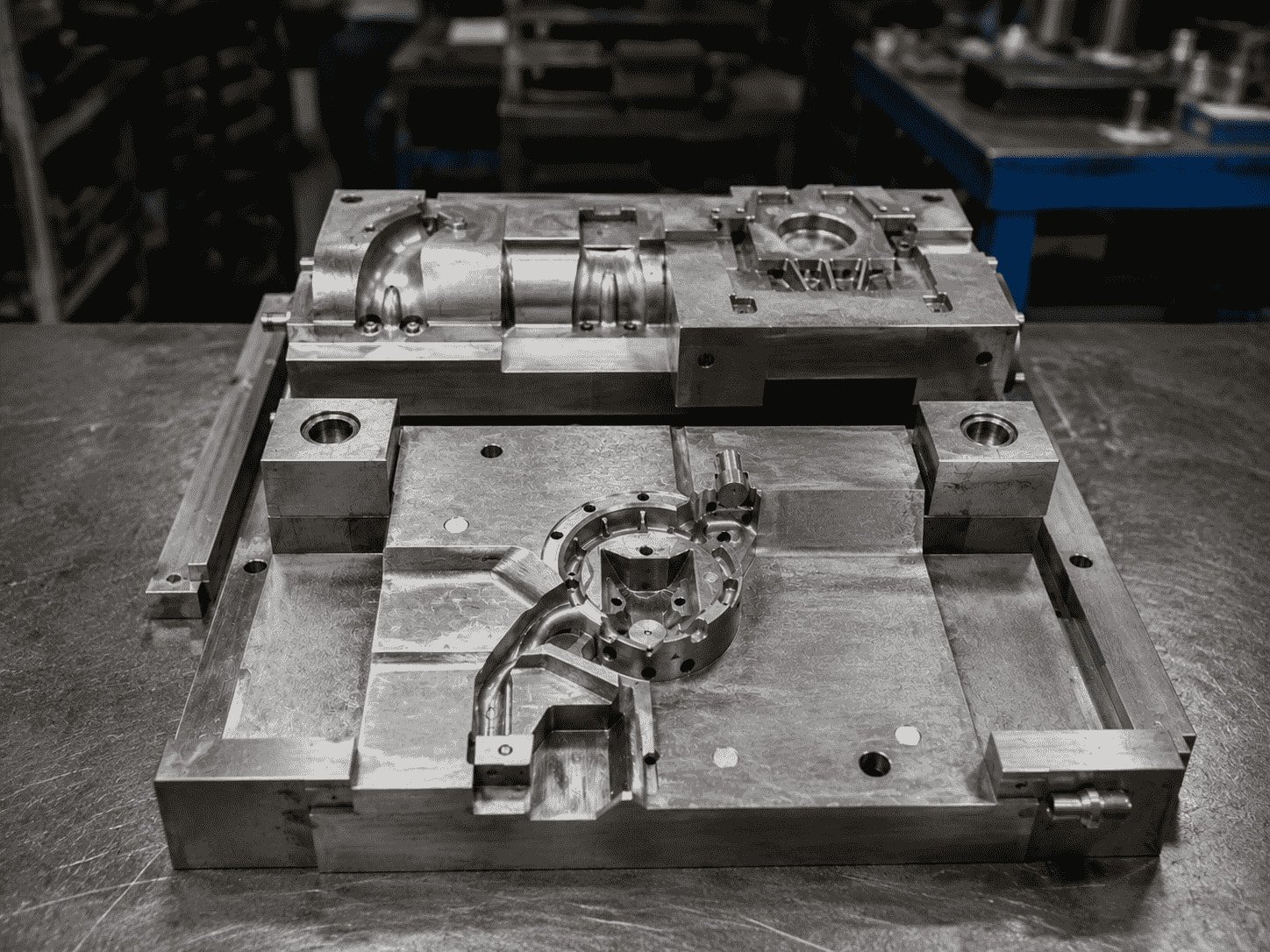
6. Low-Volume Insert/Overmolding
Support for brass inserts, threaded sleeves, terminals, TPU/TPE sealing, and soft-touch areas in small batches. (Insert Molding | Overmolding)
Common Problems in Low-Volume Plastic Injection Molding Projects
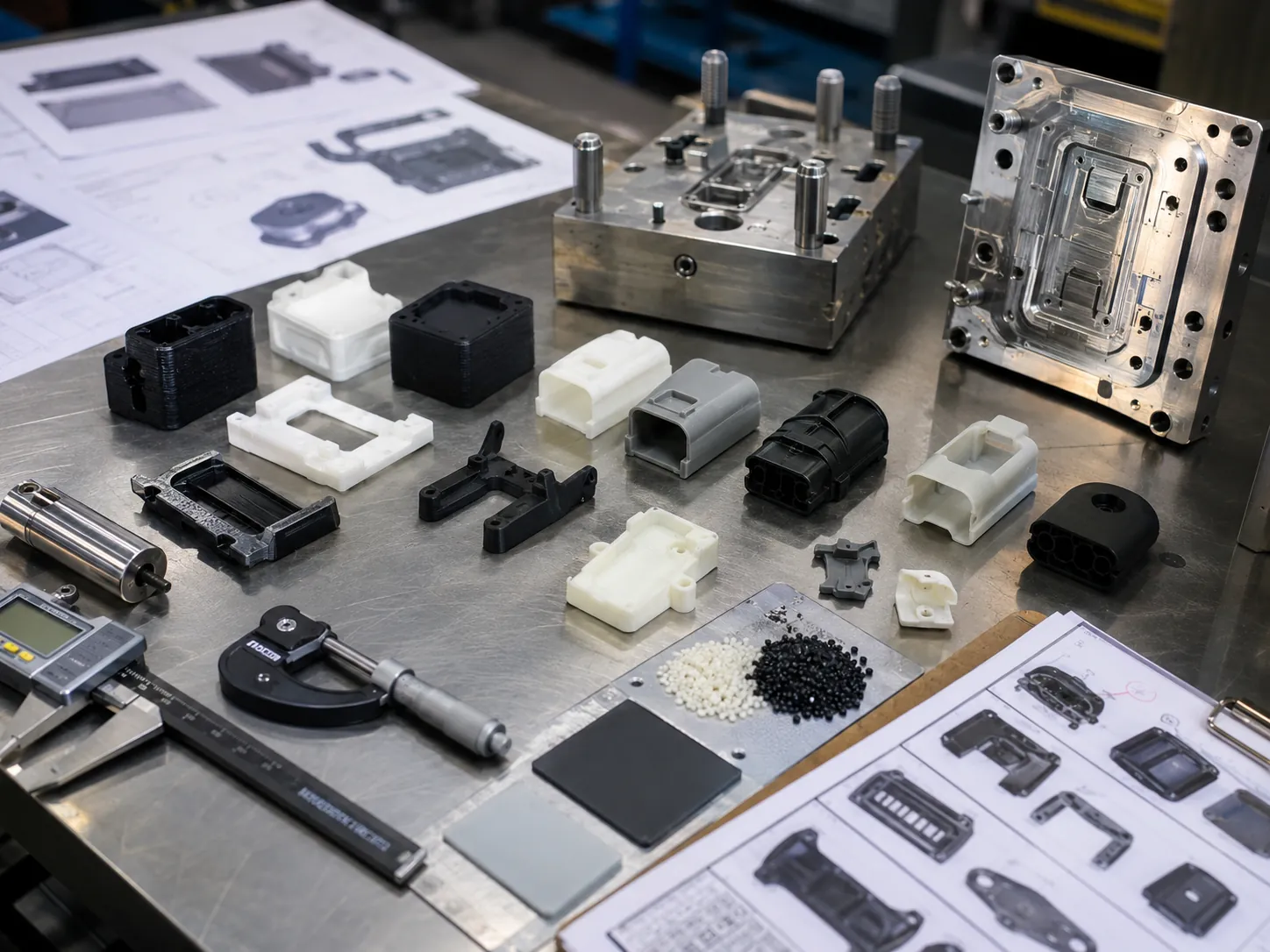
Transitioning from prototyping to low-volume production often introduces unexpected challenges. At GBM Mold Technology, we proactively address these pain points with tailored tooling strategies, material expertise, and stringent quality control to ensure your project's success.
| Buyer Pain Point | Why It Happens | GBM Solution |
|---|---|---|
| Mold cost is too high for a small order | Supplier quotes production-grade hardened steel mold directly. | Recommend aluminum, soft steel or insert mold based on real quantity. |
| 3D printed prototypes passed, but molded parts fail | Real resin shrinkage, gate marks and warpage were not validated. | Use T1 injection molded samples for functional approval. |
| Design changes after mold cutting | DFM was not done before tooling. | Review wall thickness, draft, ribs, bosses, gate and ejector before mold cutting. |
| Small order supplier is not stable | Many factories prefer large-volume jobs. | Position GBM as a partner for prototype, pilot and repeated low-volume orders. |
| Unit price looks cheap but total cost is high | Mold life, material waste, inspection and shipping are ignored. | Show total cost factors instead of only part price. |
| Material performance is uncertain | Wrong resin or grade selected during prototype stage. | Add material selection support for ABS, PC, PP, PA, POM, TPU, PEEK etc. |
| Sample approval is unclear | No T1 report, no photos, no dimension check. | Provide T1 sample review, inspection photos and packing confirmation. |
Why Choose GBM for Low Volume Injection Molding?
Who can do low volume injection molding? A low volume injection molding manufacturer with DFM review, mold tooling, T1 trial, material selection, molding production and inspection capability can support low-volume molded plastic part projects.
1 Mold Option Based on Quantity
GBM reviews target quantity, annual demand, part geometry, resin and tolerance before recommending aluminum tooling, soft steel tooling, steel inserts or production mold options.
2 DFM Review Before Mold Cutting
We check wall thickness, draft angle, ribs, bosses, snap-fit areas, gate location, ejector marks, sink risk and assembly dimensions before tooling starts.
3 Real Thermoplastic Parts
Low-volume molding helps buyers test actual resin performance, shrinkage, surface finish, mechanical strength and assembly fit before mass production.
4 T1 Trial & Mold Correction
After the first mold trial, GBM can review short shots, sink marks, flash, warpage, gate marks, weld lines and dimensional issues before batch production.
5 Suitable for Overseas Buyers
Support remote communication, CAD review, sample photos, trial videos, dimension checks, packing photos and export shipment coordination.
6 From Low Volume to Production
If the product demand grows, the project can be reviewed for hardened steel tooling, multi-cavity molds or production molding.
Low Volume Injection Molding vs 3D Printing vs CNC Machining
Which Process is Right for You?
Low volume injection molding vs 3D printing: 3D printing is better for early concept models and fast design changes, while low volume injection molding is better for real thermoplastic parts, repeatable quality, molded surface finish and pilot production.
| Option | Best For | Advantages | Limitations |
|---|---|---|---|
| 3D Printing | Concept models, appearance review, early iteration | Fast, low setup cost, design flexibility | Material and strength may not match molded parts |
| CNC Plastic Machining | Functional prototypes, tight-machined features | Real block material, good accuracy | Higher part cost, not same as molded shrinkage or gate behavior |
| Urethane Casting | Small quantity cosmetic samples | Good appearance for soft tooling samples | Limited material equivalence and lower repeatability |
| Low Volume Injection Molding Recommended | 100–10,000 molded parts, pilot runs, market testing | Real resin, real process, repeatable molded parts | Requires tooling investment and DFM before cutting |
| High-Volume Injection Molding | Large annual production | Lowest unit cost at scale, multi-cavity efficiency | Higher upfront mold cost and longer tooling decision cycle |
Ready to start your manufacturing project with the right process?
Materials for Low Volume Plastic Injection Molding
Best materials for short run plastic injection molding: Common materials include ABS, PP, PC, PA6, PA66, POM, TPU, TPE, PC/ABS, PBT, PPS and PEEK, depending on heat resistance, impact, flexibility, chemical exposure, wear and cost.
ABS
Housings, covers, brackets, consumer parts
Good balance of impact, machining and molding stability.
PP
Clips, caps, living hinge parts, chemical-resistant
High shrinkage, gate and warpage need review.
PC
Transparent covers, strong housings, optical windows
Drying, mold temperature and stress control are important.
PA6 / PA66
Gears, brackets, structural parts, automotive
Moisture absorption and shrinkage must be considered.
POM
Sliding parts, gears, precision mechanical parts
Gate, venting and dimensional control are important.
TPU / TPE
Soft-touch, sealing, protection and flexible parts
Bonding and overmolding compatibility need review.
PC/ABS
Electronic housings, equipment covers
Good balance of toughness and surface appearance.
PBT / PET
Electrical parts, connectors, heat-resistant parts
Glass-filled grades need steel insert and venting review.
PPS / PEEK / PEI
High-temperature engineering components
Mold steel, processing temperature and tolerance risk must be reviewed.
How to Choose the Right Low-Volume Injection Molding Option
Choose 3D Printing
When you only need 1–20 appearance models, assembly concepts, or are in the early design iteration phase.
Choose CNC Plastic Prototype
When you need real block material performance and high dimensional accuracy, but do not yet need to validate tooling behavior.
Choose Prototype Injection Molding
When you need real injection molding materials, real shrinkage behavior, real gate marks, and structural assembly validation.
Choose Low Volume Injection Molding
When you need approximately 100–10,000 pieces for a pilot run, market test, bridge production, or repeated small-batch orders.
Choose Production Tooling
When annual demand is stable, unit cost is highly sensitive, and quantities show clear growth, upgrading to hardened steel or multi-cavity molds.
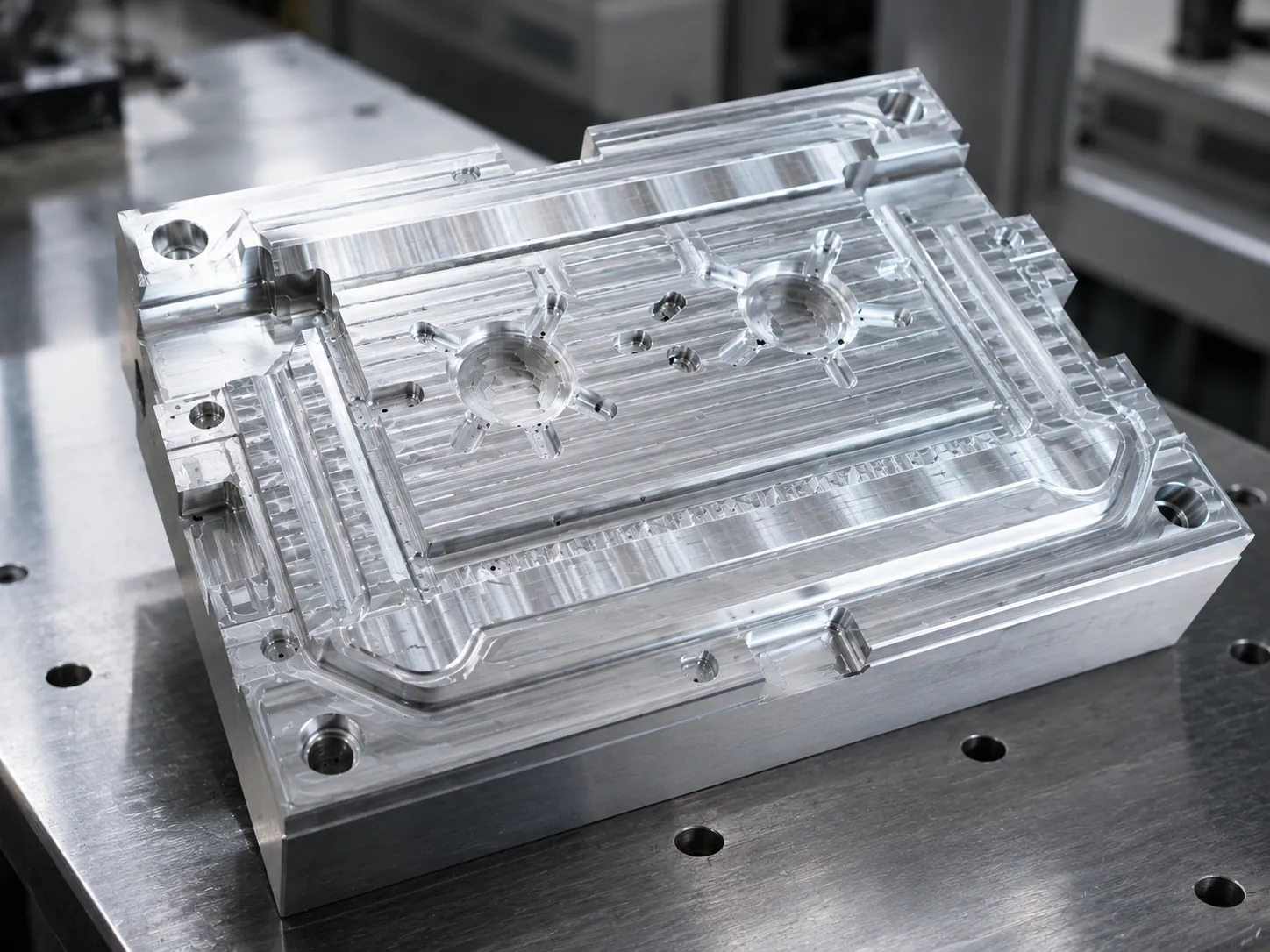
DFM Review Before Low-Volume Mold Tooling
For low-volume injection molding, DFM review is important because the mold budget is limited but the part still needs to perform like a real production component. GBM reviews part geometry before tooling to reduce the risk of sink marks, warpage, short shots, flash, ejector marks, weak snap-fits and assembly mismatch.
Low Volume Injection Molding Process
Step 1: Upload CAD Files
Buyer sends STEP, IGES, X_T, 2D drawing, material, quantity, color, tolerance and surface finish requirements.
Step 2: DFM and Mold Option Review
GBM checks moldability, cost risk, material selection and whether aluminum, soft steel or production mold is more suitable.
Step 3: Mold Design and Tooling
The mold is designed with gate, runner, cooling, ejector, parting line and insert structure based on the project.
Step 4: T1 Mold Trial
T1 samples are molded to check filling, shrinkage, flash, sink marks, warpage, surface finish and assembly fit.
Step 5: Mold Correction and Sample Approval
If needed, mold corrections and process adjustments are made before low-volume production.
Step 6: Low-Volume Production
After sample approval, GBM produces the required batch quantity with process control and inspection.
Step 7: QC, Packing and Export Delivery
Parts are checked, packed, photographed and shipped according to buyer requirements.
Quality Control for Low-Volume Injection Molded Parts
Low-volume projects often have limited sample approval time, so GBM focuses on practical quality evidence. We provide T1 samples, molding feedback, inspection photos, dimensional checks, assembly review and packing confirmation to help overseas buyers approve production remotely.
- T1 sample photos & videos
- Dimensional inspection report
- Critical dimension checklist
- Material label confirmation
- Assembly fit checking
- Export carton / pallet packaging
Engineering Communication
CAD review, DFM comments, mold risk discussion.
Sample Approval Evidence
T1 samples, trial photos, surface and dimension checks.
Repeat Batch Support
Suitable for repeated low-volume orders after sample approval.
Export Buyer Support
Packing photos, shipment coordination and remote project updates.
Material Selection Support
Resin review based on heat, impact, chemical, wear, flexibility or transparency requirements.
Mold Upgrade Path
If volume grows, GBM can review whether the project should move to multi-cavity or hardened steel production mold.
Related Injection Molding Capabilities
Low Volume Injection Molding FAQ
1. What is low volume injection molding?
2. What quantity is considered low volume injection molding?
3. Is low volume injection molding better than 3D printing?
4. Is low volume injection molding suitable for prototypes?
5. What mold is best for low volume injection molding?
6. Is aluminum tooling good for low volume production?
7. What materials can be used for low volume plastic injection molding?
8. What affects low volume injection molding cost?
9. Can low volume injection molding be used for custom plastic parts?
10. Can GBM support overseas buyers for low volume injection molding?
11. What files are needed for a low volume injection molding quote?
12. Can low volume injection molding be upgraded to mass production?
13. Is low volume injection molding suitable for bridge production?
14. How do I choose between aluminum mold and steel mold?
15. Why should DFM be done before low-volume mold tooling?
Start Your Low Volume Injection Molding Project
Send your 3D CAD files, target quantity, material requirements and surface finish needs. We provide DFM review, mold option recommendations and low-volume production quotations.
DFM Before Tooling
Practical review of wall thickness, draft angles, and gate locations before cutting steel.
T1 Samples & Trial Feedback
Real T1 samples provided with detailed trial reports for mold correction and dimension verification.
Flexible Mold Options
Choose from fast-machining aluminum molds, cost-effective soft steel molds, or durable production tooling based on your volume.
Get a Low-Volume Injection Molding Quote
Upload your STEP, IGES, X_T or 2D drawing. We will review mold cost, part price, material choice and production feasibility.