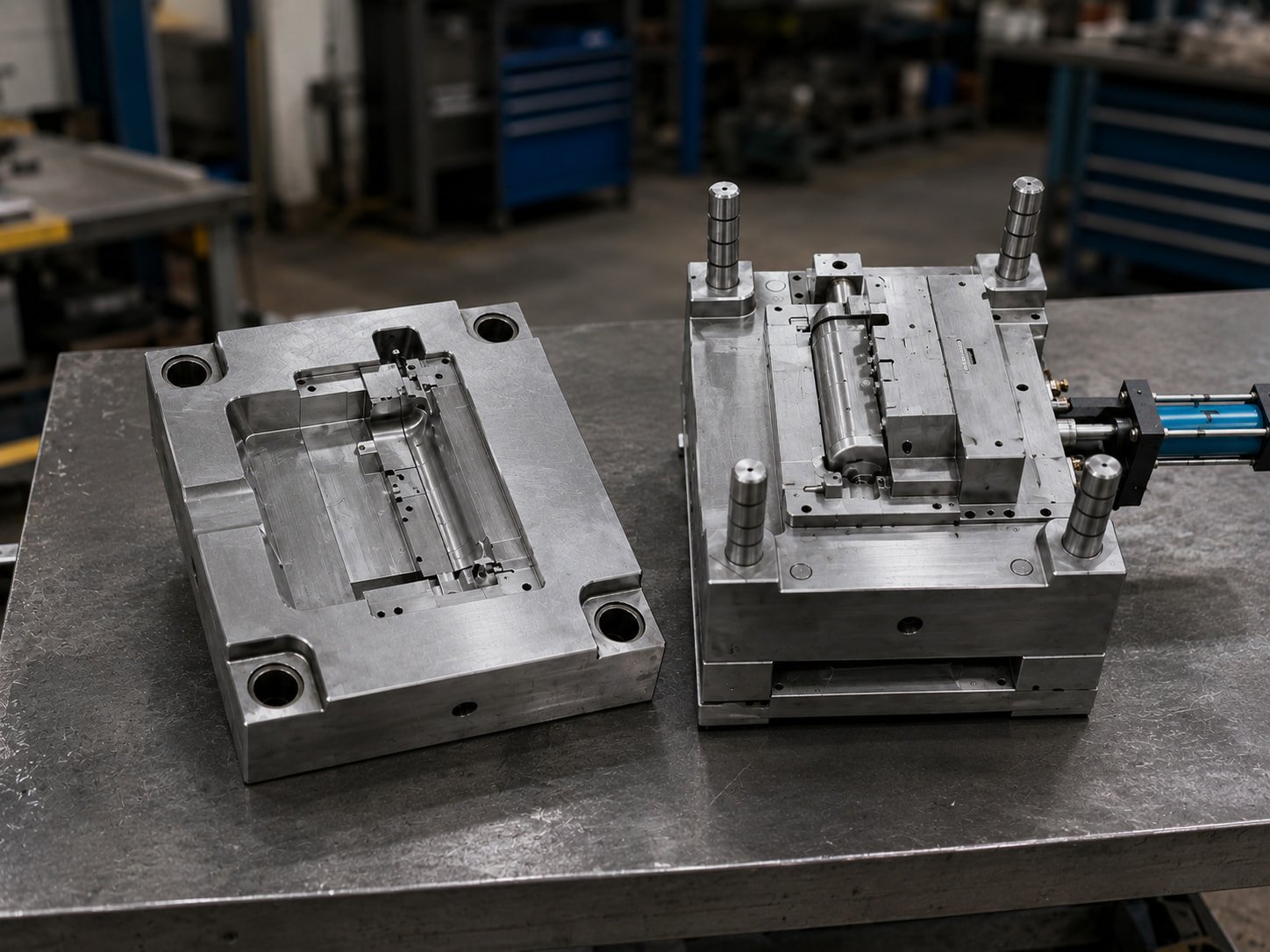
High Precision Mold Manufacturer for Automotive, Electronics & OEM Parts
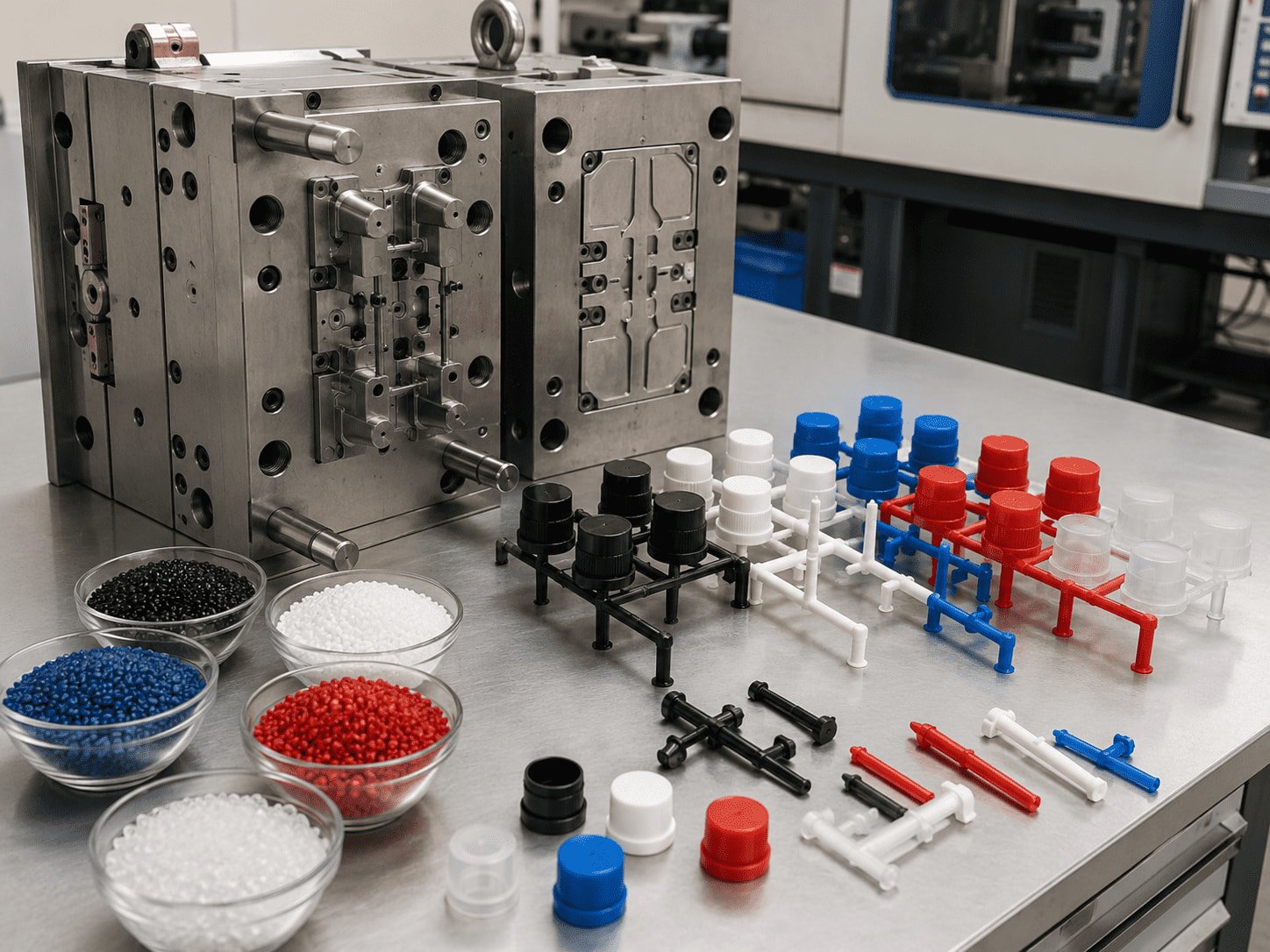
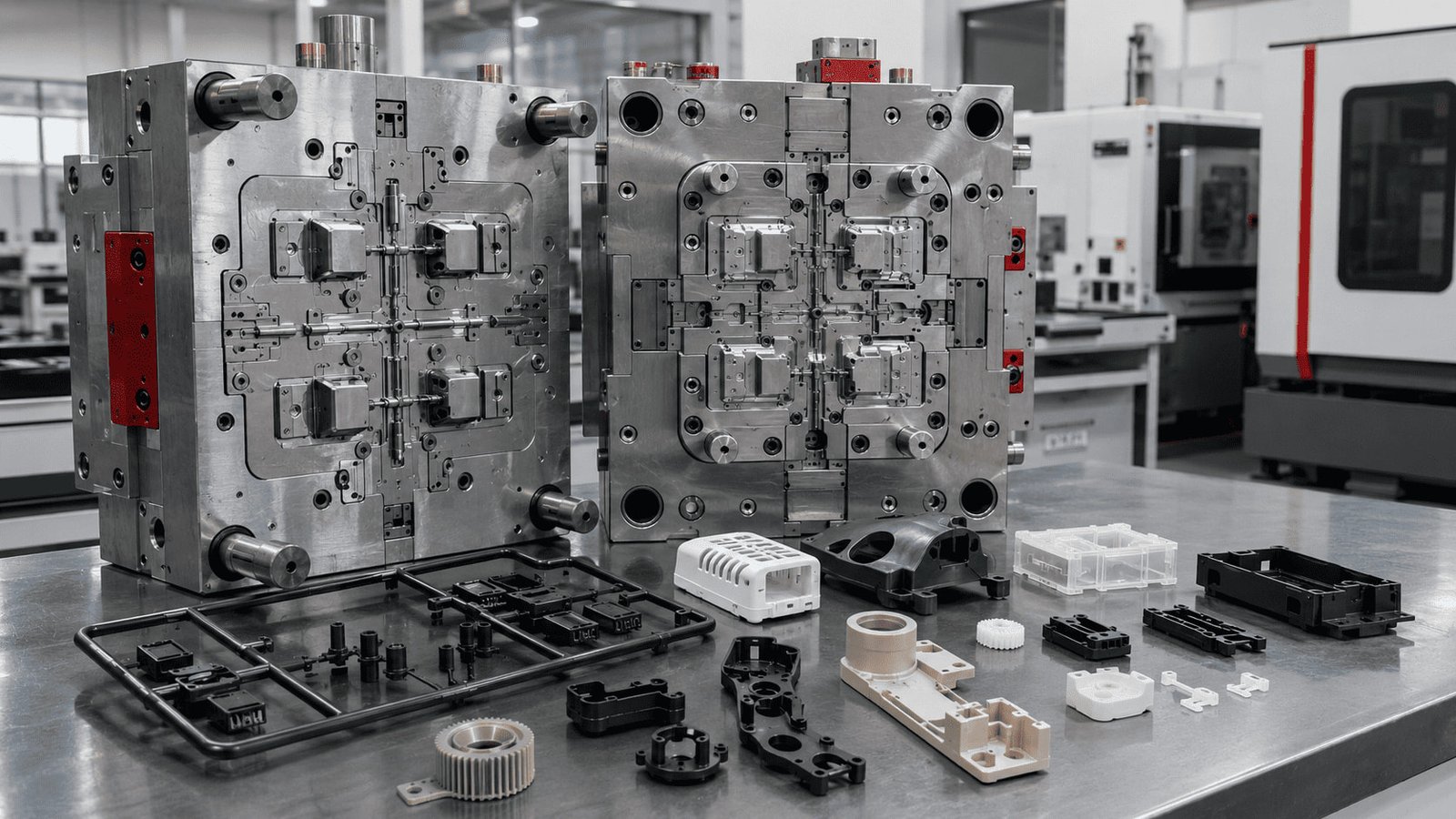
GBM Mold builds high precision injection molds for automotive dashboard components, OEM communication parts, electronics connectors, medical housings, optical covers and engineering plastic parts where CTQ dimensions, insert alignment, parting line control and repeatable molding stability matter.
GBM Mold handles precision mold projects, from DFM review and design to machining, sampling, inspection, and delivery. Share your 3D files, drawings, resin, volume, and dimensions for a tooling risk review.
High Precision Mold at a Glance
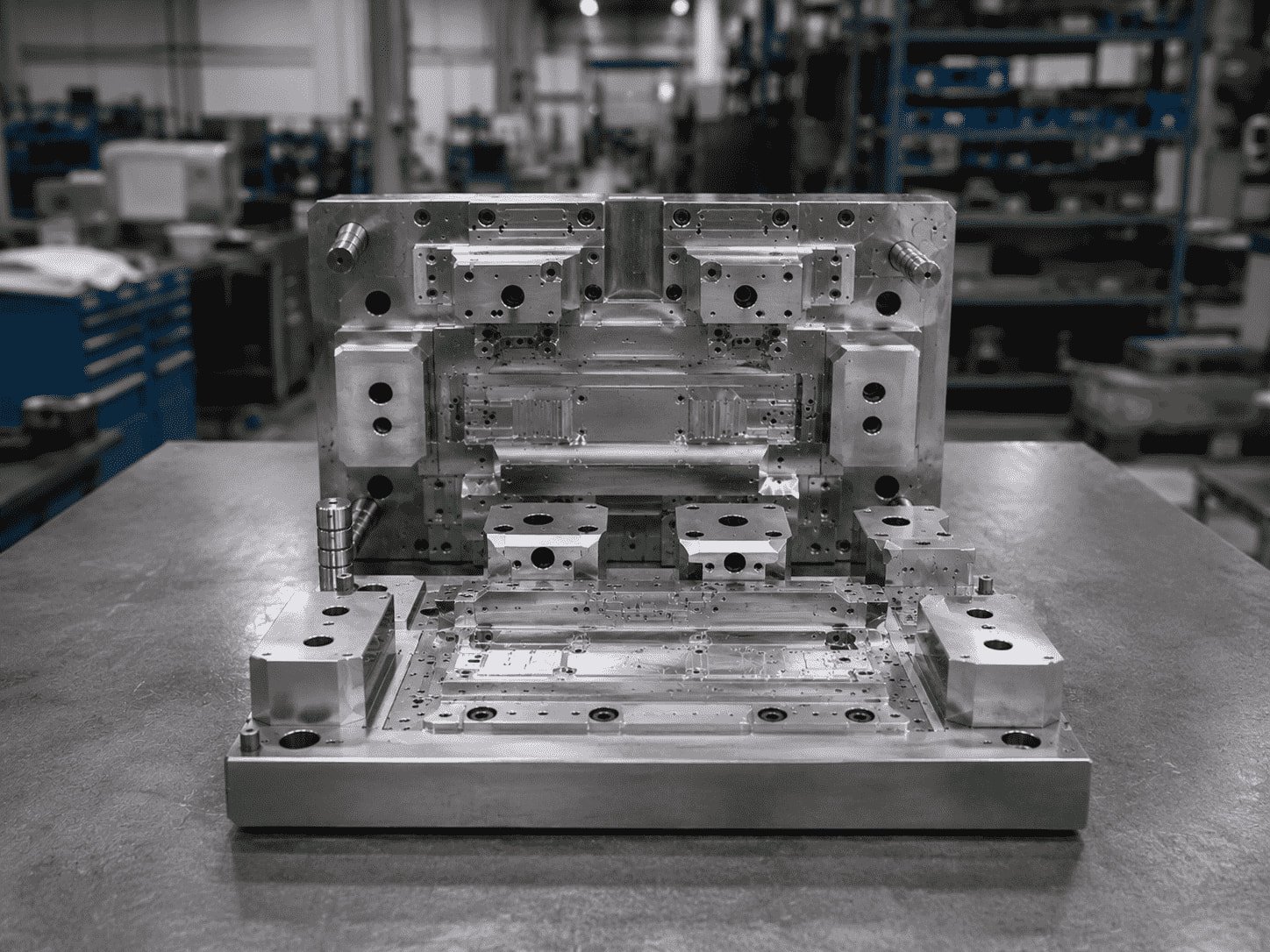
Mold Type
High precision injection mold, insert mold, multi-cavity mold, connector mold and precision mold components.
View Mold Solutions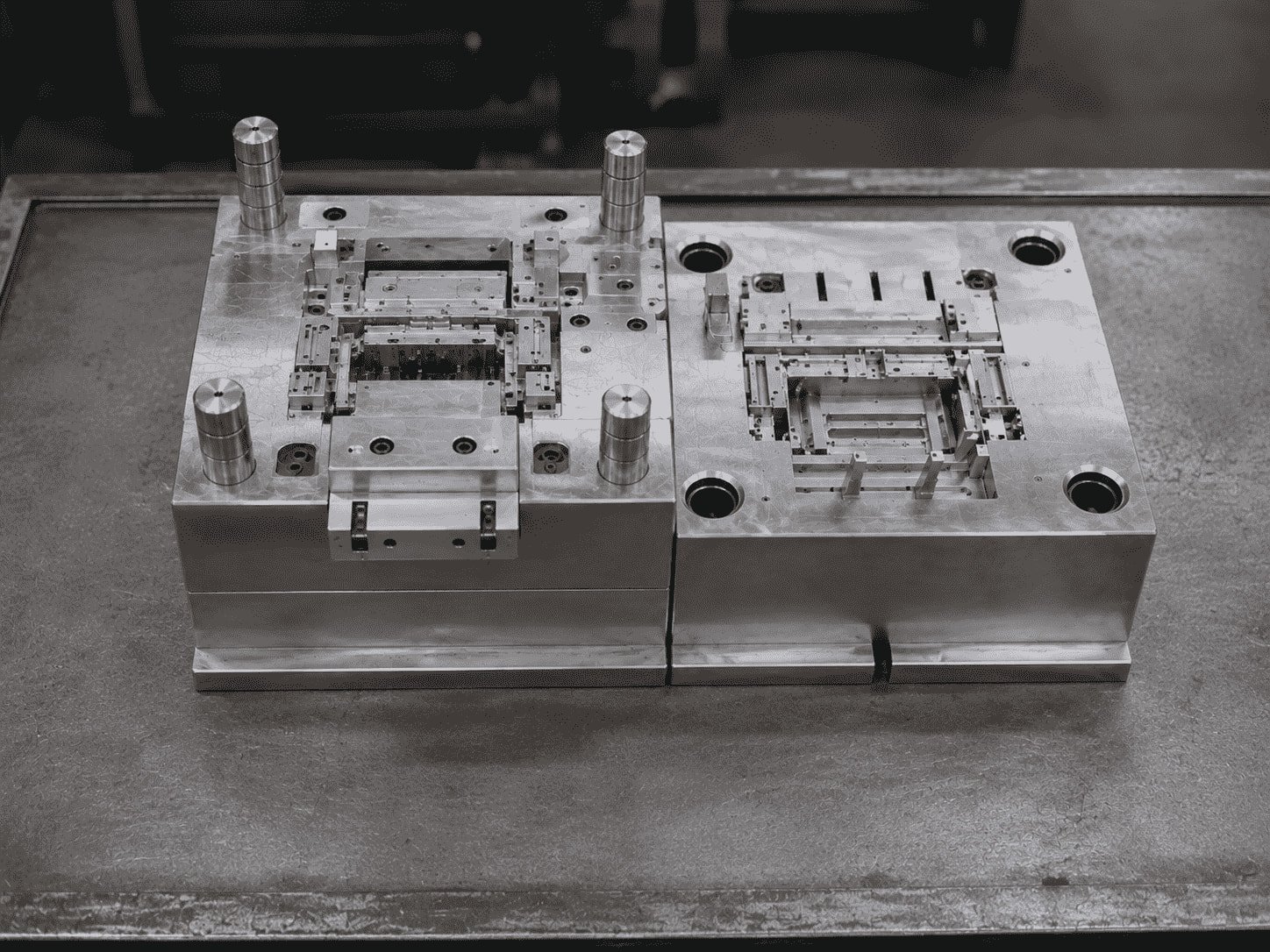
Typical Parts
Connector housings, OEM communication parts, dashboard components, sensor housings, optical covers, medical device housings, precision gears and small engineering plastic parts.
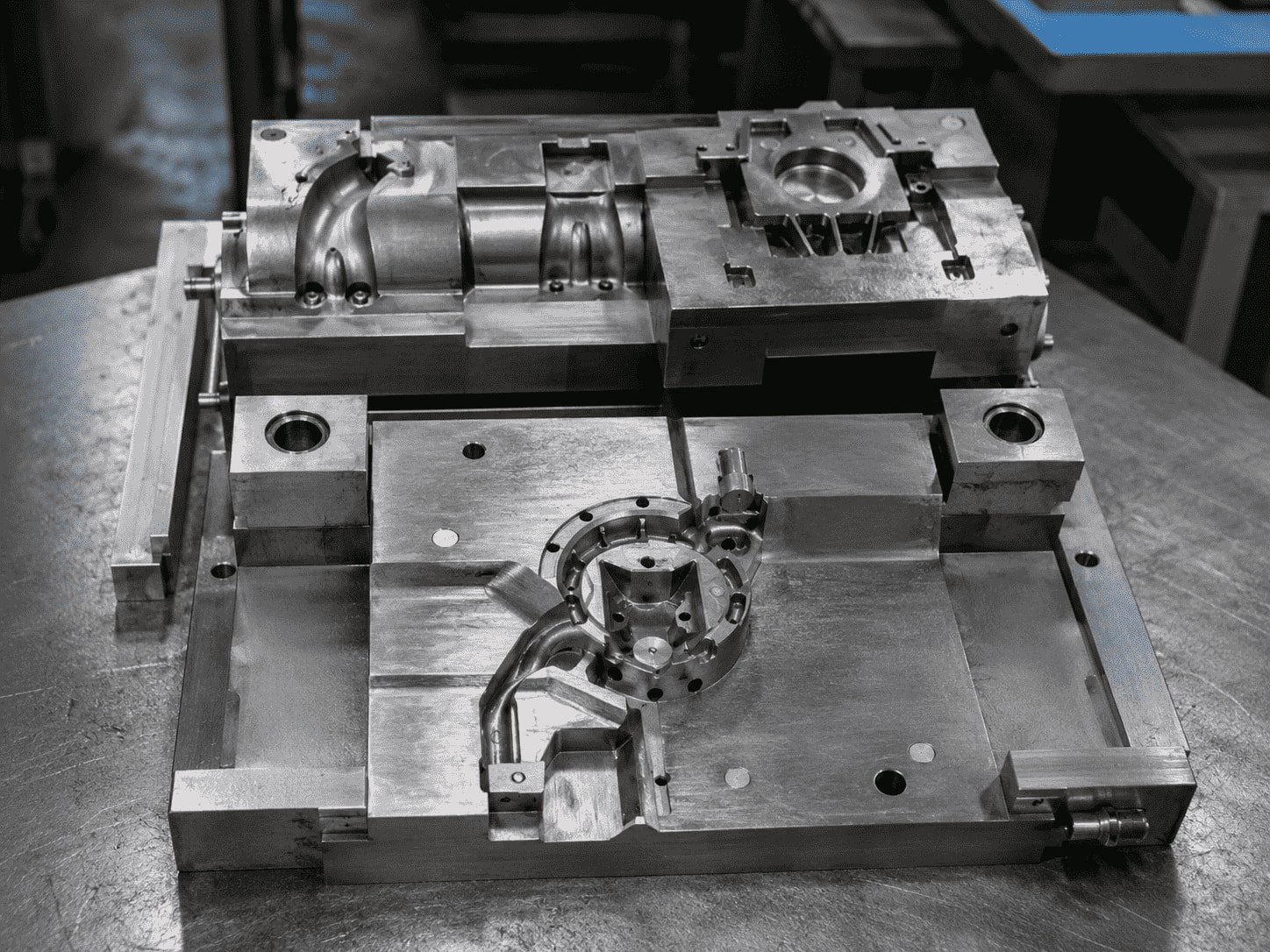
Key Mold Focus
Parting line, shutoff, insert positioning, cavity balance, gate location, cooling layout and venting.
Inspection Support
T1 sample review, CMM dimension report, FAI report, CPK study and visual inspection records when required.
See QC Process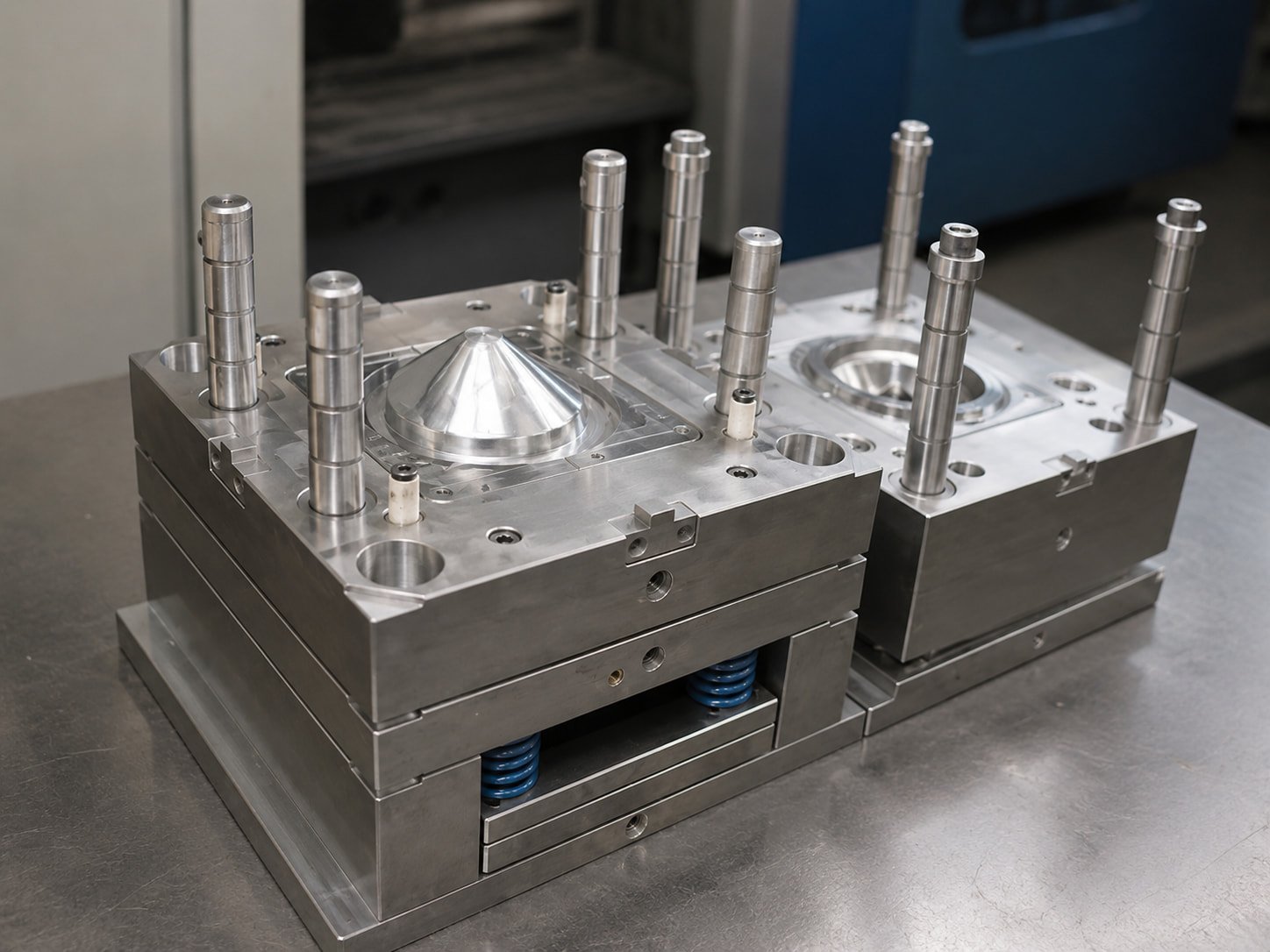
Buyer Inputs Needed
3D CAD, 2D drawing, resin, production volume, CTQ dimensions, surface finish and inspection requirements.
What Is a High Precision Mold?
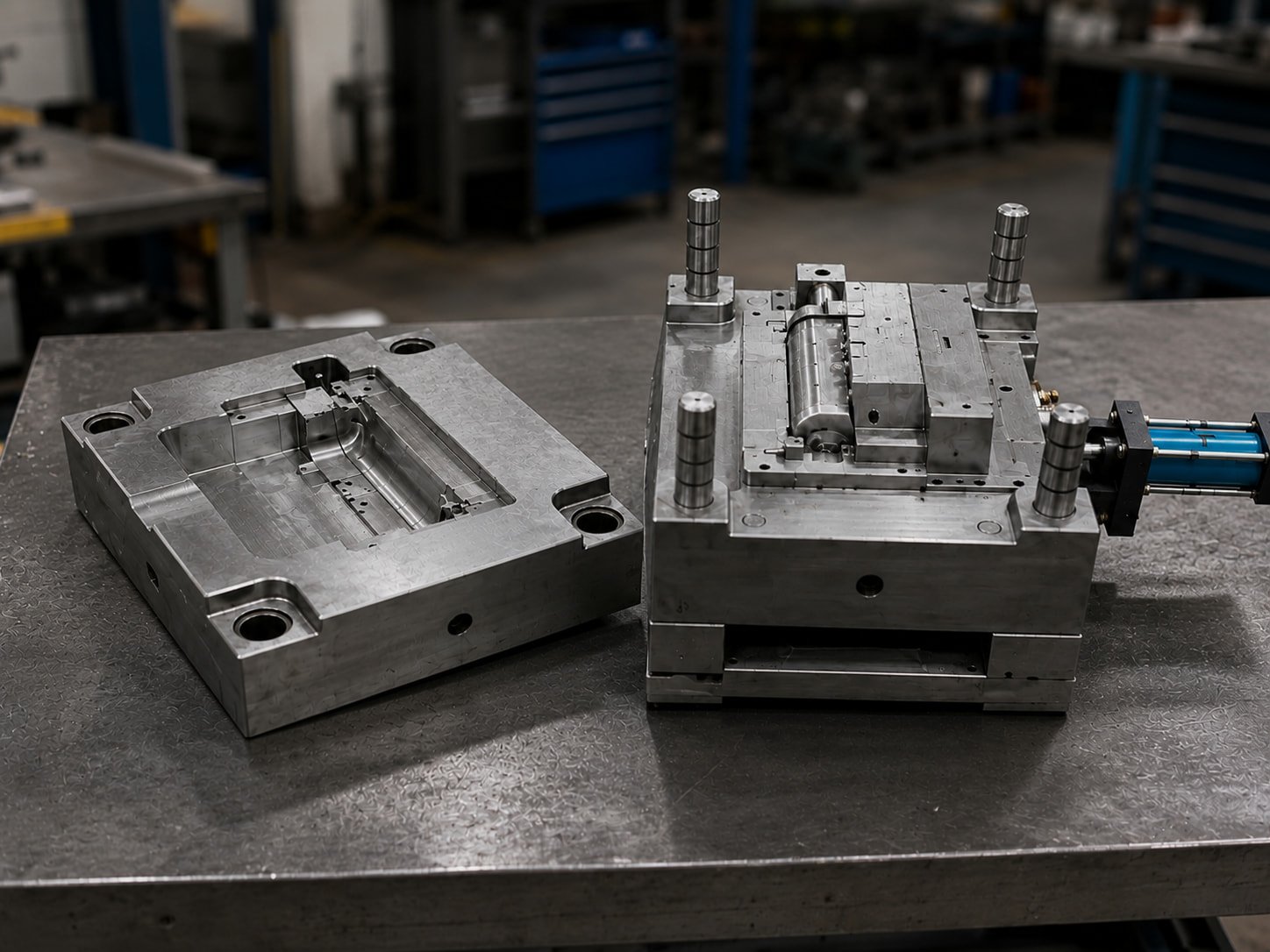
A high precision mold is an injection mold designed for plastic parts where small dimensional changes can affect assembly, sealing, optical function, electrical connection or mechanical movement. It requires more than accurate machining.
The mold design must consider resin shrinkage, steel-safe strategy, gate and runner layout, cooling balance, insert alignment, parting line control, venting and how CTQ dimensions will be inspected after T1 samples. For automotive dashboard molds, precision is often related to assembly fit, clip position, warpage control and surface consistency. For OEM communication parts molds, precision often involves small connector dimensions, terminal insert positioning, thin-wall features and flash control.
For GBM Mold, "high precision" is reviewed from the part drawing, not claimed as a fixed number. Tolerances are evaluated according to part geometry, resin, wall thickness, datum design, mold structure and measurement method.
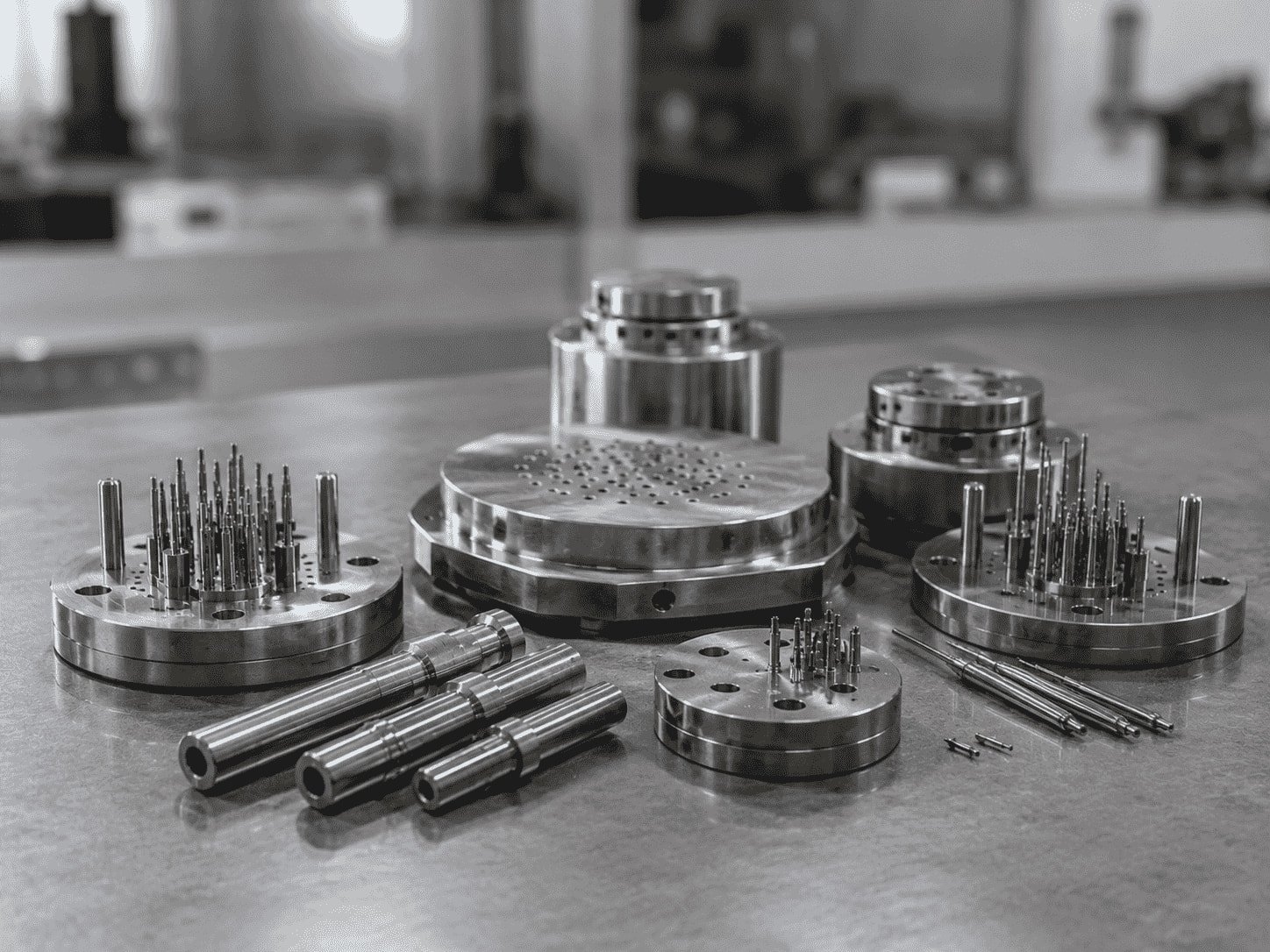
High Precision Mold Parameters for RFQ Review
These parameters are project-dependent and reviewed by drawing based on resin and part geometry before tooling begins.
Need a custom parameter review?
Send your part details and we will evaluate the tooling feasibility.
High Precision Mold Types We Build
Different precision parts need different tooling structures. GBM Mold reviews cavity layout, insert position, resin behavior, volume demand and inspection method before recommending the mold type.
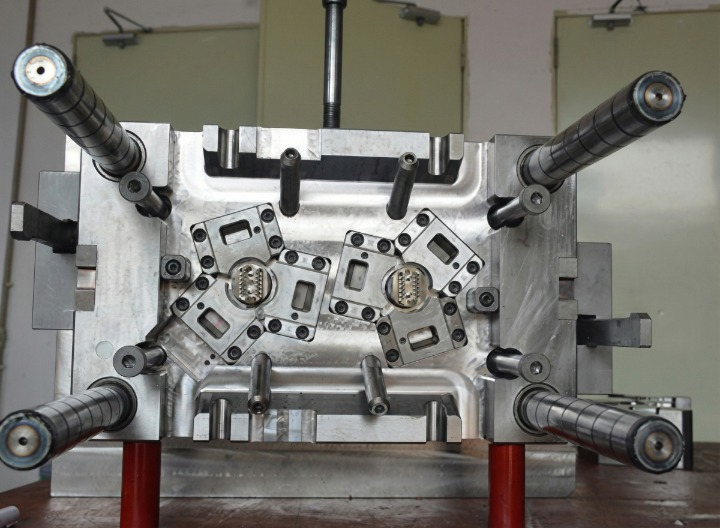
High Precision Injection Mold
For plastic parts requiring stable dimensions, controlled parting lines and repeatable molding quality in scheduled production.
Best for: electronics housings, sensor parts, precision covers, engineering plastic components
Learn about injection molds →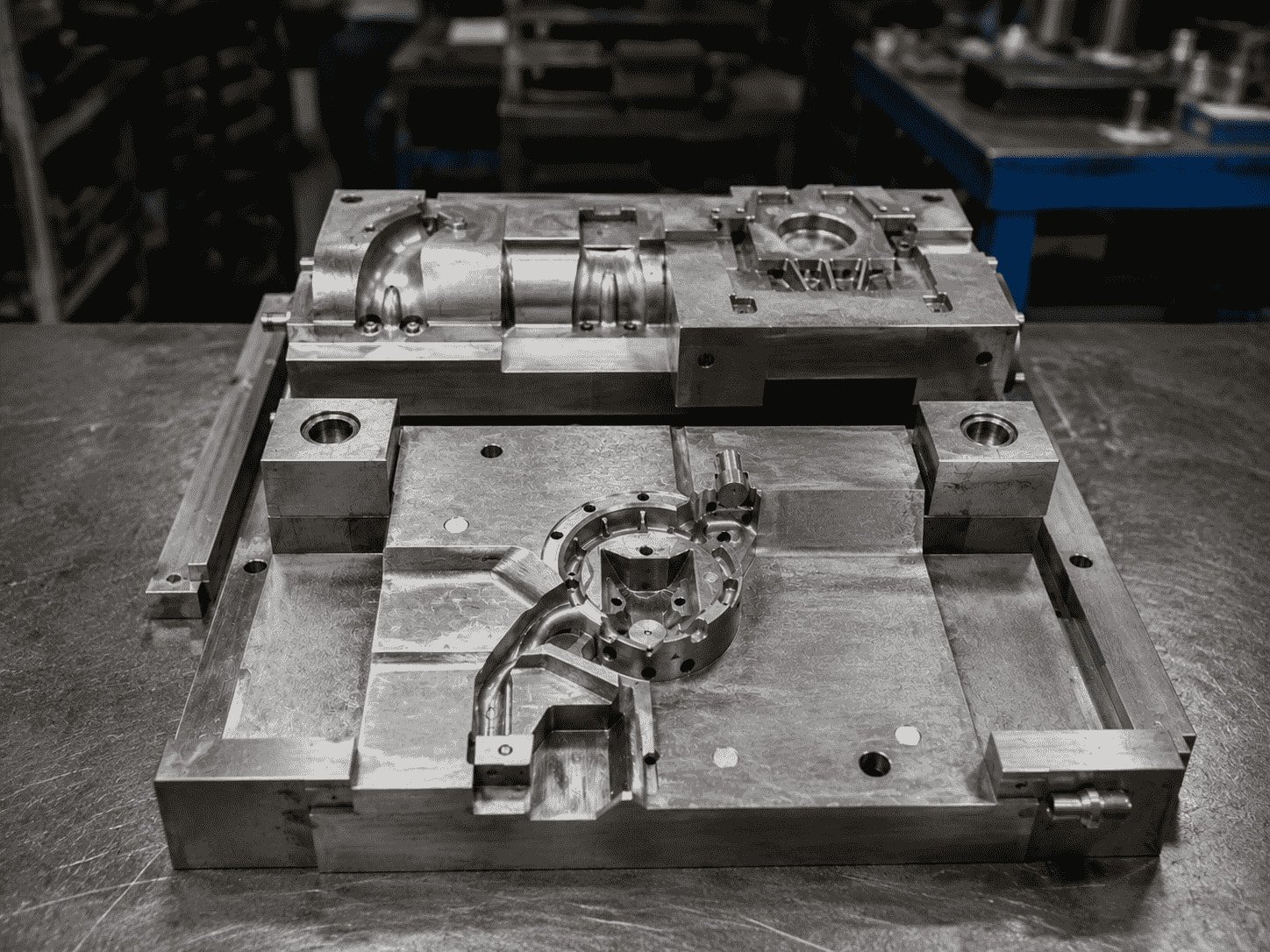
High Precision Insert Mold
For parts with terminals, pins, bushings, threaded inserts or metal components that must stay aligned during molding.
Learn about insert molding →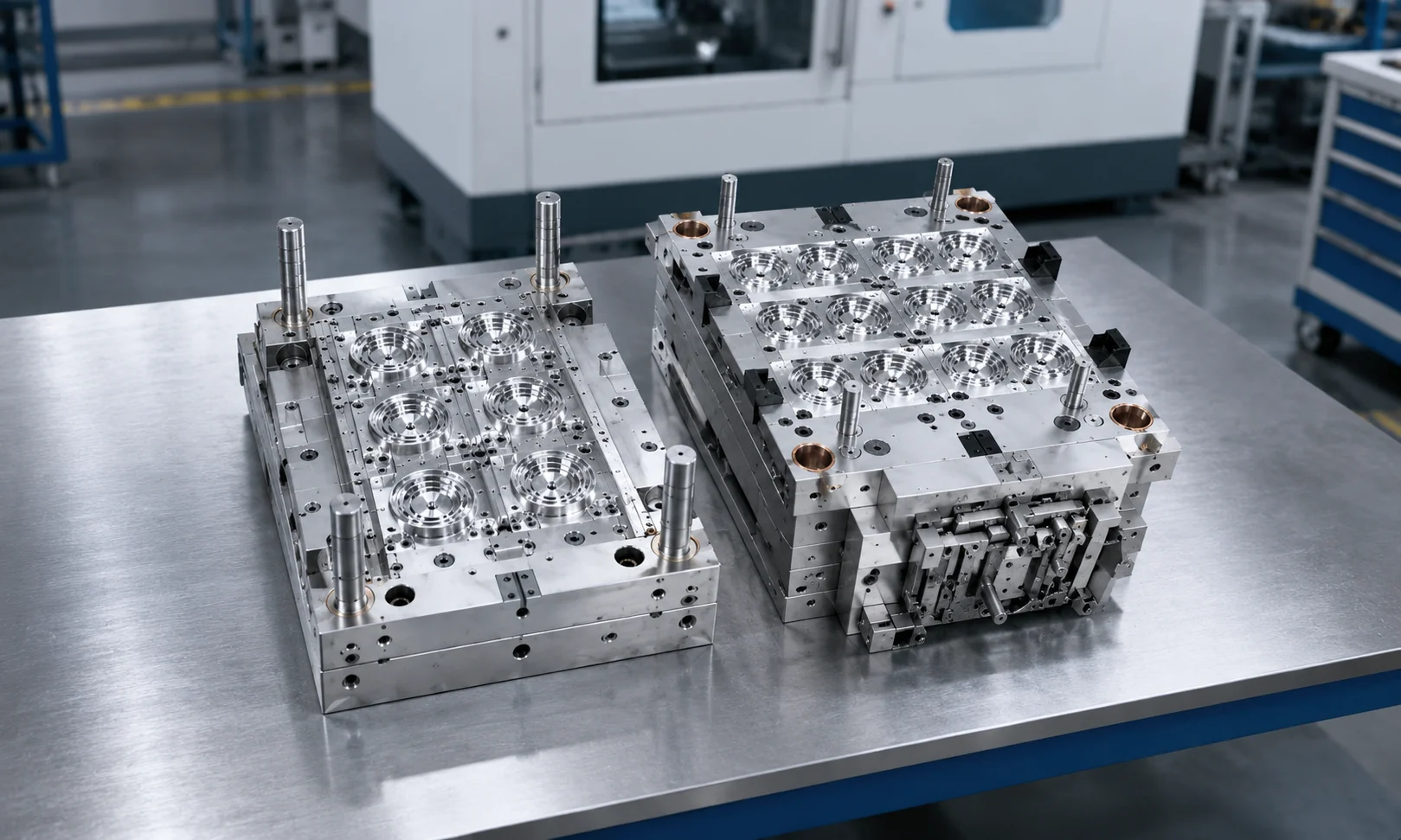
Multi-Cavity High Precision Mold
For higher-volume production where cavity balance, cooling consistency and repeated part dimensions must be reviewed together.
Learn about multi-cavity & stack molds →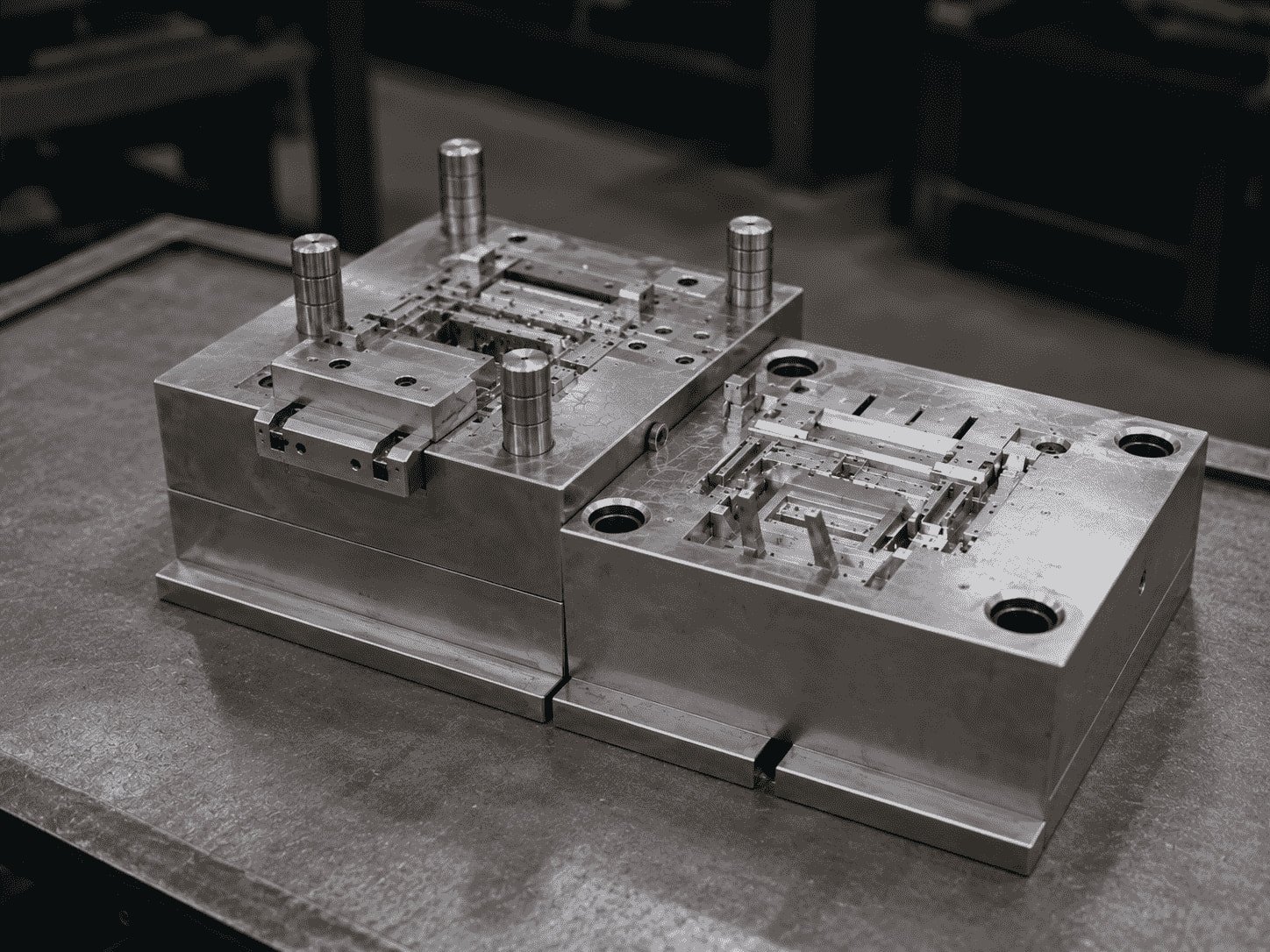
High Precision Connector Mold
For connector housings, terminal insert parts and small features where shutoff, flash control and insert positioning are critical.
Request connector mold review →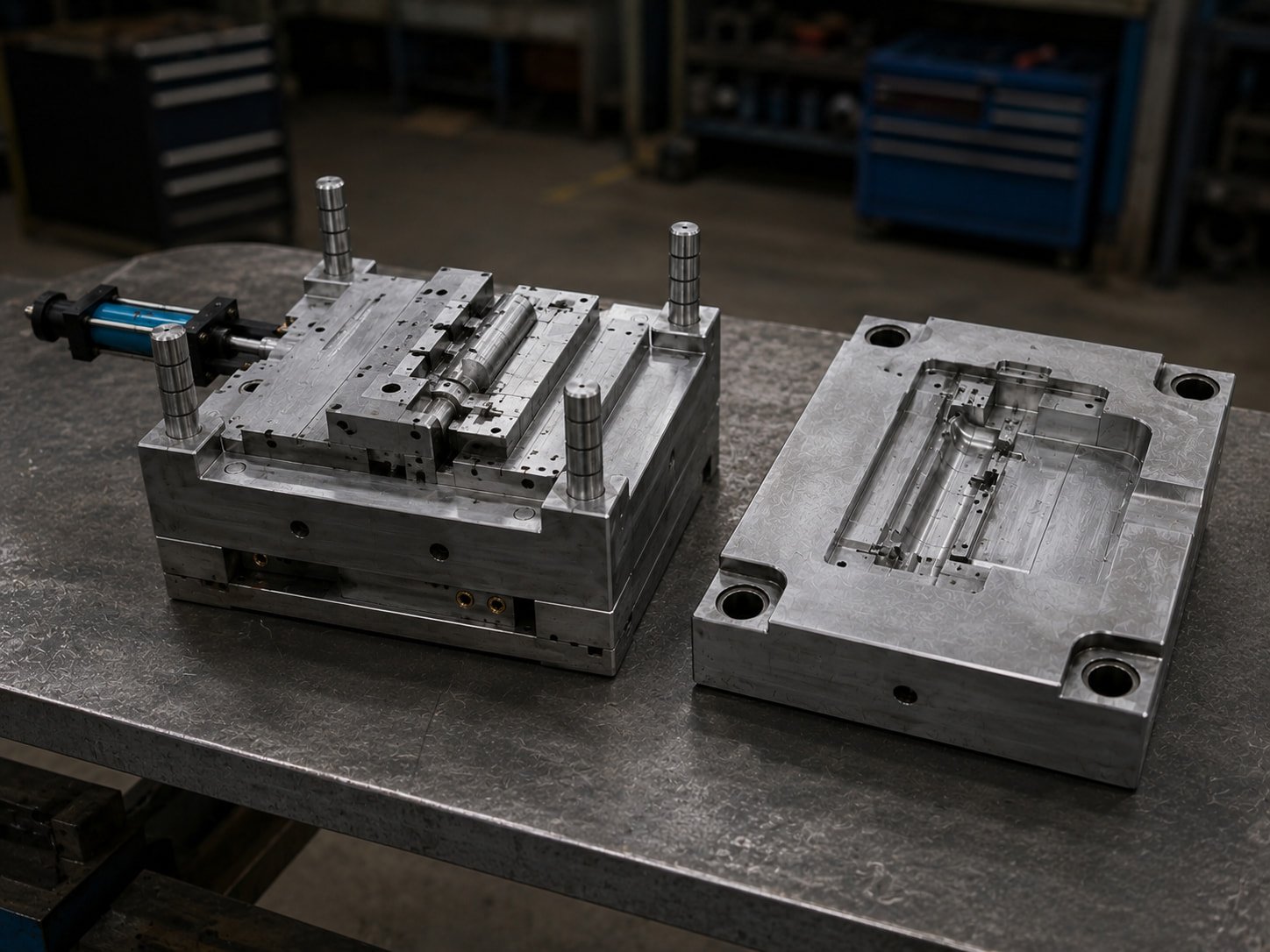
Optical & Surface Quality Mold
For transparent covers, light guide parts and cosmetic surfaces where gate marks, polishing, venting and surface defects must be controlled.
Learn about PC molding →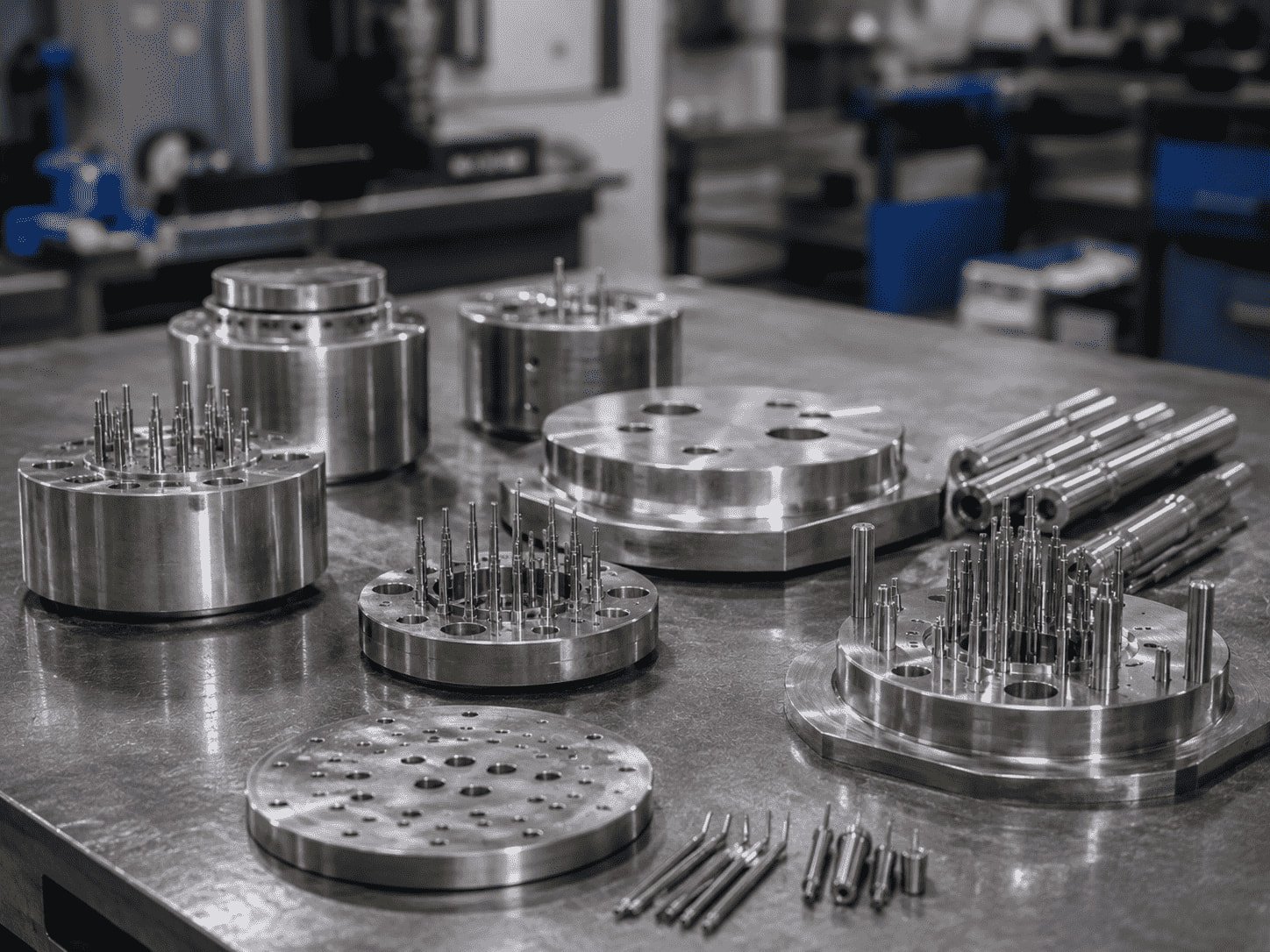
High-Temp Engineering Plastic Mold
For PPS, PEI, PEEK and glass-filled materials where mold steel, wear risk, temperature control and material drying must be reviewed.
Learn about PEEK molding →
Automotive Dashboard & Interior Precision Mold
For dashboard components, interior trims, functional clips, sensor housings and EV module plastic parts where assembly fit, warpage control, surface consistency and repeatable dimensions matter.
Request automotive mold review →
OEM Communication Parts Mold
For communication housings, connector parts, terminal areas, small precision covers and customized OEM plastic components requiring thin-wall control, insert alignment, shutoff accuracy and stable repeated molding.
Request communication parts mold review →Not sure which mold type fits your part?
Customized OEM Communication Parts Mold
GBM Mold builds customized OEM communication parts molds for connector housings, electronic enclosures, communication device covers, terminal areas and small precision plastic components. These parts often require stable small dimensions, insert alignment, thin-wall control, flash prevention and repeatable molding quality.
Connector Dimension Control
Review CTQ dimensions, datum strategy and cavity correction areas before machining.
Insert Alignment & Shutoff Accuracy
Design insert support, terminal position, shutoff surfaces and venting for stable molded parts.
Thin-Wall Feature Review
Check filling risk, gate position, weld line location and cooling layout for small communication parts.
Multi-Cavity Repeatability
Review runner balance, cavity-to-cavity consistency and sample inspection plan for volume production.
High Precision Mold Applications
Precision tooling is most valuable when small dimensional changes affect assembly, sealing, electrical contact, optical clarity or long-term part function.
Electronics & OEM Communication Parts
Examples: connector housings, communication device covers, small OEM plastic components, insulating covers, electronic enclosures
Engineering focus: small features, thin walls, insert alignment, shutoff control, flash control and repeatable dimensions.
Automotive Dashboard & Interior Parts
Examples: dashboard components, sensor housings, connector components, EV module plastic parts, interior clips and functional covers
Engineering focus: dimensional stability, clip fit, warpage control, surface consistency, assembly fit and repeatable production.
See production molding →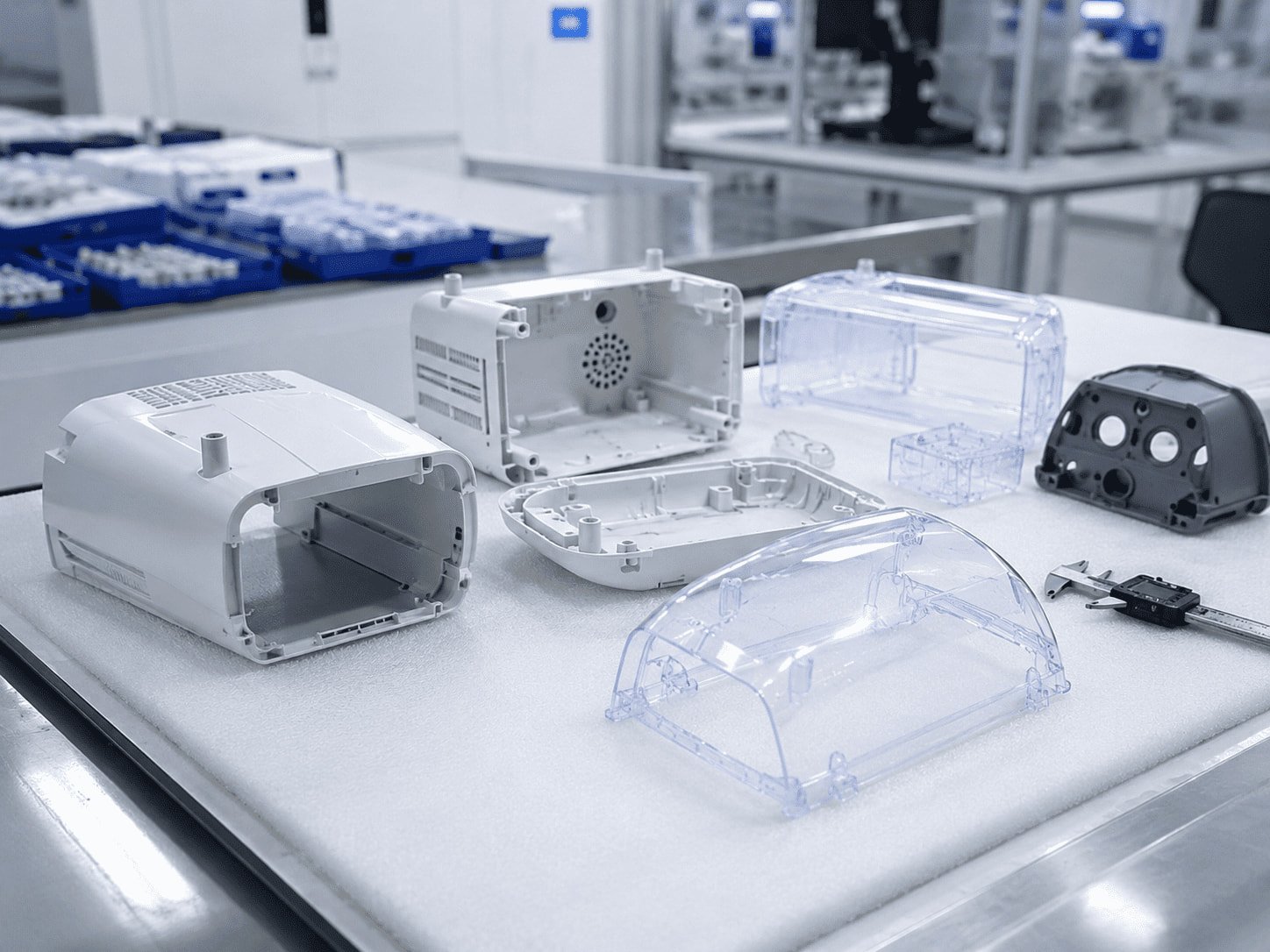
Medical Device Components
Examples: diagnostic housings, transparent covers, small functional plastic components
Engineering focus: clean appearance, fit/form/function review, traceable inspection records for medical device component projects requiring documented inspection.
Optical Grade Plastics
Examples: PC covers, PMMA lenses, light guide parts, transparent protective covers
Engineering focus: polishing, gate location, venting, stress control, surface inspection.
See Polycarbonate molding →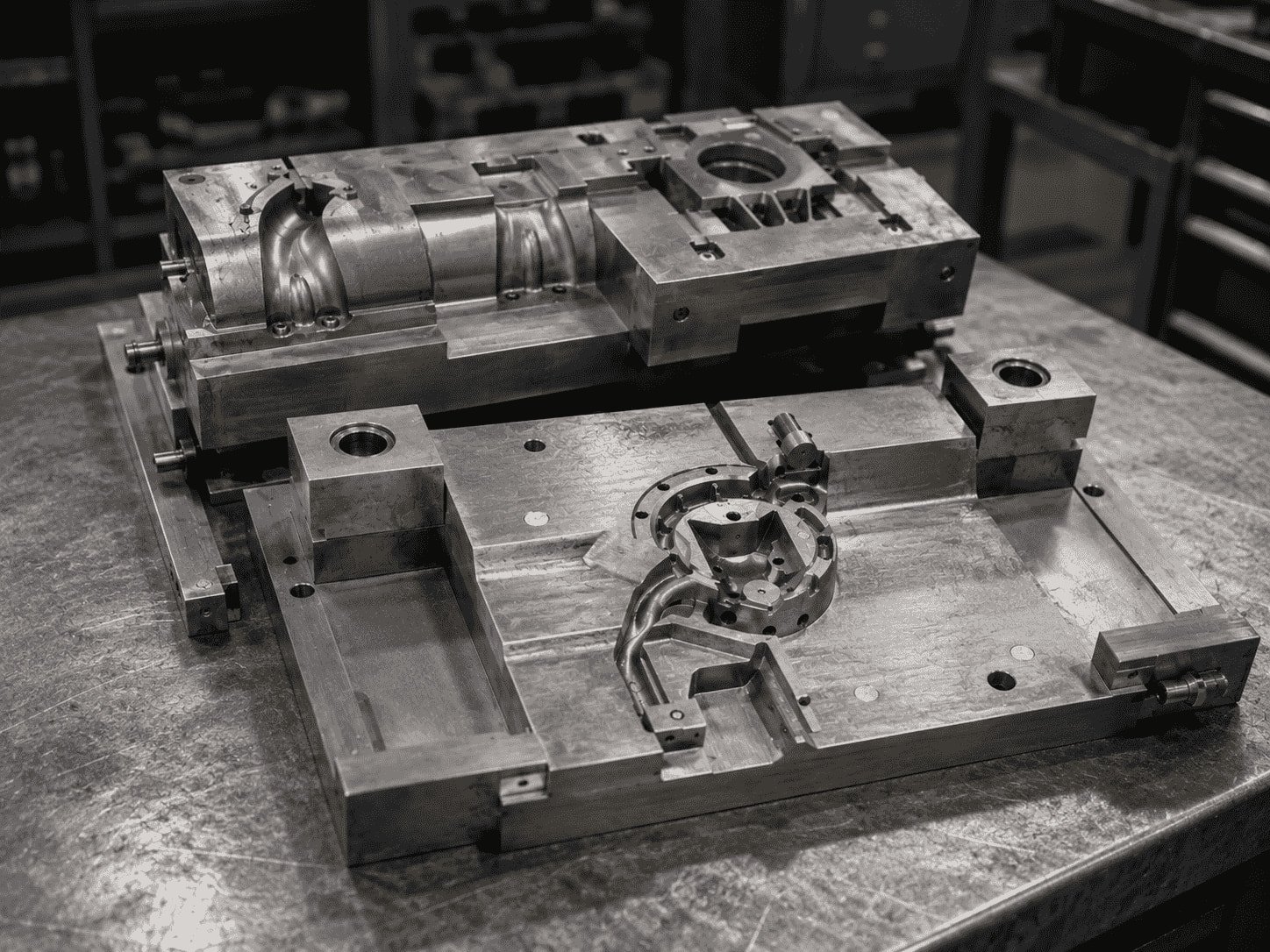
Engineering Plastic Parts
Examples: gears, bushings, wear parts, insulation parts, PEEK/PPS/PEI components
Engineering focus: resin shrinkage, mold temperature, wear risk, cooling and machining precision.
See PEEK molding →High Precision Dashboard Mold Solutions
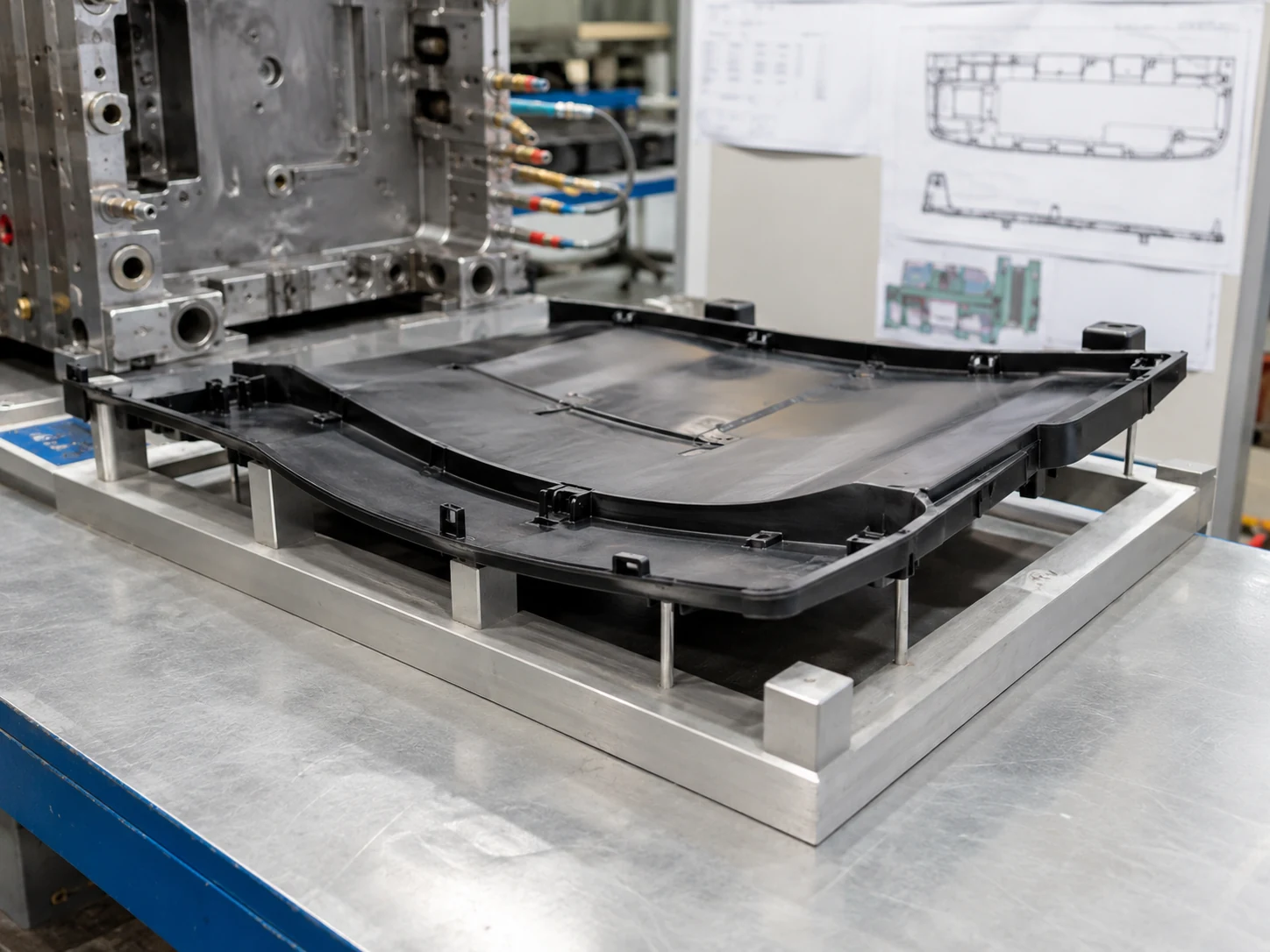
High precision dashboard molds are used for automotive dashboard components, interior trims, functional clips, sensor housings and assembly-related plastic parts where warpage, clip position, surface consistency and gap control affect final vehicle assembly.
Assembly Gap Control
Review clip position, datum design, shrinkage and warpage risk before mold steel cutting.
Large Part Warpage Review
Check wall thickness, rib layout, cooling balance and gate location for dashboard-related plastic parts.
Surface Consistency
Control parting line, gate mark, texture direction and visible surface areas for interior plastic components.
T1 Sample Verification
Review T1 samples for key dimensions, assembly fit, deformation and visible appearance before mold correction.
Common Precision Mold Problems Before Mass Production
Most precision mold risks appear after T1 if part drawings, resin behavior, gate layout, cooling balance and inspection method are not reviewed early.
Problem: Critical dimensions drift after T1 samples
Tooling Solution: Review CTQ dimensions, datum strategy, steel-safe areas and CMM inspection plan before mold steel cutting.
Buyer Benefit: Fewer blind corrections after T1 and clearer approval criteria.
Problem: Flash around shutoff or parting line
Tooling Solution: Improve shutoff design, mold fitting, venting and parting line control in precision areas.
Buyer Benefit: Better assembly fit and less secondary trimming.
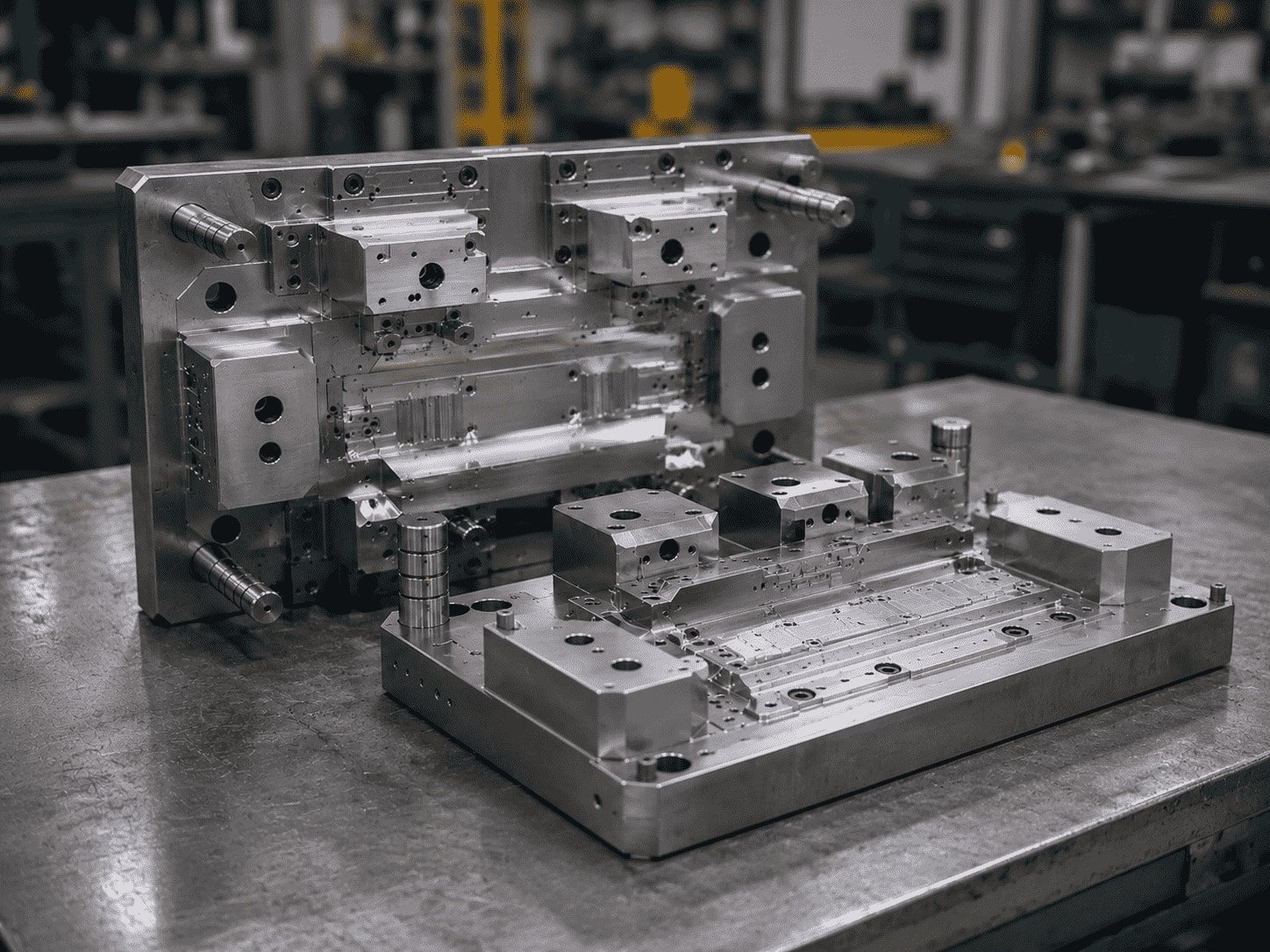
Problem: Insert shifting during molding
Tooling Solution: Design insert positioning, support surfaces and loading method for terminals, pins or bushings.
Buyer Benefit: More stable insert-molded parts and lower assembly risk.
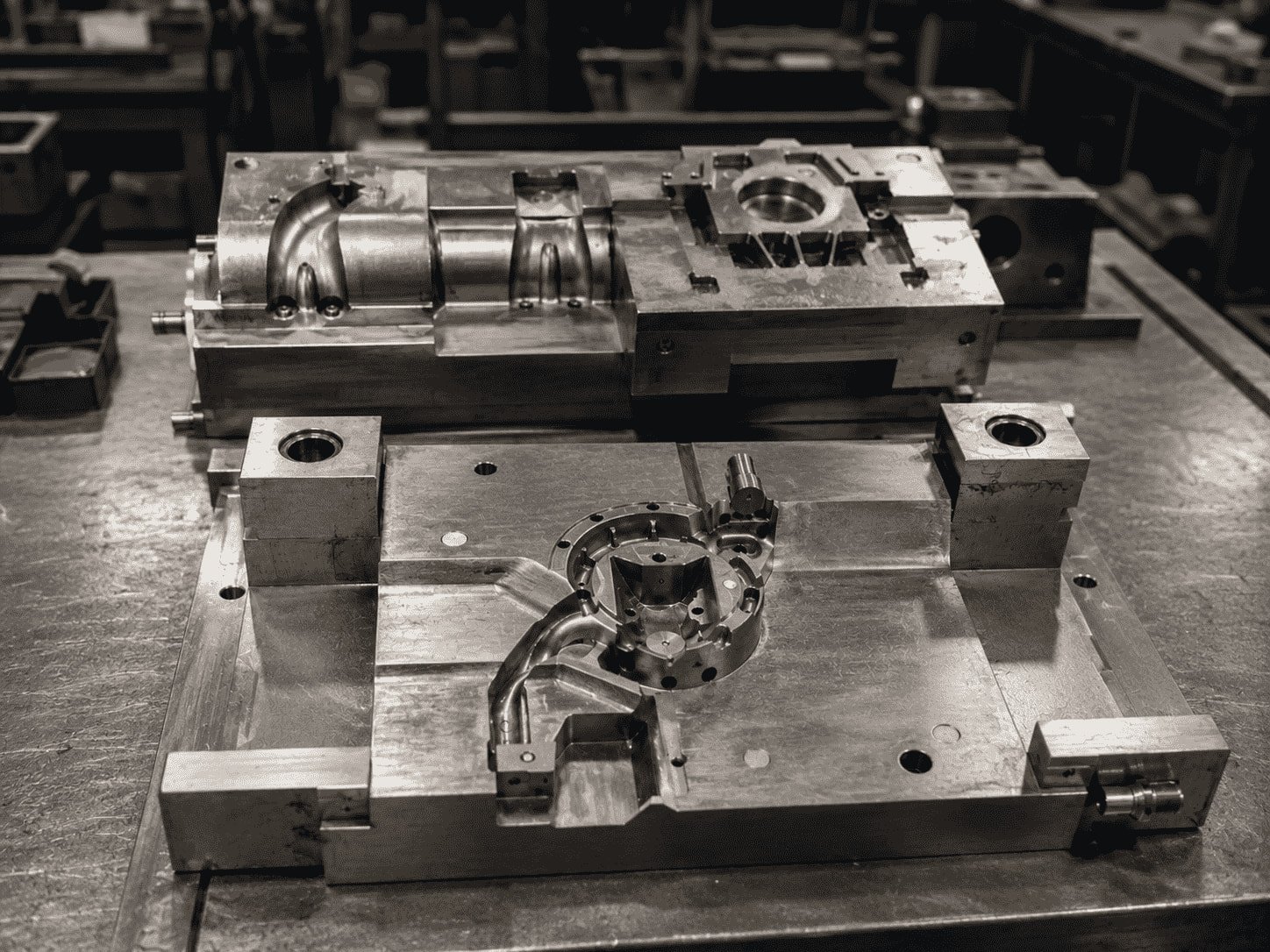
Problem: Cavity imbalance in multi-cavity molds
Tooling Solution: Review runner layout, gate size, cooling balance and cavity-to-cavity dimension check.
Buyer Benefit: More consistent parts across cavities in repeat production.
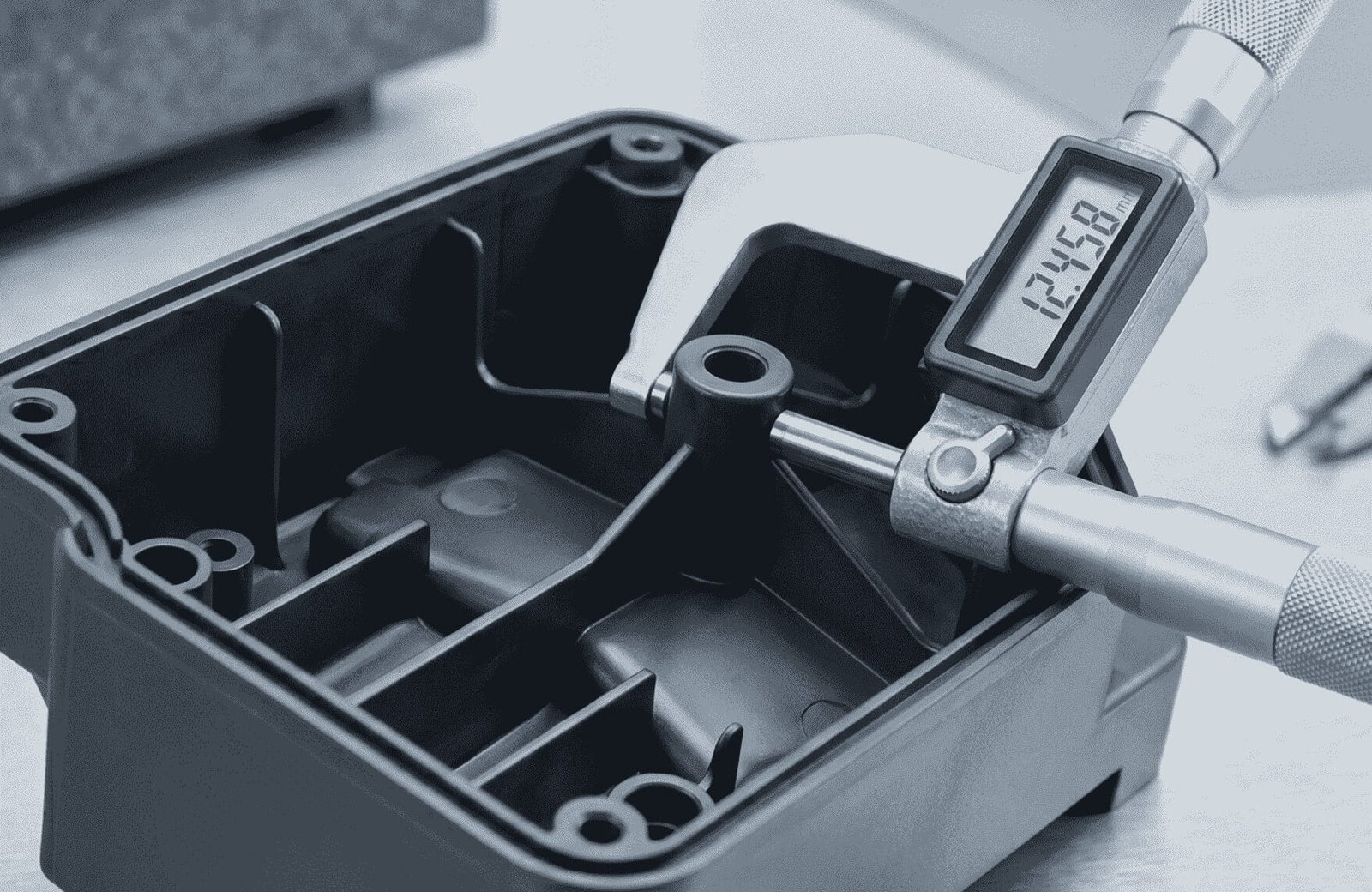
Warpage or shrinkage affects assembly
Tooling Solution: Check wall thickness, rib structure, resin shrinkage, cooling layout and packing strategy during DFM.
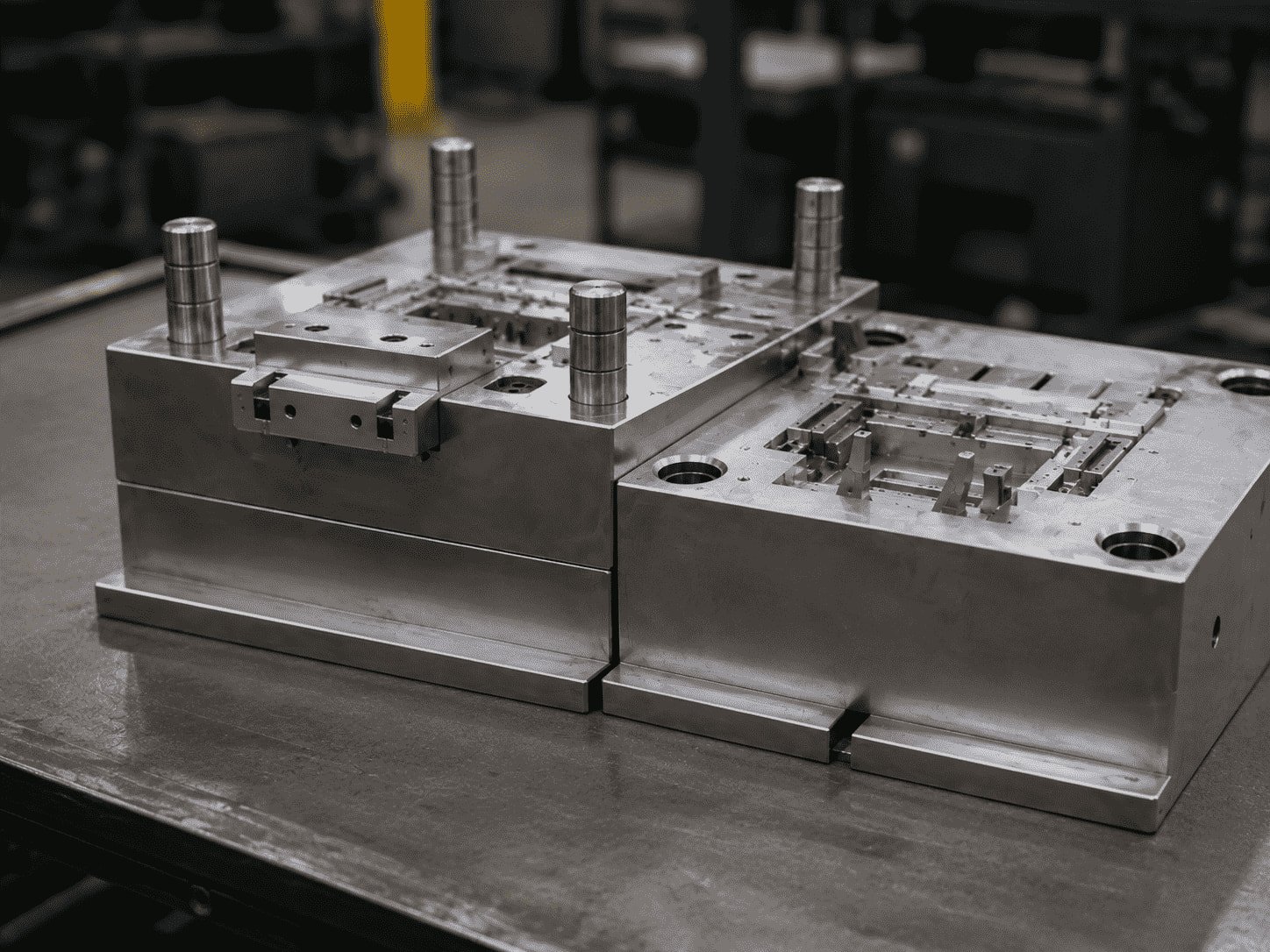
Surface defects on optical/cosmetic parts
Tooling Solution: Review gate location, polishing area, venting, texture direction, stress and material drying.
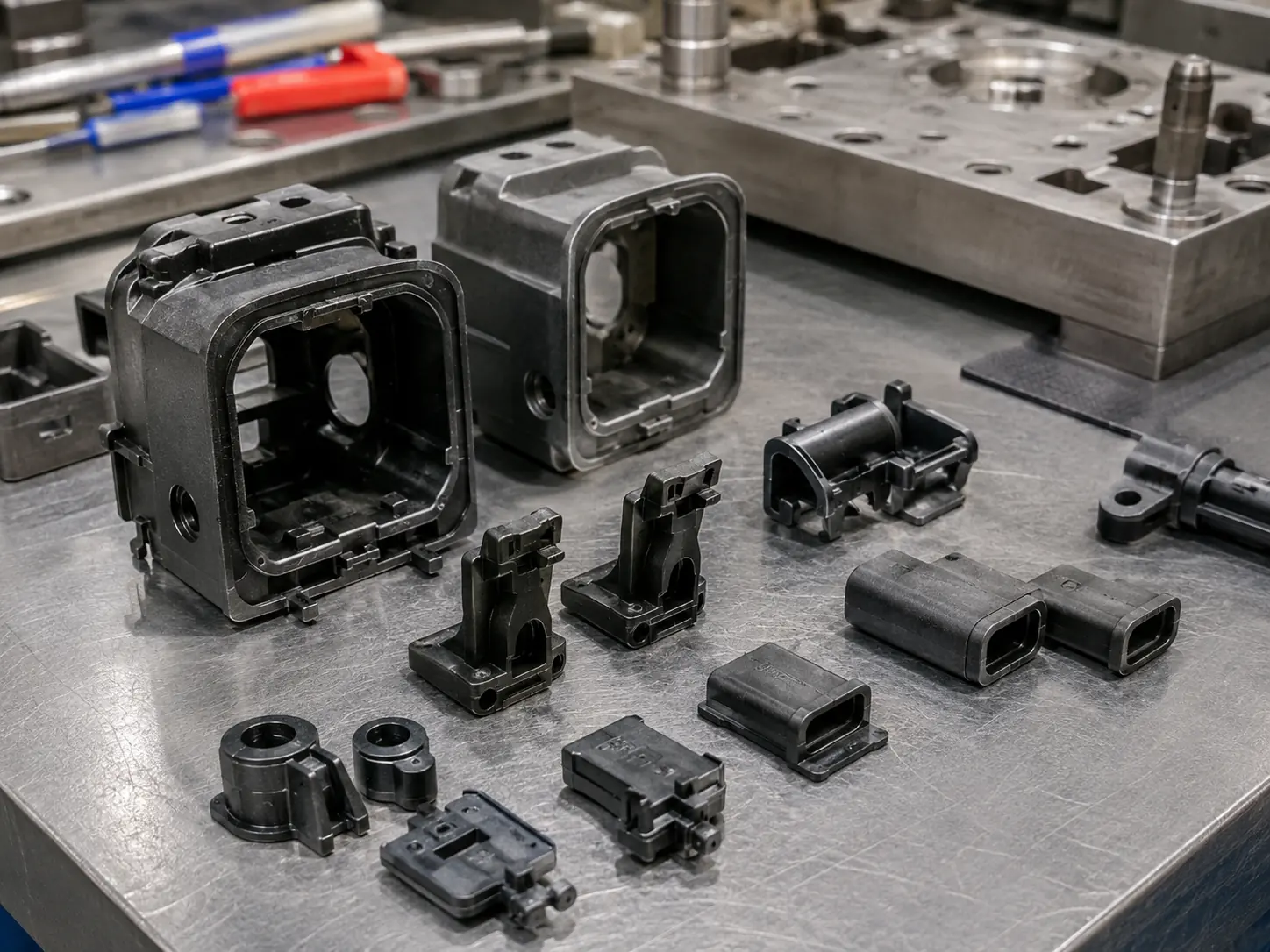
Parting line or flash affects precision
Tooling Solution: Review shutoff design, mold fitting, venting and correction plan.
Why Buyers Choose GBM Mold for High Precision Mold Projects
Precision tooling needs engineering communication, measurable inspection and controlled mold corrections, not only machining equipment.

DFM Before Mold Cutting
We review wall thickness, gate location, parting line, shrinkage risk, undercuts, inserts, CTQ dimensions and inspection methods before machining starts.
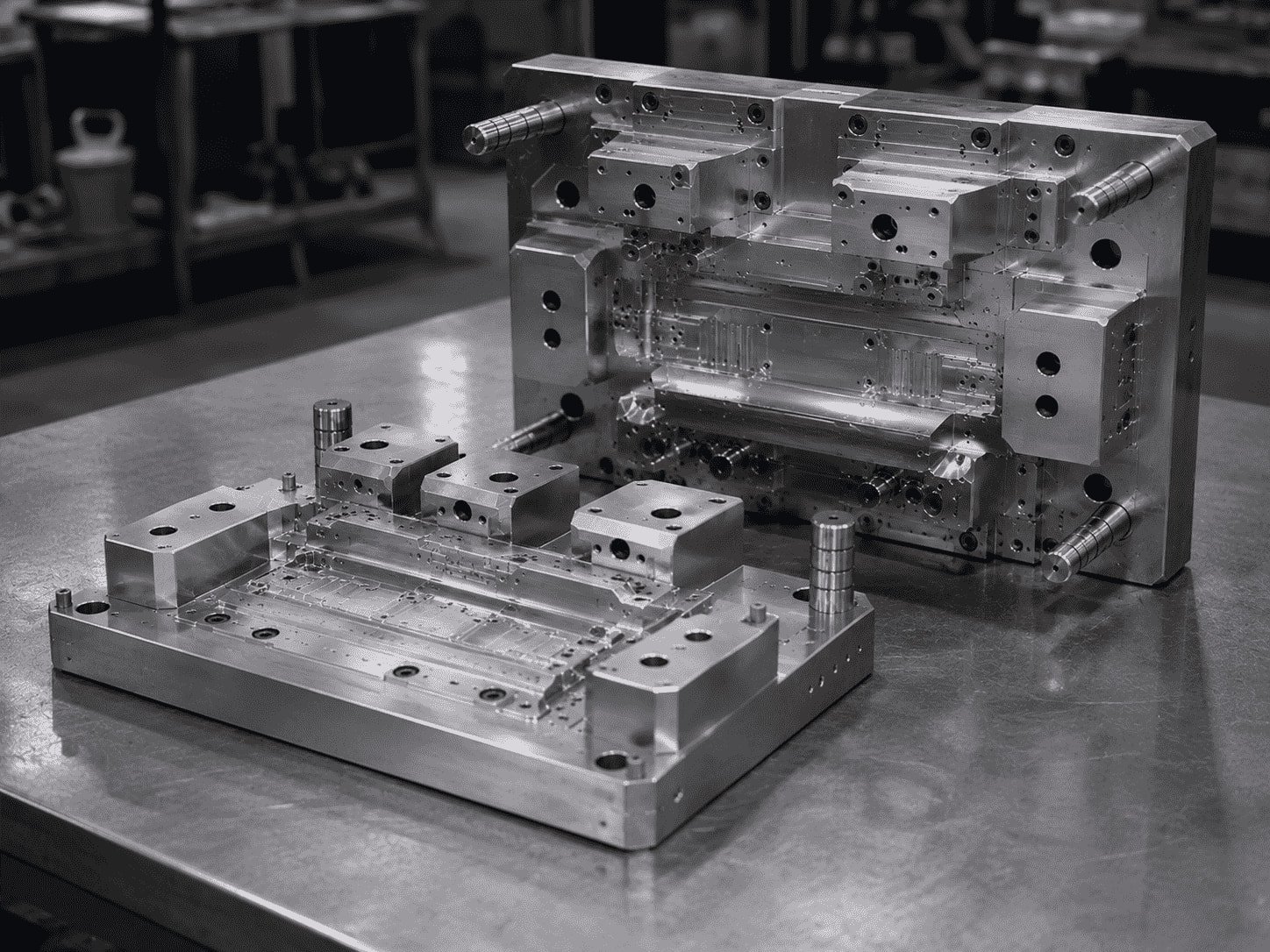
Precision Inserts & Components
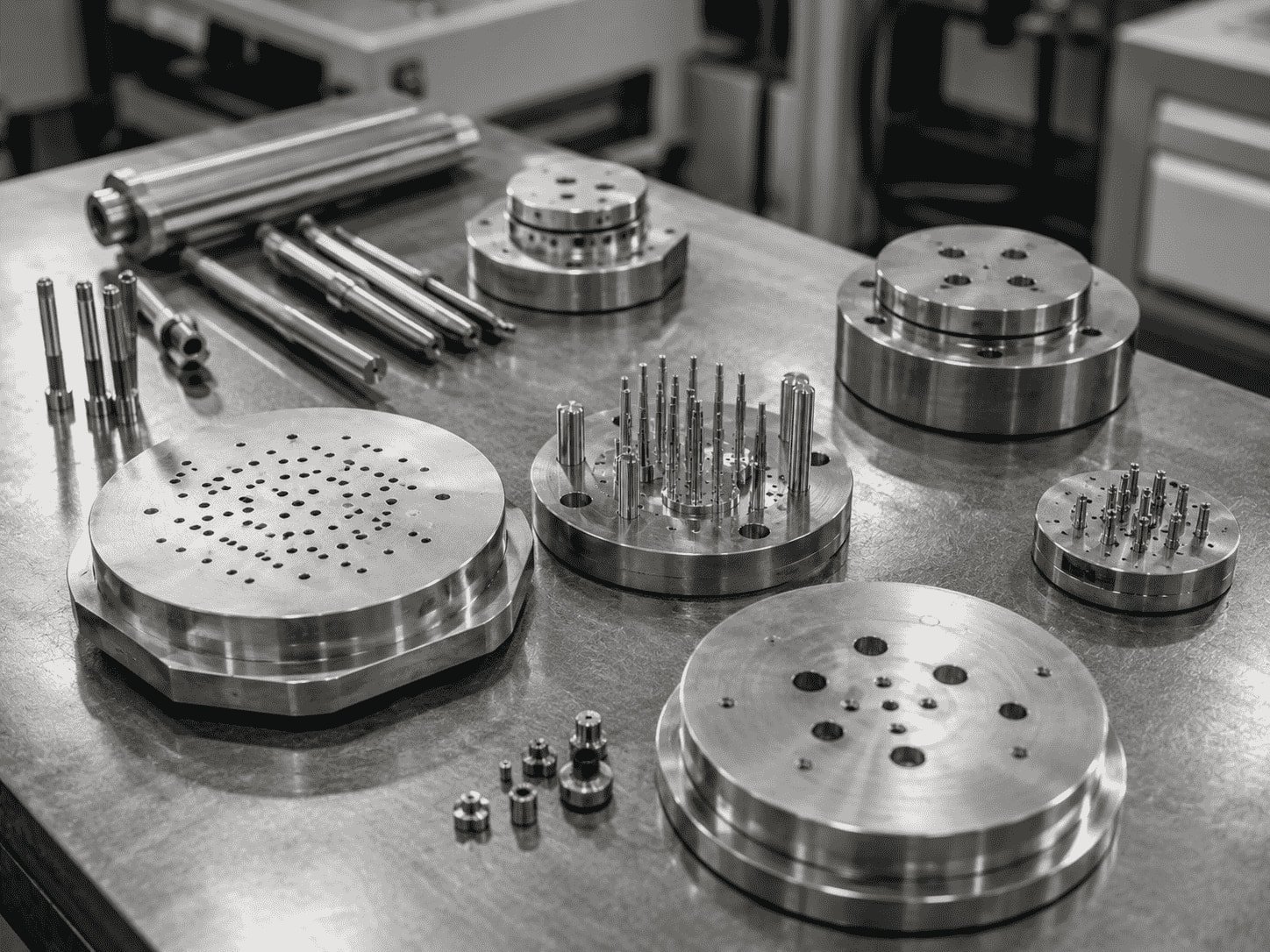
Precision inserts, shutoff areas, lifters, sliders and core details are reviewed according to part function, material and molding volume. This is useful for connector molds, communication parts molds and automotive functional plastic components.
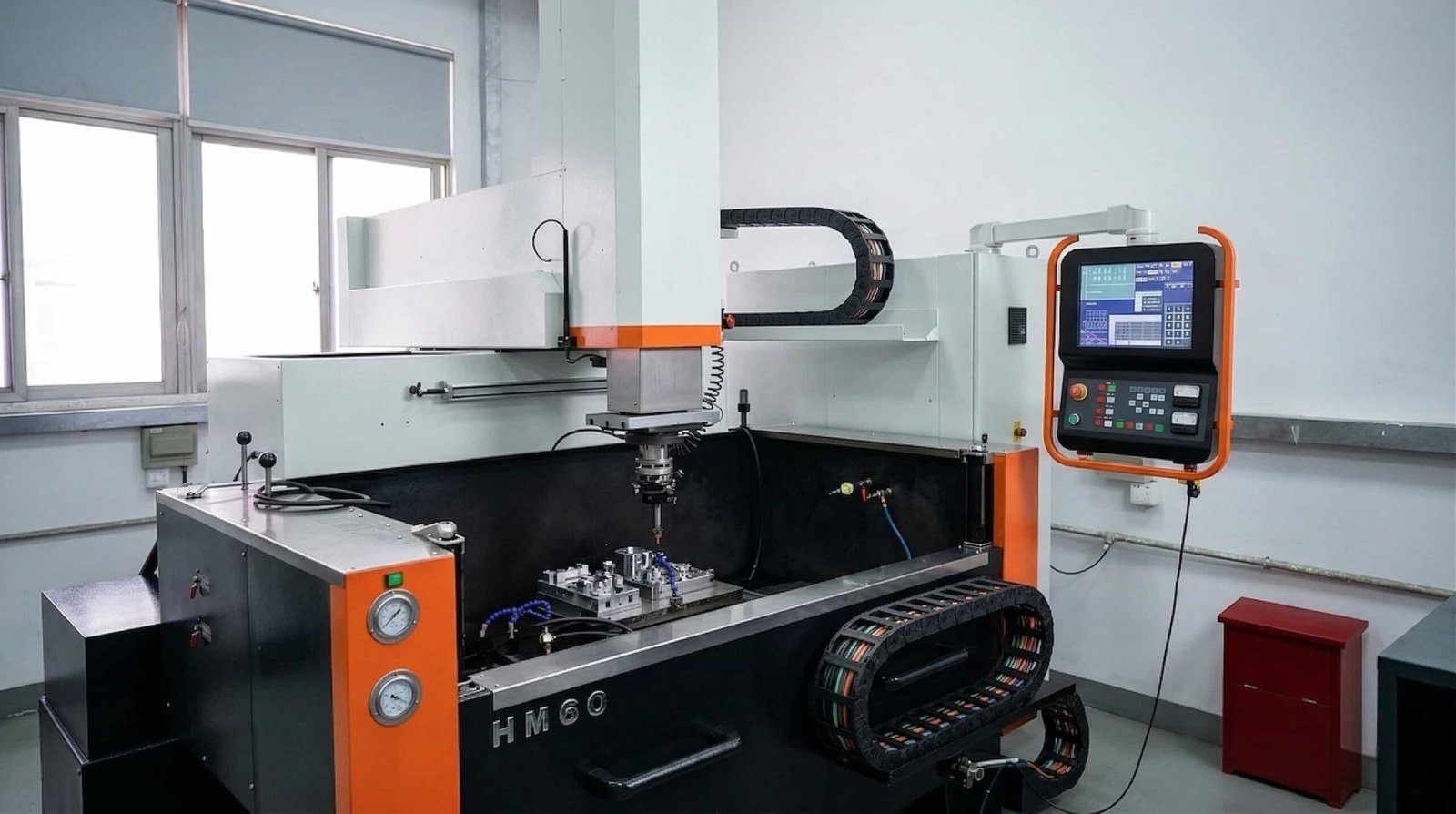
CNC / EDM / Wire EDM Support
Mold components are machined through CNC, EDM, wire EDM, grinding and fitting according to the required structure and inspection plan.
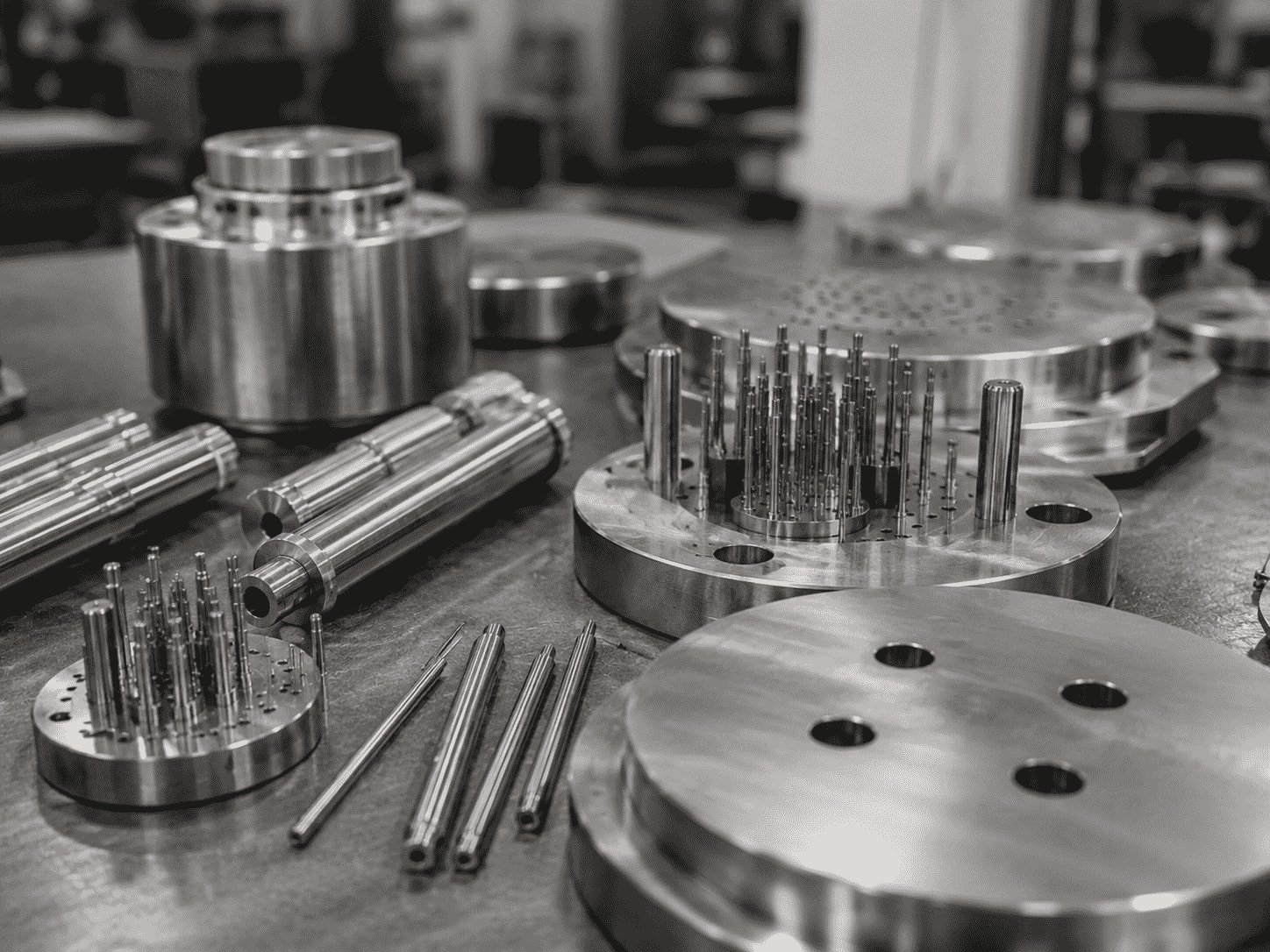
T1 Samples with Feedback
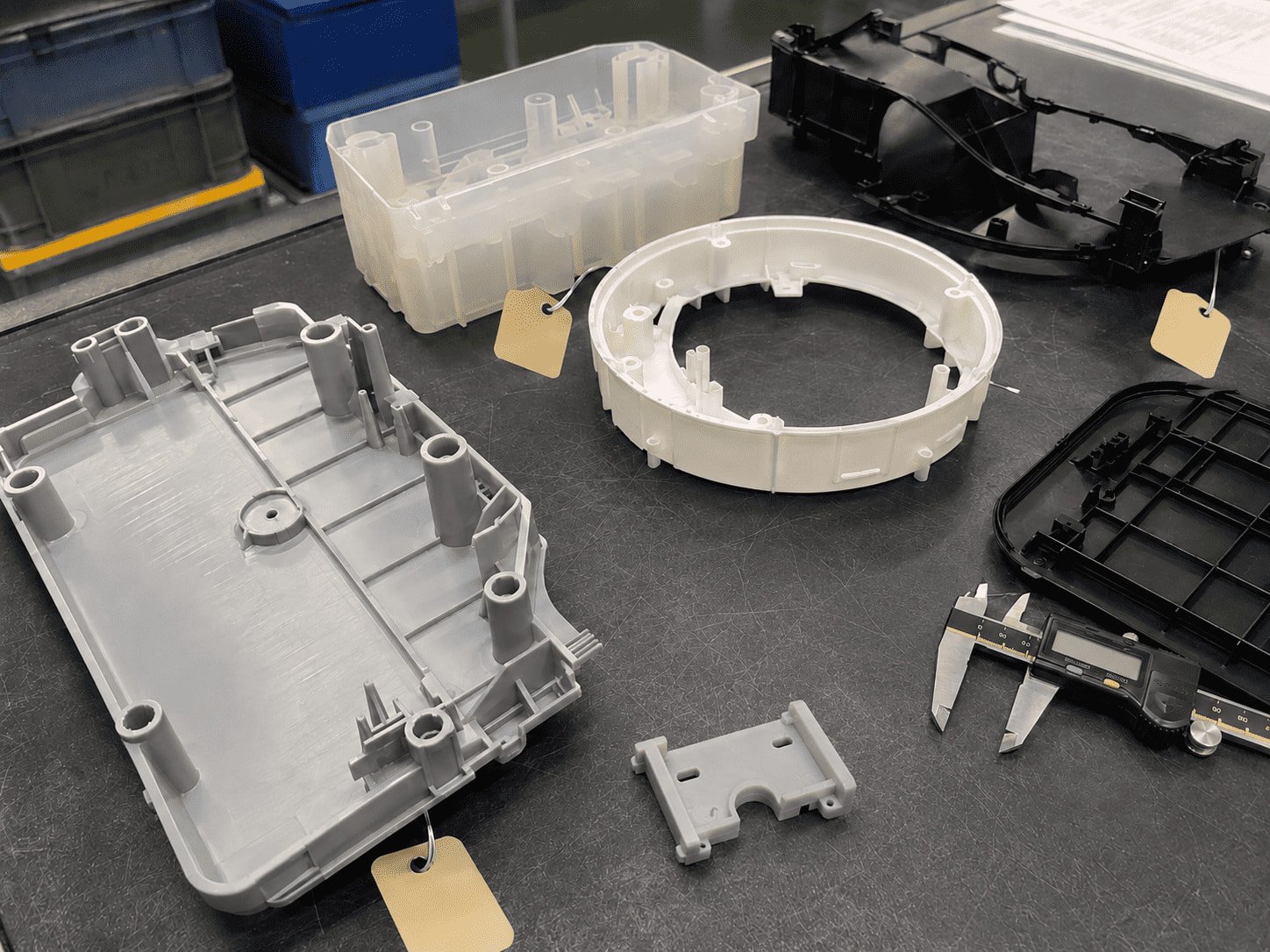
After the first mold trial, we review sample dimensions, gate marks, flash, warpage, surface finish and fit/form/function issues before correction.
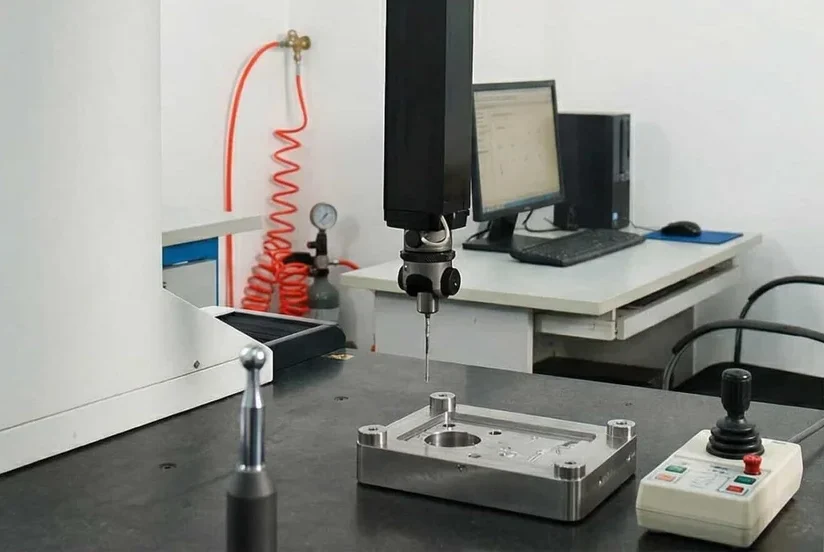
CMM & Dimensional Reports
Critical dimensions can be checked by CMM or suitable measurement methods based on the drawing, datum and part geometry.
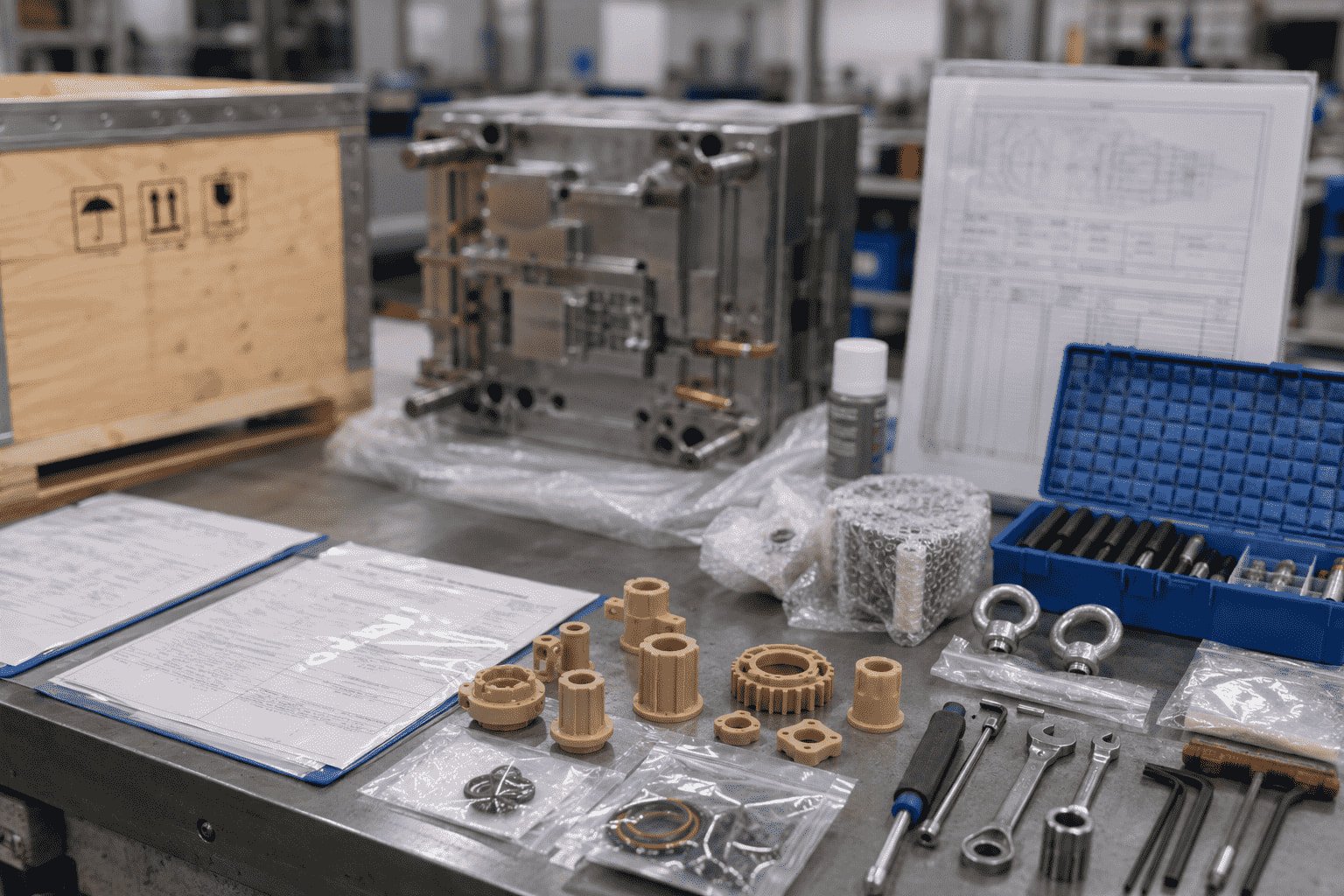
Export Mold Documentation
For export molds, GBM Mold can prepare mold drawings, trial videos, spare parts list, maintenance notes, inspection reports and packing photos.
From RFQ to T1 Sample Approval
A clear mold development workflow helps buyers control technical risk, schedule and approval evidence before mass production.
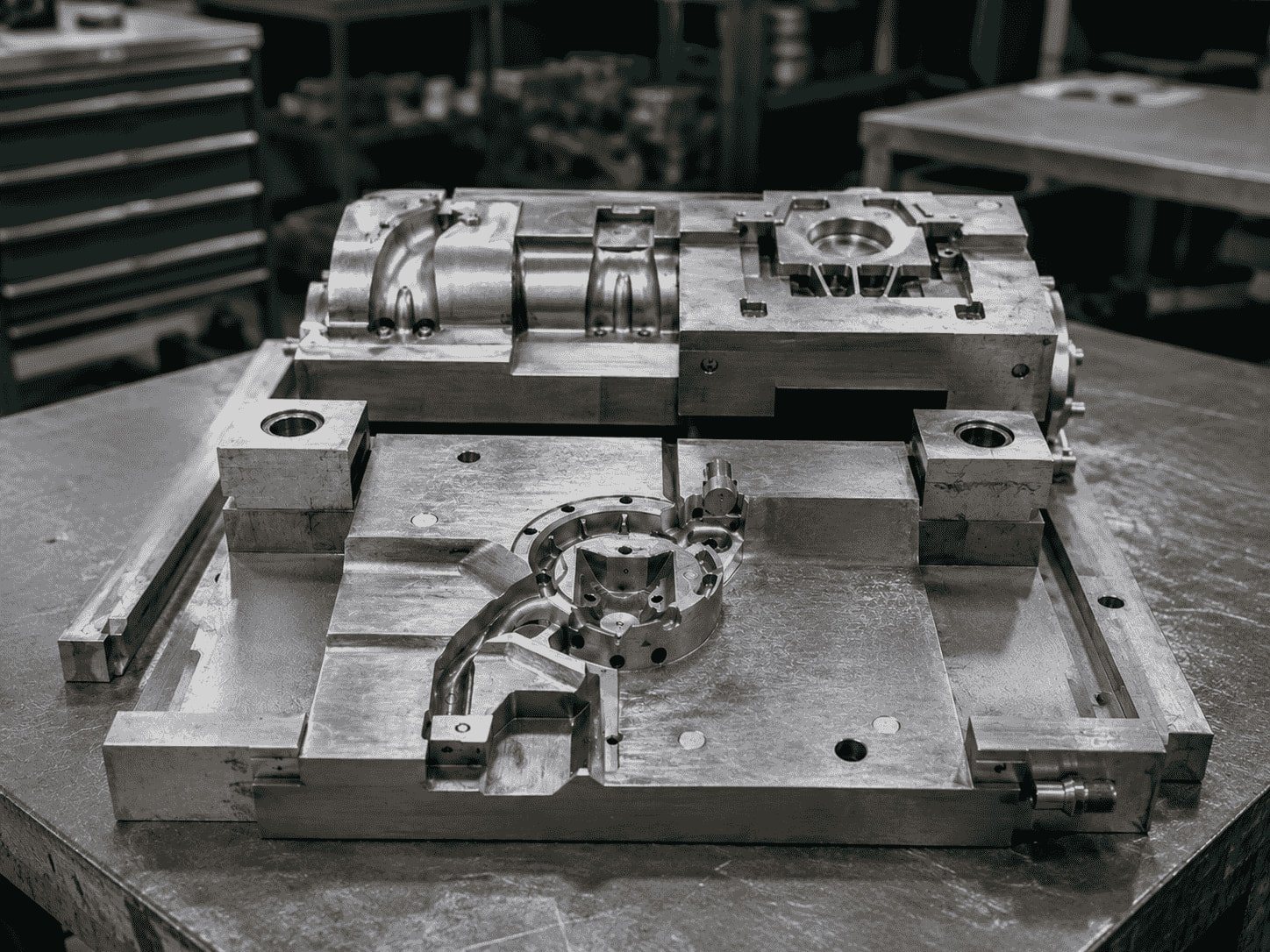
RFQ & File Review
3D CAD, 2D drawing, resin, quantity, tolerance, surface and inspection requirements are checked.
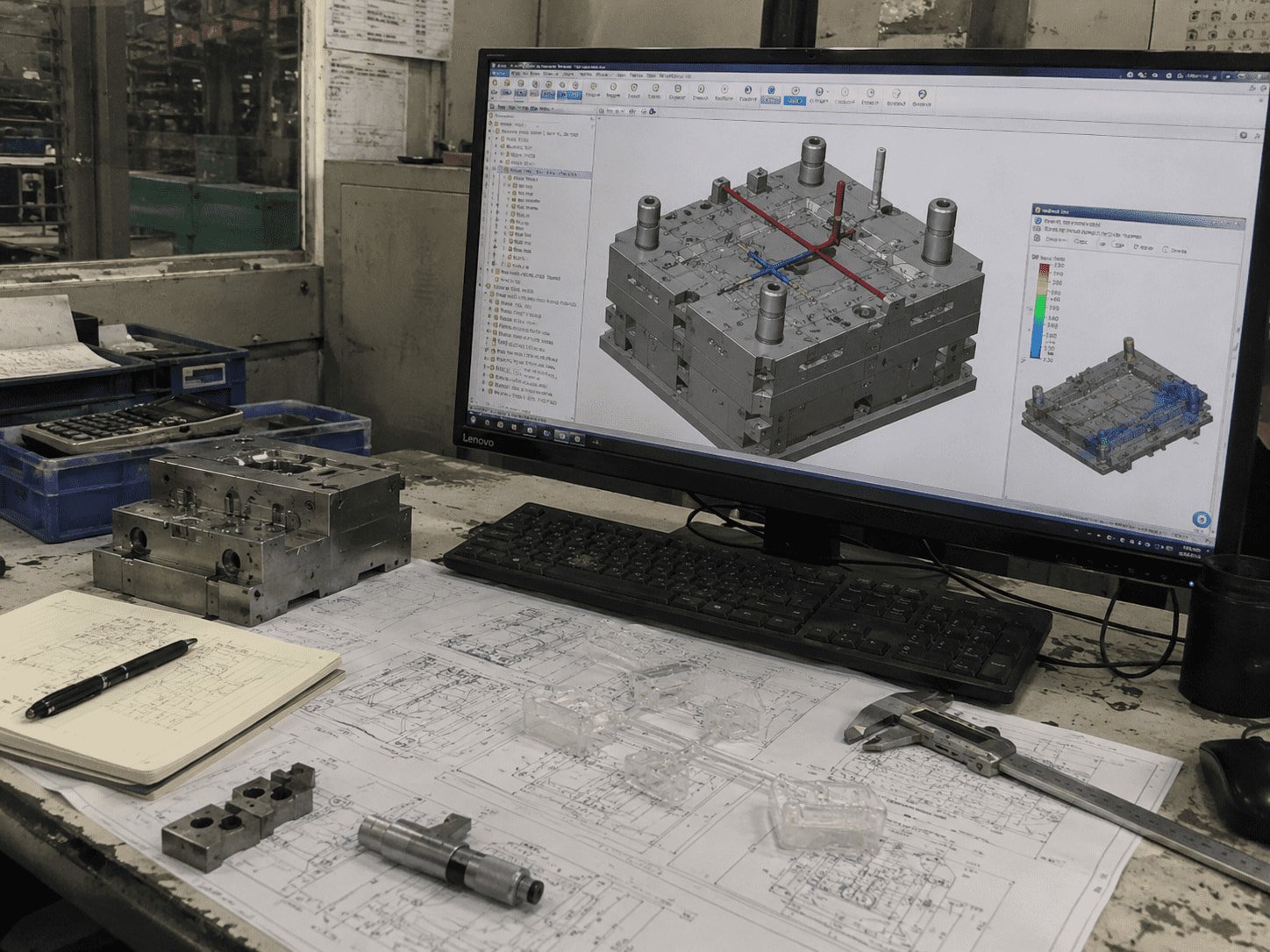
DFM & Mold Concept
Wall thickness, gate location, parting line, undercuts, inserts, shrinkage and CTQ risks are reviewed.
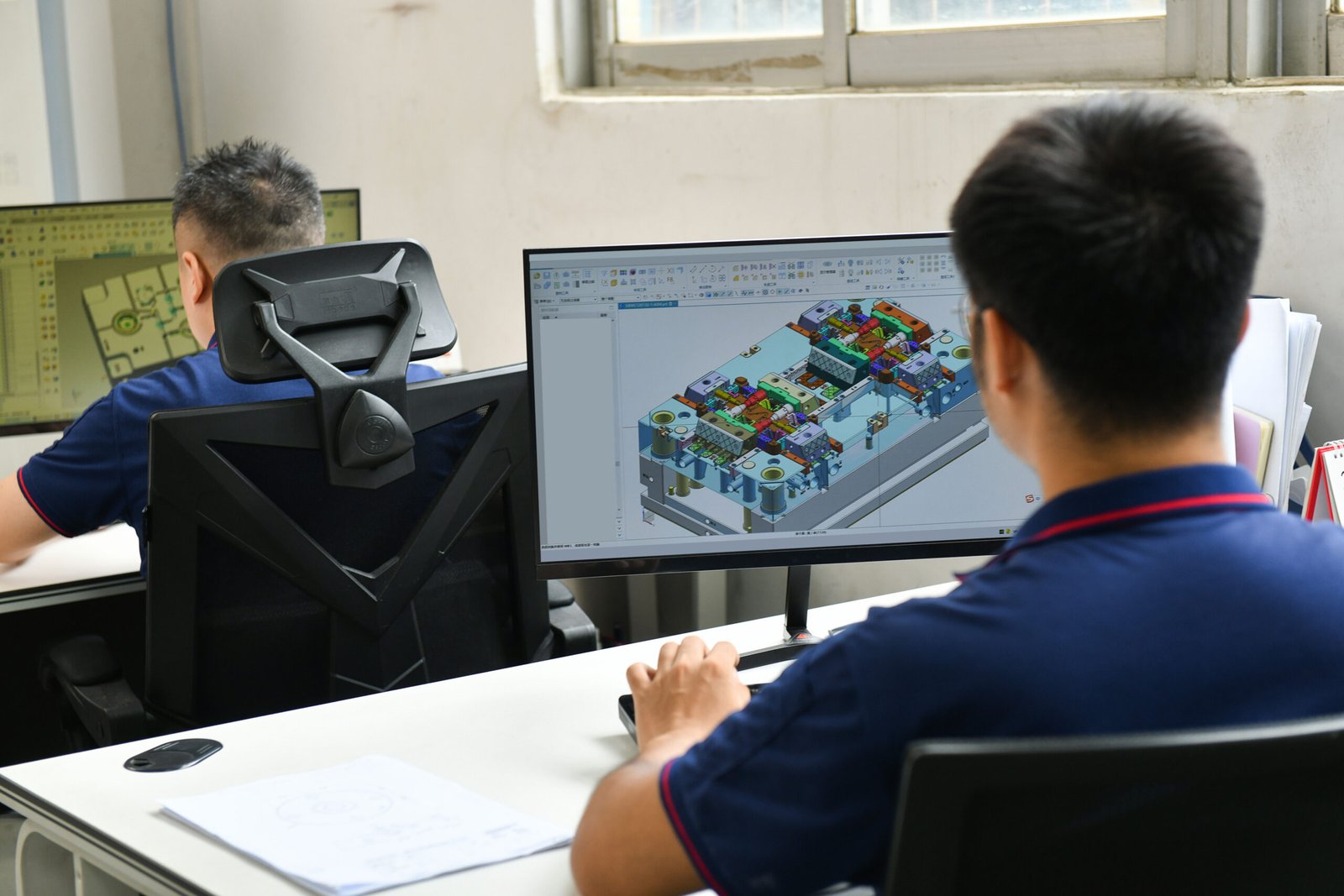
Mold Design
Mold base, inserts, cooling, ejection, sliders, lifters, shutoff and inspection points are defined.
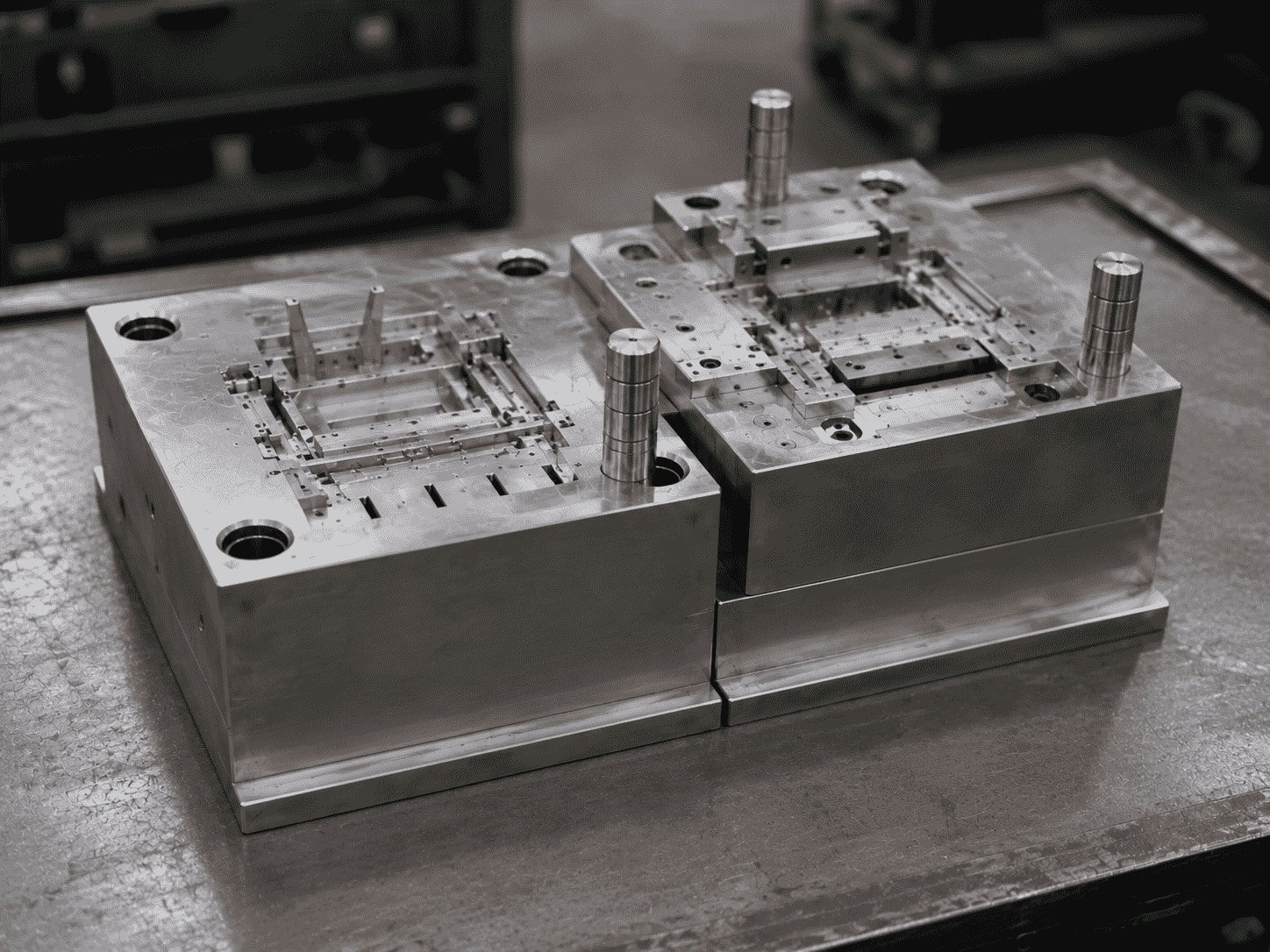
Machining & Inspection
CNC, EDM, wire EDM, grinding and fitting are arranged according to the mold structure.
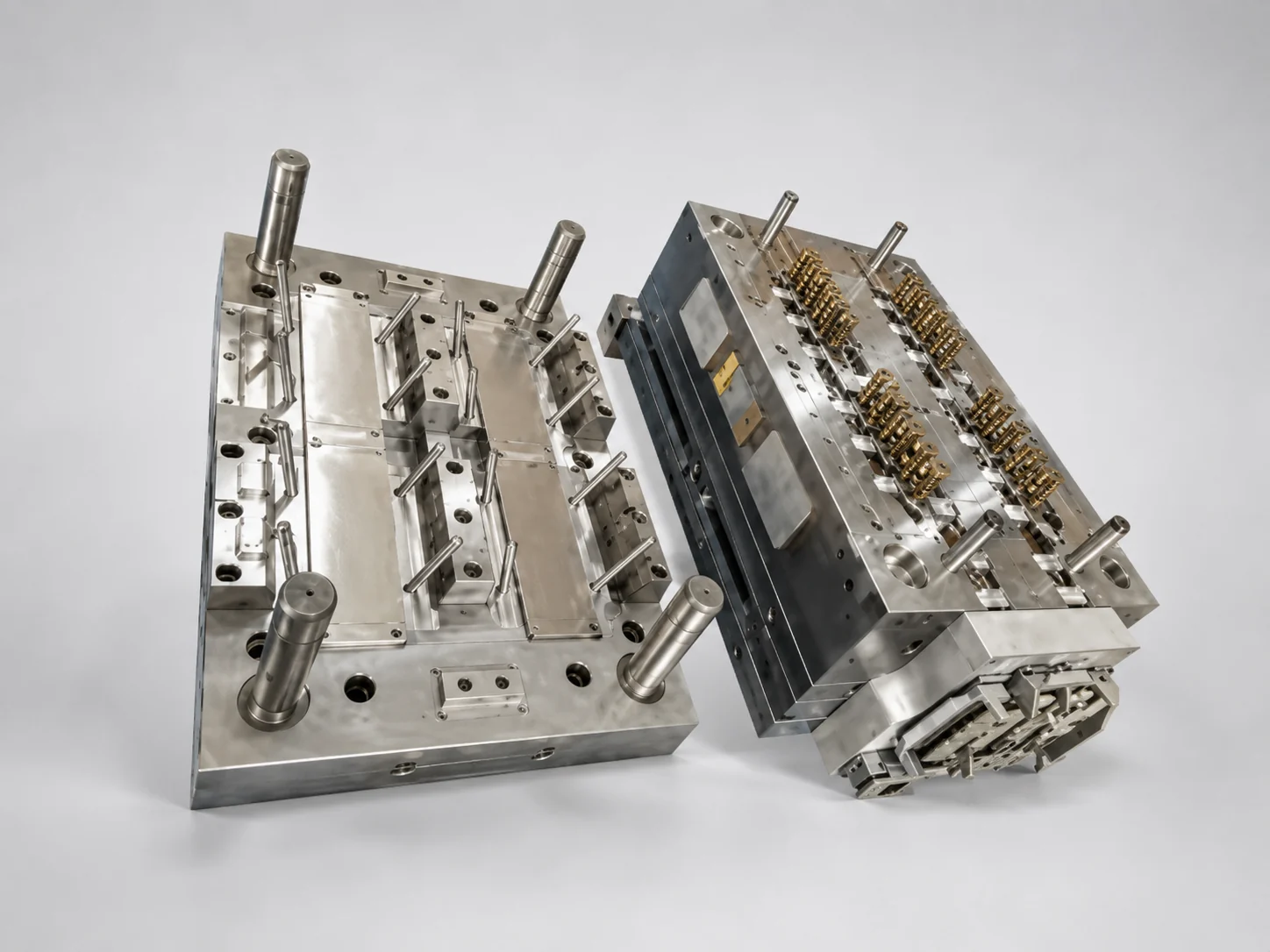
Mold Assembly Check
Mold fitting, water lines, ejector movement, insert position and parting line are checked.
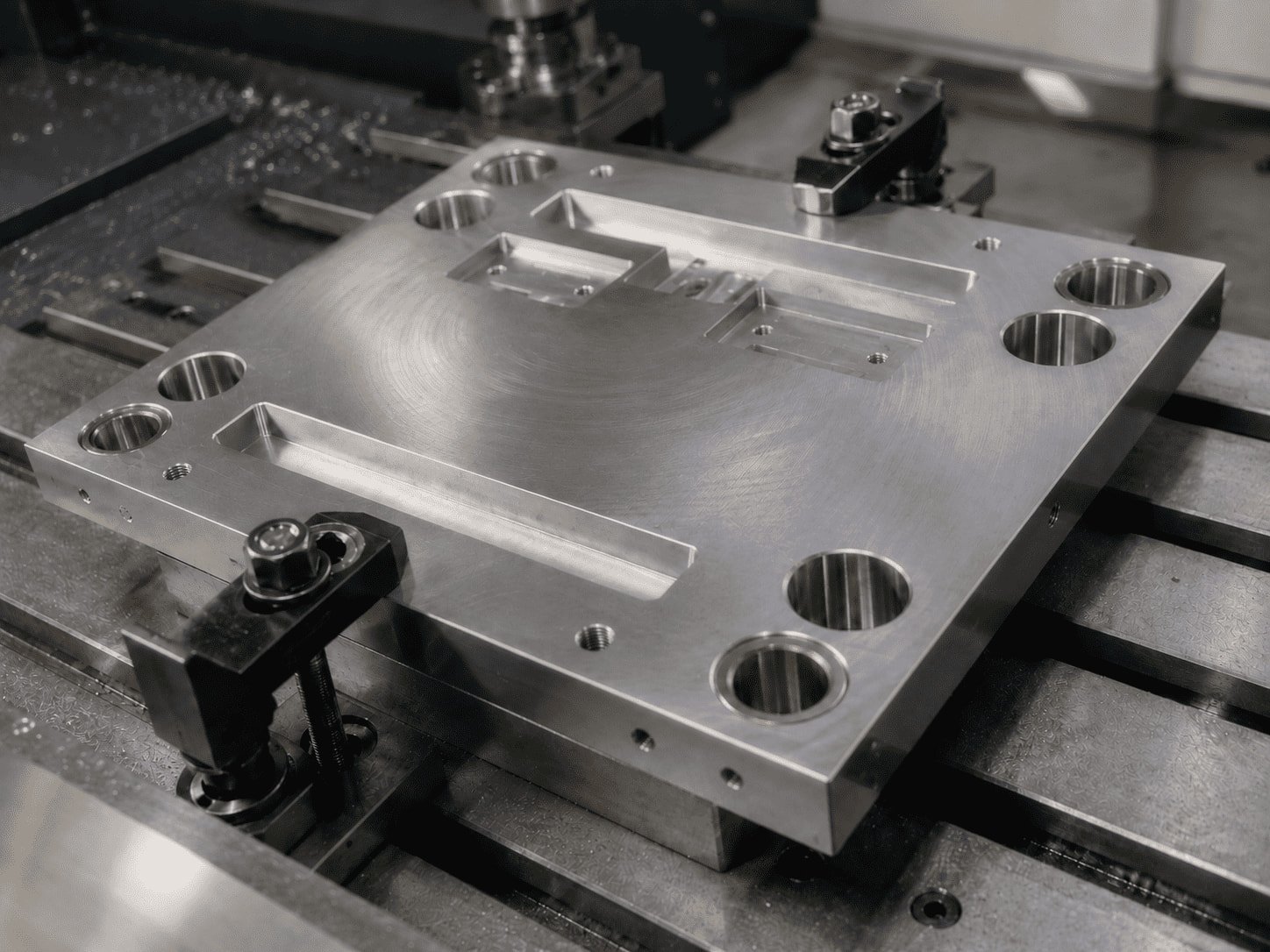
T1 Trial & Inspection
T1 samples are reviewed for dimensions, flash, shrinkage, warpage, surface finish and assembly function.
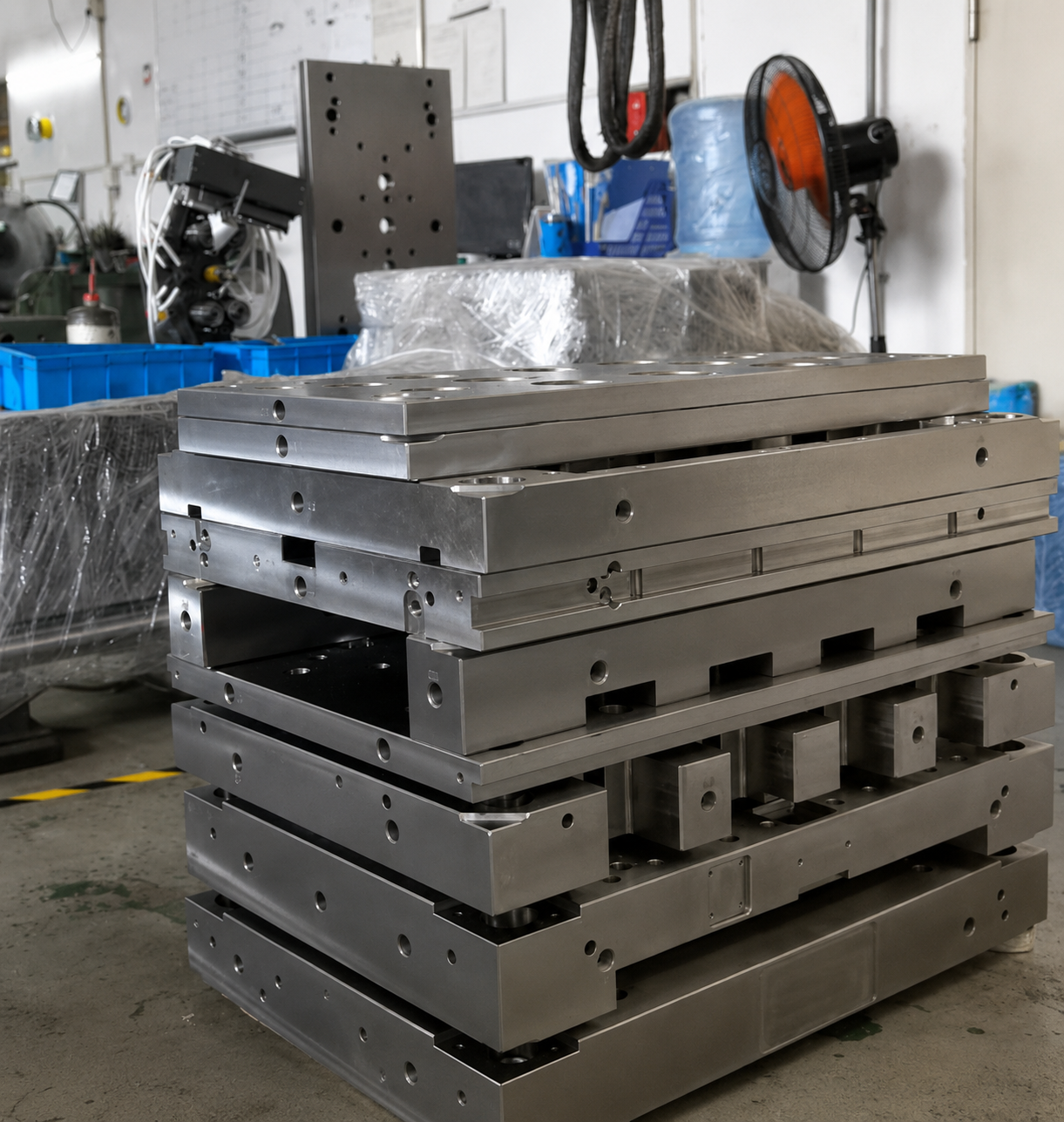
Correction & Delivery
Tool corrections are tracked, samples are rechecked, and export mold documents are prepared after approval.
Quality Control You Can Verify
For high precision molds, inspection evidence matters more than vague promises. GBM Mold can align the inspection plan with your 2D drawing, CTQ dimensions and sample approval process.
-
Incoming Material Check Steel, mold base and purchased components can be checked before machining.
-
Machining Inspection Electrodes, inserts and key mold components are inspected during CNC / EDM / wire EDM process.
-
Mold Assembly Check Water line, ejector movement, slider/lifter movement, parting line and fit are reviewed before trial.
-
T1 Sample Inspection Sample dimensions, surface, gate vestige, flash, warpage and assembly function are checked.
-
CMM / FAI / CPK Reports Reports can be prepared according to project requirements and agreed inspection methods.
-
Final Export Mold Check Spare parts, maintenance notes, trial video, sample approval and packing photos are prepared when needed.
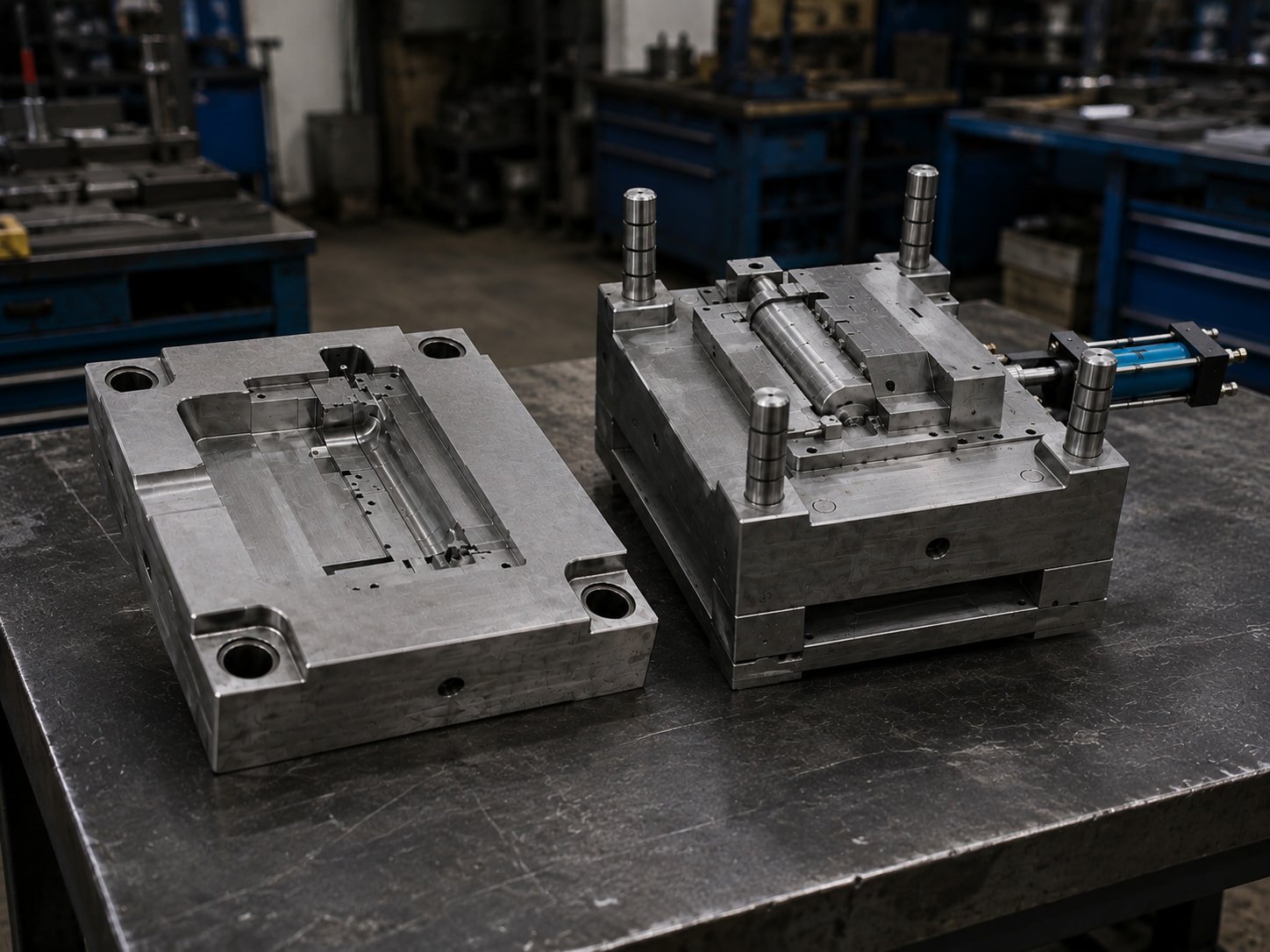
High Precision Mold vs Standard Injection Mold
Not every plastic part needs a high precision mold. The right choice depends on tolerance, function, assembly risk, material and production volume.
Choose a high precision mold when a small dimensional change can affect assembly, sealing, optical performance, electrical contact or long-term functional stability.
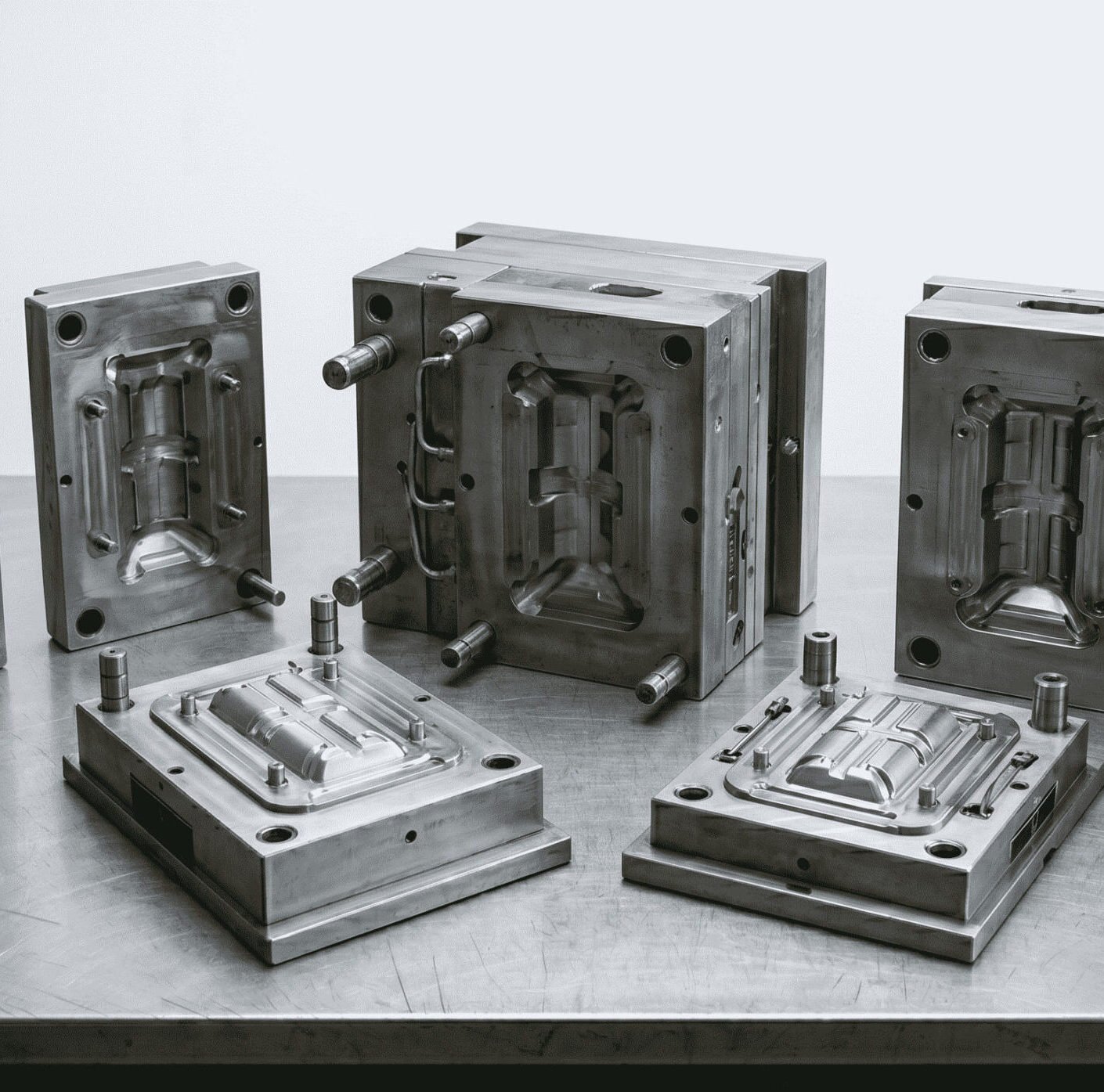
Standard Injection Mold
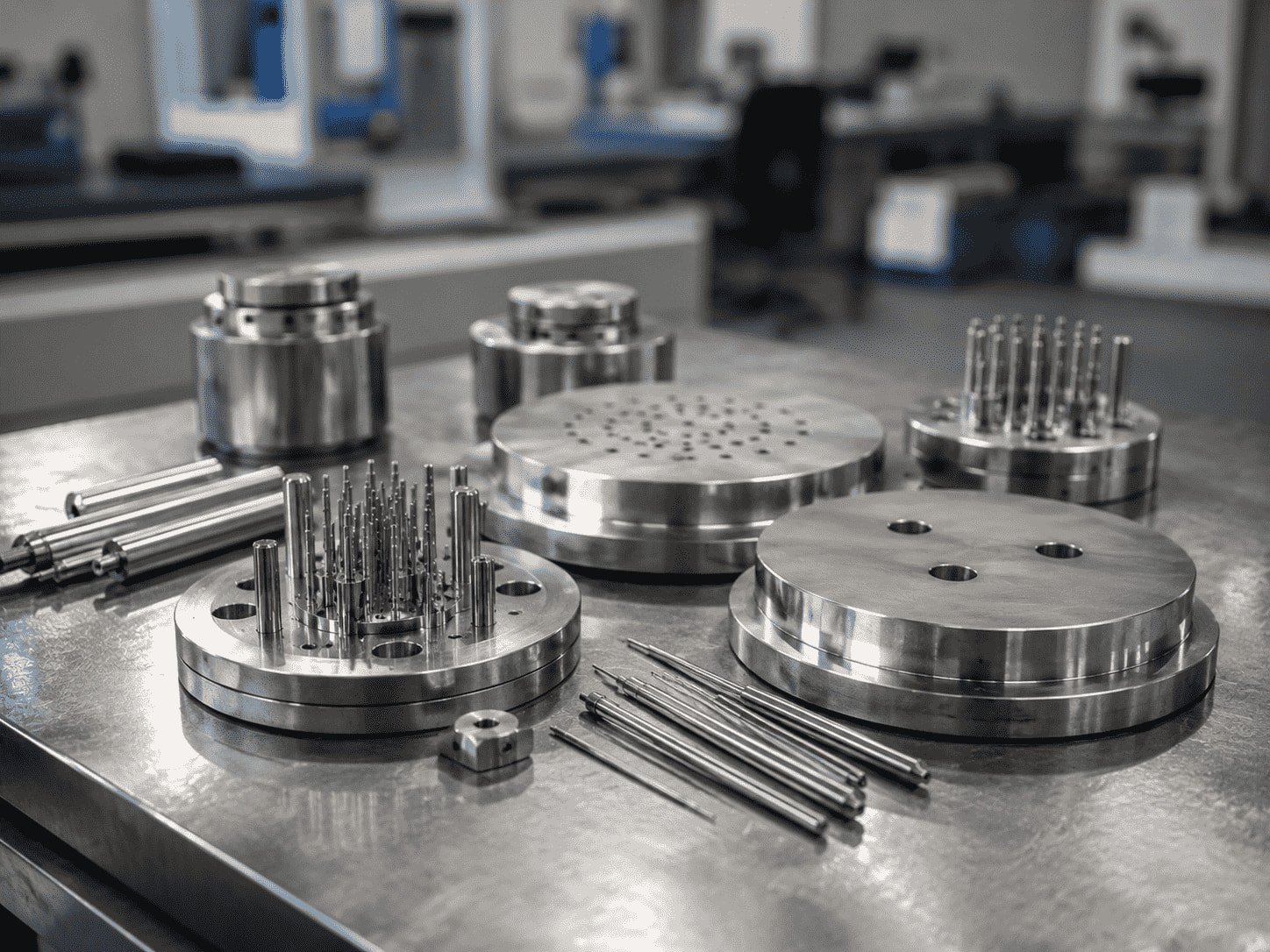
High Precision Mold
| Feature | Standard Injection Mold | High Precision Mold |
|---|---|---|
| Part Requirement | General appearance or functional parts | Parts with CTQ dimensions, assembly fit, sealing, optical, electrical or movement requirements |
| Mold Design Focus | Basic filling, ejection and production feasibility | Gate, cooling, shutoff, inserts, cavity balance, datum and inspection planning |
| Machining Focus | Normal machining and fitting | CNC / EDM / wire EDM / precision inserts / tighter mold fitting review |
| Inspection Scope | Basic sample and visual check | CMM, FAI, CTQ dimension review, T1 deviation tracking when required |
| Typical Applications | Consumer goods, covers, simple housings | Connectors, sensors, medical housings, optical covers, gears, engineering plastic parts |
| Buyer Input Needed | 3D file and material | 3D file, 2D drawing, CTQ dimensions, resin, volume, inspection standard |
How to Choose a High Precision Mold Supplier
A reliable supplier should help you define precision before quoting, not only promise tight tolerances after receiving the file.
- Can the supplier review 2D drawings and CTQ dimensions before mold steel cutting?
- Do they ask about resin, shrinkage, production volume and inspection method?
- Can they explain gate, runner, cooling, venting, insert positioning and parting line strategy?
- Do they have CNC, EDM, wire EDM, grinding, fitting and CMM inspection support?
- Can they provide T1 sample feedback, dimensional reports and export mold documentation?
- Can they communicate tooling risks clearly before quoting?
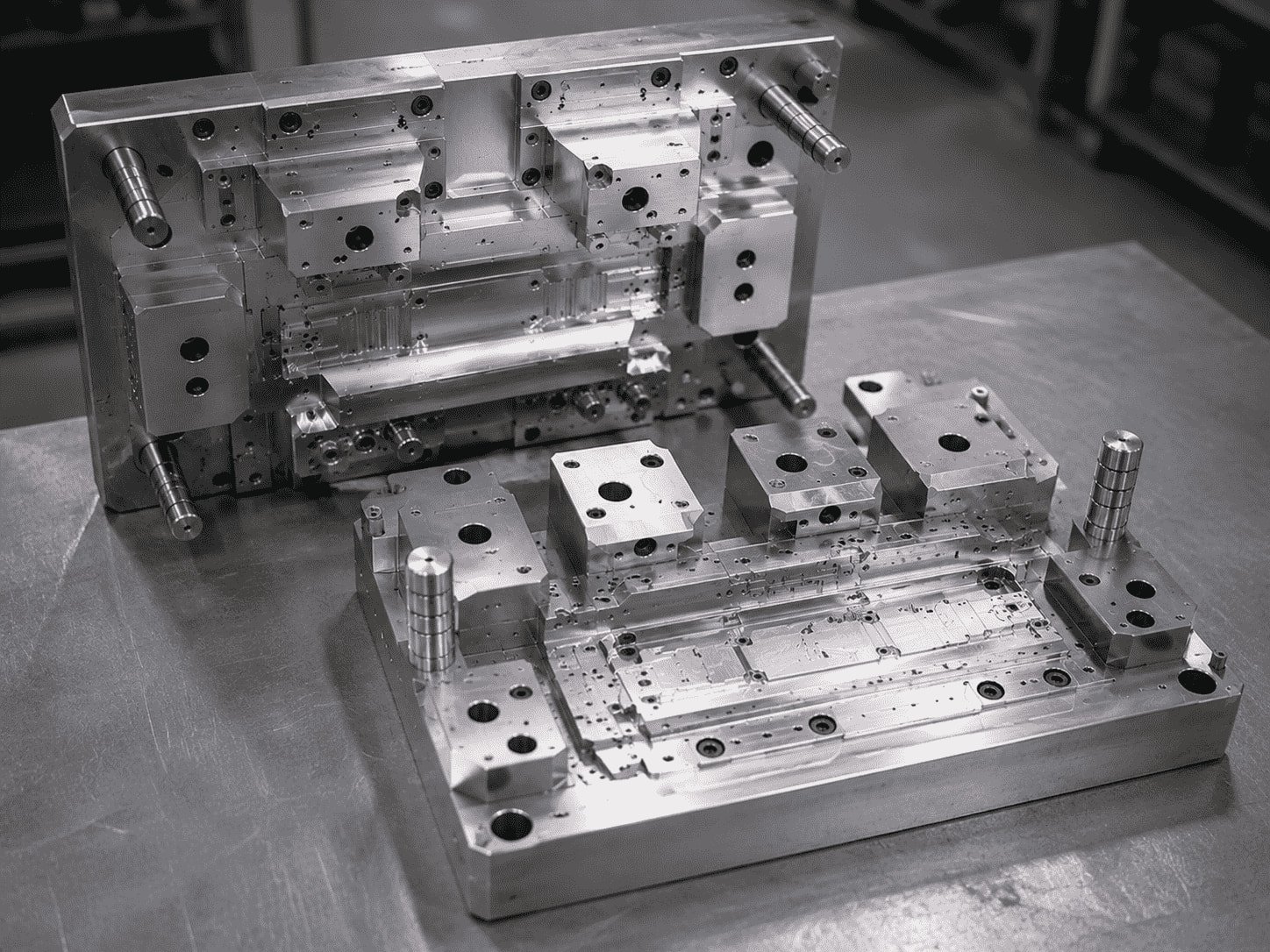
What Affects High Precision Mold Cost?
High precision mold cost is not decided by size alone. The real cost comes from part tolerance, mold structure, material behavior, inspection scope and approval requirements.
To get an accurate quote, please send your 3D CAD, 2D drawing, resin, quantity, tolerance, surface finish, and inspection requirements.
Get a Project-Based Mold Cost ReviewRelated Mold & Injection Molding Solutions
Explore related tooling and molding services when your high precision part also requires insert molding, two-shot molding, engineering plastics or production molding.

Plastic Injection Mold
For custom injection mold projects from design review to mold trial.
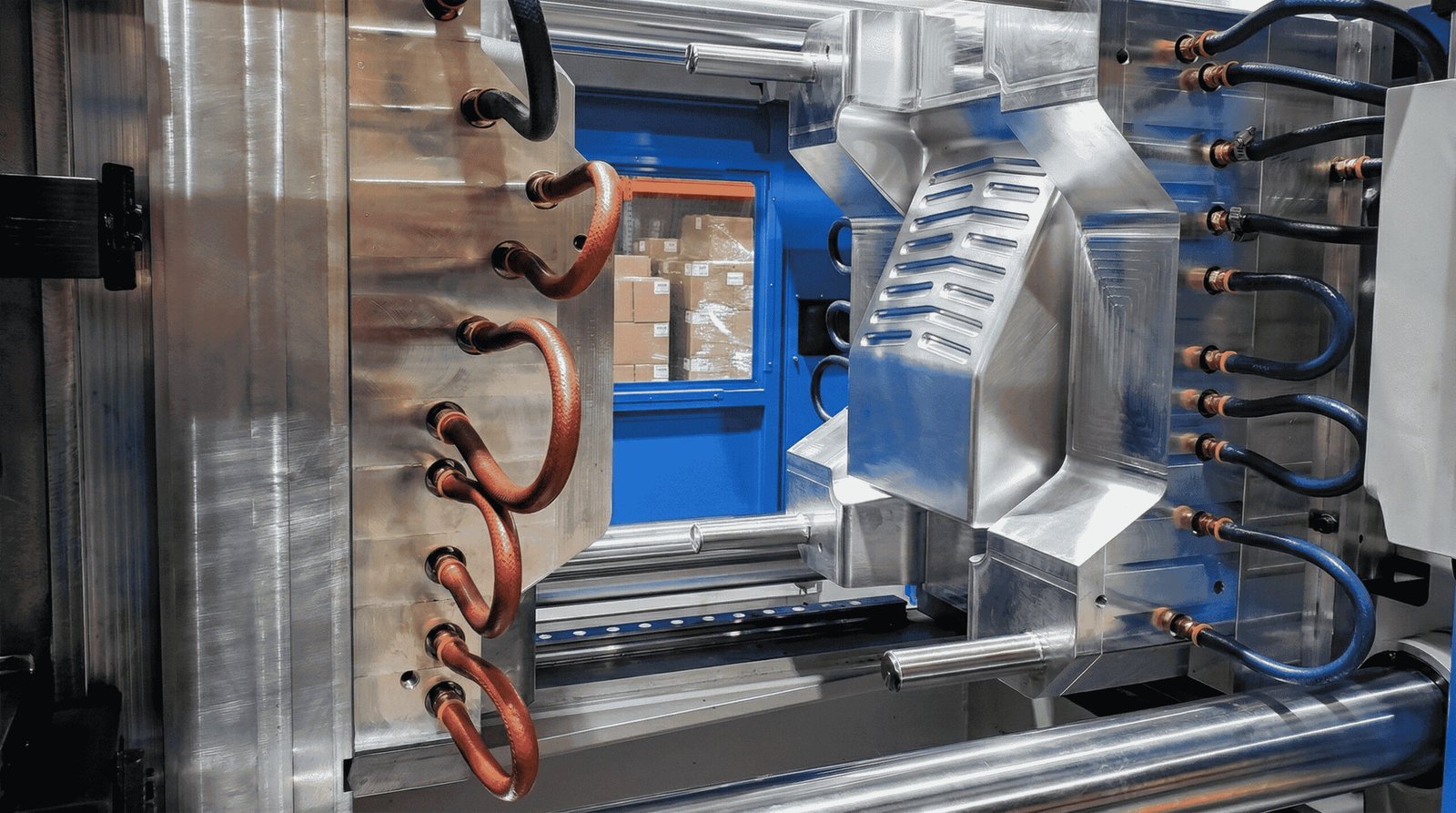
Custom Injection Molding
For buyers who need molded parts after tooling approval.
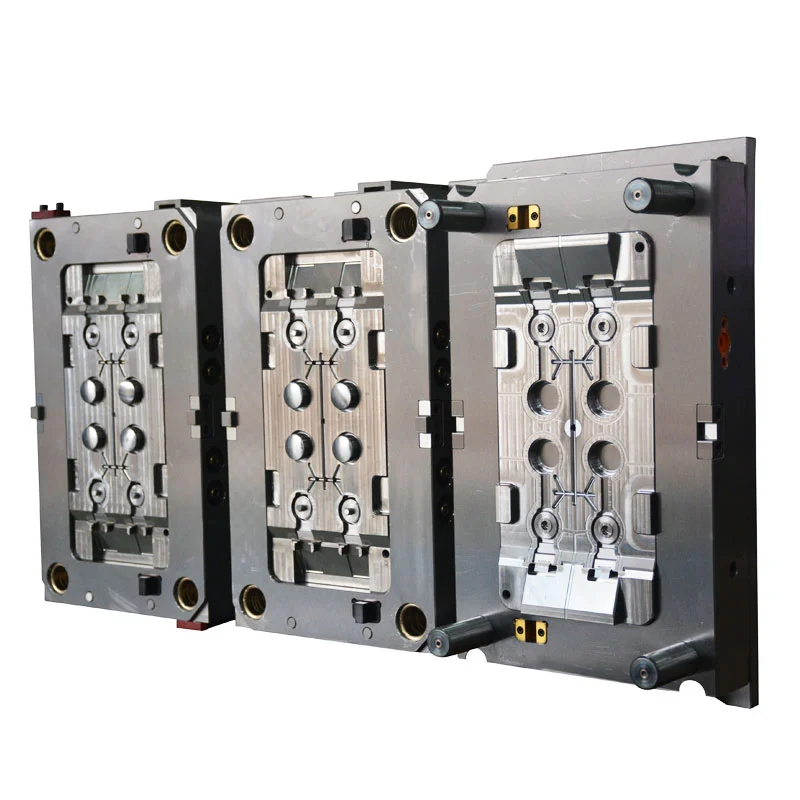
Insert Molding
For metal terminals, pins, threaded inserts and functional inserts.
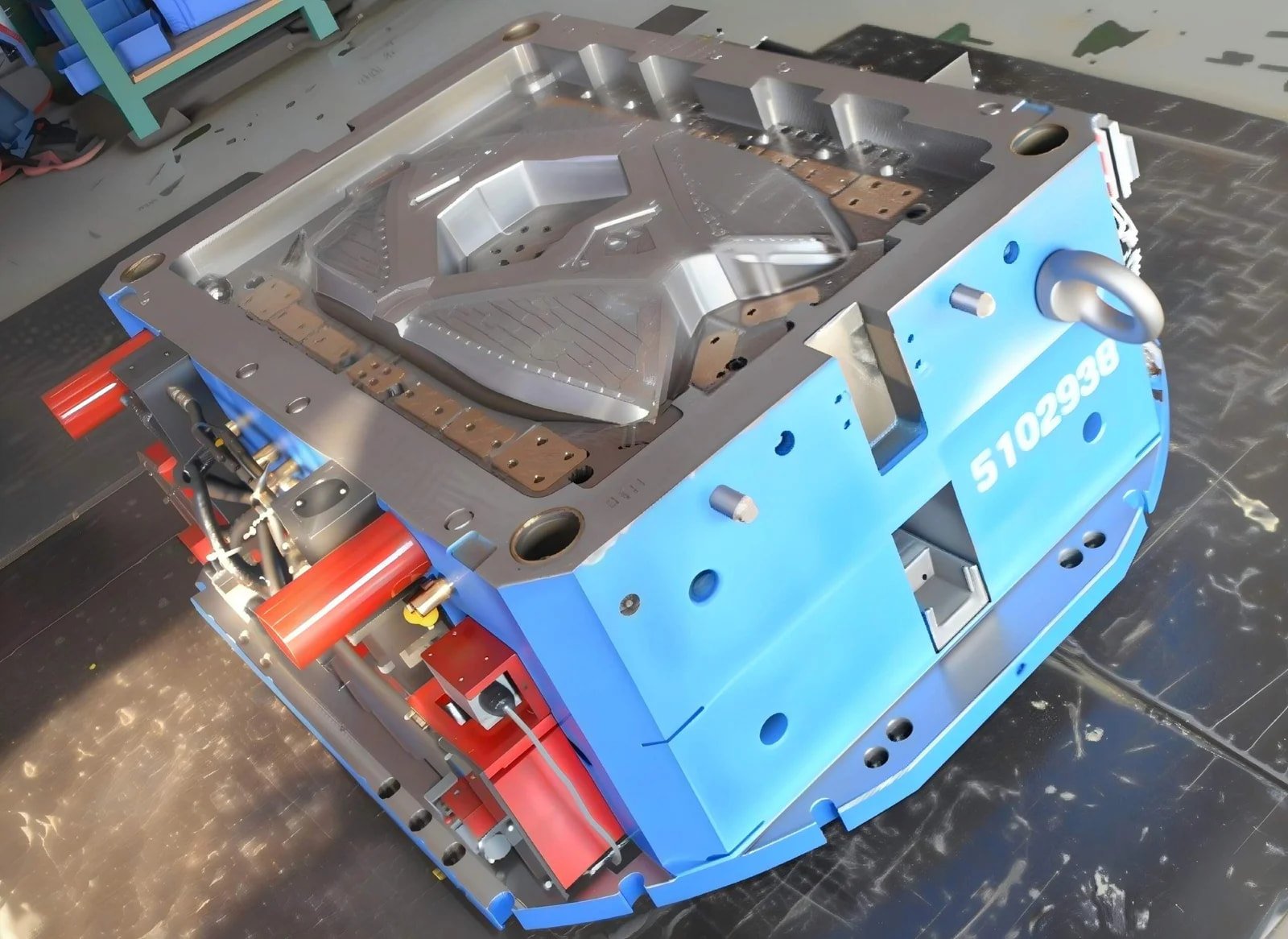
Two-Shot Mold
For two-material or two-color plastic parts requiring controlled bonding.
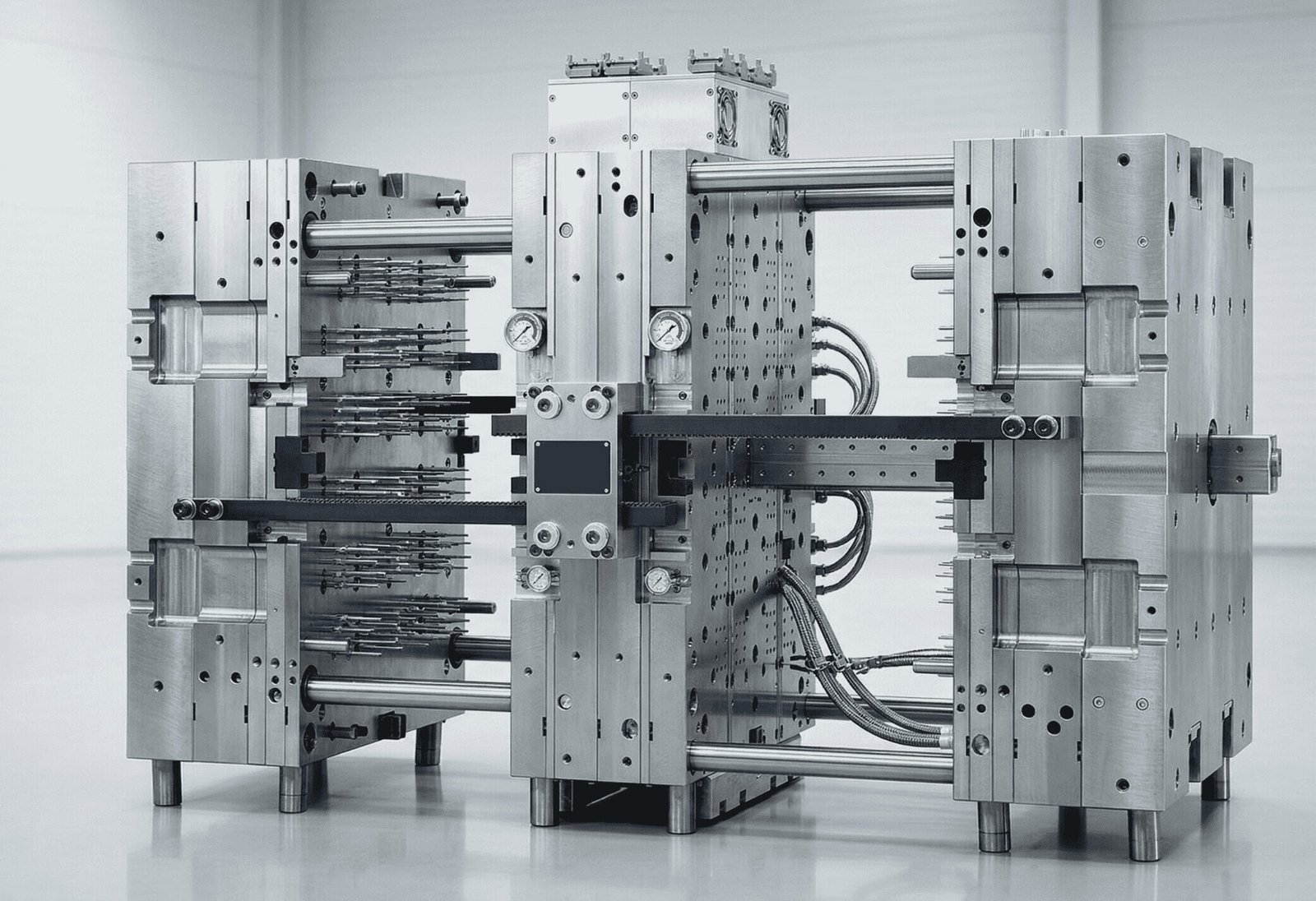
Stack Mold
For higher-output production where mold structure and cycle efficiency matter.
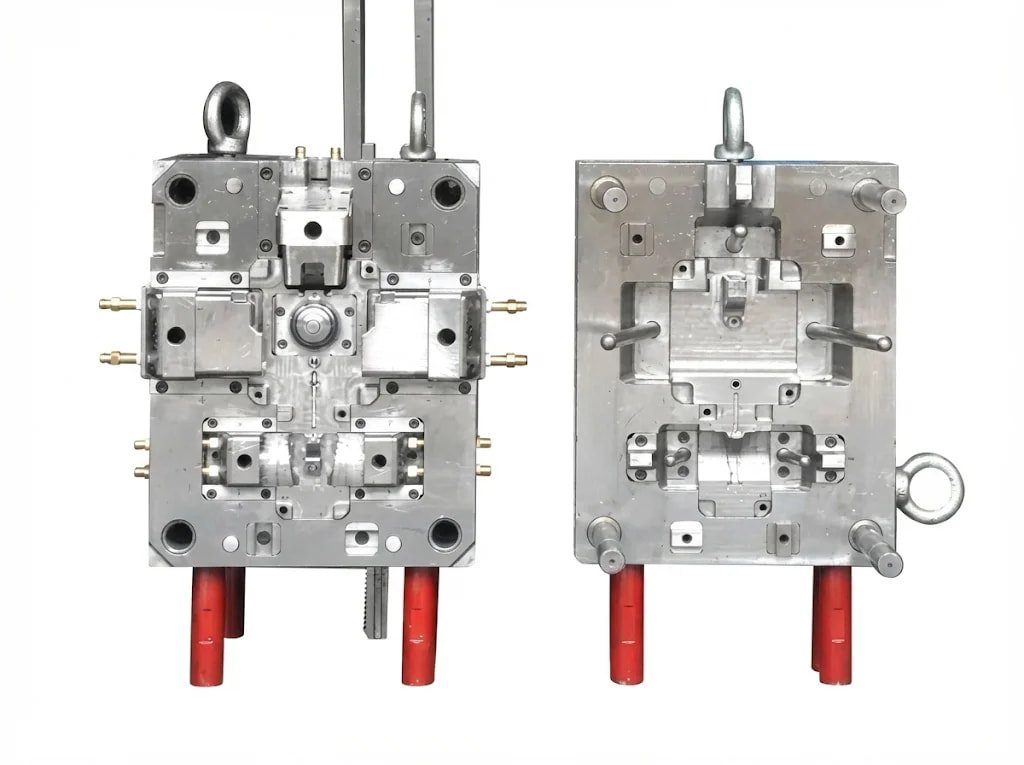
Unscrewing Mold
For threaded plastic components requiring automatic demolding.
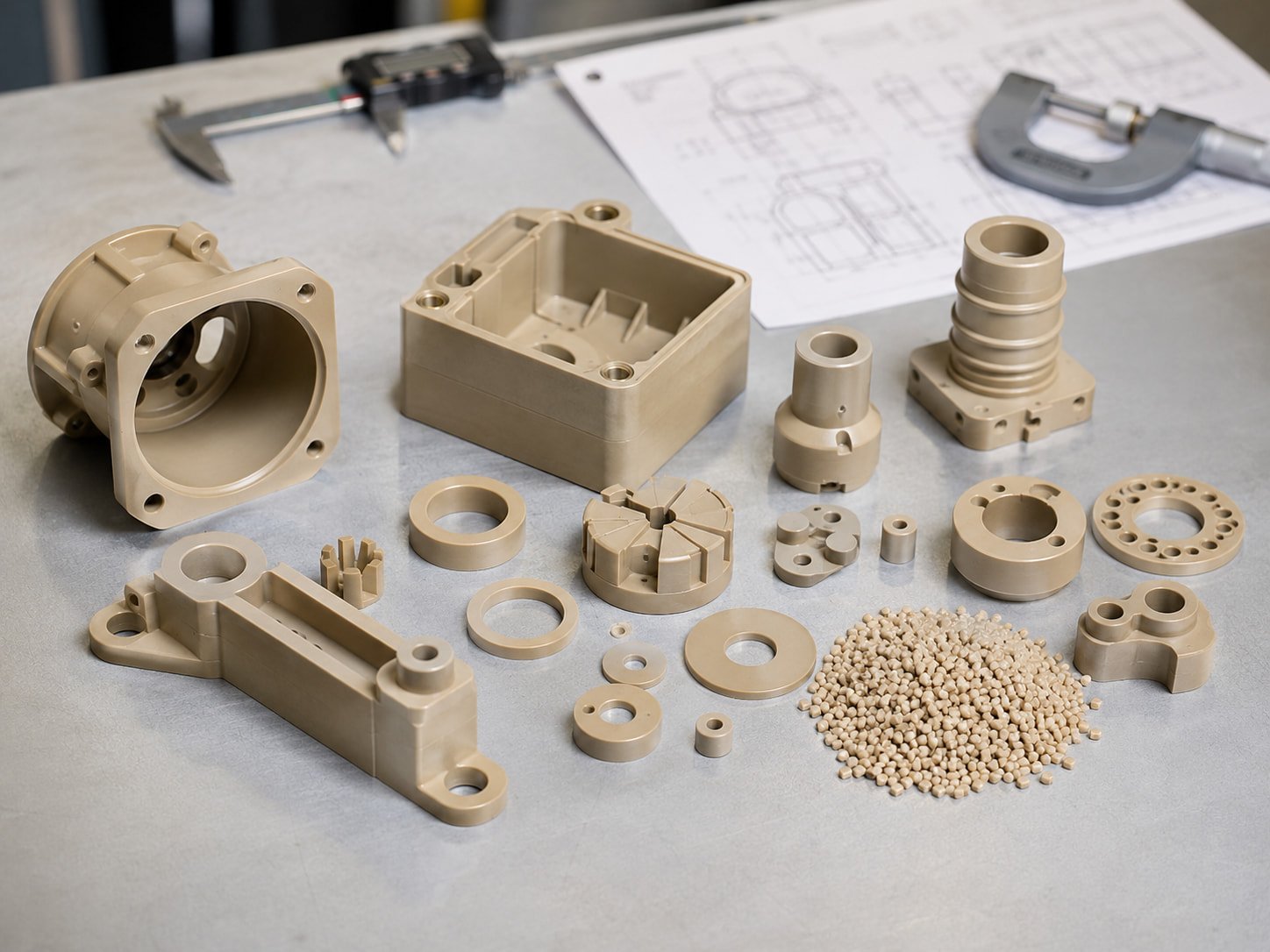
PEEK Injection Molding
For high-temperature engineering plastic parts and PEEK mold review.
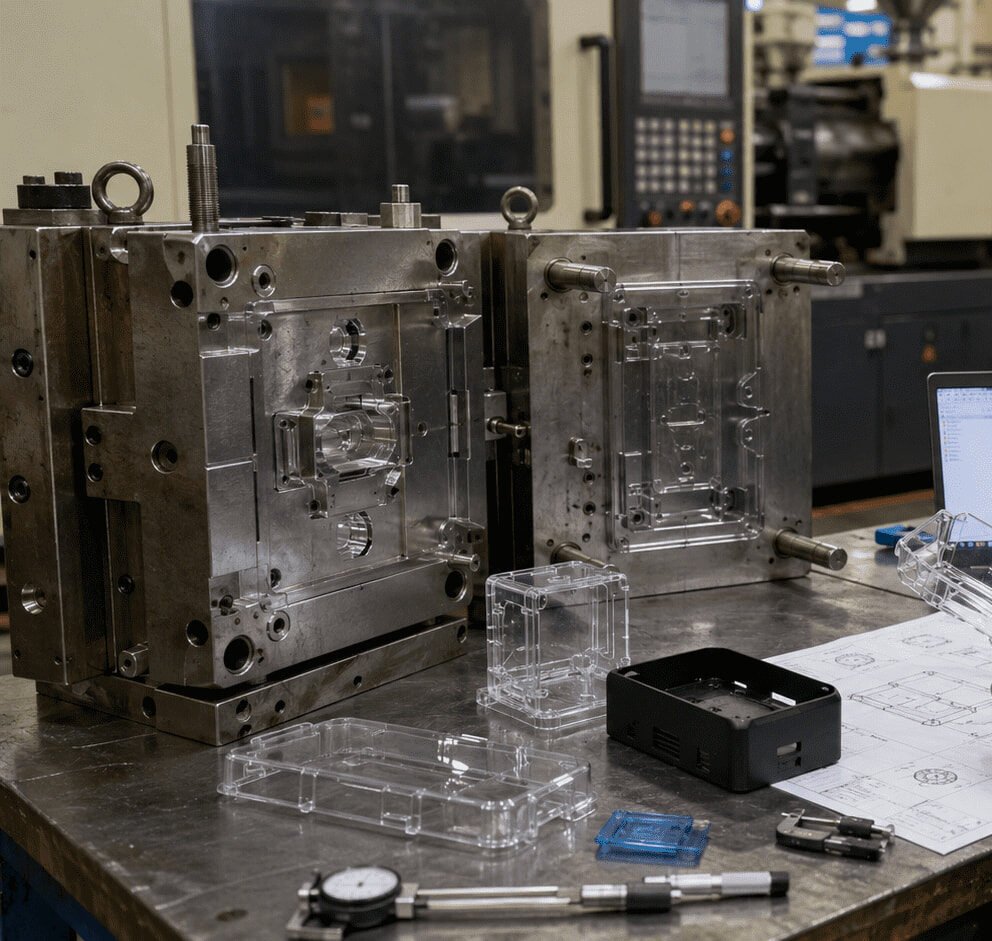
Polycarbonate Molding
For transparent PC covers, optical parts and impact-resistant housings.
High Precision Mold Project Scenarios
Use anonymized project scenarios to show how GBM Mold handles engineering risk without exposing customer drawings or part numbers.
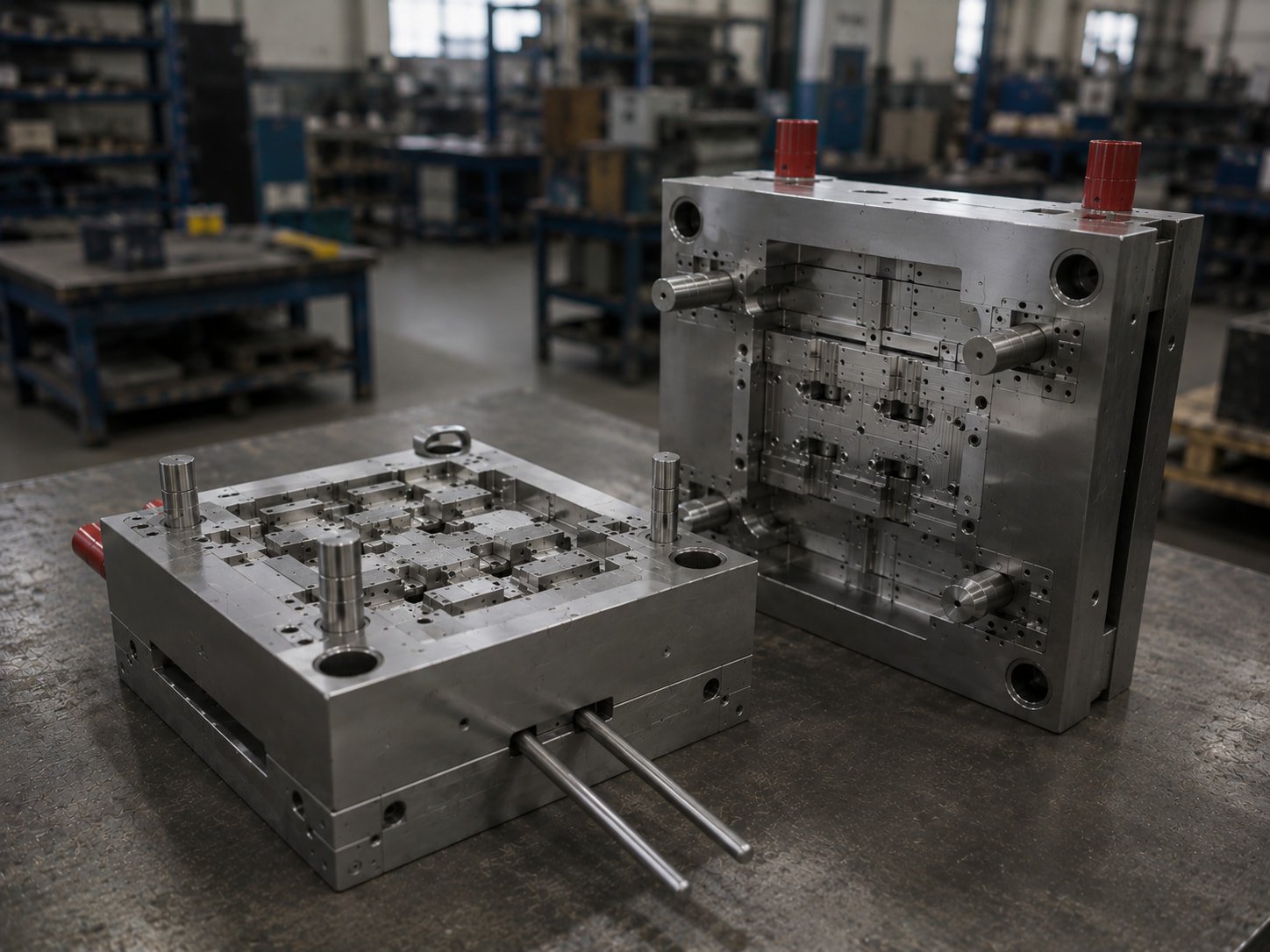
Connector Housing with Insert Alignment Requirement
Challenge: Terminal position and small shutoff areas affected assembly fit.
Tooling Review: Insert location, shutoff surface, parting line and gate location were reviewed before mold design.
Inspection Evidence: T1 samples checked with agreed dimensions and visual review for flash.
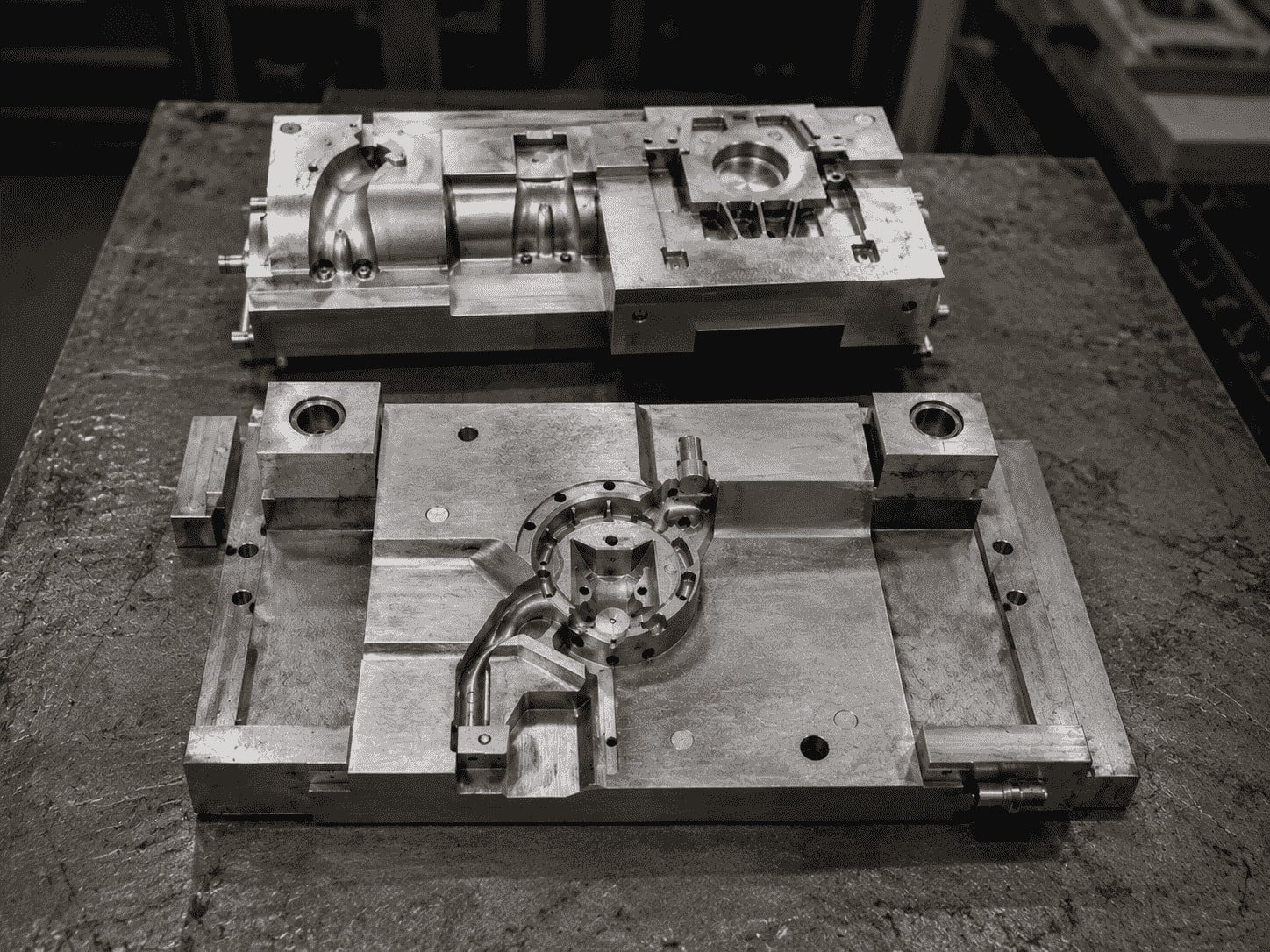
Transparent Cover with Surface and Stress Concern
Challenge: Gate marks, flow marks and molded-in stress could affect appearance.
Tooling Review: Gate location, polishing area, venting and material drying were reviewed.
Inspection Evidence: Samples checked for surface, fit and visual appearance under inspection lighting.
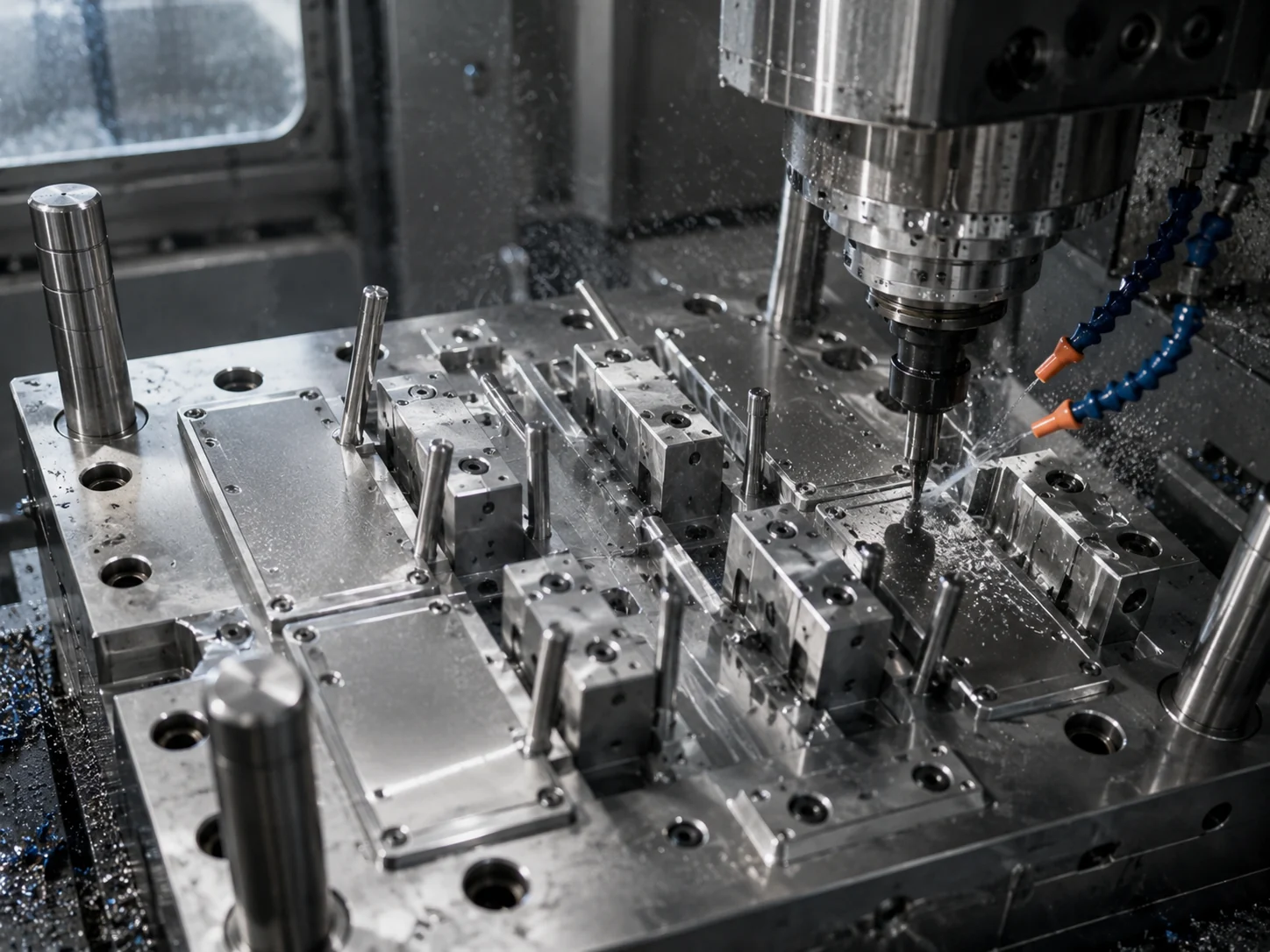
Multi-Cavity Precision Part for Repeat Production
Challenge: Cavity-to-cavity consistency and cycle stability were key for volume production.
Tooling Review: Runner balance, cooling layout and CTQ dimensions were reviewed.
Inspection Evidence: Samples from each cavity were compared during T1 review.
Automotive Dashboard Component with Assembly Gap Control
Challenge: Dashboard plastic parts required stable clip position, controlled warpage and consistent assembly gap after T1.
Tooling Review: Wall thickness, rib layout, gate location, cooling balance and steel-safe correction areas were reviewed before mold machining.
Inspection Evidence: T1 samples were checked for key dimensions, assembly fit and visible surface condition.
Customized OEM Communication Parts Mold
Challenge: Small communication parts required stable connector dimensions, thin-wall features and flash control around shutoff areas.
Tooling Review: Insert position, shutoff surfaces, venting, gate location and cavity balance were reviewed before mold design confirmation.
Inspection Evidence: T1 samples were reviewed for connector dimensions, flash, insert position and repeatable fit.
High Precision Mold FAQs
What is a high precision mold?
What is the difference between a high precision mold and a standard injection mold?
Which plastic parts need high precision molds?
Can GBM Mold make multi-cavity high precision molds?
What information is needed for a high precision mold quote?
Can high precision molds be used for PEEK, PPS or PEI parts?
How do you inspect high precision mold samples?
How should I choose a high precision mold manufacturer?
Is micron-tolerance tooling possible for every plastic part?
Does GBM Mold provide export mold documentation?
Can GBM Mold supply high-precision dashboard molds?
Can you make customized OEM communication parts molds?
What makes a communication parts mold high precision?
What should I provide for a dashboard mold quote?
Is high precision mold suitable for multi-cavity communication parts?

Start Your High Precision Mold Project with GBM
Send us your drawings, material specs, tolerances, and volume. Our team will review mold design, machining, and inspection needs before quoting.
Address
Room 101, Jiumo Technology Park, Gangsheng Road, Yabian Village, Shajing Street, Baoan District, Shenzhen City
Your drawings are used only for DFM review, mold feasibility analysis and quotation.