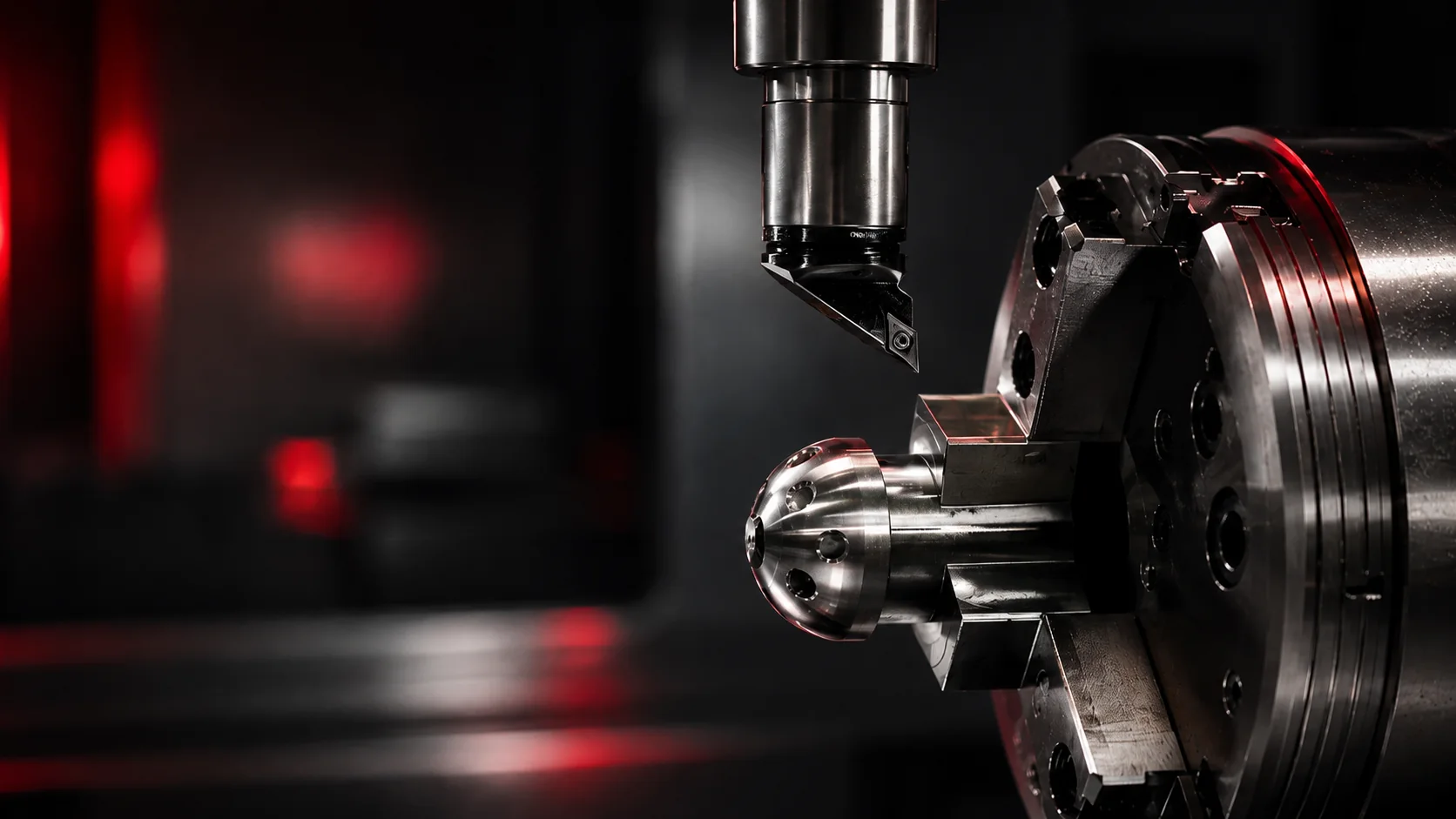
Production Tooling Manufacturer for Injection Molding
Custom steel production molds for validated plastic parts, high-volume injection molding, repeatable quality, and export-ready manufacturing support.
GBM Mold provides production tooling services for plastic injection molding projects that are ready to move from prototype, bridge tooling, or pilot runs into stable production. We support mold design, steel selection, DFM review, CNC/EDM machining, T1 trial, FAI inspection, mold correction, and production release for automotive, medical, electronics, industrial and consumer plastic parts.
What Is Production Tooling in Injection Molding?
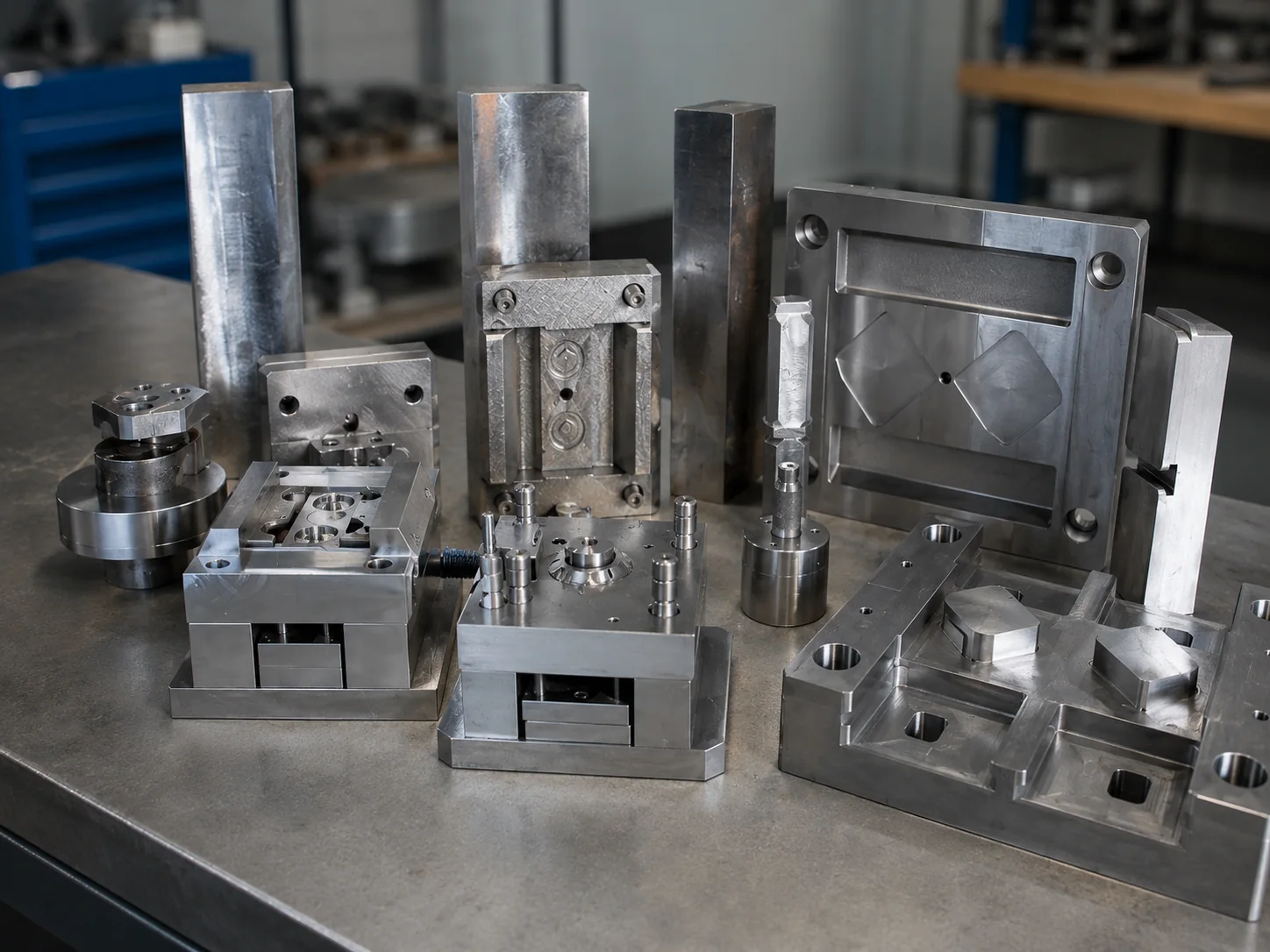
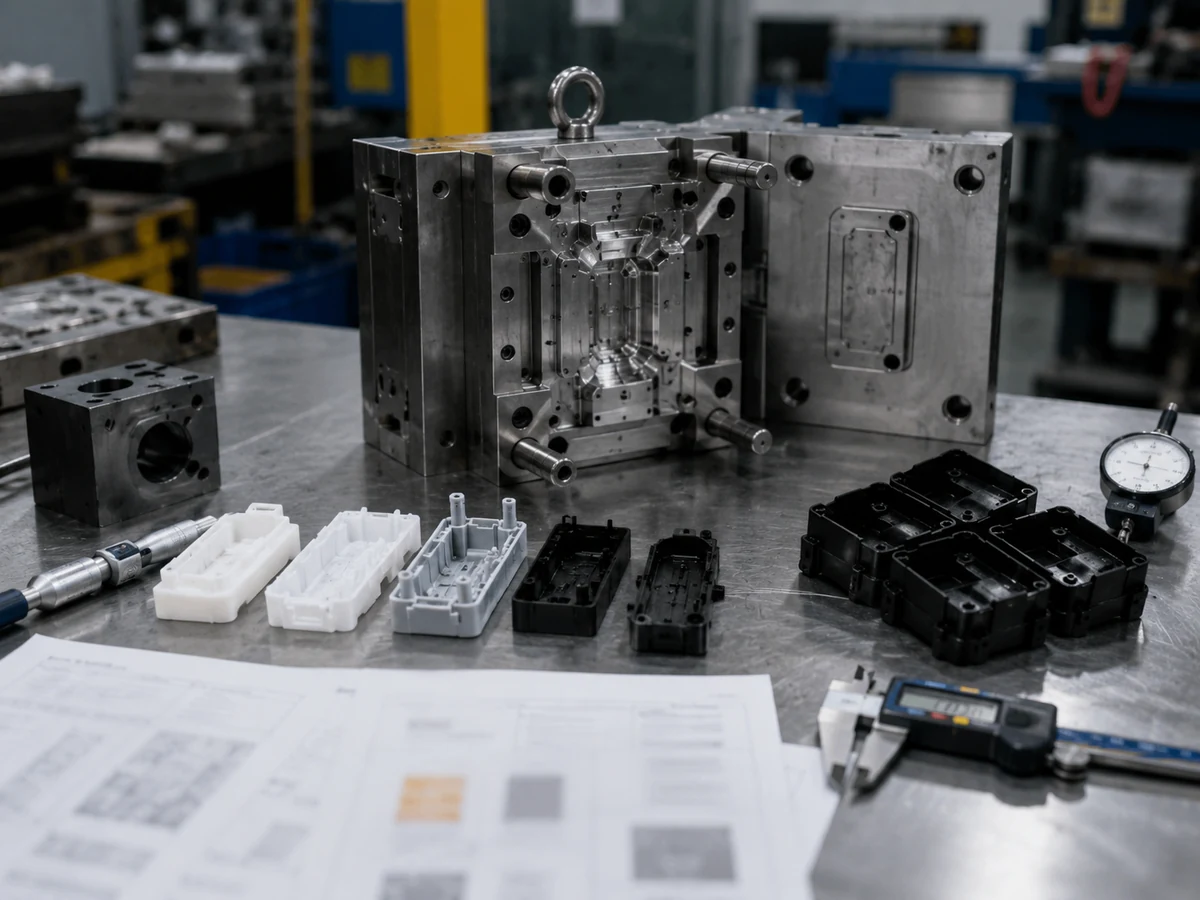
Production tooling refers to the production-grade mold, fixture, insert, or die used to manufacture approved parts repeatedly under stable process conditions. In plastic injection molding, production tooling usually means a steel injection mold designed for long-term use, consistent part dimensions, controlled cycle time, and repeatable quality.
Unlike prototype tooling, production mold tooling is not only used to prove a design. It is built after the part design, resin, tolerance, surface finish, assembly fit, and production volume have been rigorously reviewed. The tool must support stable molding, controlled cooling, reliable ejection, maintainable inserts, and long production runs.
Whether you need low-volume validation or high-volume production, a custom production tooling solution is the foundation of manufacturing success.
Not sure if your part is ready for production tooling?
Send us your 3D files for a comprehensive DFM review before investing in steel.
Production Tooling Parameters & Capabilities
Comprehensive production injection mold tooling solutions designed to meet strict industry standards and extended tool life requirements.
| Parameter | GBM Production Tooling Capability |
|---|---|
| Tooling Type | Production injection mold, multi-cavity mold, family mold, insert mold, overmolding mold, hot runner mold, cold runner mold |
| Mold Steel Options | P20, 718, H13, S136, NAK80, hardened steel inserts, stainless steel options |
| Production Volume | From pilot production to medium and high-volume production |
| Mold Class Reference | SPI Class 101 / 102 / 103 / 104 based on required tool life |
| Cavities | Single-cavity, multi-cavity, family mold, replaceable cavity inserts |
| Runner System | Cold runner, hot runner, valve gate, open gate, sub-gate, edge gate, pin gate |
| Supported Materials | ABS, PC, PP, PA6, PA66, PBT, PPS, PEEK, TPE, TPU, PC/ABS, glass-filled resins |
| Surface Finish | Polishing, texture, matte, high-gloss, transparent part mold polishing |
| Tolerance Support | Project-based tolerance review with CMM / FAI inspection |
| Trial Support | T1 / T2 samples, trial video, molding parameter review, correction report |
| Export Support | Mold packing, spare parts, maintenance guide, sample approval documents |
Production Tooling Options for Different Needs
We engineer custom molds tailored to your part complexity, material properties, and annual volume targets.
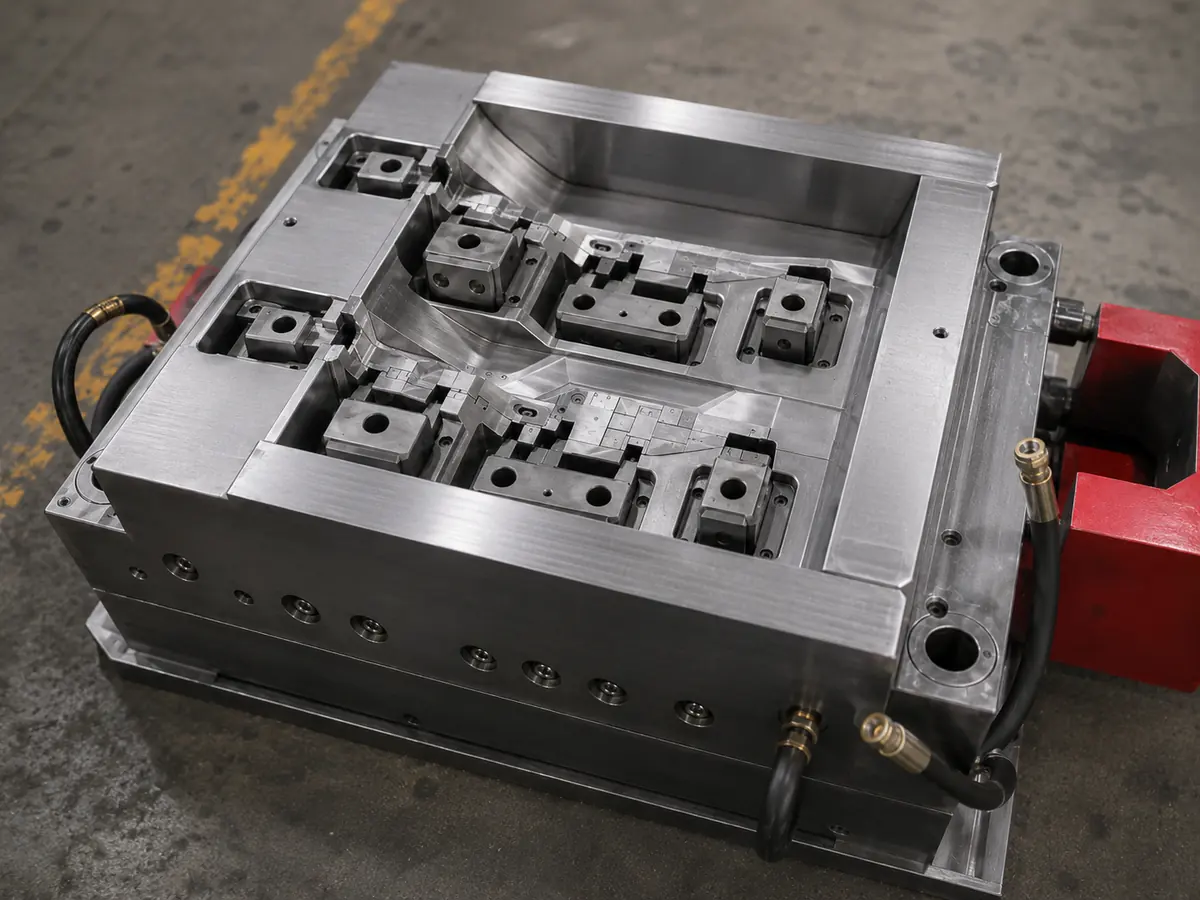
Steel Production Injection Mold
Best for: Locked designs & long-term production
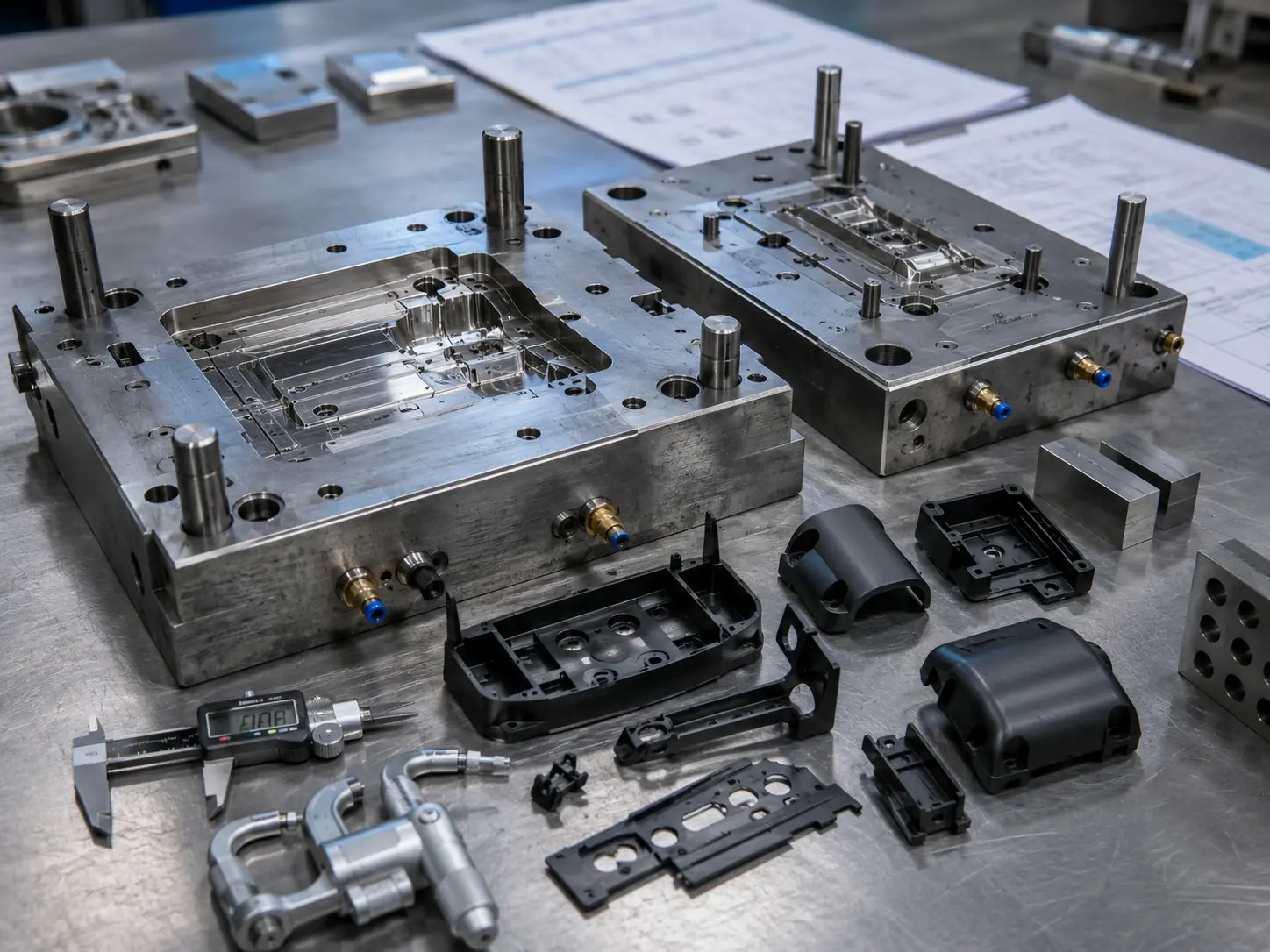
Engineered with P20, 718, H13, or S136 steel. Focuses on optimized cooling, robust ejection, parting line control, and venting for high-yield runs.
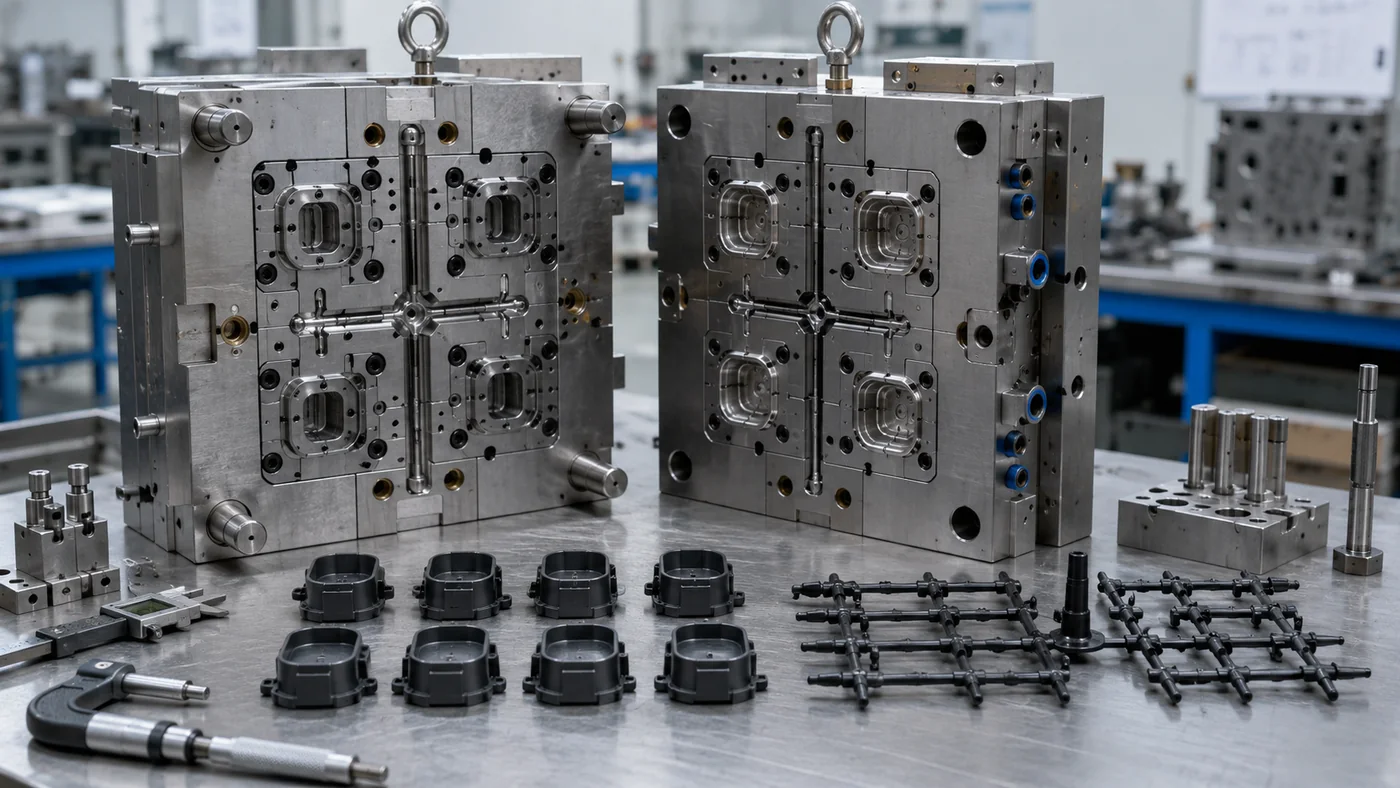
Multi-Cavity Tooling
Best for: Caps, connectors, small housings
Designed for high output. We prioritize cavity balance, consistent gating, uniform cooling, and strict cavity-to-cavity dimensional control.
Ask About Multi-Cavity Design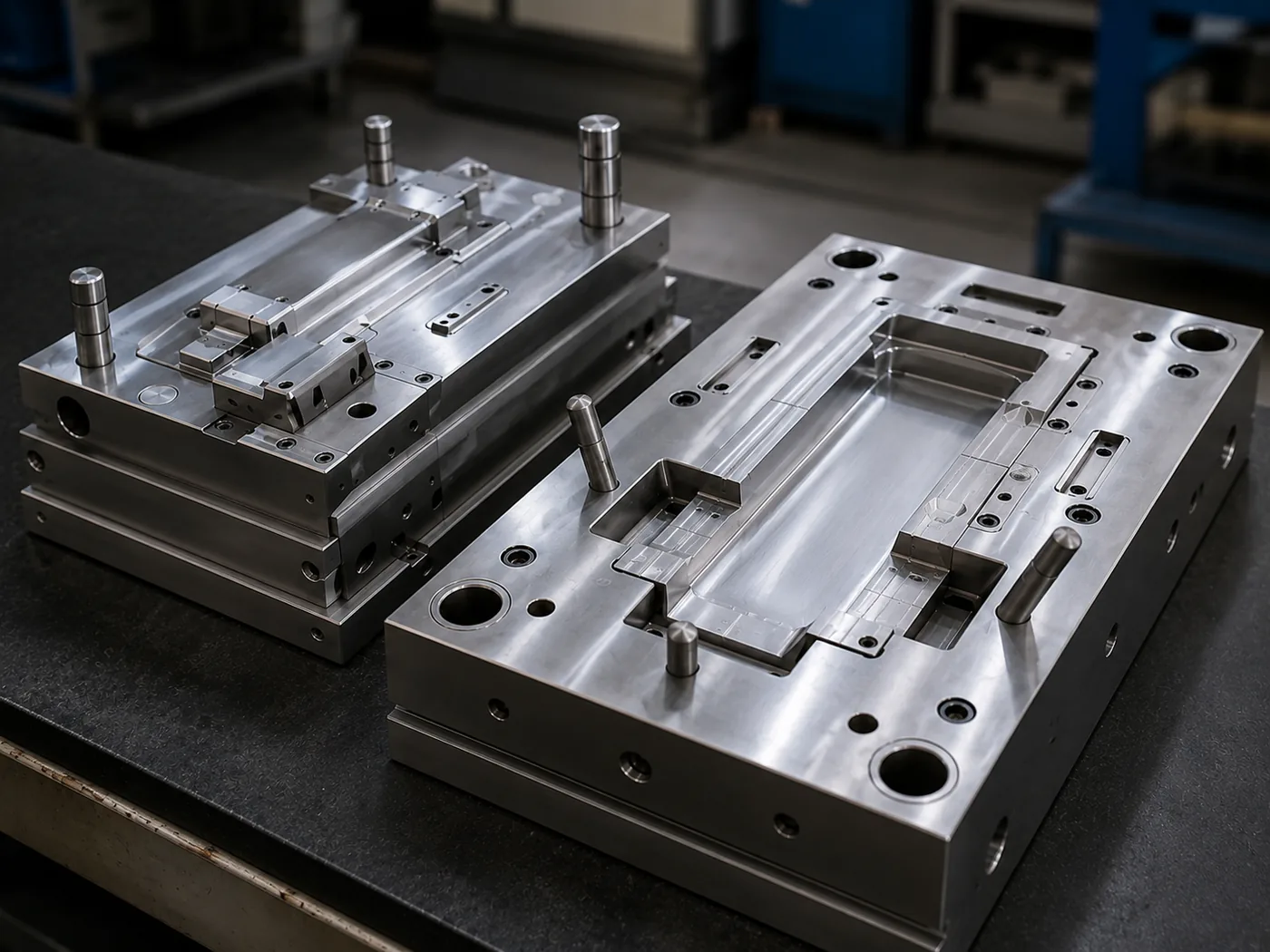
Hot Runner Tooling
Best for: High volume, expensive resins, cosmetic parts
Eliminates cold runners to save material and shorten cycle times. Features valve gate or sequential gating for superior cosmetic finishes.
Compare Hot & Cold Runner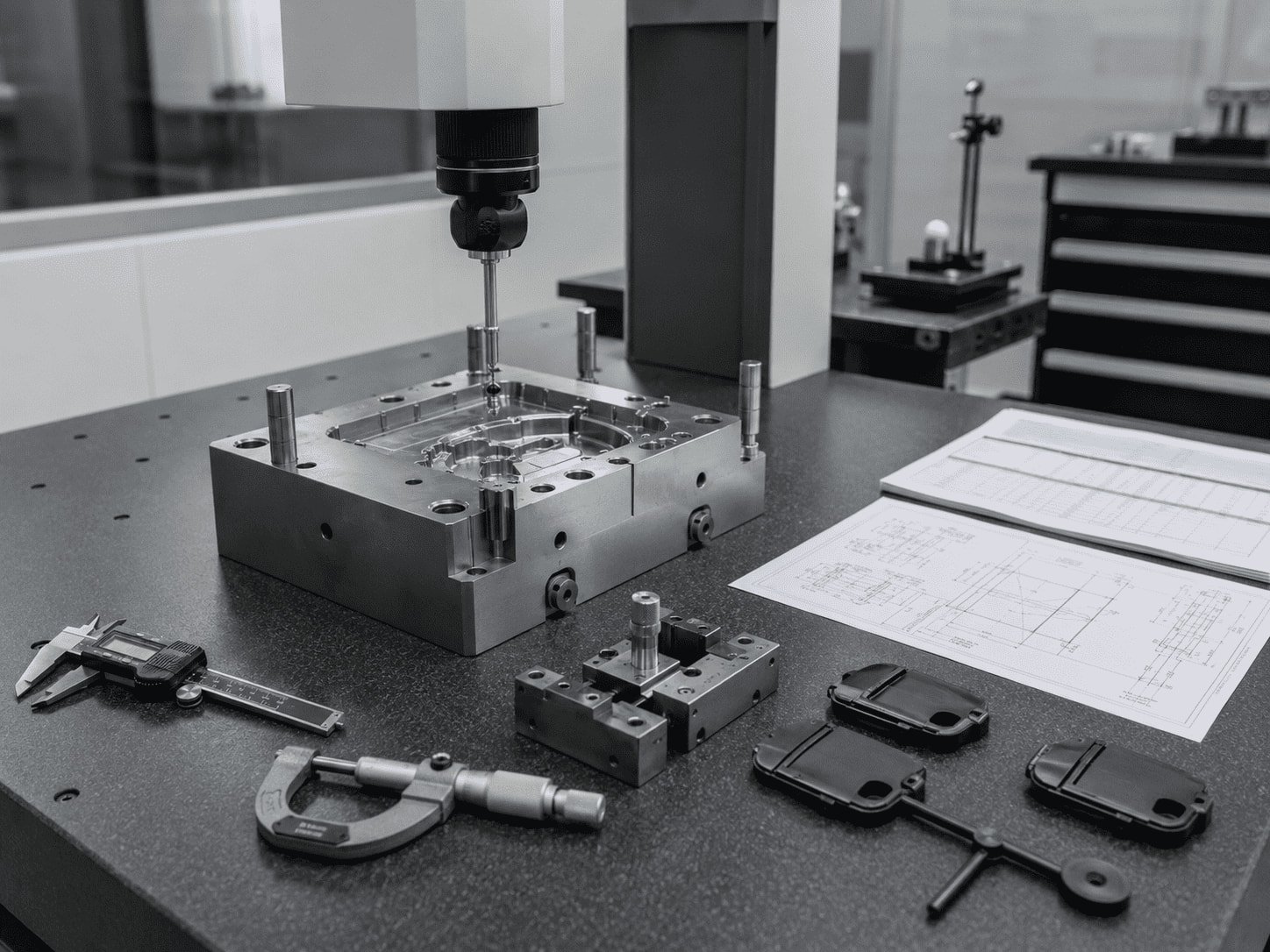
Cold Runner Tooling
Best for: Simple structures, budget-sensitive projects
Lower initial mold cost and easier maintenance. Ideal for medium volume runs where regrind material is acceptable.
Check Cold Runner Feasibility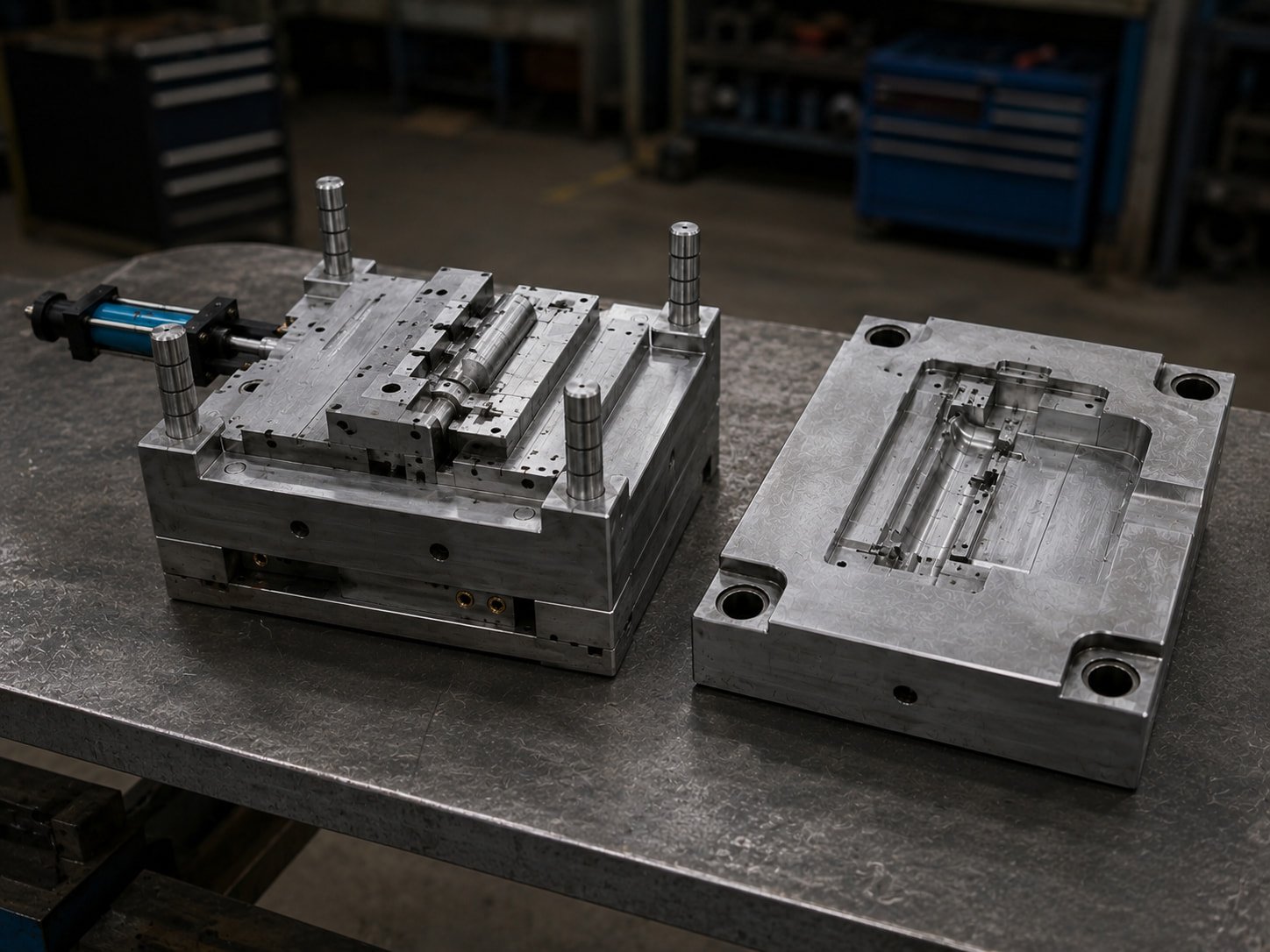
Precision Mold Tooling
Best for: Medical, electronics, tight tolerances
Built with rigorous steel heat treatment, ultra-precise EDM, and CMM inspection to ensure slider/lifter longevity and exact assembly fit.
Send Precision Requirements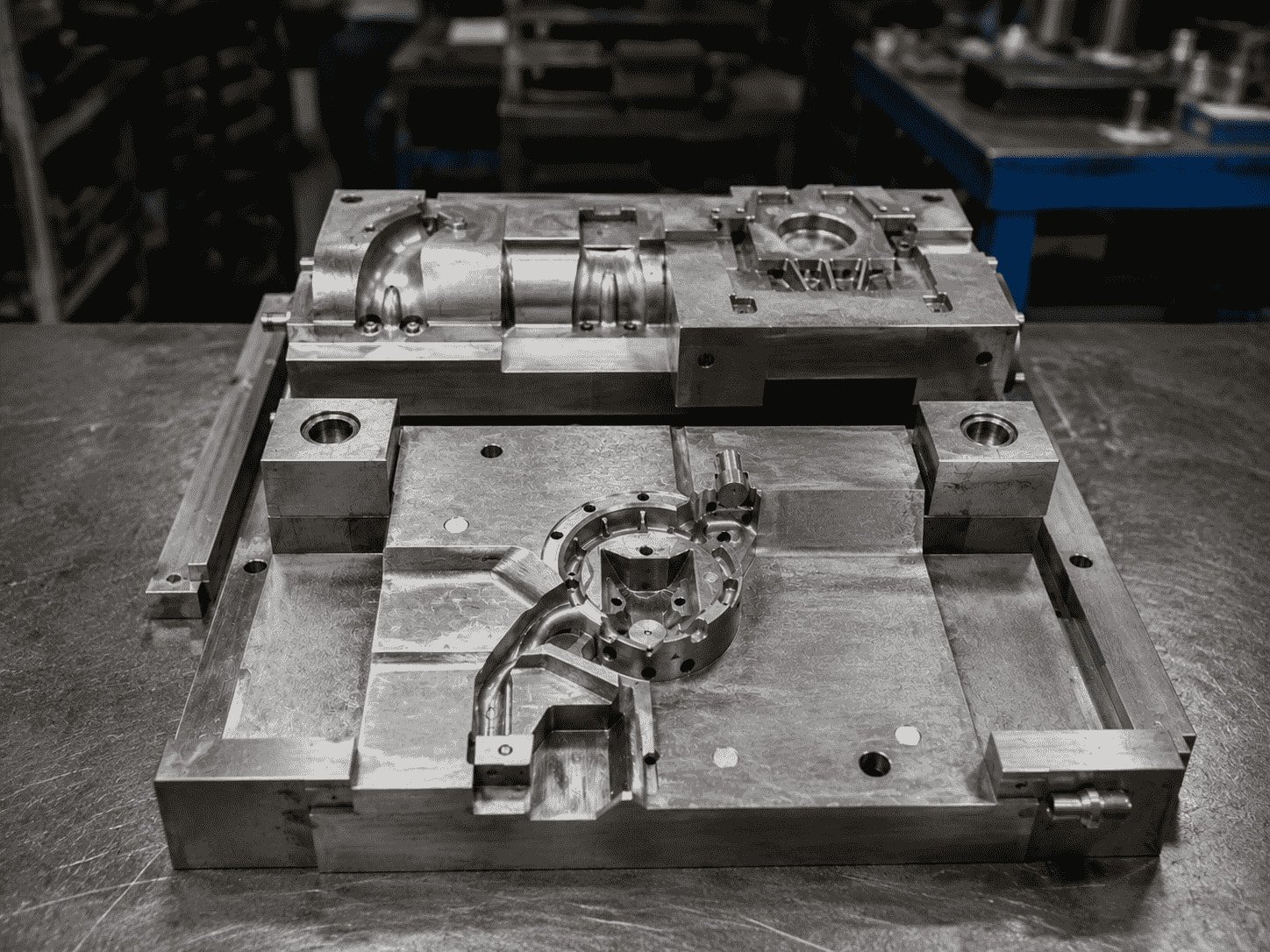
Insert / Overmolding Tooling
Best for: Metal inserts, soft grips, sealed electronics
Specialized designs for precise insert location, managing secondary shrinkage, and ensuring strong adhesion for TPE/TPU materials.
Production Tooling vs Prototype Tooling vs Bridge Tooling
Understanding the differences to choose the right investment for your project stage.
| Tooling Type | Best For | Typical Material | Main Purpose | Risk If Used Wrong |
|---|---|---|---|---|
| Prototype Tooling | Design validation, fit and function testing | Aluminum or soft steel | Fast samples before full investment | Not suitable for long production life; wears out quickly |
| Bridge Tooling | Pilot runs, market testing, early orders | Aluminum, P20, standard mold frame, inserts | Bridge the gap before full production mold | Unit cost may be higher than production tooling |
| Production Tooling | Stable production, long-term repeatability | Hardened steel, production-grade mold base | High repeatability, lower unit cost, longer tool life | Higher upfront cost and longer mold build cycle |
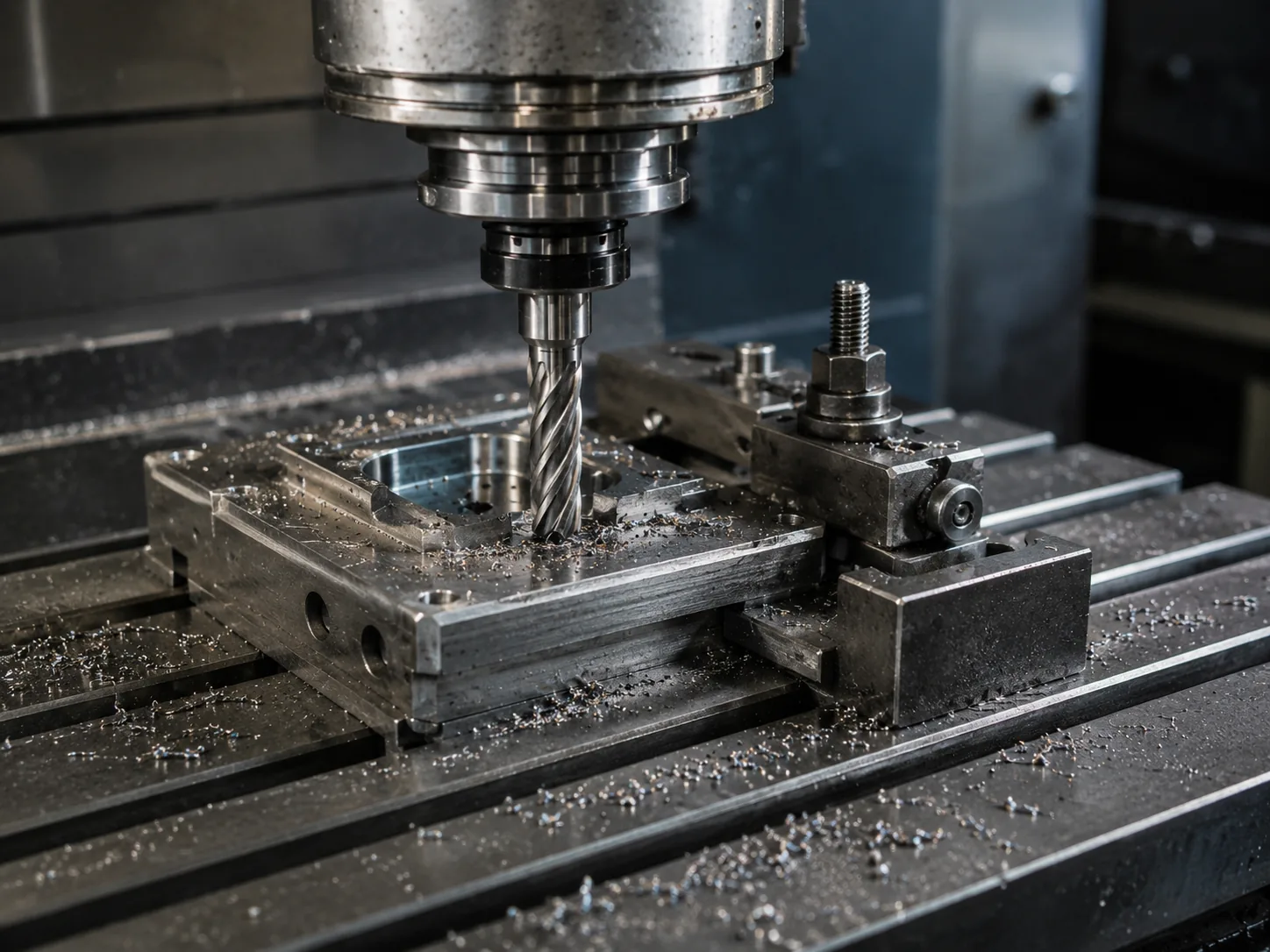
Prototype tooling should be used when the design is still changing. Bridge tooling is useful when the product needs pilot production before full investment. Production tooling is the better option when the part design is locked, the resin is confirmed, and the buyer needs consistent production parts over many runs.
Need help choosing the right tooling route?
Choose the Right Tooling RouteHow to Choose the Right Production Tooling
Our engineering team considers 6 critical factors before cutting steel to ensure your mold performs flawlessly.
Annual Production Volume
High annual demand requires multi-cavity designs, hot runners, hardened steel, auto-ejection, and a comprehensive spare parts plan.
Part Material
Abrasive materials (Glass-filled PA, PBT, PPS) require highly wear-resistant steel, specialized gate inserts, and advanced venting designs.
Tolerance & Assembly Fit
For connectors and medical housings, we strictly validate shrinkage, warpage, parting lines, and gate locations before mold manufacturing.
Surface Finish Requirement
High-gloss or transparent PC parts demand premium steel grades, superior polishing levels, and strategic gate positioning.
Tool Life Expectation
We utilize SPI Class 101–104 standards. Class 101/102 for ultra-high volume/long life, and Class 103/104 for medium/low volumes.
Export vs. In-House Molding
Export molds require upfront planning for cooling connectors, nameplates, spare parts, wooden crating, and remote T1 verification.
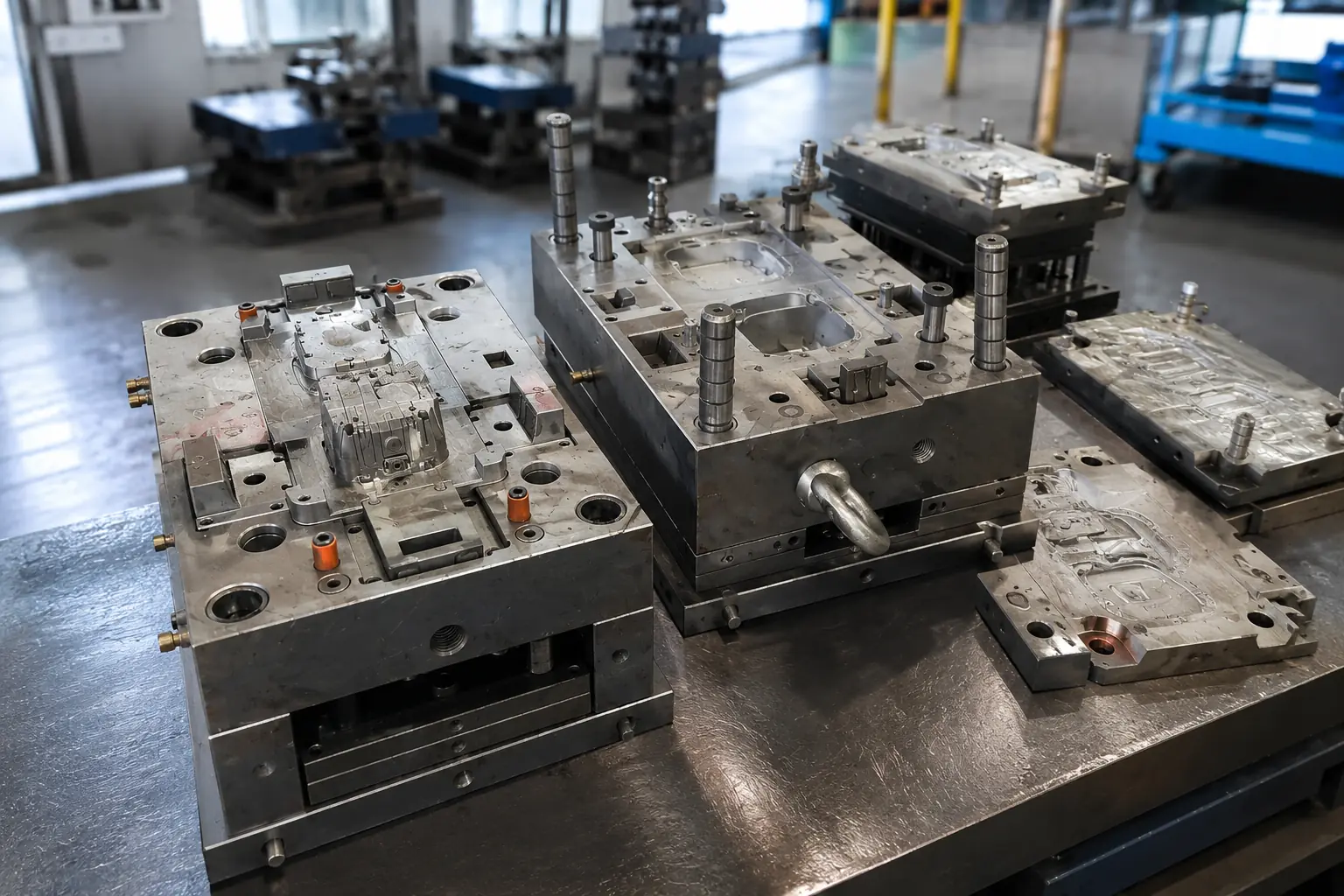
Send part drawings, target annual volume and resin grade. GBM will suggest a practical production tooling plan.
Send Project Details by WhatsAppCommon Problems Buyers Face Before Production Tooling
Avoid costly mistakes by addressing these frequent tooling challenges early in the process.
Pain Point: Design Is Not Ready
Rushing into steel tooling before validating product structure leads to expensive mold modifications later.
GBM Solution
We rigorously inspect wall thickness, undercuts, draft angles, ribs, bosses, and shrinkage risks before cutting steel. We may suggest prototype tooling first if risks are high.
Pain Point: Wrong Mold Steel
Using standard steel for abrasive or high-temp resins causes rapid wear on gates, cavities, and sliders.
GBM Solution
We match material and volume to the right steel (P20, 718, H13, S136) and design maintenance-friendly hardened inserts for high-wear zones.
Pain Point: Unbalanced Multi-Cavity
Multi-cavity molds suffer from uneven filling, dimensional variations, flash, or short shots during mass production.
GBM Solution
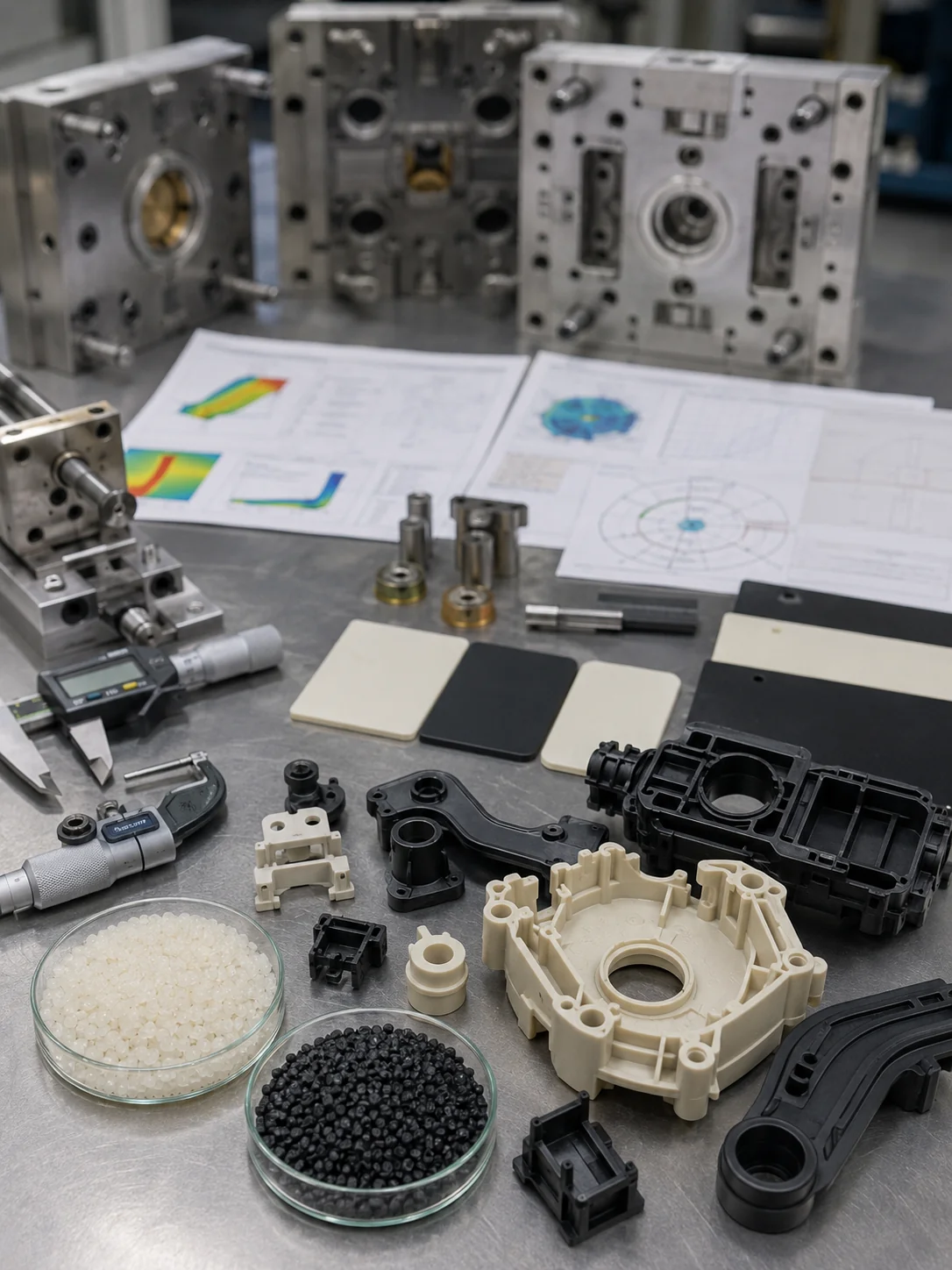
We utilize flow analysis to ensure perfect runner balance, uniform gate sizing, symmetrical cooling layouts, and establish cavity-to-cavity inspection plans.
Pain Point: T1 Good, Production Unstable
T1 samples pass, but continuous production reveals dimensional drift, warpage, or cosmetic inconsistencies.
GBM Solution
We evaluate T1 samples alongside continuous molding parameters, mold temperature stability, and ejection force to ensure true production readiness.
Pain Point: Blind Spots for Overseas Buyers
Buyers cannot inspect the mold on-site and worry about hidden quality issues, poor packing, and lack of spare parts.
GBM Solution
We provide completely transparent remote validation: detailed T1 photos, trial videos, comprehensive inspection reports, packing proof, spare parts lists, and live video reviews.
Why Work with GBM Mold for Production Tooling
We deliver engineering-driven tooling solutions that guarantee long-term manufacturing stability.
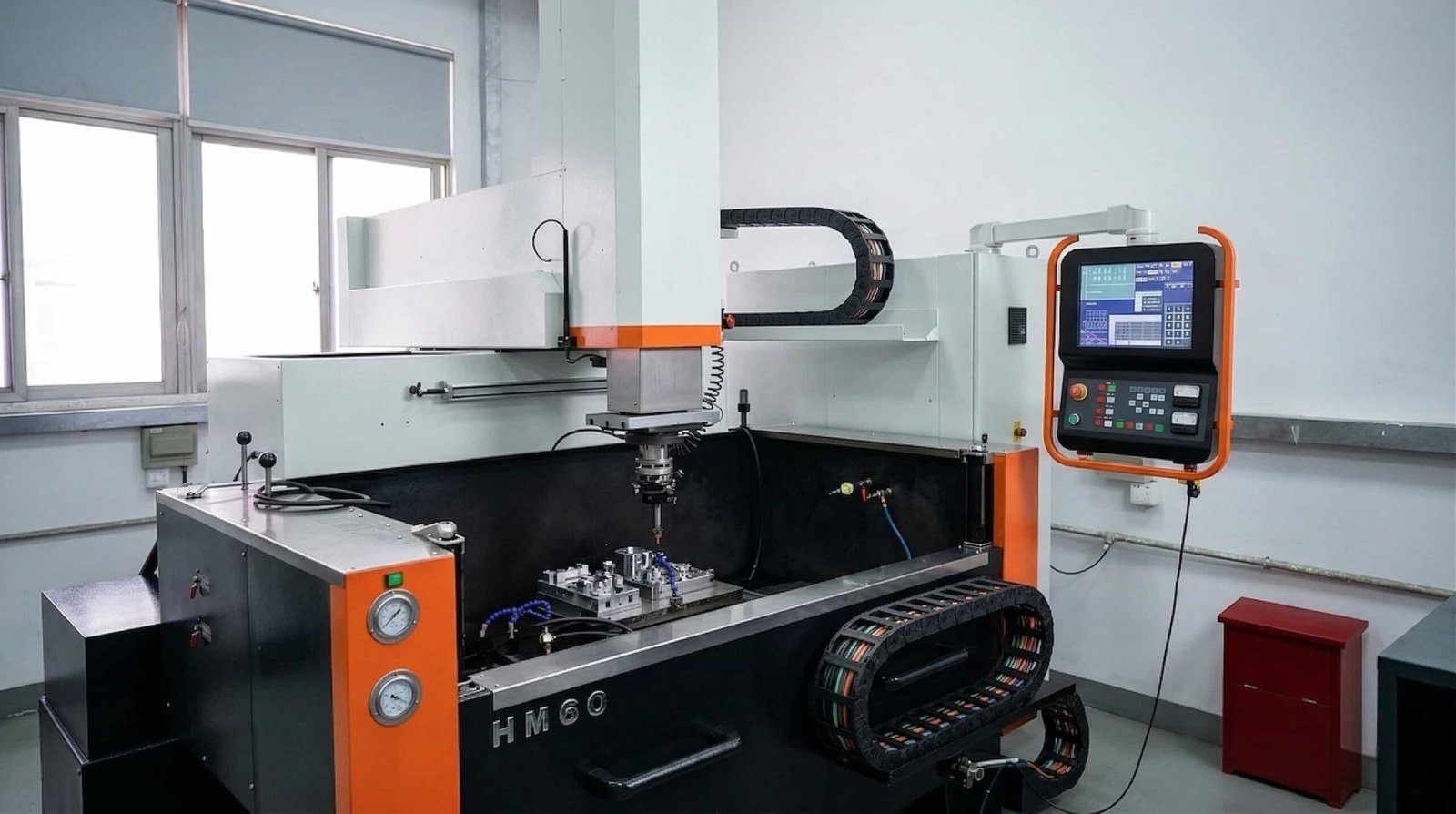
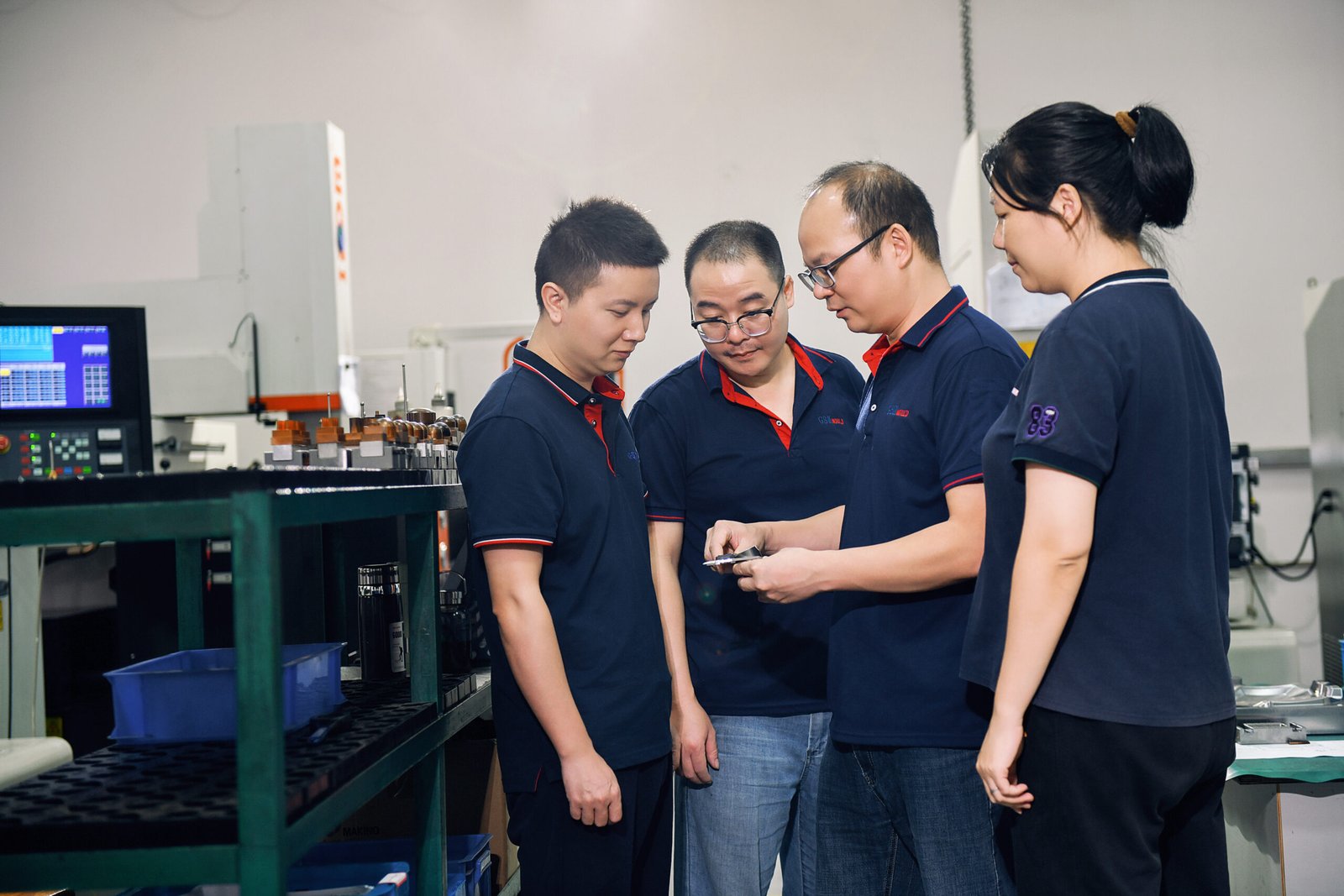
State-of-the-Art Tooling Facility
Engineering Review Before Cutting
We analyze parting lines, gate locations, draft angles, wall thickness, undercut releases, and cooling channels before starting CNC.
Request DFM ReviewPractical Route Selection
We objectively compare prototype, bridge, and production tooling based on your actual volume certainty and budget constraints.
Compare Tooling OptionsDesigned for Real Conditions
Our structures account for repeated cycles, resin shrinkage, thermal management, and gate wear—not just CAD geometry.
T1 Trial & Transparent Approval
We provide comprehensive trial data, videos, CMM/FAI inspection reports, and actionable correction suggestions before release.
Export-Ready Mold Delivery
For overseas buyers, we meticulously prepare rust prevention, robust packing, spare parts, and detailed maintenance documentation.
Talk to an Engineer on WhatsAppOur Production Tooling Process
A structured, 8-step methodology to ensure your mold is built correctly the first time.
RFQ & CAD Review
Client provides 3D/2D files, material, volume, finish, and export requirements.
DFM Analysis
Check wall thickness, draft, shrinkage, gating, venting, and assembly risks.
Tooling Proposal
Confirm mold type, steel, cavities, runner system, and inspection standards.
Mold Design
Complete 2D/3D design, finalizing inserts, sliders, cooling, and ejection.
Manufacturing
CNC, EDM, wire cutting, grinding, polishing, texture, and precision assembly.
T1 Trial
First trial run. Record parameters and check for flash, warpage, and dimensions.
Mold Correction
Refine mold based on T1. Conduct T2/T3 until critical dimensions are perfectly met.
Release or Export
Begin mass production, or prepare rust prevention, packing, and export documents.
What Affects Production Tooling Cost?
Understanding these variables helps optimize your tooling investment for maximum ROI.
| Cost Factor | Why It Matters | GBM Recommendation |
|---|---|---|
| Part Size | Larger parts need larger mold bases and higher machine tonnage, increasing material and machining costs. | Confirm projected area and press size early. |
| Part Complexity | Undercuts, threads, and side-actions require sliders and lifters, adding significant mechanical complexity. | Review sliders and inserts during DFM to simplify if possible. |
| Mold Steel | Hardened steel (H13, S136) costs more and takes longer to machine but drastically improves tool life. | Match steel grade strictly to resin type and total volume. |
| Cavities | More cavities increase upfront mold cost but significantly reduce the unit cost per part. | Calculate annual demand to find the break-even point. |
| Runner System | Hot runners cost more upfront but reduce material waste and cycle times compared to cold runners. | Compare systems based on resin price and production volume. |
| Tolerance & Finish | Tight tolerances and high-gloss finishes require advanced machining and stricter quality control. | Define CTQ dimensions and SPI finish standards clearly. |
Send your part size, material and annual volume. We can help estimate a practical tooling direction before quotation.
Request Production Tooling Cost ReviewProduction Tooling for Different Applications
Proven expertise across demanding industries requiring repeatable, high-precision plastic components.
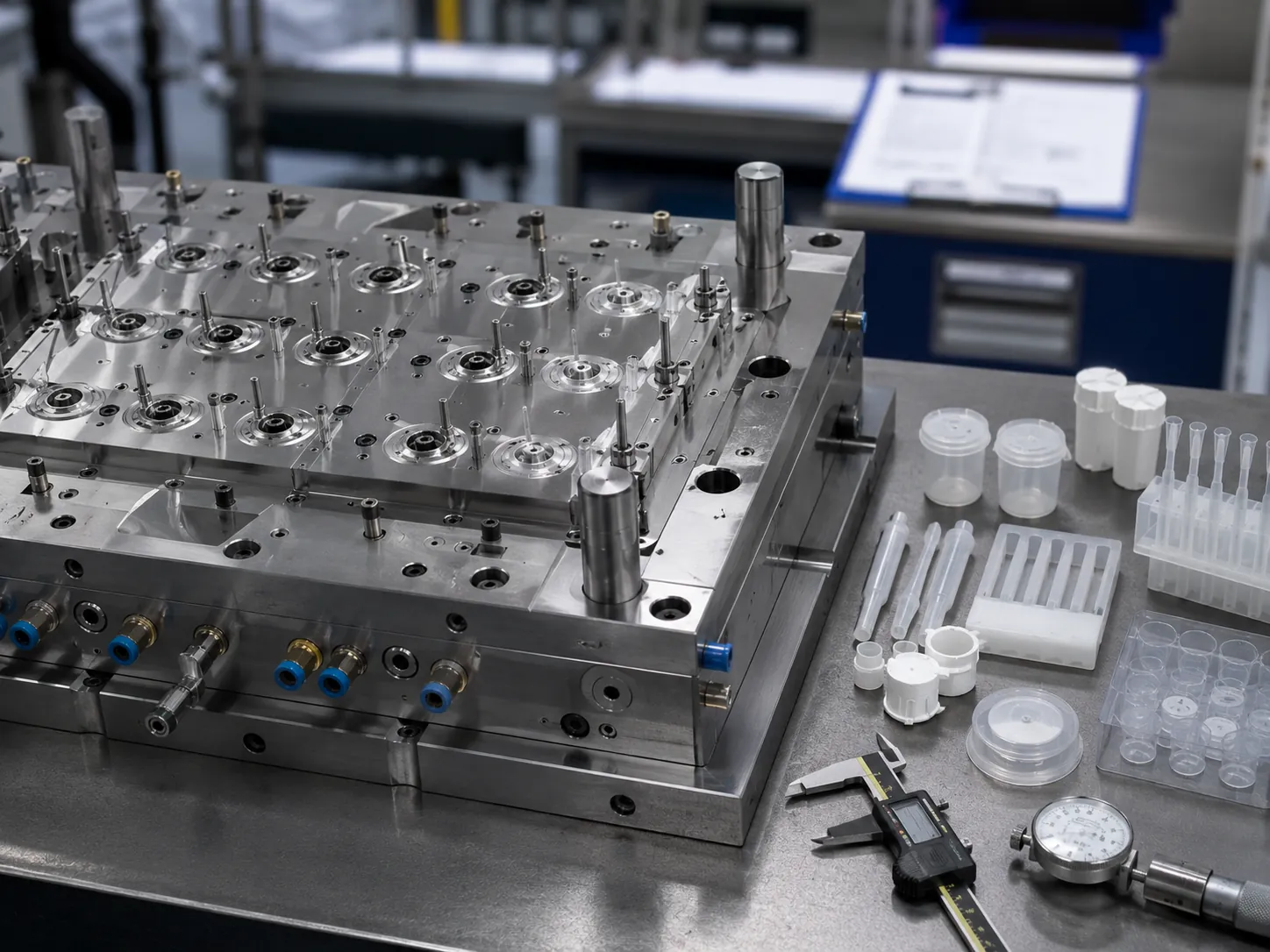
Medical Device Tooling
Strict CMM/FAI control for housings and transparent covers.
Precision Machining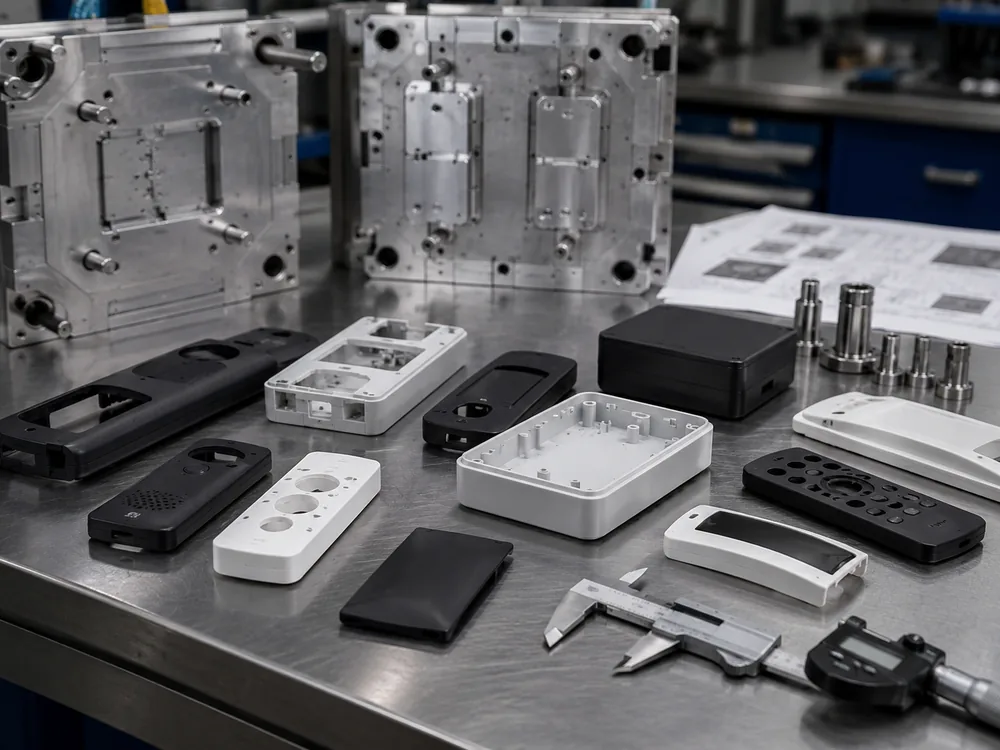
Electronics & Connectors
Micro-molding, thin walls, and precise assembly gaps.
View Molding Services →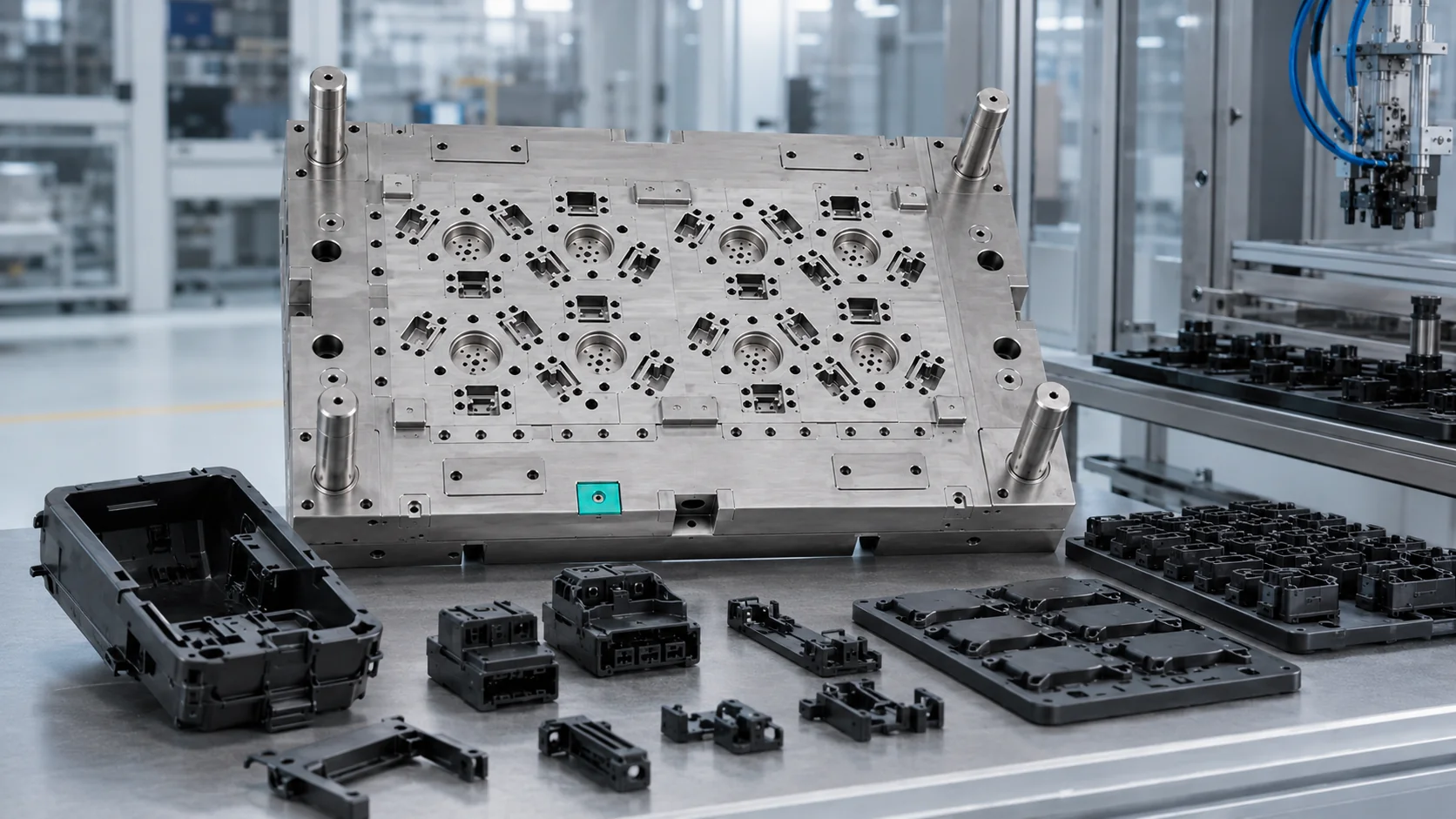
Industrial Plastics
Durable equipment covers and structural brackets.
Heavy Duty Molds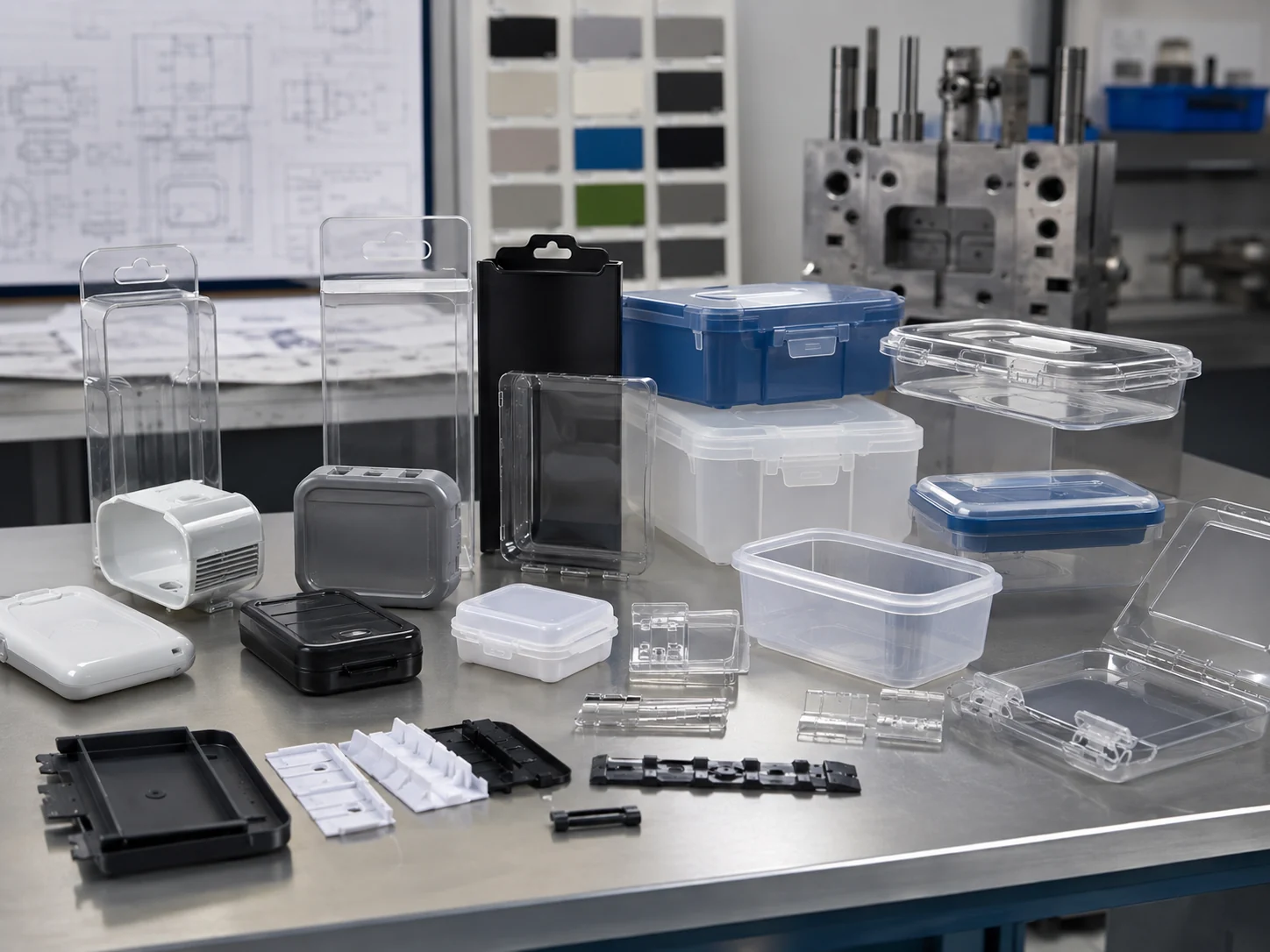
Production Tooling FAQ
1. What is production tooling?
2. What is the difference between production tooling and prototype tooling?
3. What is the difference between bridge tooling and production tooling?
4. When should I choose production tooling?
5. What information do you need for a production tooling quote?
6. How much does production tooling cost?
7. Which mold steel is used for production tooling?
8. Can you make production tooling for high-volume injection molding?
9. Can production tooling support glass-filled materials?
10. Do you provide T1 samples before production?
11. Can you export the production mold to our factory?
12. Do you support production tooling for medical device parts?
13. Can you help choose between hot runner and cold runner tooling?
14. How do I reduce production tooling risk before mold cutting?
Production Tooling Built for Overseas Mold Buyers
From NDA and DFM review to T1 samples, CMM inspection, mold correction and export packing, GBM helps overseas buyers control production tooling risk before mass production.
NDA Before File Review
Your CAD files and drawings can be protected by NDA before quotation.
DFM Before Steel Cutting
Gate, cooling, ejection, shrinkage, warpage and mold structure are reviewed before mold manufacturing.
T1 Trial Evidence Package
T1 photos, trial videos, sample status and correction notes help overseas buyers review the mold remotely.
CMM / FAI Inspection Support
Critical dimensions, assembly areas and cosmetic surfaces can be checked before production release.
Export Mold Delivery
Rust prevention, spare parts, wooden case packing and maintenance guidance are prepared for export molds.
Remote Engineering Review
Online mold review and sample discussion support US and EU buyers before approval.

Email: Annie@gbminjection.com
Phone: +86 13632611848
Address: Room 101, Jiumo Technology Park, Gangsheng Road, Yabian Village, Shajing Street, Baoan District, Shenzhen City
Get a Production Tooling Quote & DFM Review
Send your CAD files, resin grade, annual volume, and mold life target. GBM will review your tooling route, mold steel, cavities, runner system, and production risks within 24 hours.