Prototype Injection Molding Services for Functional Plastic Parts
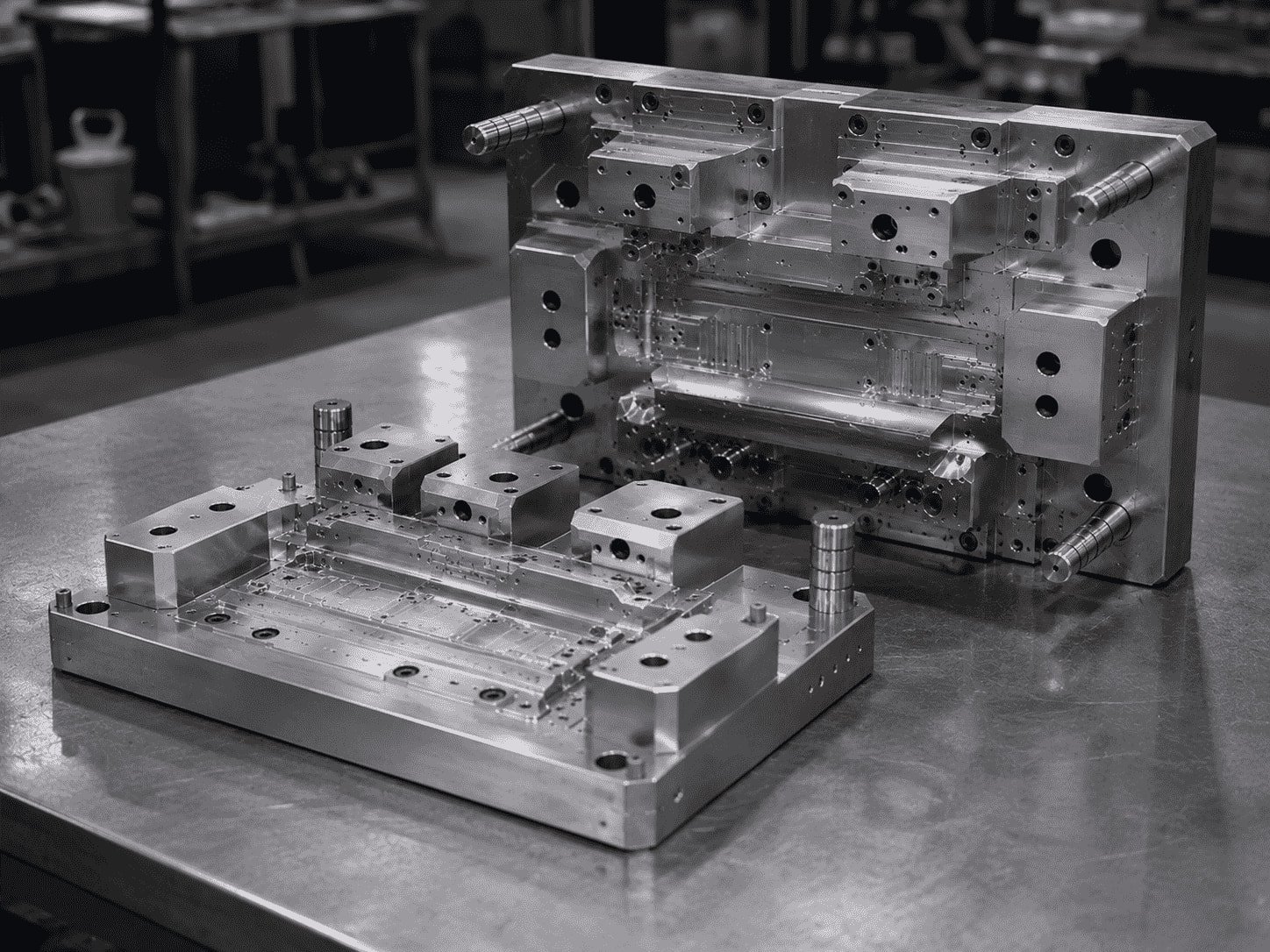
GBM provides prototype injection molding for OEM plastic parts that need real molded samples before production tooling. We support CAD/DFM review, rapid prototype tooling, T1 samples, material validation and low-volume bridge production.
DFM Before Tooling
Review wall thickness, draft angle, gate location, ejection, sink mark and assembly risk before cutting the mold.
Rapid Prototype Mold
Choose aluminum tooling, soft steel tooling or steel inserts based on resin, quantity, tolerance and design maturity.
Real T1 Samples
Produce functional parts with ABS, PC, PP, PA, POM, TPE, PPS, PEEK or other production-grade thermoplastics.
Bridge to Low-Volume
Use prototype tooling for pilot runs, market testing or early delivery before investing in hardened production tooling.
What Is Prototype Injection Molding?
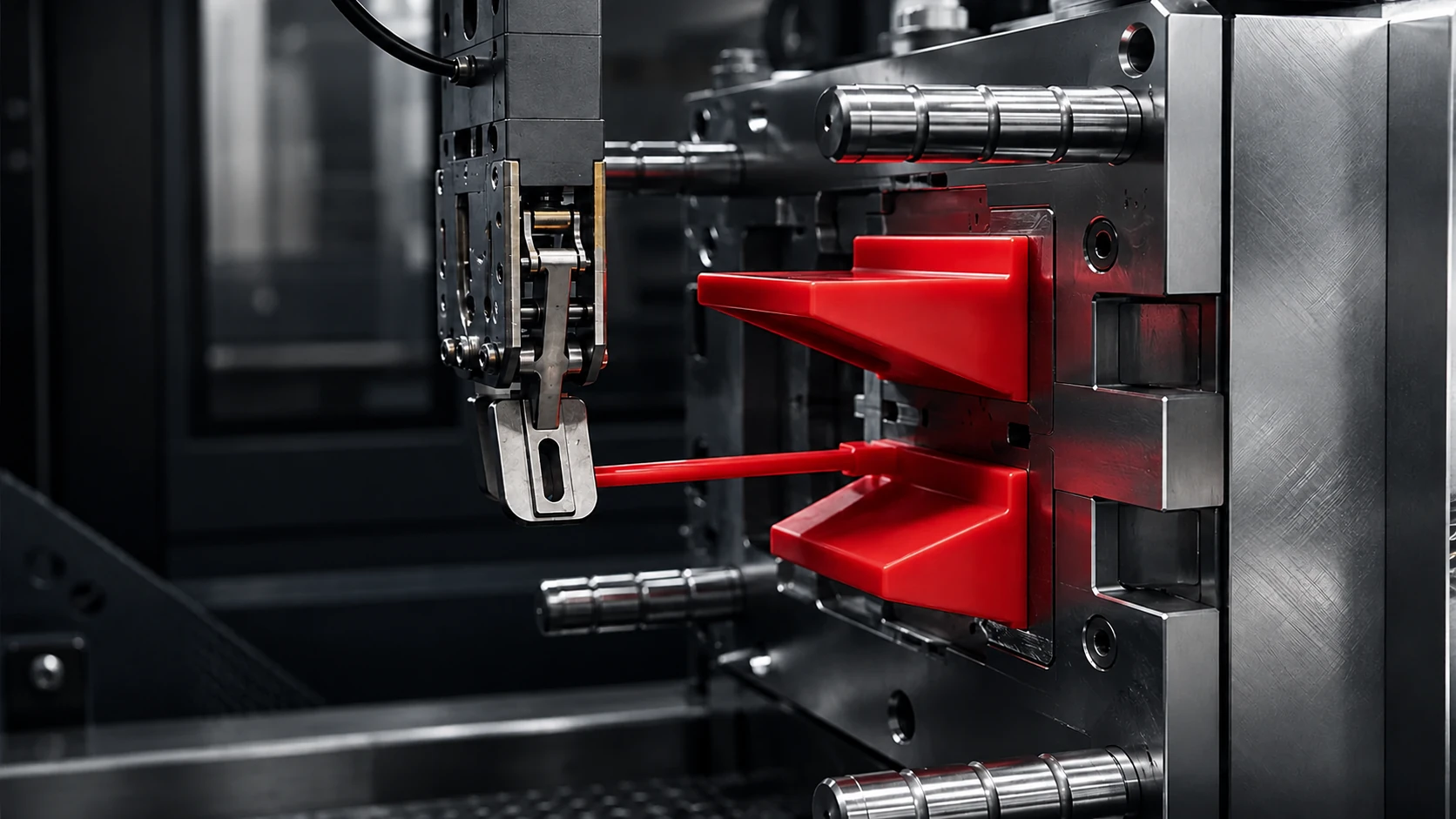
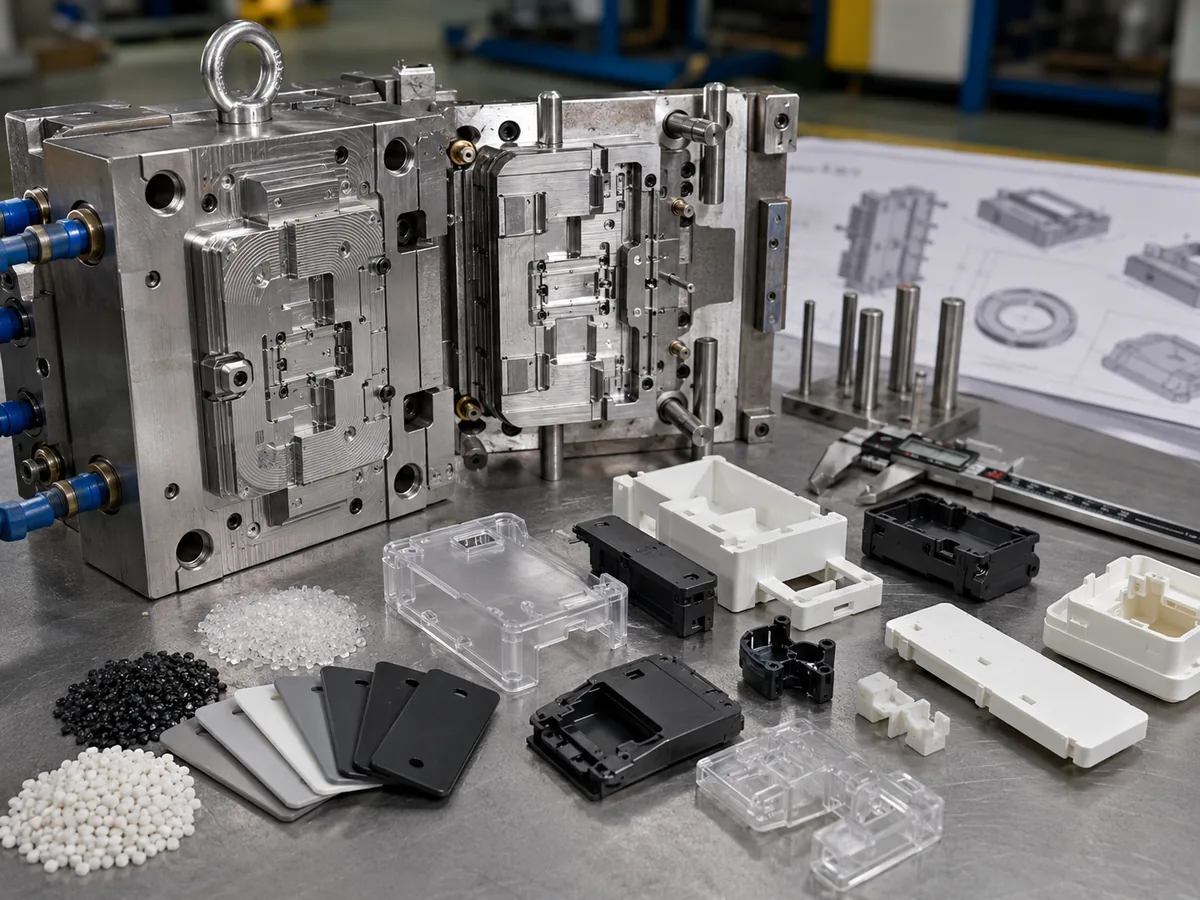
Prototype injection molding is a manufacturing process used to produce real injection molded plastic parts before full production tooling. It helps engineers validate part design, resin performance, shrinkage, gate location, surface finish and assembly fit using production-grade thermoplastic materials.
Unlike 3D printing or CNC prototyping, prototype injection molding uses real thermoplastic materials, real gates, real shrinkage behavior, and real injection molding conditions. This makes it ideal for form, fit, function, assembly, material validation, and early pre-production trials.
When Should You Use Prototype Injection Molding?
Identify the exact stage where rapid prototype injection molding adds the most value to your project, from functional testing to bridge tooling.
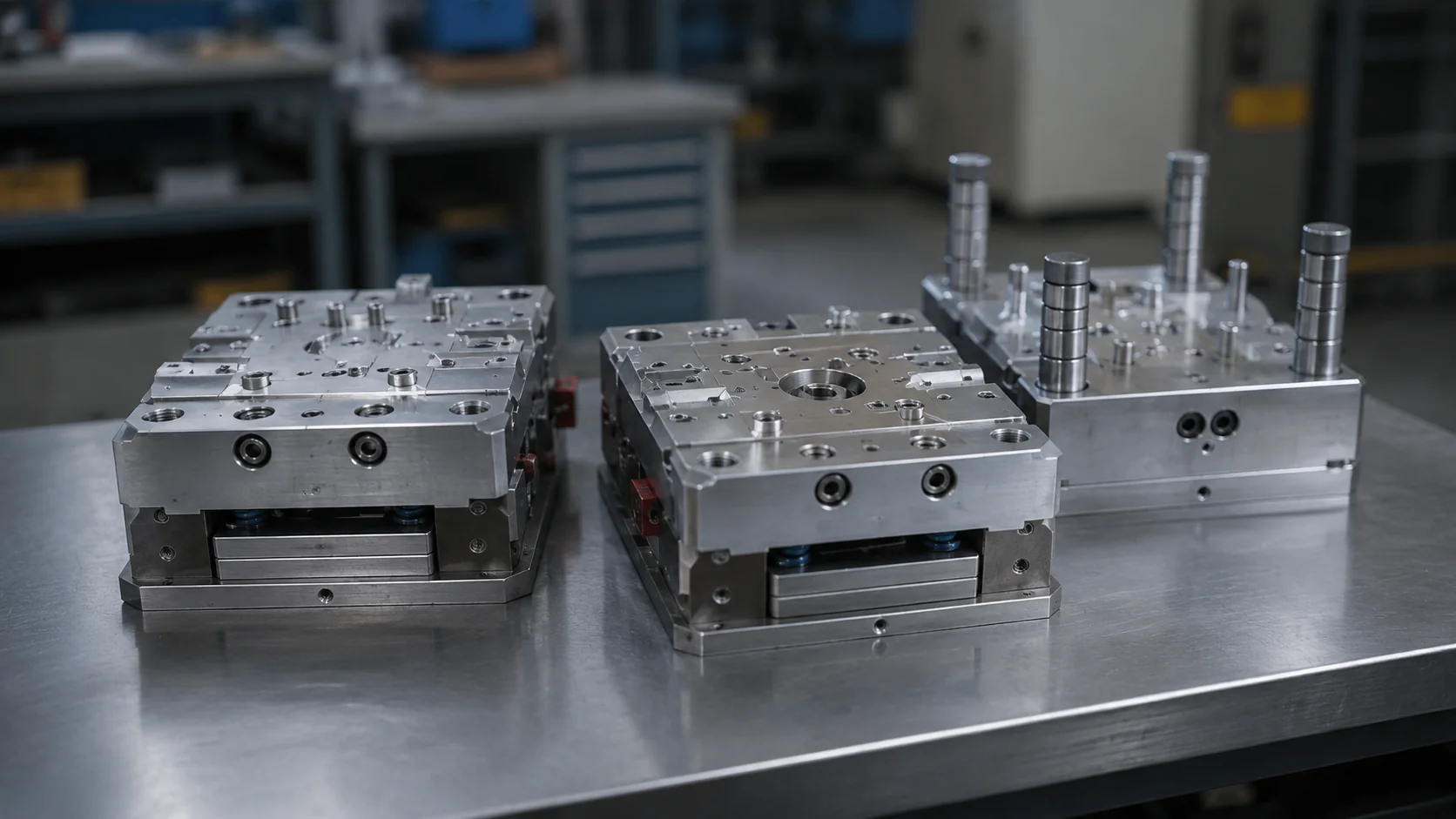
Precision at Every Stage
Accelerating your product development cycle with rapid, reliable prototype tooling.
Functional Testing
For snap-fit housings, clips, brackets, gears, covers and connector parts that need real material strength and assembly validation using prototype injection molded parts.
Pre-Production Samples
For OEM teams that need molded samples for approval before committing to high-cost, hardened production tooling.
Low-Volume Trial Runs
For 100–10,000 plastic parts used in pilot launch, market testing or early customer delivery using low-volume injection molding prototyping.
Bridge Tooling
For projects that need molded parts while the final hardened steel mold is still being designed or manufactured, keeping your supply chain moving.
Design Iteration
For checking sink marks, warpage, flash, gate vestige, ejection marks, tight assembly areas and tolerance stack-up before locking the design.
Material & Surface Validation
For testing ABS, PC, PP, PA, TPE, POM, PPS or PEEK with real injection molding conditions and evaluating actual surface finishes.
Prototype Injection Molding vs 3D Printing, CNC & Urethane Casting
Understand how to make prototypes of injection molded parts and choose the right rapid prototyping process for your project stage.
| Process | Best For | Limitation | When to Choose |
|---|---|---|---|
| 3D Printing | Proof-of-concept and early visual prototypes. | Material behavior, surface finish and tolerance may not match injection molded parts. | 1–20 parts, rapid shape verification. |
| CNC Machining | Machined engineering plastic prototypes and precision blocks. | Cost increases significantly for complex snap-fits, deep ribs and thin-wall molded features. | 1–50 parts, high-strength solid blocks. |
| Urethane Casting | Small batches of appearance-like samples. | Not the same process as thermoplastic injection molding; uses polyurethane instead of production resin. | 10–50 parts, visual and marketing models. |
| Prototype Injection Molding | Functional plastic parts, pre-production samples, material validation and low-volume molded parts. | Requires tooling cost and time, so it is not suitable for only 1–5 early concept samples. | 100–10,000+ parts, works-like and pre-production testing. |
Prototype Injection Mold Tooling Options
We offer multiple prototype injection mold solutions tailored to your resin, volume, and design maturity.
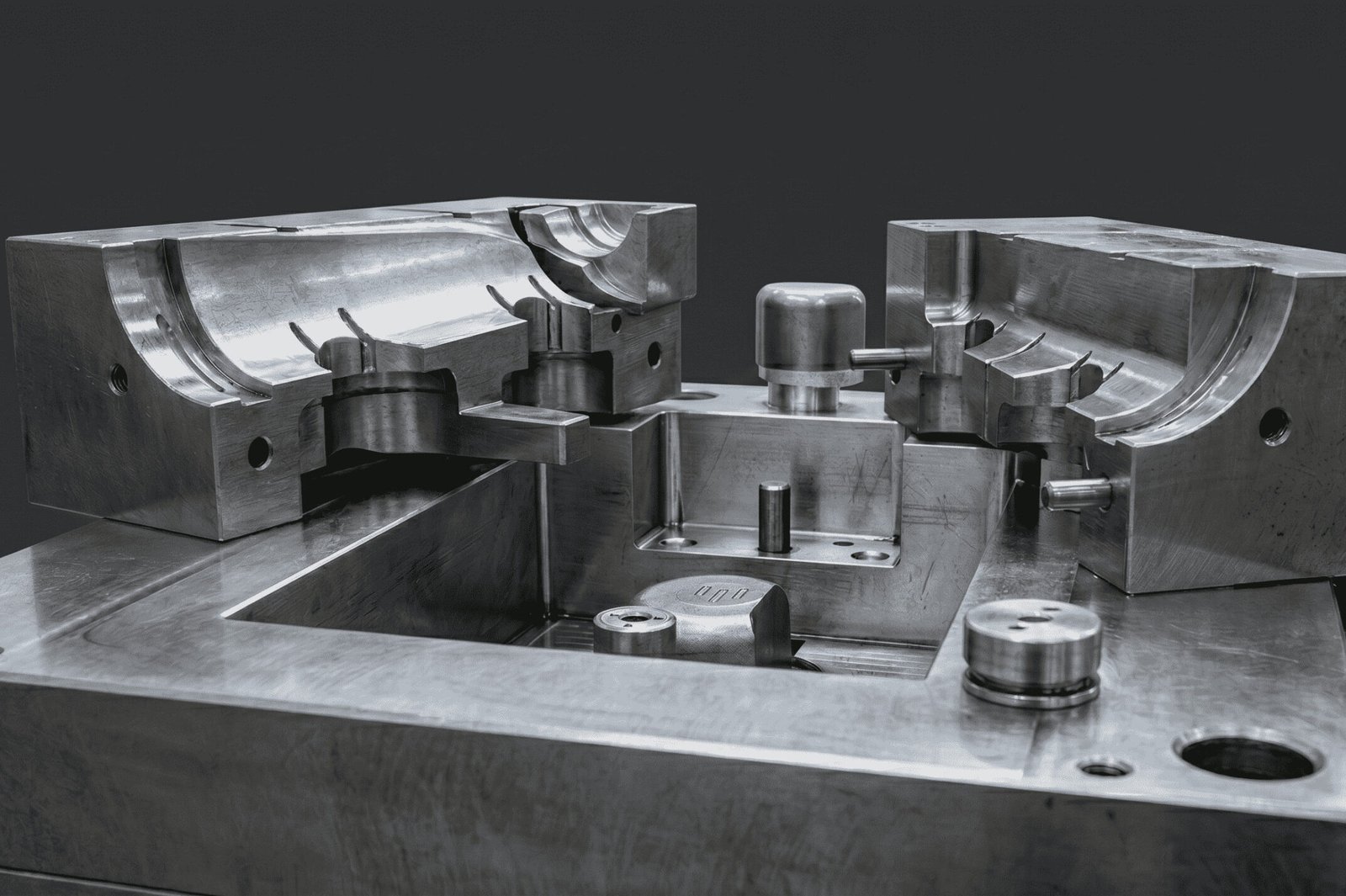
1. Aluminum Prototype Mold
Suitable for ABS, PC, PP, TPE and other common thermoplastics when buyers need faster tooling, functional samples or 100–10,000 molded parts. Excellent heat transfer for rapid cycles.
Learn about Aluminum Molds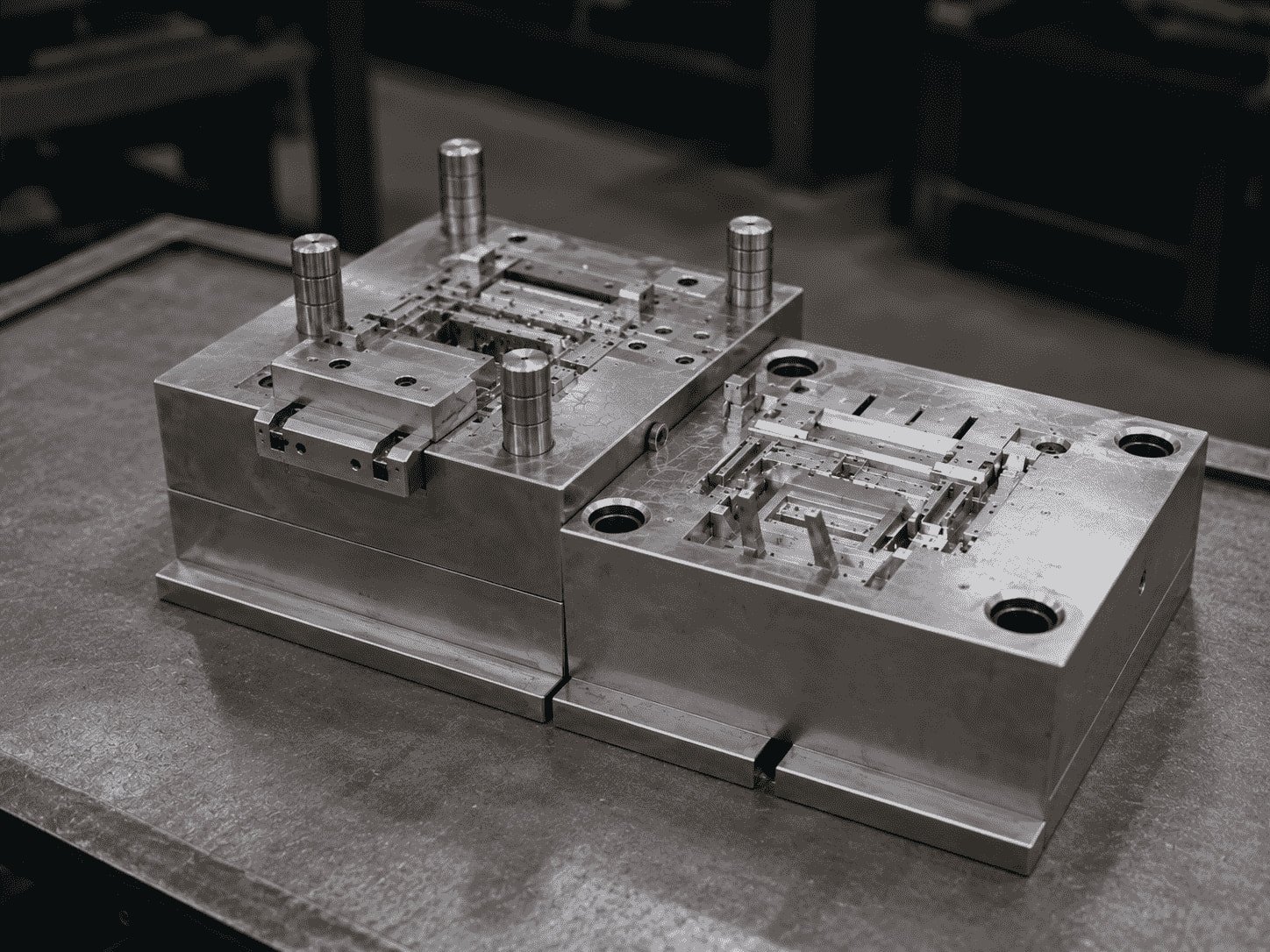
2. Soft Steel / P20 Prototype Mold
Suitable for projects needing better dimensional stability, more trial cycles, or later design modifications. A durable middle ground between aluminum and hardened steel.
Explore Precision Molds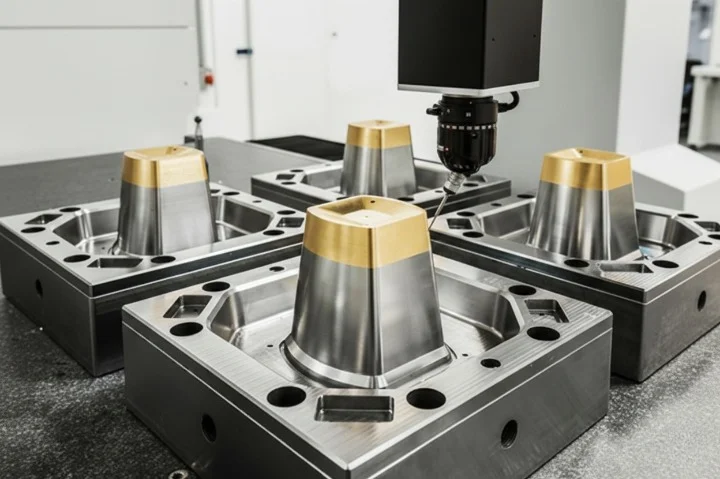
3. Steel Inserts in Prototype Tool
Suitable for glass-filled nylon, PPS, PEEK, internal threads, sliders, shut-off areas, inserts or high-wear positions. Combines rapid aluminum bases with durable steel cores/cavities.
Best for abrasive resins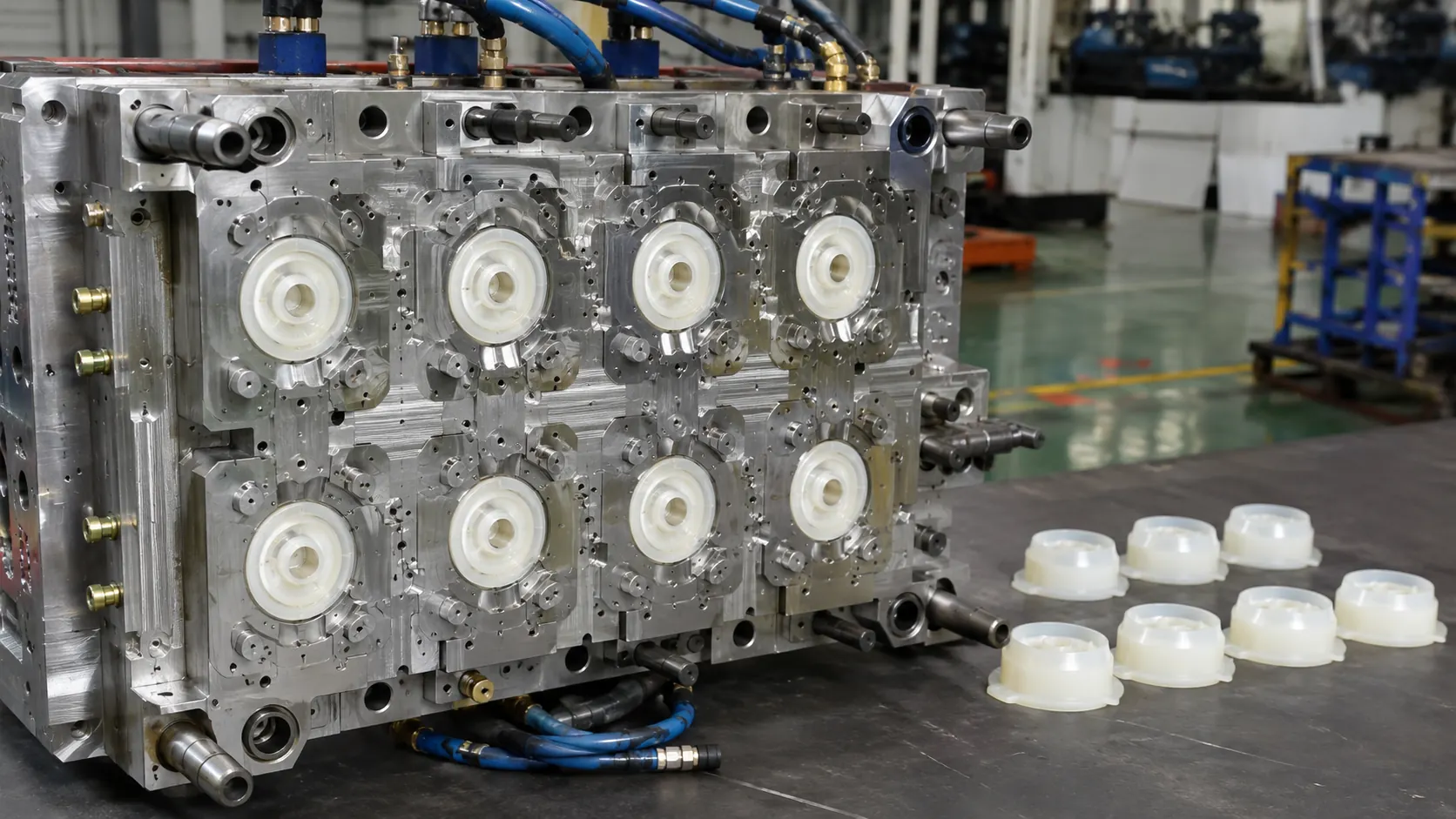
4. Simplified Single-Cavity Tool
Suitable for T1 validation, early molded samples and low-volume runs before investing in complex multi-cavity or hot runner tooling. Keeps initial costs low.
How to Choose the Right Prototype Tooling Option
| Project Situation | Recommended Option | Why |
|---|---|---|
| 10–50 visual samples | 3D printing or Urethane casting | Faster for early visual checks, but not always real production resin. |
| 100–10,000 molded parts | Aluminum prototype injection mold | Provides real thermoplastic parts for functional testing and pilot runs efficiently. Learn more |
| Tight tolerance or assembly-critical parts | Soft steel prototype mold or steel inserts | Offers better stability for critical dimensions and repeated trials without rapid wear. |
| Glass-filled nylon, PPS, PEEK or abrasive resin | Steel inserts or steel prototype mold | Essential for better wear resistance and thermal stability during molding. |
| Prototype approved and annual volume increases | Production steel mold or multi-cavity mold | Achieves lower part cost and better long-term production stability. Learn more |
Materials for Prototype Plastic Injection Molding
Select the best material for injection molding prototypes. We support a wide range of production-grade thermoplastics.
ABS
Use for housings, covers, brackets and snap-fit prototypes. Review sink marks, ribs, bosses and surface finish.
ABS Injection Mold →PC (Polycarbonate)
Use for transparent covers, optical windows and impact-resistant housings. Review drying, stress, bubbles, and gate position.
PC Molding →PP (Polypropylene)
Use for living hinges, lightweight parts and chemical-resistant prototypes. Review shrinkage, warpage and dimensional stability.
PP Mold →PA6 / PA66 (Nylon)
Use for mechanical brackets, gears, clips and structural parts. Review moisture absorption, glass fiber wear and warpage.
Nylon Mold →POM (Acetal)
Use for sliding parts, gears and wear-resistant components. Review venting, shrinkage and tight dimensional tolerance.
TPE / TPU
Use for grips, seals, soft-touch areas and overmolded prototypes. Review bonding, material compatibility and shut-off design.
Overmolding →PPS
Use for high-temperature engineering prototypes. Review mold temperature, steel inserts, and high-wear areas.
PPS Molding →PEEK
Use for extreme high-performance parts. Requires high mold temps, steel tooling, and strict resin drying control.
PEEK Molding →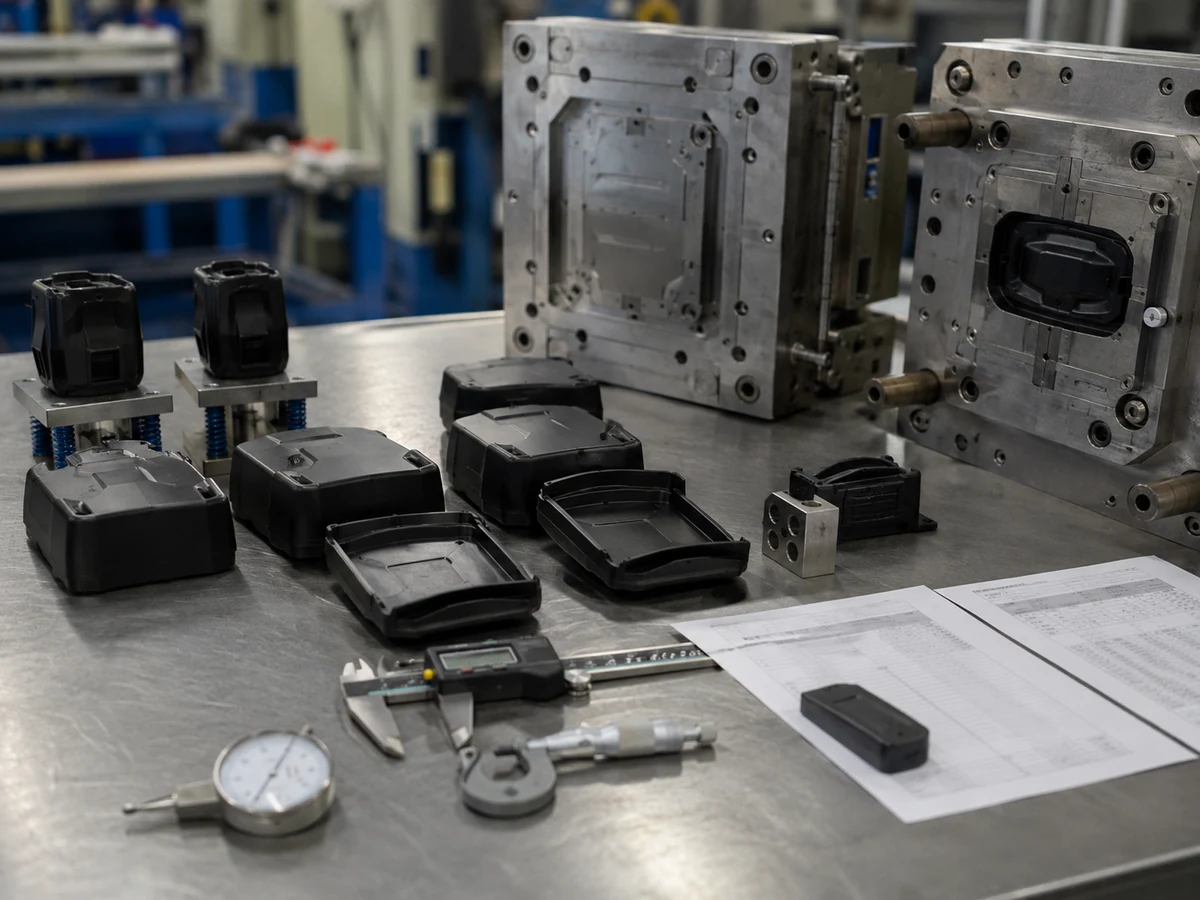
DFM Review Before Prototype Injection Tooling
Our goal isn't just to cut metal quickly; it's to reduce tooling correction risk and identify molding risks before manufacturing begins. GBM engineers conduct a thorough Design for Manufacturability (DFM) review for every prototype project.
DFM Checklist
- Wall thickness and rib ratio
- Draft angle and release direction
- Boss, snap-fit and clip strength
- Gate location and weld line risk
- Parting line and shut-off area
- Ejection and ejector mark risk
- Sink mark, warpage & flow
- Insert, slider or lifter feasibility
- Material shrinkage & finish
- Critical dimensions
Prototype Injection Molding Process
From CAD Review to T1 Samples
Customer sends STEP, IGES, X_T, 2D drawing, resin, quantity and surface finish requirements.
GBM reviews moldability, part structure, gate position, ejection, draft and material risk.
Choose aluminum tooling, soft steel tooling, steel inserts or simplified single-cavity tooling.
Confirm parting line, gate, runner, cooling, venting, ejector pins, sliders or inserts, then CNC machine the mold.
Run first molded samples using target resin and record molding parameters, sample photos or video.
Check appearance, critical dimensions, assembly fit, shrinkage, flash, warpage and gate vestige.
Adjust gate, venting, polishing, ejection or local geometry before pilot production or bridge production.
Prototype Injection Molding Cost Factors
How much does it cost to injection mold a prototype? The price varies based on several engineering factors, not just the part volume.
Part Size & Weight
Larger parts require larger mold bases, higher machining time and larger injection molding machines.
Tooling Material
Aluminum, soft steel, steel inserts and hardened steel have different tooling cost and life spans.
Part Geometry
Undercuts, internal threads, sliders, lifters, thin walls and complex shut-offs increase mold complexity.
Plastic Resin
PC, PA-GF, PPS, PEEK and flame-retardant materials may require higher mold temperature or steel inserts.
Surface Finish
Polishing, texture, transparent surfaces and cosmetic gate vestige control increase tooling and trial work.
Tolerance & Inspection
CMM inspection, FAI report, critical dimension control and assembly testing increase engineering time.
Sample Quantity
Very low quantities have higher per-part tooling cost; pilot runs reduce tooling cost per part.
Design Maturity
Unfrozen designs may require mold correction, re-sampling and extra DFM rounds.
Prototype Injection Molded Parts We Support
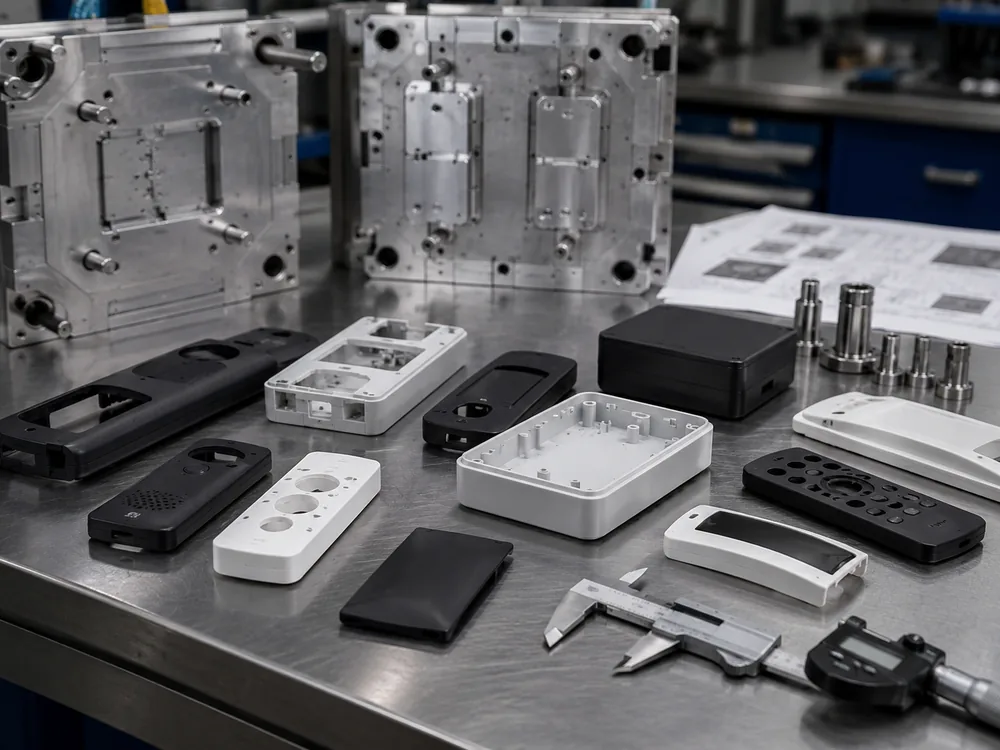
Consumer Electronics
ABS / PC housings, battery covers, snap-fit enclosures, transparent windows and handheld device covers.
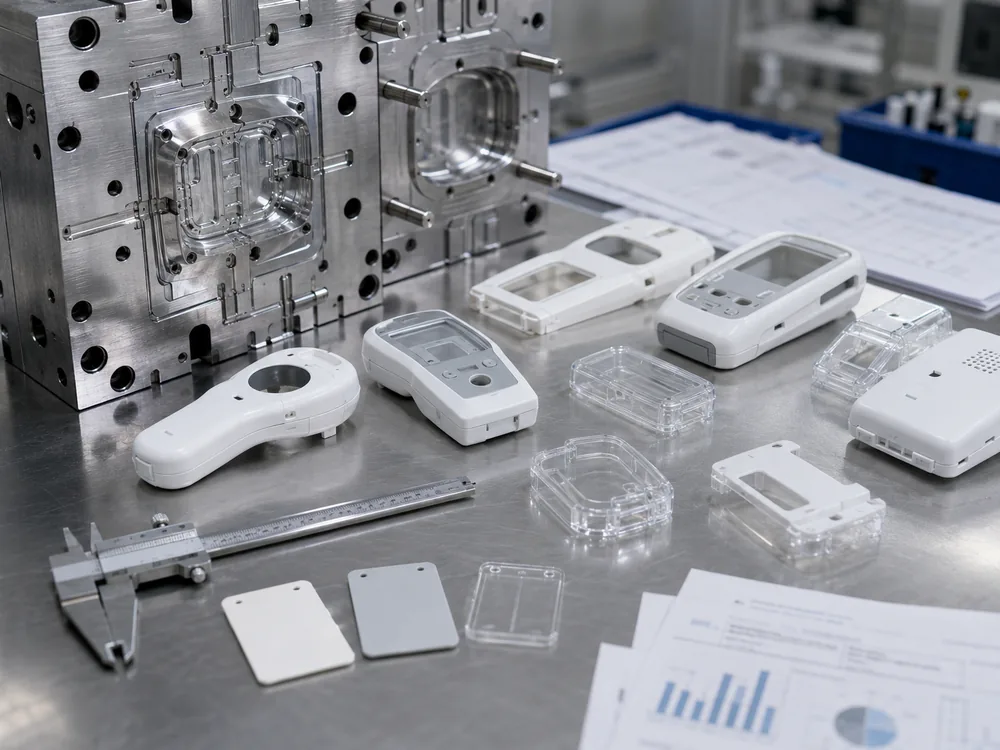
Medical Device Covers
PC, ABS and PP covers, trays, non-implant housings and plastic components for fit, assembly and functional checks.
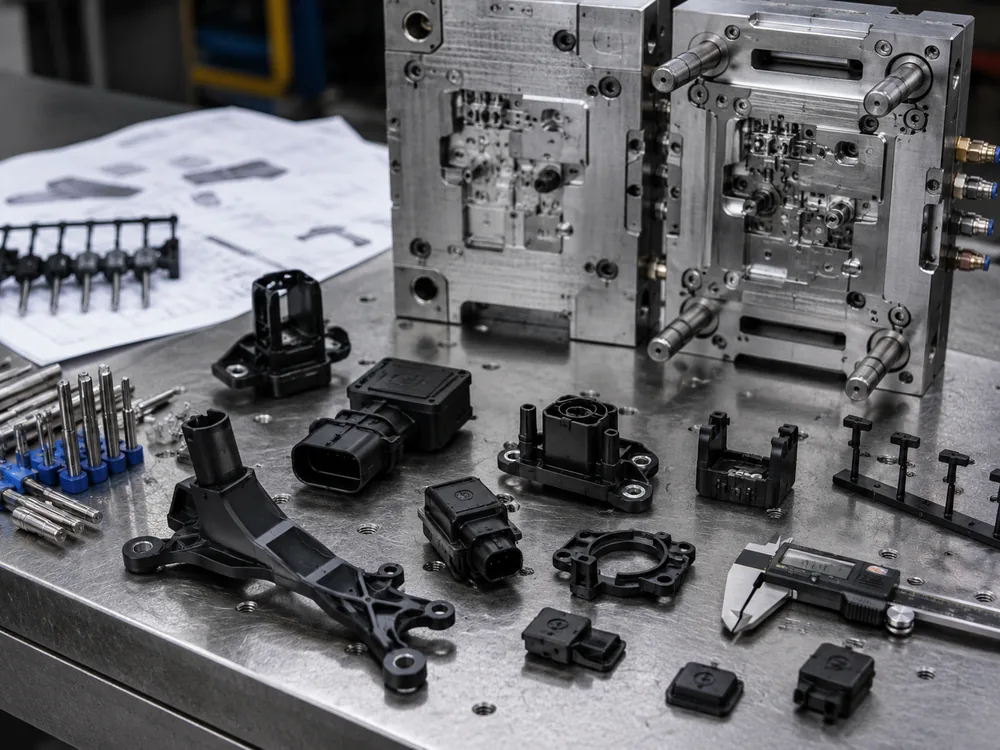
Automotive Components
Clips, brackets, sensor housings, connector covers and interior validation parts. See Auto Molds
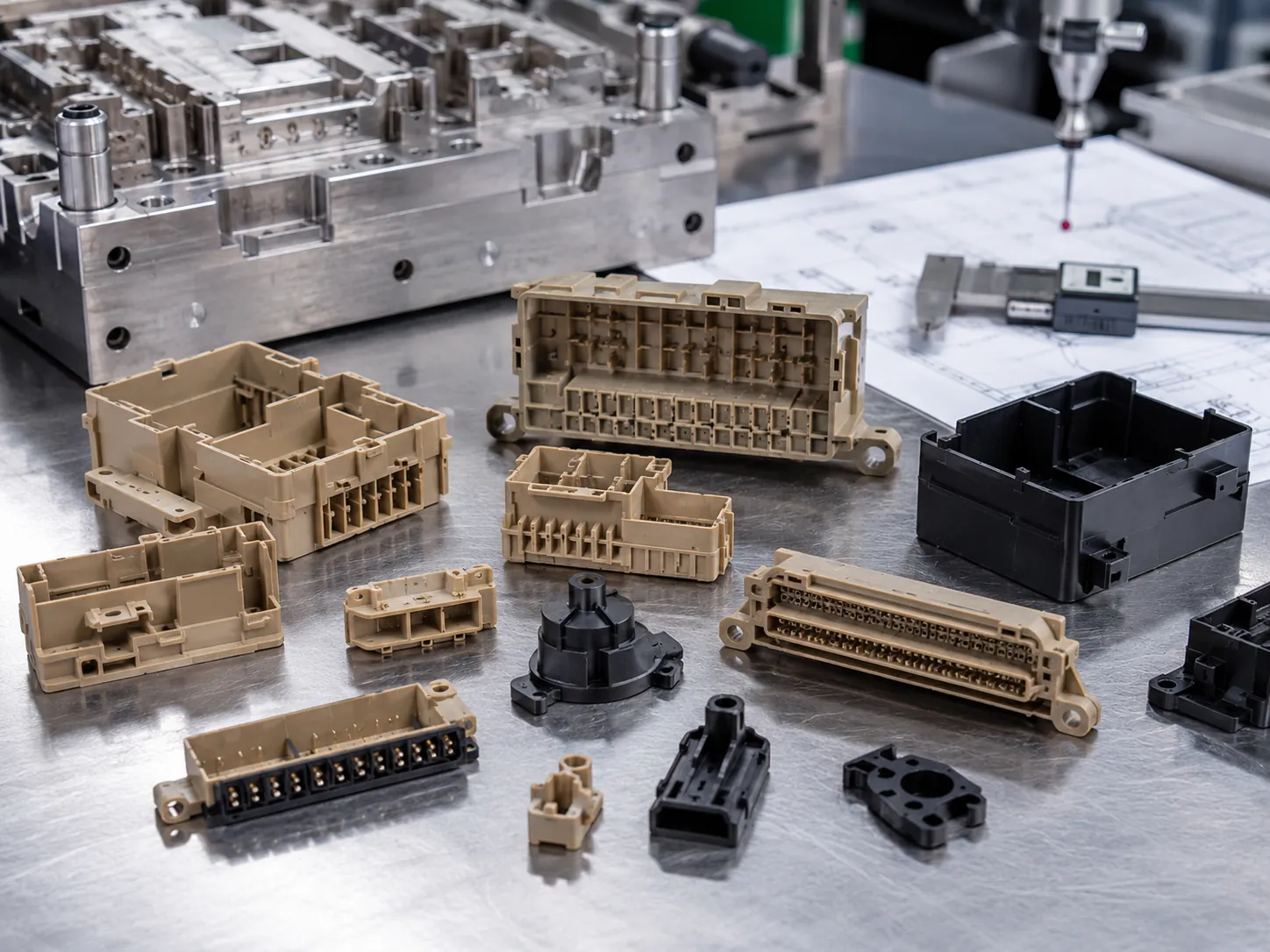
Electrical & Connectors
Insulating housings, small covers, terminal supports and insert-molded connector bodies. See Connector Molds
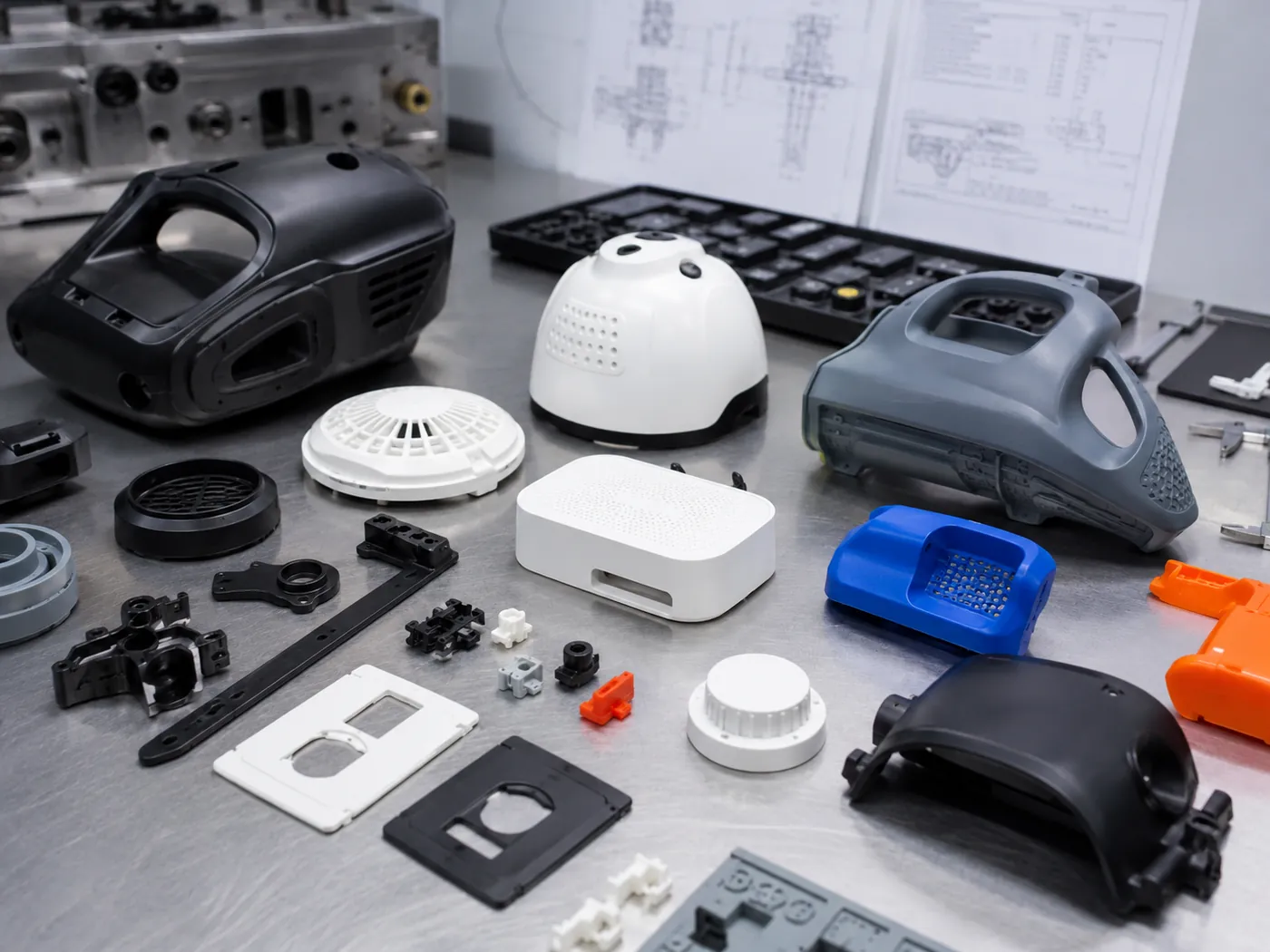
Industrial Parts
Equipment covers, gears, handles, supports, wear-resistant components and mechanical plastic parts.
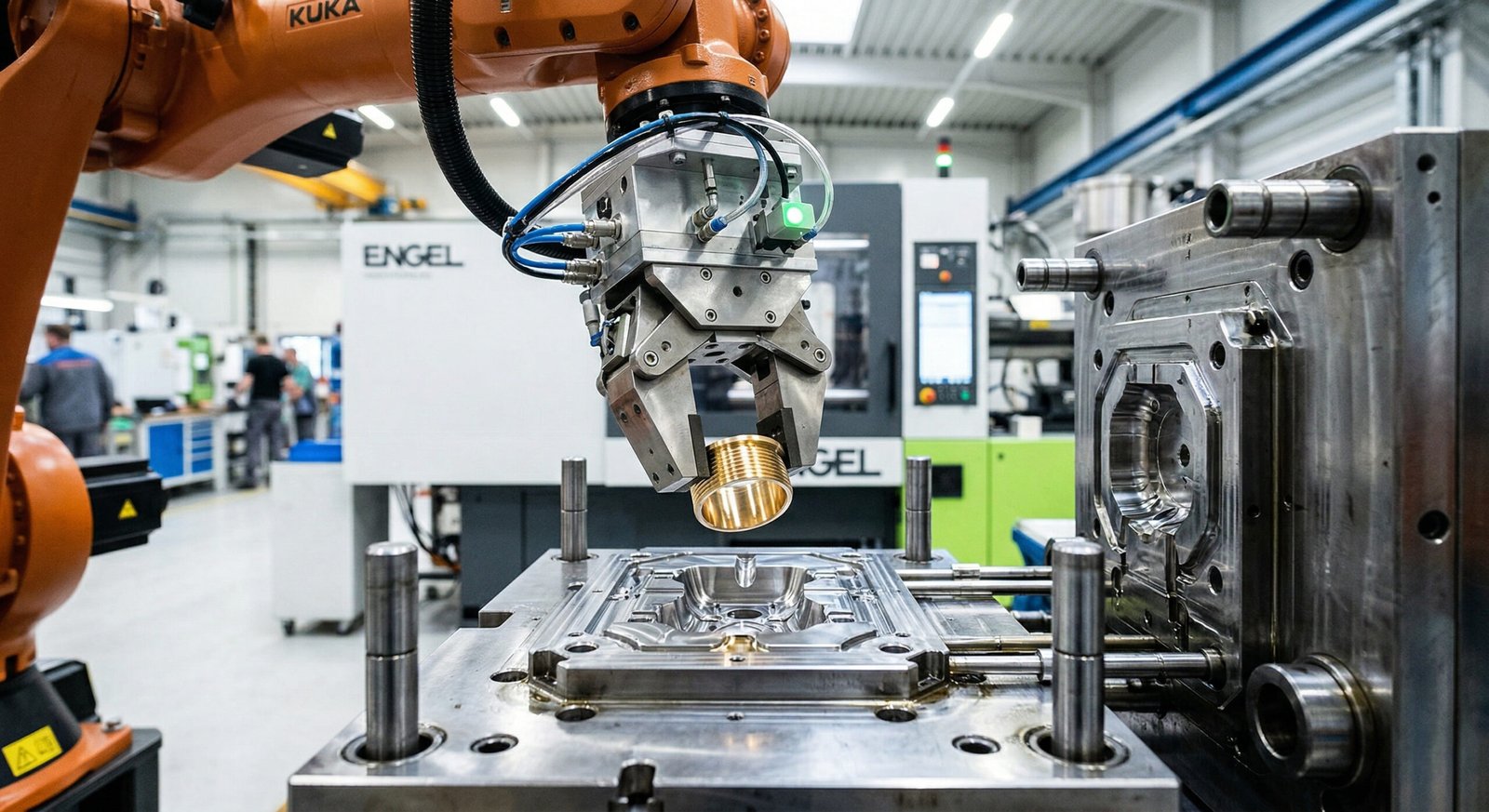
Insert & Overmolding
TPE grips, sealing parts, brass threaded inserts, metal pins and plastic-metal assemblies. See Insert Molding
From Prototype Injection Molding to Production Tooling
We bridge the gap between initial prototypes and complete production runs, scaling tooling solutions as your volume grows.
Prototype Tooling
- Goal: Validate design, resin, gate, shrinkage, surface and assembly.
- Tooling: Aluminum mold, soft steel mold, steel inserts or single-cavity tool.
- Output: T1 samples, photos/video, inspection feedback and correction plan.
Pilot Run / Bridge
- Goal: Support market testing, early customer delivery or pre-production approval.
- Tooling: Aluminum mold with steel inserts, soft steel mold or short-run steel mold.
- Output: 100–10,000+ molded parts, inspection records and packaging support.
Production Tooling
- Goal: Reduce part cost and support stable repeated production.
- Tooling: Hardened steel mold, multi-cavity mold, hot runner mold or production mold.
- Output: Stable process window, spare parts, mold trial report and export packing.
Quality Control for Prototype Injection Molded Parts
Rigorous inspection processes ensuring your custom molding projects meet ±0.002mm precision and ISO9001/TS16949 standards.
| Inspection Item | What We Check & Buyer Benefit |
|---|---|
| Visual Inspection | Check flash, short shot, burn marks, silver streaks, bubbles, sink marks and gate vestige to ensure cosmetic acceptability. |
| Dimensional Inspection | Check critical dimensions with calipers, gauges or CMM when required to verify shrinkage and tolerance stack-up. |
| Assembly Fit Check | Review snap-fit functionality, screw boss integrity, insert position, and mating parts for real-world application. |
| Material & Color Review | Confirm resin grade, color sample match, drying conditions and note any material behavior issues during trial. |
| Surface Finish Review | Check polished surface, texture consistency, transparent area clarity, matte finish or cosmetic visible surfaces. |
| Trial Feedback | Provide T1 sample photos, trial video if needed, molding issue notes and engineering correction recommendations. |
Why Work With GBM for Prototype Injection Molding?
We address the real concerns of overseas B2B buyers: unfrozen designs, uncertain volumes, material risks, and communication gaps.
1. Engineering Review Before Cutting
We don't just blindly cut metal. We review CAD files, part structure, resin, gate location and molding risks to prevent costly mistakes.
2. Flexible Tooling Options
We recommend aluminum, soft steel, steel inserts or single-cavity tooling based on your actual volume, resin type and design maturity.
3. Real Thermoplastic Samples
We help buyers validate real injection molded parts with actual production shrinkage, instead of relying only on 3D printed appearance samples.
4. T1 Trial Feedback
We proactively review T1 samples for flash, shrinkage, warpage, gate vestige, ejection marks and assembly fit, providing actionable solutions.
5. Bridge Production Support
After prototype approval, we don't leave you hanging. We can support pilot runs and bridge production before you invest in hardened steel tooling.
6. Overseas Buyer Communication
We support English engineering communication, tooling updates, sample photos/videos, inspection reports and reliable export packing.
Prototype Injection Molding Support for Hong Kong, US and European Buyers
GBM is located in Shenzhen, China, close to Hong Kong, supporting overseas OEM buyers with prototype injection molding, aluminum rapid tooling, T1 molded samples and bridge production. For Hong Kong, US and European customers, we can review CAD files remotely, provide DFM feedback, send T1 sample photos or videos, arrange fast sample delivery and seamlessly support later production mold projects.
Related Services for Prototype and Low-Volume Plastic Parts
Aluminum Mold →
For rapid tooling, functional samples, small-run production and bridge tooling before steel mold investment.
Injection Molding Services →
For custom plastic parts from DFM review to molding, inspection and delivery.
Insert Molding →
For prototype plastic parts with brass inserts, steel pins, threaded sleeves or metal components.
Overmolding Mold →
For TPE, TPU or soft-touch prototype parts around plastic or metal substrates.
Multi-Cavity Mold →
For moving approved prototype parts into higher-volume, lower-cost production.
Hot Runner Mold →
For production tooling when runner waste reduction, stable filling or high-volume molding becomes important.
Prototype Injection Molding FAQ
What is prototype injection molding?
When should I choose prototype injection molding instead of 3D printing?
How much does it cost to injection mold a prototype?
What files are needed for a prototype injection molding quote?
Can prototype injection molding use production-grade materials?
Is aluminum tooling suitable for prototype injection molding?
What is the difference between a prototype mold and a production mold?
How many parts can a prototype injection mold produce?
Can prototype injection molded parts be used for functional testing?
Can GBM support medical prototype injection molding?
Can GBM make automotive prototype injection molds?
Can prototype tooling be changed after T1 samples?
What is rapid prototype injection molding?
Can GBM help move from prototype injection molding to mass production?
Start Your Prototype Injection Molding Quote
For faster quotation, please send STEP / IGES / X_T files, target resin, prototype quantity, expected production volume, surface finish and critical dimensions.
- Secure File Upload
- Free DFM Feedback
- Fast Quotation Turnaround