Custom Plastic Injection Molding for Electronic Housings & Components
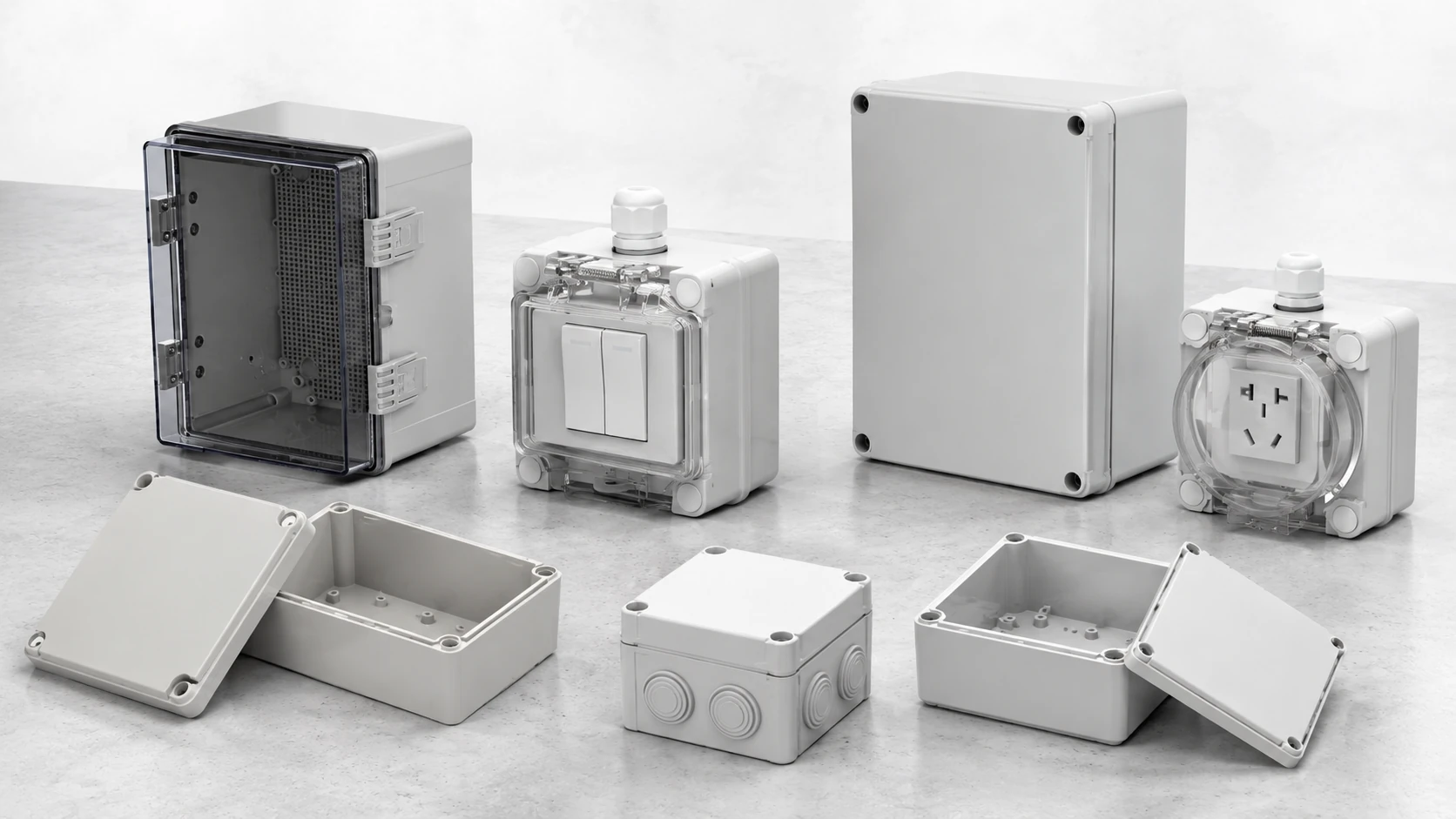
GBM manufactures custom electronics injection molds for plastic electronic housings, connector parts, PCB supports, control panels, sensor covers, battery covers, insulating components and overmolded electronic parts.
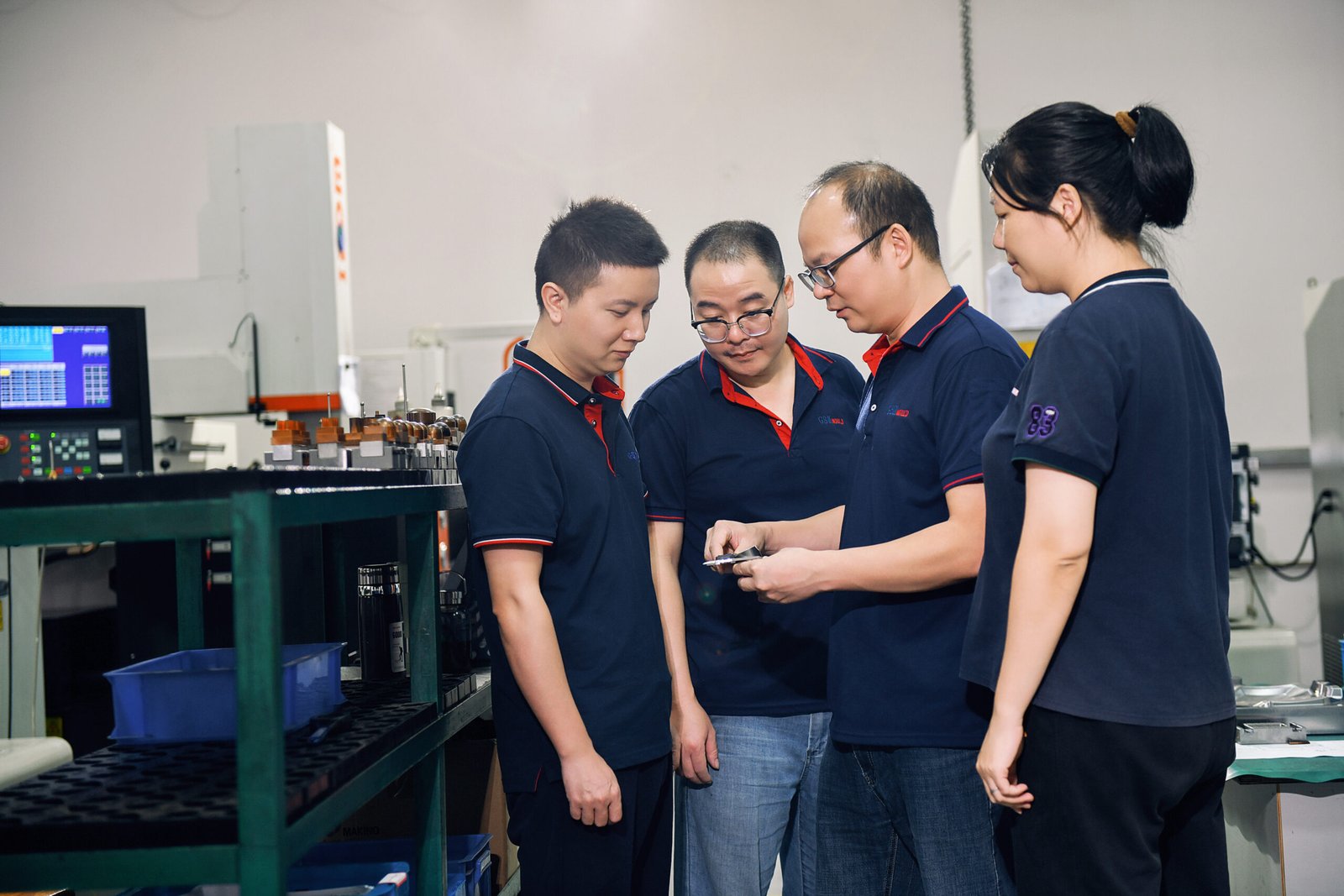
Before mold cutting, our engineering team reviews PCB clearance, connector openings, screw boss strength, snap-fit direction, wall thickness, gate location, ejector marks and assembly requirements. This helps reduce T1 correction time and improves the chance that electronic plastic parts can pass dimensional, appearance and assembly checks before mass production.
What Is an Electronics Injection Mold?
An electronics injection mold is a precision mold used to produce plastic parts for electronic devices and electrical products. These parts may include electronic housings, plastic enclosures, connector bodies, terminal blocks, buttons, switch covers, PCB supports, spacers, clips, brackets, sensor covers, LED lighting parts and cable strain relief components.
Unlike simple plastic parts, injection molding for electronics must consider both the external appearance and the internal assembly space. A housing may need to protect a PCB, leave room for components, align with connectors, hold screws without cracking, pass drop or vibration requirements and maintain a clean cosmetic surface after molding.
For this reason, GBM treats electronics injection molding as an engineering process, not only a mold-making process.
Electronics Injection Molding Services We Support
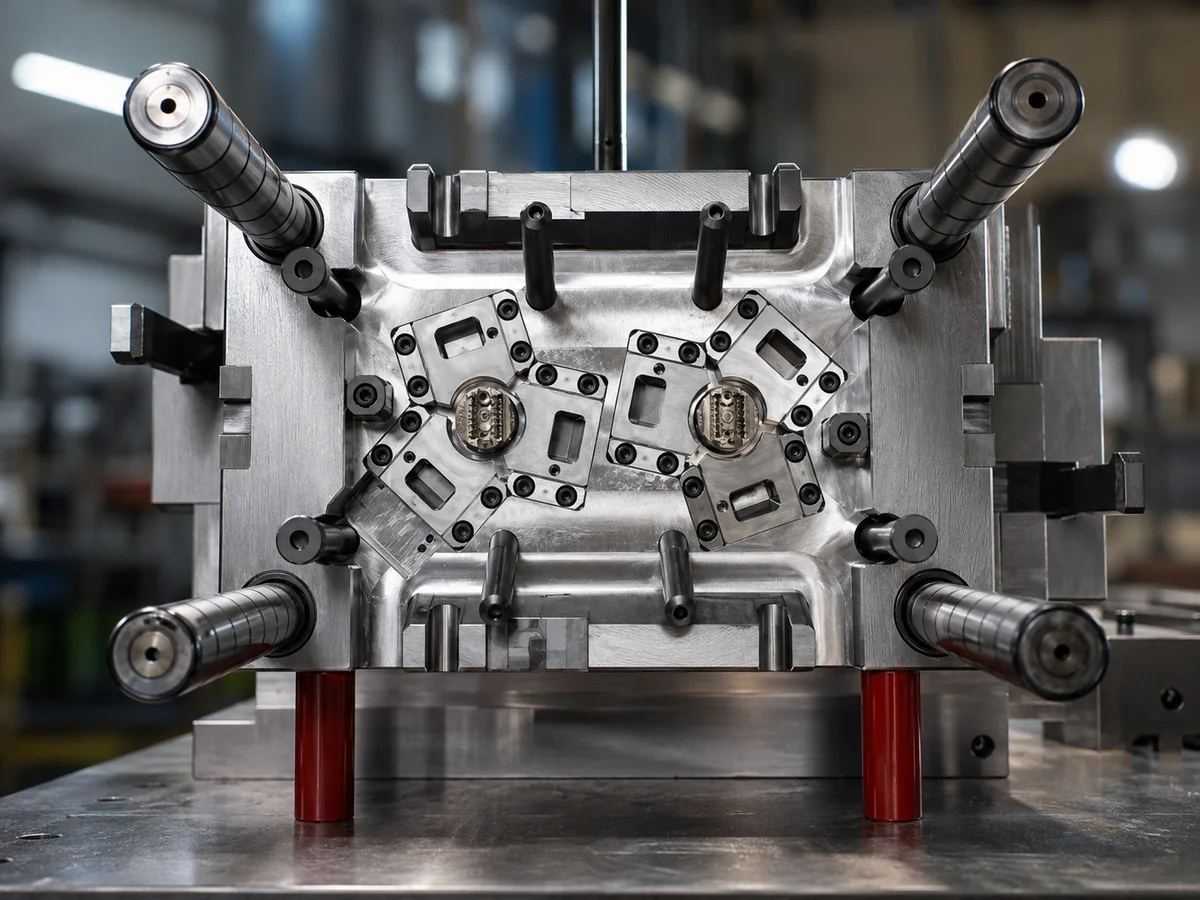
GBM supports custom plastic injection molding for electronics from DFM review to mold manufacturing, T1 trial, sample inspection and production preparation.
Electronic Housing Mold
Review: PCB clearance, screw bosses, snap-fits, ribs, connector openings
Benefit: Fewer assembly problems after T1
Plastic Enclosure Mold
Review: Wall thickness, gate position, ejector marks, texture, parting line
Benefit: Better surface appearance and moldability
Electronic Connector Mold
Review: Pin area tolerance, thin walls, venting, cavity balance
Benefit: More stable connector fit & repeated production
Insert Molding
Review: Terminal position, metal insert holding, insulation area
Benefit: Better alignment of metal and plastic features
Overmolded Parts
Review: Substrate material, soft material bonding, sealing area
Benefit: Better protection, grip, sealing or strain relief
Multi-Cavity Mold
Review: Runner balance, cooling, cavity-to-cavity variation
Benefit: More stable mass production for high-volume
Specialized Engineering Links
Explore our specific capabilities for complex requirements.
- For very tight tolerance connector or insulating parts, view our High Precision Mold capabilities.
- For soft cable protection or sealing features, explore Overmolding Mold solutions.
Electronic Plastic Parts We Mold
GBM can manufacture injection molds for many electronic plastic components, ensuring precise assembly and flawless cosmetic finishes.
Electronic Housings and Enclosures
We produce molds for plastic electronic housings, handheld device covers, smart hardware enclosures, industrial control boxes, communication equipment housings, router covers, meter housings and sensor enclosures.
For these parts, the mold design must control shrinkage, warpage, gate vestige, ejector marks and assembly fit. GBM reviews cosmetic surfaces, screw boss strength, PCB support height and connector openings before tooling.
Learn more about PC and PC/ABS injection molding for electronic housings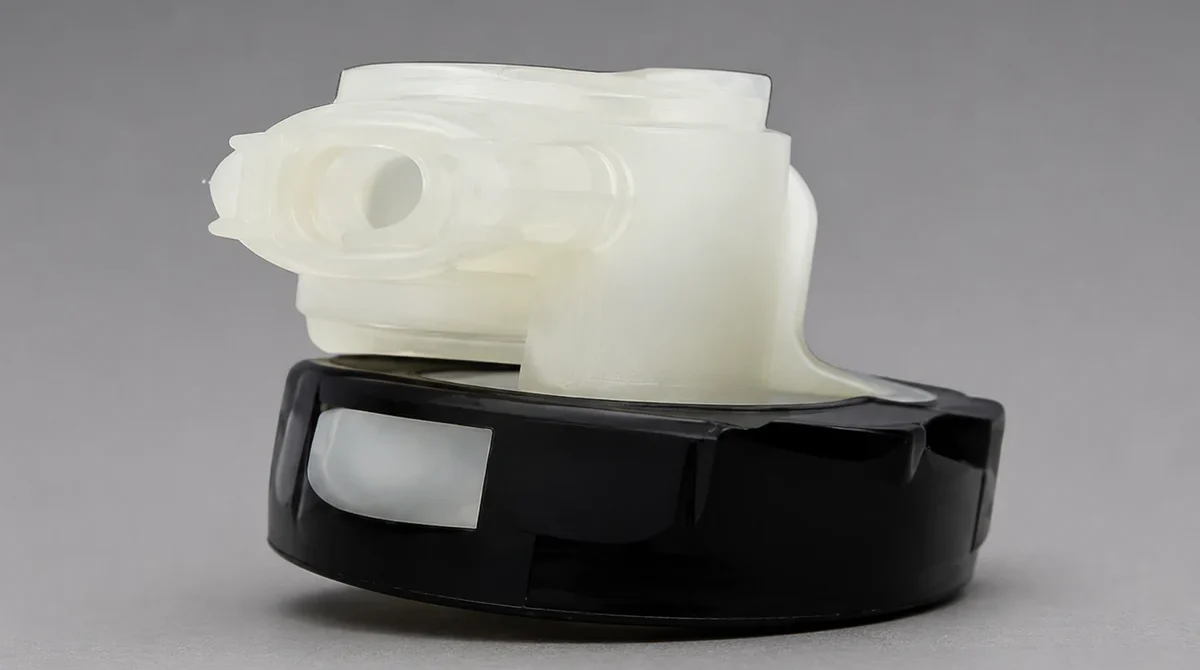
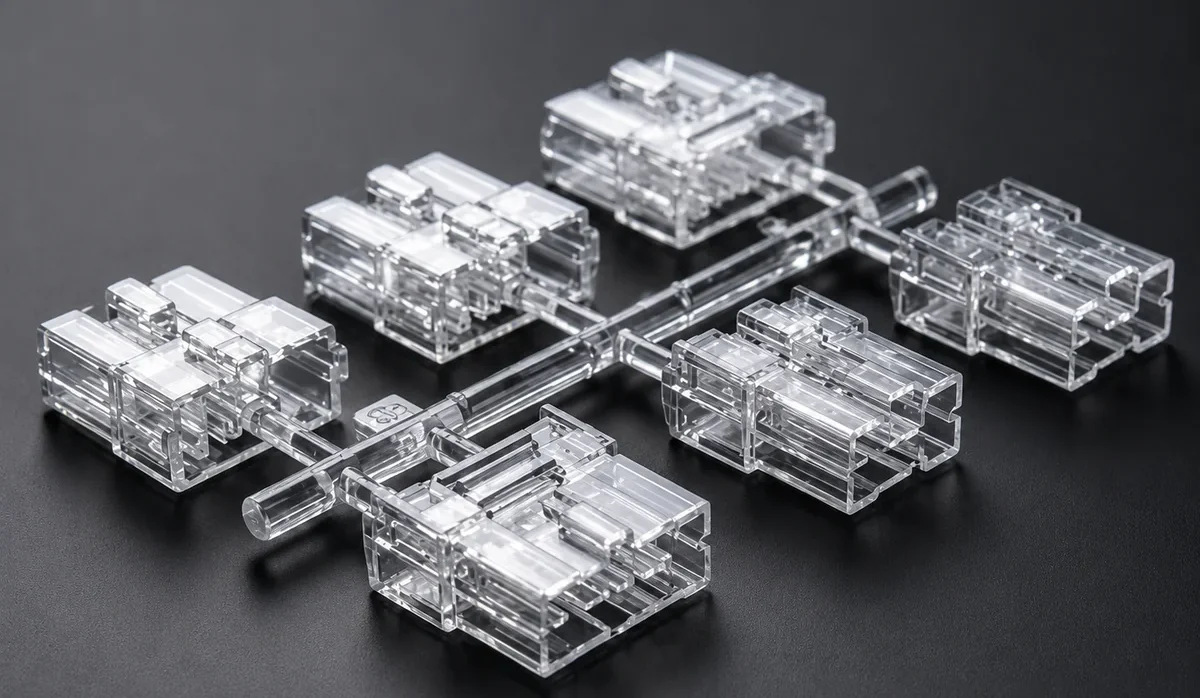
Connector Housings and Insulating Components
Connector housings, terminal blocks, sockets, switch parts and insulating components often require stable dimensions, thin-wall filling, good venting and careful material selection.
GBM reviews the gate position, flow path, venting near thin sections, pin or terminal areas and cavity balance during mold design. For insert-molded terminals, we also review insert positioning and fixture stability.
PCB Supports, Spacers, Clips and Brackets
PCB-related plastic parts may look small, but they often control assembly accuracy. Standoffs, clips, brackets and spacers must maintain height, hole position and snap-fit strength.
GBM checks draft angles, rib thickness, boss diameter, snap-fit direction and ejection method to reduce cracking, deformation and fitting issues.
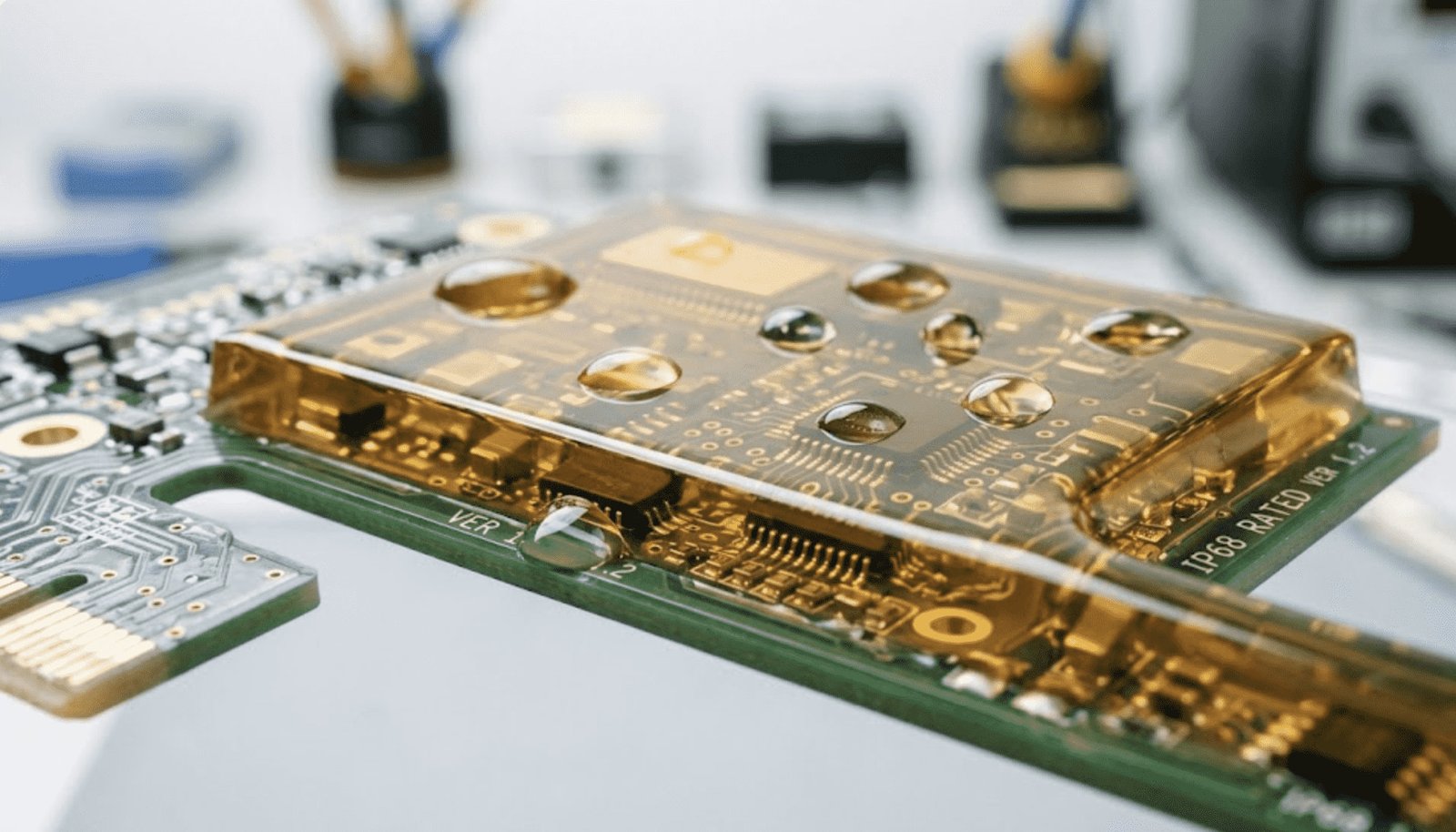
Buttons, Switch Covers & Control Panels
Buttons and switch covers need consistent touch feel, clean surfaces and stable movement after assembly. Control panels may require polished areas, textured areas, transparent windows or two-material molding. For these projects, GBM reviews appearance zones, gate position, material flow, and shrinkage.
Explore 2 Shot Mold optionsLED Lighting, Sensor & Power Parts
LED covers, sensor housings, power electronics covers and insulating structures may require heat resistance, dimensional stability, flame-retardant materials or transparent surfaces.
GBM helps review material choices such as PC, PC/ABS, PBT, PA, PPS or LCP based on the product function, temperature exposure, insulation need and production volume.
Materials for Electronics Injection Molding
Material selection affects strength, heat resistance, dimensional stability, insulation, flame-retardant requirements, surface finish and cost. GBM can help buyers compare resin options before mold manufacturing.
| Material | Common Electronics Use | Key Review Points |
|---|---|---|
| ABS | Consumer electronic housings, covers, buttons | Surface finish, impact strength, cost control |
| PC | Transparent covers, protective windows, strong housings | Drying, stress, optical clarity, gate location |
| PC/ABS | Electronic enclosures, handheld devices, control panels | Toughness, heat resistance, appearance |
| PA / Nylon | Clips, brackets, functional parts, insulating structures | Moisture absorption, shrinkage, dimensional change |
| PBT | Connectors, sockets, switch parts, electrical components | Insulation, heat resistance, dimensional stability |
| PPS | High-temperature electronic and electrical components | High mold temperature, flash control, precision |
| LCP | Thin-wall precision connectors and SMT-related parts | Thin-wall flow, high heat resistance, low warpage |
| TPE / TPU | Cable strain reliefs, soft seals, protective covers | Bonding, flexibility, sealing and overmolding design |
Material Note for Buyers
If your product requires UL-rated flame-retardant material, please provide the target material grade, UL 94 rating, wall thickness requirement and end-use application during quotation.
DFM for Electronic Housings Before Mold Cutting
Electronic plastic parts often fail at T1 because the product design was not reviewed from the mold and assembly perspective. GBM uses DFM review to check whether the part can be molded, assembled and inspected reliably.
DFM Items We Review:
- PCB clearance & component height
- Connector openings & port alignment
- Wall thickness & transition areas
- Screw boss diameter, height & ribs
- Snap-fit direction & release space
- Rib thickness & sink mark risk
- Draft angle for side walls
- Gate & parting line positioning
This review helps buyers find tooling risks before steel cutting, especially for plastic electronic enclosures with tight assembly requirements.
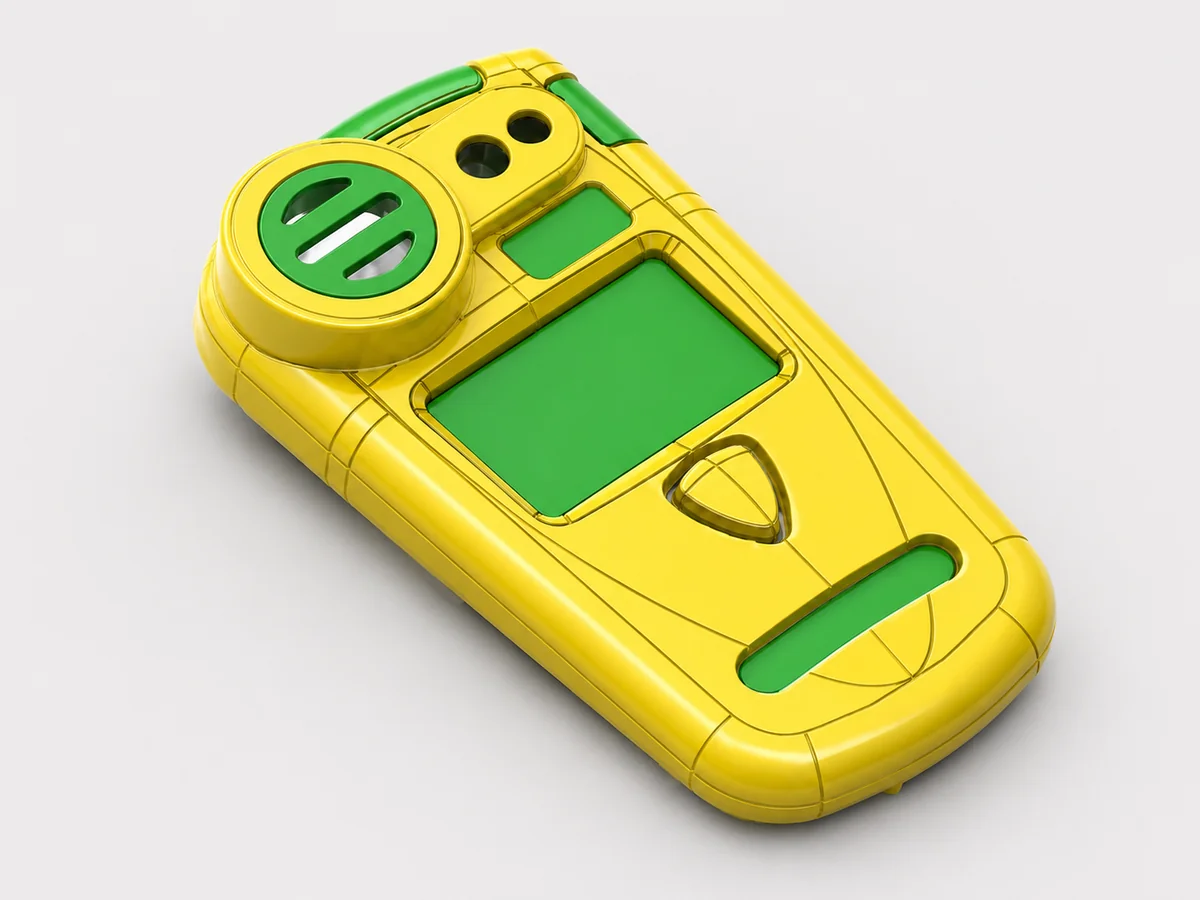
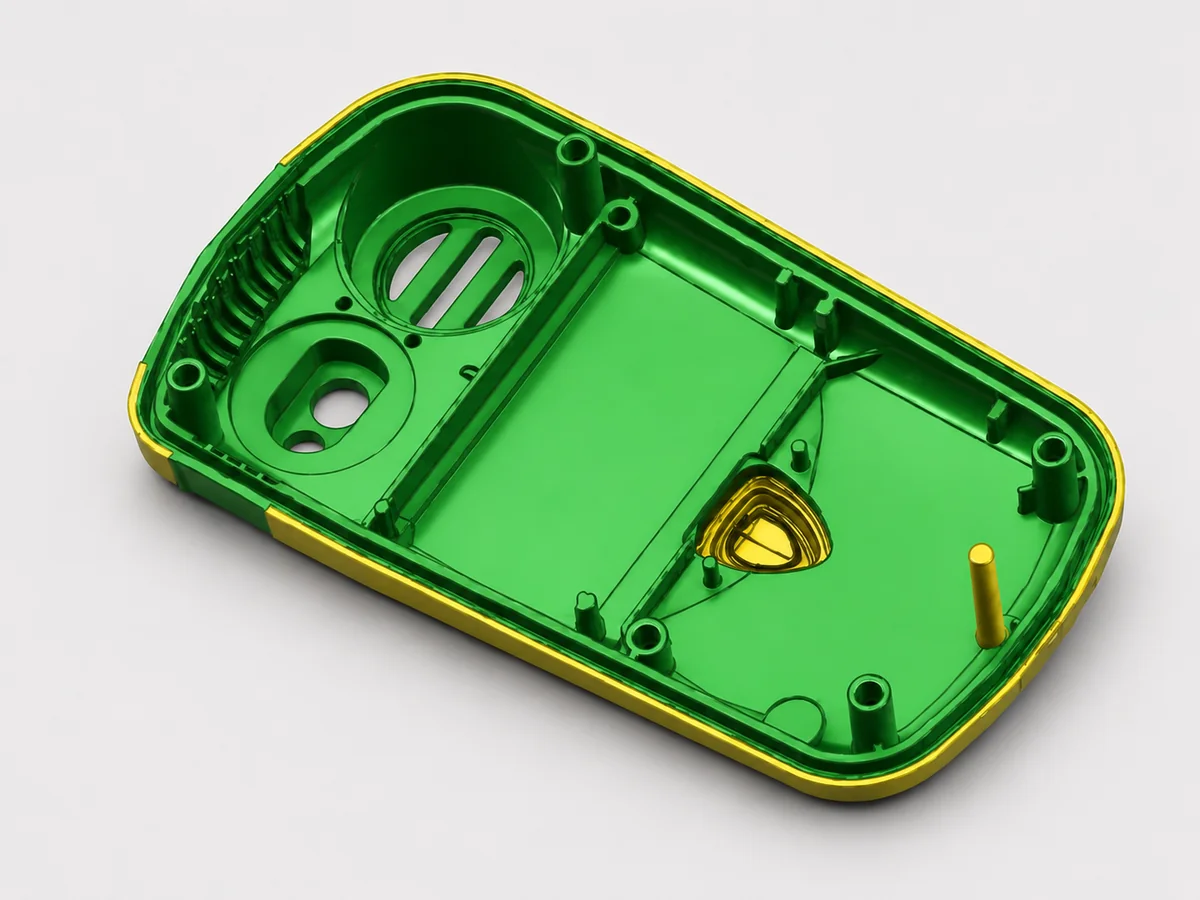
Common Defects in Electronics Injection Molding & Mold Solutions
| Common Issue | Why It Matters for Electronics Parts | Mold / Process Solution |
|---|---|---|
| Warpage | Housing may not close or align with PCB | Balanced wall thickness, cooling review, gate optimization |
| Sink marks | Visible marks near bosses or ribs | Rib/boss redesign, packing review, thickness control |
| Weld lines | Weak areas near openings or cosmetic defects | Gate location review, flow balance, venting improvement |
| Short shots | Thin walls or connector details may not fill | Gate size, venting, material flow & injection parameter review |
| Flash | May affect connector fit or assembly | Parting line precision, clamping review, steel correction |
| Burn marks | Common near trapped air or thin sections | Venting improvement and flow-end review |
| Boss cracking | Screw assembly may fail | Boss diameter, rib support and material selection |
| Snap-fit breakage | Product cannot assemble repeatedly | Snap-fit thickness, radius, material & release direction review |
Connector, Insert Molding and Overmolding Options
Some electronic projects require more than a simple plastic housing. GBM can review connector features, metal inserts, soft overmolding or cable protection requirements during mold design.
Insert Molding for Electronic Terminals
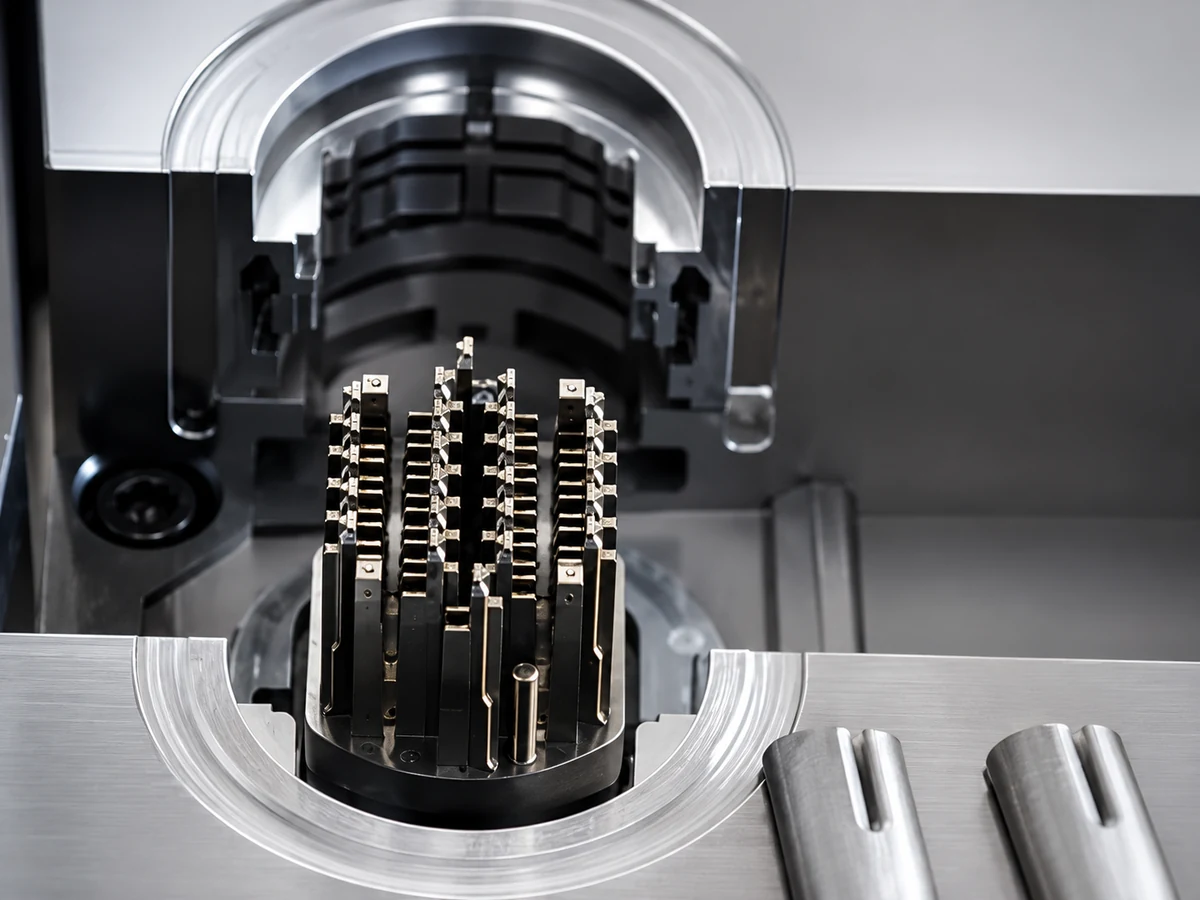
For parts with terminals, contacts, threaded inserts or metal pins, GBM reviews insert loading method, positioning accuracy, holding features, plastic flow around the insert and insulation area.
This is important for connector housings, terminal blocks, sensor parts and electrical components where metal and plastic must remain aligned.
Overmolding for Electronic Cable Protection
For cable strain reliefs, soft grips, seals or protective covers, TPE or TPU overmolding may be used to improve flexibility, sealing or handling comfort.
GBM reviews substrate material, bonding surface, undercut design, overmold thickness and gate position before mold manufacturing.
Learn more about Overmolding Mold ManufacturingT1 Trial and Production Validation
T1 trial is a critical step for electronics injection mold projects. GBM uses the first trial to evaluate not only whether the part can be molded, but also whether it can be assembled and inspected correctly.
T1 Validation May Include:
- T1 sample molding
- Part appearance inspection
- Dimensional inspection
- Connector opening measurement
- Screw boss and snap-fit review
- PCB fit and assembly check
- Gate vestige and ejector review
- Defect check (flash, burn, etc.)
- Shrinkage and warpage review
- Sample photos and feedback
Quality Inspection & Packaging
Electronic plastic parts often need more than a simple visual check. The inspection method should match the function of the part. GBM can inspect key dimensions, connector openings, screw boss position, PCB support height, assembly areas, and cosmetic surfaces.
For high-precision components, we prepare inspection points based on the buyer's 2D drawing. Typical documents include T1 photos, dimensional reports, CMM checks, and packing photos.
Packaging for Export
For overseas electronics projects, packaging must protect both the mold and the molded samples during shipment. We review surface protection, deformation risk, moisture protection and packing methods according to the part shape.
See High Precision Mold capabilityWhy Choose GBM for Electronics Injection Mold Projects?
1 Engineering Review First
GBM reviews DFM details such as PCB clearance, connector openings, screw bosses, snap-fits, ribs, wall thickness, gate position and ejector marks before mold cutting.
2 Electronics Experience
We support molds for electronic enclosures, plastic housings, connector parts, control panels, sensor covers, battery covers, brackets, and insulating parts.
3 Material Support
We help compare ABS, PC, PC/ABS, PA, PBT, PPS, LCP, TPE and TPU according to appearance, insulation, heat resistance, strength, and production needs.
4 T1 Trial & Correction
GBM uses T1 samples to check appearance, dimensions, assembly fit and molding defects before production preparation.
5 Export-Oriented Communication
For international buyers, we can support quotation review, drawing communication, trial feedback, sample photos, packing photos and shipment preparation with clear, technical English.
What Information Is Needed for Quotation?
To quote an electronics injection mold project accurately, please send as much of the following information as possible:
- 3D drawing (STEP, STP, IGS or X_T)
- 2D drawing with tolerances if available
- Material requirement (ABS, PC/ABS, PBT, etc.)
- Flame-retardant requirement (e.g., UL 94 grade)
- Surface finish, texture or color requirement
- Annual quantity or first batch quantity
- Part application (housing, connector, etc.)
- Assembly requirements
- Insert molding or overmolding requirement
- Target delivery schedule
Frequently Asked Questions
What is electronics injection molding?
What is an electronics injection mold used for?
Which plastics are used for electronic housings?
Which materials are used for electronic connectors?
Can GBM make plastic electronic enclosures?
How do you design an electronic housing before tooling?
How do you prevent warpage in thin electronic housings?
Can GBM support insert molding for electronic terminals?
Can GBM make overmolded electronic parts?
What is the difference between electronics injection molding and IME or IMSE?
What information is required for an electronics injection mold quote?
How are T1 electronic plastic parts inspected?
Get an Electronics Injection Mold Quote with DFM Review
Ready to start your electronics injection mold project? Send us your 3D drawings, material grade, quantity and assembly requirements. GBM can review PCB clearance, connector openings, screw boss strength, snap-fit direction, gate position and T1 sample inspection needs before quotation.
Phone / WhatsApp
+86 13632611848Factory Address
Room 101, Jiumo Technology Park, Gangsheng Road, Yabian Village, Shajing Street, Baoan District, Shenzhen City
Why Choose GBM?
- DFM Review Before Mold Cutting
- T1 Sample & Trial Feedback
- CMM / Key Dimension Inspection
- Export Packing Photos Available
Request a Quote
Fill out the details below and our engineering team will get back to you within 24 hours.