Medical Device Injection Mold & Manufacturing
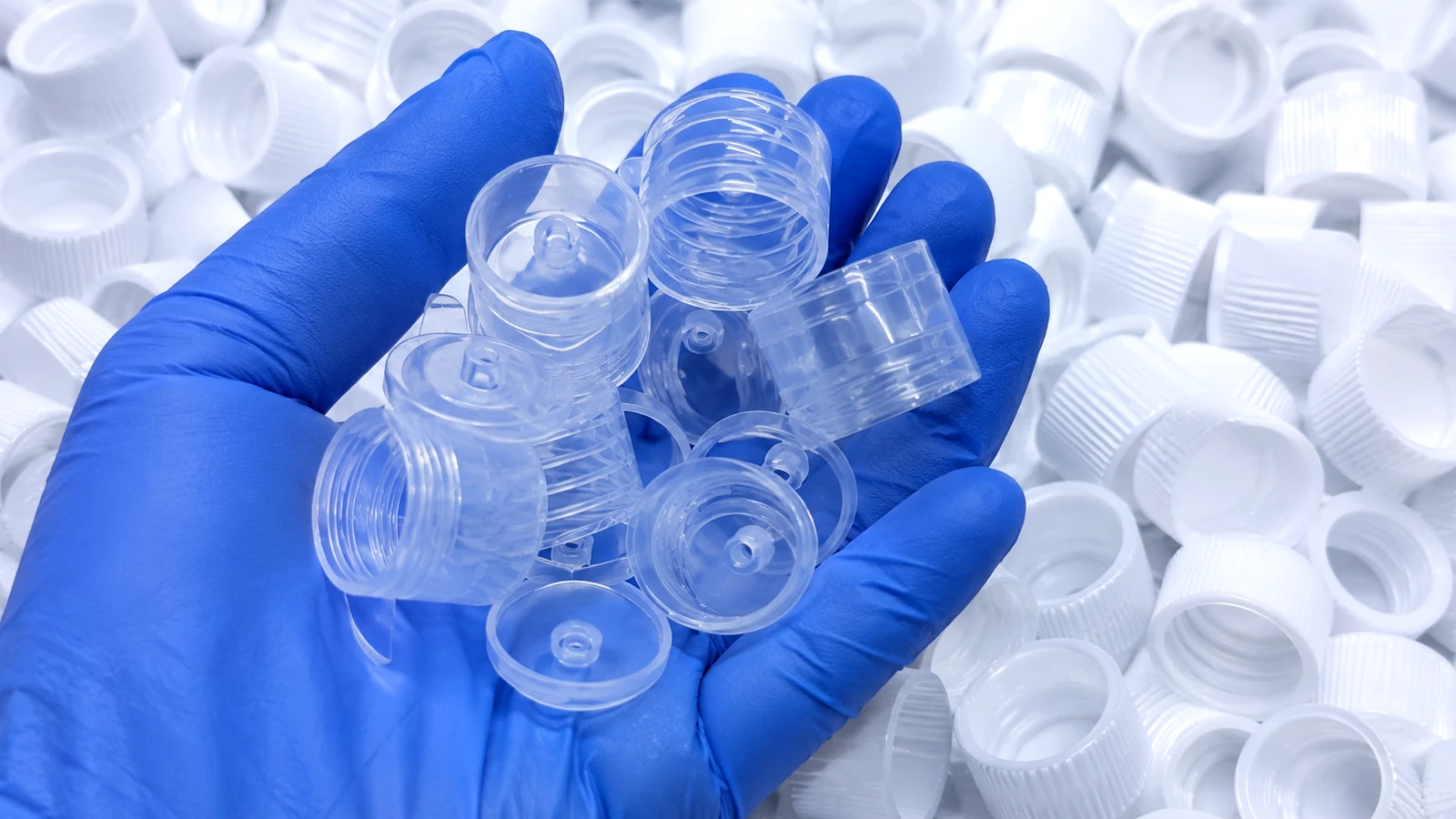
GBM Mold manufactures custom injection molds and supports stable production for diagnostic devices, medical housings, connectors, and precision non-implantable components. From early DFM to T1 trial and stable production.
Expert Medical Plastic Injection Molding
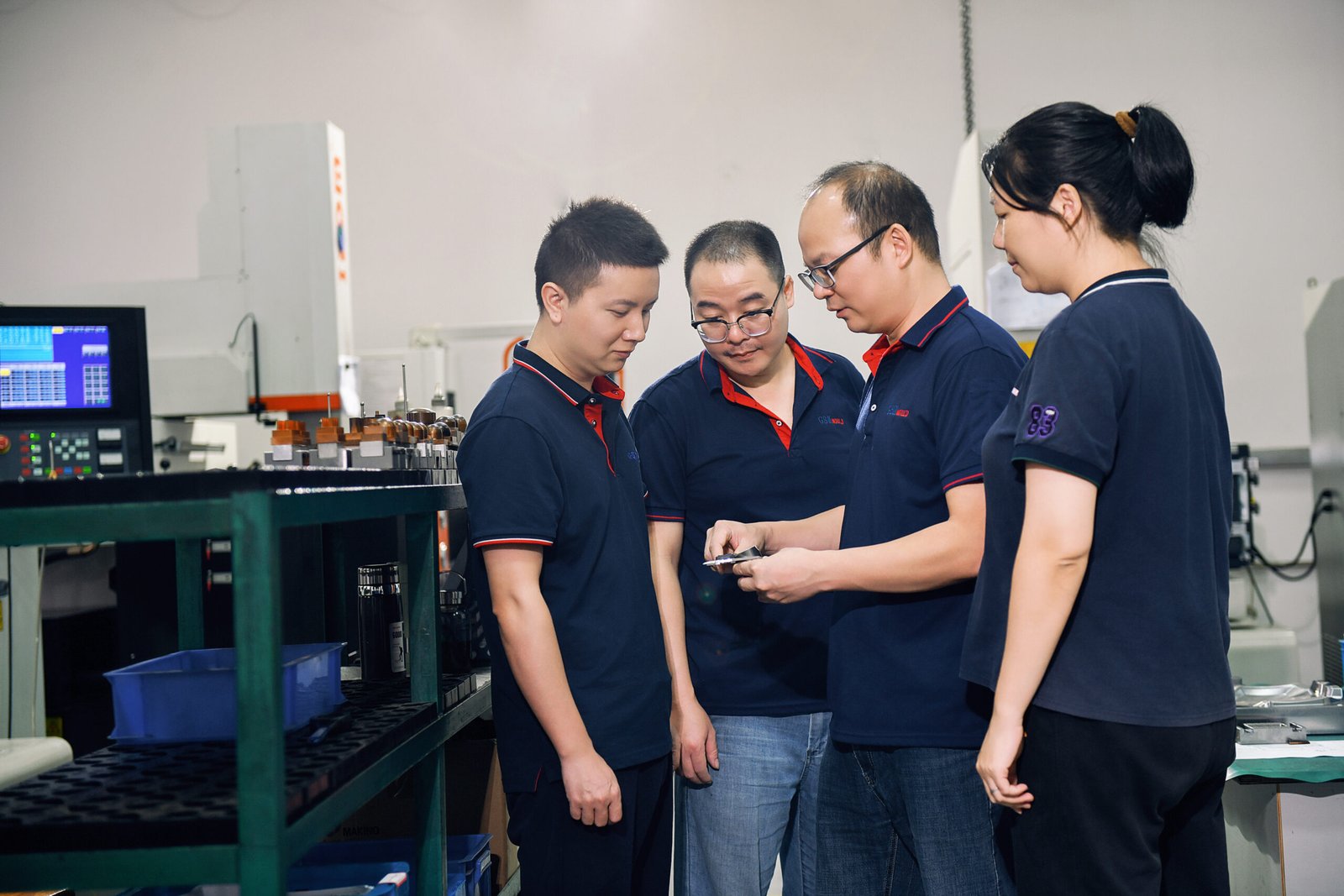
We help medical device brands, engineering teams, and contract manufacturers move from early DFM review to mold design, T1 trial, sample inspection, and stable production.
For each project, our engineering team rigorously reviews the resin, part geometry, tolerance zones, gate position, venting, cooling layout, ejection method, surface finish, and inspection requirements before mold manufacturing begins.
- Prototype & Bridge Tooling
- Multi-Cavity Production Molds
- Insert & Overmolding
Medical Device Injection Mold Capabilities
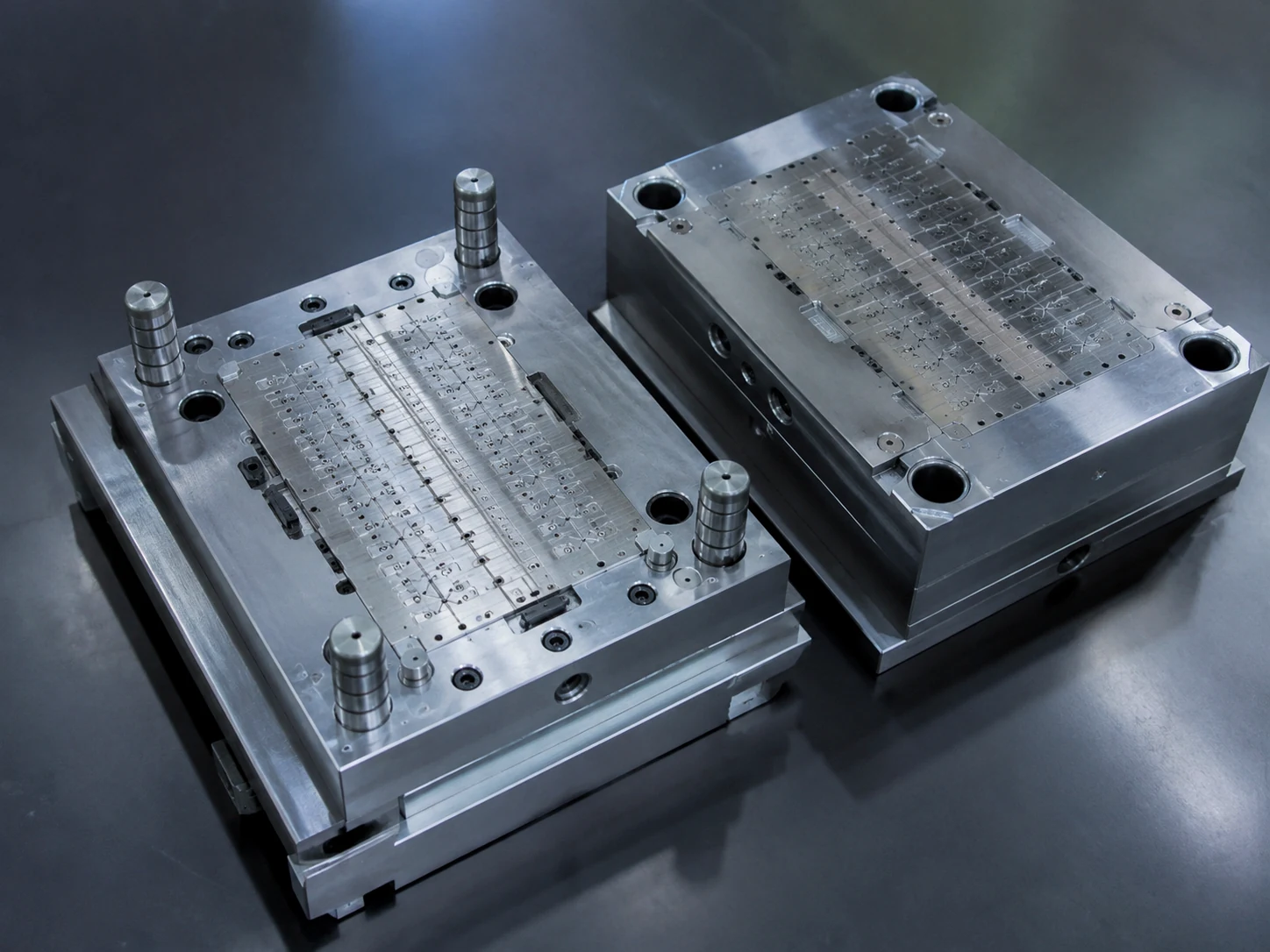
A medical device injection mold must support repeatable molding, stable dimensions, clean part handling, traceable production, and clear inspection documentation.
| Capability | What We Review / Provide |
|---|---|
| DFM Review | Wall thickness, ribs, bosses, snap-fits, draft angle, undercuts and assembly fit |
| Mold Design | Parting line, gate location, runner system, cooling layout, venting and ejection |
| Material Support | PC, PP, PE, ABS, TPU, TPE, PEEK, PPSU, PSU and other engineering plastics |
| T1 Trial | Short shot, flash, burn marks, sink marks, warpage, bubbles and dimensional issues |
| Inspection | CMM, calipers, gauges, FAI report and critical dimension review |
| Documentation Support | Material information, inspection report, sample approval record and packing photos |
| Production Support | Low volume, bridge production, multi-cavity production and repeat order support |
For high-precision medical plastic components, review our internal capabilities:
Learn About High Precision MoldsWhat Is Medical Device Injection Molding?
Medical device injection molding is a plastic manufacturing process used to produce molded components for healthcare, diagnostic, laboratory, and medical equipment applications.
Compared with general plastic molding, it requires stricter control over material selection, dimensional repeatability, surface finish, cleanliness, traceability, and documentation. The mold design stage is critical—a small gate mark, venting issue, or flash risk can affect assembly, sealing, or downstream inspection.
"GBM Mold supports projects from drawing review to mold fabrication, T1 samples, and production preparation."
Common Parts We Mold
- Diagnostic housings
- Medical covers
- Test cartridge parts
- Luer connectors
- Catheter components
- Syringe parts
- Lab consumables
- Fluid path plastics
- Surgical handles
- Electronic enclosures
- Transparent PC covers
- Soft TPU/TPE parts
Medical Plastic Materials
Material selection depends on part function, contact condition, sterilization method, mechanical load, and clarity. We review your resin during DFM for molding feasibility.
PC (Polycarbonate)
Transparent covers, diagnostic housings, medical device enclosures.
PP (Polypropylene)
Disposable parts, caps, connectors, lab consumables.
PE / HDPE / LDPE
Containers, fluid-related components, flexible parts.
ABS
Medical equipment housings, covers, non-contact device parts.
TPU / TPE
Soft seals, grips, flexible covers, overmolded medical parts.
PEEK
High-temperature precision medical components.
PPSU / PSU
Reusable medical components, sterilization-resistant parts.
LSR / Silicone
Soft medical components and sealing parts.
Medical Device Parts We Mold
GBM Mold is best suited for custom plastic components where the customer provides drawings, material requirements, functional requirements, and inspection standards.

Diagnostic Device Components
Small plastic housings, test cartridge parts, transparent windows, and internal support frames. The mold must control flatness, flow marks, gate location, and weld lines.
- • Diagnostic cartridge housings
- • Test kit plastic components
- • Transparent PC covers
- • Small clips and retainers
Medical Housings & Enclosures
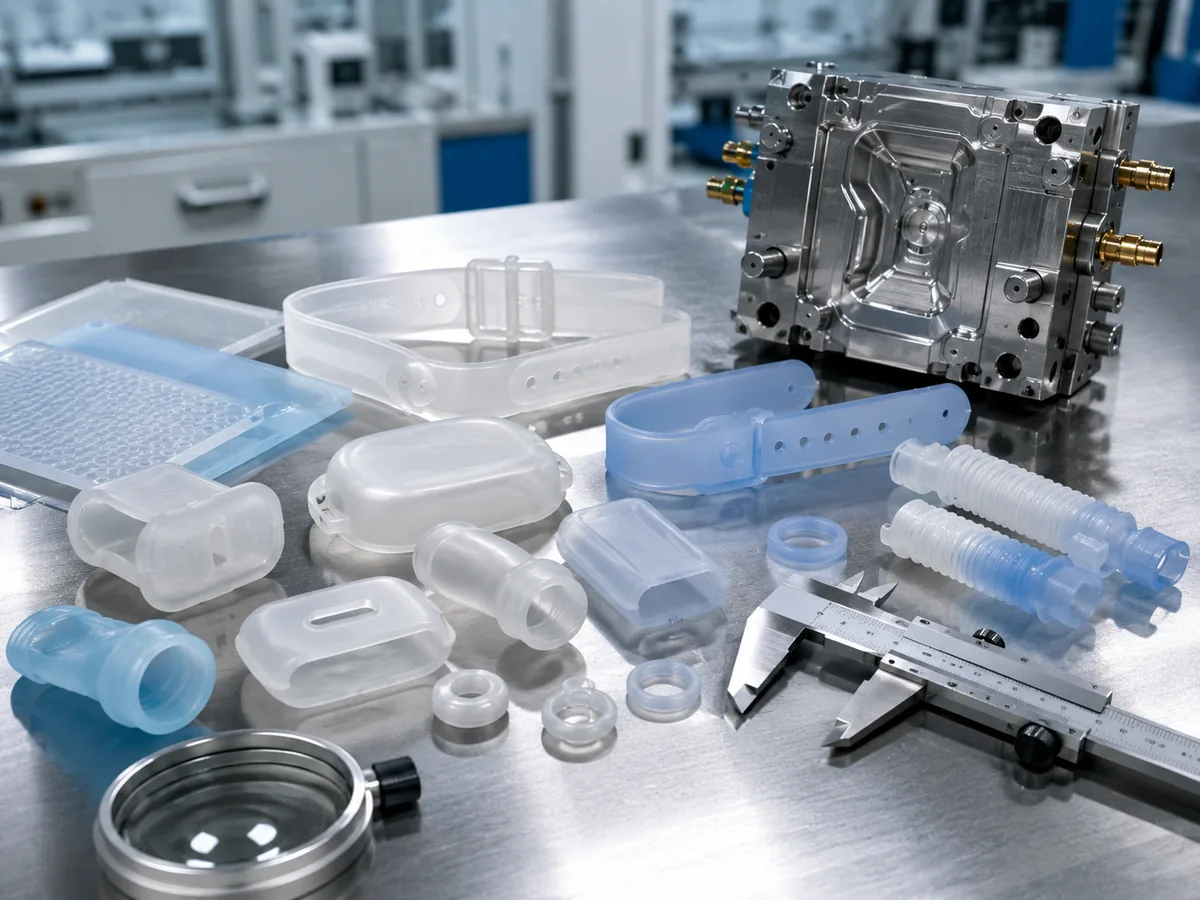
Housings with screw bosses, snap-fits, ribs, display windows, and cable exits. We review wall thickness, sink marks, boss strength, texture, and assembly tolerance.
- • Medical monitor housings
- • Handheld device enclosures
- • Control unit covers
- • Medical electronics plastic shells
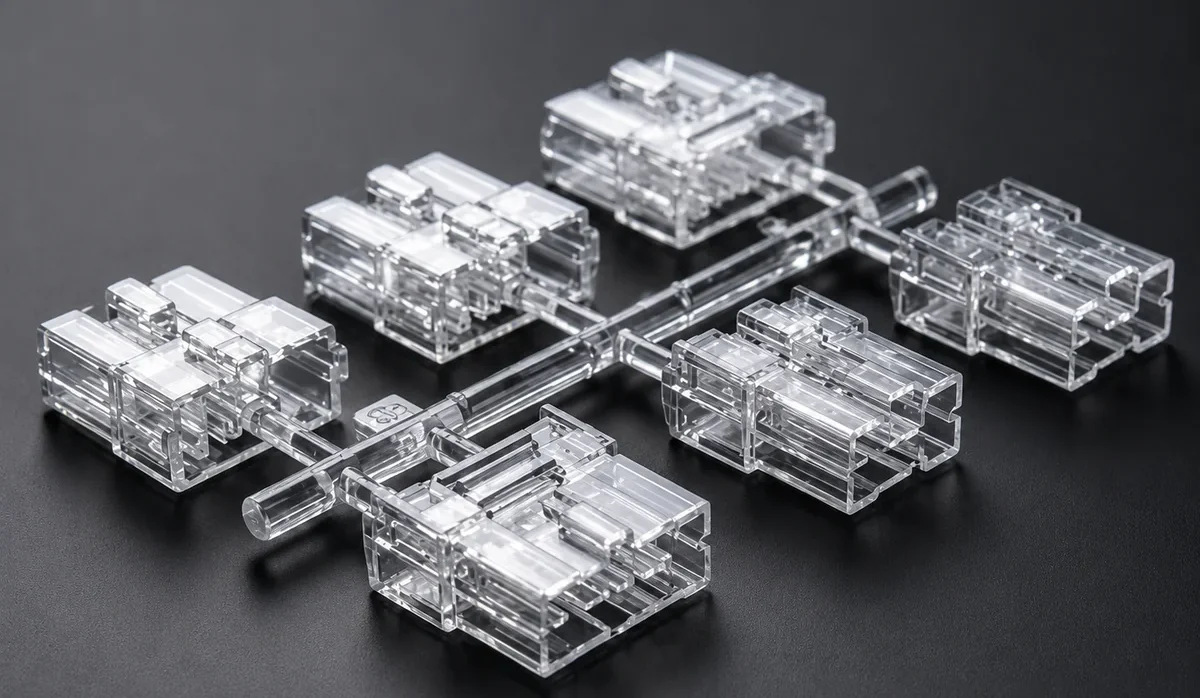
Connectors & Fluid Path
Careful control of small holes, sealing areas, flash, roundness, and assembly fit. Gate location, venting, and ejection design are reviewed early.
- • Luer connector components
- • Catheter connector parts
- • Y connectors
- • Precision medical fittings
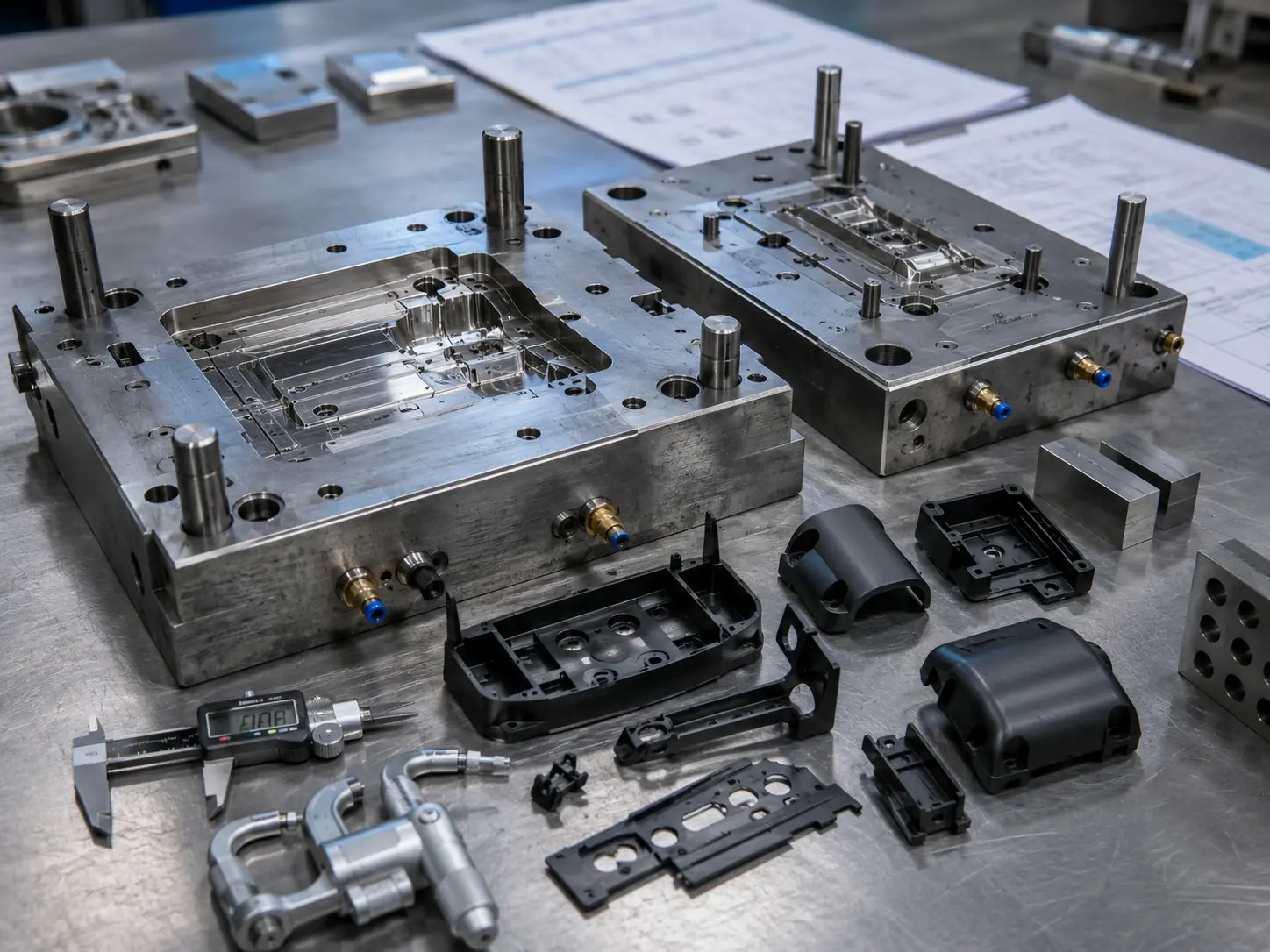
Soft & Overmolded Parts
Soft-touch areas, flexible covers, seals, strain reliefs, or overmolded surfaces using TPU, TPE, or silicone-like materials.
- • Flexible covers & soft grips
- • Medical seals
- • Cable strain reliefs
- • Overmolded handles
DFM for Medical Device Injection Mold Design
A strong DFM review helps reduce tooling corrections, T1 problems, and production risk. Medical device parts often include small functional areas, thin walls, cosmetic zones, and tight assembly features that must be reviewed before steel cutting.
Common Molding Challenges & Solutions
How GBM Mold addresses critical defects in medical plastic components.
1. Flash on Connectors
Small connector parts often have thin edges or small round features where flash can affect function.
GBM Solution
We review parting line location, shut-off angle, steel matching, vent depth, and injection pressure window before mold manufacturing. During T1, we verify flash risk practically.
2. Bubbles in PC Covers
Transparent covers show bubbles, streaks, or stress if drying, gating, or mold temp isn't controlled.
GBM Solution
We review resin drying requirements, gate position, flow path, polishing area, and mold temperature control. We avoid placing gates/ejectors on critical viewing surfaces.
3. Warpage in Housings
Housings with ribs and uneven walls warp after cooling, affecting assembly.
GBM Solution
We review wall transitions, rib thickness, boss design, cooling balance, and ejection force. Mold flow review is recommended for larger housings before steel cutting.
4. Multi-Cavity Consistency
Disposable parts need balanced cavities to prevent varied weights or flash.
Solution: Strict runner balance, gate consistency, cooling layout review. Cavity-specific CMM inspection. Read more
5. Deformation in Soft Parts
TPU/TPE flexible parts deform during ejection or packing.
Solution: Review material hardness, undercut release, ejection method, cooling time, and specialized packaging.
Clean Handling & Documentation Support
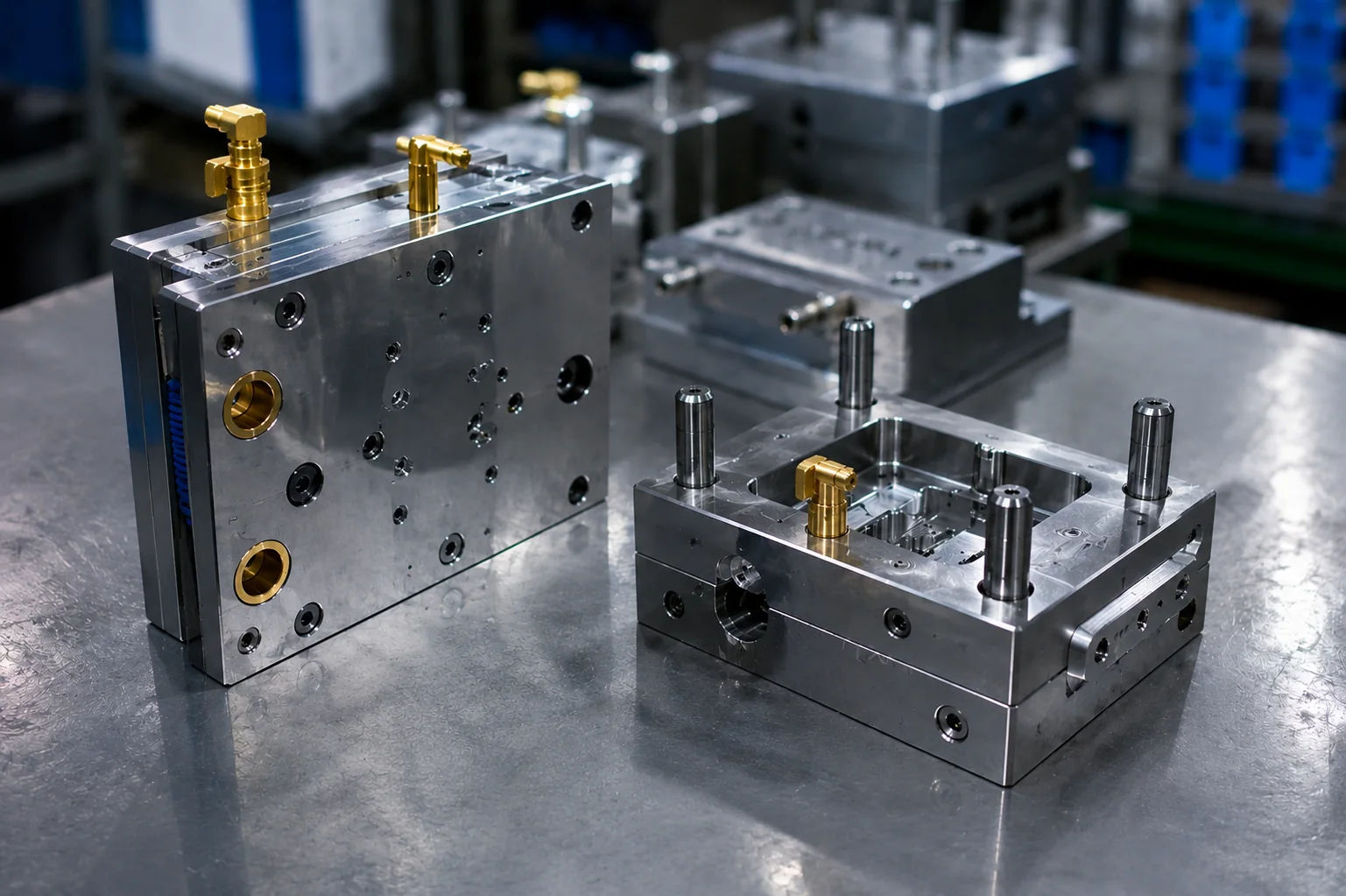
Medical molding projects require more documentation than general industrial parts. Depending on the device class and market, customers may request material traceability, FAI, process records, validation samples, or cleanroom support.
Documentation We Provide:
- DFM & Mold Design Review
- T1 Sample Inspection Report
- First Article Inspection (FAI)
- CMM Report (Critical Dims)
- Material Supplier Info
- Sample Approval Record
Prototype to Production Process
A structured approach adjusted for part complexity, tolerance level, and annual demand.
Drawing & Review
Send 3D/2D CAD. We check geometry, dimensions, and feasibility.
DFM Review
Review wall thickness, draft, gating, venting, and assembly risks.
Mold Design
Design cavity layout, runner, cooling, and parting line.
Manufacturing
CNC machining, EDM, polishing, and precise tool assembly.
T1 Trial & Inspect
Molding samples, checking defects, and FAI dimension report.
Correction & Approval
Tool adjustments if needed, T2 samples for final approval.
Production & QC
Stable injection molding with monitored critical dimensions.
Packing & Delivery
Sealed bags, custom trays, packing photos, and shipment.
Quality Inspection for Medical Parts
We review inspection requirements before production so the mold and part design support practical measurement.
Common Inspection Points:
- • Overall dimensions
- • Hole diameter
- • Sealing surface
- • Snap-fit area
- • Boss height
- • Wall thickness
- • Flatness & Roundness
- • Gate vestige & Flash
- • Parting line mismatch
- • Surface scratches
Choosing a Medical Mold Supplier
Do not only compare mold price. A lower price becomes expensive if the supplier doesn't understand medical tolerances, traceability, or validation expectations.
Supplier Selection Checklist:
- Provide DFM feedback before manufacturing?
- Understand medical plastic material behavior?
- Support tight-tolerance and small-feature design?
- Provide T1 samples and FAI inspection reports?
- Support clear communication for overseas buyers?
Frequently Asked Questions
Medical Device Injection Mold & Medical Device Injection Molding
What is a medical device injection mold?
What is medical device injection molding?
What is the difference between medical device injection molding and regular injection molding?
What materials are commonly used for medical device injection molding?
Can GBM Mold make medical device injection molds?
Do you provide medical plastic injection molding services?
Can you support cleanroom injection molding for medical components?
Is ISO 13485 required for medical device injection molded parts?
What FDA requirements apply to injection molded medical device components?
What are IQ, OQ and PQ in medical injection molding?
What tolerances can be achieved for medical device injection molded parts?
Can you make high-precision medical plastic components?
Can you make prototype molds for medical device components?
What documents can you provide for medical injection mold projects?
What information do you need for a medical device injection mold quote?
How do I choose a medical device injection molding company?
Can you support overmolding for medical device components?
Do you support multi-cavity medical injection molds?
Start Your Medical Mold Project
Need a medical device injection mold for diagnostic parts, medical housings, connectors or precision plastic components? Send your drawing today and get practical DFM feedback before tooling starts.
Email Us
Annie@gbminjection.comCall / WhatsApp
+86 13632611848Facility Address
Room 101, Jiumo Technology Park, Gangsheng Road, Yabian Village, Shajing Street, Baoan District, Shenzhen City