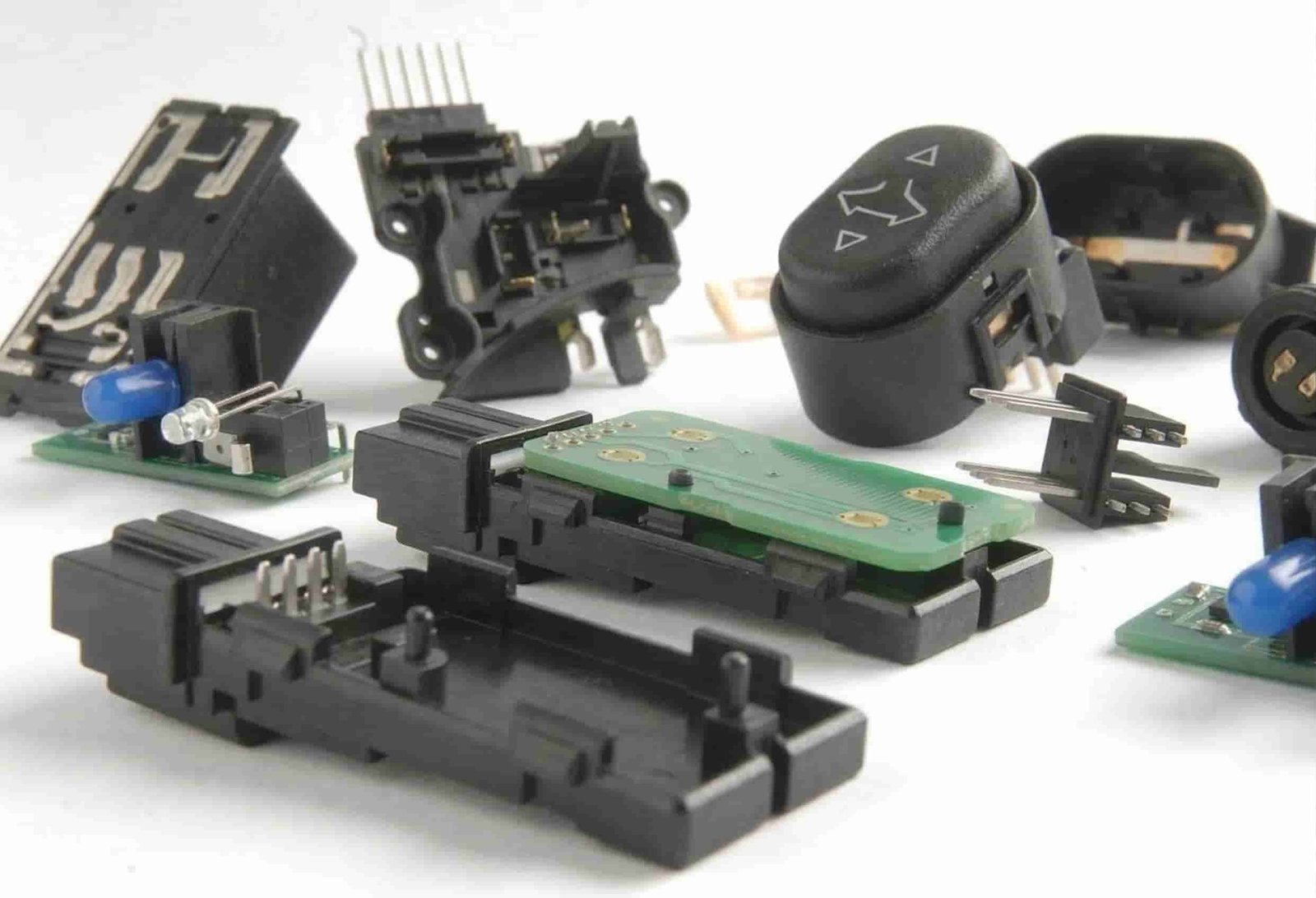
What material is used for insert molding?
Insert molding utilizes a wide range of thermoplastic and thermosetting polymers, including Polycarbonate (PC), Acrylonitrile Butadiene Styrene (ABS), Nylon (Polyamide), and Polyoxymethylene (POM). The specific material used depends heavily on the required mechanical strength, thermal resistance, and compatibility with the metal or plastic insert being encapsulated. 🎥 Watch the Process: See how different thermoplastics behave […]
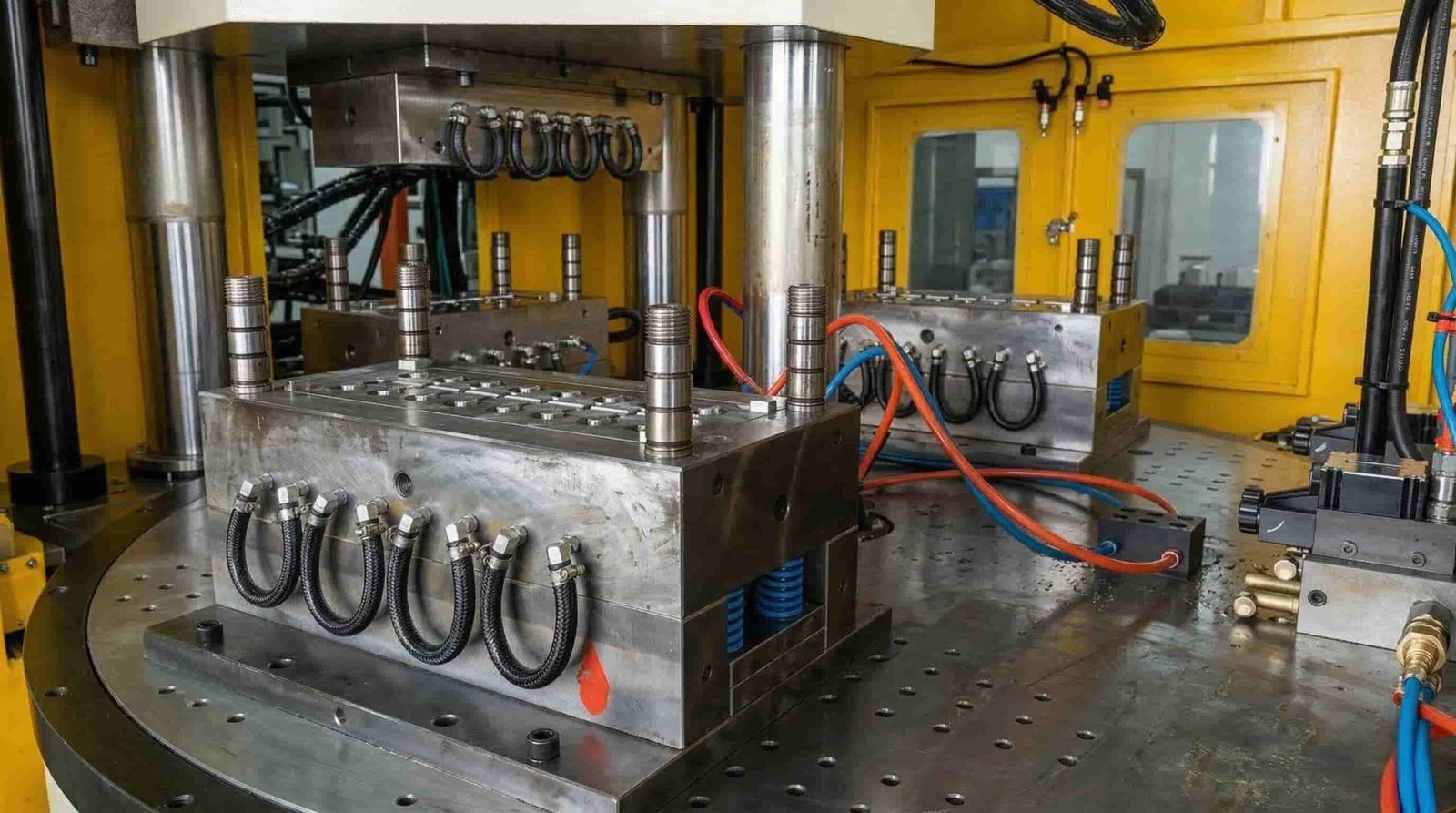
What are the two methods of insert molding?
The two primary methods of insert molding are manual insertion and automated insertion. Manual insert molding relies on a human operator to hand-load metal or plastic inserts into the mold cavity before each cycle. Conversely, automated insert molding utilizes robotic arms and pick-and-place systems to precisely load inserts, offering higher speed and consistency for large […]
What are the three types of insert molding?
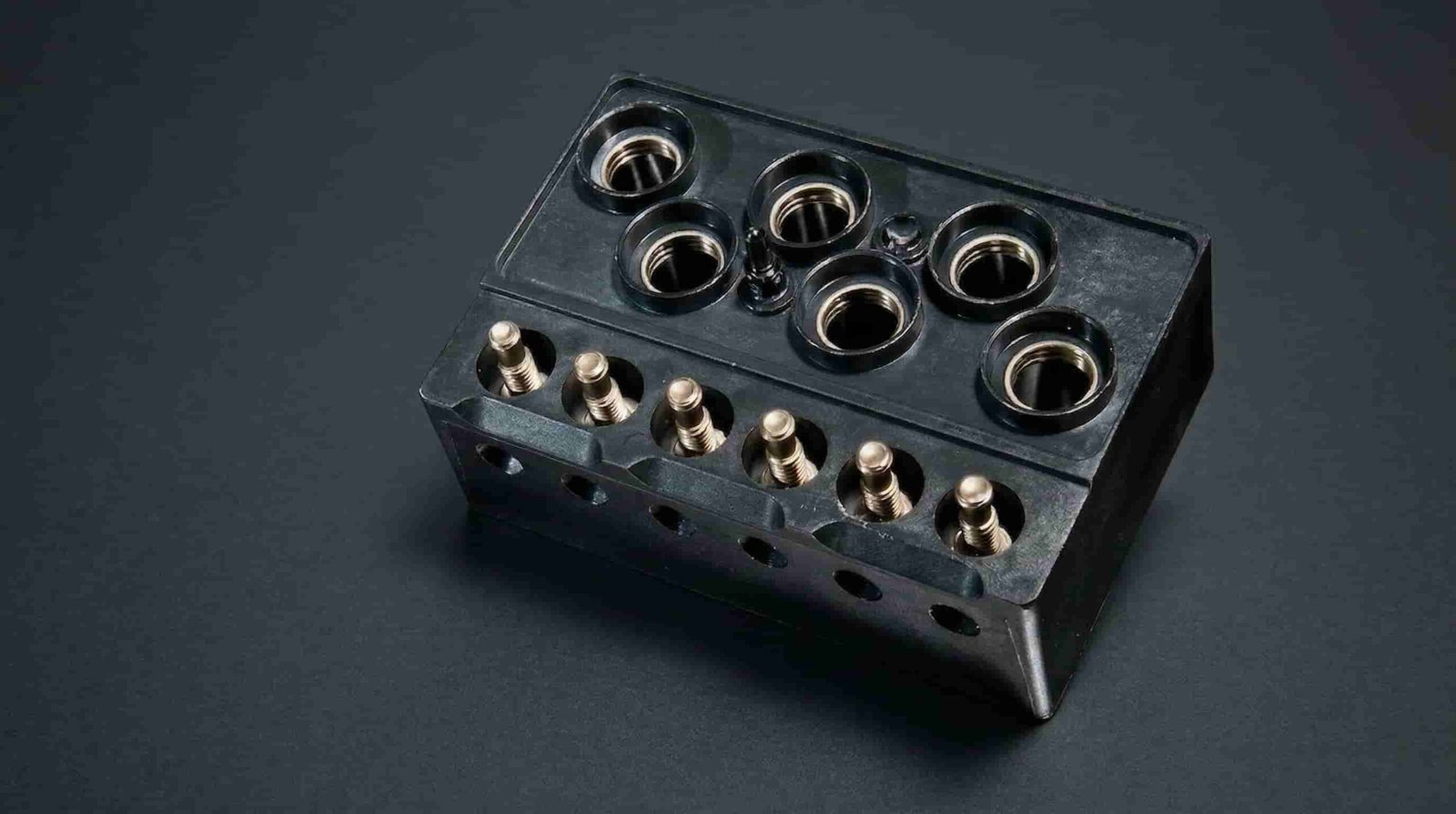
The three primary types of insert molding include threaded insert molding, where metal threads are molded into plastic parts; electrical contact insert molding, which encapsulates wiring or pins for conductivity; and structural insert molding, designed to reinforce plastic components with high-strength metal brackets or shafts for superior mechanical performance. 🎥 Watch Insert Molding in Action: […]
Top 10 Insert Molding Manufacturers In The World
Insert molding is a critical manufacturing process used to combine metal and plastic components into a single, robust unit. From automotive connectors to medical devices, this technique reduces assembly costs and improves component strength. However, selecting the right partner requires navigating a complex global market. The following article outlines the top manufacturers in the industry […]
Industry Insights & Technical Hub
Explore our latest news, technical guides, and manufacturing solutions.
What material is used for insert molding?
Insert molding utilizes a wide range of thermoplastic and thermosetting polymers, including Polycarbonate (PC), Acrylonitrile Butadiene Styrene (ABS), Nylon (Polyamide), and Polyoxymethylene (POM). The specific material used depends heavily on the required mechanical strength, thermal resistance, and compatibility with the metal or plastic insert being encapsulated. 🎥 Watch the Process: See how different thermoplastics behave […]
What are the two methods of insert molding?
The two primary methods of insert molding are manual insertion and automated insertion. Manual insert molding relies on a human operator to hand-load metal or plastic inserts into the mold cavity before each cycle. Conversely, automated insert molding utilizes robotic arms and pick-and-place systems to precisely load inserts, offering higher speed and consistency for large […]
What are the three types of insert molding?
The three primary types of insert molding include threaded insert molding, where metal threads are molded into plastic parts; electrical contact insert molding, which encapsulates wiring or pins for conductivity; and structural insert molding, designed to reinforce plastic components with high-strength metal brackets or shafts for superior mechanical performance. 🎥 Watch Insert Molding in Action: […]
Top 10 Insert Molding Manufacturers In The World
Insert molding is a critical manufacturing process used to combine metal and plastic components into a single, robust unit. From automotive connectors to medical devices, this technique reduces assembly costs and improves component strength. However, selecting the right partner requires navigating a complex global market. The following article outlines the top manufacturers in the industry […]