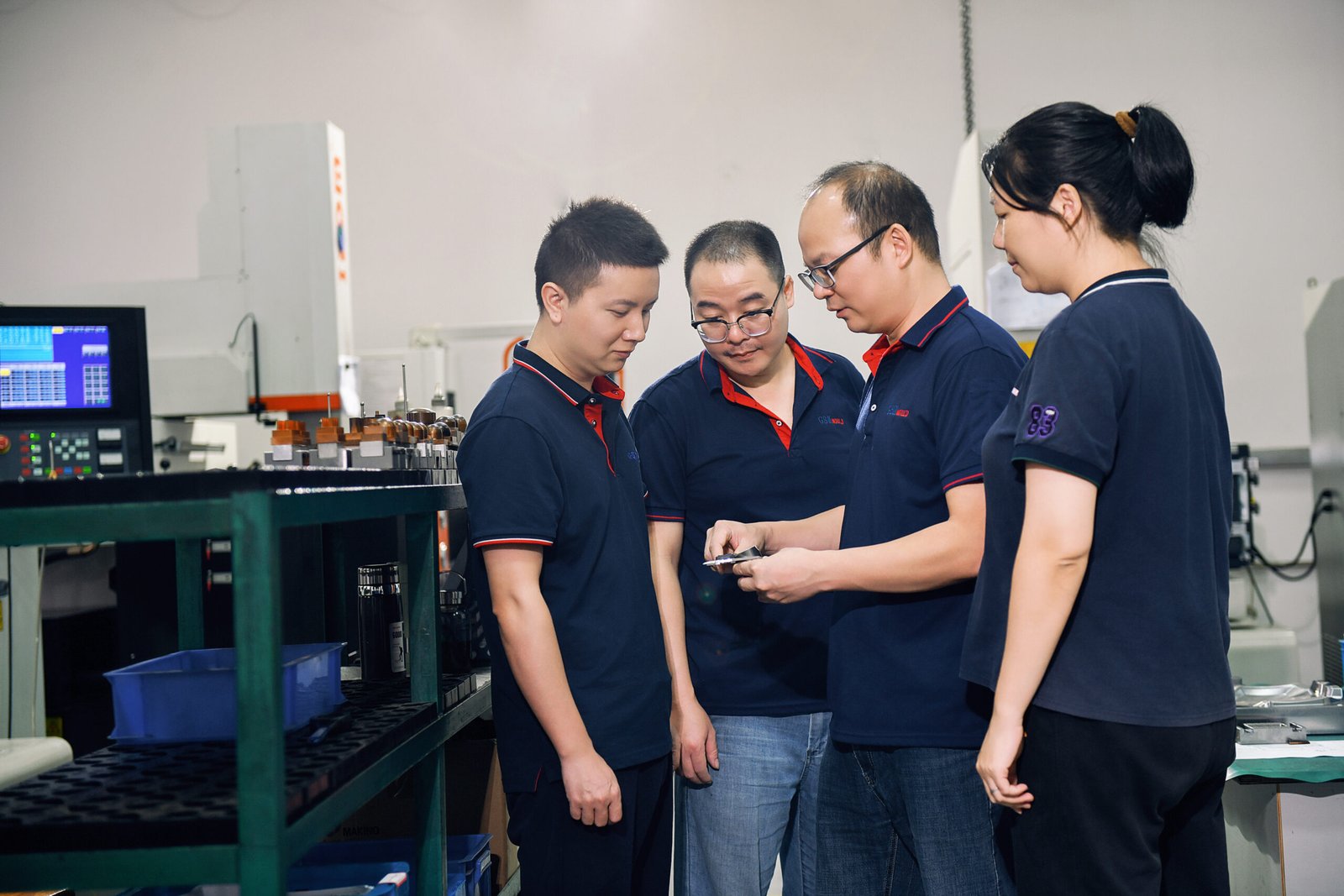

2K injection molding, also known as two-shot molding, is a specialized manufacturing process that combines two different thermoplastic materials or colors into a single finished part within one machine cycle. It utilizes a machine with two injection units to bond materials chemically or mechanically, eliminating the need for secondary assembly while enhancing product aesthetics, grip, and functionality.
🎥 Watch Video: Understanding the Mechanics of 2K (Two-Shot) Injection Molding
The Two-Shot Mechanics
The 2K process is distinct because it produces a multi-material part without the part ever leaving the machine. This ensures superior registration (alignment) and bond strength.
| Stage | Action | Description |
|---|---|---|
| 1. First Shot | Injection | The first material (substrate) is injected into the first cavity to form the base structure. |
| 2. Transfer | Rotation | The mold opens, and the platen rotates 180 degrees (or utilizes an index plate) to move the substrate to the second station. |
| 3. Second Shot | Overmolding | The mold closes, and the second material is injected into the second cavity, bonding to the still-warm substrate. |
| 4. Ejection | Part Removal | The finished dual-material part is ejected, and the cycle repeats. |
GBM Pro Tip: In our lab tests at GBM, we found that material compatibility is the single biggest failure point in 2K molding. If the chemical melt temperatures are too disparate, the materials will delaminate. We always recommend consulting a compatibility chart before finalizing resin selection.
What is the difference between 1K and 2K injection molding?
The primary difference lies in the number of materials and shots used per cycle. 1K molding injects a single material into a mold to create a standalone part, whereas 2K molding integrates two distinct materials or colors into one component during a single machine cycle, utilizing a rotary platen and dual injection units to bond them instantly.
🎥 Watch Video: Operational Comparison Between 1K and 2K Molding Strategies
Operational Comparison
The choice between 1K and 2K dictates the entire manufacturing strategy.
- 1K Molding: Requires one barrel and one mold. To get a two-color part, you must mold two separate pieces and manually assemble them (snap fits, screws, or glue).
- 2K Molding: Requires two barrels and a complex rotary mold. The part comes out finished.
GBM Pro Tip: Our technicians often see clients switch from 1K to 2K not just for aesthetics, but to reduce the tolerance stack-up errors caused by manual assembly. At GBM, we use 2K to guarantee IP67 water-sealing by bonding gaskets directly to housings.
What is a 2K machine?
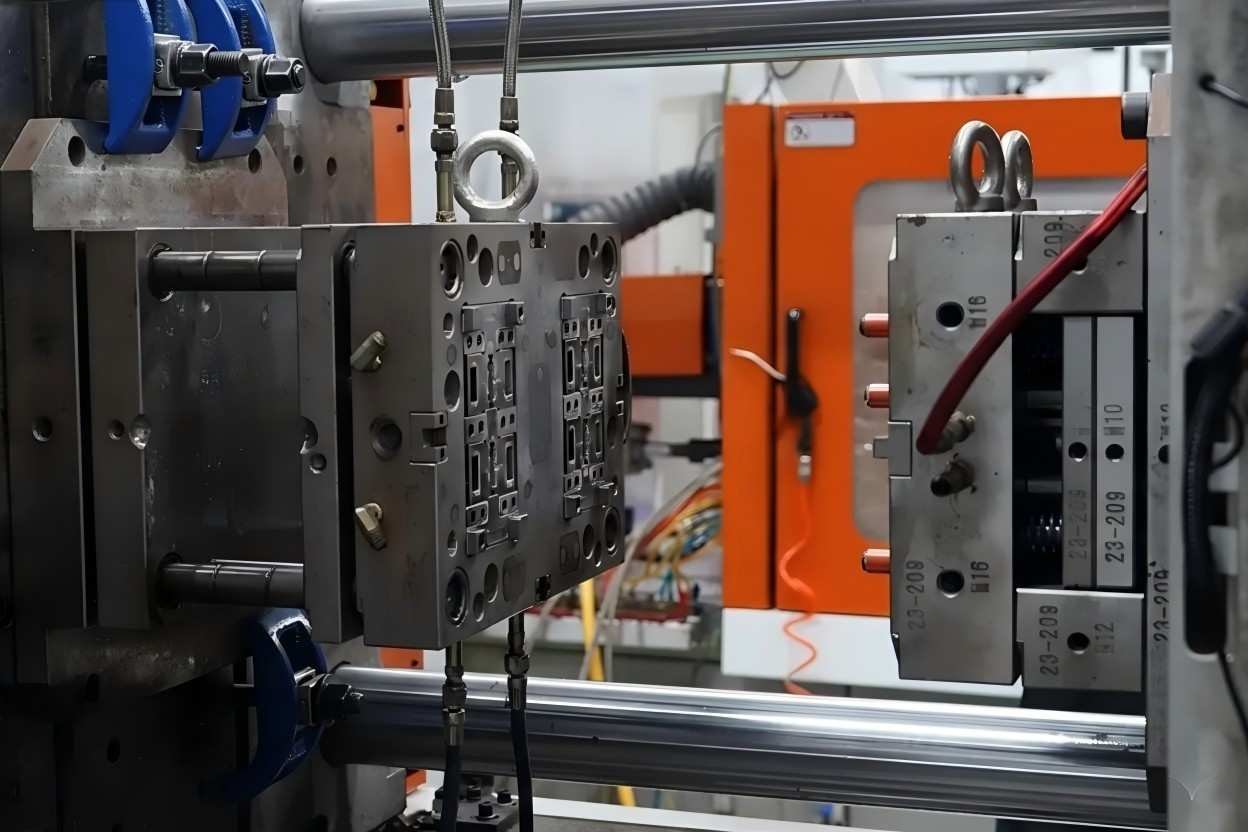
A 2K machine is a specialized injection molding press equipped with two independent injection units and nozzles to handle two different resins simultaneously. Unlike standard presses, it typically features a rotating platen, index plate, or core-back technology that moves the semi-finished part from the first station to the second station without manual intervention.
Key Machine Configurations
- Rotary Platen: The most common setup where the moving side of the mold rotates 180° to align the substrate with the second nozzle.
- Core Back (Sliding Core): The mold does not rotate; instead, a slide retracts to open up new cavity space for the second shot.
- L-Configuration: The second injection unit is mounted perpendicular to the first (on top of the machine) to save floor space.
GBM Pro Tip: We recommend verifying the shot size capacity of the second barrel carefully. In our facility, we often see the “second shot” (e.g., a TPE grip) requiring significantly less volume than the substrate. Using an oversized barrel for a small shot can degrade the resin due to excessive residence time.
What is the difference between overmolding and 2K?
While both processes combine materials, 2K molding occurs inside a single machine cycle using a rotary mold, ensuring precise alignment and faster cycle times. Overmolding typically involves a two-step process where a pre-molded substrate is manually or robotically placed into a second mold for the final layer, often used for lower production volumes.
Process Selection Matrix
| Feature | 2K Molding (Two-Shot) | Standard Overmolding (Pick & Place) |
|---|---|---|
| Volume | High Volume (>50k units) | Low to Medium Volume |
| Tooling Cost | Very High (Complex tool) | Moderate (Two simpler tools) |
| Cycle Time | Fast (Concurrent shots) | Slow (Requires handling) |
| Bond Quality | Excellent (Hot-on-Hot) | Good (Hot-on-Cold) |
GBM Pro Tip: In our experience, 2K is superior for high-volume production because the part never leaves the mold. This maintains the “heat history” of the first shot, allowing for a chemical bond that is roughly 30% stronger than cold-substrate overmolding.
What is 2K and 3K molding?
2K molding involves two distinct shots of material, while 3K (three-shot) molding expands this capability to three different materials or colors in a single cycle. 3K requires even more complex machinery with three injection units and often a trunnion or index plate system to rotate the part through three separate stations for sequential layering.
🎥 Watch Video: Scaling Complexity: The Transition from 2K to 3K Molding
Complexity Scaling
- 2K Applications: Toothbrushes (Handle + Grip), Automotive buttons (Clear + Black).
- 3K Applications: Power tools (Hard Case + Soft Grip + Color Accent), Complex automotive lighting (Red + Amber + Clear lens).
GBM Pro Tip: We advise sticking to 2K unless absolutely necessary. 3K tooling costs at GBM exponentially increase due to the complex runner systems required, and the cycle time is dictated by the longest cooling phase of the three shots.
How does 2k molding affect wholesale unit pricing?
2K molding generally reduces wholesale unit pricing for high-volume production compared to assembling two separate parts. Although the machine hourly rate is higher, the elimination of manual assembly labor, adhesives, and inventory management for multiple SKUs results in a significantly lower total landed cost per unit.
Cost Drivers Analysis
- Labor Reduction: No assembly line workers needed to join parts.
- Quality Yield: Fewer rejects due to assembly errors or poor adhesion.
- Inventory: You stock 1 SKU instead of 2 separate components.
GBM Pro Tip: We calculate that the ROI for 2K tooling usually breaks even at around 50,000 units when compared to the labor costs of assembling 1K parts manually. Below that volume, the high tooling cost may not justify the unit price savings.
What are the tooling costs for 2k molding?
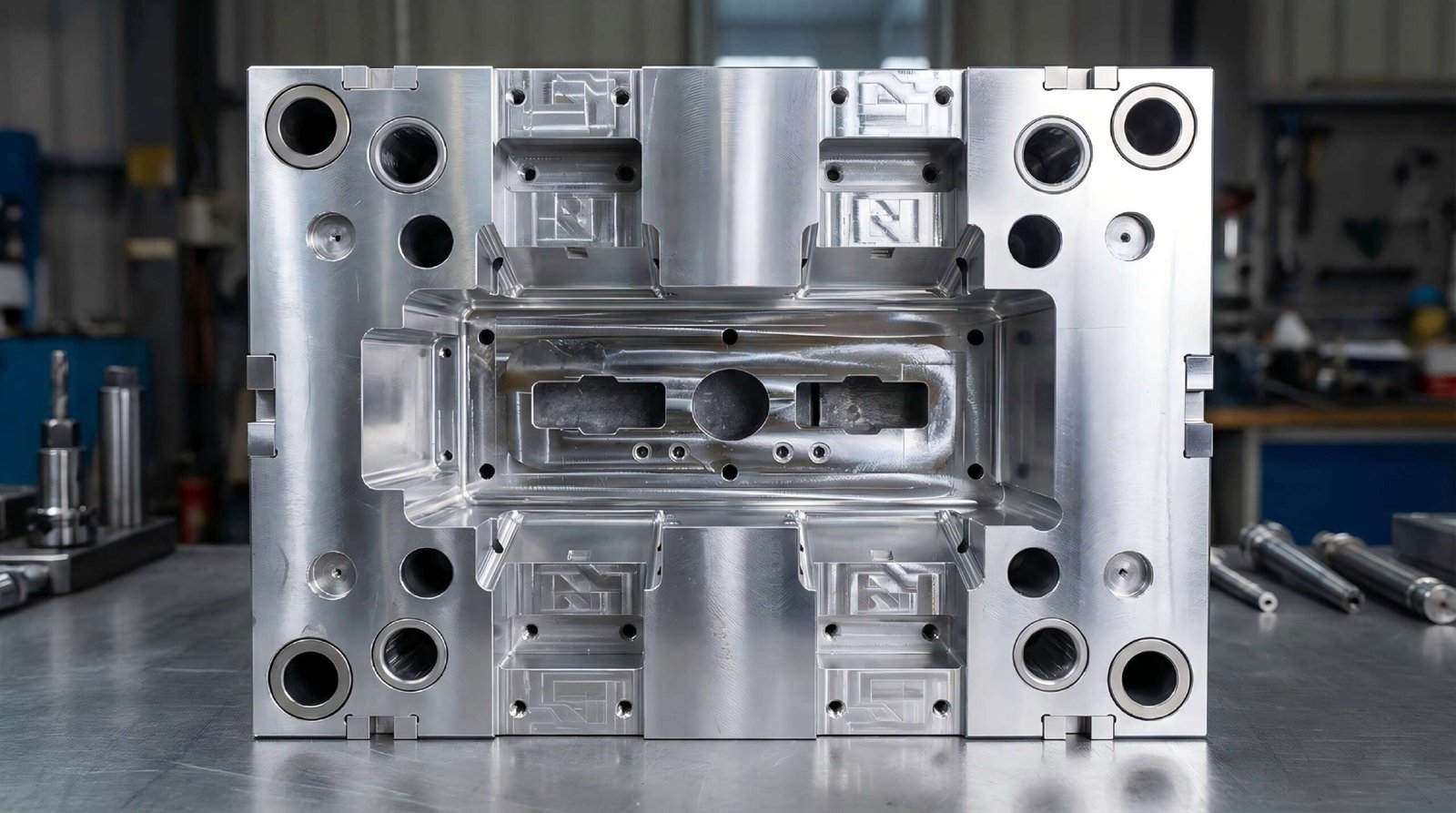
Tooling costs for 2K molding are significantly higher than standard 1K molds, often costing 1.5 to 2 times more. This is due to the requirement for two separate cavity sets, complex runner systems, and rotational mechanisms within the tool, requiring high-precision machining to ensure perfect alignment between shots.
Budgeting for 2K Molds
- Precision Steel: Both cavities must match perfectly; minimal tolerance is allowed.
- Manifolds: Often requires hot runner systems for both shots to control flow precisely.
- Testing: Validation (T1, T2 trials) takes longer to dial in two separate process windows.
GBM Pro Tip: Our engineers minimize tooling risks by simulating the mold flow for both shots simultaneously. We often find that the first shot can deform under the pressure of the second shot if the wall thickness isn’t supported correctly in the tool design.
The GBM Advantage: Engineering Precision in Multi-Shot Molding
In the complex world of 2K injection molding, theoretical knowledge cannot replace hands-on floor experience. A deviation of even 0.01mm in a rotary platen or shut-off surface can lead to flashing or material delamination. At GBM, we don’t just build molds; we engineer scalable, high-performance manufacturing solutions.
Our deep-rooted expertise in advanced tooling allows us to tackle the industry’s most demanding multi-material challenges:
- Precision Rotary Systems: We design and fabricate high-speed rotary molds that ensure seamless transitions and perfect “hot-on-hot” chemical bonding.
- Complex Core-Back Technologies: For parts requiring intricate internal geometries, our sliding core 2K molds deliver flawless execution without the need for large rotary footprint.
- Proactive DFM & Simulation: Utilizing advanced Moldflow multi-shot analysis, our engineers predict and resolve thermal interactions and substrate deformation before cutting steel, saving you time and capital.
Whether you need a soft-touch ergonomic grip, a rigid IP67 waterproof seal, or multi-color aesthetics, GBM provides the tooling precision required to eliminate assembly lines and guarantee consistent quality across millions of cycles.
Conclusion
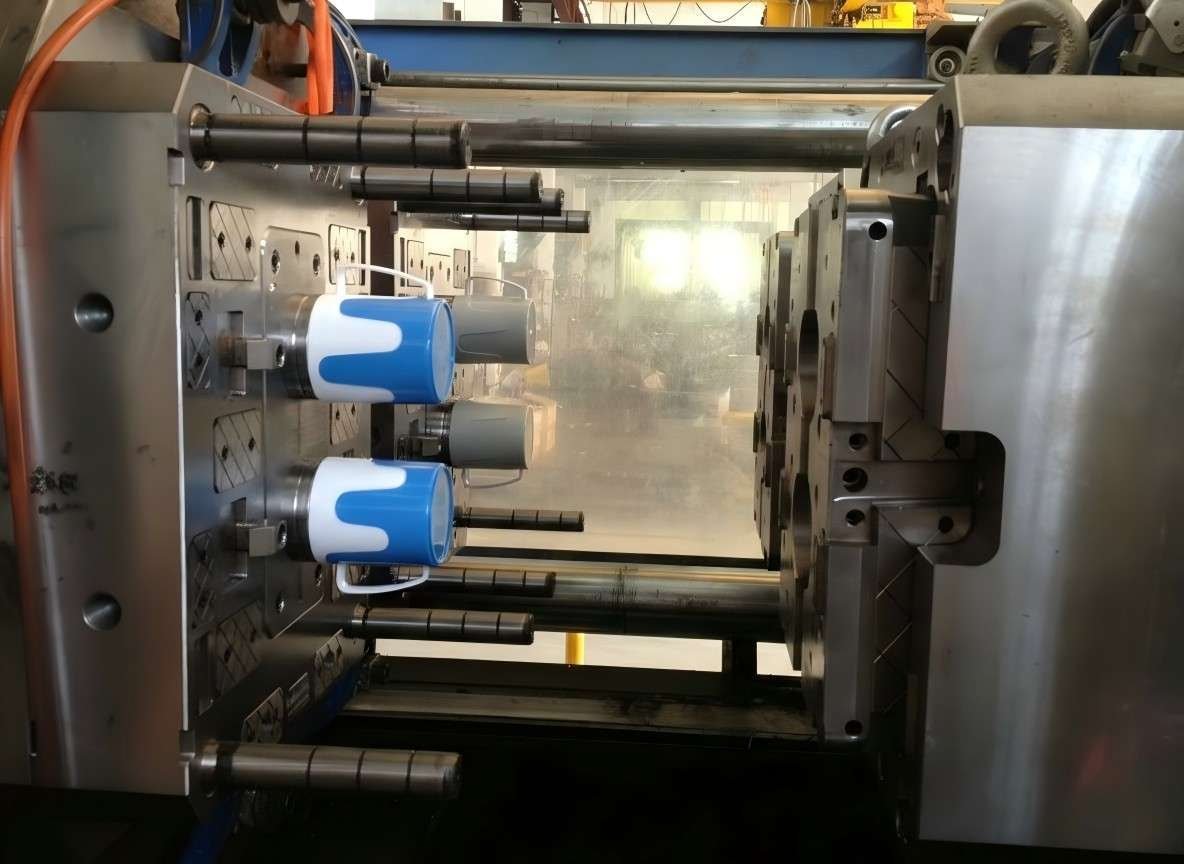
2K injection molding is the gold standard for high-volume, multi-material manufacturing, offering superior bond strength and lower unit costs at the expense of higher upfront tooling investment.
Ready to consolidate your assembly and lower your per-unit costs? The complexity of 2K molding requires a manufacturing partner with deep engineering roots. Contact the tooling experts at GBM today for a comprehensive DFM review. Let us show you how we can optimize your multi-material project for maximum quality and long-term ROI.