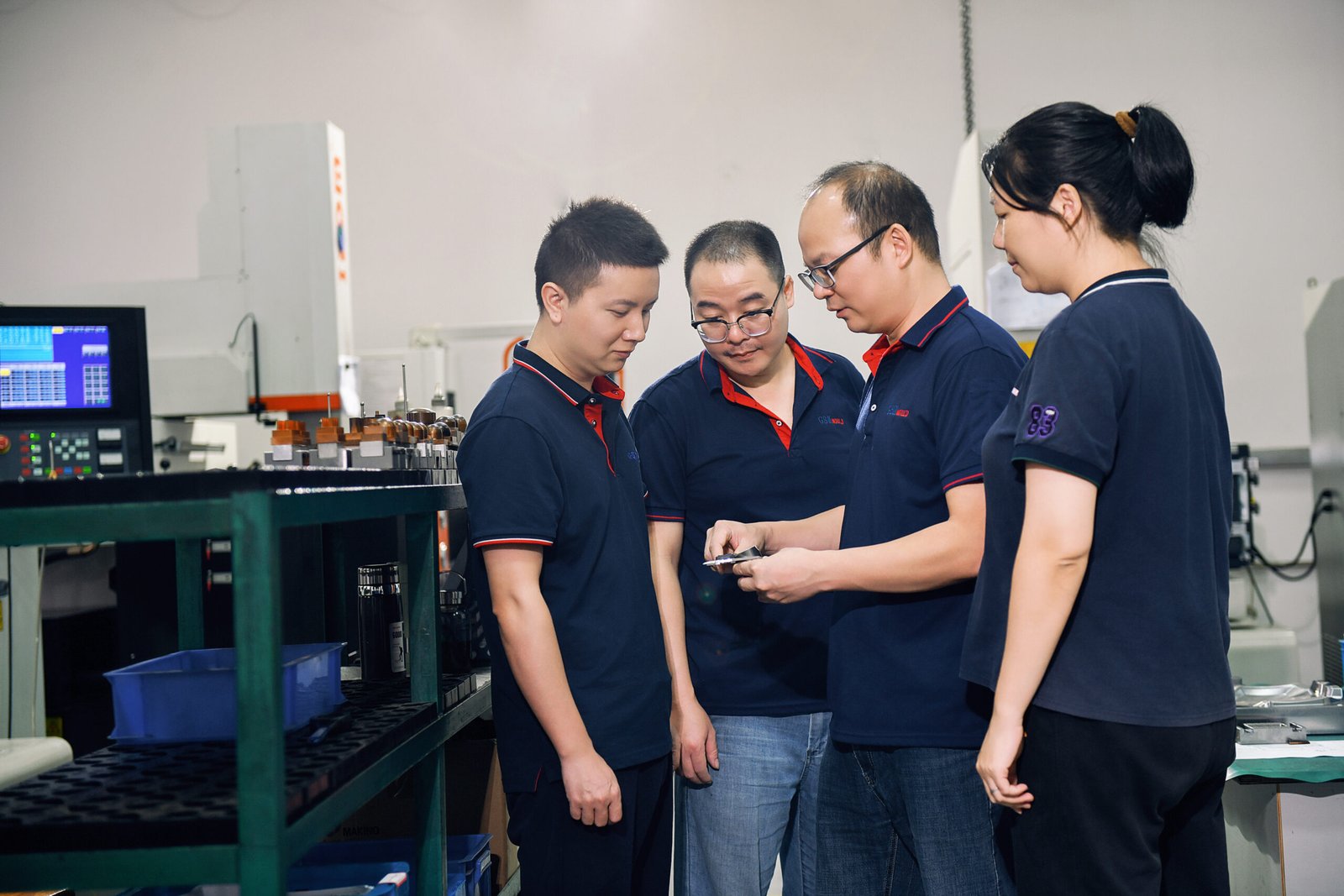

Polypropylene (PP) injection molding is a highly versatile manufacturing process used to produce durable, lightweight, and cost-effective plastic components. By melting PP resin and injecting it into a precision-machined mold under high pressure, manufacturers can create complex shapes with excellent chemical resistance and fatigue strength. This process is essential across modern industries, from automotive parts to consumer packaging and medical devices.
What is pp injection molding?
PP injection molding is a manufacturing technique where solid polypropylene pellets are melted and forced into a metal mold cavity. Once the liquid plastic cools and solidifies, it takes the exact shape of the mold. It is favored for producing high-volume, flexible, and chemically resistant parts efficiently.
🎥 Watch PP Molding in Action: See the exact cycle of melting, injecting, and cooling that transforms raw polypropylene pellets into high-precision parts in seconds.
Core Manufacturing Principles
Polypropylene is a thermoplastic polymer, meaning it becomes liquid when heated and solidifies when cooled, a process that can be repeated without significantly degrading the material. The injection molding process leverages this property to mass-produce identical parts with extremely tight tolerances. Because PP is semi-crystalline, it flows easily into complex mold designs, making it highly adaptable.
- Low Melt Viscosity: Allows the material to fill thin-walled sections of the mold easily.
- High Chemical Resistance: Unaffected by most acids, bases, and industrial solvents.
- Excellent Fatigue Resistance: Capable of enduring thousands of bending cycles without failure.
- Cost-Effectiveness: Raw PP resin is one of the most affordable thermoplastics on the market.
GBM Pro Tip: Always factor in a shrinkage rate of 1.5% to 2.0% when designing molds for PP, as this semi-crystalline material contracts significantly during the cooling phase.
How Does pp injection molding Work?
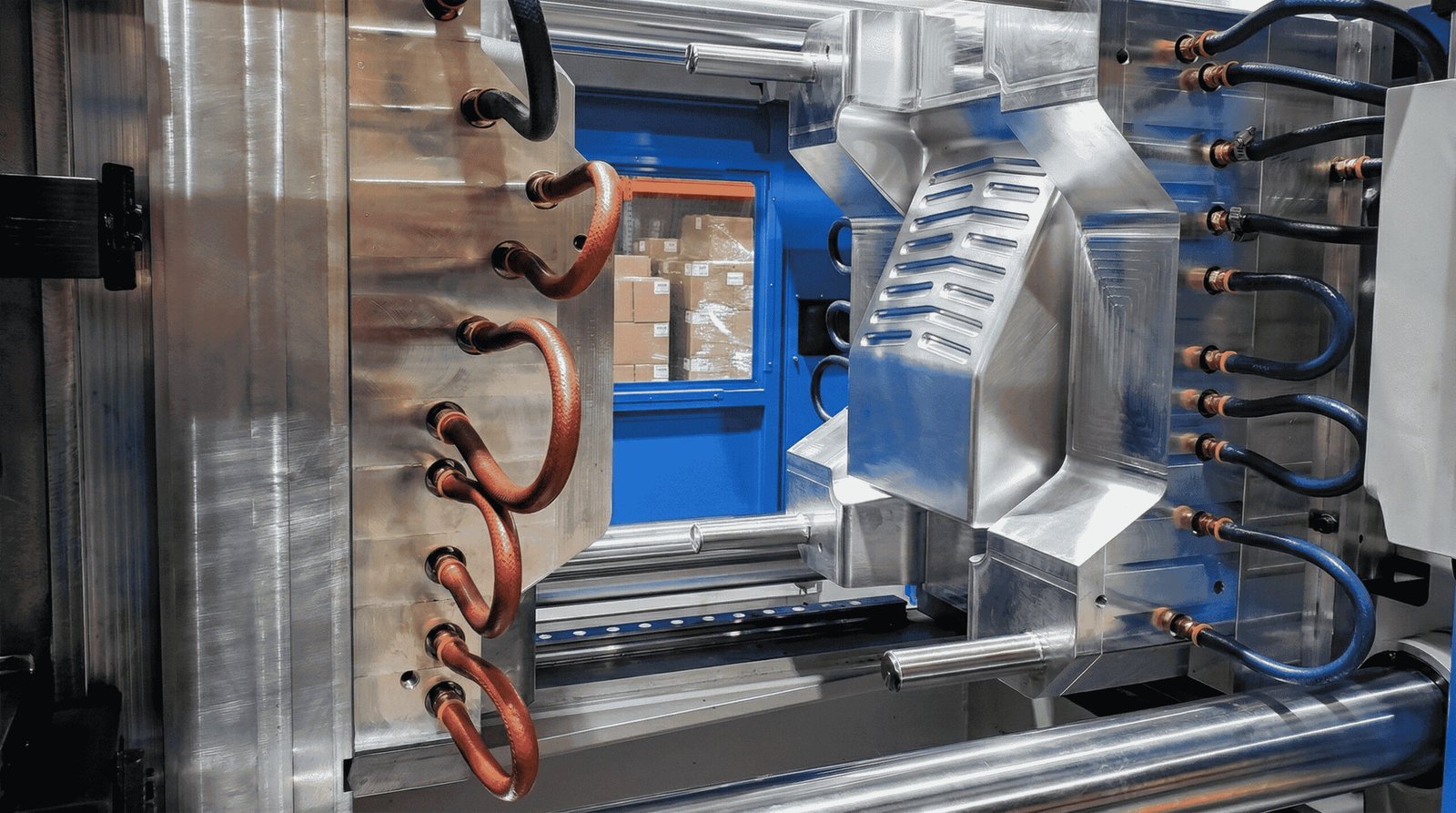
The process involves four main stages: clamping, injection, cooling, and ejection. Polypropylene resin is fed into a heated barrel, melted, and injected into a closed mold via a rotating screw. After the plastic cools and hardens, the mold opens to eject the finished part.
The Four-Step Injection Process
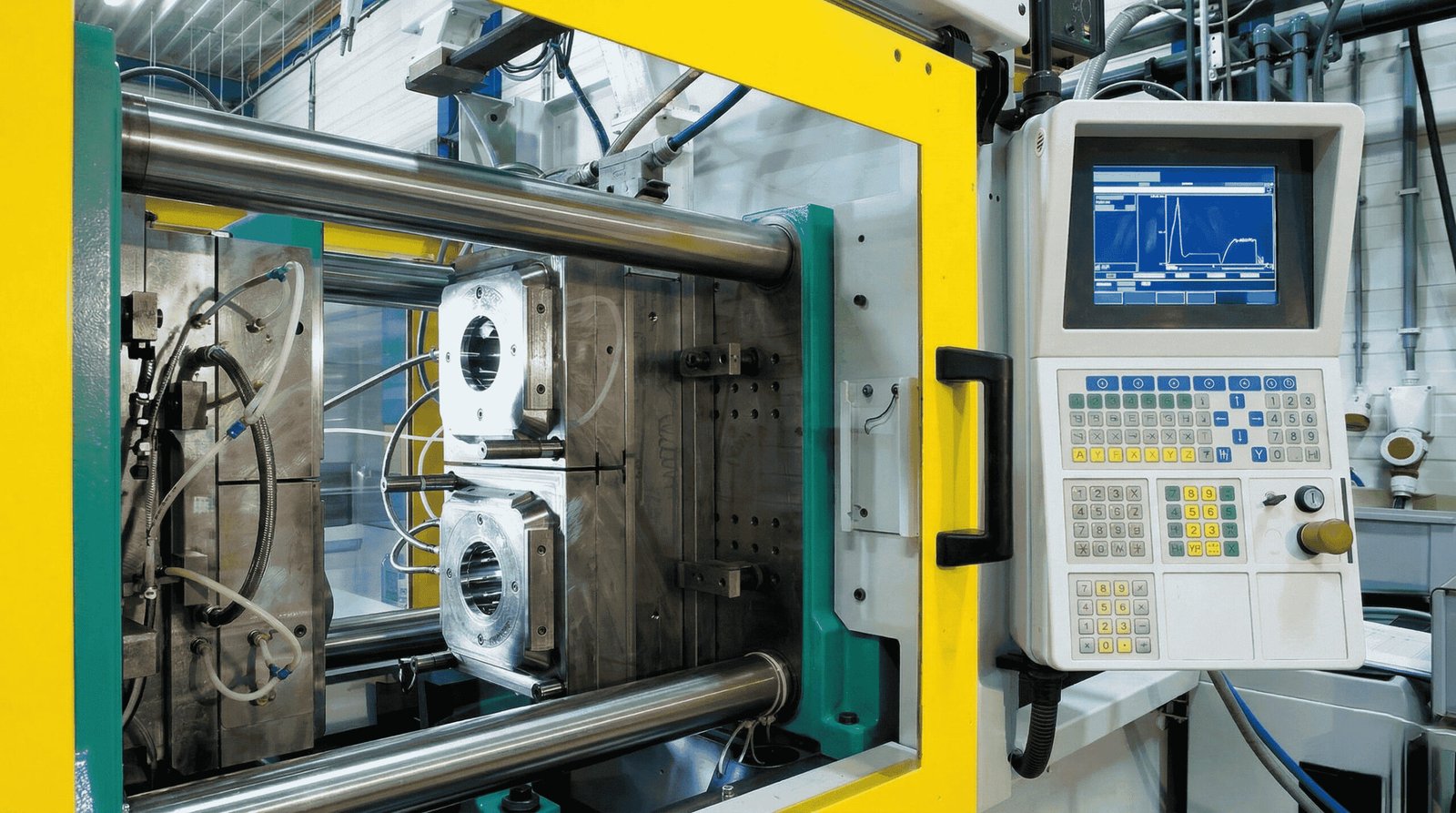
To understand how high-quality PP parts are manufactured, it is helpful to break down the machine cycle. The injection molding machine coordinates pressure, temperature, and timing to ensure the polypropylene fills the mold uniformly without trapping air or creating sink marks.
- Clamping: The two halves of the mold are tightly closed by a hydraulic or mechanical press.
- Injection: Pellets are melted at temperatures typically between 400°F and 480°F. The auger screw forces the molten PP into the mold cavity.
- Cooling: Water channels within the mold absorb heat, allowing the PP to solidify rapidly.
- Ejection: The mold opens, and ejector pins push the finished polypropylene part out of the cavity.
GBM Pro Tip: Maintaining a consistent mold temperature between 80°F and 150°F is critical to minimize warpage and ensure a uniform crystalline structure in the final PP part.
What is injection molded PP?
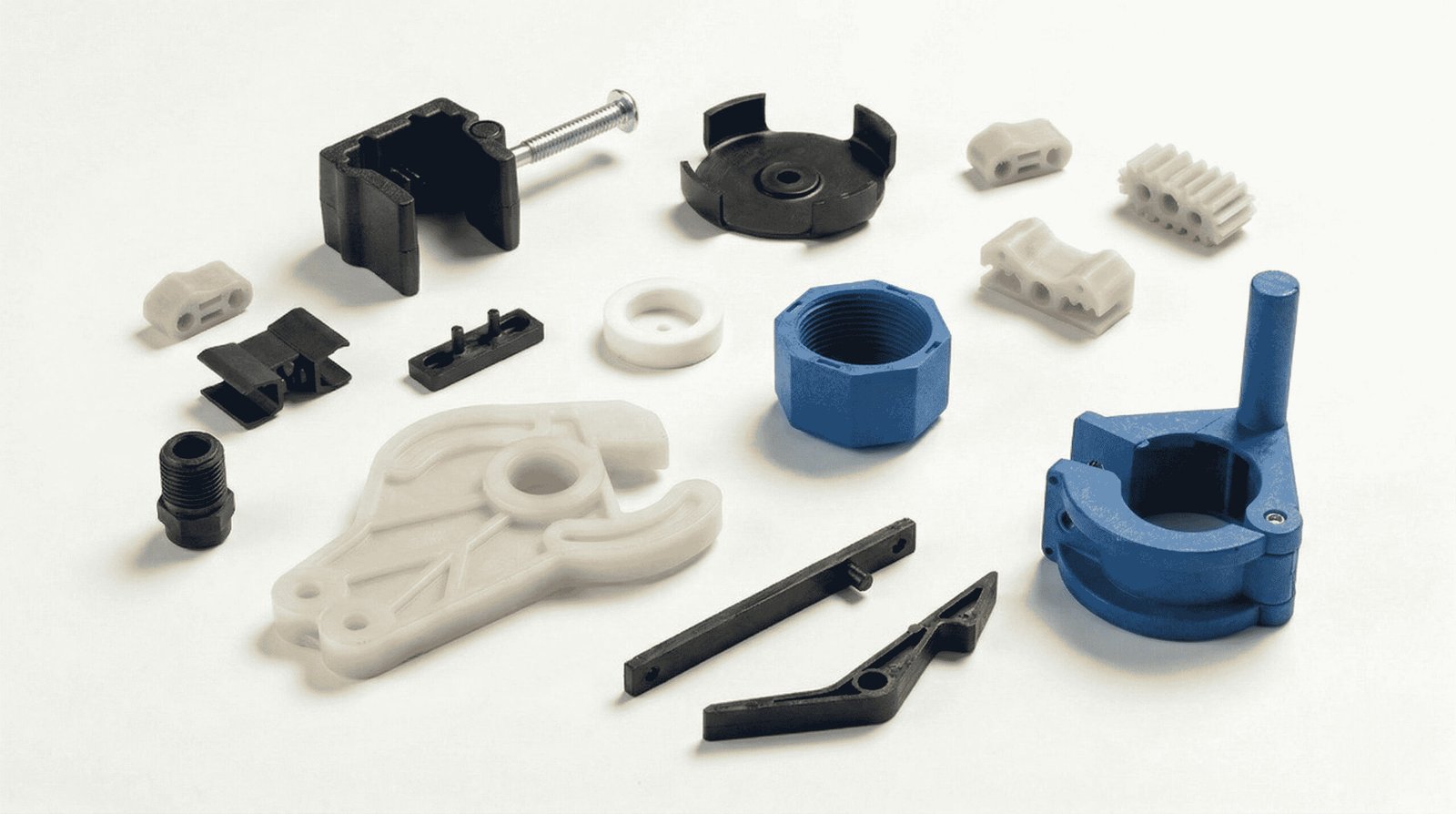
Injection molded PP refers to the final physical products created using polypropylene in an injection molding machine. These products exhibit high impact resistance, excellent moisture barriers, and living-hinge capabilities, making them ideal for items like bottle caps, containers, and automotive interiors.
🎥 Real-World PP Applications: Explore how the unique living-hinge capabilities and impact resistance of PP are utilized in everyday consumer and industrial products.
Common Applications and Product Types
Because injection molded PP is food-safe, non-toxic, and highly durable, it is ubiquitous in daily life. It is the material of choice when a product requires a balance of toughness, flexibility, and resistance to environmental factors.
PP is the material of choice for several high-demand sectors:
| Industry | Common Injection Molded PP Parts | Key Material Benefit |
|---|---|---|
| Packaging | Bottle caps, food containers, closures | Food-safe, moisture resistant |
| Automotive | Bumpers, interior trim, battery cases | Lightweight, impact resistant |
| Medical | Syringes, sample vials, pill bottles | Sterilizable, chemical resistant |
| Consumer Goods | Storage bins, toys, living hinges | High fatigue strength, affordable |
GBM Pro Tip: If you need to manufacture a “living hinge” (like a flip-top ketchup cap), injection molded PP is the absolute best material choice due to its incredible fatigue resistance.
Is PP plastic soft or hard?
Polypropylene is classified as a semi-rigid plastic. It is not as hard as polycarbonate or ABS, nor is it as soft as silicone or flexible PVC. It strikes a unique balance, offering structural stiffness while maintaining enough flexibility to bend without breaking under stress.
Mechanical Properties of Polypropylene
The hardness of PP can vary slightly depending on its specific formulation, but it generally sits in the middle of the plastic hardness spectrum. It is tough enough to hold its shape under load but pliable enough to absorb impacts.
- Shore Hardness: Typically falls around 70-85 on the Shore D scale.
- Tensile Strength: Ranges from 4,500 to 6,000 psi, providing good structural integrity.
- Impact Resistance: Excellent, particularly in copolymer variants, allowing it to absorb shocks without shattering.
- Flexural Modulus: Allows for bending and flexing, which is why it does not easily crack under pressure.
GBM Pro Tip: To increase the hardness and rigidity of PP, you can blend it with glass fibers or talc. A 30% glass-filled PP acts much like a rigid engineering plastic.
What is grade PP material?
Grade PP material refers to the specific formulation of polypropylene used for manufacturing. The two primary grades are homopolymer, which offers high stiffness and heat resistance, and copolymer, which provides superior impact strength and flexibility, especially at lower temperatures.
🎥 Material Selection Breakdown: Dive deeper into the engineering differences between homopolymer and copolymer grades to ensure you select the optimal resin for your specific environment.
Homopolymer vs. Copolymer PP
Selecting the correct grade of PP is essential for the success of your injection molding project. Manufacturers adjust the chemical composition during the polymerization process to create distinct grades tailored for specific environmental and mechanical demands.
Here is a quick reference guide to help you choose the right grade:
| Feature | Homopolymer PP | Copolymer PP |
|---|---|---|
| Composition | Pure propylene monomers | Propylene blended with ethylene |
| Stiffness | High | Moderate |
| Impact Strength | Lower (can be brittle in cold) | High (excellent in freezing temps) |
| Clarity | Semi-transparent | Opaque |
| Best For | Hot-fill packaging, rigid pipes | Cold storage containers, car bumpers |
GBM Pro Tip: Choose copolymer PP for products that will be exposed to freezing temperatures, as homopolymer PP tends to become brittle and crack in cold environments.
Key Features & Comparison
Understanding how PP stacks up against other common injection molding plastics helps in making informed material selections. PP is often compared to Polyethylene (PE) and Acrylonitrile Butadiene Styrene (ABS) due to overlapping applications.
Here is how PP stacks up against other high-volume commodities:
| Material | Cost | Flexibility | Chemical Resistance | Heat Resistance |
|---|---|---|---|---|
| Polypropylene (PP) | Low | High | Excellent | Good (up to 180°F) |
| Polyethylene (PE) | Lowest | Very High | Good | Low |
| ABS | Moderate | Low (Rigid) | Moderate | Moderate |
Why Partner with GBM for Your PP Injection Molding Projects?
Polypropylene is a highly versatile material, but mastering its high shrinkage rates and cooling dynamics requires world-class tooling and processing expertise. At GBM, we don’t just run machines; we engineer end-to-end manufacturing solutions designed for global scale and uncompromised precision.
- Mastery of Semi-Crystalline Polymers: Our engineering team deeply understands the thermal behavior of PP. Through advanced DFM (Design for Manufacturability) and Moldflow® analysis, we design molds that perfectly compensate for the 1.5% to 2.0% shrinkage rates, eliminating warpage and ensuring your parts meet strict dimensional tolerances every single cycle.
- Global B2B Export Standards: We are heavily invested in the success of your international supply chain. GBM consistently delivers high-volume injection molded components that meet the rigorous quality and regulatory demands of the North American (USA and Mexico) and European (including Germany and Eastern Europe) markets. Whether you need automotive trim or food-safe packaging, our parts are export-ready.
- Optimized Tooling for High-Volume ROI: PP’s fast cooling times are perfect for mass production. We build premium multi-cavity hardened steel molds optimized for rapid cycling, drastically reducing your piece price and maximizing your return on investment for large-scale wholesale orders.
- End-to-End Solutions: From material selection (homopolymer vs. copolymer) to structural design (perfecting the living hinge), our team provides technical guidance at every step to ensure your product performs flawlessly in its end-use environment.
Ready to scale your PP manufacturing? Visit us at gbminjection.com to explore our comprehensive tooling capabilities, or contact our engineering team today to get a detailed quote and DFM analysis for your next project.
Cost & Buying Factors
When planning a PP injection molding project, several cost factors come into play. Polypropylene itself is highly economical, but the upfront tooling and production parameters will dictate the overall budget.
- Mold Tooling: Steel molds for high-volume PP production range from $5,000 to $50,000+ depending on part complexity and cavitation.
- Material Costs: PP resin is relatively cheap, typically costing between $0.80 and $1.20 per pound.
- Production Volume: Because the cycle times for PP are fast, high-volume runs significantly drive down the cost per part.
- Additives: UV stabilizers, colorants, or glass-fiber reinforcements will increase the raw material cost.
Conclusion
Polypropylene (PP) injection molding remains a cornerstone of modern manufacturing, offering an unbeatable combination of affordability, chemical resistance, and structural versatility. Whether you are producing flexible packaging, durable automotive components, or medical-grade devices, understanding the nuances between homopolymer and copolymer grades will ensure your project’s success. By partnering with an experienced manufacturer like GBM, you can optimize your mold design for PP’s unique shrinkage rates and leverage this powerful material to bring your products to market efficiently.