What is Injection Mold? – Definition, Types and Materials
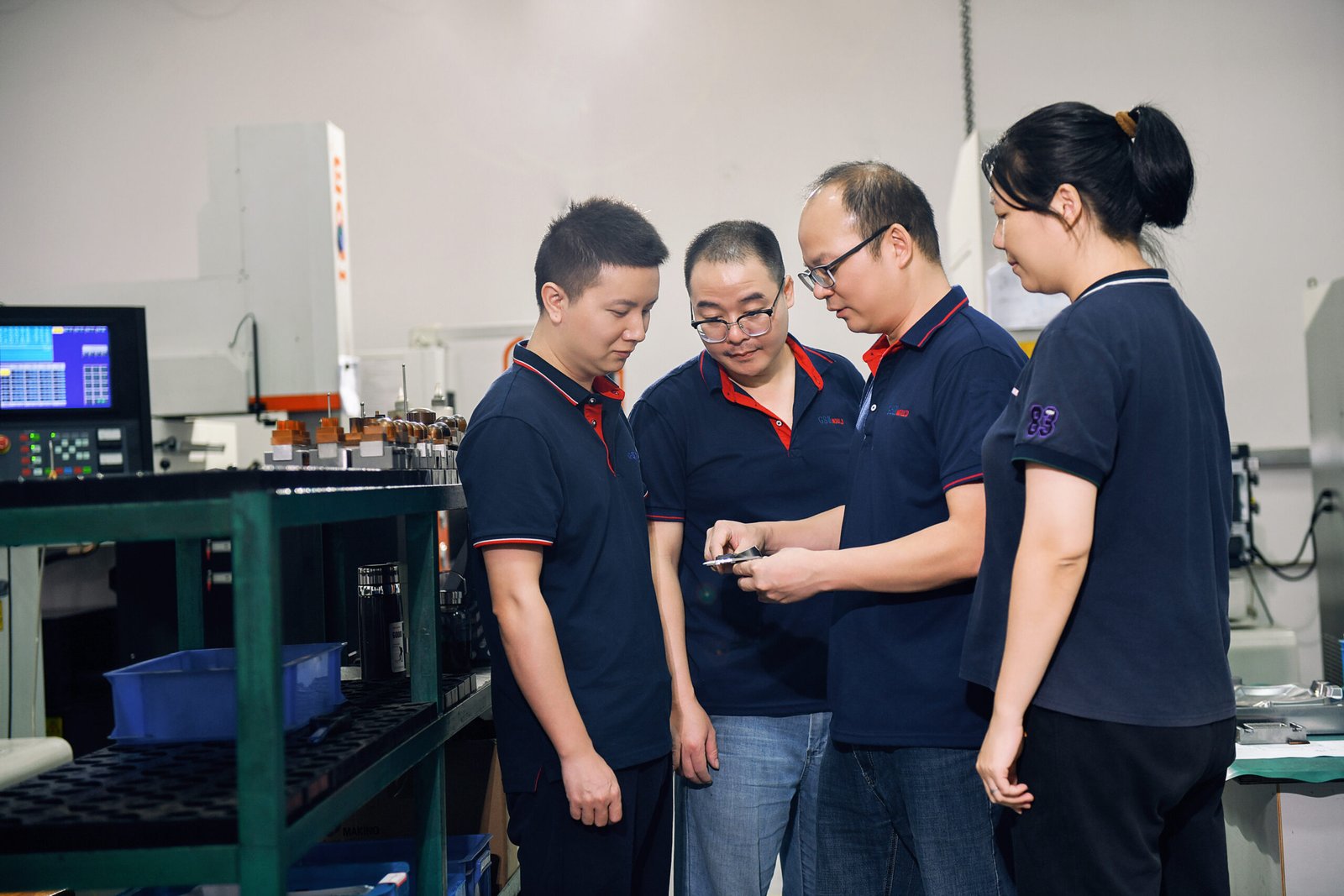
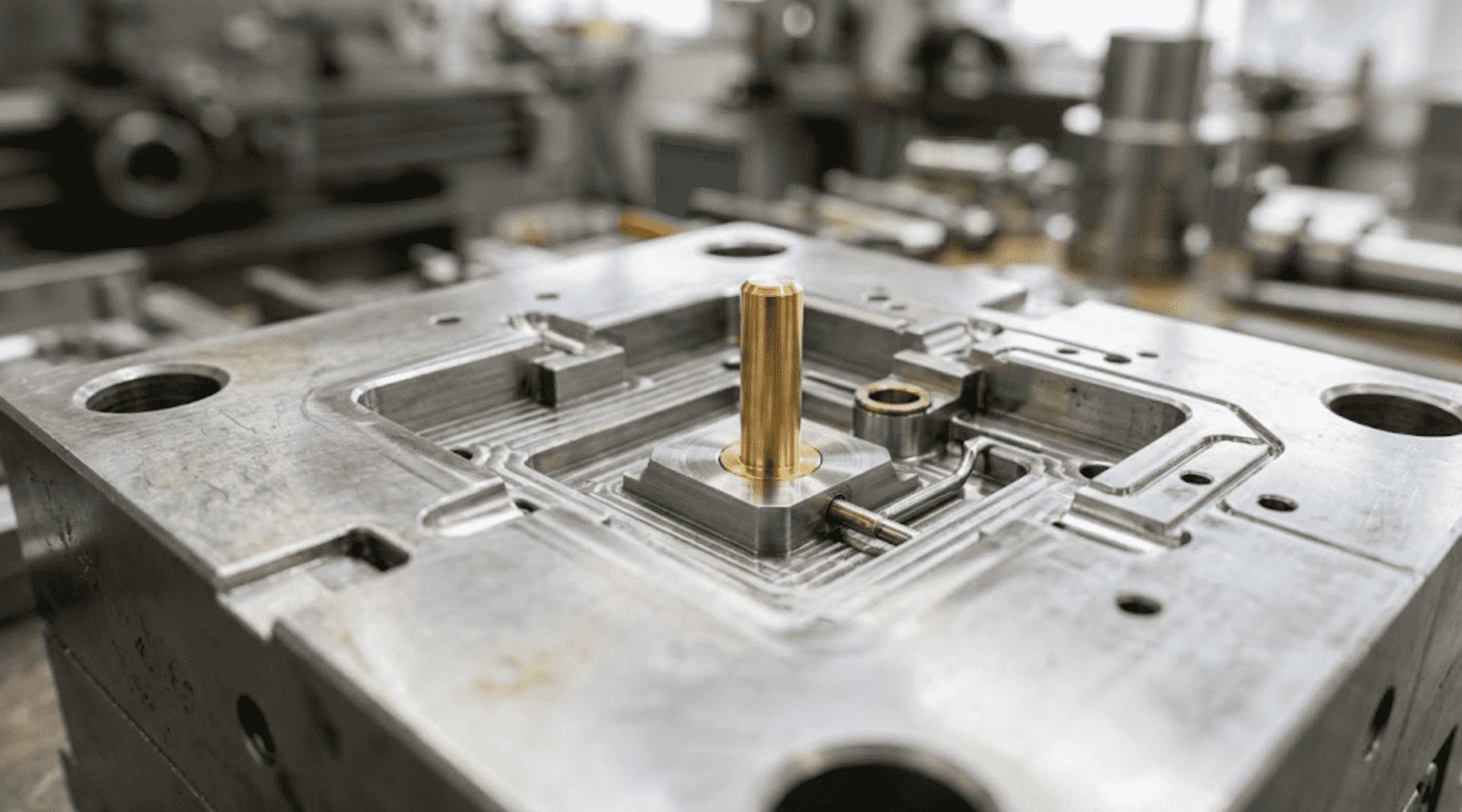
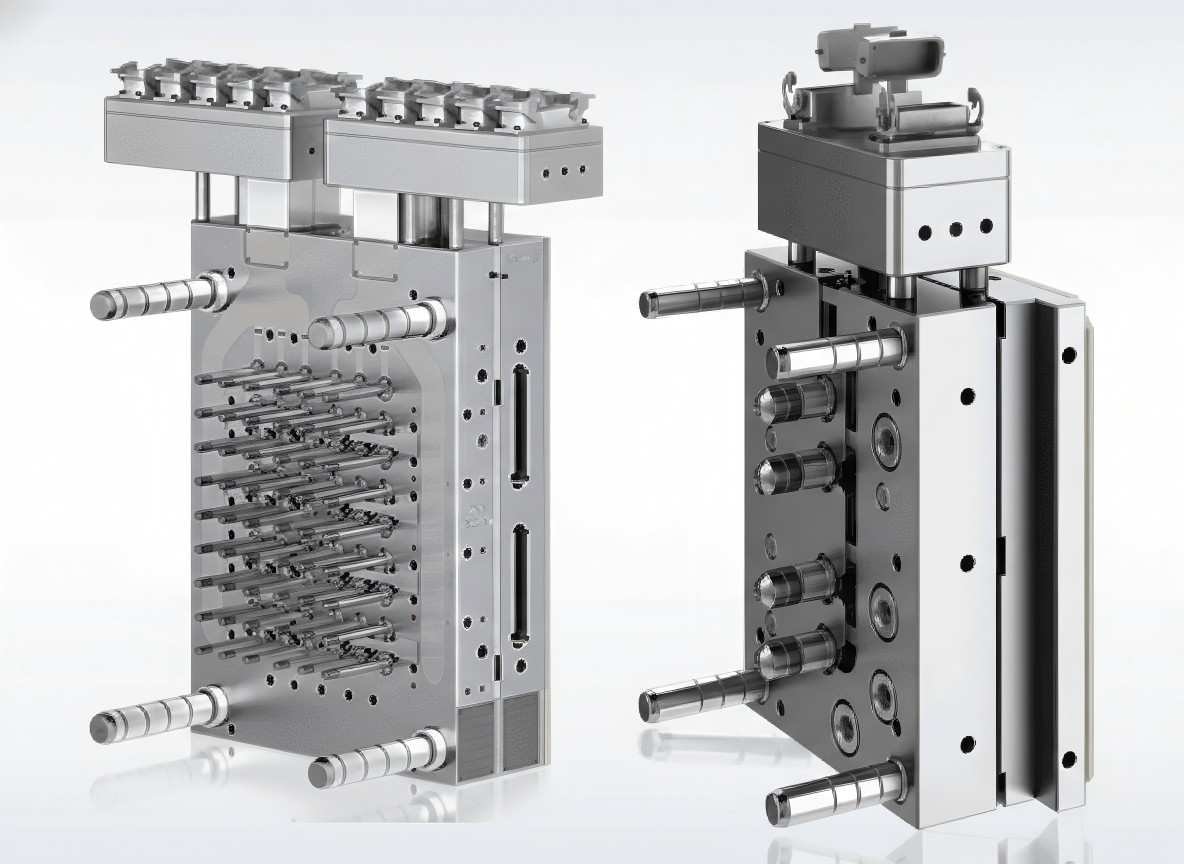
An injection mold is the custom-designed tooling used in the injection molding process to shape molten plastic into a specific final product. Acting as the negative imprint of the desired part, these molds are precision-engineered from high-strength metals like steel or aluminum to withstand immense pressure and heat. Understanding the intricacies of mold design, material […]
Injection Molding vs. CNC Machining: Which is Better for Your Project?
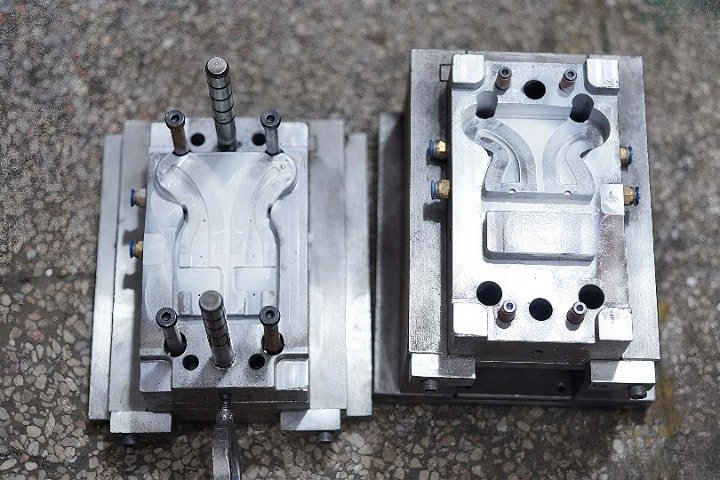
Injection Molding is the superior choice for mass production, offering extremely low unit costs after high initial tooling expenses are covered. Conversely, CNC Machining is better for prototyping and low-volume runs, providing high precision and quick turnaround times without upfront mold costs. Your decision depends entirely on production volume and budget. What is Injection Molding? […]
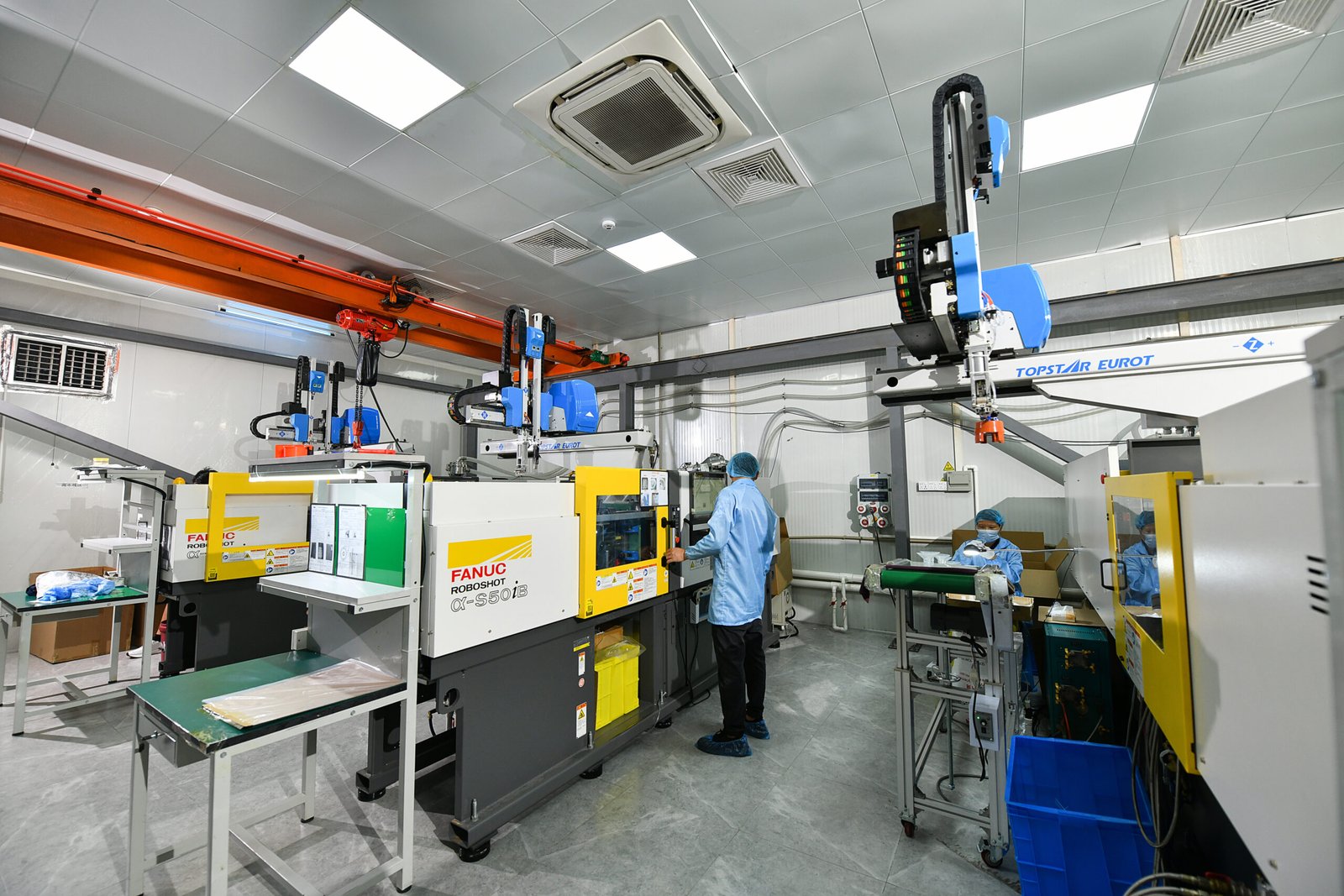
What is the difference between injection molding and extrusion?
The main difference between injection molding and extrusion is the final form of the product. Injection molding creates discrete, three-dimensional parts with complex shapes by injecting material into a closed mold, whereas extrusion produces continuous, two-dimensional profiles like pipes or tubing by forcing material through a die. What is Injection Molding? Injection molding is a […]
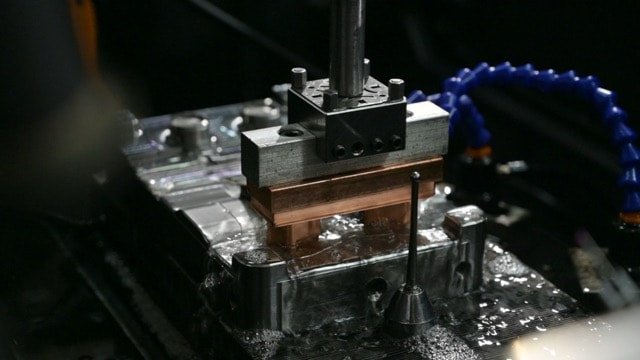
How Much Does Injection Mold Tooling Cost?
Injection mold tooling costs generally range from $3,000 to $6,000 for simple, low-volume aluminum prototype molds, while production-grade, multi-cavity hardened steel molds typically cost between $20,000 and $100,000 or more. The final investment is driven by part complexity, size, material selection (aluminum vs. tool steel), and the required cavitation to meet annual production volume targets. […]
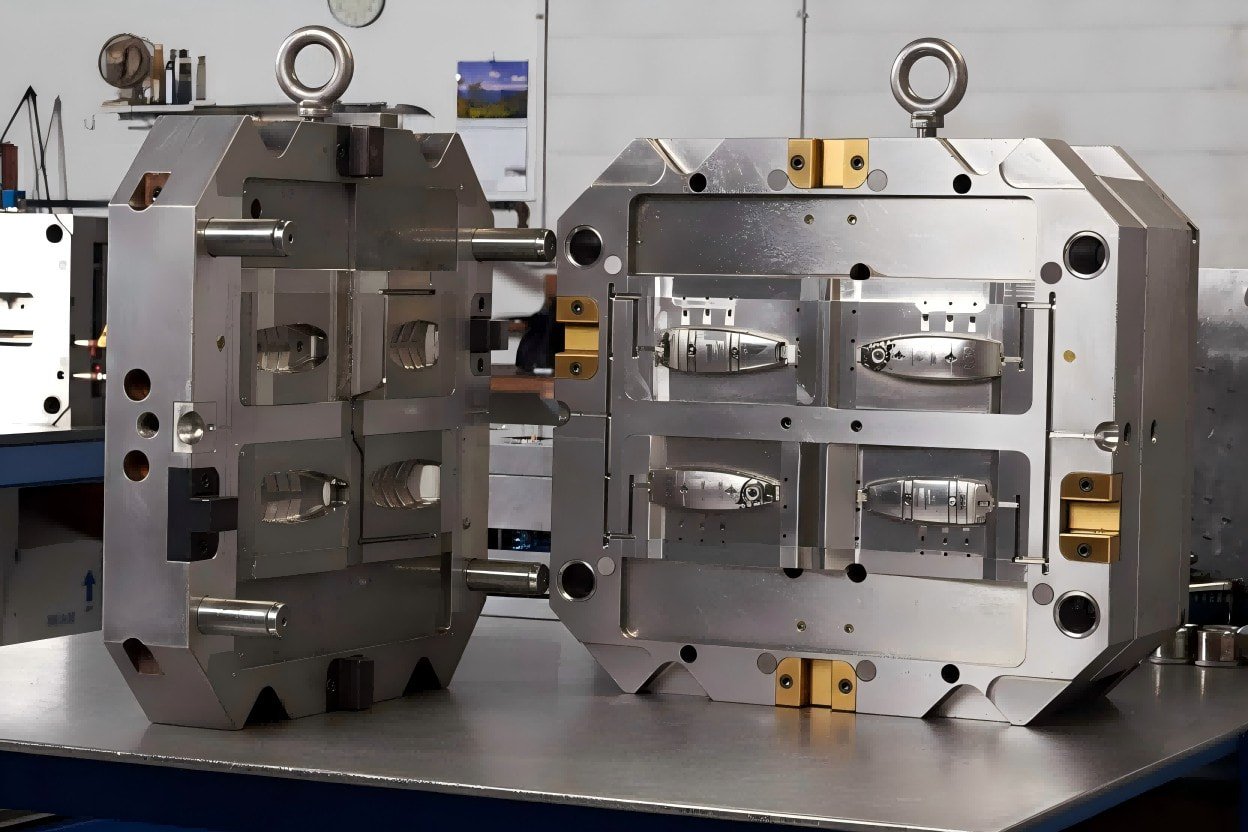
How Long Does It Take To Make An Injection Mold?
The time required to manufacture an injection mold typically ranges from 4 to 8 weeks for standard steel tooling. However, simple aluminum prototype molds can be completed in 1 to 2 weeks, while complex, multi-cavity hardened steel molds for high-volume production may require 12 to 16 weeks or more depending on design complexity and shop […]
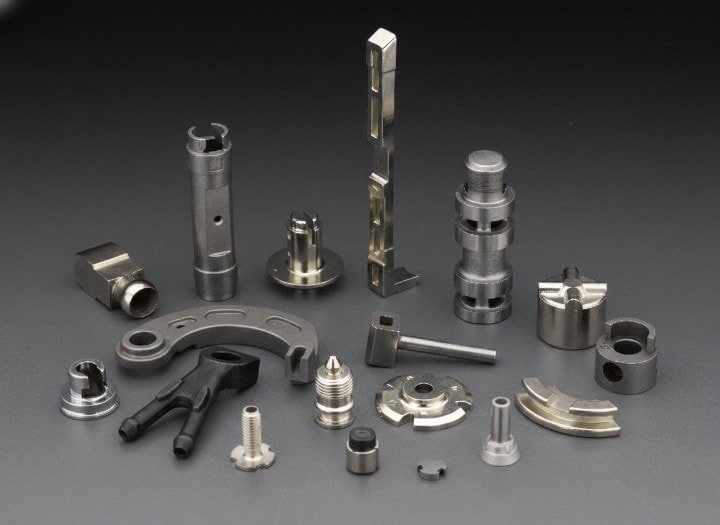
How To Make An Injection Mold?
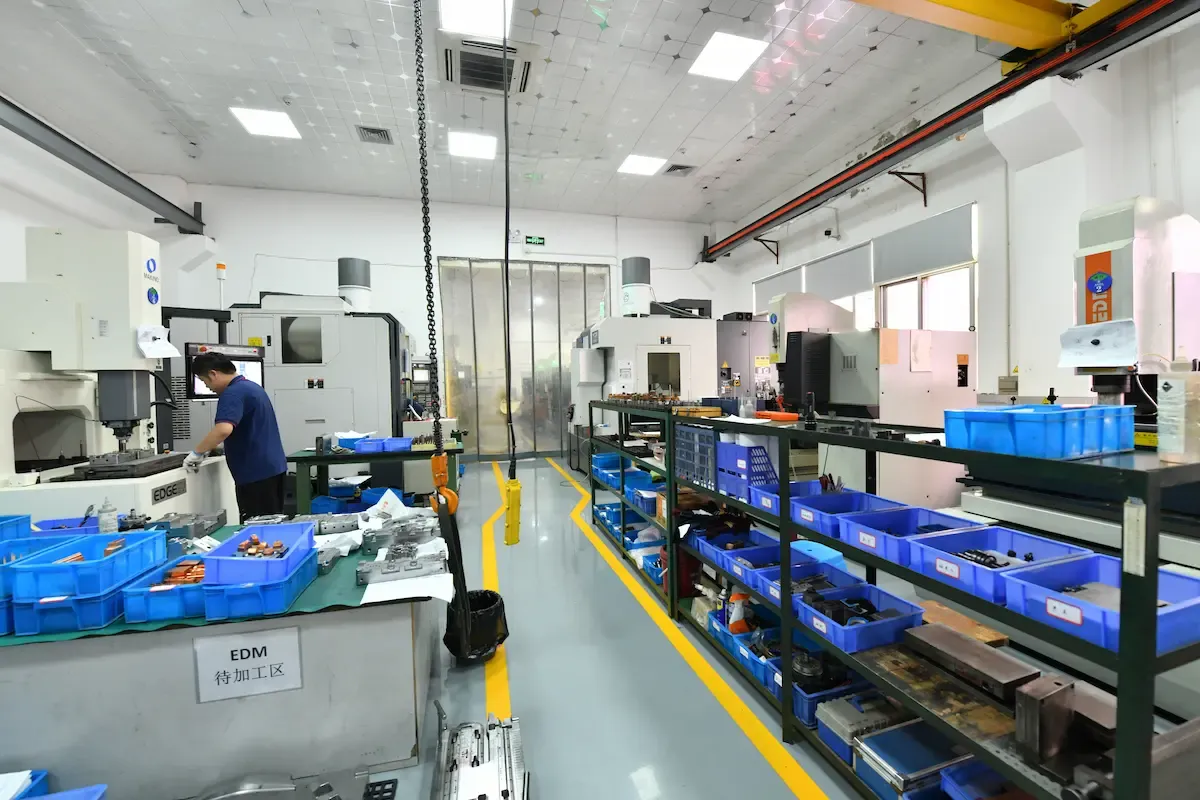
To make an injection mold, engineers first create a 3D CAD design that accounts for shrinkage and draft angles. The mold core and cavity are then machined from aluminum or hardened steel using CNC milling and Electrical Discharge Machining (EDM). Finally, the tool is polished, assembled with ejection pins, and tested in a press to […]
How To Choose Injection Mold Suppliers?
Injection molding is the primary manufacturing process for creating a vast array of plastic products, ranging from high-precision medical devices like syringes and surgical handles to everyday consumer goods such as bottle caps, toys, and electronic housings. It is also critical for producing durable automotive components like dashboards, bumpers, and interior panels, offering unmatched scalability […]
What Products Are Injection Molded?
Injection molding is the primary manufacturing process for creating a vast array of plastic products, ranging from high-precision medical devices like syringes and surgical handles to everyday consumer goods such as bottle caps, toys, and electronic housings. It is also critical for producing durable automotive components like dashboards, bumpers, and interior panels, offering unmatched scalability […]
What Is The Use Of Injection Mold?
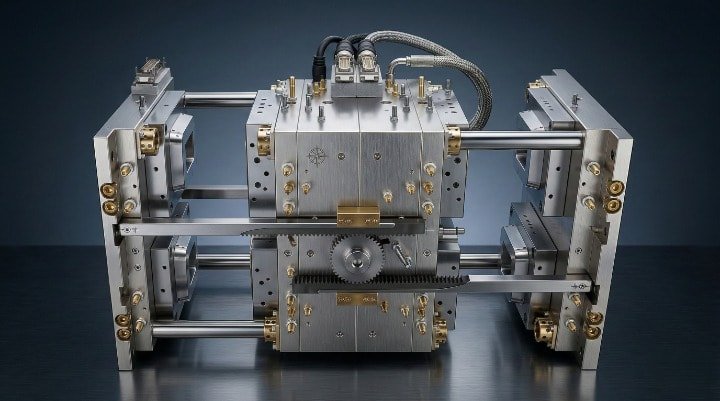
An injection mold is a custom-engineered tool used to manufacture identical plastic parts in high volumes by shaping molten material into a specific design. It is the primary component in the injection molding process, serving as the negative cavity that dictates the part’s geometry, surface finish, and dimensional accuracy for mass production. 🎥 Explore the […]
Industry Insights & Technical Hub
Explore our latest news, technical guides, and manufacturing solutions.
What is Injection Mold? – Definition, Types and Materials
An injection mold is the custom-designed tooling used in the injection molding process to shape molten plastic into a specific final product. Acting as the negative imprint of the desired part, these molds are precision-engineered from high-strength metals like steel or aluminum to withstand immense pressure and heat. Understanding the intricacies of mold design, material […]
Injection Molding vs. CNC Machining: Which is Better for Your Project?
Injection Molding is the superior choice for mass production, offering extremely low unit costs after high initial tooling expenses are covered. Conversely, CNC Machining is better for prototyping and low-volume runs, providing high precision and quick turnaround times without upfront mold costs. Your decision depends entirely on production volume and budget. What is Injection Molding? […]
What is the difference between injection molding and extrusion?
The main difference between injection molding and extrusion is the final form of the product. Injection molding creates discrete, three-dimensional parts with complex shapes by injecting material into a closed mold, whereas extrusion produces continuous, two-dimensional profiles like pipes or tubing by forcing material through a die. What is Injection Molding? Injection molding is a […]
How Much Does Injection Mold Tooling Cost?
Injection mold tooling costs generally range from $3,000 to $6,000 for simple, low-volume aluminum prototype molds, while production-grade, multi-cavity hardened steel molds typically cost between $20,000 and $100,000 or more. The final investment is driven by part complexity, size, material selection (aluminum vs. tool steel), and the required cavitation to meet annual production volume targets. […]
How Long Does It Take To Make An Injection Mold?
The time required to manufacture an injection mold typically ranges from 4 to 8 weeks for standard steel tooling. However, simple aluminum prototype molds can be completed in 1 to 2 weeks, while complex, multi-cavity hardened steel molds for high-volume production may require 12 to 16 weeks or more depending on design complexity and shop […]
How To Make An Injection Mold?
To make an injection mold, engineers first create a 3D CAD design that accounts for shrinkage and draft angles. The mold core and cavity are then machined from aluminum or hardened steel using CNC milling and Electrical Discharge Machining (EDM). Finally, the tool is polished, assembled with ejection pins, and tested in a press to […]
How To Choose Injection Mold Suppliers?
Injection molding is the primary manufacturing process for creating a vast array of plastic products, ranging from high-precision medical devices like syringes and surgical handles to everyday consumer goods such as bottle caps, toys, and electronic housings. It is also critical for producing durable automotive components like dashboards, bumpers, and interior panels, offering unmatched scalability […]
What Products Are Injection Molded?
Injection molding is the primary manufacturing process for creating a vast array of plastic products, ranging from high-precision medical devices like syringes and surgical handles to everyday consumer goods such as bottle caps, toys, and electronic housings. It is also critical for producing durable automotive components like dashboards, bumpers, and interior panels, offering unmatched scalability […]
What Is The Use Of Injection Mold?
An injection mold is a custom-engineered tool used to manufacture identical plastic parts in high volumes by shaping molten material into a specific design. It is the primary component in the injection molding process, serving as the negative cavity that dictates the part’s geometry, surface finish, and dimensional accuracy for mass production. 🎥 Explore the […]