What is pp injection molding?
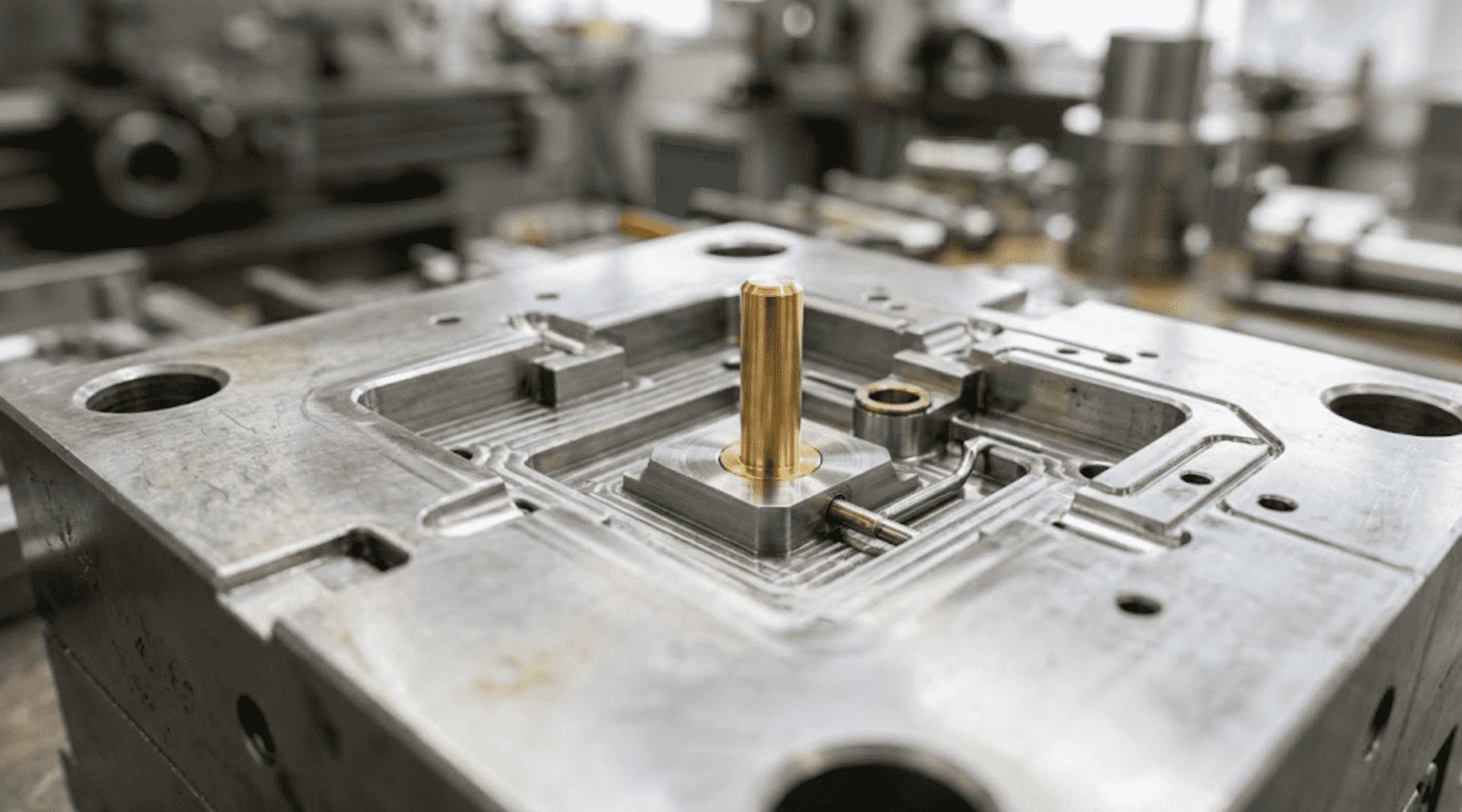
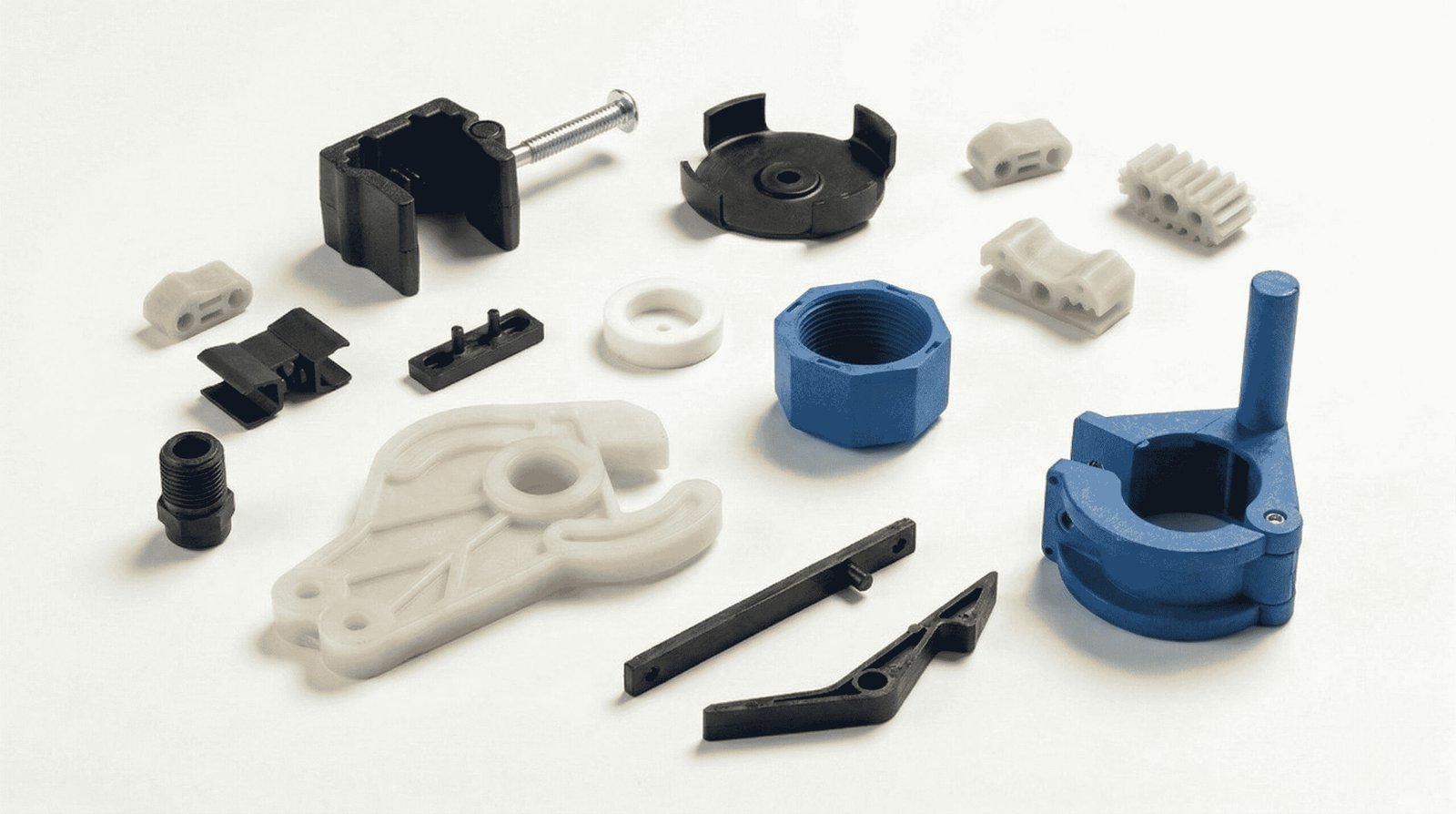
Polypropylene (PP) injection molding is a highly versatile manufacturing process used to produce durable, lightweight, and cost-effective plastic components. By melting PP resin and injecting it into a precision-machined mold under high pressure, manufacturers can create complex shapes with excellent chemical resistance and fatigue strength. This process is essential across modern industries, from automotive parts […]
What is gas injection molding?
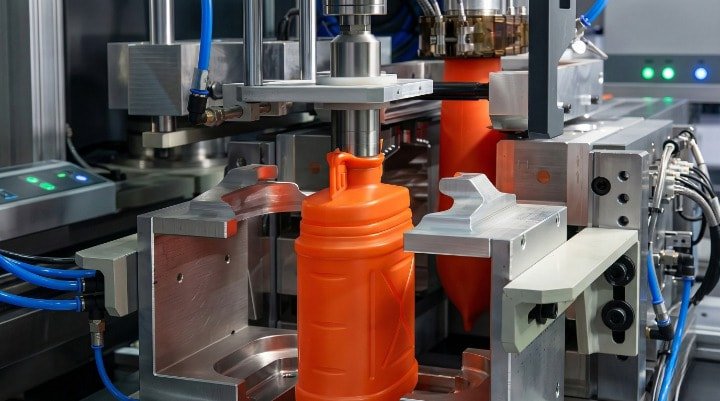
Gas injection molding is an advanced manufacturing process that introduces pressurized nitrogen gas into the melt stream of injected plastics. This innovative technique hollows out thick sections of a part, reducing material usage, minimizing sink marks, and decreasing cooling times. By hollowing out the core, manufacturers can produce lightweight, structurally sound, and complex plastic components […]
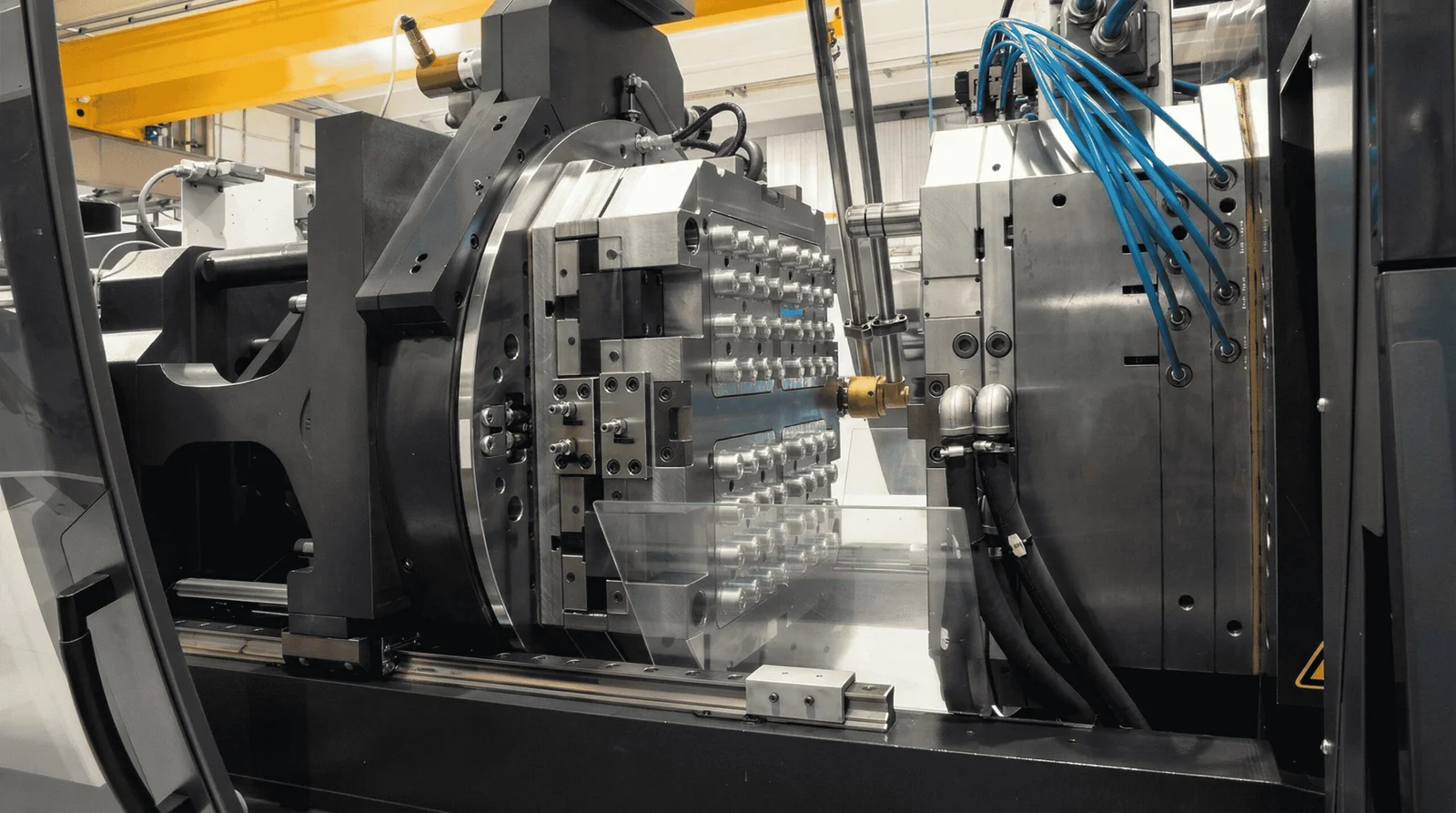
What is back injection molding?
Back injection molding is an advanced manufacturing technique where molten plastic is injected directly onto the back of a decorative or functional material, such as fabric, film, or foil, already placed inside the mold cavity. This process eliminates the need for secondary adhesive applications, permanently bonding the substrate to the rigid plastic carrier. It is […]
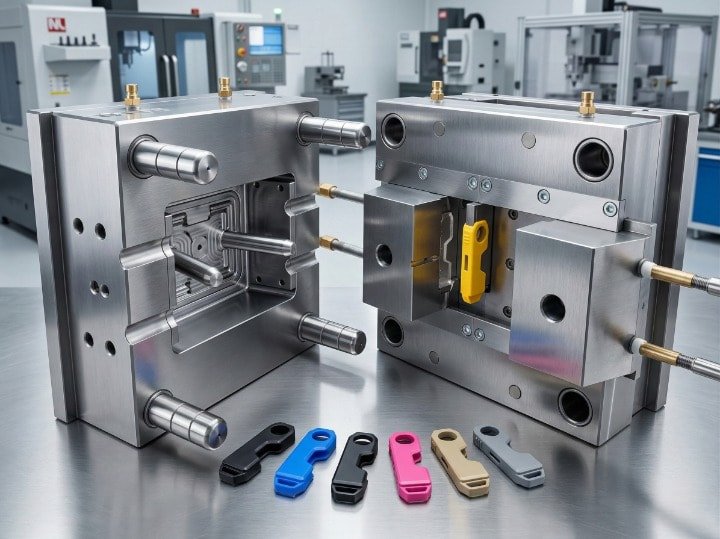
How does injection molding work?
Injection molding works by melting plastic pellets and injecting the liquid resin under high pressure into a custom-machined metal mold cavity. Once the plastic cools and solidifies into the desired shape, the mold opens, and the finished part is ejected. This highly repeatable process is ideal for mass-producing complex, durable plastic components. 🎥 Inside the […]
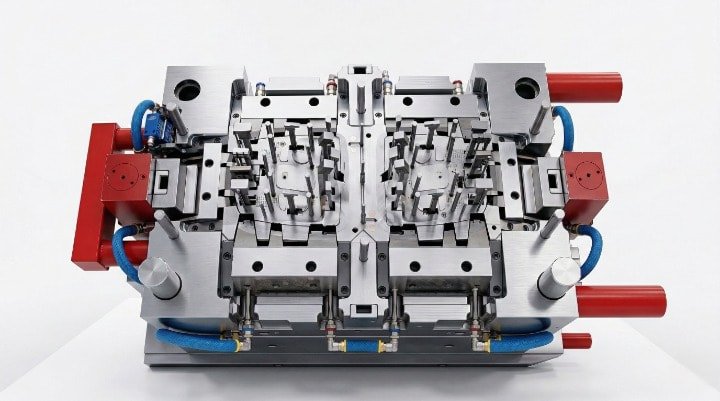
How does an injection molding machine work?
An injection molding machine works by melting plastic pellets and injecting the liquid polymer under high pressure into a custom-machined metal mold. Once the plastic cools and solidifies, the machine opens the mold to eject the finished part, repeating this cycle rapidly for mass production. 🎥 Inside the Machine: Watch a 3D visualization of the […]
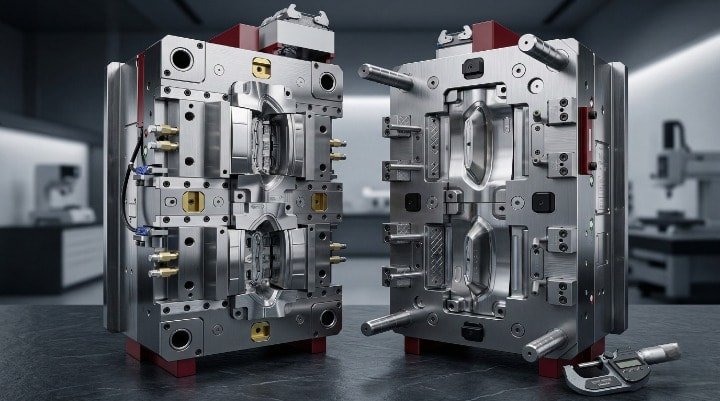
How injection moulding is used in the medical industry?
Injection molding is heavily utilized in the medical industry to mass-produce high-precision, sterile, and biocompatible plastic components. By forcing molten medical-grade plastics into custom steel molds under high pressure, manufacturers can rapidly create everything from surgical instruments and implantables to diagnostic enclosures with exceptionally tight tolerances and perfect repeatability. 🎥 Material Selection in Action: Watch […]
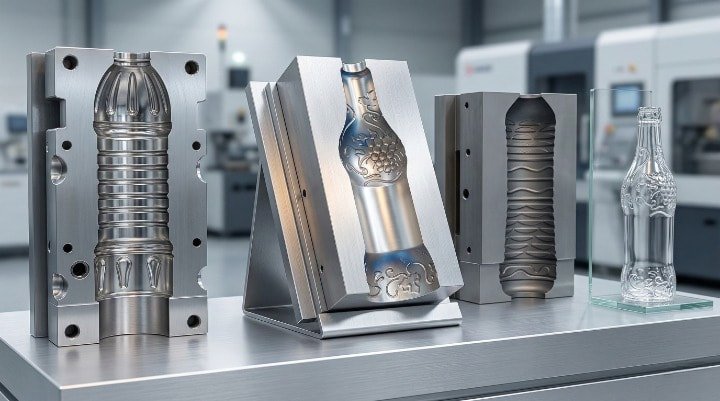
How many types of injection molding machines are there?
There are three main types of injection molding machines classified by their drive systems: hydraulic, electric, and hybrid. Hydraulic machines use fluid power, electric machines utilize high-speed servo motors, and hybrid machines combine both technologies to offer a balance of clamping force, energy efficiency, and precise operational control. 🎥 Watch the Drive Systems in Action: […]
How to improve injection molding process?
To effectively improve the injection molding process, manufacturers must focus on optimizing cycle times, maintaining precise temperature control, and implementing rigorous preventative maintenance. By utilizing scientific molding principles and upgrading to automated material handling, you can significantly reduce scrap rates, enhance part consistency, and maximize overall equipment effectiveness (OEE). Core Optimization Strategies Improving your injection […]
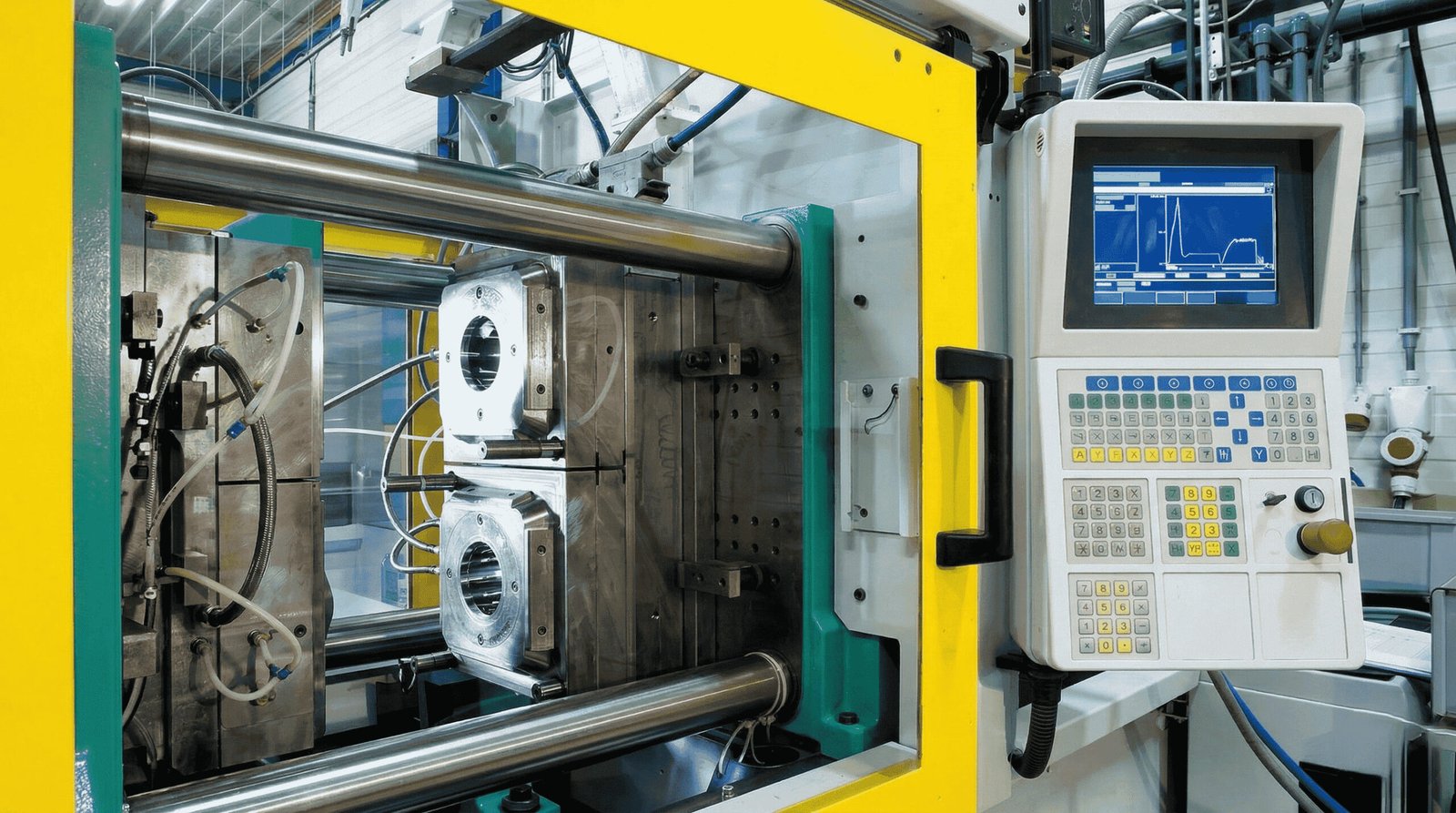
How to build a plastic injection molding machine?
To build a plastic injection molding machine, you must assemble a sturdy steel frame, mount a heated extrusion barrel with a plunger or screw mechanism, and integrate a clamping system to hold the mold closed. Precise temperature controllers and a reliable lever or pneumatic ram are essential for melting and injecting the plastic pellets under […]
Industry Insights & Technical Hub
Explore our latest news, technical guides, and manufacturing solutions.
What is pp injection molding?
Polypropylene (PP) injection molding is a highly versatile manufacturing process used to produce durable, lightweight, and cost-effective plastic components. By melting PP resin and injecting it into a precision-machined mold under high pressure, manufacturers can create complex shapes with excellent chemical resistance and fatigue strength. This process is essential across modern industries, from automotive parts […]
What is gas injection molding?
Gas injection molding is an advanced manufacturing process that introduces pressurized nitrogen gas into the melt stream of injected plastics. This innovative technique hollows out thick sections of a part, reducing material usage, minimizing sink marks, and decreasing cooling times. By hollowing out the core, manufacturers can produce lightweight, structurally sound, and complex plastic components […]
What is back injection molding?
Back injection molding is an advanced manufacturing technique where molten plastic is injected directly onto the back of a decorative or functional material, such as fabric, film, or foil, already placed inside the mold cavity. This process eliminates the need for secondary adhesive applications, permanently bonding the substrate to the rigid plastic carrier. It is […]
How does injection molding work?
Injection molding works by melting plastic pellets and injecting the liquid resin under high pressure into a custom-machined metal mold cavity. Once the plastic cools and solidifies into the desired shape, the mold opens, and the finished part is ejected. This highly repeatable process is ideal for mass-producing complex, durable plastic components. 🎥 Inside the […]
How does an injection molding machine work?
An injection molding machine works by melting plastic pellets and injecting the liquid polymer under high pressure into a custom-machined metal mold. Once the plastic cools and solidifies, the machine opens the mold to eject the finished part, repeating this cycle rapidly for mass production. 🎥 Inside the Machine: Watch a 3D visualization of the […]
How injection moulding is used in the medical industry?
Injection molding is heavily utilized in the medical industry to mass-produce high-precision, sterile, and biocompatible plastic components. By forcing molten medical-grade plastics into custom steel molds under high pressure, manufacturers can rapidly create everything from surgical instruments and implantables to diagnostic enclosures with exceptionally tight tolerances and perfect repeatability. 🎥 Material Selection in Action: Watch […]
How many types of injection molding machines are there?
There are three main types of injection molding machines classified by their drive systems: hydraulic, electric, and hybrid. Hydraulic machines use fluid power, electric machines utilize high-speed servo motors, and hybrid machines combine both technologies to offer a balance of clamping force, energy efficiency, and precise operational control. 🎥 Watch the Drive Systems in Action: […]
How to improve injection molding process?
To effectively improve the injection molding process, manufacturers must focus on optimizing cycle times, maintaining precise temperature control, and implementing rigorous preventative maintenance. By utilizing scientific molding principles and upgrading to automated material handling, you can significantly reduce scrap rates, enhance part consistency, and maximize overall equipment effectiveness (OEE). Core Optimization Strategies Improving your injection […]
How to build a plastic injection molding machine?
To build a plastic injection molding machine, you must assemble a sturdy steel frame, mount a heated extrusion barrel with a plunger or screw mechanism, and integrate a clamping system to hold the mold closed. Precise temperature controllers and a reliable lever or pneumatic ram are essential for melting and injecting the plastic pellets under […]