What is the difference between insert mold and over mold?
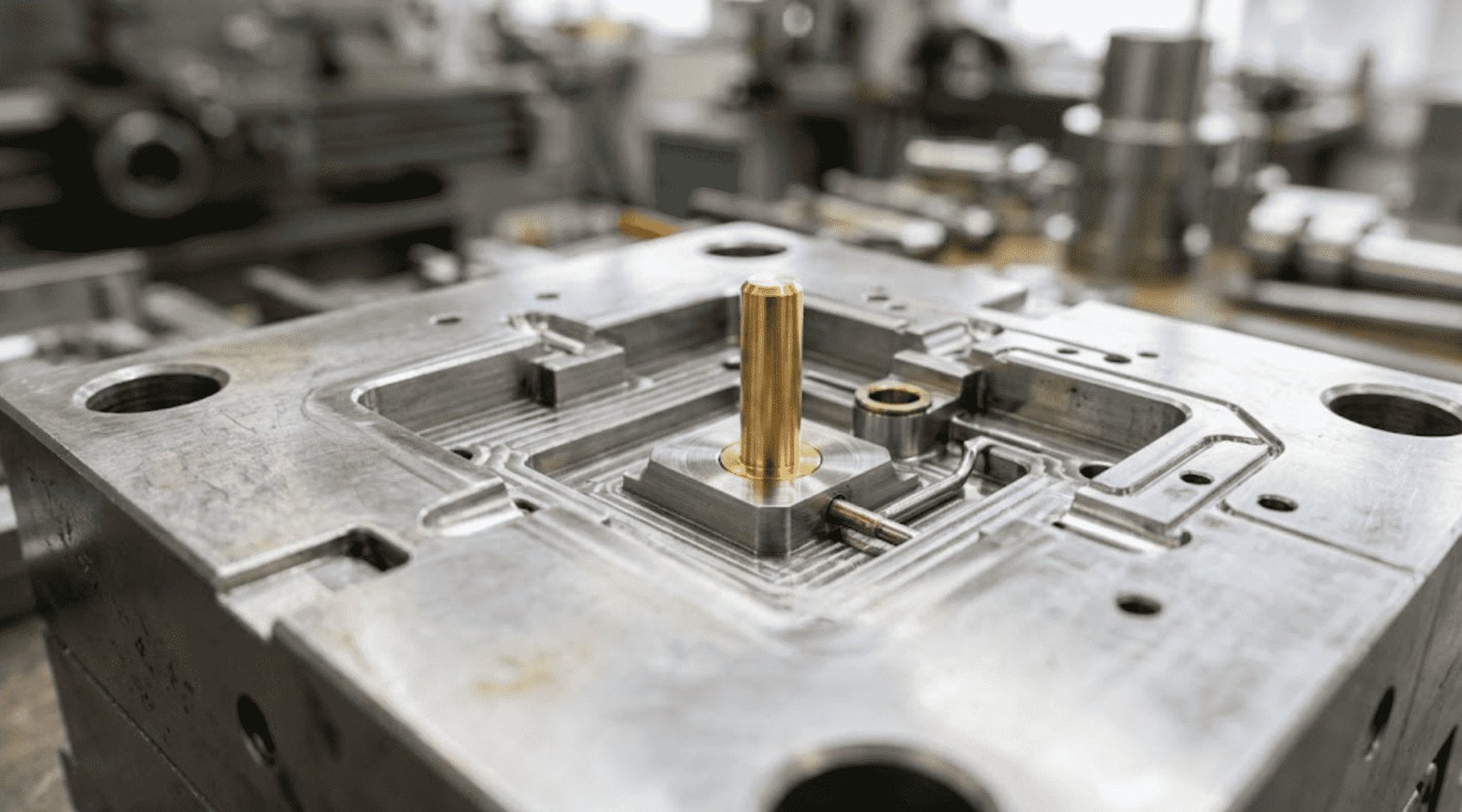
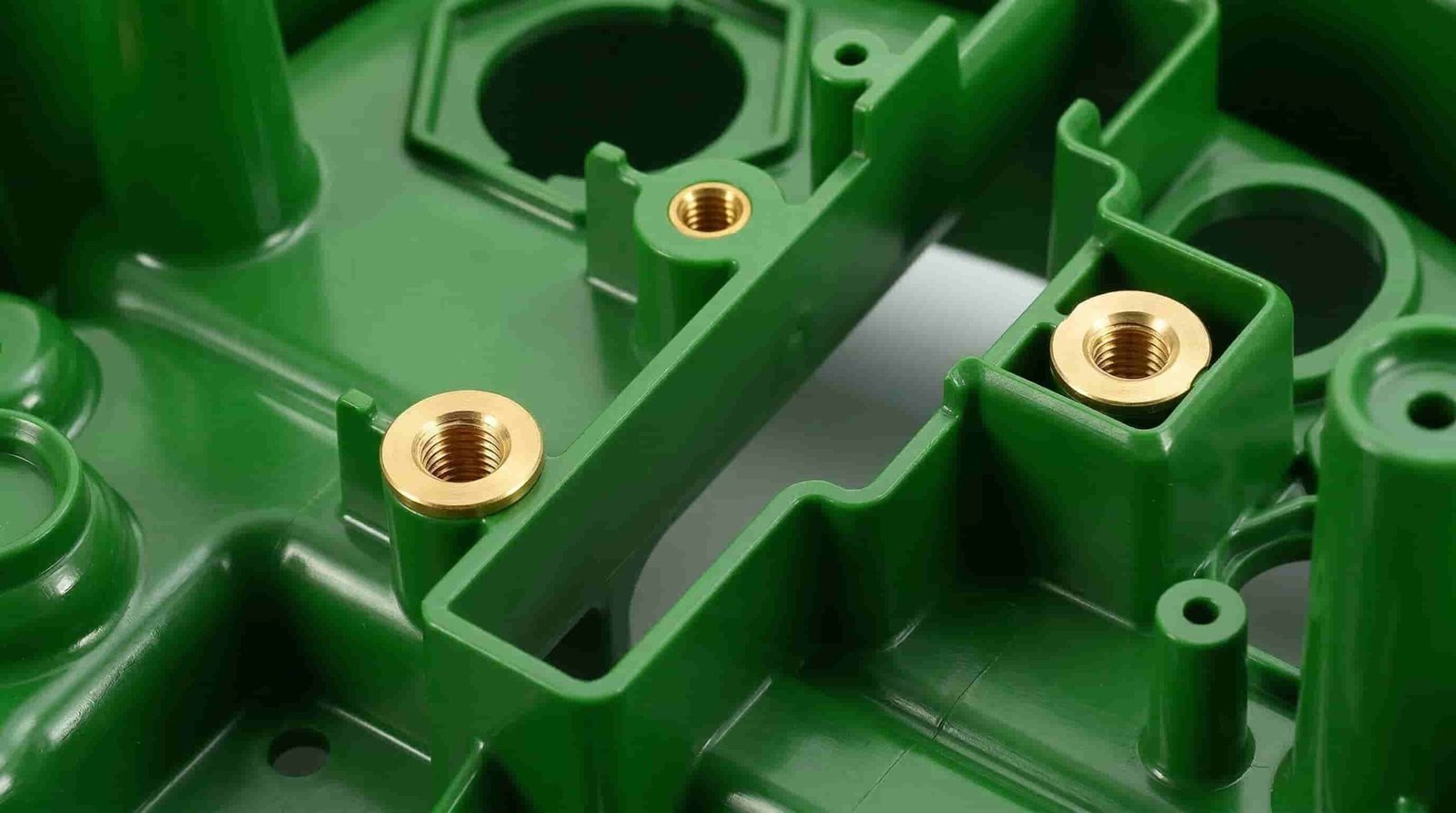
The main difference between an insert mold and an over mold lies in the base material and process sequence. Insert molding involves injecting plastic around a pre-placed non-plastic object, like a metal threaded nut. Overmolding, however, is a multi-step process that molds a secondary plastic or rubber layer directly over a previously molded plastic substrate. […]
Insert Molding Guide: Benefits, Applications & How It Works
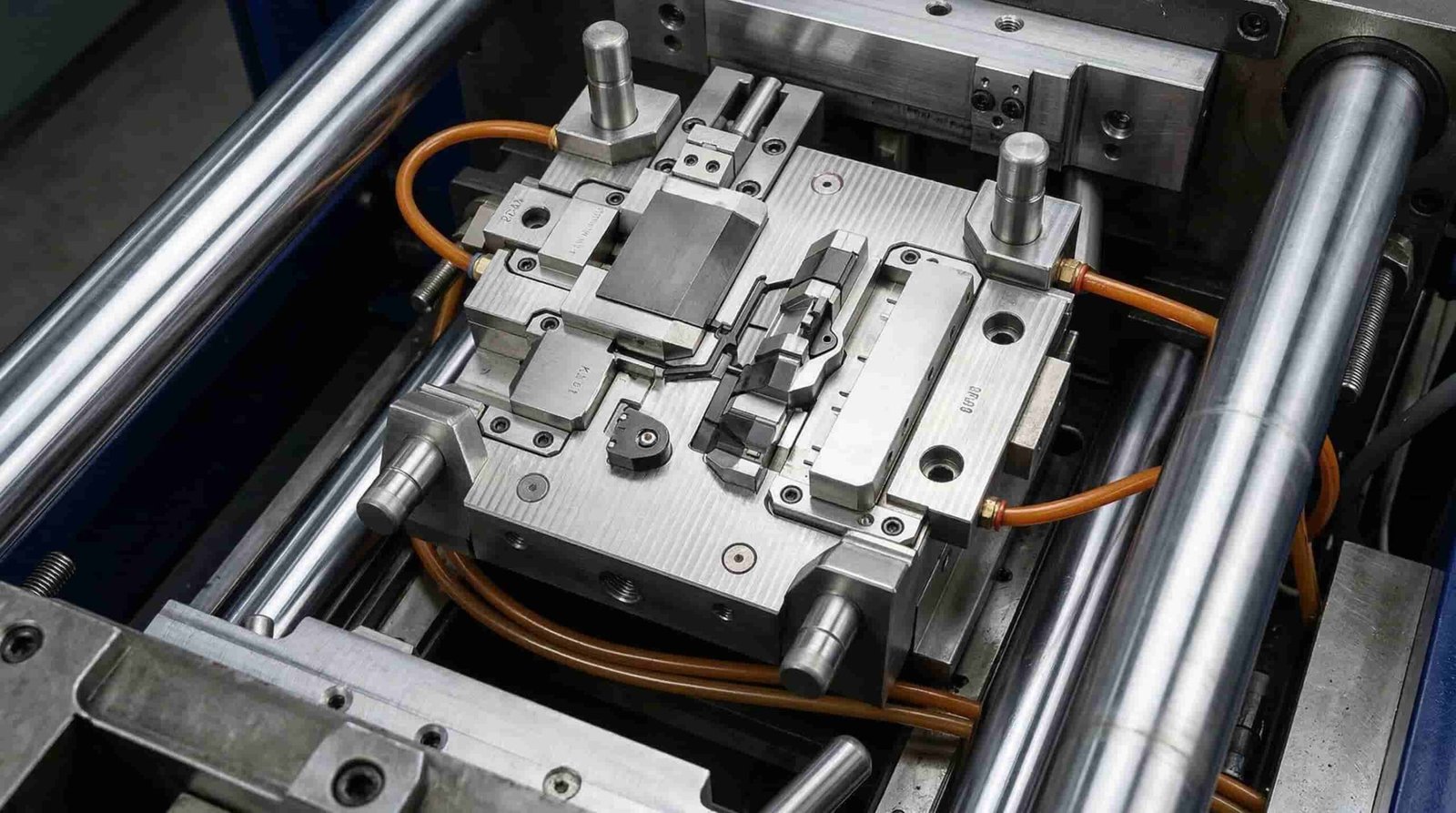
Insert molding is a highly efficient manufacturing process that combines metal or non-plastic components with molten plastic to create a single, robust final part. By integrating threaded nuts, electrical contacts, or structural reinforcements directly during the injection phase, this technique eliminates post-molding assembly steps. It is widely utilized across the automotive, medical, and consumer electronics […]
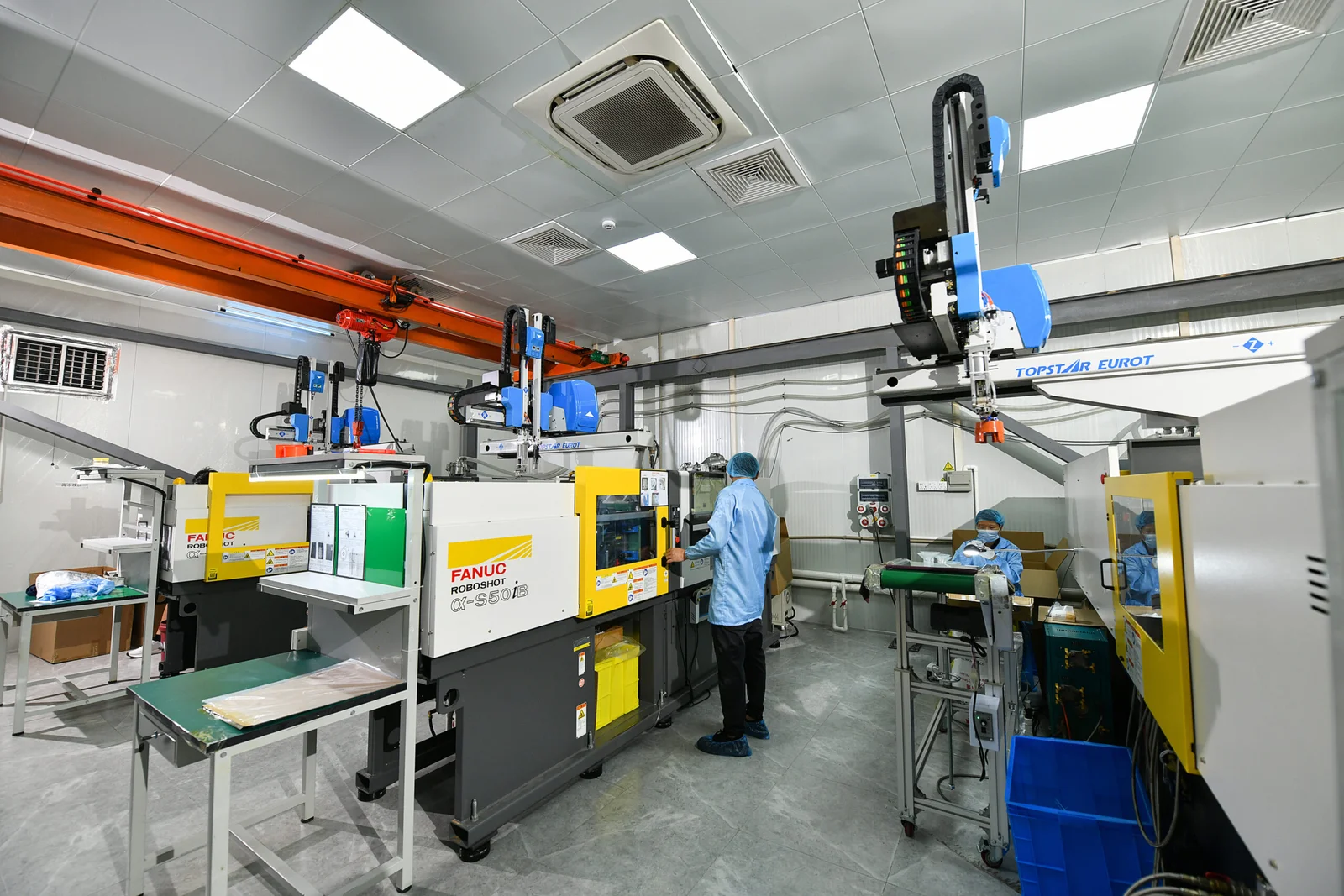
Insert Molding Guide: Everything You Need to Know | GBM
Insert molding is a highly efficient manufacturing process that combines metal or non-plastic parts with thermoplastic resins to create a single, unified component. By placing pre-formed inserts directly into the mold cavity before the plastic injection phase, manufacturers can drastically reduce assembly time and enhance product strength. At GBM, we leverage this technology to deliver […]
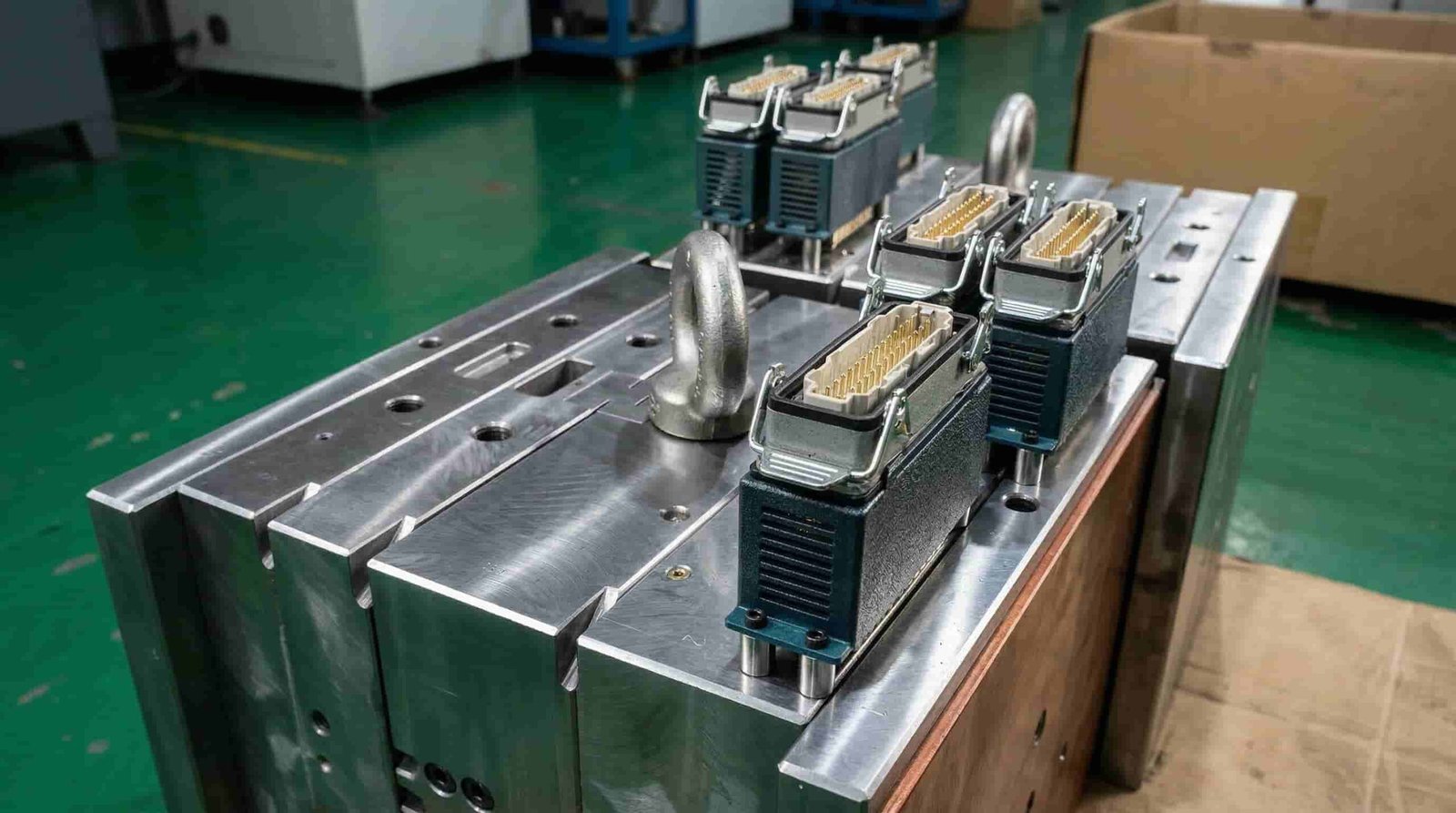
What Is Insert Molding? Process, Considerations & Applications
Insert molding is an advanced manufacturing process that combines metal or plastic components into a single, cohesive part by injecting molten thermoplastic around a pre-placed insert. This highly efficient technique eliminates the need for secondary assembly, significantly reduces part weight, and enhances the overall structural integrity of the final product. It is widely utilized across […]
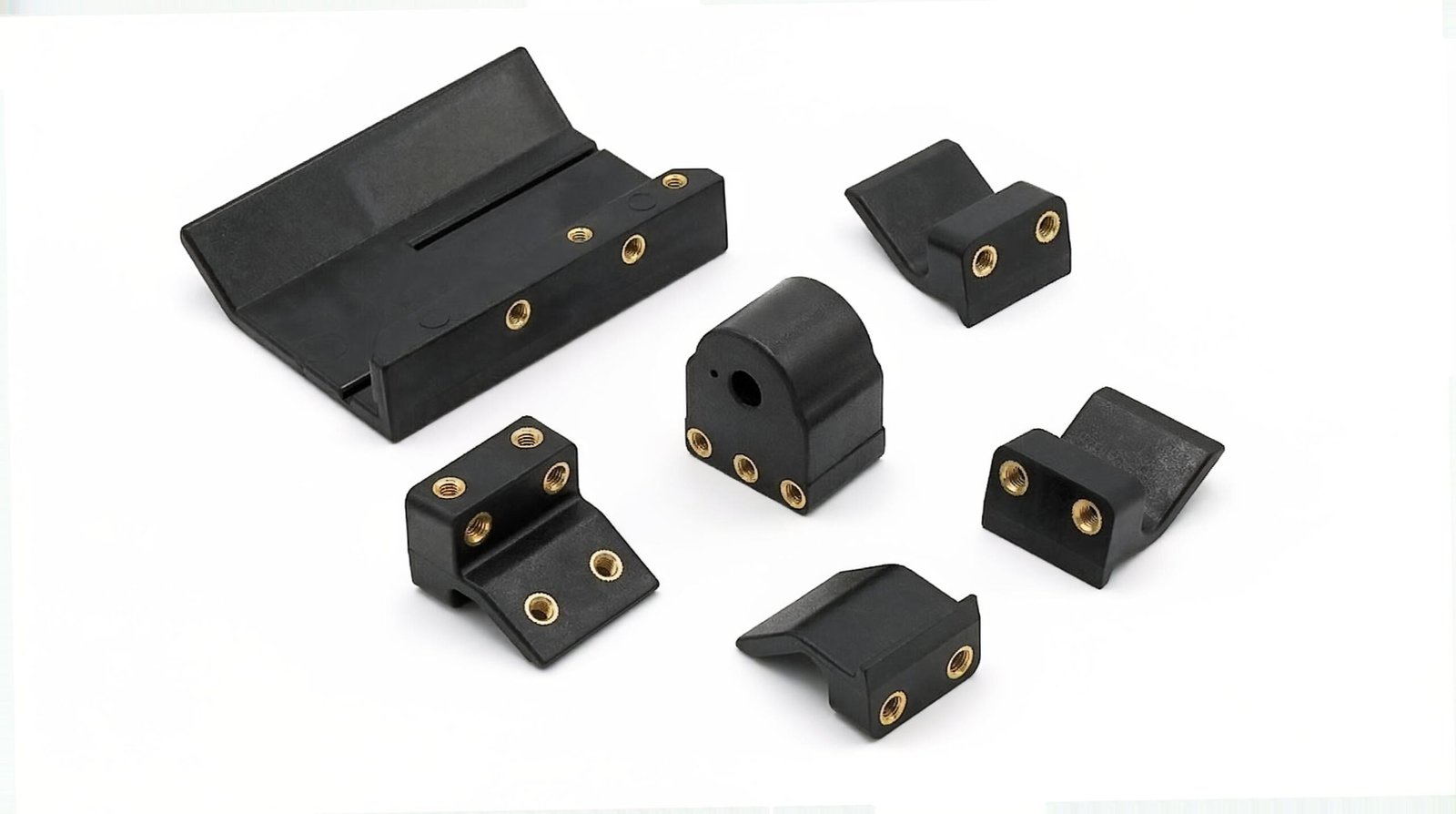
Insert Molding: A Cost-efficient Technique for High Precision
Insert molding is a highly cost-efficient manufacturing technique that combines metal or non-plastic components with molten plastic into a single, highly precise part. By eliminating secondary assembly steps and reducing material waste, this process delivers superior structural integrity and precision, making it ideal for complex engineering applications. 🎥 Watch the Mechanics: See exactly how molten […]
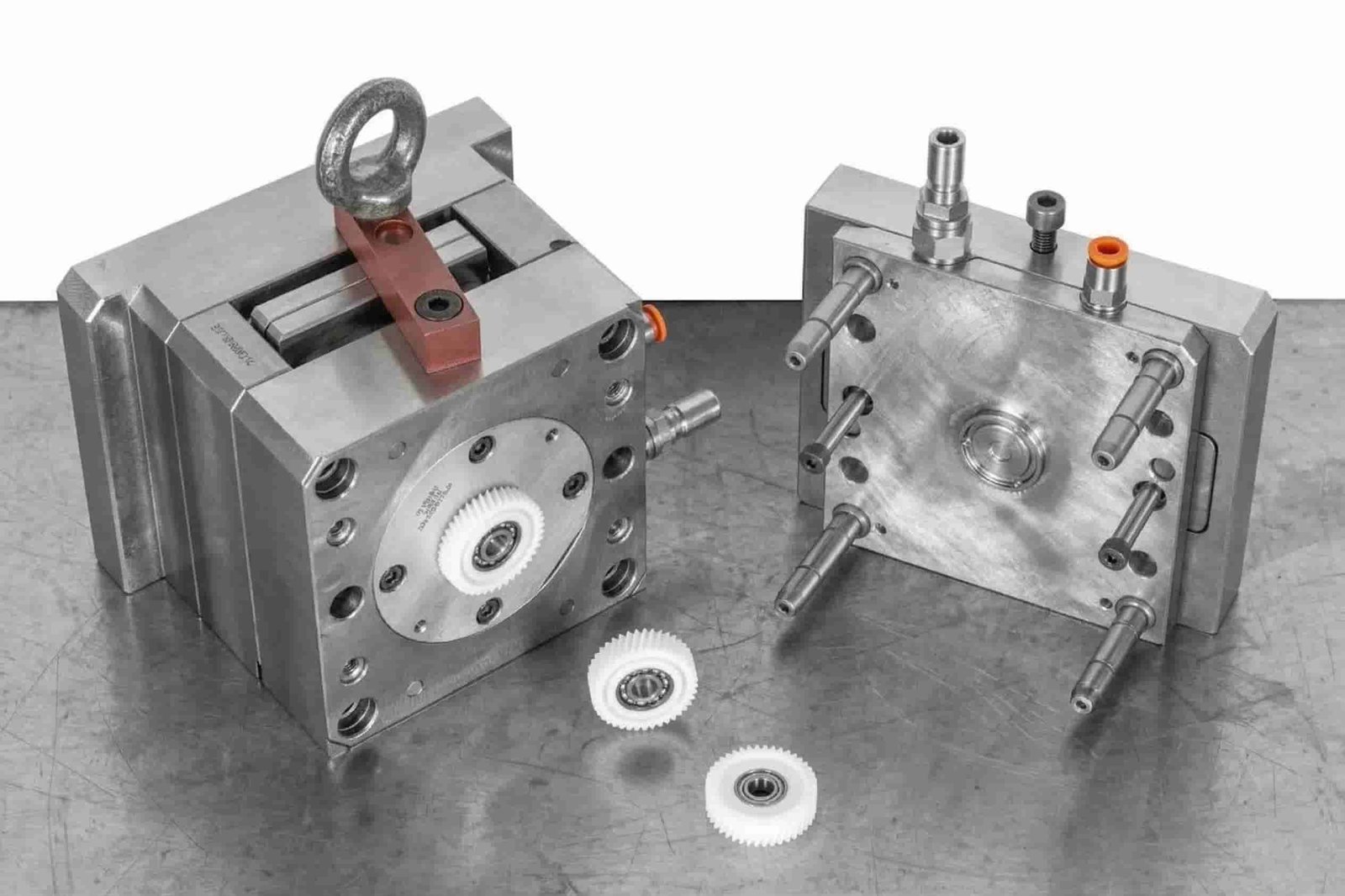
How does insert molding work?
Insert molding works by placing a pre-formed component, typically made of metal, into a mold cavity before closing it. Molten plastic is then injected into the mold, encapsulating the insert. Once the plastic cools and solidifies, the mold opens, ejecting a single, integrated part with enhanced mechanical properties. 🎥 Watch the Process: See the exact […]
What Is Insert Molding? Process, Uses & Benefits
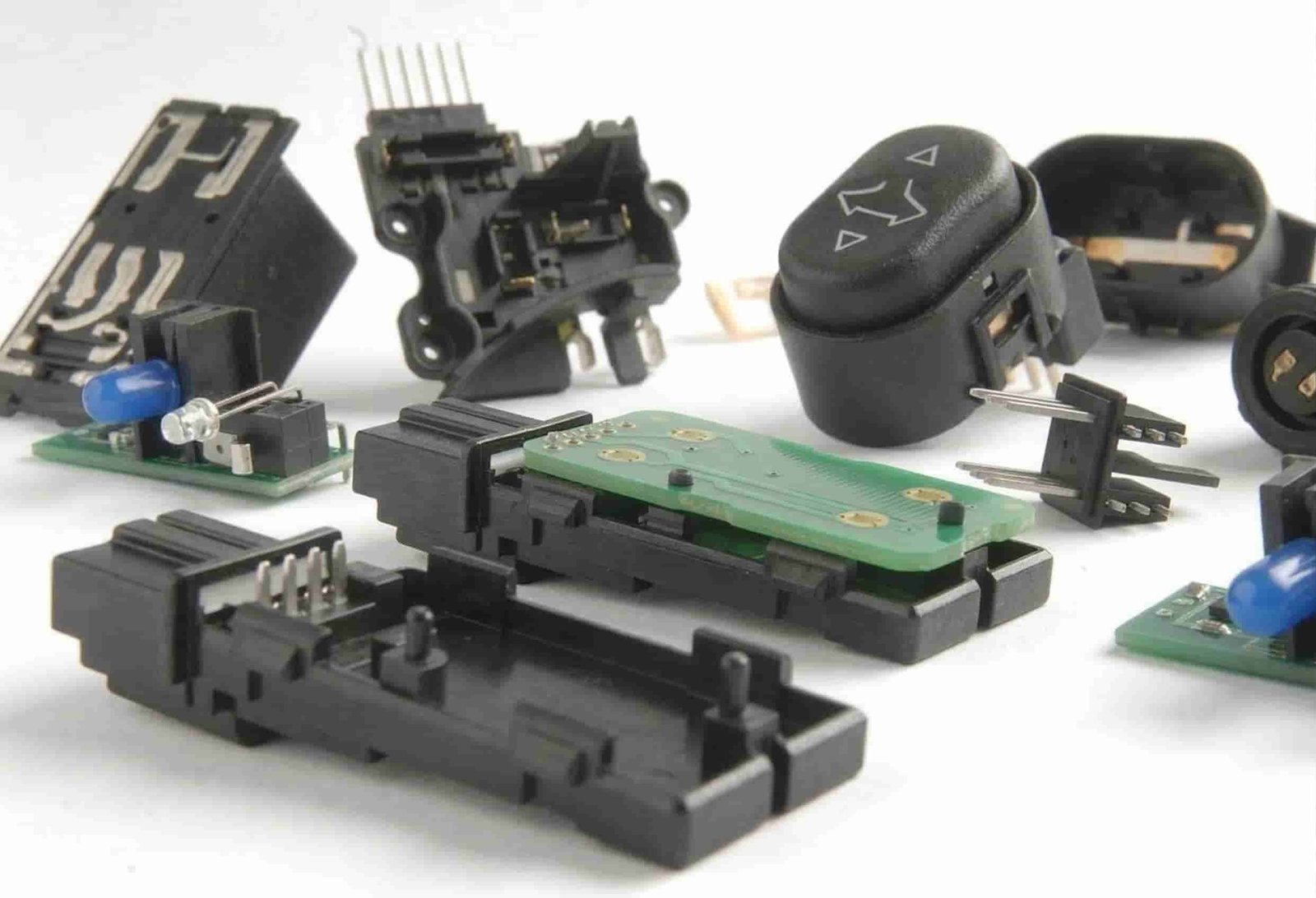
Insert molding is a highly efficient manufacturing process where molten plastic is injected around a pre-placed component, typically metal, to create a single integrated part. This process eliminates secondary assembly steps, significantly improves part strength, reduces component weight, and offers immense design flexibility for complex engineering applications. 🎥 Watch the Process in Action: See exactly […]
What material is used for insert molding?
Insert molding utilizes a wide range of thermoplastic and thermosetting polymers, including Polycarbonate (PC), Acrylonitrile Butadiene Styrene (ABS), Nylon (Polyamide), and Polyoxymethylene (POM). The specific material used depends heavily on the required mechanical strength, thermal resistance, and compatibility with the metal or plastic insert being encapsulated. 🎥 Watch the Process: See how different thermoplastics behave […]
What are the two methods of insert molding?
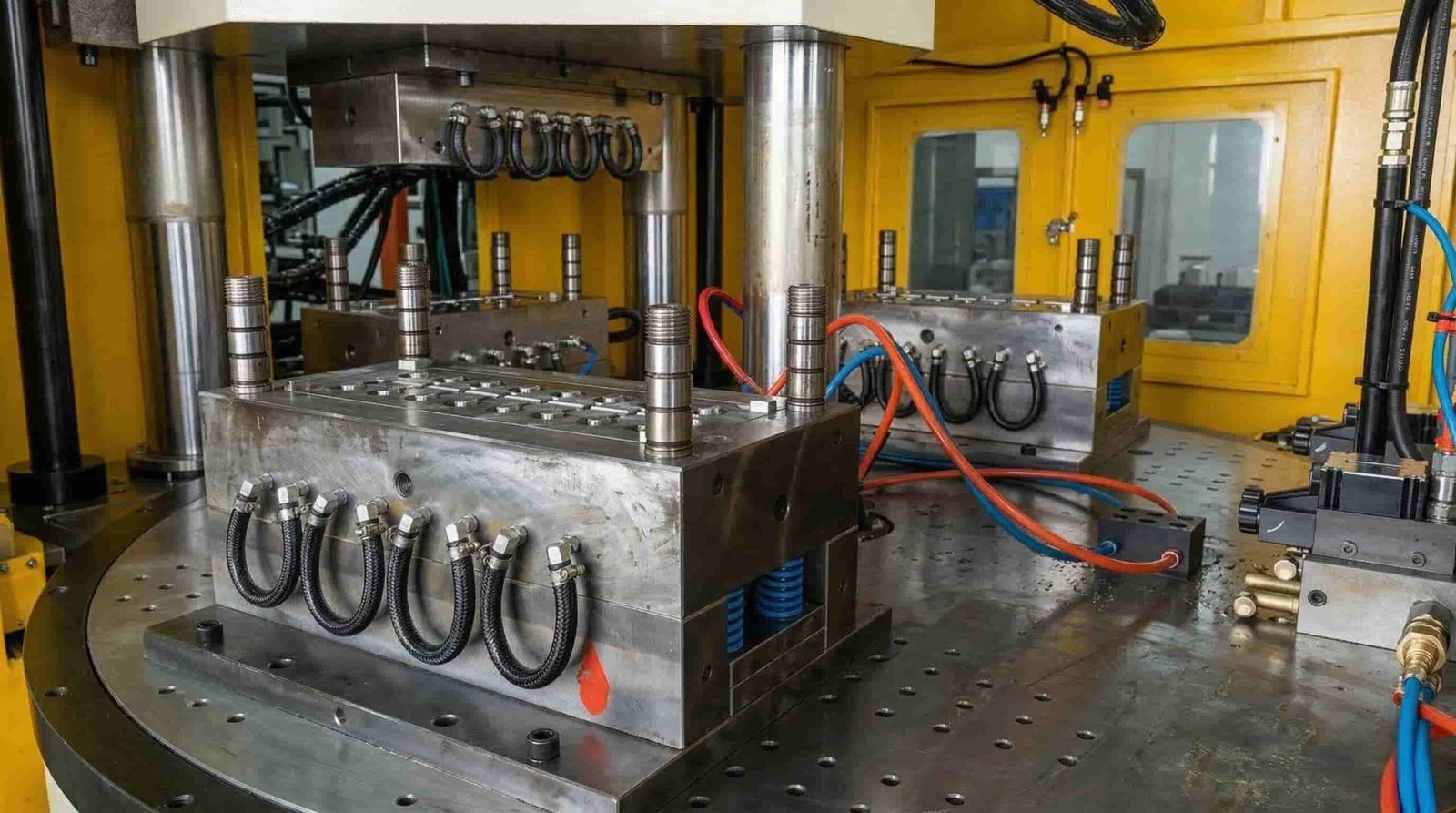
The two primary methods of insert molding are manual insertion and automated insertion. Manual insert molding relies on a human operator to hand-load metal or plastic inserts into the mold cavity before each cycle. Conversely, automated insert molding utilizes robotic arms and pick-and-place systems to precisely load inserts, offering higher speed and consistency for large […]
Industry Insights & Technical Hub
Explore our latest news, technical guides, and manufacturing solutions.
What is the difference between insert mold and over mold?
The main difference between an insert mold and an over mold lies in the base material and process sequence. Insert molding involves injecting plastic around a pre-placed non-plastic object, like a metal threaded nut. Overmolding, however, is a multi-step process that molds a secondary plastic or rubber layer directly over a previously molded plastic substrate. […]
Insert Molding Guide: Benefits, Applications & How It Works
Insert molding is a highly efficient manufacturing process that combines metal or non-plastic components with molten plastic to create a single, robust final part. By integrating threaded nuts, electrical contacts, or structural reinforcements directly during the injection phase, this technique eliminates post-molding assembly steps. It is widely utilized across the automotive, medical, and consumer electronics […]
Insert Molding Guide: Everything You Need to Know | GBM
Insert molding is a highly efficient manufacturing process that combines metal or non-plastic parts with thermoplastic resins to create a single, unified component. By placing pre-formed inserts directly into the mold cavity before the plastic injection phase, manufacturers can drastically reduce assembly time and enhance product strength. At GBM, we leverage this technology to deliver […]
What Is Insert Molding? Process, Considerations & Applications
Insert molding is an advanced manufacturing process that combines metal or plastic components into a single, cohesive part by injecting molten thermoplastic around a pre-placed insert. This highly efficient technique eliminates the need for secondary assembly, significantly reduces part weight, and enhances the overall structural integrity of the final product. It is widely utilized across […]
Insert Molding: A Cost-efficient Technique for High Precision
Insert molding is a highly cost-efficient manufacturing technique that combines metal or non-plastic components with molten plastic into a single, highly precise part. By eliminating secondary assembly steps and reducing material waste, this process delivers superior structural integrity and precision, making it ideal for complex engineering applications. 🎥 Watch the Mechanics: See exactly how molten […]
How does insert molding work?
Insert molding works by placing a pre-formed component, typically made of metal, into a mold cavity before closing it. Molten plastic is then injected into the mold, encapsulating the insert. Once the plastic cools and solidifies, the mold opens, ejecting a single, integrated part with enhanced mechanical properties. 🎥 Watch the Process: See the exact […]
What Is Insert Molding? Process, Uses & Benefits
Insert molding is a highly efficient manufacturing process where molten plastic is injected around a pre-placed component, typically metal, to create a single integrated part. This process eliminates secondary assembly steps, significantly improves part strength, reduces component weight, and offers immense design flexibility for complex engineering applications. 🎥 Watch the Process in Action: See exactly […]
What material is used for insert molding?
Insert molding utilizes a wide range of thermoplastic and thermosetting polymers, including Polycarbonate (PC), Acrylonitrile Butadiene Styrene (ABS), Nylon (Polyamide), and Polyoxymethylene (POM). The specific material used depends heavily on the required mechanical strength, thermal resistance, and compatibility with the metal or plastic insert being encapsulated. 🎥 Watch the Process: See how different thermoplastics behave […]
What are the two methods of insert molding?
The two primary methods of insert molding are manual insertion and automated insertion. Manual insert molding relies on a human operator to hand-load metal or plastic inserts into the mold cavity before each cycle. Conversely, automated insert molding utilizes robotic arms and pick-and-place systems to precisely load inserts, offering higher speed and consistency for large […]