Two Different Types of Injection Molding Processes Compared
When evaluating multi-material injection molding techniques, overmolding and two-shot molding are the most commonly compared processes. Overmolding adds a secondary material over a pre-molded substrate using a standard machine, while two-shot molding injects two separate materials simultaneously within a single, highly specialized machine cycle. What is Overmolding? Overmolding is a multi-step injection molding process where […]
What are the three types of insert molding?
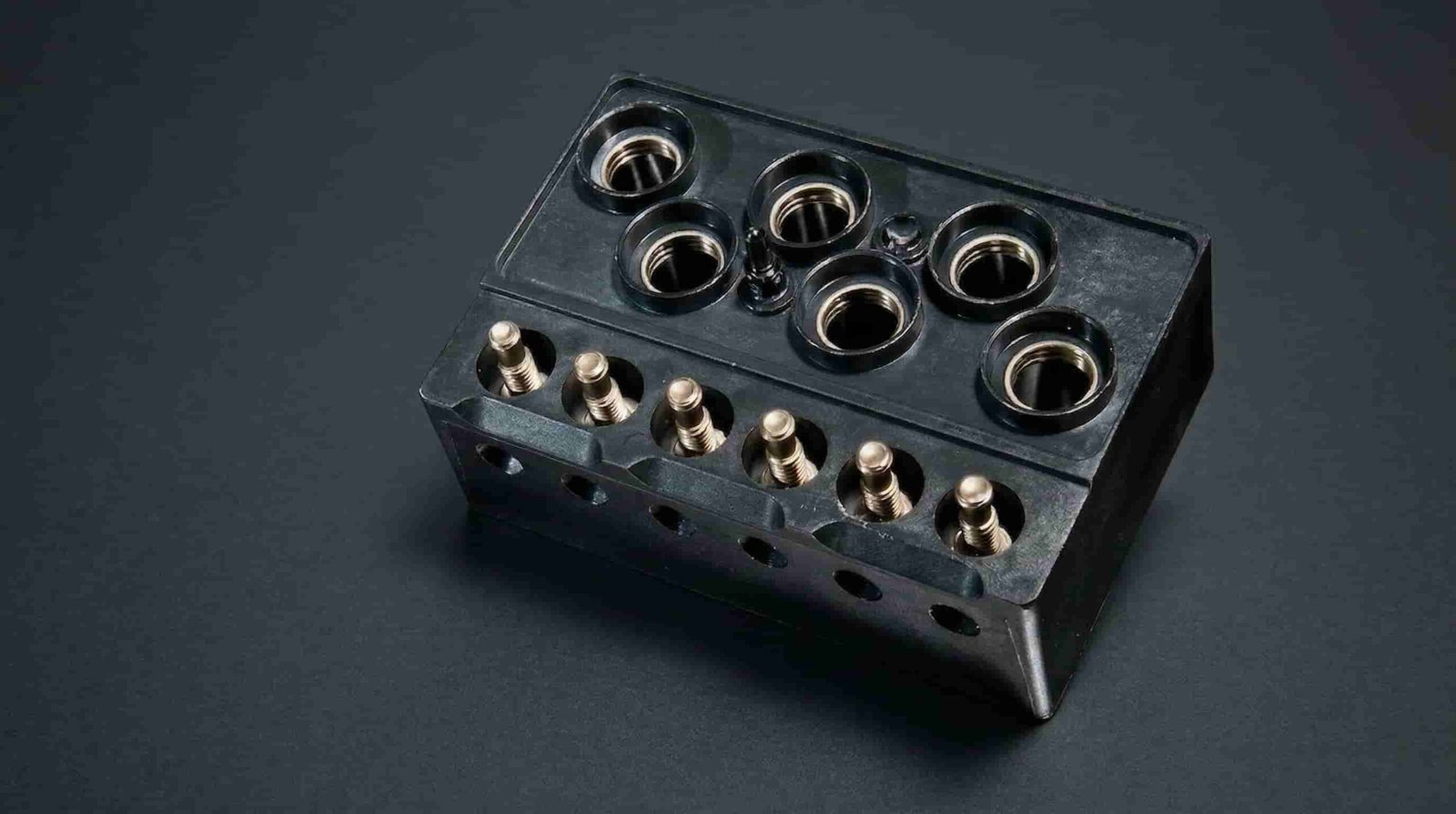
The three primary types of insert molding include threaded insert molding, where metal threads are molded into plastic parts; electrical contact insert molding, which encapsulates wiring or pins for conductivity; and structural insert molding, designed to reinforce plastic components with high-strength metal brackets or shafts for superior mechanical performance. 🎥 Watch Insert Molding in Action: […]
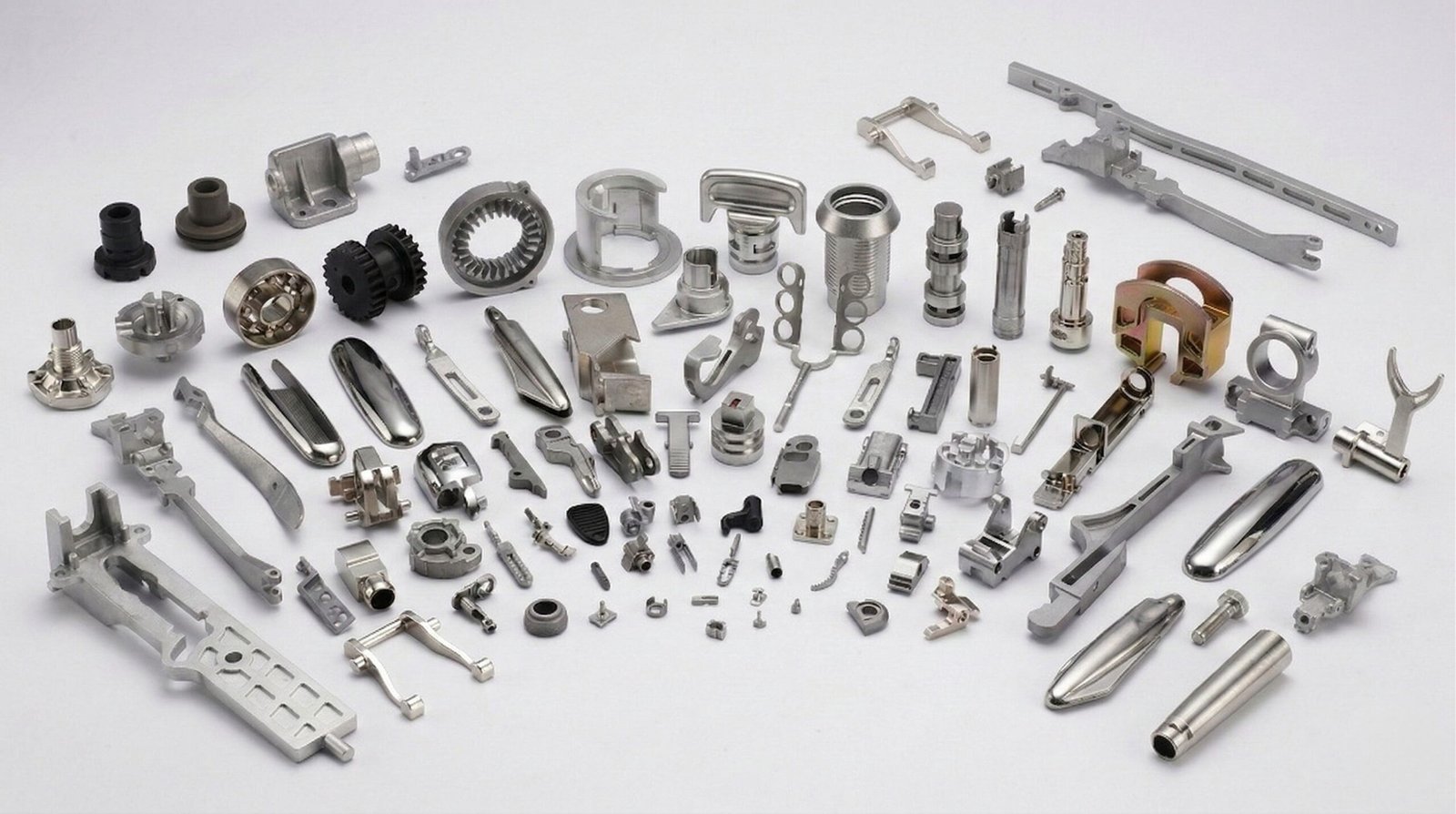
What is the difference between transfer molding and injection molding?
Molding is a broad manufacturing term that refers to shaping liquid or pliable raw materials using a rigid frame called a mold. Injection molding is a highly specific, automated type of molding where molten material is forcefully injected into a closed cavity under high pressure to create precise, complex parts. What is molding? Molding serves […]
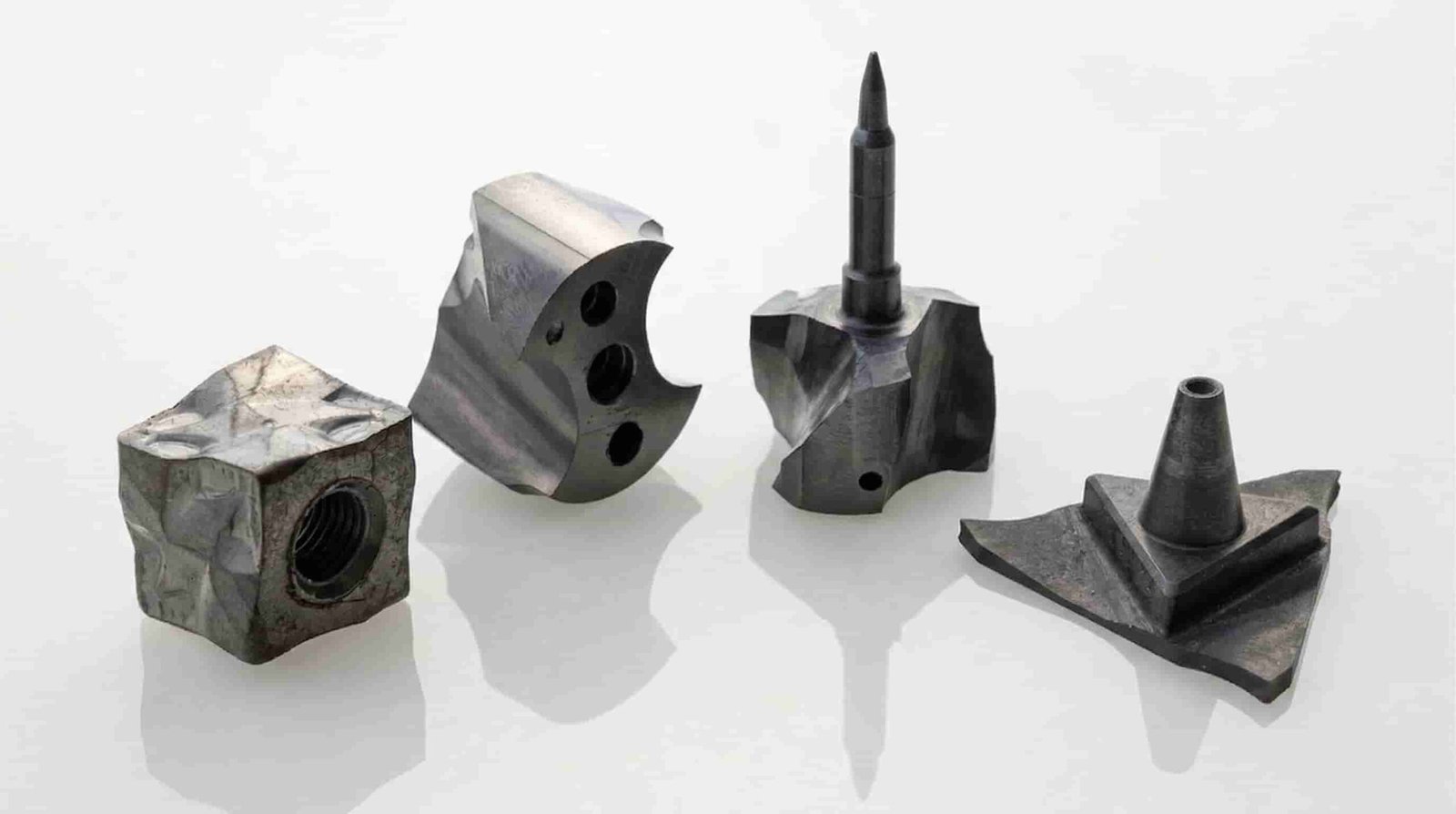
Injection Molding vs Die Casting: Which Is Better?
Injection molding and die casting are both high-volume manufacturing processes, but they use fundamentally different materials. Injection molding is best for producing lightweight, flexible, and cost-effective plastic parts. Conversely, die casting is the superior choice for manufacturing strong, durable, and temperature-resistant metal components for heavy-duty applications. What is Injection Molding? Injection molding is a highly […]
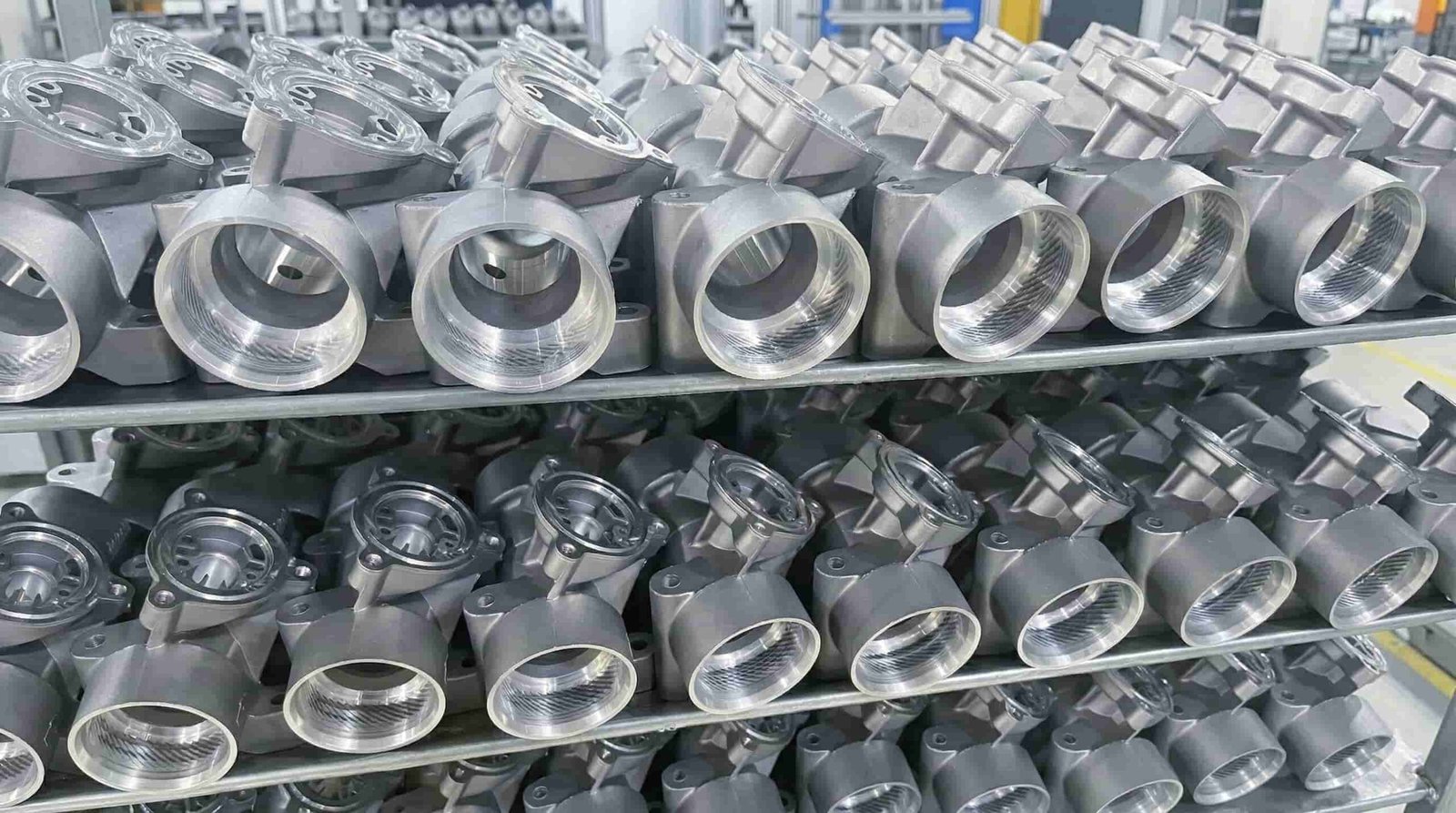
Injection Molding Design Guide for Engineers | GBM
Designing parts for plastic manufacturing requires a deep understanding of material behaviors, tooling constraints, and process dynamics. This comprehensive guide provides engineers with the essential principles needed to optimize components for manufacturability, reduce tooling costs, and eliminate common defects. By applying these proven design for manufacturability (DFM) strategies, you can transition seamlessly from prototyping to […]
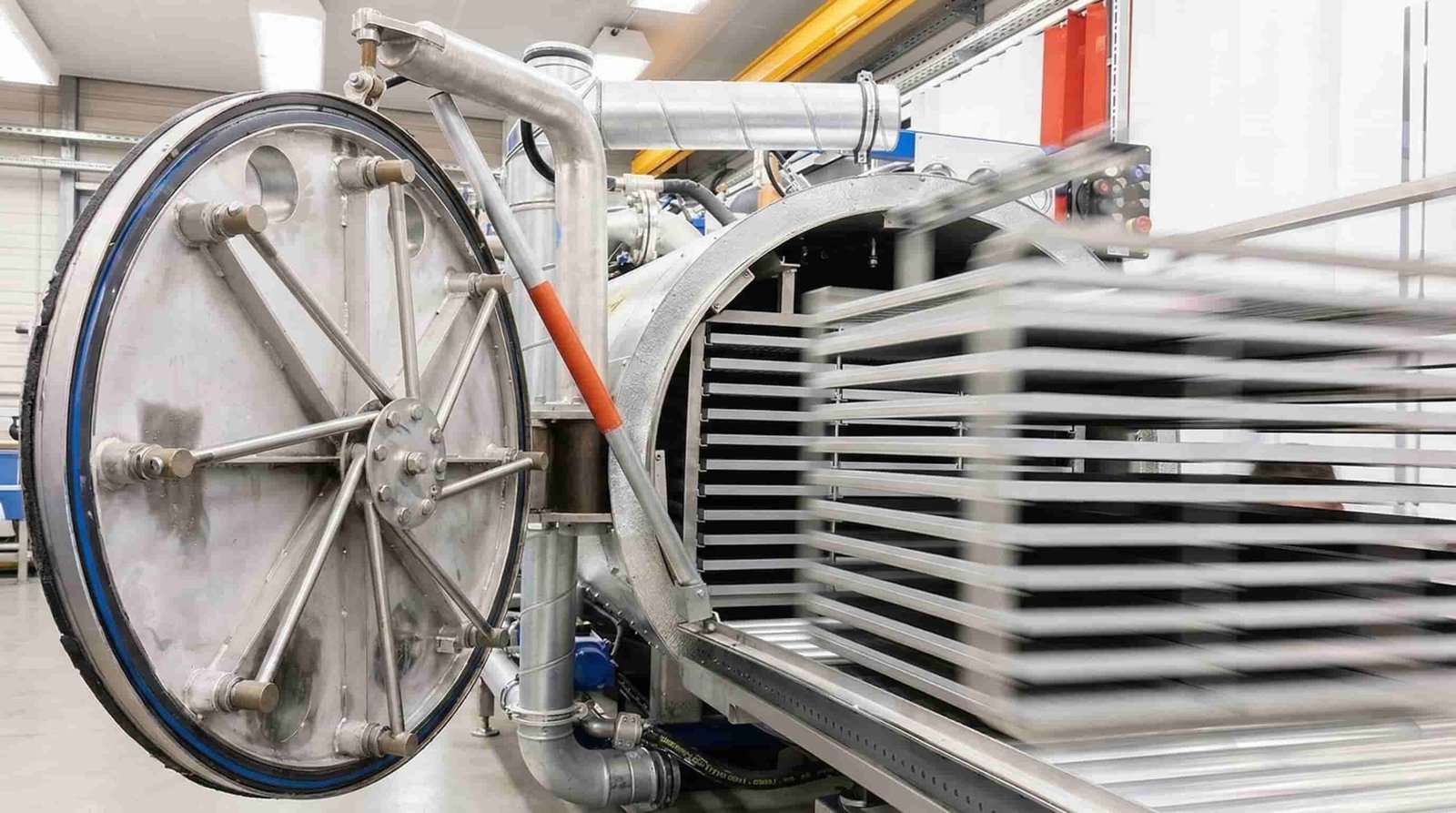
Injection Molding Basics: The Complete Guide (2026)
Mastering the fundamentals of plastic manufacturing is critical for modern production, and injection molding stands at the forefront of this industry. As a highly efficient and scalable manufacturing process, it allows engineers to produce complex plastic parts with exceptional precision and speed. Whether you are designing consumer goods or automotive components, understanding the core principles, […]
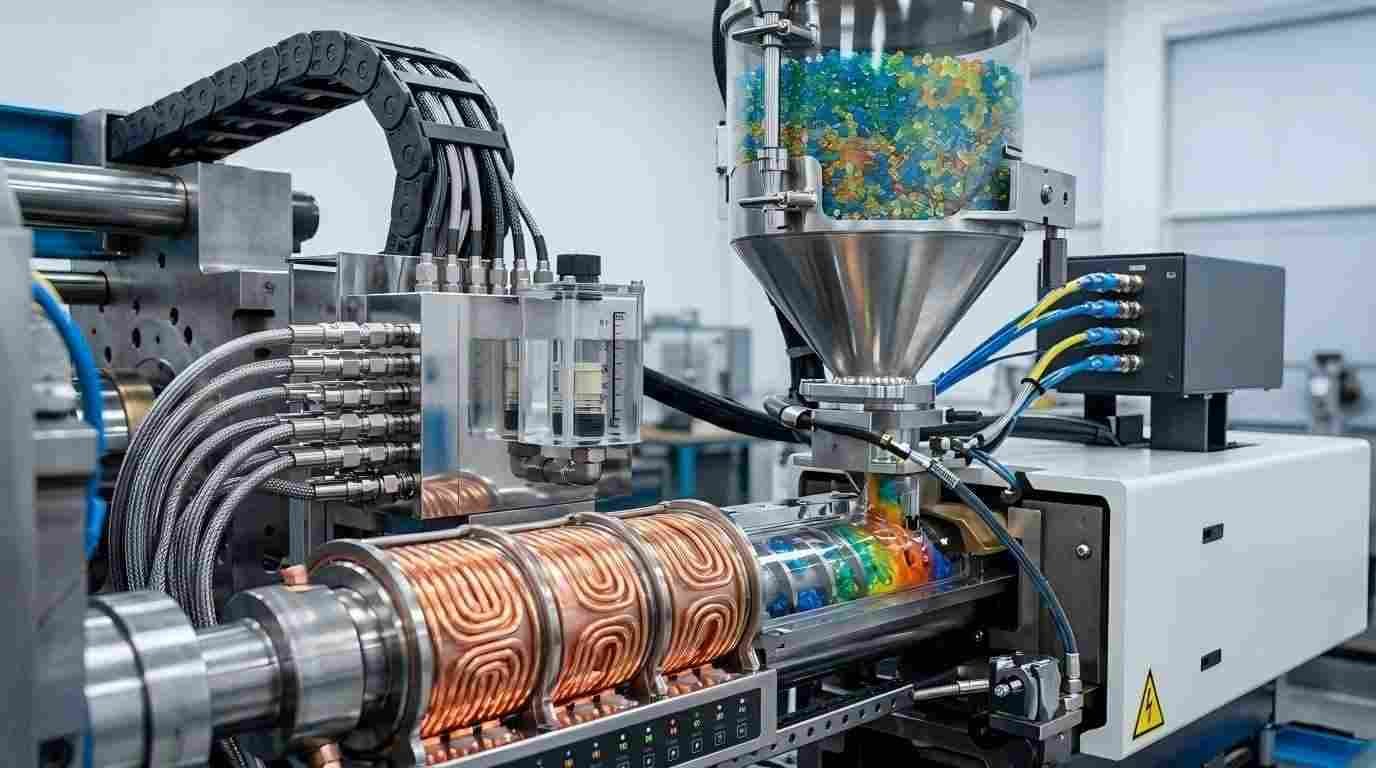
How Does a Stack Mold Work?
A stack mold is an advanced injection molding technology designed to double or even quadruple production output without increasing the clamp tonnage of the molding machine. By utilizing multiple parting lines stacked parallel to each other, manufacturers can significantly enhance manufacturing efficiency, reduce part costs, and optimize floor space, making it a critical solution for […]
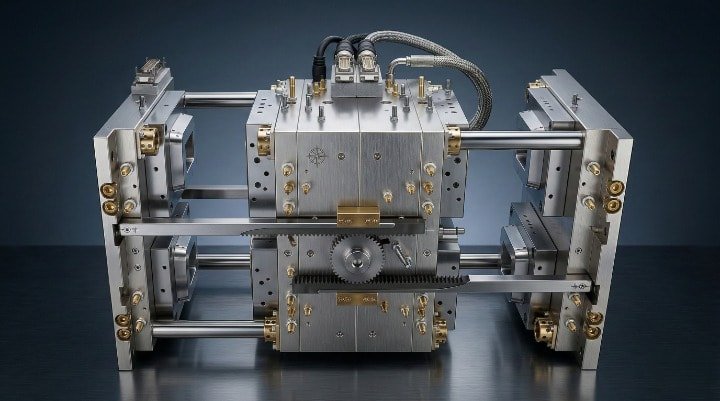
What are the Disadvantages of Stack Mold?
While stack molding is celebrated for its ability to double production output without increasing machine size, it is essential to understand the potential drawbacks before investing in this technology. Evaluating the disadvantages of stack molds—such as higher upfront costs, increased tooling complexity, and demanding maintenance requirements—ensures that manufacturers make informed decisions. This guide explores both […]
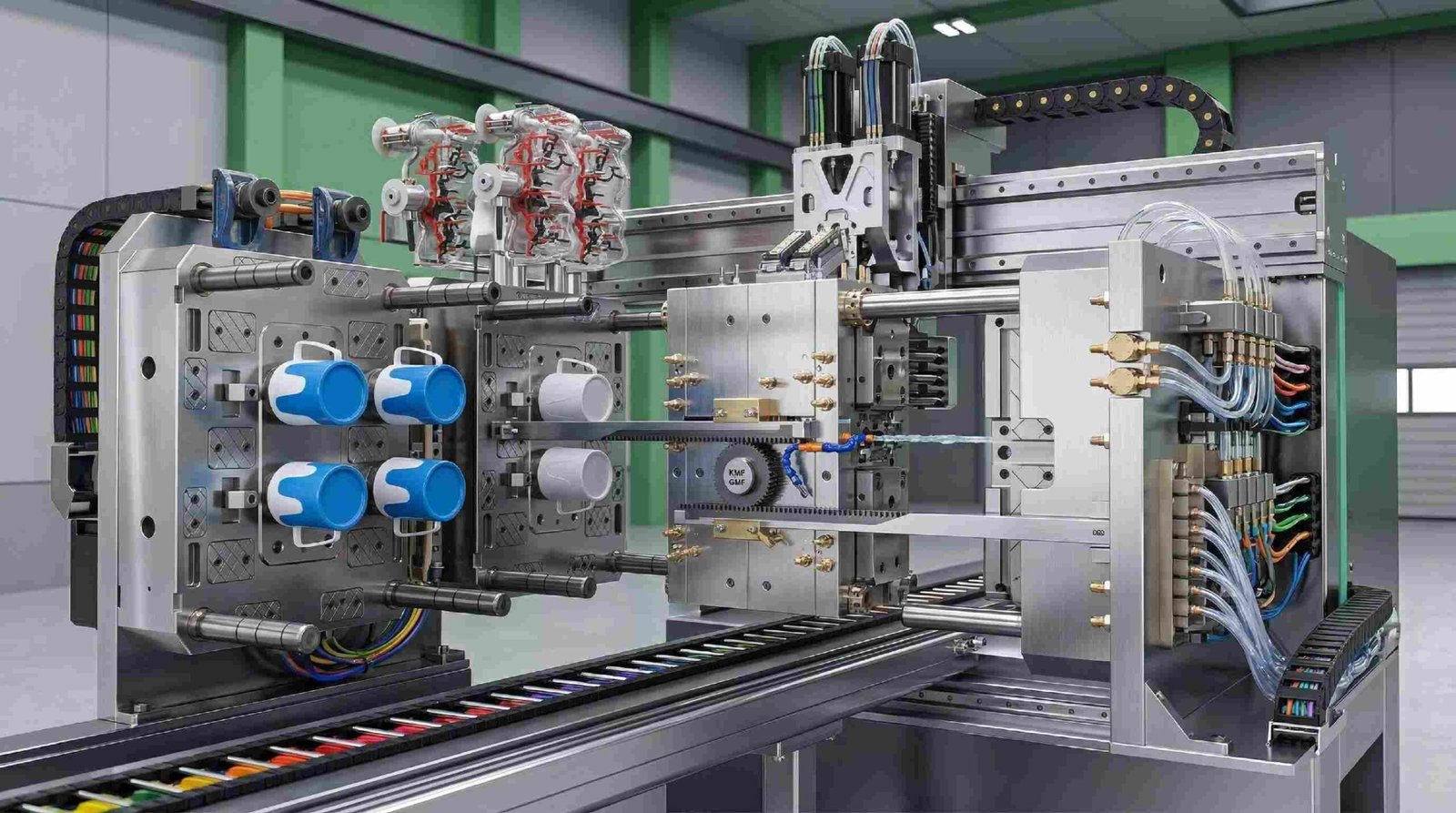
What is Stack Molding?
Stack molding is an advanced plastic injection molding technique designed to double or even quadruple production output without increasing the clamping force required from the injection molding machine. By utilizing multiple parting lines or mold faces stacked parallel to each other, manufacturers can significantly enhance efficiency, reduce part costs, and maximize the operational footprint of […]
Industry Insights & Technical Hub
Explore our latest news, technical guides, and manufacturing solutions.
Two Different Types of Injection Molding Processes Compared
When evaluating multi-material injection molding techniques, overmolding and two-shot molding are the most commonly compared processes. Overmolding adds a secondary material over a pre-molded substrate using a standard machine, while two-shot molding injects two separate materials simultaneously within a single, highly specialized machine cycle. What is Overmolding? Overmolding is a multi-step injection molding process where […]
What are the three types of insert molding?
The three primary types of insert molding include threaded insert molding, where metal threads are molded into plastic parts; electrical contact insert molding, which encapsulates wiring or pins for conductivity; and structural insert molding, designed to reinforce plastic components with high-strength metal brackets or shafts for superior mechanical performance. 🎥 Watch Insert Molding in Action: […]
What is the difference between transfer molding and injection molding?
Molding is a broad manufacturing term that refers to shaping liquid or pliable raw materials using a rigid frame called a mold. Injection molding is a highly specific, automated type of molding where molten material is forcefully injected into a closed cavity under high pressure to create precise, complex parts. What is molding? Molding serves […]
Injection Molding vs Die Casting: Which Is Better?
Injection molding and die casting are both high-volume manufacturing processes, but they use fundamentally different materials. Injection molding is best for producing lightweight, flexible, and cost-effective plastic parts. Conversely, die casting is the superior choice for manufacturing strong, durable, and temperature-resistant metal components for heavy-duty applications. What is Injection Molding? Injection molding is a highly […]
Injection Molding Design Guide for Engineers | GBM
Designing parts for plastic manufacturing requires a deep understanding of material behaviors, tooling constraints, and process dynamics. This comprehensive guide provides engineers with the essential principles needed to optimize components for manufacturability, reduce tooling costs, and eliminate common defects. By applying these proven design for manufacturability (DFM) strategies, you can transition seamlessly from prototyping to […]
Injection Molding Basics: The Complete Guide (2026)
Mastering the fundamentals of plastic manufacturing is critical for modern production, and injection molding stands at the forefront of this industry. As a highly efficient and scalable manufacturing process, it allows engineers to produce complex plastic parts with exceptional precision and speed. Whether you are designing consumer goods or automotive components, understanding the core principles, […]
How Does a Stack Mold Work?
A stack mold is an advanced injection molding technology designed to double or even quadruple production output without increasing the clamp tonnage of the molding machine. By utilizing multiple parting lines stacked parallel to each other, manufacturers can significantly enhance manufacturing efficiency, reduce part costs, and optimize floor space, making it a critical solution for […]
What are the Disadvantages of Stack Mold?
While stack molding is celebrated for its ability to double production output without increasing machine size, it is essential to understand the potential drawbacks before investing in this technology. Evaluating the disadvantages of stack molds—such as higher upfront costs, increased tooling complexity, and demanding maintenance requirements—ensures that manufacturers make informed decisions. This guide explores both […]
What is Stack Molding?
Stack molding is an advanced plastic injection molding technique designed to double or even quadruple production output without increasing the clamping force required from the injection molding machine. By utilizing multiple parting lines or mold faces stacked parallel to each other, manufacturers can significantly enhance efficiency, reduce part costs, and maximize the operational footprint of […]